Blog

  • Best Ngorongoro Honeymoon Lodges: 8 Romantic Picks 2026

    Best Ngorongoro Honeymoon Lodges: 8 Romantic Picks 2026

    TL;DR

    Ngorongoro honeymoon lodges range from crater-rim properties with caldera views and fast access to the crater floor to Karatu-area retreats focused on gardens, coffee estates, spa time, and privacy. The right choice depends on whether you prioritize crater views and early game-drive access or a quieter highland retreat with more space for relaxation. Most honeymooners spend one to two nights at Ngorongoro as part of a longer Tanzania honeymoon itinerary.

    Quick Answer: Which Ngorongoro Honeymoon Lodge Should You Choose?

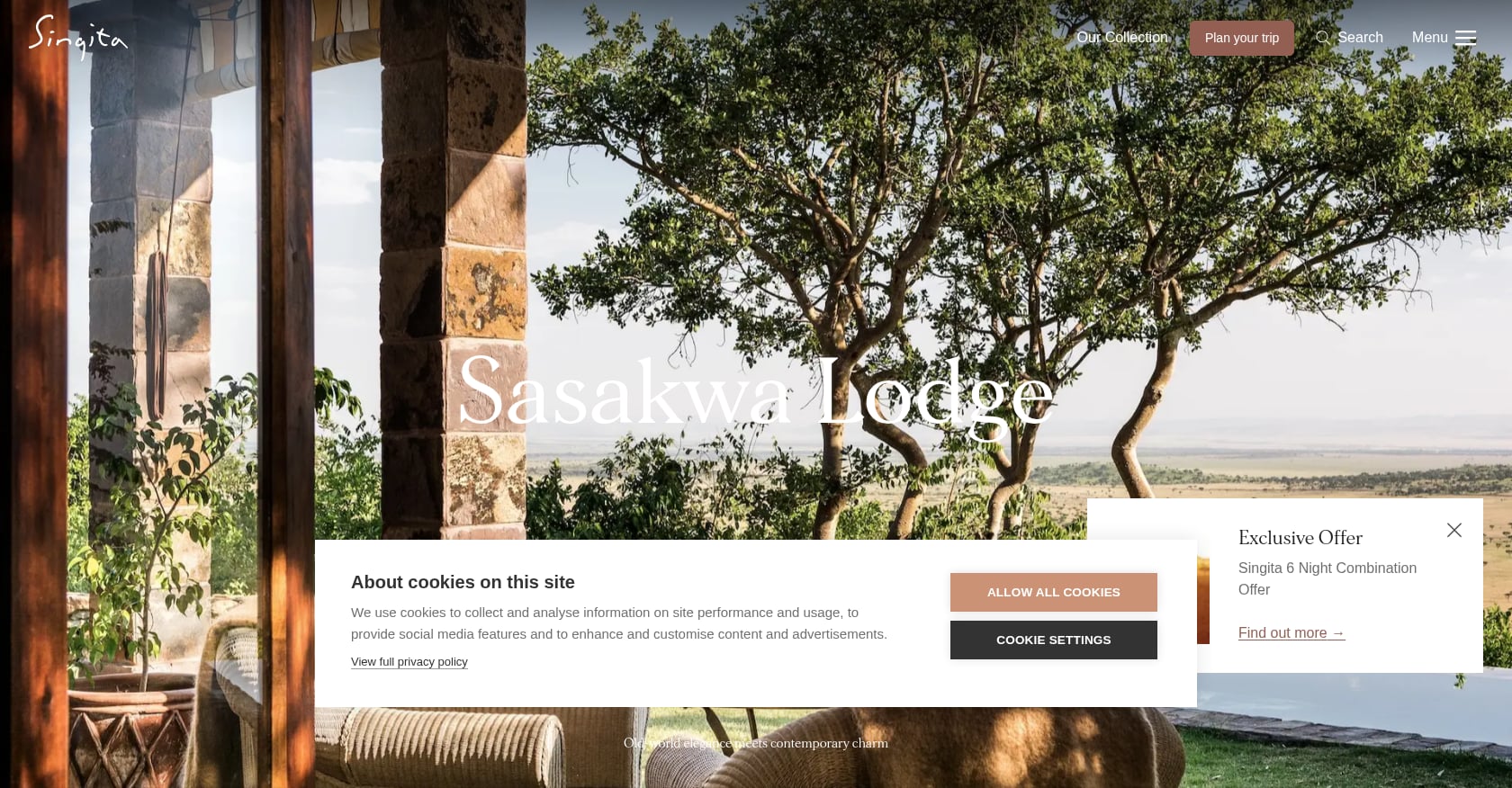
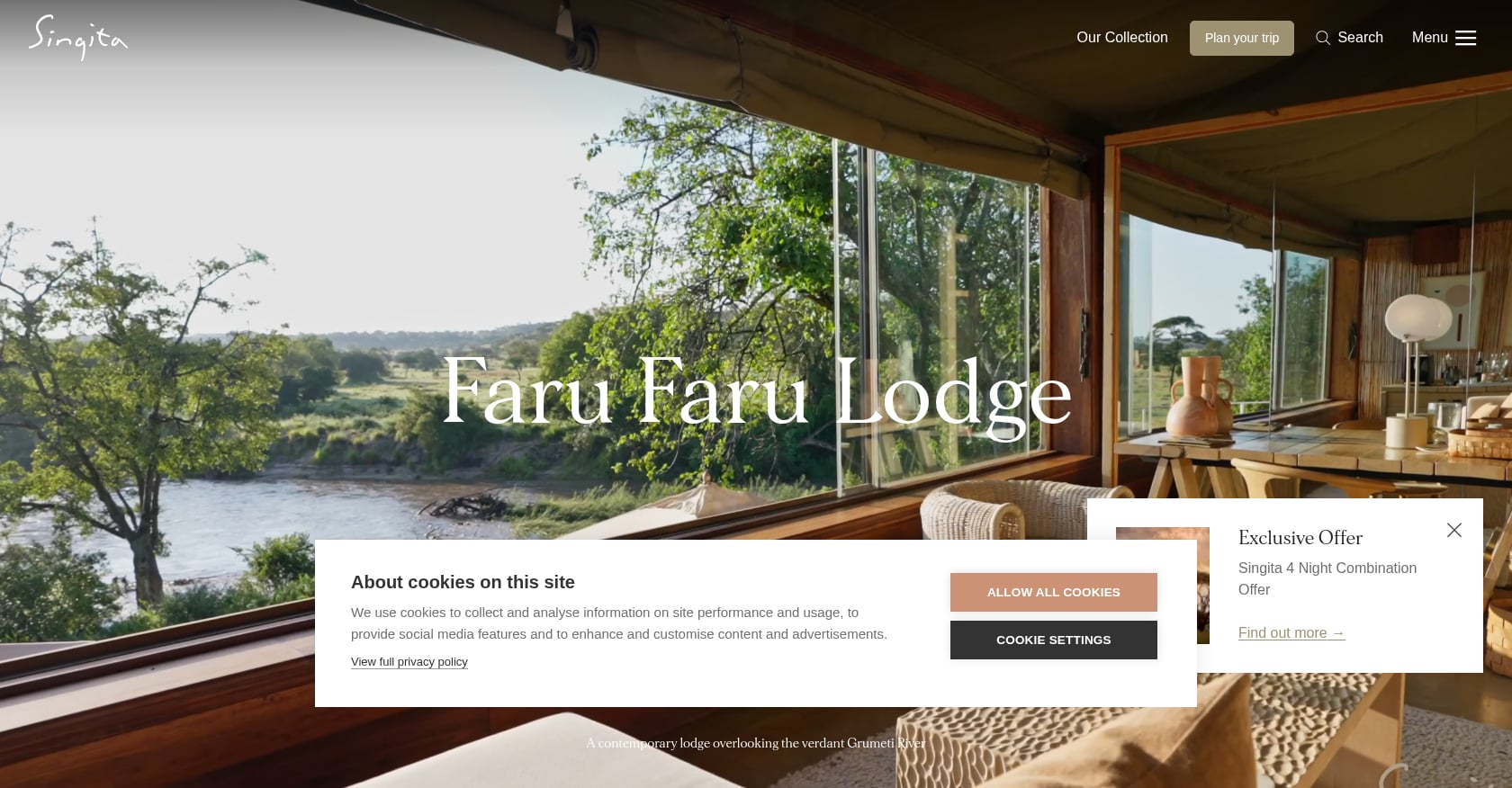
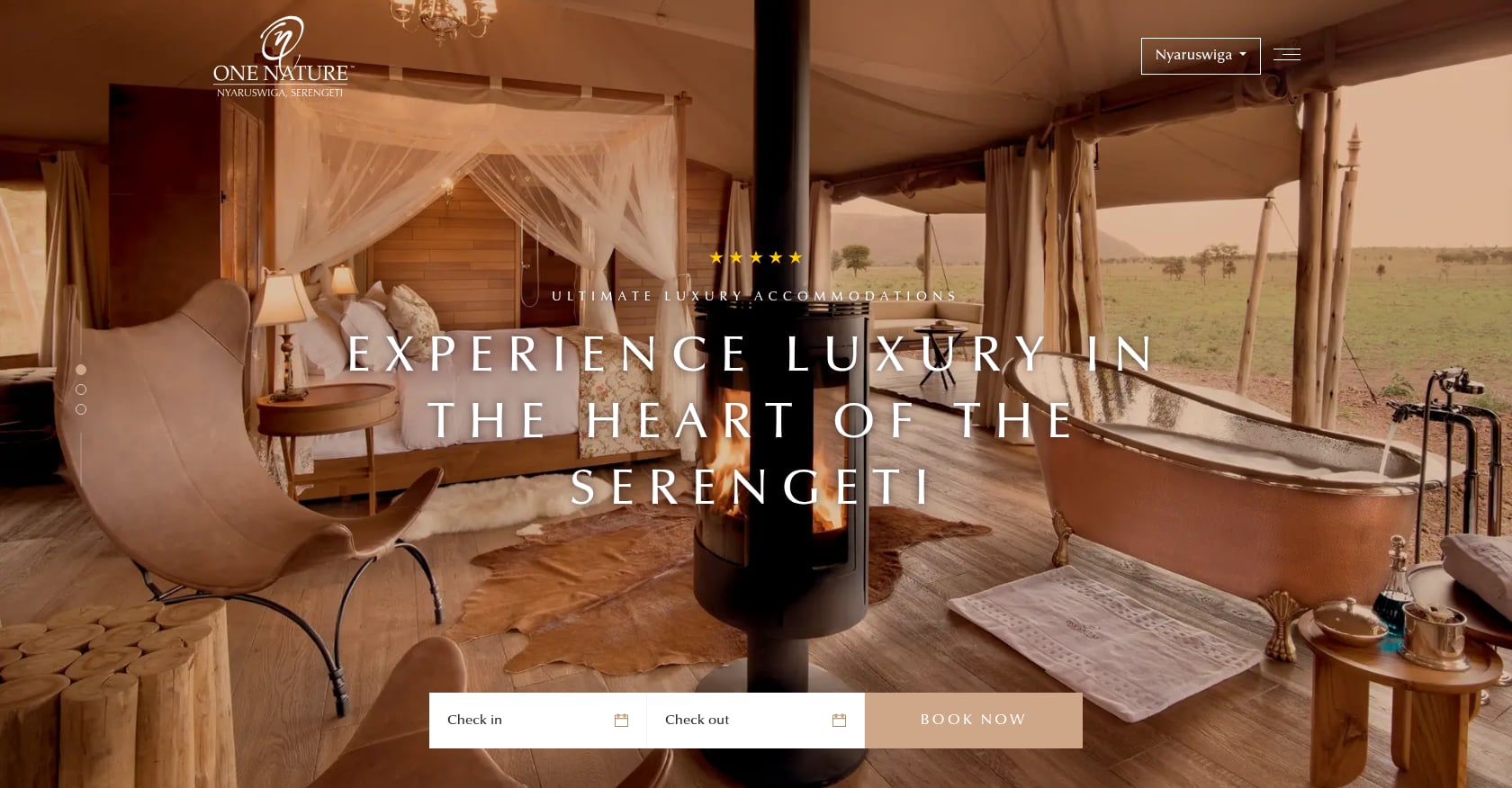
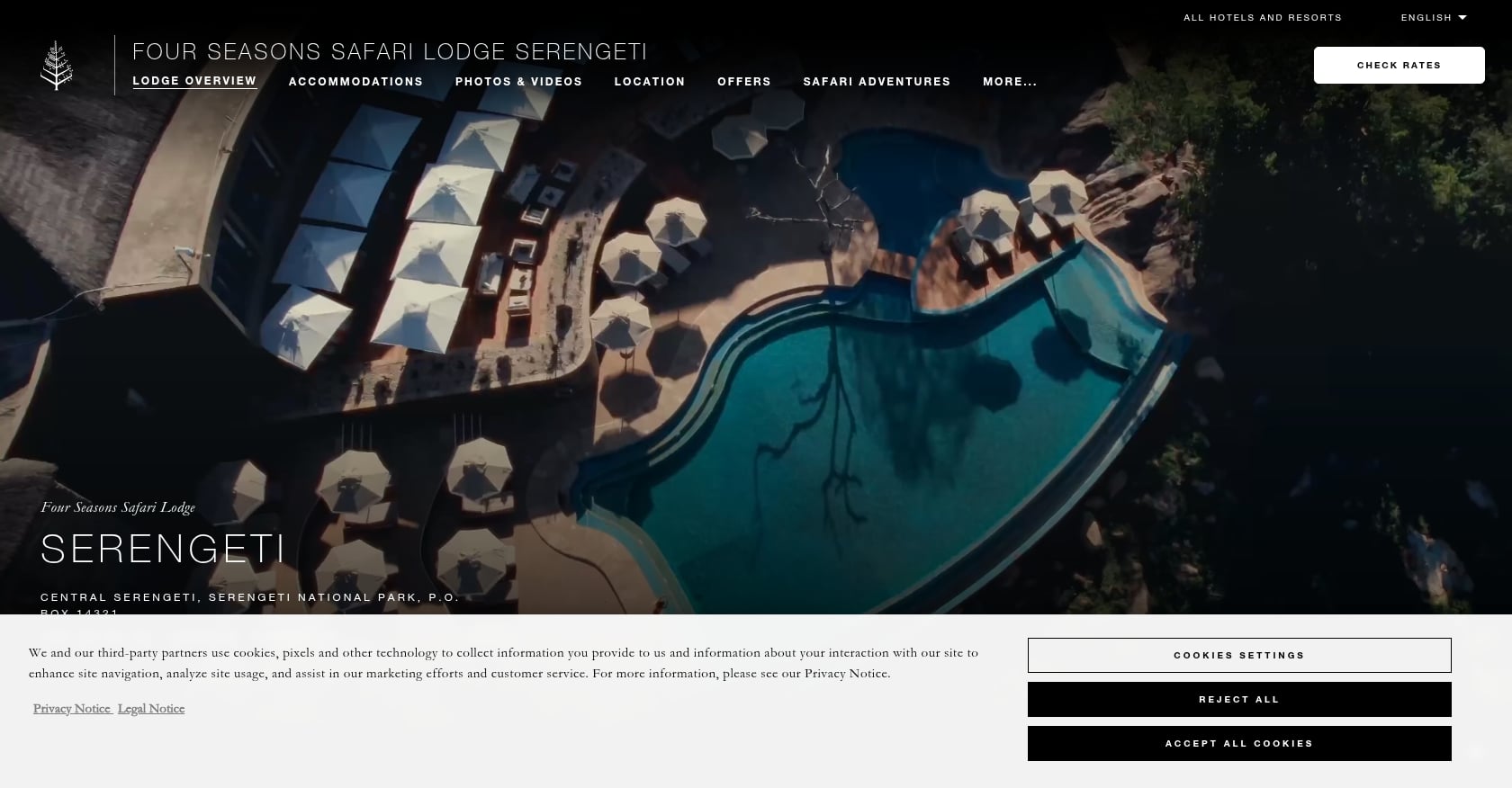
    For a Ngorongoro honeymoon, choose a crater-rim lodge if your priorities are caldera views, sunrise scenery, and minimizing the morning drive to the crater floor. Choose a Karatu-area lodge if you prefer warmer surroundings, gardens, coffee-estate activities, and a more relaxed retreat between safari days. The Highlands, Ngorongoro Meliá Collection, Entamanu Ngorongoro, Lemala Ngorongoro, Gibb’s Farm, The Manor at Ngorongoro, Ngorongoro Serena Safari Lodge, and Mysigio Camp each offer a different combination of location, accommodation style, privacy, activities, and price.

    For most couples, one or two nights is enough to experience Ngorongoro as part of a longer Tanzania honeymoon itinerary. Couples who want both crater access and highland relaxation can split their stay between a rim property and a Karatu-area lodge.

    Important 2026 note: Accommodation rates, conservation-area fees, crater access charges, and availability can change by season and booking date. Confirm the current total cost and applicable fees with your safari operator or lodge before booking.

    How We Compared These Ngorongoro Honeymoon Lodges

    The eight properties in this guide are compared using the factors that matter most to honeymoon couples:

    • Location: Crater rim, Ngorongoro Highlands, or Karatu area

    • Crater access: How quickly guests can reach the crater descent routes

    • Romance and privacy: Room design, camp size, private dining, views, and honeymoon arrangements

    • Accommodation style: Luxury hotel, permanent lodge, tented camp, or eco-luxe camp

    • Activities: Game drives, hiking, coffee tours, cultural experiences, horseback riding, and wellness

    • Amenities: Spa, pool, fireplaces, private decks, dining options, and other facilities

    • Price: Approximate accommodation cost by season, where reliable pricing is available

    • Tradeoffs: Factors such as distance, weather, crowds, limited amenities, or a more rustic atmosphere

    Because lodge rates and inclusions change by season and booking date, prices in this guide should be treated as planning ranges rather than guaranteed rates.

    Ngorongoro Honeymoon Lodges: Quick Comparison

    Lodge

    Area

    Accommodation Style

    Best For

    Crater View

    Crater Access

    Approx. 2026 Price

    The Highlands

    Olmoti Volcano slopes

    Luxury dome tents

    Couples wanting a distinctive honeymoon stay

    No, volcano/highland views

    Moderate

    $1,200–$1,800+ pppn

    Ngorongoro Meliá Collection

    Crater rim

    Luxury hotel/lodge

    Couples wanting full-service amenities and crater views

    Yes

    Excellent

    ~$716–$1,200+

    Entamanu Ngorongoro

    Northwestern rim

    Luxury tented camp

    Remote, eco-conscious honeymoons

    Yes

    Variable

    ~$865–$1,280+ pppn

    Lemala Ngorongoro

    Eastern rim

    Tented camp

    Early crater access and bush atmosphere

    No, forest setting

    Excellent

    ~$600–$900 pppn

    Ngorongoro Serena

    Western rim

    Safari lodge

    Couples wanting rim views and spa facilities

    Yes

    Excellent

    ~$700–$1,100 pppn

    Gibb’s Farm

    Karatu highlands

    Farm/lodge

    Relaxation, gardens, food, and coffee experiences

    No

    Moderate

    ~$1,100–$1,500 pppn

    The Manor at Ngorongoro

    Karatu

    Estate-style lodge

    Couples wanting traditional luxury

    No

    Moderate

    ~$636–$1,074 pppn

    Mysigio Camp

    Ngorongoro Highlands

    Eco-luxe tented camp

    Cultural immersion and privacy

    No

    Moderate

    Operator quote

    Prices are planning estimates rather than guaranteed 2026 rates. Confirm current rates, inclusions, taxes, conservation fees, and seasonal supplements before booking.

    Which Ngorongoro Honeymoon Lodge Fits Your Priorities?

    Different couples value different parts of the Ngorongoro experience. Use these categories to narrow the shortlist before comparing individual properties.

    If Your Priority Is…

    Consider

    Dedicated honeymoon accommodation

    The Highlands

    Crater-rim views

    Ngorongoro Meliá Collection or Ngorongoro Serena

    Early crater access

    Lemala Ngorongoro

    Remote wilderness atmosphere

    Entamanu Ngorongoro

    Farm, coffee, and relaxation experiences

    Gibb’s Farm

    Estate-style luxury

    The Manor at Ngorongoro

    Maasai cultural experiences

    Mysigio Camp

    Full-service hotel amenities

    Ngorongoro Meliá Collection

    Small tented-camp atmosphere

    Lemala Ngorongoro or Entamanu Ngorongoro

    Combining safari with a relaxing highland stay

    Gibb’s Farm or The Manor at Ngorongoro

    These categories are starting points rather than universal rankings. The best fit depends on your preferred accommodation style, itinerary, budget, and priorities.

    Crater Rim vs. Karatu Highlands: The First Decision

    Before comparing individual lodges, every couple planning a Ngorongoro honeymoon needs to answer one question: do you want to sleep on the crater rim or in the Karatu highlands below?

    This choice shapes everything, from your budget to your morning game-drive timing to the temperature in your room at night.

    Why Choose the Crater Rim

    Staying on the rim means unrivaled sunrise views as mist lifts off the caldera floor. You can be through the gate and on the crater floor by 6:30 AM, often beating Karatu-based vehicles by 45 minutes to an hour. As one TripAdvisor contributor put it, “You would be missing out on the early morning view with the mist over the crater slowly breaking up as the sun comes up. It is an iconic location with an iconic view.”

    The tradeoff: rim lodges are significantly more expensive due to concession fees and high demand. Nighttime temperatures at this altitude can drop near freezing (0°C to 5°C). Only a handful of properties sit on the rim, so availability tightens months in advance.

    Why Choose the Karatu Highlands

    Karatu and the surrounding highlands deliver more lodge for your money. Properties here tend to be warmer, greener, and offer activities beyond game drives: coffee tours, horse riding, spa treatments, and farm walks. The drive to the crater rim takes roughly 45 minutes to an hour, depending on the property.

    One caution worth noting: some tour operators own lodgings in Karatu and have a financial incentive to steer you there. Duma Explorer doesn’t own any lodges, which means property recommendations are based purely on what fits each couple’s priorities.

    How to Choose Between a Crater-Rim Lodge and a Karatu Retreat

    Choose a crater-rim property when your priority is minimizing the journey to the crater and waking up near the caldera. Choose a Karatu or highlands property when you want more time for gardens, coffee, wellness, cultural activities, or a slower pace.

    Couples who want both experiences can divide their stay between the two zones. For example, one night on or near the rim can provide the crater experience, while an additional night at a Karatu-area property can create more time for relaxation and highland activities.

    For a deeper look at the crater itself, our Ngorongoro Crater safari planning guide covers logistics, wildlife expectations, and driving routes.

    How Much Does Lodge Location Affect a Ngorongoro Game Drive?

    Lodge location can affect the timing and length of your morning crater game drive. Properties on or near the crater rim generally reduce the journey to the descent route, while Karatu-area lodges require a drive toward the conservation area before reaching the crater.

    However, exact drive times depend on the lodge, road conditions, traffic, weather, gate procedures, and the itinerary arranged by your safari operator. Treat quoted journey times as approximate rather than guaranteed.

    For honeymooners, the practical difference is simple: a crater-rim stay prioritizes convenience and scenery, while a Karatu stay trades some crater access for a broader selection of highland accommodation and activities.

    What Makes a Ngorongoro Lodge Good for a Honeymoon?

    A romantic Ngorongoro lodge is not necessarily the most expensive property. Couples should consider several practical factors before booking.

    Privacy

    Small camps and lodges can provide a more intimate atmosphere than larger properties. Ask whether rooms or tents are individually positioned and whether private dining or private activities can be arranged.

    Views

    A crater-rim location can provide dramatic caldera scenery, while highland properties may instead offer gardens, coffee plantations, forests, or volcanic landscapes.

    Honeymoon Extras

    Some properties can arrange private dinners, celebration cakes, champagne, room decorations, massages, or other special touches. These should be confirmed before arrival because inclusions and availability vary.

    Activities Beyond Game Drives

    If you are spending two or more nights in the area, look for properties offering hiking, coffee tours, cultural activities, horseback riding, spa treatments, or farm experiences.

    Temperature and Altitude

    Ngorongoro’s elevation means evenings and early mornings can be considerably cooler than lower-elevation safari destinations. Couples should consider heating, fireplaces, hot-water arrangements, and the property’s altitude when choosing accommodation.

    Crater Rim Lodges

    1. The Highlands (Asilia Africa)
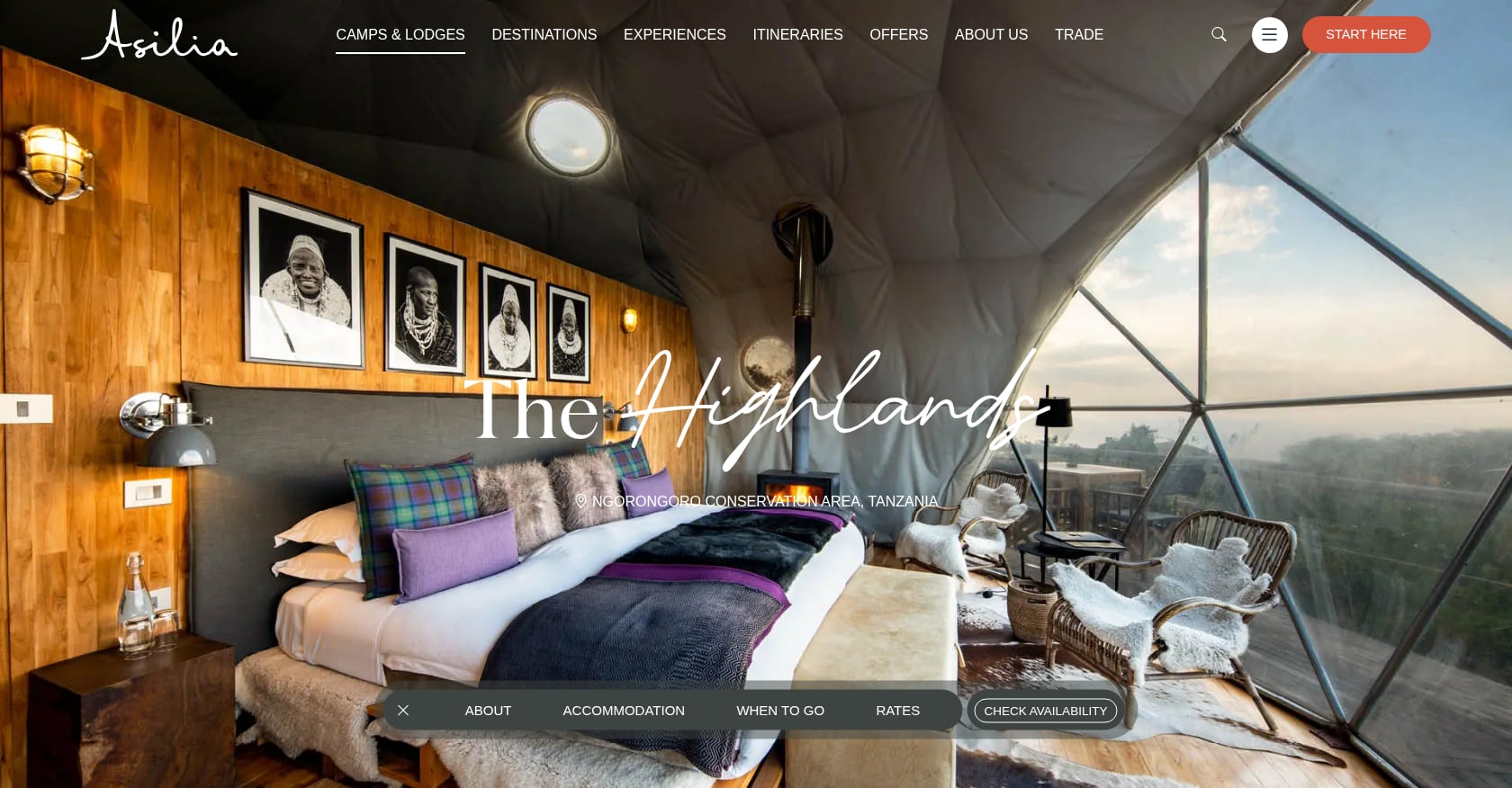
    The Highlands (Asilia Africa) Screenshot

    Best for: Adventure-loving honeymooners who want a dedicated honeymoon suite

    Location: Slopes of Olmoti Volcano, Ngorongoro Highlands

    Estimated price: $1,200–$1,800+ pppn in high season (operator quote required)

    The Highlands sits on the slopes of the extinct Olmoti volcano with just eight high-tech domed tents, one of which is a purpose-built honeymoon dome. That detail matters. Most lodges simply decorate a standard room with flowers and champagne. The Highlands designed an entire structure around couples.

    What makes it romantic:

    • King-sized bed, en-suite bathroom with double-headed shower, and a wood-burning fireplace

    • Private elevated deck with an outdoor hot tub overlooking the Ngorongoro landscape

    • Separate seating area designed for privacy and relaxation

    • Only eight tents total, meaning genuinely intimate service

    Activities beyond game drives:

    • Guided Maasai cultural walks

    • Empakaai Crater hiking (a stunning, less-visited volcanic lake)

    • Olmoti Volcano nature walks

    Real honeymoon feedback: TripAdvisor reviewers consistently mention “Amazing honeymoon experience!” and camp management has responded noting they are “thrilled that we were able to offer you the honeymoon experience you have hoped for.”

    Honest tradeoffs:

    • Not the closest option to the Ngorongoro Crater descent road. The drive adds time to your game-drive morning.

    • The altitude means genuinely chilly mornings. One Expert Africa reviewer noted the domes “are too hot when the sun shines” but cold when it doesn’t. The fireplace helps at night, but pack layers.

    • Ultra-luxury pricing puts this at the top of the Ngorongoro budget range.

    Bottom line: If a dedicated honeymoon dome with an outdoor hot tub, volcano views, and guided highland walks matters more to you than a crater-rim panorama, The Highlands is the strongest honeymoon-specific property in the Ngorongoro area.


    2. Ngorongoro Lodge Meliá Collection
    Ngorongoro Lodge Meliá Collection Screenshot

    Best for: Couples who want a full-service hotel experience with the iconic crater-rim view

    Location: Directly on the crater rim, inside the Ngorongoro Conservation Area

    Estimated price: ~$716/night (low season) to $1,200+ (high season)

    This is the property for couples who want resort amenities, not a tented bush-camp feel. The Meliá Collection delivers a 5-star lodge experience directly on the crater rim.

    What makes it romantic:

    • Infinity swimming pool with crater views

    • Full-service spa with in-room massage options, sauna, and treatment rooms

    • Expansive rooms with views overlooking the caldera

    • Staff arrange surprise private honeymoon dinners and occasion celebrations (a Valentine’s Day guest reported they arranged a cake without being asked)

    Real honeymoon feedback: A January 2025 honeymooner wrote that “our stay at the Melia Collection Ngorongoro Crater was a highlight of our honeymoon safari. The rooms were expansive and beautifully designed, with incredible views overlooking the crater.” Booking.com data shows couples rated it a 10 for two-person trips.

    Honest tradeoffs:

    • This is a larger, more conventional hotel compared to intimate tented camps. If you want a wild, remote feeling, look elsewhere.

    • High-season prices jump significantly (the property reports a 91% price rise between low and high seasons).

    • The hotel ambiance may feel less “Africa” than a canvas-and-campfire experience.

    Bottom line: The best crater-rim option for couples who want familiar luxury hotel comforts (pool, spa, gym, restaurant) combined with that unforgettable view.


    3. Entamanu Ngorongoro (Nomad Tanzania)

    Entamanu Ngorongoro (Nomad Tanzania) Screenshot

    Best for: Eco-conscious couples who want a wild, remote rim experience

    Location: Remote northwestern crater rim

    Estimated price: From $865 pppn in quieter months, rising to $1,280+ in peak season

    Entamanu occupies what Nomad Tanzania calls “the wild side” of the crater rim, surrounded by dormant volcanic peaks and the ebb and flow of Maasai pastoralist life. The camp was built to be entirely removable, and not a single bush was cleared during construction.

    What makes it romantic:

    • Seven large en-suite tents, all handcrafted locally

    • A genuinely remote, quiet position away from the busier western and southern rim roads

    • Deep Maasai cultural engagement built into the experience

    • Sustainability credentials that appeal to values-driven couples

    Real user insight: One reviewer noted that the camp’s position “meant we could be first in at 06:00 and have the whole crater to ourselves for about 1.5 hours before the hordes arrived.” That kind of private early morning on the crater floor is hard to put a price on.

    Honest tradeoffs:

    • A FlyerTalk user warned that the drive from this property down to the crater floor “is quite long (up to 2 hours according to our tour guide) and difficult in the rain.” The remote location works both ways.

    • Wind can be strong and persistent on this side of the rim.

    • Fewer amenities than a full-service hotel. No pool, no gym.

    Bottom line: The right pick for couples who want their honeymoon lodge to reflect their values. Minimal footprint, maximum connection to the landscape and local culture.


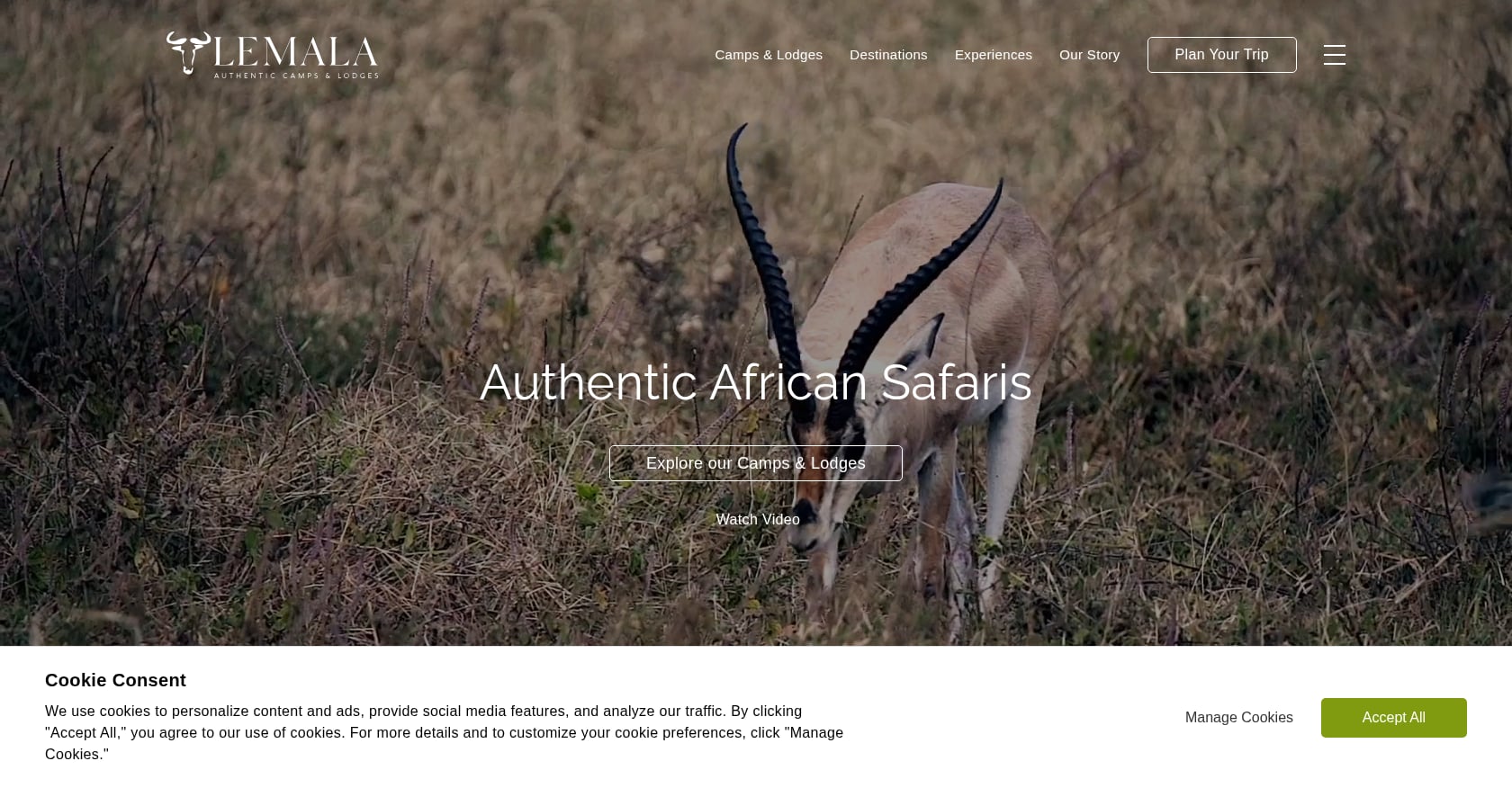
    4. Lemala Ngorongoro Tented Camp
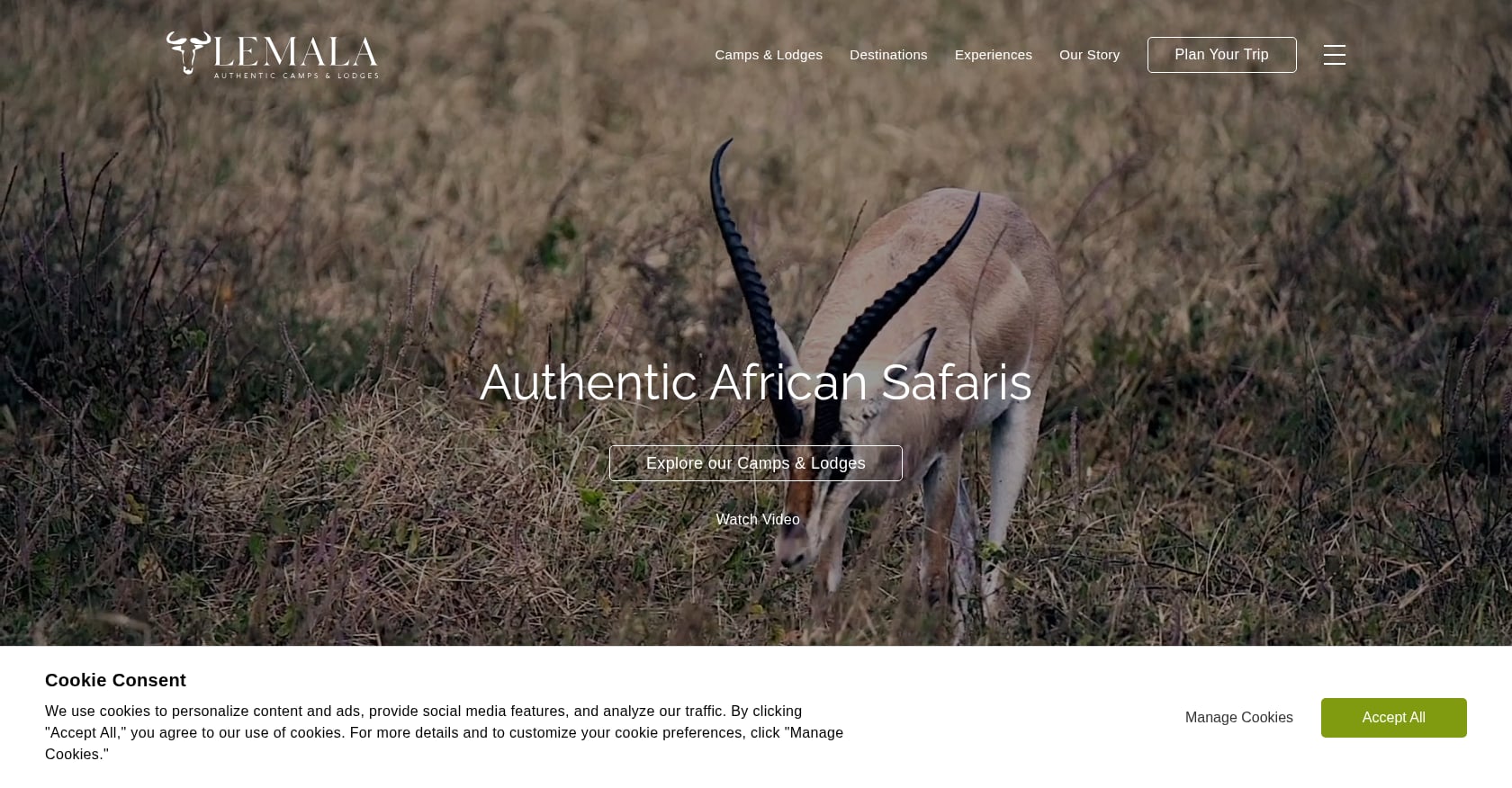
    Lemala Ngorongoro Tented Camp Screenshot

    Best for: Budget-savvy honeymooners who prioritize early crater access

    Location: Eastern crater rim, inside the NCA, next to the quiet Lemala Gate

    Estimated price: ~$600–$900 pppn (estimated)

    Lemala Ngorongoro is the access advantage play. Positioned right next to the Lemala descent route, guests at this 12-tent camp are typically first on the crater floor each morning. Expert Africa describes it as “a good value base for honeymooners at the Crater. Whilst not overly luxurious, the tents are very comfortable and have everything that you need.”

    What makes it romantic:

    • Intimate 12-tent camp with a genuine bush-camp atmosphere

    • Staff go out of their way for honeymooners. One couple wrote: “We were there for our honeymoon and they went out of the way to make us feel special. The accommodations and location are out of this world. 10/10!”

    • Another honeymooner found “a lovely honeymoon gift (bottle of champagne) waiting for us in the room.”

    Honest tradeoffs:

    • No crater view. The camp sits “on the outside of the rim and in quite dense trees.” You trade the panorama for forest seclusion.

    • More rustic than the Meliá or The Highlands. If you want plush hotel finishes, this isn’t the right fit.

    • The Lemala Gate side can feel less scenic than the southern or western rim.

    Bottom line: The strongest option for couples who want a Ngorongoro honeymoon lodge inside the NCA without the ultra-luxury price tag, and who care more about being first into the crater than having a rim-view breakfast.


    5. Ngorongoro Serena Safari Lodge
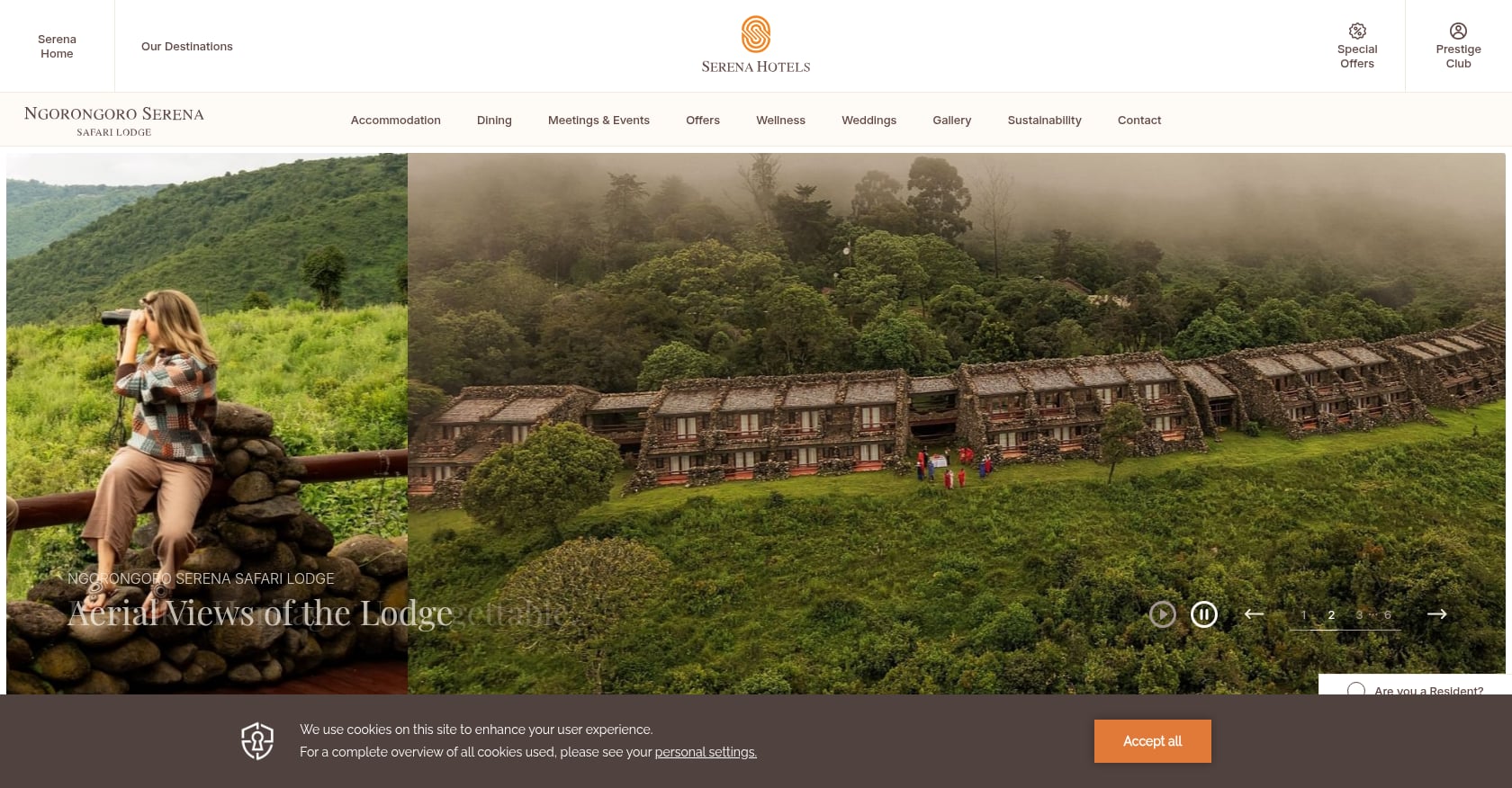
    Ngorongoro Serena Safari Lodge Screenshot

    Best for: Mid-range couples who want crater-rim views with spa access

    Location: Western crater rim

    Estimated price: $700–$1,100 pppn (2026 estimate)

    The Serena occupies a prime western rim position and was designed to blend completely into the hillside, making it invisible from the crater floor 600 meters below. It is a 4-star lodge with a guest rating of 8.8, known particularly for its spa.

    What makes it romantic:

    • Full-service spa offering in-room massages and body treatments

    • Crater-rim views from the western side

    • A more accessible price point than ultra-luxury rim options

    Honest tradeoffs:

    • This is one of the larger lodges on the rim, so it feels less intimate than a small tented camp.

    • Vehicle crowding on the western descent road can be frustrating, especially mid-morning when Karatu-based vehicles arrive.

    • The “designed to blend in” architecture means the lodge itself isn’t particularly striking from the inside.

    Bottom line: A solid mid-range option for couples who want the crater-rim sunrise and spa treatments without paying ultra-luxury rates. Not the most intimate or distinctive property, but dependable.


    Karatu and Highlands Retreats

    1. Gibb’s Farm
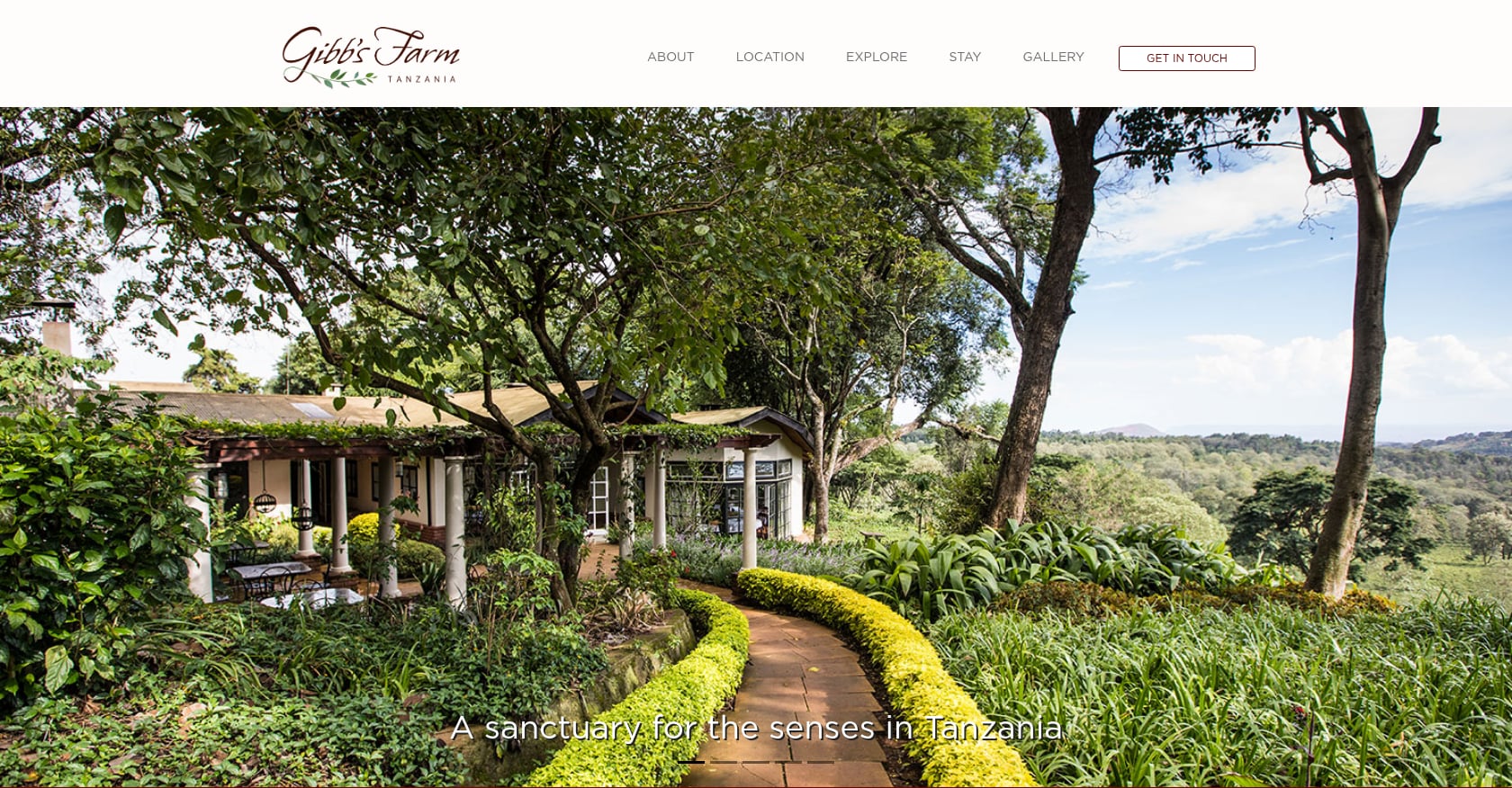
    Gibb's Farm Screenshot

    Best for: Couples who want a slow-paced romantic retreat between game drives

    Location: Karatu highlands, on a working coffee estate

    Estimated price: $1,100–$1,500 pppn during 2026 high season

    Gibb’s Farm is an oasis of tranquility set in fabulous gardens surrounded by coffee plants and an incredible vegetable patch that supplies the kitchen. This is where the Ngorongoro honeymoon slows down, and that’s the point.

    What makes it romantic:

    • Private dinners arranged by the pool

    • Farm-to-table dining with ingredients grown on the property

    • Guided coffee-estate walks and spa treatments

    • Thoughtful personal touches (one couple reported receiving “special bracelets made of seeds from a tree planted by the owner”)

    Real honeymoon feedback: The reviews from honeymooners here are remarkably consistent. One wrote: “Me and my husband stayed here for one night on our honeymoon. It was AMAZING!! Definitely one of our favorite places that we stayed. The room was absolutely beautiful, very spacious and so comfortable.” Another couple noted: “Each night we were greeted by a nice fire and a bottle of champagne.”

    Honest tradeoffs:

    • No crater-rim view. Approximately an hour’s drive from the Ngorongoro Crater.

    • Not inside the NCA, so you’re commuting to the crater for game drives.

    • If your priority is wildlife and game viewing above all else, Gibb’s Farm may feel like a detour.

    Bottom line: The best Ngorongoro-area option for couples who see their honeymoon as a chance to decompress together, not just tick off wildlife sightings. Pair it with one or two nights on the rim for the complete experience.

    Couples exploring romantic safari lodges across Tanzania will find Gibb’s Farm on nearly every shortlist.


    2. The Manor at Ngorongoro (Elewana)

    The Manor at Ngorongoro (Elewana) Screenshot

    Best for: Couples who want the grandest estate-style luxury in the Ngorongoro area

    Location: Karatu, on a 1,500-acre Arabica coffee estate

    Estimated price: $636 pppn (green season) to $1,074 pppn (high season), full board

    The Manor is the most hotel-like property in the Ngorongoro area. Ten sumptuous cottages and suites come with log-burning fireplaces and private sun terraces. The main lodge features fireplace lounges, a formal dining room, a private wine cellar, a library, a home theatre, and a snooker room. Tanzania Odyssey calls it “a very romantic lodge for a Tanzania honeymoon.”

    What makes it romantic:

    • Horse riding on the coffee estate

    • Private wine cellar dinners

    • Full spa and wellness center

    • The stately, colonial-estate atmosphere itself

    Real user feedback: One TripAdvisor reviewer described it as “a beautiful, romantic setting for any getaway, be it a safari adventure, a honeymoon or a romantic, ‘spoil yourself rotten’ place.”

    Honest tradeoffs:

    • Like Gibb’s Farm, there’s no crater-rim view. You drive to the crater for game days.

    • The colonial-estate aesthetic won’t appeal to every couple. Some find it dated; others find it charming.

    • Green-season pricing ($636 pppn) is genuinely good value, but high-season rates climb substantially.

    Bottom line: The best fit for couples who want their Ngorongoro honeymoon lodge to feel like a private country estate, complete with horse riding and wine. The green-season rate makes this one of the more accessible luxury options.


    3. Mysigio Camp
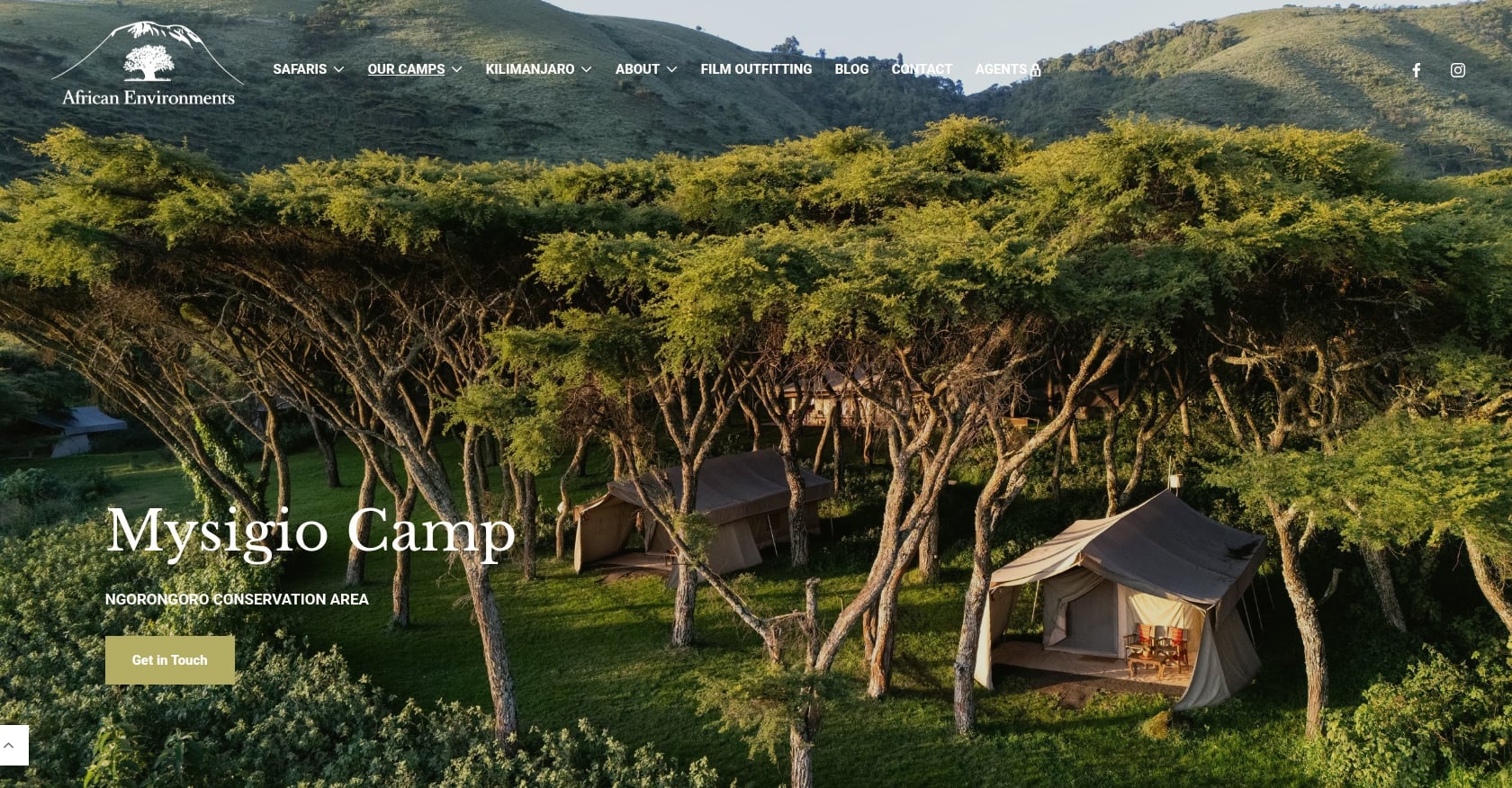
    Mysigio Camp Screenshot

    Best for: Couples who want their honeymoon to go beyond wildlife into genuine cultural exchange

    Location: Ngorongoro Highlands, near Mysigio Village on Endulen Road, about 20 minutes from the crater rim

    Estimated price: Operator-quoted (mid-range/experiential tier)

    Mysigio Camp is a pick you won’t find on most competitor lists, and that’s precisely why it belongs here. This peaceful retreat offers nine spacious eco-luxe tents powered entirely by solar energy, with a deep connection to the local Maasai community that sets it apart from every other property in this guide.

    What makes it romantic:

    • Total tranquility, far from the busy crater rim

    • Guided cultural walks and evenings with Chief Ole Dorop and his family

    • An intimate nine-tent camp where personal service is the default

    • The sense of sharing something genuinely meaningful together

    Real user feedback: One reviewer noted: “The camp has a long-standing relationship with the local Maasai tribes. One night we had dinner with the area chief of the Maasai. Altogether it was an incredible experience, a highlight of the entire trip.” Duma Explorer travelers have specifically praised Mysigio Camp. A 2025 client review stated: “We especially enjoyed the Mysigio camp where we were able to stay right next to a Maasai village and experience first hand their homes and unique culture.”

    Honest tradeoffs:

    • Seasonal camp with a more rustic feel than permanent lodges.

    • No crater-rim views.

    • The cultural immersion angle won’t appeal to every couple. This is for honeymooners who want depth and meaning, not just comfort.

    Bottom line: The right choice for couples who have already done mainstream safari or simply want their honeymoon to include connection with people, not just animals.


    &Beyond Ngorongoro Crater Lodge: What Honeymooners Need to Know

    If you’ve been researching Ngorongoro honeymoon lodges for any length of time, you’ve almost certainly seen &Beyond Ngorongoro Crater Lodge appear on recommendation lists. It was, for years, the most famous luxury property on the crater rim.

    It is currently closed. The lodge is undergoing an extensive rebuild and is not expected to reopen until 2027.

    Many competing guides still recommend it without noting the closure. If you’re planning a 2025 or 2026 honeymoon, it is not an option. The eight properties above represent the current best alternatives.


    What a Ngorongoro Honeymoon Actually Costs

    Lodge rates are only one component of Ngorongoro honeymoon costs. Several additional fees apply, and most are bundled by your safari operator rather than paid separately.

    Cost Breakdown

    Cost Component

    Amount (2025/2026)

    Lodge rates

    $600–$1,800+ pppn depending on property and season

    NCA adult entry fee

    $70.80 per person per 24 hours

    Crater descent fee

    $295 per vehicle (not per person)

    Private safari vehicle and guide

    Typically included in operator packages

    Transfers (Arusha to Ngorongoro)

    Included in most packages; domestic flights available for time savings

    For a couple spending two nights at Ngorongoro as part of a longer safari, the Ngorongoro portion alone can run $2,500 to $7,000+ depending on the property. Costs for honeymoon safaris in Tanzania typically range from $500 to $1,500 per person per day when all inclusions are factored in.

    For a detailed look at full-trip pricing, see Tanzania honeymoon costs broken down by accommodation level and trip length.

    Because lodge availability on the crater rim tightens months in advance (especially during peak season), couples who want specific properties should start planning early. Duma Explorer’s trip designers work with these properties year-round and can confirm availability before you commit.


    Best Time of Year for a Ngorongoro Honeymoon

    Dry season (June through October): Best game viewing on the crater floor. Highest prices, most visitor traffic. Book 12+ months in advance for 2026, particularly for rim lodges.

    Green season (November through March): Lower rates (often 20–30% savings), lush green landscapes, and fewer vehicles in the crater. Ngorongoro can be misty, but the atmosphere is arguably more romantic. February brings calving season in the nearby Ndutu area, which can be combined with Ngorongoro for a spectacular wildlife double.

    Shoulder months (November, early December, late March): Often the sweet spot for honeymooners. Prices drop, crowds thin, and the landscape is beautiful. Booking early is still recommended during November and February, when popular lodges fill quickly.

    For month-by-month guidance, read our guide on the best time for a Tanzania honeymoon.


    How Ngorongoro Fits Into a Wider Honeymoon Itinerary

    Experienced forum contributors on FlyerTalk note that “the Ngorongoro Crater tends to feature in almost all first-time visits but is often skipped in return visits due to high traffic. The usual stay duration is one night, occasionally two.”

    For a honeymoon, two nights is the sweet spot. It allows a full day on the crater floor plus a morning of highland walks, coffee tours, or spa time at a Karatu property. But Ngorongoro is rarely the entire honeymoon.

    A common structure:

    • Serengeti (3–4 nights) for the Great Migration, big cats, and wide-open savanna. See Serengeti honeymoon options for property recommendations.

    • Ngorongoro (1–2 nights) for the crater and highlands

    • Zanzibar (3–5 nights) for beach relaxation, spice tours, and coastal culture. Our Zanzibar honeymoon extension guide covers the best ways to add beach time.

    This safari-plus-beach combination is the most popular Tanzania honeymoon structure for good reason. It balances wildlife intensity with romantic downtime. Read more about combining safari and Zanzibar for a honeymoon.


    FAQ

    How many nights should honeymooners spend at Ngorongoro?

    One to two nights is standard. One night allows a full-day crater game drive. Two nights lets you add highland activities (Maasai walks, coffee tours, spa) or split time between a rim lodge and a Karatu retreat. More than two nights is unusual unless you’re deeply interested in the highlands.

    Is it worth paying extra for a crater-rim lodge?

    For a honeymoon, yes, for at least one night. The sunrise view over the caldera is genuinely iconic, and staying on the rim means you can be first on the crater floor. The early-morning silence before Karatu vehicles arrive is something you can’t replicate from a highlands property.

    Can you combine Ngorongoro with a Zanzibar beach extension?

    Absolutely, and most honeymooners do. After Ngorongoro (and usually the Serengeti), couples fly from Arusha to Zanzibar for three to five nights of beach time. Domestic flights take about 90 minutes.

    What is the best month for a Ngorongoro honeymoon?

    June through October offers the best game viewing and driest weather, but the highest prices and biggest crowds. November and February are strong shoulder options with lower rates, fewer visitors, and unique wildlife events (February calving in Ndutu). There is no truly bad month for Ngorongoro, as the crater’s resident wildlife stays year-round.

    Do Ngorongoro lodges offer special honeymoon packages or arrangements?

    Most do, though the specifics vary. The Highlands has a dedicated honeymoon dome. Meliá Collection staff have arranged surprise private dinners and celebration cakes. Gibb’s Farm sets up poolside dinners and personalized gifts. Lemala provides complimentary champagne. Let your operator communicate that you’re honeymooners when booking, as many lodges prepare extras when they know in advance.

    Are Ngorongoro lodges safe for couples?

    Yes. All properties listed here operate within the Ngorongoro Conservation Area or the well-established Karatu corridor. Wildlife can roam near lodges (particularly on the rim), so camps have escort policies after dark. This is part of the experience, not a safety concern. For broader safety context, see our Tanzania safari safety guide.


    Choosing the right Ngorongoro honeymoon lodge is one of the most consequential decisions in a Tanzania honeymoon. Each property shapes not just where you sleep, but how you experience the crater, the highlands, and each other. Duma Explorer’s trip designers can match your priorities, dates, and budget to the right combination of properties.
    Plan My Ngorongoro Honeymoon

  • Honeymoon Safari Proposal Tanzania: 2026 Glossary & Costs

    Honeymoon Safari Proposal Tanzania: 2026 Glossary & Costs

    TL;DR

    “Proposal” means two things when you’re searching for a honeymoon safari proposal in Tanzania. It could mean a marriage proposal during a safari (sundowner setups, balloon flights, bush dinners) or the trip proposal (quote/itinerary) an operator sends you. This glossary defines the key terms for both scenarios, covers realistic costs ($300 to $1,900 for the proposal moment itself), and explains what to look for when evaluating an operator’s honeymoon safari quote.


    The phrase “honeymoon safari proposal Tanzania” carries a useful ambiguity. Some readers are planning to get down on one knee somewhere between the Serengeti and Zanzibar. Others are trying to decode the formal trip proposal an operator just emailed them, full of terms like “fly-in,” “concession fees,” and “full board.”

    This glossary covers both meanings. Every term below is something couples actually encounter when planning a marriage proposal on a Tanzania safari or evaluating a honeymoon safari package and its costs. If you’re early in the planning process and just trying to build your vocabulary, start here.

    What Is a Honeymoon Safari Proposal in Tanzania?

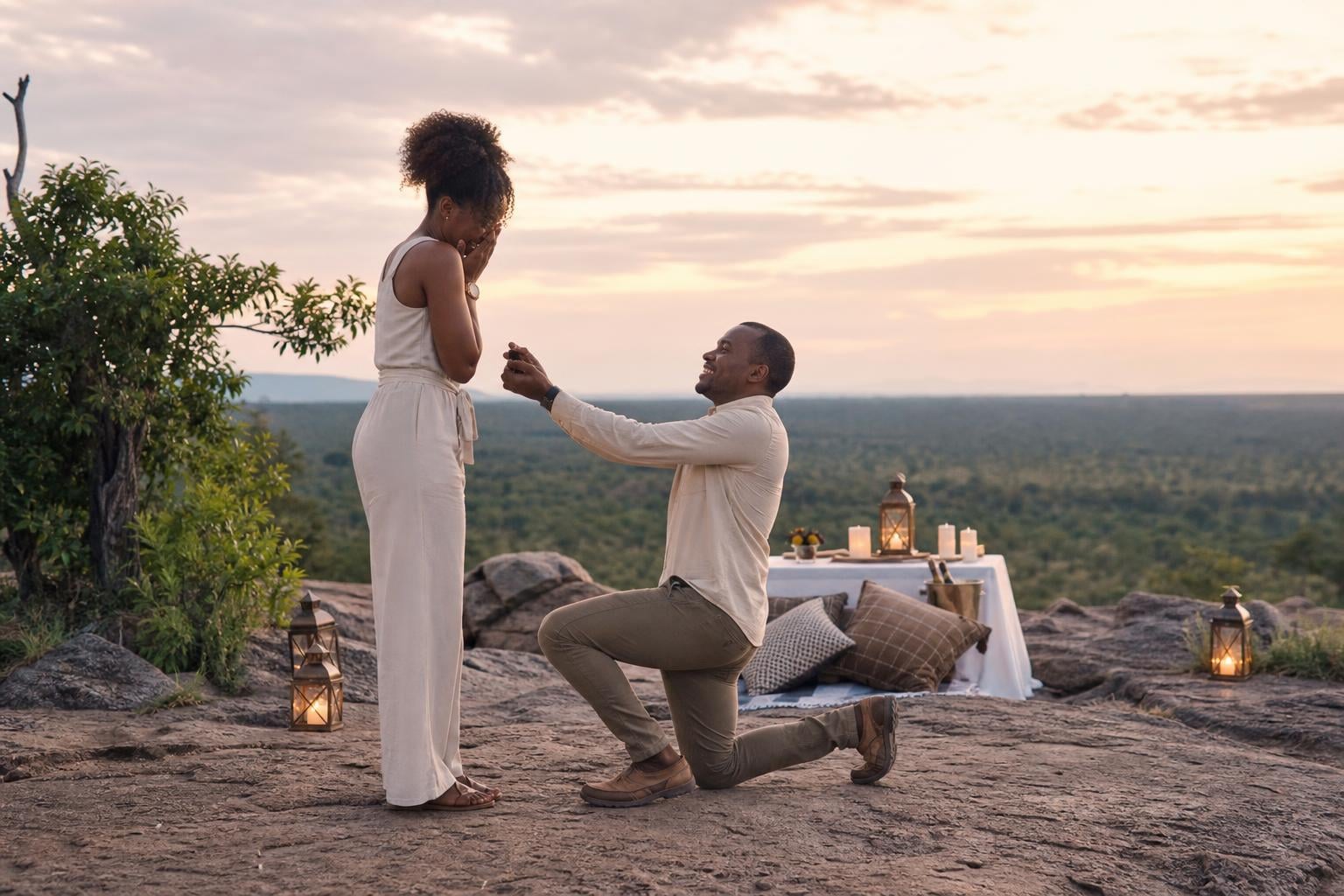
    A honeymoon safari proposal in Tanzania can mean either a marriage proposal during a safari or the trip proposal (quote) prepared by a safari operator. For a marriage proposal, common options include a private bush dinner, sundowner, Serengeti balloon experience, or Zanzibar dhow cruise. The proposal experience itself can add roughly $100 to $1,900 or more, depending on the setup, privacy, photography, and activities. A trip proposal should separately itemize accommodation, park and conservation fees, transportation, activities, meals, taxes, and payment terms.

    Tanzania Safari Proposal: Marriage Proposal vs. Trip Proposal

    The word “proposal” can refer to two completely different things when planning a Tanzania honeymoon safari.

    Meaning

    What it refers to

    Typical examples

    Main cost

    Marriage proposal

    The moment you ask your partner to marry you

    Sundowner, bush dinner, balloon flight, dhow cruise

    Usually an additional experience cost

    Safari trip proposal

    The itinerary and quotation prepared by the safari operator

    Accommodation, vehicle, guide, park fees, flights, meals

    The total price of the safari

    Proposal add-ons

    Extras arranged around the marriage proposal

    Photographer, flowers, champagne, private dinner

    Varies by supplier and experience

    Honeymoon itinerary

    The complete post-engagement trip

    Safari, Zanzibar, transfers, activities

    Depends on trip length and accommodation level

    If you are searching for a marriage proposal during a Tanzania safari, focus on the proposal experiences and logistics in the first half of this guide. If you received a safari proposal or quote from an operator, skip to the operator-quote section to learn how to evaluate the price and inclusions.

    Tanzania Safari Proposal Ideas at a Glance

    Proposal idea

    Typical setting

    Privacy

    Planning complexity

    Best suited for

    Sundowner

    Scenic viewpoint at sunset

    High

    Low to moderate

    Couples wanting a simple outdoor proposal

    Private bush dinner

    Wilderness dining area near camp

    Very high

    Moderate

    Couples who want dinner and the proposal combined

    Serengeti balloon experience

    Above the Serengeti

    Low to moderate on a shared flight

    High

    Couples who want a dramatic proposal experience

    Private balloon flight

    Above the Serengeti

    Very high

    Very high

    Couples prioritizing exclusivity

    Star-bed experience

    Private outdoor sleeping platform

    Very high

    Moderate to high

    Couples wanting a secluded overnight experience

    Zanzibar dhow cruise

    Indian Ocean at sunset

    High with private charter

    Moderate

    Couples combining safari and beach

    Sandbank picnic

    Tidal sandbank near Zanzibar

    High

    Moderate to high

    Couples wanting a beach proposal

    Availability, pricing, weather conditions, park rules, and property policies vary by operator and location. Confirm the exact setup before paying a deposit.

    Marriage Proposal on Safari: Core Terms Defined

    These are the terms you’ll see when researching how to propose during a Tanzania safari. Most lodges and operators can arrange these experiences, but the quality of execution depends heavily on how much coordination happens behind the scenes.

    Sundowner Proposal

    Honeymoon Safari Proposal Tanzania: 2026 Glossary & Costs

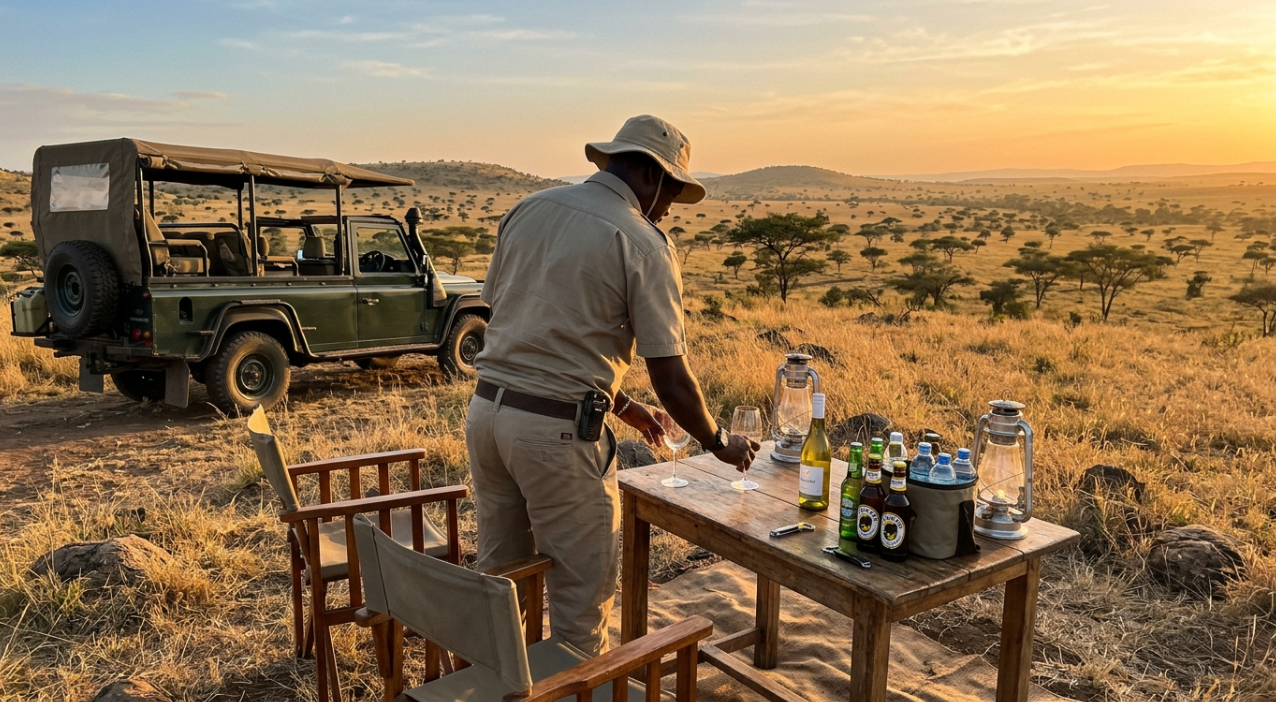
    A sundowner is a drinks setup at a scenic viewpoint timed to golden hour, the roughly 60 minutes before sunset when the light turns warm and soft. For a proposal, your guide scouts a location away from main game-drive routes, sets up chairs, a table, and drinks before you arrive. The whole thing looks spontaneous to your partner.

    Practitioners on safari travel blogs report that a sundowner proposal is the most reliable option because it doesn’t depend on weather, balloon availability, or wildlife cooperation. One safari travel expert noted, “A good safari lodge can often help make the moment feel special without turning it into a production.” Budget roughly $300 to $500 for a sundowner proposal with a photographer.

    Bush Dinner Setup (Private Bush Dinner)

    A private bush dinner is a candlelit outdoor meal arranged in the wilderness, usually within a safe perimeter near your lodge or camp. Lanterns, white linen, champagne, and sometimes a personal chef are part of the setup. Many couples use this as the proposal moment because the privacy is nearly absolute.

    Lodges at romantic safari properties in Tanzania can handle details ranging from private game drives beforehand to creating ambiance with champagne, lanterns, and curated settings. The key is telling the lodge well in advance, not just the day before.

    Balloon Proposal (Serengeti)

    A hot air balloon flight over the Serengeti is one of the most popular proposal setups in East Africa. The flight lasts 50 to 70 minutes and is followed by a champagne breakfast at the landing site. Standard flights cost approximately US $599 per person, which includes the TANAPA ballooning fee, but the balloon is shared with up to 16 passengers.

    Private balloon bookings are available at a premium for couples who want exclusivity. A balloon proposal with breakfast and a photographer can run $1,300 to $1,900 total for the moment. For more context on how this fits into a broader Serengeti itinerary, see the Serengeti honeymoon planning guide.

    Golden Hour

    The period roughly 60 minutes after sunrise and 60 minutes before sunset. The light is warm, directional, and flattering for photography. This is when experienced guides time proposal setups, not just for the visual drama but because the bush is most active at these hours. If you’re hiring a photographer to document the moment, golden hour is non-negotiable.

    Turndown Service / Honeymoon Turndown

    In safari lodges, turndown service means preparing your room for the evening while you’re at dinner. A honeymoon turndown goes further: rose petals on the bed, champagne on ice, sometimes a drawn bath or candles. It’s a small but meaningful detail that many lodges offer for free when they know you’re celebrating.

    Exclusive-Use Camp

    A camp or villa rented entirely for your party. No other guests, no shared dining, no chance of someone else’s group wandering into your proposal moment. This is the highest tier of privacy on safari and is especially popular for honeymoon safari proposals in Tanzania where the couple wants complete seclusion. Pricing varies widely depending on the property but typically runs 2 to 4 times the per-night rate.

    Private Game Drive

    A dedicated 4×4 vehicle and driver-guide for your party alone. This is the single most important element for a proposal safari because it gives you complete control over timing and routing. Your guide can take detours, stop at scenic viewpoints, and coordinate with the lodge without other passengers wondering what’s happening.

    Operators like Duma Explorer include private vehicles and guides as standard on honeymoon safaris, which eliminates the awkwardness of trying to arrange a surprise while sharing a vehicle with strangers.

    Proposal Privacy

    Privacy can mean several different things on safari. A private vehicle does not necessarily mean a private lodge, private dining area or private activity.

    Before booking, clarify whether you want:

    • a private safari vehicle

    • a private proposal location

    • private dining

    • a private balloon flight

    • a private photographer

    • exclusive-use accommodation

    A shared balloon flight, for example, can still be a memorable proposal, but other passengers may be present. If complete privacy is important, ask specifically whether the experience is shared or exclusive before booking.

    Star Bed / Sleep-Out

    An open-air sleeping platform, usually on an elevated deck, where couples sleep under the stars with mosquito netting and a comfortable mattress. Some lodges offer this as a standalone experience, others as an add-on for special occasions. It’s a powerful post-proposal moment, though not every property in Tanzania offers it.

    Kopje

    Pronounced “copy.” These are rocky outcrops scattered across the Serengeti plains, and they’re some of the most photogenic spots in Tanzania. Lions often rest on kopjes, and the 360-degree views make them dramatic proposal backdrops. Your guide will know which kopjes are accessible and which tend to have fewer vehicles.

    Zanzibar Proposal Terms

    Many couples combine safari with Zanzibar, making the island a natural alternative (or addition) for the proposal moment. Here are the terms specific to Zanzibar honeymoon extensions.

    Dhow Cruise

    A sunset sail on a traditional wooden sailing vessel. Dhow cruises are one of the most popular Zanzibar proposal setups because the boat creates a naturally private, contained environment. Some operators offer private dhow charters with drinks, snacks, and music. Zanzibar proposal planners recommend booking at least 2 to 4 weeks in advance to secure your preferred date and time.

    Sandbank Picnic

    A private setup on a tidal sandbank, the small sandy islands that emerge at low tide off Zanzibar’s coast. A boat drops you on the sandbank with a picnic, drinks, and snorkeling gear. You’re literally alone on a strip of sand in the Indian Ocean. Timing matters because sandbanks disappear at high tide.

    Taarab

    Traditional Zanzibari music blending Arabic, Indian, and African influences. Some lodges and proposal planners can arrange live Taarab musicians for a private dinner or beach setup. It’s a culturally specific touch that makes a Zanzibar proposal feel rooted in the place rather than generic.

    Mnemba Atoll

    A protected marine area off the northeast coast of Zanzibar known for exceptional snorkeling and diving. Some couples opt for an underwater proposal here, though this requires advance planning, waterproof ring storage, and a partner who actually enjoys being underwater. Beautiful but logistically complex.

    Stone Town Rooftop Dinner

    A private dinner on a rooftop terrace overlooking Stone Town’s historic architecture and the Indian Ocean. Several hotels in Stone Town offer this, and the combination of call-to-prayer sounds, ocean breeze, and old-town views creates a distinctive atmosphere you won’t find at a beach resort.

    How to Read a Tanzania Honeymoon Safari Proposal

    A safari proposal should allow you to reconstruct the entire trip from the document without guessing what is included. Before comparing prices, check these six areas.

    1. Itinerary and Routing

    Confirm every overnight location, transfer and flight. Check whether the itinerary uses road transfers, domestic flights or a combination of both.

    2. Accommodation

    The proposal should identify the actual lodge, camp or hotel where possible, along with the room category and number of nights.

    3. Safari Inclusions

    Check whether the vehicle, driver-guide, game drives, park fees and conservation fees are included.

    4. Meals and Drinks

    Look carefully at whether the rate is bed and breakfast, half board, full board or all-inclusive. Drinks may be excluded even when all three main meals are included.

    5. Additional Experiences

    Proposal-related extras such as balloon flights, private dinners, photographers, spa treatments and special decorations may be separate charges.

    6. Payment and Cancellation Terms

    Look for the deposit amount, payment deadlines, cancellation schedule, refund conditions and any changes that could affect the final price.

    A transparent proposal should make these items easy to identify. If several important costs are bundled into one unexplained figure, ask the operator for an itemized version before making a booking.

    Where to Propose During a Tanzania Honeymoon Safari

    The best proposal location depends on whether the priority is wildlife, scenery, privacy, convenience or a beach setting.

    Serengeti

    The Serengeti offers expansive landscapes, kopjes, sunset viewpoints and balloon experiences. It works particularly well for couples who want the proposal to feel connected to the safari itself.

    Ngorongoro

    The Ngorongoro area combines crater scenery with luxury lodge settings. A private dinner or scenic lodge setup can work well when privacy and atmosphere matter more than being deep inside the plains.

    Tarangire

    Tarangire is known for large landscapes and distinctive baobab scenery. It can provide a quieter proposal setting depending on the specific lodge, camp and itinerary.

    Zanzibar

    Zanzibar shifts the experience from wildlife to the Indian Ocean. Private dhow cruises, beach dinners and sandbank experiences give couples different options for a proposal before or after the safari.

    Honeymoon Safari Proposal Tanzania: 2026 Glossary & Costs

    Choosing Between Safari and Zanzibar

    Choose the safari portion if wildlife and wilderness are central to the experience. Choose Zanzibar if you prefer an ocean setting, sunset sailing or a beach-based celebration. Couples can also propose during the safari and use Zanzibar as the honeymoon celebration afterward.

    Evaluating a Honeymoon Safari Trip Proposal (Operator Quote)

    When you contact a safari operator about a honeymoon, you’ll receive a “proposal” in the business sense: a detailed trip quote. These documents use specific terminology that can be confusing if you’ve never booked a safari before. Understanding these terms helps you compare operators accurately.

    For a detailed Tanzania honeymoon cost breakdown, see the dedicated pricing guide.

    Honeymoon Safari Proposal (Trip Quote)

    The document itself. A good trip proposal is a line-by-line itinerary showing where you’ll stay each night, what’s included, what’s extra, and the total cost. It should break out accommodation, transport, park fees, and transfers separately rather than burying everything in a single lump sum.

    Full Board vs. All-Inclusive

    Full board means all meals are included (breakfast, lunch, dinner) but drinks are not. All-inclusive adds alcoholic and non-alcoholic beverages, and sometimes laundry and certain activities. The difference can be $100 to $300 per person per night at premium lodges, so check which you’re being quoted.

    Fly-In Safari / Bush Flight

    A light aircraft transfer between parks or from the Serengeti to an airstrip near your next destination. Fly-in safaris save significant driving time. A flight from the central Serengeti to Zanzibar takes roughly 90 minutes, compared to a full day of driving plus a ferry or connection.

    Park Fees / Concession Fees

    Per-person daily charges for entering Tanzania’s national parks, paid to TANAPA or the Ngorongoro Conservation Area Authority. These fees are substantial ($70 to $80+ per person per day in the Serengeti and Ngorongoro) and should be clearly itemized in your trip proposal. If they’re not listed separately, ask.

    Private Vehicle and Guide

    A dedicated 4×4 and professional driver-guide for your entire safari, as opposed to a shared or group vehicle. For a honeymoon safari proposal in Tanzania, this is essential, not just for comfort but for the flexibility to adjust your schedule around the proposal setup without explaining to other passengers.

    Northern Circuit

    Tanzania’s most popular safari route, typically running Arusha to Tarangire, Lake Manyara, Ngorongoro Crater, and the Serengeti. Most honeymoon safari itineraries follow some version of this circuit. For a deeper look at how this routing works, the Tanzania safari trip itinerary guide breaks down timing and logistics.

    Domestic Flight Transfer

    The flight connecting your safari to Zanzibar (or vice versa). The most common route is Serengeti to Zanzibar, with a possible stop in Arusha. This transfer is the hinge point of any safari and beach combination honeymoon, and how it’s scheduled affects your first and last day at each destination.

    Deposit Structure

    Most Tanzania safari operators require a 25% deposit to secure your booking, with the balance due 60 to 90 days before travel. Deposits are typically non-refundable past a certain point, so check cancellation terms before paying. Travel insurance matters here.

    High Season vs. Green Season Pricing

    Season

    Months

    Conditions

    Pricing

    High/Dry Season

    June to October

    Best wildlife viewing, minimal rain, peak demand

    Highest rates

    Shoulder Season

    November, March to May

    Some rain, fewer tourists, lower prices

    Moderate rates

    Green/Calving Season

    Late December to February

    Southern Serengeti calving, lush scenery

    Mid to high rates

    September offers the strongest combination of safari conditions and Zanzibar beach weather. For detailed month-by-month guidance, see best time for a Tanzania honeymoon.

    Line-by-Line Pricing

    A transparent breakdown showing accommodation, transport, park fees, activities, and transfers as separate items. This is what you want from any operator. If a proposal shows only a single total with no breakdown, ask for the itemized version. It’s the only way to compare quotes meaningfully.

    Common Tanzania Honeymoon Safari Quote Exclusions

    A quoted safari price does not necessarily cover every expense associated with the trip. Common exclusions can include:

    • international flights

    • visa fees

    • travel insurance

    • tips and gratuities

    • premium alcoholic beverages

    • spa treatments

    • personal purchases

    • laundry at some properties

    • private proposal photography

    • special dinners or decorations

    • optional activities

    • excess baggage charges

    • airport or hotel transfers not specified in the itinerary

    The exact exclusions vary by operator and package. Read the “not included” section of the proposal alongside the headline price rather than assuming that an advertised package is fully inclusive.

    Mobile Tented Camp

    A camp that relocates seasonally to follow the Great Migration or take advantage of changing wildlife patterns. Mobile camps offer a more immersive experience than permanent lodges but with fewer amenities. They’re a strong choice for couples who prioritize wildlife access over marble bathrooms.

    Romantic Safari Experience Terms

    These terms describe experiences that often appear in honeymoon safari itineraries. They aren’t proposal-specific but they’re part of the vocabulary you’ll encounter when designing the broader trip.

    Fly-Camping

    A stripped-down wilderness camping experience with a professional guide, usually just a bedroll under mosquito netting, a campfire, and the sounds of the bush. This is the most adventurous overnight option and suits couples who want to feel genuinely remote. Not for everyone, but unforgettable for those who enjoy it. More on this in the luxury Tanzania honeymoon glossary.

    Bush Breakfast

    An outdoor breakfast served in the wilderness after a morning game drive or walk. Your guide and camp staff set up a table with hot food at a scenic spot. It’s one of the small touches that separates a good safari from an ordinary one.

    Safari and Beach Combination

    A multi-destination trip pairing wildlife safari with Indian Ocean beach time, almost always meaning Zanzibar. The most popular structure is 10 days total: a private safari on the Northern Circuit, a bush flight from the Serengeti to Zanzibar, and four beach nights. Budget ranges from roughly $3,500 to $15,000+ per person for 10 to 13 nights depending on accommodation level.

    For planning the bush and beach honeymoon combination, the sequencing guide covers routing details.

    Crater Rim Lodge

    Accommodation perched on the edge of the Ngorongoro Crater, with views down into the caldera. These are some of the most dramatic hotel locations in Africa. Morning mist fills the crater, and at night you can hear hyenas from your room. Rooms fill quickly during peak season.

    Migration Timing

    The seasonal movement of roughly 1.5 million wildebeest (plus zebra and gazelle) across the Serengeti ecosystem. This affects itinerary design because the herds are in different areas at different times of year. Late December to February brings calving season in the southern Serengeti. June to October sees river crossings in the north. Your operator should build the safari route around migration patterns if this matters to you.

    Planning Your Proposal: Practical Considerations

    Beyond vocabulary, there are real logistics that determine whether a proposal on safari goes smoothly.

    When Should You Tell the Safari Operator About the Proposal?

    Tell the safari operator about the proposal when you make the booking, or as soon as you decide to include one. Early notice gives the operator time to coordinate with the lodge, guide and any third-party suppliers.

    Provide the details privately, including:

    • preferred proposal date or safari day

    • preferred setting

    • desired privacy level

    • whether you want photography or video

    • food and drink preferences

    • flowers or other decorations

    • whether the proposal should remain completely hidden from your partner

    • your preferred backup plan

    The operator can then determine which parts of the request are practical at each property. Specific lead times vary by lodge and activity, so confirm the requirements when you book.

    How Much Does a Tanzania Safari Proposal Cost?

    The cost of the proposal moment depends on the experience, location, privacy level, photography, food and drinks, transportation, and whether the setup is included by the lodge or booked as a separate activity. Treat the figures below as planning ranges rather than fixed 2026 rates. Always confirm the current price and inclusions with the safari operator or property.

    Proposal experience

    Planning range

    What can affect the final price

    Simple sundowner setup

    $300–$500

    Drinks, food, location, photography and private setup

    Private bush dinner

    $200–$600+

    Menu, drinks, location, staffing and décor

    Shared Serengeti balloon experience for two

    Around $1,200+

    Current operator rate, park/balloon fees and exchange rates

    Private balloon proposal

    $1,300–$1,900+

    Exclusivity, photographer, breakfast and current balloon pricing

    Private Zanzibar dhow cruise

    $150–$400+

    Boat size, duration, food, drinks and route

    Sandbank proposal setup

    $100–$300+

    Boat transfer, food, décor, duration and tides

    These costs are for the proposal experience, not the entire honeymoon safari. Your overall trip budget will also depend on accommodation, safari duration, vehicle and guide, park and conservation fees, domestic flights, Zanzibar accommodation, meals, activities, taxes and transfers.

    Tanzania Honeymoon Safari Cost: What Your Quote Should Include

    The proposal setup is only one part of the total honeymoon budget. When comparing Tanzania safari proposals from different operators, look at the complete trip cost rather than comparing the headline price alone.

    Cost category

    What to check

    Accommodation

    Lodge, hotel or camp name, room category and number of nights

    Safari vehicle

    Private or shared vehicle and whether a dedicated guide is included

    Park fees

    Which parks or conservation areas are covered and for how many days

    Accommodation fees

    Taxes, service charges and property-specific fees

    Meals

    Breakfast, lunch and dinner versus full or all-inclusive arrangements

    Drinks

    Whether soft drinks, beer, wine, spirits or bottled water are included

    Domestic flights

    Airstrips, baggage allowance and number of flight sectors

    Transfers

    Airport, lodge, hotel and Zanzibar transfers

    Activities

    Balloon flights, walking safaris, cultural visits and other excursions

    Proposal setup

    Dinner, sundowner, flowers, champagne, décor and photography

    Zanzibar stay

    Accommodation, meals, transfers and included activities

    Travel insurance

    Whether cancellation and interruption coverage is purchased separately

    Taxes and fees

    Any additional government, tourism or service charges

    Exclusions

    Tips, visas, personal purchases and other costs not covered by the operator

    Two safari proposals with similar headline prices can have different total costs if one includes more fees, activities, transfers or meals. Compare the inclusions and exclusions line by line before choosing an itinerary.

    Build a Backup Plan for Weather and Operations

    Outdoor proposal plans should have a backup option because weather, park conditions, lodge operations and activity availability can change.

    Ask the operator or lodge to identify a second proposal location before the day of the event. A covered lodge area, private dining space or alternative scenic viewpoint can provide a practical fallback if rain or strong winds affect an outdoor setup.

    Do not make the proposal dependent on a specific animal appearing at a specific location. Wildlife sightings are unpredictable, and a good plan should still work if the expected herd, predator or scenic condition does not appear.

    Confirm who is responsible for the backup plan: the safari operator, lodge, guide or activity provider. Ideally, everyone involved in the surprise should know the primary and backup arrangements without revealing them to the person being proposed to.

    Photography and Videography

    If you want the proposal documented, coordinate through your operator rather than trying to arrange a freelance photographer independently. The lodge or operator can position a photographer disguised as staff, or your guide can capture the moment on a good camera. For gear recommendations and camera settings in safari light, the safari photography gear guide covers the essentials.

    Ring Security

    Pack the ring in your carry-on luggage. Do not check it. On safari, keep it in the room safe when you’re not carrying it. If your lodge doesn’t have a room safe, give it to the lodge manager with clear instructions. During game drives on bumpy roads, keep it zipped in an inner pocket, not loose in a bag.


    If you’re planning a surprise proposal during a Tanzania safari and need an operator who handles behind-the-scenes coordination with lodges and guides, Duma Explorer designs private honeymoon safaris with the flexibility to build special moments into the itinerary.

    Couples evaluating trip proposals from multiple operators can also request a line-by-line honeymoon quote to compare what’s included, what’s extra, and how the routing works.


    Frequently Asked Questions

    How much does it cost to propose on a Tanzania safari?

    The proposal moment itself costs $300 to $1,900 on top of your safari, depending on the setup. A sundowner with a photographer is the most affordable option at $300 to $500. A private hot air balloon flight over the Serengeti with a photographer and champagne breakfast is the most expensive at $1,300 to $1,900.

    Can lodges help arrange a surprise proposal?

    Yes. Most mid-range and premium safari lodges in Tanzania have experience coordinating proposals. They can arrange private dinners, floral setups, champagne, lanterns, and photographer positioning. The key is telling them well in advance through your operator, not springing it on the lodge manager the night before.

    Is a hot air balloon proposal in the Serengeti private?

    Not by default. Standard balloon flights carry up to 16 passengers. Private balloon charters are available but cost significantly more. If proposing during the flight, the other passengers will witness it, which some couples love and others find uncomfortable. The champagne breakfast after landing offers a slightly more private alternative moment.

    What’s the difference between a honeymoon safari proposal and a trip quote?

    In this context, “proposal” has two meanings. A marriage proposal on safari is a planned romantic moment during the trip. A trip proposal is the formal document an operator sends you, detailing the itinerary, inclusions, costs, and payment terms. Both require careful planning, but one involves a ring and the other involves a deposit.

    When is the best time for a proposal safari in Tanzania?

    June to October offers the best wildlife viewing and driest weather, making proposal logistics most predictable. September is particularly strong because it combines excellent safari conditions with ideal Zanzibar beach weather. Late December to February works well for calving season in the southern Serengeti, with the bonus of fewer tourists.

    Should I tell my safari guide about the proposal in advance?

    Absolutely. Your guide is your most important ally. They control the vehicle, choose the route, time the stops, and communicate with the lodge. Give them at least 24 to 48 hours of notice so they can scout locations and plan a natural-feeling detour to the proposal spot.

    Can I combine a proposal trip with the honeymoon?

    Yes, and many couples do. A common structure is proposing during the safari portion (days 3 to 5) and then celebrating the engagement during the Zanzibar beach extension. This turns a single trip into both a proposal and a honeymoon, which is more practical and often more memorable than separating them.


    Ready to start planning? Design your Tanzania honeymoon safari with terms you now understand, or request a custom proposal from Duma Explorer with your dates, priorities, and any special-moment ideas you have in mind.

  • Safari With Grandparents: Tanzania 2026 Planning Guide

    Safari With Grandparents: Tanzania 2026 Planning Guide

    TLDR: A safari with grandparents works best with a private vehicle, fewer camp moves, lodges chosen for practical access (not just star rating), realistic health preparation, and built-in flexibility so different generations can enjoy the same trip without doing the same thing every hour. Tanzania’s Northern Circuit through Tarangire, Ngorongoro, and the Serengeti is a strong fit when pacing is right.

    Safari With Grandparents: The Key Planning Rules

    A safari with grandparents works best when the itinerary uses a private vehicle, limits long road transfers and frequent camp changes, chooses accommodations based on accessibility and room location, and allows family members to skip individual game drives. For Tanzania, a 7–10 day private Northern Circuit itinerary with 2–3 nights per main location provides a practical starting point for many multigenerational families, while health, mobility, insurance, and activity requirements should be reviewed before booking.

    A safari with grandparents is a multigenerational safari designed around different energy levels, mobility needs, sleep schedules, and attention spans. The best versions use a private vehicle, limit one-night camp stays, choose lodges with easy room access and flexible meals, and build in downtime so grandparents and children are not expected to join every game drive. Tanzania works especially well for this style of trip, particularly on a private Northern Circuit route through places like Tarangire, Ngorongoro, and the Serengeti. But the pacing matters more than the number of parks. The goal is not to make everyone follow the same schedule every day. The goal is to create shared wildlife moments while giving each generation room to rest.

    This is not a niche idea. The 2025 U.S. Family Travel Survey from the Family Travel Association, NYU, and Good Housekeeping found that 57% of parents were planning a multigenerational trip and 71% of grandparents had taken one in the past three years. But a safari requires more careful design than a beach resort. There are game-drive schedules, remote lodges, bush flights, park transfers, health considerations, and wildlife safety rules that a family reunion at a Hilton does not involve.

    For families comparing broader family safari options in Africa, this article focuses specifically on what changes when grandparents are part of the group.

    Key Safari Terms for Grandparents and Multigenerational Families

    Safari With Grandparents: Tanzania 2026 Planning Guide

    Several safari terms have a bigger practical impact when grandparents are traveling with children. Understanding these terms before requesting an itinerary makes it easier to compare vehicles, lodges, transfers, room configurations, and activities.

    Use the glossary below as a quick reference when discussing your trip with a safari operator.

    Term

    What it means

    Why it matters for a safari with grandparents

    Multigenerational safari

    A safari for three or more generations traveling together

    Must balance wildlife ambition with comfort, rest, and room logistics

    Private safari vehicle

    A 4×4 used only by your family

    Lets grandparents skip early starts, children take breaks, and the guide adjust pace

    Rest day / lodge day

    A day with no major transfer or required game drive

    Prevents fatigue and makes the trip feel like a vacation, not an endurance test

    Fly-in safari

    Using small aircraft between parks instead of long road transfers

    Saves time and bumps, but luggage limits and aircraft steps matter

    Family tent / interconnecting rooms

    Room setups that keep children close while giving adults privacy

    Room layout can make or break sleep and safety in unfenced camps

    Senior-friendly camp

    A camp with short walks, good lighting, escorts, accessible bathrooms, and minimal steps

    “Luxury” does not always mean easy for older knees or balance issues

    Medical evacuation cover

    Insurance for emergency transport to higher-level care

    Important for remote safari areas and older travelers

    Activity age policy

    Lodge or operator rules for children on drives, walks, or other activities

    Must be checked before booking, especially for young children

    Safari With Grandparents: Quick Planning Checklist

    Before booking a Tanzania safari with grandparents, confirm these 10 details:

    1. Private vehicle: Can the family control departure and return times?

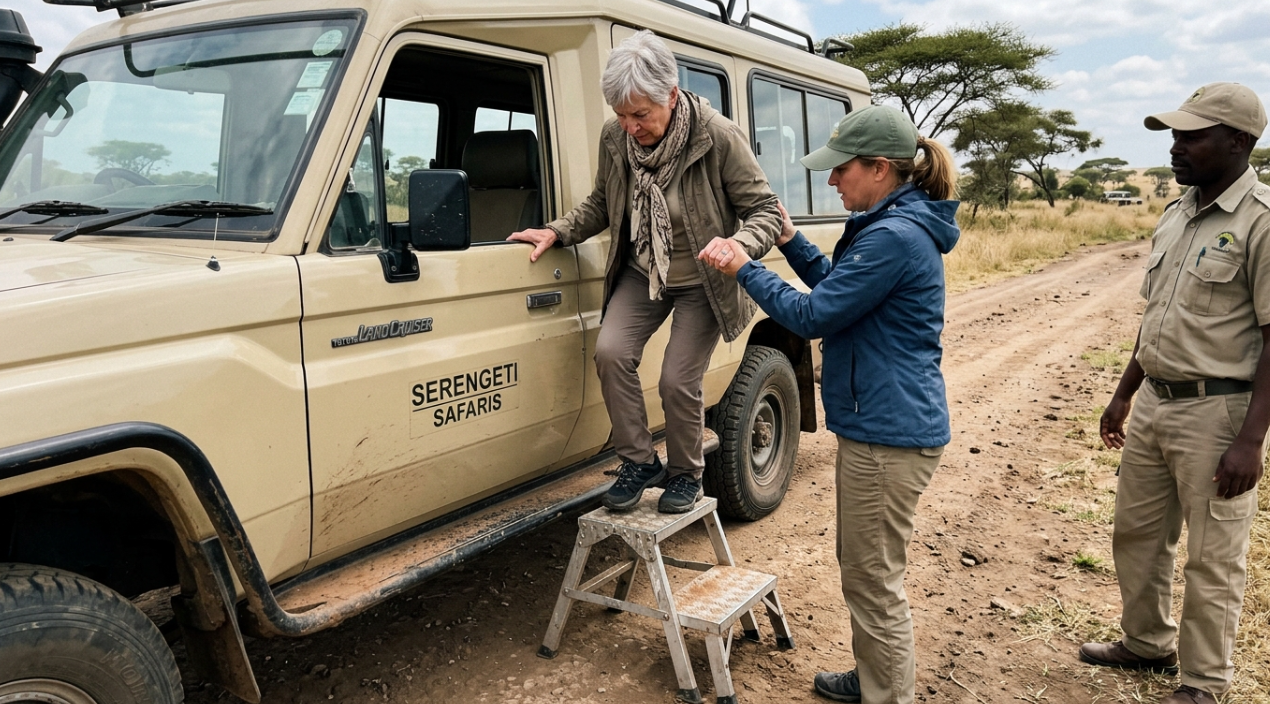
    2. Vehicle access: How high are the vehicle steps, and can a portable step be provided?

    3. Camp access: How far are the rooms from dining and common areas?

    4. Night movement: Are escorts required after dark?

    5. Room configuration: Are family tents, interconnecting rooms, or nearby rooms available?

    6. Pacing: Can the family skip individual game drives without disrupting the itinerary?

    7. Transfers: Which long road transfers can be replaced with flights?

    8. Medical preparation: Have grandparents reviewed the itinerary with a travel-health professional?

    9. Insurance: Does the policy cover emergency medical treatment and evacuation in remote areas?

    10. Children’s activities: Do the camps and operators allow activities for the children’s ages?

    The goal is not to eliminate every inconvenience. It is to identify the issues that would be difficult to solve after arriving in Tanzania.

    What Makes a Safari With Grandparents Different

    A family safari with grandparents is not simply a regular safari with older travelers added to the vehicle. It requires a different rhythm. The itinerary must account for the least flexible needs in the group: a grandparent’s mobility limitations, a five-year-old’s attention span, medication schedules, bathroom access, step heights, and the reality that not everyone wants to wake up at 5:30 a.m. every day for a week.

    The good news is that none of these constraints make the trip worse. They usually make it better. Families who plan around flexibility tend to enjoy the wildlife more because nobody is exhausted or resentful by day four.

    Three things define a successful multigenerational safari:

    1. Private pacing. The family controls the schedule, not a group departure time.

    2. Fewer moves. Staying two or three nights per location instead of changing camps daily.

    3. Permission to split up. Grandparents can skip a drive without guilt. Parents and teens can do a longer outing. Everyone regroups for dinner.

    One Duma Explorer traveler captured this well: “There were 13 of us ranging in age from 62 to 11 years old. We had such an amazing experience. Truly a trip of a lifetime.” That kind of result does not happen by accident. It happens because the route, pace, guide, and accommodation were matched to the group.

    The Planning Rule That Matters Most: Private Pacing

    For a safari with grandparents, a private vehicle is less about status and more about control. Control over start times, bathroom stops, drive length, and whether everyone has to follow the same plan.

    On a shared safari vehicle, the group leaves when the operator says it leaves. That often means 6:00 a.m. departures, set return times, and no flexibility if a child melts down or a grandparent needs a slower morning. With a private 4×4 and guide, the family can leave thirty minutes later, return an hour earlier, stop when someone needs to, and change plans mid-drive.

    Practitioners on Reddit consistently identify private vehicles as the single most important booking decision for multigenerational groups. One commenter in a family travel thread said downtime is “HUGE” on safari, that animals are amazing but long drives and early mornings add up, and that a private safari is worth it for the flexibility alone. Another recommended at least one full lodge day between park transfers for kids and grandparents.

    A private vehicle also unlocks the “do together, rest separately” model that makes three-generation trips work:

    • Everyone joins the first afternoon drive together.

    • Grandparents skip one sunrise drive and join brunch instead.

    • Parents and teens do a longer photography drive while younger kids swim.

    • Grandparents do a shorter afternoon drive and sundowner.

    • The family regroups for dinner.

    Nobody is taking attendance. The best multigenerational safaris create shared anchor moments, not mandatory togetherness all day long.

    If you are weighing private versus shared options, the differences in cost and flexibility are worth understanding early.

    If you are trying to plan one safari that works for grandparents, parents, and children, Duma Explorer can build the route around the family’s actual energy levels rather than forcing everyone into a fixed group schedule.

    Best Tanzania Safari Style for Grandparents and Grandchildren

    Tanzania’s Northern Circuit is a natural fit for multigenerational families. The route connects three of the country’s strongest wildlife areas within a manageable geography, and it maps well to the kind of pacing older travelers and young children need.

    The Tanzania Tourist Board positions the Northern Circuit around Tarangire, Ngorongoro, and the Serengeti, highlighting elephants, crater wildlife, and open-plains game viewing. Each park offers a different experience, which keeps things fresh across a week-plus itinerary.

    Tarangire works well as a first safari park. TANAPA describes it as home to Tanzania’s largest elephant herds and baobab-dotted landscapes, with wildlife gathering around the Tarangire River during the dry season. It is less overwhelming than starting in the deep Serengeti, and the elephant sightings tend to make an immediate impression on children and grandparents alike. For a deeper look at what to expect, the Tarangire first game drive guide covers the park in detail.

    Ngorongoro Crater is a major highlight but needs careful pacing. UNESCO describes it as the world’s largest caldera, combining wildlife, archaeology, and Maasai pastoralist history. The crater floor offers concentrated game viewing, but the descent road is steep and bumpy. Plan for a full day and do not add a long transfer on either side of it. The Ngorongoro planning guide explains the logistics.

    Serengeti is the iconic destination. UNESCO recognizes it as 1.5 million hectares of savannah with around two million wildebeest, hundreds of thousands of zebras, and major predator-prey interactions. It is worth the distance, but it requires enough nights to justify the transfer. Do not fly or drive five hours each way for a single overnight.

    A Simple Tanzania Structure

    Trip length

    Suited for

    Notes

    5-6 days

    Short private Northern Circuit

    Works only if expectations are realistic; avoid too many camp moves

    7-9 days

    Better family pace

    Tarangire + Ngorongoro area + Serengeti with 2-3 nights each

    10-12 days

    Strong multigenerational pace

    Allows rest days between transfers

    12-14+ days

    Safari + Zanzibar or Kenya extension

    Better for families with enough time and budget

    To compare full Tanzania itinerary structures and costs, the itinerary glossary breaks down what goes into each route option.

    Which Tanzania Parks Work for a Safari With Grandparents?

    Destination

    Why families choose it

    Grandparent planning consideration

    Typical role in itinerary

    Tarangire

    Elephants, baobabs, varied wildlife

    Use private pacing and avoid unnecessarily long drives

    Strong early safari stop

    Ngorongoro Crater

    Concentrated wildlife and dramatic scenery

    Roads can be steep and bumpy; avoid pairing the crater with another demanding transfer

    Major wildlife highlight

    Serengeti

    Large landscapes, predators, migration opportunities

    The park is extensive, so allow enough nights to justify the transfer

    Longer stay and core safari experience

    Zanzibar

    Beach, swimming, relaxation, slower pace

    Adds another transfer but can provide recovery time after safari

    Optional post-safari extension

    The right combination depends on travel dates, mobility requirements, wildlife priorities, and how much time the family has. More parks do not automatically create a better multigenerational itinerary.

    Sample 8-Day Tanzania Safari With Grandparents

    A sample multigenerational itinerary can look like this:

    Day

    Location

    Planning focus

    1

    Arusha

    Arrival, recovery, early night

    2

    Tarangire

    Afternoon game drive rather than an aggressive early start

    3

    Tarangire

    Flexible game-drive day with lodge downtime

    4

    Ngorongoro area

    Transfer at a manageable pace and settle in

    5

    Ngorongoro

    Crater game drive with no major transfer afterward

    6

    Serengeti

    Fly or drive according to mobility, time, and budget

    7

    Serengeti

    Full safari day with optional shorter drive

    8

    Serengeti / onward flight

    Flexible final morning and onward travel

    This is a planning example rather than a fixed itinerary. Actual routing should account for the travel season, park conditions, flight schedules, accommodation availability, and the family’s mobility and activity requirements.

    For families with grandparents, the important feature is the rhythm: arrive, explore, rest, transfer, explore, rest, rather than changing locations every day.

    One Country Is Usually Easier

    Cross-border Tanzania-Kenya safaris can be excellent, but for grandparents and young children, one-country routing often reduces friction. Practitioners on Reddit specifically warn that splitting Kenya and Tanzania on a short itinerary adds visa complexity, inconvenient border crossings, and full-day bumpy transfers that are hardest on the oldest and youngest travelers. One commenter recommended picking one country and adding varied parks within it rather than stretching across borders.

    For 7-10 days, a Tanzania-only Northern Circuit is often the simplest choice. For 12-14+ days, multi-country combinations become more realistic, especially with flights and buffer time.

    How Many Days for a Safari With Grandparents and Kids

    Take enough time. International flights from the U.S. take at least 14 hours across multiple time zones. The first day usually needs arrival recovery. Park transfers are tiring. And older travelers and children both benefit from two to three nights per location rather than a new camp every morning.

    Minimum: 5-6 safari days, if the route is simple and expectations are realistic.

    Better: 8-10 days for a balanced multigenerational Tanzania safari.

    Best for safari plus beach: 12-14 days including a Zanzibar or coast extension. A 14-day Tanzania itinerary shows how safari and beach can work together without exhausting the group.

    Rules of Thumb for Pacing

    • Avoid changing camps every night.

    • Use 2-3 nights per safari location when possible.

    • Build “soft” afternoons after early drives.

    • Add a lodge or pool day after long transfers.

    • Treat skipped drives as normal, not failure.

    A Reddit commenter who traveled with kids and grandparents recommended choosing a few camps in good locations and using a private guide rather than booking one-night-everywhere itineraries. Daily packing and bumpy transfers can be hard on older travelers and children in equal measure.

    Lodge and Camp Features That Matter More Than Star Rating

    The right lodge for a safari with grandparents is not always the most expensive lodge. It is the lodge that fits the group’s practical needs. Beautiful camps can have long walks between rooms and the dining area, stairs, uneven paths, low lighting, and late formal dinners that do not work for young children.

    Practitioners on Reddit warn that tented camps can be stressful with children and older travelers after dark if guests need escorts for every movement between tents, including bathroom trips.

    Practical Lodge Checklist

    Before booking any camp or lodge, ask:

    • How far are rooms or tents from the main dining area?

    • Is the path level, lit, and easy to walk at night?

    • Are golf carts or escorts available?

    • Are there interconnecting rooms or family tents?

    • Can grandparents have rooms closest to the main area?

    • Are meals flexible in timing and content?

    • Is there an early dinner option for children?

    • Is there a pool or shaded rest space?

    • Is there reliable charging for devices and medical equipment?

    • How many stairs or steps are involved?

    • Is vehicle access close to rooms?

    • Is the camp fenced or unfenced?

    • Are night escorts required?

    • What is the children’s minimum age policy for drives and activities?

    Ask for practical lodge fit, not just star rating. “Luxury” and “accessible” are not the same thing.

    For multigenerational groups, Duma Explorer can help compare lodges by practical details: room distance, family configurations, meal flexibility, transfer time, and whether a fly-in route is worth the cost.

    What Makes a Safari Senior-Friendly?

    A senior-friendly safari is not necessarily a safari with luxury accommodation. It is an itinerary designed around manageable walking distances, practical vehicle access, appropriate transfer times, comfortable sleeping arrangements, and enough flexibility to rest.

    Look for these characteristics:

    • Private vehicle and dedicated guide

    • Short walking distances between rooms and common areas

    • Minimal stairs and uneven terrain where possible

    • Easy vehicle entry and exit

    • Flexible game-drive timing

    • Two or more nights at major locations

    • Reliable access to meals, drinking water, and required medications

    • Accommodation that can meet the family’s room configuration needs

    • Clear night-time escort procedures at unfenced camps

    • A realistic emergency and evacuation plan

    When comparing lodges, ask for specific information rather than relying on terms such as “luxury,” “premium,” or “family-friendly.” A lodge can be luxurious while still requiring substantial walking or stairs.

    Match the Safari Setup to Mobility Needs

    Need

    What to ask the safari operator

    Difficulty with stairs

    How many steps are required to enter the vehicle and accommodation?

    Difficulty walking long distances

    How close can the vehicle park to the room and dining area?

    Balance concerns

    Can a portable vehicle step or other assistance be arranged?

    Back or neck discomfort

    How long are typical drives and how rough are the roads?

    Frequent bathroom needs

    How often can the vehicle stop and what facilities are available?

    Walking after dark

    Are escorts provided between rooms and common areas?

    Medical equipment

    Can the accommodation support charging, electricity, storage, or other requirements?

    Reduced stamina

    Can individual game drives be shortened or skipped?

    These questions should be answered before deposits are paid because some accessibility constraints are difficult to change once the itinerary is confirmed.

    The Detail Nobody Thinks About: Getting In and Out of the Vehicle

    Safari With Grandparents: Tanzania 2026 Planning Guide

    This comes up surprisingly often in practitioner discussions but rarely appears in planning articles. In a Reddit thread about taking an 80-year-old parent on safari, a traveler noted that an older guest was injured getting into a safari truck. The original poster responded that truck step height was a genuinely useful planning detail they had not considered.

    On a typical safari day, grandparents may enter and exit the vehicle four to six times: morning departure, a mid-drive stop, return to camp, afternoon departure, a sundowner stop, and return. That is a lot of climbing for someone with knee, hip, or balance issues.

    Before booking, discuss with your operator:

    • What is the vehicle step height?

    • Can a portable step be provided?

    • Where do grandparents sit for easiest entry and exit?

    • Is the pop-top roof comfortable for standing?

    • Will rough roads aggravate back or neck issues?

    • Are bathroom stops planned at reasonable intervals?

    • Is motion sickness a concern for any children?

    These details are easy to address before the trip and hard to fix once you are on a bumpy track in the Serengeti.

    Fly-In Safaris: Solving One Problem, Creating Another

    For grandparents, fly-in routing can eliminate punishing six-to-eight-hour road transfers. But small aircraft come with their own considerations.

    Coastal Aviation’s luggage policy allows 15 kg (33 lb) per person including carry-on luggage. Soft-sided bags are strongly recommended, and cargo pod dimensions are limited. An XL seat class allowing 30 kg is available subject to availability, but excess luggage needs advance arrangements.

    What this means for a multigenerational family:

    • International luggage will probably not fit small-aircraft limits. Plan for repacking.

    • Soft bags are easier to load than rigid suitcases.

    • Medical devices, camera gear, walking aids, and excess luggage should be disclosed early.

    • Small aircraft have narrow doors and steep steps, which can be challenging for travelers with mobility limitations.

    • If the family is arriving from a beach extension or long international flight, baggage planning matters.

    Fly-ins are often worth the cost for grandparents if the alternative is a full-day rough drive. But they are not automatically easier. The decision should weigh road conditions, transfer distance, luggage volume, and boarding ability.

    Private Vehicle vs. Fly-In Safari for Grandparents

    Consideration

    Private road safari

    Fly-in safari

    Schedule flexibility

    High

    Depends on flight schedule

    Long road transfers

    Still required on some routes

    Can substantially reduce them

    Vehicle access

    Easier to customize

    Aircraft boarding and steps need consideration

    Luggage

    Generally less restrictive

    Weight and bag-size restrictions may apply

    Family privacy

    High with private vehicle

    High once at destination

    Cost

    Depends on vehicle and route

    Usually adds flight costs

    Best planning question

    How long will each road transfer be?

    Can everyone comfortably board the aircraft?

    Neither option is automatically better for older travelers. The decision depends on mobility, transfer length, luggage, budget, flight availability, and the family’s tolerance for road travel.

    Health, Mobility, and Safety Planning

    This section should be practical, not alarming. Most healthy grandparents in their 60s and 70s handle safaris well. The key is preparation, not anxiety.

    Health Planning Starts Before the Itinerary Is Finalized

    Health planning should influence the itinerary rather than happen after the safari has already been booked. Travel distance, altitude, road conditions, walking requirements, heat exposure, sleeping arrangements, and access to medical care can vary substantially between safari locations.

    Grandparents should discuss the actual planned itinerary with an appropriate healthcare or travel-medicine professional. The purpose is not to determine whether someone is “too old” for safari. It is to identify practical requirements that the itinerary needs to accommodate.

    Pre-Trip Medical Planning

    The CDC advises older adult travelers to see a healthcare provider or travel health specialist 4-6 weeks before departure. That appointment should cover chronic medical conditions, the specific itinerary and accommodations, planned activities, routine vaccines, and medications.

    For Tanzania specifically, the CDC recommends typhoid vaccine for most travelers. Yellow fever vaccine is generally not recommended for direct travel from the United States but is required for travelers arriving from countries with yellow fever transmission risk, including airport transits or layovers over 12 hours in those countries.

    The CDC’s Yellow Book notes that malaria transmission occurs in most game parks and that safari activities like tented sleeping and dusk animal viewing can increase mosquito exposure. Malaria prevention medication should be discussed with the travel medicine clinic.

    What to Bring and Disclose

    • Medication in original packaging, plus extra in case of delays.

    • A copy of medical history and immunization records.

    • Any walking aids, CPAP machines, or medical devices (and confirmation that camps can support them).

    • Information about dietary needs, allergies, or restrictions.

    Insurance

    The CDC notes that medical evacuation can range from USD 25,000 within North America to over USD 250,000 for more distant or remote locations. Specialized travel health and evacuation policies may be particularly beneficial for travelers with preexisting conditions and travelers over age 65.

    For detailed guidance, the safari travel insurance guide covers what to look for in a policy.

    Beyond Africa-Specific Health

    Competitors often jump straight to malaria and vaccines. For grandparents, also consider:

    • Long-haul flight fatigue and blood clot risk (discuss with physician).

    • Medication timing across time zones.

    • Mobility assistance at airports.

    • Heat and dust tolerance on game drives.

    • Hydration in dry, hot environments.

    This article cannot replace medical advice. Families should review their exact itinerary with a travel medicine clinic or physician, especially when grandparents have chronic conditions, mobility limits, immune concerns, or complex medications.

    What Each Generation Needs

    Planning a three-generation safari means thinking about roles, not just a generic “family.”

    Traveler

    What they often need

    Planning response

    Grandparents

    Comfort, shorter walks, manageable steps, rest, medical confidence, meaningful family time

    Nearby rooms, private vehicle, no daily moves, medical and insurance preparation

    Parents

    Less logistics stress, safety, meals, room layout, child engagement

    Operator coordination, flexible guides, family tents, clear schedules

    Young children (under 8)

    Breaks, snacks, pool time, shorter drives, predictable meals

    Split drives, nature activities, downtime, camps with children’s programs

    Teens

    Wildlife goals, photography, independence, active options

    Longer drives, camera tips, cultural visits, optional activities

    Whole family

    Shared memories

    First or last night rituals, sundowners, special bush breakfast, photo moments

    The FTA survey data is interesting here: 40% of grandparents plan and organize multigenerational trips themselves, and 37% pay for the trip. This means grandparents should be included early in the planning process. Ask what “comfortable” means to them specifically. Do not design the trip only around the children and assume grandparents will adapt.

    Where to Spend More (and Where You Might Not Need To)

    Worth the investment:

    • Private vehicle and guide. The single highest-return upgrade for a multigenerational safari.

    • Fewer but better-located camps. Two well-chosen lodges beat four rushed ones.

    • Fly-in transfers when road days would be punishing for older travelers.

    • Rooms closest to the main area for grandparents.

    • An experienced guide who can read the group’s energy and adjust.

    • Travel insurance and medical evacuation coverage.

    Not always necessary:

    • The most formal ultra-luxury lodge if it has poor access for older travelers.

    • Too many destinations crammed into limited days.

    • Back-to-back premium activities that exhaust the group.

    • International multi-country complexity on a trip shorter than 12 days.

    For a clear breakdown of what drives safari pricing, the Tanzania cost per person guide explains how route, season, accommodation level, and group size affect the total.

    Common Mistakes When Planning a Safari With Grandparents

    Booking too many one-night stays. Packing and unpacking exhausts everyone. Transfers are often bumpy. Children and grandparents lose routine. Stay two to three nights per location.

    Assuming luxury means accessible. Beautiful camps can have long walks to rooms, stairs, uneven paths, low lighting, and unfenced perimeters requiring escorts. Always ask about practical access.

    Making every game drive mandatory. Fatigue causes people to stop enjoying the wildlife. One Reddit commenter who observed a large multigenerational group noted the organizer gave family members “grace” when they skipped drives, and another reinforced that nobody is taking attendance.

    Crossing borders on a short itinerary. Kenya-Tanzania combinations can be excellent, but not if the trip becomes a transfer exercise with visa fuss, inconvenient crossing points, and full-day bumpy drives.

    Ignoring vehicle entry and exit. Older travelers may struggle with repeated steps into high-clearance 4x4s. One Reddit traveler reported an older guest was injured getting into a safari truck. Ask about step height before booking.

    Forgetting bush-flight luggage limits. Families arrive with international luggage that cannot fit small-aircraft restrictions. Plan for repacking and soft bags.

    What Information to Give Your Safari Planner

    The more a planner knows about the group, the better the trip design. Before reaching out, gather this information:

    • Travel dates or flexible month range

    • Number of travelers

    • Grandparents’ ages and mobility considerations (stairs, walking distance, balance, vehicle steps)

    • Children’s ages

    • Medical or dietary needs

    • Desired trip length

    • Approximate budget range

    • Preferred accommodation style

    • Private vehicle preference

    • Wildlife priorities (elephants, big cats, migration, birds, photography)

    • Tolerance for early mornings and bumpy drives

    • Interest in Zanzibar or beach extension

    • Special occasion (milestone birthday, anniversary, retirement, family reunion)

    • Room configuration needs

    This is not a checklist to overwhelm anyone. It is the information that separates a well-matched itinerary from a generic package that does not fit.

    Ready to build a safari that works for every generation? Share your travel dates, grandparents’ mobility needs, children’s ages, preferred comfort level, and ideal trip length, and Duma Explorer can design a private family safari with the right pace from the start.

    How to Choose a Safari Operator for a Multigenerational Trip

    When comparing safari operators, ask questions that reveal how well they can adapt an itinerary rather than simply asking whether they offer “family safaris.”

    Ask:

    • Do you provide a private vehicle and dedicated guide?

    • Can game-drive times be changed during the trip?

    • How do you accommodate travelers with limited mobility?

    • Can you provide vehicle-step assistance?

    • Which lodges have the shortest walking distances?

    • How do you handle medical or dietary requirements?

    • Which road transfers can be replaced with flights?

    • What are the luggage restrictions on internal flights?

    • What happens if a traveler needs to skip a planned activity?

    • What emergency and evacuation procedures apply to the itinerary?

    • What are the minimum ages for activities?

    • Can grandparents and children have nearby rooms?

    A useful operator should be able to explain the practical trade-offs behind the itinerary rather than simply recommend the most expensive accommodation category.

    Frequently Asked Questions

    Is a safari with grandparents realistic?

    Yes, if the itinerary is private, paced well, and built around mobility, health, and rest needs. The main issue is rarely age alone. It is usually too many transfers, too many early mornings, poor lodge fit, or lack of schedule flexibility. Families traveling with grandparents in their 60s, 70s, and even 80s have successful safaris when the planning accounts for practical needs.

    Should grandparents go on every game drive?

    No. A good multigenerational safari makes it easy for grandparents, children, or anyone to skip a drive without guilt. Shared anchor moments (a sundowner, a bush breakfast, a big wildlife sighting) matter more than mandatory togetherness every hour. Choose camps where staying behind still feels rewarding, with a pool, a deck with wildlife views, or a good book and a cup of coffee.

    Is a private safari vehicle worth it for a family with grandparents?

    Almost always. A private vehicle lets the family adjust start times, return early, stop for bathrooms, shorten or lengthen drives, and avoid affecting other travelers. For families with mixed ages and energy levels, this is the single upgrade that changes the trip from stressful to flexible.

    How many days should a multigenerational Tanzania safari be?

    Eight to ten days provides a balanced pace for most multigenerational families on a Northern Circuit route. Five to six days is possible but tight. Twelve to fourteen days works well if you want safari plus a Zanzibar beach extension. International travel fatigue, park transfers, and the need for rest days between moves all add up.

    What medical preparation do grandparents need for a Tanzania safari?

    Families should speak with a physician or travel medicine clinic 4-6 weeks before departure. The appointment should cover destination-specific vaccines, malaria prevention, chronic conditions, medications, and planned activities. Travel health and medical evacuation insurance is strongly recommended, especially for travelers over 65 and those in remote safari areas.

    Should we add Zanzibar after safari?

    For many multigenerational families, yes. A beach extension helps everyone rest after early mornings and dusty drives. But it should be planned with transfer time, luggage limits for bush flights, and room needs in mind. Do not treat it as an afterthought; build it into the trip design from the start.

    Is Tanzania or Kenya better for a safari with grandparents and kids?

    Both can work well. Tanzania’s Northern Circuit offers strong wildlife diversity and pairs naturally with Zanzibar. Kenya’s Maasai Mara conservancies offer shorter fly-in options and family-friendly private experiences. For a first multigenerational safari of 7-10 days, sticking to one country reduces logistical friction. Cross-border trips become more realistic at 12-14+ days with proper buffer time.

  • Safari With Grandkids: 2026 Guide to Key Terms & Tips

    Safari With Grandkids: 2026 Guide to Key Terms & Tips

    TL;DR

    A safari with grandkids is easiest to plan when the itinerary is built around the youngest child, oldest traveler, and activities everyone can safely enjoy. Private vehicles provide more flexibility than shared game drives, while family suites or exclusive-use properties can simplify sleeping arrangements for three generations. Lodge and activity age limits vary, so check each property’s current policy before booking. For mixed-age groups, a 7-to-10-day safari with a slower pace, shorter transfers, and at least one rest period can provide a practical starting framework.


    Planning a safari with grandkids means encountering terminology you won’t find in a standard travel glossary. Multigenerational safari, skip-gen travel, exclusive-use villa, junior ranger programme, fly-in transfer: these terms show up repeatedly in lodge descriptions and operator itineraries, and each one carries practical implications for how your trip will feel.

    This glossary exists to give grandparents (and the adult children helping them plan) a clear reference for the concepts that matter most. Not alphabetical, but organized by the order you’ll actually need them: trip structure first, then accommodations, activities, age rules, and booking logistics.

    For a deeper look at family safari packages and itinerary options across East Africa, that resource covers the full planning picture. This page focuses on definitions and why each term matters for your specific group.

    Safari With Grandkids: 7 Things to Know Before Booking

    Before comparing safari lodges or choosing parks, identify the ages, mobility needs, and interests of everyone traveling. These seven factors affect almost every other safari decision.

    1. Start with the youngest traveler. Some lodges, walking activities, and shared safari experiences have minimum-age requirements.

    2. Consider a private vehicle. A dedicated vehicle gives the family more control over departure times, stops, game-drive duration, and daily pacing.

    3. Check lodge age policies individually. “Family-friendly” does not necessarily mean that every age is accepted for every activity.

    4. Build in slower days. A safari does not need to mean a full day of game drives every day. Rest periods can make the itinerary easier for both children and older adults.

    5. Reduce long overland transfers when appropriate. Domestic flights can shorten travel between distant safari areas, although baggage limits and aircraft access need to be considered.

    6. Match activities to ages. Game drives may work for a broad age range, while walking safaris, night activities, and gorilla trekking can have additional restrictions.

    7. Confirm current rules before paying deposits. Age limits, park regulations, flight baggage rules, and lodge policies can change. Get important restrictions confirmed in writing by the safari operator or property.

    Term

    What It Means

    Why It Matters With Grandkids

    Multigenerational safari

    Three or more generations traveling together

    Requires an itinerary that accommodates different ages and energy levels

    Skip-gen safari

    Grandparents traveling with grandchildren without the parents

    Adds additional planning considerations because grandparents are the accompanying adults

    Private vehicle safari

    A dedicated safari vehicle and guide for your group

    Allows greater control over timing, stops, and game-drive duration

    Family suite

    Accommodation designed for families, often with multiple sleeping areas

    Keeps generations close while providing separate sleeping space

    Exclusive-use safari house

    A private property booked for one group

    Provides privacy, flexible meals, and a dedicated setting for family groups

    Lodge minimum age

    The youngest age accepted by a lodge or camp

    Can determine which properties are available to families with young children

    Junior ranger programme

    Children’s wildlife and conservation activities

    Gives younger travelers age-appropriate activities beyond game drives

    Fly-in safari

    Traveling between safari areas by light aircraft

    Can reduce long overland transfers

    Walking safari

    Guided wildlife experience conducted on foot

    Often subject to minimum-age and safety requirements

    Gorilla trekking

    Guided trek to observe habituated mountain gorillas

    Usually subject to a minimum age requirement

    Rest day

    A day without a major transfer or scheduled game drive

    Helps prevent fatigue across different generations

    Beach extension

    Adding a coastal stay after the safari

    Provides a slower-paced second part of the trip

    :::

    Quick-Reference Table: Key Terms at a Glance

    Term

    What It Means

    Why Grandparents Should Care

    Multigenerational safari

    Safari with three or more generations traveling together

    Trip pacing and accommodation layout must serve everyone from age 7 to 70+

    Skip-gen travel

    Grandparents travel with grandchildren, parents stay home

    Different legal and logistical requirements than a full-family trip

    Private vehicle safari

    Your family gets its own dedicated 4×4 and guide

    Eliminates age restrictions in Tanzania and Kenya; controls pace entirely

    Exclusive-use villa

    A fully staffed private property booked for one group

    Gold standard for multigenerational comfort and togetherness

    Junior ranger programme

    Lodge-run kids’ activities: tracking, wildlife journals, bush skills

    Frees grandparents for longer drives or rest while kids stay engaged

    Gorilla trekking age limit

    Minimum 15 years in Uganda, Rwanda, and DRC

    Splits the group if younger grandchildren are part of the trip

    Fly-in safari

    Light-aircraft transfers between parks

    Reduces hours of road travel, critical for comfort with older adults or very young children

    Beach extension

    Adding Zanzibar or coastal days after the safari

    Decompresses the group after intensive wildlife viewing

    What Does a Good Safari With Grandkids Look Like?

    There is no single itinerary that works for every family, but a practical multigenerational safari usually combines private transportation, family-friendly accommodation, flexible game drives, shorter transfer days, and time to rest.

    Planning Factor

    Practical Starting Point

    Why It Helps

    Vehicle

    Private safari vehicle

    Lets the family adjust the schedule around children and older adults

    Accommodation

    Family suite or connected rooms

    Provides proximity without requiring everyone to share one room

    Safari length

    About 7–10 days

    Allows multiple wildlife areas without requiring constant movement

    Game drives

    Flexible private drives

    The guide can shorten or extend drives according to the group’s energy

    Transfers

    Mix of driving and flights

    Reduces long road journeys when distances are significant

    Rest

    At least one slower day

    Gives children and grandparents time to recover

    Activities

    Game drives plus age-appropriate alternatives

    Allows different generations to participate at different levels

    Final stop

    Optional beach or relaxed lodge stay

    Creates a slower transition after several days in the bush

    Trip Structure Terms

    Multigenerational Safari

    A safari designed for three or more generations traveling together, typically grandparents, parents, and grandchildren. Often shortened to “multi-gen” or “3G safari” in operator marketing.

    Why it matters: Family and multigenerational travel is now the second-leading travel category sold by U.S. and Canadian travel advisors, rising from 39% to 66% according to TMR’s 2025 Distribution Outlook. This is no longer a niche request. But the dynamics are specific. Grandparents often want culture and comfort. Parents want a break that doesn’t feel like more work. Children want excitement. A well-designed multigenerational safari accounts for all three without forcing constant compromise.

    Duma Explorer has planned safaris for groups ranging in age from 11 to 62, so the realities of mixed-age pacing and accommodation calibration are familiar territory for their team.

    Skip-Gen Travel (Skip-Generation Safari)

    A trip where grandparents travel with grandchildren without the parents present. The term “skip-gen” comes from skipping the middle generation entirely.

    Why it matters: According to Hilton’s 2026 Trends Report, skip-generation holidays are growing rapidly. An AARP survey found that nearly a third of grandparents have taken at least one grandchild on a skip-gen trip. For safari planning, this creates specific considerations. Grandparents become the sole responsible adults, which affects travel insurance, medical consent documentation, and activity decisions. A skip-gen safari in East Africa works well precisely because game drives are low-exertion activities that both a 70-year-old and a 10-year-old can enjoy fully. The FTA’s 2025 survey found that grandparents spent an average of $2,043 on skip-gen travel, compared to $5,205 on multigenerational trips where parents also attend.

    Private Vehicle Safari

    A safari where your family group has a dedicated 4×4 vehicle and driver-guide, rather than sharing with other guests.

    Why it matters: This is effectively non-negotiable for a grandkids safari. A private vehicle means bathroom stops happen when needed, not when the group schedule allows. Game drive duration adjusts to energy levels. A cranky four-year-old doesn’t ruin another couple’s honeymoon drive. And critically: in Tanzania and Kenya, private vehicle safaris typically have no minimum age restriction. This single distinction opens the safari to toddlers and babies who would be turned away from shared vehicles. Practitioners on Reddit’s r/FATTravel consistently recommend private vehicles for multigenerational groups, calling the flexibility difference “night and day.” For more on vehicle types and features, that guide breaks down the options.

    Split Itinerary

    Designing different segments within one trip so that subgroups can do different things. For example, grandparents rest at the lodge with a pool afternoon while teenagers do a walking safari with the guide.

    Why it matters: Not everyone needs to do everything together every day. A split itinerary preserves family harmony by acknowledging that a 12-year-old’s energy level at 3 PM is very different from a 68-year-old’s. Good operators build these splits into the planning stage rather than leaving families to negotiate them on the ground.

    Rest Day (Down Day)

    A day built into the itinerary with no scheduled game drive or transfer. The group stays at the lodge, swims, reads, plays cards, or does gentle activities at their own pace.

    Why it matters: Seven to ten days is the ideal length for a multigenerational safari, but that doesn’t mean seven to ten consecutive days of 5:30 AM wake-up calls. Rest days prevent burnout in young children and fatigue in older adults. They also create space for the unstructured family time that grandparents often value most.

    Beach Extension

    Adding a coastal destination, most commonly Zanzibar, after the safari portion of the trip. Sometimes called “beach decompression.”

    Why it matters: Children have a finite attention span for game drives, no matter how thrilling the wildlife. A few days on the beach after the safari gives the whole group a different rhythm: snorkeling, swimming, exploring Stone Town, eating seafood. For a family splitting time between bush and coast, a 14-day Tanzania and Zanzibar itinerary shows how the sequencing works in practice.

    Fly-In Safari

    A safari where transfers between parks happen by light aircraft (typically Cessna Caravans seating 12 to 14 passengers) rather than overland driving.

    Why it matters: The drive from Arusha to the central Serengeti takes roughly 8 hours. A flight takes about 90 minutes. For grandparents with back or joint issues, or for families with children under five, fly-in transfers change the trip from endurance test to comfortable experience. The trade-off is cost, as domestic flights in Tanzania typically add $200 to $500+ per person per sector, but multigenerational groups consistently report it’s worth it.

    If mobility is a real concern, Duma Explorer has a full guide on accessible safari options for seniors that covers vehicle modifications, lodge accessibility, and pacing strategies.


    Accommodation Terms

    Family Suite (Family Tent)

    A multi-bedroom accommodation unit, often with two or three bedrooms and shared living space. In tented camps, this might be two connected safari tents with a shared veranda. In lodges, it’s typically interconnecting rooms or a self-contained wing.

    Why it matters: Family suites solve the central tension of multigenerational accommodation: togetherness without sacrificing space. Parents and children sleep close together while grandparents have their own comfortable quarters nearby. One Duma Explorer client review captured this balance perfectly: the operator calibrated accommodations that were “not so high end that we didn’t feel like we were on a safari and not so basic that the kids wouldn’t want to return to Africa when they got older.” That middle ground matters.

    Exclusive-Use Villa (Safari House)

    Safari With Grandkids: 2026 Guide to Key Terms & Tips

    A fully staffed private property, complete with personal chef, guide, vehicle, and often a pool, booked exclusively for one family group. No other guests.

    Why it matters: For multigenerational groups of six or more, an exclusive-use property often costs less per person than individual rooms at a premium lodge, while providing far more privacy and flexibility. Mealtimes adapt to the family. The guide works on your schedule. Grandchildren can be noisy without worrying about other guests. This is the gold standard for safari with grandkids planning.

    Family-Friendly Lodge

    A lodge or camp that actively welcomes children, as opposed to adults-only properties. Indicators include kids’ clubs, flexible mealtimes, swimming pools, dedicated family guides, and child-friendly meal options.
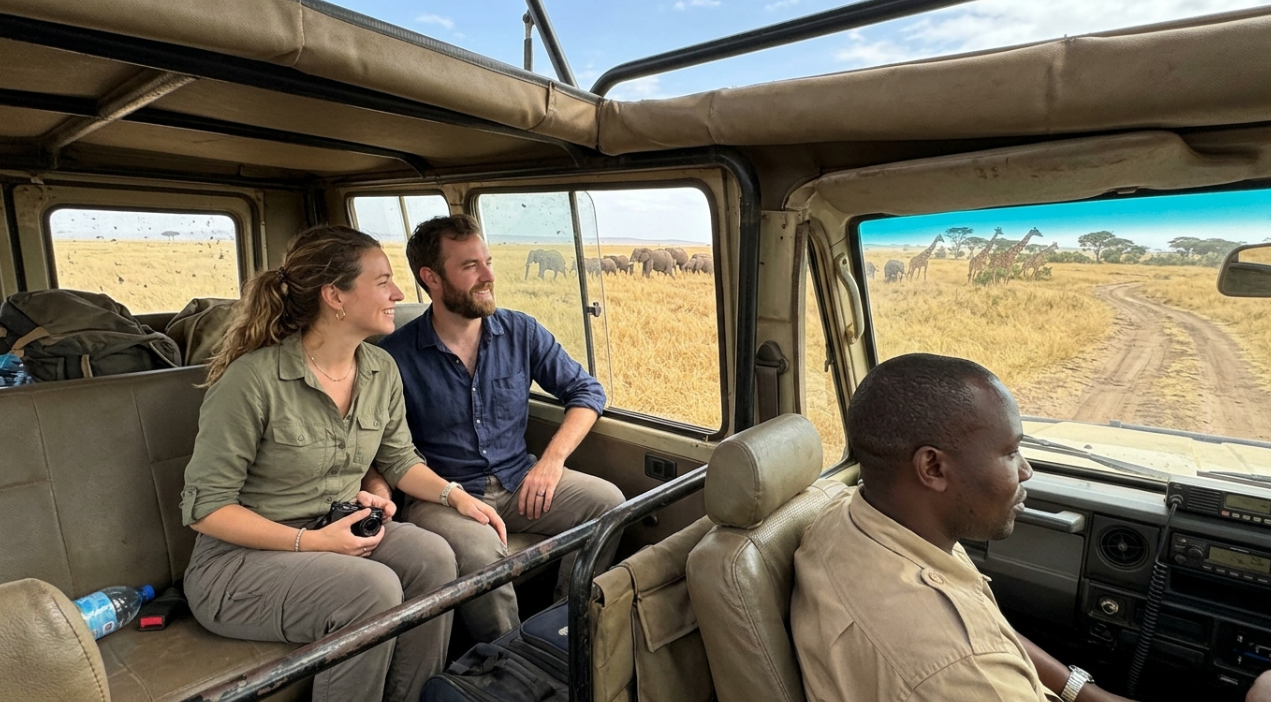
    Why it matters: Not all safari lodges welcome children. Many luxury properties are adults-only or set high minimum ages (10 or 12) to maintain a certain atmosphere. When planning a grandkids safari, confirming a property is genuinely family-friendly, not just “children tolerated,” saves disappointment.

    Interconnecting Rooms

    Adjacent rooms with an internal door connecting them, allowing access without going through the corridor or outside.

    Why it matters: Practical for grandparents who want to be close to younger grandchildren at night without sharing the same room. Interconnecting rooms also let parents check on small children easily while grandparents maintain their own space and sleep schedule.

    Lodge Minimum Age

    The youngest age a property will accept as a guest. This varies from 4 to 12 depending on the lodge, and some properties set different ages for different activities or meal seatings.

    Why it matters: According to SafariBookings, most safari camps and lodges welcome children of nearly all ages, but some set minimum ages between 4 and 12. This is the single most common planning obstacle for families with younger grandchildren. Always confirm minimum age policies directly with the operator, as these can change seasonally and some properties make exceptions for exclusive-use bookings.

    Safari With Grandkids by Age

    The best safari setup depends heavily on the youngest child’s age. Age affects lodge eligibility, activity restrictions, attention span during game drives, and how much downtime the family may need.

    Grandchild’s Age

    Planning Considerations

    Safari Approach

    Under 4

    More frequent breaks, nap schedules, and stricter property policies may apply

    Consider a private vehicle and carefully selected family-friendly accommodation

    4–6

    Game drives may need to be shorter and more flexible

    Prioritize private vehicles, engaging guides, and properties with child-focused activities

    7–10

    Children can often participate more actively in wildlife viewing and educational programmes

    Combine game drives with junior ranger or cultural activities

    11–14

    Longer drives and more active experiences may become practical

    Consider walking or other activities where the specific operator permits the child’s age

    15+

    More activities may become available depending on local rules

    Consider trekking and other age-restricted activities when permitted

    Grandparents 60+

    Mobility, heat, transfer duration, and accommodation layout may become important

    Consider shorter drives, easier-access accommodation, private transportation, and optional flights

    These are planning guidelines rather than universal age rules. The minimum age for a particular lodge, activity, vehicle, or park should always be confirmed before booking.

    How Much Does a Safari With Grandkids Cost?

    The cost of a safari with grandkids depends on the destination, season, accommodation level, group size, transportation, and number of private services. Multigenerational trips can also cost more than standard safaris when the family chooses private vehicles, exclusive-use accommodation, or domestic flights.

    Cost Factor

    What Can Increase the Cost

    Accommodation

    Luxury lodges, family suites, and exclusive-use properties

    Transportation

    Private vehicles and domestic flights

    Season

    Peak travel periods can have higher accommodation rates

    Group size

    Larger families may require additional rooms or vehicles

    Activities

    Private or age-specific activities can add costs

    Trip length

    More nights increase accommodation and activity costs

    Beach extension

    Adds accommodation, transfers, and activities after the safari

    Rather than comparing a safari only by its nightly rate, compare the total itinerary cost, including accommodation, vehicles, guides, internal flights, park fees, activities, and transfers. Confirm current inclusions and exclusions with the operator before booking.

    Activities and Programmes

    Junior Ranger Programme

    Lodge-run educational activities for children, typically including animal tracking, wildlife journals, bush skills (identifying prints, learning bird calls), and sometimes supervised nature walks within safe areas around the property.

    Why it matters: A junior ranger programme keeps grandchildren engaged during times when adult activities (long game drives, wine tastings, spa treatments) are happening. It also gives grandparents genuine rest time without guilt. Children who participate tend to become more invested in subsequent game drives because they have new knowledge to apply.

    Game Drive

    Vehicle-based wildlife viewing in a national park or conservancy. Morning drives typically depart around 6:00 to 6:30 AM and return by noon. Afternoon drives run from roughly 3:30 PM until sunset.

    Why it matters: Game drives are the core safari activity, and they naturally suit mixed ages because everyone participates from the vehicle without physical exertion. The key for multigenerational groups is drive duration. A standard shared drive runs 3 to 4 hours. With a private vehicle, you can cut it shorter if a young grandchild gets restless or extend it if the whole family is mesmerized by a leopard in a tree.

    Walking Safari

    A guided walk through wildlife areas on foot, accompanied by an armed ranger and a trained walking guide.

    Why it matters: Most walking safaris restrict children under 12, and many set the floor at 16. The restrictions exist for sound safety reasons, as participants must be able to follow instructions instantly and move quickly if needed. This is a common split-itinerary opportunity: grandparents and teenagers walk while younger grandchildren do a vehicle-based activity.

    Night Drive

    A game drive conducted after dark, using spotlights to find nocturnal animals like aardvarks, bush babies, civets, and hunting predators.

    Why it matters: Tanzania’s national parks (TANAPA) do not permit night drives within park boundaries. However, private conservancies bordering parks sometimes do. This distinction matters for itinerary design. Night drives are exciting for older grandchildren but generally too late (and too cold) for young ones.

    Cultural Visit (Maasai Village Visit)

    An off-vehicle activity where the family visits a local community, often a Maasai boma in Tanzania or Kenya, to learn about traditional life, see dancing, and sometimes participate in activities like beadwork or fire-starting.

    Why it matters: Cultural visits are suitable for all ages and provide a welcome change of pace between game drives. They also give grandchildren context about the people who live alongside the wildlife, which makes the safari more meaningful.

    Sundowner

    Drinks and snacks served at a scenic viewpoint around sunset, typically on a kopje (rock outcrop), riverbank, or elevated clearing with panoramic views.

    Why it matters: Nearly 89% of respondents in the FTA’s 2025 survey believe traveling with family supports grandparents’ health and well-being, and 50% of grandparents say time with grandchildren is the most valued part of travel. A sundowner, watching the African sun set with a grandchild pointing out animals on the plain below, is often the moment that crystallizes the entire trip.

    Bush Picnic (Bush Breakfast)

    A meal served in the field rather than at the lodge, set up by staff at a scenic location during a game drive.

    Why it matters: Bush breakfasts create shared family memories that feel adventurous even for grandparents who wouldn’t consider themselves adventurous. Eating scrambled eggs under an acacia tree while a giraffe walks past in the background is the kind of story a grandchild tells for years.


    Age Rules and Safety Terms

    Minimum Age Restriction

    The youngest age permitted for a specific lodge stay or activity. This is the single most important practical detail for planning a safari with grandkids.

    Here’s the breakdown:

    Activity/Setting

    Typical Minimum Age

    Notes

    Shared game drive

    6 to 8 years

    Varies by park and operator

    Private game drive (Tanzania/Kenya)

    No strict minimum

    The private vehicle exception applies

    Luxury lodge stay

    8 to 12 years

    Property-specific; some allow younger for exclusive-use

    Walking safari

    12 to 16 years

    Lodge/park discretion

    Gorilla trekking

    15 years

    Universal across Uganda, Rwanda, DRC

    White-water rafting

    15 years

    Operator-specific

    Night drive

    Varies

    Usually 6+; not available in most Tanzanian parks

    For a complete picture of safari safety rules and risks in Tanzania, that guide covers what to expect.

    Gorilla Trekking Age Limit

    Gorilla trekking has strict minimum-age requirements, and travelers should confirm the current rule with the relevant wildlife authority before booking. A commonly applied minimum age is 15, but families should verify the requirement for the specific country, permit, and travel date.

    For multigenerational groups that include children who are not eligible to trek, the itinerary can be structured so that eligible travelers trek while younger children participate in another activity.

    The important planning point is to check the age requirement before purchasing permits or finalizing the entire itinerary. Age rules and permit conditions should be confirmed directly with the relevant wildlife authority or safari operator.

    Private Safari Age Considerations

    A private safari vehicle can make traveling with younger children easier because the family does not have to follow another group’s schedule. However, a private vehicle does not automatically override every age restriction.

    Lodge policies, park regulations, specific activities, insurance requirements, and operator rules may still apply. Families traveling with babies, toddlers, or preschool-age children should confirm the minimum age for the accommodation and each planned activity before booking.

    The practical advantage of a private vehicle is flexibility: if a child needs a break, the family can often return to camp or shorten the game drive without affecting other guests.

    Malaria Zone / Malaria-Free Reserve

    Whether a safari destination falls within a malaria transmission area. Most of Tanzania and Kenya’s safari regions are in malaria zones.

    Why it matters: Malaria prophylaxis decisions weigh differently for a 5-year-old and a 70-year-old. Young children have fewer medication options, and some antimalarials are not recommended for older adults with certain conditions. Discuss options with a travel medicine specialist well before departure. Some South African reserves (like those in the Eastern Cape) are malaria-free, but East African parks generally are not. The CDC’s travel health guidance for Africa provides current recommendations by country and region.

    Guide Qualifications (FGASA, WFR)

    Professional certifications held by safari and wilderness guides. FGASA (Field Guides Association of Southern Africa) certifies wildlife knowledge and guiding skill. WFR (Wilderness First Responder) certifies emergency medical response in remote settings.

    Why it matters: When grandchildren are on the vehicle, guide qualifications stop being an abstract credential and become a direct safety consideration. Duma Explorer’s safari guides are completing FGASA Level 1 certification, and their Kilimanjaro guides hold WFR certification. For more on what these guide qualifications mean in practice, that reference explains the training pipeline and what to look for when comparing operators.

    Mobility-Friendly Safari Planning

    A safari can be adapted for travelers with different mobility levels, but the vehicle itself is only one part of the equation. Families should evaluate the entire journey from airport arrival to lodge departure.

    Before booking, ask about:

    • Steps into the safari vehicle

    • Walking distance from rooms to dining areas

    • Uneven paths and terrain

    • Distance from the airstrip to the accommodation

    • Vehicle access and seating configuration

    • Bathroom access during long game drives

    • Transfer duration between destinations

    • Whether staff can assist with luggage or transfers

    • Whether domestic flights have restrictions relevant to the traveler

    A private vehicle can provide more control over the daily schedule, while carefully selected accommodation can reduce unnecessary walking. Ask the operator to describe the physical demands of each day rather than relying only on a general “accessible” or “family-friendly” label.

    Safari With Grandkids Safety Checklist

    Before departure, families should review the practical safety requirements for both the youngest and oldest travelers.

    Health and medication

    Discuss destination-specific health precautions with an appropriate healthcare professional before travel. This is particularly important when the group includes young children or older adults.

    Sun and heat

    Pack sun protection, refillable water bottles, lightweight clothing, hats, and any other items recommended for the destination and season.

    Vehicle safety

    Children should follow the guide’s instructions while inside the safari vehicle. Do not allow children to stand, climb onto seats, or leave the vehicle unless the guide confirms that it is safe.

    Accommodation safety

    Ask whether rooms require walking between buildings, whether paths are uneven, and how the property handles children around pools, wildlife areas, and after-dark movement.

    Transfers

    Check the length of road transfers and the baggage requirements for any domestic flights. Families should also ask how young children are accommodated during transfers.

    Emergency planning

    Confirm how the operator handles medical emergencies, where the nearest appropriate medical facility is located, and what emergency assistance is included in the booking.

    Age-restricted activities

    Confirm minimum ages separately for walking safaris, night drives, water activities, trekking, and other experiences rather than assuming that the lodge’s general child policy applies to every activity.

    How Long Should a Safari With Grandkids Be?

    For many multigenerational families, a 7-to-10-day safari provides enough time to visit more than one wildlife area without requiring a new transfer every day. The exact length should depend on the children’s ages, grandparents’ mobility, number of parks, and whether domestic flights are used.

    A slower itinerary can be more comfortable than trying to maximize the number of parks visited. For example, a family might spend several nights in one area, move to a second wildlife region, and include a rest period rather than changing accommodation every night.

    Example 7-Day Structure

    Day

    Focus

    Day 1

    Arrival and easy evening

    Day 2

    Morning and afternoon game-drive options

    Day 3

    Game drive plus relaxed lodge time

    Day 4

    Transfer to the next safari area

    Day 5

    Full or flexible safari day

    Day 6

    Shorter game drive or family activity

    Day 7

    Final safari activity and departure/continuation

    Families adding Zanzibar or another coastal destination can extend the trip after the safari rather than making the safari portion unnecessarily long.

    Booking and Logistics Terms

    Bespoke (Custom) Itinerary

    A trip designed from scratch around a specific group’s ages, interests, fitness levels, and pace preferences, rather than selected from a fixed template.

    Why it matters: A safari with grandkids is the definition of a trip that can’t be booked off the shelf. The age range, the energy-level differences, the accommodation needs, and the activity restrictions all require custom planning. One family might include a marathon-running grandparent and a five-year-old with a short attention span. Another might include a grandparent using a cane and a teenager who wants adventure. The itinerary must reflect the actual group.

    Private Guide

    A dedicated guide assigned exclusively to your family group for the duration of the safari, as opposed to a guide shared with other lodge guests.

    Why it matters: Your private guide becomes the trip’s central figure: part naturalist, part entertainer, part safety officer, part schedule manager. They’ll know within the first morning whether your seven-year-old grandchild needs more elephant time and less driving, or whether your grandmother prefers birds over big cats. For multigenerational groups, a private guide’s ability to read the room (or the vehicle) and adjust accordingly is worth every dollar.

    Domestic Flight (Light Aircraft)

    Safari With Grandkids: 2026 Guide to Key Terms & Tips

    Internal flights between safari parks, typically operated by Auric Air, Coastal Aviation, or similar carriers in Tanzania. Aircraft are small (usually 12 to 14 seats), and luggage is limited to soft-sided bags of 15 to 20 kg.

    Why it matters: Soft-bag luggage restrictions catch multigenerational groups off guard. Grandparents accustomed to wheeled suitcases need to switch to duffels. Families with young children carrying bulky items (car seats, strollers) need to plan ahead, as these often won’t fit.

    Group Size

    The number of people sharing a vehicle or camp activity. Standard shared game drives carry 6 to 8 guests. Private vehicles serve only your group.

    Why it matters: When your multigenerational family IS the group, the vehicle question answers itself. A family of six, say two grandparents, two parents, and two children, fills one extended Land Cruiser. Larger groups of 8 to 13 need two vehicles, which means coordinating two guides but also gaining flexibility for split activities.

    Shoulder Season

    The weeks immediately before or after peak season, when wildlife viewing remains strong but visitor numbers and prices drop. In Tanzania, shoulder seasons typically fall in late March to early April and late October to November.

    Why it matters: Multigenerational groups often have more scheduling flexibility than couples or solo travelers. If grandchildren are young enough to travel outside school holidays, shoulder-season booking can save 20% to 30% on lodge rates while still delivering excellent wildlife. For specific month-by-month guidance, the best time for safari in Tanzania breaks it down.


    Tanzania-Specific Terms for Family Safaris

    Northern Circuit

    Tanzania’s classic safari route, connecting Tarangire National Park, Lake Manyara, the Ngorongoro Conservation Area, and the Serengeti. This is the most visited circuit and the one best suited to multigenerational pacing because parks are relatively close together and infrastructure is well established.

    For full Northern Circuit planning, including park sequencing and cost considerations, that guide covers the logistics in detail.

    Ngorongoro Crater

    A collapsed volcanic caldera roughly 20 km across, with one of the highest wildlife densities in Africa. Game drives within the crater are compact, typically 4 to 5 hours, with animals concentrated in a relatively small area.

    Why it matters for grandkids: The crater is one of the best places for a short, high-reward game drive. Because animals are everywhere and the driving distances are small, even young children with limited patience are likely to see lions, elephants, hippos, flamingos, and possibly black rhino in a single morning. The Ngorongoro Crater planning guide covers rim lodges, crater-floor logistics, and timing.

    Zanzibar

    The semi-autonomous island archipelago off Tanzania’s coast, reachable by a short flight from the Serengeti or Arusha. White-sand beaches, Stone Town’s UNESCO heritage, spice tours, and snorkeling make it the most popular beach extension for families finishing a mainland safari.

    Why it matters for grandkids: Zanzibar gives children a completely different sensory experience, swimming in warm Indian Ocean water, exploring narrow Stone Town alleyways, tasting tropical fruit at a spice farm, after days of sitting in a safari vehicle. For grandparents, the pace shift is equally welcome.


    Frequently Asked Questions

    What is the best age for grandkids to go on safari?

    There is no single best age. Children as young as 2 or 3 can go on private vehicle safaris in Tanzania and Kenya, since private bookings bypass the standard minimum age of 6 to 8 that shared drives enforce. That said, most families find the sweet spot is around 6 to 10, when grandchildren are old enough to remember the experience, sit quietly during game drives, and engage with junior ranger activities, but young enough to still find everything magical. Teenagers bring a different energy: they’re eligible for walking safaris and, at 15+, gorilla trekking.

    Can grandparents with mobility issues do a safari?

    Yes. Game drives require virtually no walking. You sit in a vehicle, and the guide drives to the wildlife. The physical challenge comes during transfers (boarding small aircraft, walking from the airstrip to the lodge) and in camp (some lodges involve long walks between rooms and the dining area). Fly-in transfers eliminate long road drives. Lodges with flat terrain and rooms close to common areas are essential for grandparents with limited mobility. Duma Explorer’s guide to accessible tours for seniors covers specific lodge recommendations and vehicle modifications.

    How many days should a multigenerational safari be?

    Seven to ten days is the recommended range, often split between two contrasting parks (like Tarangire and the Serengeti) with at least one rest day built in. Six to nine actual safari days works well for mixed ages. Going shorter than six days feels rushed. Going longer than ten risks fatigue, especially for young children and older adults. Adding a Zanzibar beach extension of three to four days after the safari brings the total trip to roughly two weeks, which most multigenerational groups find ideal.

    Is a safari safe for young grandchildren?

    Safari vehicles in reputable camps are designed for wildlife viewing at safe distances, and guides are trained to maintain those distances. The biggest safety considerations are sun exposure, dehydration, and malaria prevention rather than wildlife encounters. Children must stay seated in the vehicle during game drives, which is a non-negotiable safety rule. Private vehicle safaris allow the guide to focus entirely on your family’s safety. For specific safety protocols, Tanzania safari safety rules covers what to expect.

    What is the difference between a multigenerational safari and skip-gen travel?

    A multigenerational safari includes three generations: grandparents, parents, and grandchildren all travel together. Skip-gen travel removes the middle generation entirely, so grandparents travel alone with their grandchildren. Both work well on safari, but skip-gen trips require additional documentation (medical consent forms, notarized travel authorization) and a simpler itinerary, since grandparents are the sole decision-makers and caregivers. The FTA’s 2025 survey found that 48% of grandparents plan to spend more on skip-gen travel in the coming year.

    Can grandchildren under 15 do gorilla trekking?

    No. The minimum age is 15 in Uganda, Rwanda, and DRC, with no exceptions in Rwanda. Uganda occasionally permits children who turn 15 during the calendar year of the trek, but this should be confirmed directly with Uganda Wildlife Authority at the time of booking. Families with younger grandchildren can plan a split day: eligible members trek while others enjoy community walks, nature hikes, or cultural experiences near the trekking base.

    How far in advance should we book a family safari?

    For multigenerational groups traveling during peak season (July through October, or late December through February), booking 9 to 12 months in advance is strongly recommended. Family suites, exclusive-use properties, and larger room configurations sell out first because supply is limited. Gorilla trekking permits in Rwanda and Uganda also require advance booking, sometimes 6+ months ahead. Shoulder-season travel allows slightly shorter lead times, but the accommodation constraint for large family groups remains.


    Planning a safari with grandkids involves more moving parts than a standard trip. Ages, energy levels, and interests pull in different directions. The terminology can feel opaque. But the underlying reality is simple: watching a pride of lions wake at dawn, or tracking an elephant herd across open plains, captivates a seven-year-old and a seventy-year-old in precisely the same way. The planning details exist to make sure everyone is comfortable enough to be fully present for those moments.

    If you’re ready to start matching parks, lodges, and pacing to the specific ages in your group, share your travel dates, ages of all travelers, and any mobility considerations, and Duma Explorer will design an itinerary that works for every generation.

    Build My Family Safari

  • Multigenerational Safari Tanzania 2026: 35 Key Terms

    Multigenerational Safari Tanzania 2026: 35 Key Terms

    TL;DR

    A multigenerational safari in Tanzania brings three or more generations together (grandparents, parents, and children) across the Northern Circuit parks. Planning one well requires understanding about 35 specific terms, from age-bracket park fees and vehicle splits to pacing strategies and lodge age restrictions. This glossary defines every concept you’ll encounter between your first search and final booking, with the practical context needed to make confident decisions for travelers ranging from toddlers to grandparents.


    A multigenerational safari involves three or more generations of a family, typically grandparents, parents, and children, traveling together to experience wildlife in Africa. It is not the same as a “family safari,” which usually means two generations. The wider age spread changes everything: lodge selection, daily pacing, vehicle configuration, activity choices, and budgeting all become more complex.

    Tanzania is one of the strongest destinations for this trip type. The Northern Circuit’s game-drive format keeps everyone seated in a vehicle during wildlife viewing, which works for a five-year-old and a seventy-year-old equally well. The parks cluster within reasonable driving distances of each other. And the accommodation range, from exclusive-use villas to interconnecting family tents, gives groups the shared time and private space that three generations need.

    This glossary covers the 35+ terms you’ll encounter while planning. Rather than alphabetical order, the terms are grouped by planning stage so you can read straight through as a decision-making guide or jump to the category that matters most right now.

    For a broader look at family trip options across East Africa, see the family safari planning guide.

    What Is a Multigenerational Safari in Tanzania?

    A multigenerational safari in Tanzania is a private or small-group wildlife trip designed for three or more generations, usually grandparents, parents, and children. The itinerary should account for different ages, mobility levels, activity interests, accommodation requirements, and travel tolerances. Key planning decisions include private vehicles, lodge age restrictions, daily driving time, internal flights, rest days, park fees, and child-friendly activities. For most families, a slower private itinerary through Tarangire, Ngorongoro, and the Serengeti provides more flexibility than a fixed group safari.

    What Makes a Multigenerational Safari Different?

    A multigenerational Tanzania safari has to accommodate more variation in age, physical ability, sleep schedules, interests, and comfort levels than a typical family safari. The goal is not simply to find child-friendly accommodation. The entire itinerary needs to work for grandparents, parents, and children at the same time.

    Planning Factor

    Typical Family Safari

    Multigenerational Safari

    Ages

    Usually parents and children

    Often grandparents, parents, and children

    Pacing

    Can follow a standard itinerary

    Usually benefits from slower pacing

    Vehicle

    One vehicle may be sufficient

    Larger groups may require multiple vehicles

    Accommodation

    Family room may work

    Multiple rooms or private-use properties may be preferable

    Activities

    Primarily child-focused

    Needs options for different generations

    Mobility

    Usually fewer accessibility concerns

    Vehicle access, walking distances, and room location matter more

    Rest

    Fewer dedicated recovery periods

    Rest days can be valuable

    Transfers

    Road transfers may be acceptable

    Flights can reduce fatigue on long routes

    Planning

    Standard family itinerary may work

    Custom planning is often more practical

    The biggest difference is flexibility. A three-generation group may need to split activities temporarily, shorten a game drive, change meal times, or use different transportation without disrupting the rest of the trip.

    How to Plan a Multigenerational Tanzania Safari

    Start with the people rather than the parks. Before choosing an itinerary, determine the ages, mobility requirements, preferred activity levels, accommodation needs, and tolerance for long road transfers.

    Use this sequence:

    1. List every traveler and age. Age affects park fees, lodge restrictions, activity eligibility, and sometimes accommodation.

    2. Identify mobility requirements. Note walking limitations, stairs, vehicle-access concerns, and preferred room locations.

    3. Set the group’s pace. Decide how many early mornings, long drives, and full-day game drives everyone can comfortably handle.

    4. Choose the vehicle configuration. Larger groups may need two or more vehicles.

    5. Check accommodation age policies. Confirm minimum-age requirements before selecting camps.

    6. Decide where flying makes sense. Consider internal flights when road transfers would create excessive fatigue.

    7. Build in recovery time. A rest day can make a longer safari more manageable.

    8. Choose activities by age. Game drives can involve the whole family, while walking safaris and other activities may have age restrictions.

    9. Calculate the full cost. Include accommodation, park fees, vehicles, flights, activities, and applicable child rates.

    10. Confirm current rules before booking. Park fees, visa requirements, lodge policies, and activity age limits can change.

    35 Multigenerational Tanzania Safari Terms at a Glance

    Category

    Term

    Why It Matters

    People

    Multigenerational safari

    Trip involving three or more generations

    People

    Trip organizer

    Person responsible for collecting family requirements

    People

    Private guide

    Dedicated driver-guide who can adapt the itinerary

    People

    Vehicle split

    Determines how larger families divide vehicle costs

    Accommodation

    Family tent

    Connected or shared accommodation designed for families

    Accommodation

    Family suite

    Multiple sleeping areas within a lodge or suite

    Accommodation

    Exclusive-use villa

    Private property reserved for one family group

    Accommodation

    Age restriction

    Determines whether children can stay at a specific camp

    Accommodation

    Child rate

    Discounted accommodation pricing based on age

    Accommodation

    Triple or extra bed

    Determines whether rooms can accommodate larger families

    Activities

    Kids’ program

    Structured activities designed for younger travelers

    Costs

    PPPD

    Per-person-per-day pricing used by safari operators

    Costs

    Park conservation fee

    Entry or conservation charge associated with park visits

    Costs

    Child park fee bracket

    Age-based park pricing for children

    Costs

    Crater descent fee

    Vehicle-related fee associated with Ngorongoro Crater

    Costs

    Concession fee

    Additional charge associated with camps in protected areas

    Transport

    Internal flight

    Light-aircraft transfer between safari destinations

    Itinerary

    Northern Circuit

    Route connecting Tanzania’s major northern safari areas

    Itinerary

    Pacing

    Matching travel speed to the family’s needs

    Itinerary

    Rest day

    Scheduled recovery day without a major transfer

    Itinerary

    Drive time

    Time spent traveling between destinations

    Itinerary

    Game-drive time

    Time spent actively viewing wildlife

    Itinerary

    Fly-in safari

    Safari reached partly by light aircraft

    Extension

    Zanzibar extension

    Beach portion added after the safari

    Planning

    Recommended trip duration

    Helps determine how many parks can realistically fit

    Wildlife

    Game drive

    Vehicle-based wildlife viewing

    Wildlife

    Walking safari

    Guided wildlife experience on foot

    Wildlife

    Hot-air balloon safari

    Dawn balloon experience over the Serengeti

    Wildlife

    Cultural visit

    Visit focused on local communities and culture

    Wildlife

    Great Migration

    Seasonal movement of large herbivore herds

    Wildlife

    Big Five

    Lion, leopard, elephant, rhinoceros, and Cape buffalo

    Safety

    Malaria prophylaxis

    Preventive medication planning for malaria risk

    Safety

    Altitude

    Important consideration around the Ngorongoro highlands

    Accessibility

    Vehicle access

    Getting safely into and out of safari vehicles

    Logistics

    Comfort stops

    Planning restroom breaks during drives

    Booking

    Custom safari

    Itinerary designed around the family’s requirements

    Booking

    Local ground team

    Tanzania-based staff supporting the trip

    Booking

    Private vs. group safari

    Determines flexibility, privacy, and pricing structure

    Documents

    Tanzania e-Visa

    Entry documentation that travelers may need

    Insurance

    Travel insurance

    Coverage consideration for multiple age groups


    People and Group Structure

    Multigenerational Safari

    Three or more generations traveling together on a wildlife safari. The defining characteristic is the age spread. When your group includes a six-year-old and a sixty-two-year-old (as one Duma Explorer trip did for a family of 13 members), the planning can’t follow a standard template. Every decision, from which parks to visit to how long you spend in the vehicle each day, must account for the youngest child’s attention span, the grandparents’ mobility, and the parents’ desire to actually see wildlife rather than manage logistics.

    The key distinction from a two-generation family safari: you’re balancing three different sets of physical capabilities, interests, and comfort thresholds simultaneously.

    Trip Organizer

    The family member who takes point on planning. This is usually a parent or an adult child of the grandparents. The trip organizer’s job is to collect critical information from every generation before contacting an operator: mobility limitations, dietary requirements, medication schedules, passport expiration dates, activity interests, and budget expectations.

    A practical tip: create a shared document where each household fills in their details. This prevents the trip organizer from becoming a bottleneck and ensures the safari designer has accurate information from the start.

    Private Guide (Driver-Guide)

    A guide dedicated exclusively to your family group for the duration of the safari. This person drives the vehicle, interprets wildlife behavior, manages timing, and adapts the day’s plan based on how the group is feeling. For a multigenerational Tanzania safari, a private guide is not a luxury upgrade but a planning necessity. When a grandparent needs an earlier return to the lodge, or a child is restless after two hours, the guide can adjust without affecting anyone outside the family.

    The quality of guiding varies enormously across operators. Advanced training programs like FGASA certification and EcoTraining produce guides who do more than point at animals. They read animal behavior, manage group energy, and know when to push forward versus when to call it a day.

    Vehicle Split

    Multigenerational Safari Tanzania 2026: 35 Key Terms

    Modified Land Cruisers used on Tanzania safaris accommodate a maximum of 6 to 7 passengers. When a multigenerational group exceeds this, a second vehicle is required. This changes the cost structure significantly.

    Here’s the math that matters: a private vehicle costing $200-$300 per day works out to $33-$50 per person when six passengers share it. The same vehicle with only two passengers costs $100-$150 per person. Larger multigenerational groups actually benefit from economies of scale, but they need to account for the second vehicle’s cost.

    Beyond cost, two vehicles offer a practical advantage. Grandparents who want a shorter game drive can return to the lodge while parents and older children continue. Different generations can pursue different activities on the same morning. For more on safari vehicle types and configurations, see the dedicated guide.


    Accommodation Terms

    Family Tent and Family Suite

    A family tent is a semi-permanent canvas structure with interconnected sleeping areas, typically accommodating up to four adults and two children. A family suite is the hard-walled equivalent inside a lodge building. Both give parents and children proximity without sharing one room.

    The practical difference: family tents feel more “safari” (canvas walls, sounds of the bush at night, closer to nature), while family suites offer more insulation, usually better climate control, and sturdier bathroom fixtures. For multigenerational groups, the choice often depends on how adventurous the grandparents are.

    Exclusive-Use Villa (Safari House)

    An entire property, complete with its own guide, chef, and vehicle, booked for one family group. This is the gold standard for multigenerational Tanzania safaris with 8 or more travelers. The family gets shared meals and communal spaces for togetherness, plus separate bedrooms and living areas for each generation’s privacy.

    Exclusive-use properties also offer schedule flexibility that standard lodges can’t match. Meal times shift to suit your group. Game drives start when you want them to. A grandmother who needs a late morning can have breakfast at her own pace while the teenagers head out at dawn.

    Age Restriction (Minimum Age)

    Most tented camps and safari lodges enforce minimum age policies, typically requiring children to be at least 8 to 12 years old. This is the single most common surprise for families planning a multigenerational trip with young grandchildren.

    Some properties waive age restrictions when booked on an exclusive-use basis, since the only guests affected are your own family. Always confirm age policies before booking. A beautiful lodge that won’t accept your four-year-old is worthless to the itinerary.

    If your group spans toddlers to grandparents, matching lodge policies to everyone’s ages is genuinely complex.

    Duma Explorer’s trip designers can cross-reference your family’s ages against current lodge availability and build a route that works for everyone. Explore family safari packages to start the process.

    Child Rate (Accommodation)

    Many safari camps offer discounted or complimentary rates for children sharing their parents’ room. The age cutoffs vary by property. Some extend child rates up to age 16, others up to 21. These discounts can meaningfully reduce the overall cost of a multigenerational trip, but the policies differ from lodge to lodge, which makes comparison shopping without an operator’s help quite tedious.

    Triple or Extra Bed

    Not every safari tent or suite can physically accommodate a third bed. For multigenerational groups, room configuration is a puzzle that needs solving early. A family of five sharing two rooms requires confirmation that one room can take an extra bed. A group of three grandparents needs clarity on whether triple-occupancy rooms exist at the chosen camps.

    Kids’ Program (Junior Ranger)

    Structured children’s activities offered by some lodges, including guided nature walks, animal-tracking exercises, bug collecting, bark rubbing, and age-appropriate educational content. Some programs provide each child with a backpack of activities.

    These programs serve a dual purpose: they give children a safari experience designed for their attention span, and they give parents and grandparents time for adult activities like a guided bush walk or simply a quiet cup of coffee on the veranda.


    What Determines the Cost of a Multigenerational Tanzania Safari?

    The cost of a multigenerational Tanzania safari depends on the number of travelers, accommodation level, season, itinerary length, vehicle configuration, park fees, domestic flights, and optional activities. A per-person quote can also become misleading for larger families because some expenses, such as vehicles and guides, are shared across travelers.

    Cost Factor

    Why It Matters

    Number of travelers

    Shared vehicle and guide costs can change the per-person price

    Number of rooms

    Three generations may require several rooms or a private-use property

    Accommodation level

    Luxury camps and exclusive-use properties can substantially increase the budget

    Safari length

    More days increase accommodation, park, guide, and transport costs

    Season

    Rates can vary depending on travel dates and demand

    Vehicle configuration

    Larger families may require more than one vehicle

    Internal flights

    Flying can reduce road-transfer time but adds transportation costs

    Park fees

    Charges can vary by park, traveler age, residency status, and current regulations

    Optional activities

    Balloon flights, walking safaris, and cultural experiences may add to the total

    Zanzibar extension

    Adding a beach stay increases both accommodation and transportation costs

    Treat published prices as planning ranges rather than guaranteed rates. Always confirm the current operator quote and applicable park, accommodation, and activity fees for your exact dates and traveler ages.

    PPPD (Per Person Per Day)

    The standard pricing unit across the safari industry. When an operator quotes $450 PPPD, that means $450 per person for each day of the safari. For a family of six on a seven-day trip at $450 PPPD, the math is $450 × 6 × 7 = $18,900. Group size is the single biggest variable in PPPD calculations, which is why multigenerational groups that fill vehicles and rooms efficiently can achieve better per-person value than couples traveling alone.

    Typical ranges for Tanzania: group safaris run $150-$350 PPPD, while private tailor-made safaris start around $350-$600 PPPD. For a detailed breakdown, see the Tanzania safari cost guide.

    Park Conservation Fee

    A fixed daily charge paid to Tanzania National Parks Authority (TANAPA) for each visitor entering a national park. For most Northern Circuit parks, the adult conservation fee is approximately $60 per person per day. This fee applies regardless of whether you’re on a group or private safari. It’s built into most operators’ quoted prices but worth understanding because it’s a non-negotiable cost that scales linearly with group size and trip length.

    Child Park Fee Bracket

    Tanzania’s national parks use a tiered fee structure based on age:

    Age Range

    Fee Status

    Under 5

    Free of charge

    5 to 15

    Approximately 50% of adult rate

    16 and older

    Full adult rate

    In the Serengeti specifically, the non-resident adult entry fee is approximately $83 per 24 hours during peak season, while children aged 5-15 pay around $24. These brackets matter for multigenerational budgeting. A group with three children under five saves hundreds of dollars in park fees alone over a week-long safari.

    Crater Descent Fee

    A per-vehicle charge of approximately $295 to enter the Ngorongoro Crater floor. This is not a per-person fee, which makes it another cost where multigenerational groups benefit from traveling together. For a vehicle carrying six passengers, the descent fee works out to roughly $49 per person. For a couple in their own vehicle, it’s about $148 per person.

    More on planning a crater visit in the Ngorongoro Crater safari guide.

    Concession Fee

    A nightly charge for lodges and camps located inside national park boundaries, paid to the park authority on top of the lodge’s own rates. This fee is usually incorporated into the accommodation price you’re quoted, but it’s worth knowing about because it explains why camps inside parks cost more than those on the periphery. The trade-off: camps inside the park put you closer to wildlife and eliminate early-morning gate queues.

    Internal (Domestic) Flight

    A charter or scheduled light-aircraft flight between parks or between Arusha and a remote park. The most common use in multigenerational itineraries is flying one direction between Arusha and the Serengeti. The drive takes 7-8 hours over rough roads. A flight takes about 90 minutes.

    Flying in one direction helps reduce travel fatigue, which is especially valuable for elderly travelers. The trade-off is cost: internal flights add meaningfully to the budget. But for a grandparent with back problems or a toddler who can’t sit still for eight hours on a bumpy road, the flight can be the difference between enjoying the trip and enduring it.


    Itinerary and Pacing Terms

    Northern Circuit

    Multigenerational Safari Tanzania 2026: 35 Key Terms

    Tanzania’s most popular safari route, connecting a cluster of parks accessible from Arusha: Tarangire, Lake Manyara, Ngorongoro Crater, and the Serengeti. Most multigenerational Tanzania safaris follow some version of this circuit because the parks offer distinct ecosystems within manageable driving distances.

    Typical driving times: Arusha to Tarangire is about 2.5 hours. Tarangire to Ngorongoro is roughly 3-4 hours. Ngorongoro to the Serengeti is about 3-4 hours depending on which part of the Serengeti you’re heading to. For a full route overview, see the Tanzania safari itinerary planning guide.

    For first-time safari families, Tarangire makes an excellent starting park because its enormous elephant herds and baobab-studded landscape deliver immediate visual impact with a relatively short drive from Arusha.

    Which Tanzania Parks Work Well for Multigenerational Safaris?

    Different parks solve different planning problems. For a multigenerational trip, the best itinerary is usually the combination that balances wildlife variety with manageable transfers and an appropriate pace.

    Destination

    Why Families Consider It

    Planning Consideration

    Tarangire

    Elephants, varied landscapes, relatively accessible from Arusha

    Useful for beginning a safari without an immediate long transfer

    Ngorongoro

    High-density wildlife and dramatic scenery

    High elevation around the crater rim can matter for some travelers

    Serengeti

    Extensive wildlife viewing and Great Migration opportunities

    Distance from Arusha makes the road transfer longer

    Lake Manyara

    Compact park with varied habitats

    Can work as a shorter stop depending on current conditions and itinerary

    Northern Serengeti

    Migration and river-crossing opportunities during the appropriate season

    Longer routing and seasonal planning are important

    Rather than choosing parks solely by reputation, compare each destination against the group’s ages, mobility, desired wildlife experiences, travel dates, and tolerance for long transfers.

    Pacing

    The deliberate calibration of driving time, game-drive duration, rest days, and transfer method to suit the needs of everyone in the group. In practice, pacing means designing the itinerary around the person who needs the most accommodation, whether that’s a grandparent with limited mobility or a four-year-old who hits a wall after two hours in a vehicle.

    One reviewer of a Duma Explorer multigenerational trip noted that the trip designer “planned the perfect safari with the right amount of days at each park and listened to what type of accommodations we needed (not so high end that we didn’t feel like we were on a safari and not so basic that the kids wouldn’t want to return to Africa when they got older).” That’s pacing in action: it’s not just about speed but about matching every element to the family’s real composition.

    The goal is not to fit every famous park into one trip. It is to build a safari that grandparents, parents, and children can all enjoy without fatigue.

    Rest Day (Down Day)

    A non-driving day built into the itinerary, usually at a lodge with a pool, spa, or on-site wildlife viewing. Standard safari itineraries rarely include rest days because they’re designed for fit adults trying to maximize park time. Multigenerational itineraries need them.

    A rest day at a Serengeti lodge, for example, lets grandparents sleep in and read on the veranda while teenagers swim and parents do an early-morning game drive. Everyone recharges. The trip doesn’t become a forced march from park to park.

    Drive Time vs. Game-Drive Time

    Two very different things. Drive time is the transit between locations (Arusha to Tarangire, for example). This is functional travel over sometimes rough roads, and it’s the part that tires people out. Game-drive time is the slow, meandering, stop-when-you-see-something wildlife viewing inside the park. This is the purpose of the trip.

    Good multigenerational itinerary design minimizes drive time and protects game-drive time. Bad design packs so many parks into a week that half the trip is spent on transit roads.

    Fly-In Safari

    Reaching a park (especially the Serengeti) by light aircraft instead of driving. For multigenerational groups with elderly travelers, a fly-in can eliminate the most physically demanding segment of the trip. Practitioners on Reddit who’ve planned Tanzania safaris for elderly parents specifically recommend considering charter flights between rougher transfer sections, noting that the added cost is worth the comfort.

    Zanzibar Extension

    A beach add-on after the safari portion, typically three to five days on Zanzibar’s coast. For multigenerational groups, this serves as a decompression phase: a softer finish after the intensity of early mornings and long game drives. Children can swim and play on the beach. Grandparents can rest. Parents can exhale.

    Families wanting to combine Serengeti time with a Zanzibar wind-down can ask Duma Explorer to map the routing, internal flights, and rest days around their group’s age range and pace. See how a safari and Zanzibar extension works.

    How Many Days Do You Need for a Multigenerational Tanzania Safari?

    A practical multigenerational Tanzania safari often needs enough time to visit two or three destinations without turning every day into a transfer day. The right duration depends on the group’s ages, tolerance for road travel, and whether Zanzibar or another extension is included.

    Safari Length

    Best Use

    3–4 days

    Short introduction focused on one or two nearby destinations

    5–6 days

    Compact Northern Circuit itinerary

    7–9 days

    More relaxed itinerary with multiple safari areas

    10+ days

    Extended safari with additional parks, more rest, or a Zanzibar extension

    For three-generation groups, adding days can sometimes improve the experience more than adding destinations. Extra time can be used for a rest day, shorter game-drive days, or a slower transfer schedule rather than simply adding another park.


    Wildlife and Activity Terms

    Game Drive

    Vehicle-based wildlife viewing and the core activity of any Tanzania safari. Passengers sit in a modified 4×4 with a pop-up roof for photography and viewing. Game drives suit all ages and mobility levels because everyone remains seated. Morning drives typically leave at 6:00-6:30 AM and return by noon. Afternoon drives run from about 3:30 PM to sunset.

    For multigenerational groups, the private guide’s role during game drives is critical. A good guide reads the group, knows when children are getting restless, and can turn a long search for a leopard into an impromptu lesson about dung beetles when attention spans are fading.

    Walking Safari

    A guided, on-foot wildlife walk, usually 2-3 hours long. Walking safaris typically require participants to be at least 12 years old. They’re excellent for tweens and teenagers who need to burn off energy and experience the bush at ground level. They are not suitable for young children or travelers with significant mobility limitations.

    A Duma Explorer family with two teenagers incorporated a walking safari at Arusha National Park as their first activity before heading to the Serengeti, a smart way to get the kids engaged physically before days of vehicle-based viewing.

    Hot-Air Balloon Safari

    An early-morning flight over the Serengeti, launching at dawn and drifting over the plains for approximately one hour. This is often the single most memorable activity for a multigenerational group, something everyone talks about for years. The minimum age is typically 7 years old. Cost runs approximately $500-$600 per person. Not every family member needs to participate; grandparents who aren’t comfortable with the balloon can do a morning game drive and meet the rest of the family for the champagne bush breakfast that follows the flight.

    Cultural Visit (Maasai Village, Mto wa Mbu)

    A guided visit to a local community, often a Maasai village near the Northern Circuit parks or the multicultural town of Mto wa Mbu near Lake Manyara. Cultural visits are engaging for every age group and provide a break from vehicle time. Children are fascinated by Maasai jumping dances. Grandparents appreciate the human connection. Parents value the context it gives to the landscape.

    Great Migration

    The annual movement of approximately 1.5 million wildebeest and over 400,000 zebra across the Serengeti-Mara ecosystem. The migration follows rain patterns, meaning the herds are in different locations depending on the month. River crossings in the northern Serengeti (typically July through October) are the most dramatic spectacles. One Duma Explorer family saw a wildebeest crossing of the Mara River on the very first afternoon of their safari.

    Calving season in the southern Serengeti (January through March) offers a different but equally compelling experience: hundreds of thousands of newborn calves, with predators in high concentration. For detailed monthly timing, consult the best time for Tanzania safari guide.

    Big Five

    Lion, leopard, elephant, rhinoceros, and Cape buffalo. The classic wildlife checklist, dating to the colonial hunting era but now used for photographic safari goals. Tanzania’s Northern Circuit covers all five species. The Ngorongoro Crater is particularly reliable for Big Five sightings in a single day due to its enclosed ecosystem.


    Safety, Health, and Logistics Terms

    Malaria Prophylaxis

    Tanzania sits within Africa’s malaria belt, making antimalarial medication a planning essential for every family member. This is especially important in multigenerational groups because the right prophylaxis depends on age, weight, existing medications, and health conditions. A drug that works well for a healthy parent may be contraindicated for a grandparent on blood thinners or inappropriate for a young child. Consult a travel medicine specialist at least six weeks before departure. The CDC’s Tanzania traveler health page provides current recommendations.

    Some operators don’t recommend traveling with children under 6 specifically because of malaria risk. This is a legitimate concern worth discussing with both your doctor and your safari operator.

    Altitude (Ngorongoro Crater Rim)

    The Ngorongoro Crater rim sits at over 2,200 metres (7,200 feet). Lodges on the rim can feel surprisingly cold in the mornings and evenings, which catches many travelers off guard after warm days on the Serengeti plains. More importantly, the altitude matters for elderly travelers with cardiovascular or respiratory conditions. Mild altitude effects (shortness of breath, headache, disrupted sleep) are possible, especially on the first night. Families with at-risk members should discuss the Ngorongoro portion of their itinerary with their doctor.

    Step Stool and Vehicle Access

    For less-mobile guests, the biggest practical challenge is getting in and out of the high 4×4 safari vehicle. A steady arm from the guide, level ground for parking, enough time (no rushing), and a step stool all help. A Reddit thread about planning a Tanzania safari with elderly parents recommended requesting front or middle-row seats for grandparents, confirming a step stool is available, and avoiding the rougher rear seats entirely. Walk-in showers, flat pathways, and ground-floor rooms at lodges are equally important details to confirm.

    An operator who proactively addresses these details, before you ask, signals that they understand what a multigenerational trip with senior travelers actually requires.

    Comfort Stops

    Restroom availability along game-drive and transit routes. Comfort stops are not a luxury detail. For many older travelers, restroom timing determines whether a game drive feels relaxed or stressful. Inside national parks, restroom facilities are limited to designated picnic sites and park gates. Ask your operator about restroom availability on the specific routes planned for your itinerary. A good private guide knows every restroom between Arusha and the Serengeti and plans accordingly.

    Travel Insurance (Multigenerational)

    Every traveler needs coverage, but multigenerational groups face a specific challenge: policies must cover all age ranges in the party. Elderly travelers may need enhanced medical evacuation coverage. Pre-existing conditions must be declared. Some insurers impose age limits or surcharges for travelers over 70 or 75. Purchasing separate, age-appropriate policies for each generation is sometimes more practical than trying to find a single family plan.

    E-Visa and Tanzania Visa

    All visitors to Tanzania require a visa, obtainable online through the Tanzania Immigration e-visa portal. Passports must be valid for at least six months beyond the travel date. For families with children, note that children’s passports typically require renewal every five years, so check expiration dates early. Processing times vary, so apply well in advance. More details in the Tanzania visa requirements guide.


    Booking and Operator Terms

    Custom (Tailor-Made) Safari

    An itinerary designed specifically for your family’s ages, interests, dates, and budget. This is the standard format for multigenerational travel because off-the-shelf packages almost never accommodate the age-range diversity of a three-generation group. A custom itinerary accounts for lodge age restrictions, vehicle configuration, pacing, internal flights, rest days, and activity age minimums simultaneously.

    A seven-day mid-range safari for a family of four typically costs between $9,000 and $13,500. Larger multigenerational groups of 8-12 can see better per-person economics due to shared vehicle and guide costs, though they’ll need multiple rooms and possibly multiple vehicles.

    Operator With Local Ground Team

    An operator with offices and staff physically based in Tanzania, not a booking agent working from another country. This distinction matters for multigenerational trips because things change: a grandparent might need a different room configuration on arrival, a child might get sick, weather might force a route change. An operator with a local ground team can handle these situations in real time.

    Private vs. Group Safari

    A quick cost comparison for context:

    Format

    Typical PPPD Range

    Multigenerational Fit

    Group (shared) safari

    $150-$350

    Poor. Fixed schedule, mixed strangers, no pace flexibility

    Private tailor-made safari

    $350-$600+

    Strong. Family sets the pace, guide adapts to the group

    Exclusive-use property

    Varies widely

    Best for large multigenerational groups (8+)

    For multigenerational groups, private safaris are worth the premium. You set when to stop, linger, and rest, with no group timetable to follow. The cost difference narrows as group size increases because vehicle and guide costs are split among more people.


    Frequently Asked Questions

    What age range works for a multigenerational Tanzania safari?

    There is no single minimum or maximum. Duma Explorer has organized trips for groups spanning ages 11 to 62 (a party of 13 family members). Children under 5 can go on game drives, and their park entry is free. The practical challenges increase with younger children: lodge age restrictions limit options, malaria risk is higher for small children, and long drive days aren’t feasible. The ideal age for children is generally 6 and above, with ages 11+ able to handle full-day drives and walking safaris. Elderly travelers of any age can participate if the itinerary is paced correctly and vehicle access is managed.

    How many vehicles does a group of 8-12 need?

    Two vehicles minimum. Modified Land Cruisers seat 6-7 passengers maximum. A group of 8 needs two vehicles; a group of 12 needs two or three, depending on how many seats each vehicle has and whether the family wants elbow room. Two vehicles also provide flexibility: one can return to the lodge early while the other continues.

    How much does a multigenerational Tanzania safari cost?

    Private tailor-made safaris in Tanzania typically start at $350-$500 per person per day. A 7-day private safari for a family of four runs roughly $9,000-$13,500 total. Larger multigenerational groups benefit from shared vehicle costs: a daily vehicle charge of $250 divided among six passengers is about $42 per person, versus $125 per person for a couple. Children under 5 enter parks free, and children 5-15 pay roughly half the adult park fee. Internal flights, balloon safaris, and exclusive-use properties push the total higher.

    Should we fly or drive between parks?

    It depends on who’s in the group. The drive from Arusha to the Serengeti takes 7-8 hours and covers rough roads. Healthy adults and older teenagers handle it fine, especially with stops at viewpoints along the way. For grandparents with back problems, young children who can’t tolerate long drives, or anyone with mobility limitations, flying one direction (usually into the Serengeti) eliminates the hardest transfer segment. The flight adds cost but can transform the trip experience for vulnerable travelers.

    Can toddlers under 5 go on a multigenerational Tanzania safari?

    Yes, but with significant caveats. Park entry is free for children under 5. However, many tented camps enforce minimum age restrictions of 8-12 years, which limits lodge choices. Malaria prophylaxis options for very young children are limited. Long game drives aren’t realistic with toddlers. And the trip organizer takes on substantially more logistical complexity. It’s possible with careful planning and realistic expectations, but most operators recommend age 6 as the practical threshold.

    When is the best time for a multigenerational Tanzania safari?

    The dry season (June through October) offers the best wildlife viewing because animals concentrate around water sources and vegetation thins out, making them easier to spot. This period also coincides with Northern Hemisphere summer holidays, making it practical for families with school-age children. January through March (calving season in the southern Serengeti) is another strong window, aligning with some school breaks. The shoulder months of June and October tend to have lower crowds and sometimes better pricing.

    What information should the trip organizer collect before contacting an operator?

    Travel dates (or a range), number of travelers with each person’s age, any mobility limitations or health conditions, passport expiration dates, approximate budget per person or total, preferred accommodation level, must-see parks or experiences, interest in extensions (Zanzibar, Kilimanjaro, gorilla trekking), and any dietary requirements. Having this ready makes the initial planning conversation dramatically more productive.


    Ready to start planning? Share your travel dates, the ages of everyone in the group, your trip duration, budget range, and any mobility considerations. Duma Explorer’s team will design a multigenerational Tanzania safari route that works for every generation.

    Build My Family Safari

  • Honeymoon Safari Lodges Serengeti: 12 Best (2026 Guide)

    Honeymoon Safari Lodges Serengeti: 12 Best (2026 Guide)

    The best honeymoon safari lodges in the Serengeti depend on when you travel, not on which property charges the most per night. A gorgeous Central Serengeti lodge will underperform for couples visiting in August if their goal is watching wildebeest cross the Mara River 200 kilometers north. A Northern Serengeti camp may disappoint in February, when the calving action is concentrated on the southern plains. Start with your honeymoon dates, then match the right Serengeti region, lodge style, and privacy level to those dates.

    TL;DR: Northern Serengeti camps like Sayari and Lemala Kuria Hills suit July through October river crossings. Singita’s Grumeti properties offer the strongest privacy on a 350,000-acre private reserve. Namiri Plains is the pick for big-cat lovers who want seclusion in the east. Mobile camps like Olakira follow the migration itself. And resort-style lodges like Four Seasons work for couples who want spa, pool, and brand comfort over a tented bush feel.

    At-a-Glance Comparison: Best Serengeti Honeymoon Lodges

    Lodge/Camp

    Best For

    Region

    2026 Price Signal (pp/night)

    Romance Hook

    Key Tradeoff

    Lemala Kuria Hills

    Northern honeymoon value

    Northern Serengeti

    US$520–$1,496

    Glass-fronted suites, spa, kopje views

    Excludes transfers, guide/vehicle costs, levies

    Sayari Camp

    Mara River crossings

    Northern Serengeti

    US$1,030–$2,250

    Dedicated honeymoon tent, spa, pool

    High-season price jumps sharply

    Namiri Plains

    Big cats and seclusion

    Eastern Serengeti

    US$740–$2,250

    Outdoor bathtubs, remote grassland

    2-hour transfer from Seronera airstrip

    Olakira Migration Camp

    Adventurous migration-chasing

    Mobile (North + Ndutu)

    US$1,100–$1,490

    Stargazing tent design, close-to-nature

    No pool or spa; relocates seasonally

    Dunia Camp

    Intimate boutique warmth

    Central Serengeti

    US$560–$1,200

    All-women-operated, 8 tents, strong service

    Fewer resort amenities than top-tier lodges

    Singita Sabora

    Ultra-luxury under canvas

    Grumeti Reserve

    US$2,210–$3,220

    9 tents, private meditation decks, Guest Deli

    Very expensive; fees and transport excluded

    Singita Sasakwa

    Grand classic safari splurge

    Grumeti Reserve

    US$2,550–$3,525

    Manor-house style, panoramic views, tennis

    Grand, not intimate; extremely high price

    Singita Faru Faru

    Contemporary waterhole luxury

    Grumeti Reserve

    US$2,210–$3,220

    Waterhole setting, contemporary design, firepit

    Not the most dramatic views vs Sasakwa

    One Nature Nyaruswiga

    Opulent central honeymoon

    Central Serengeti

    US$1,980–$2,640

    “Under the Stars” romantic dinner, premium drinks

    Central area can feel busier; private vehicle extra

    Four Seasons Serengeti

    Full-service resort comfort

    Central Serengeti

    From US$1,117

    Spa, pool, gym, waterhole views, villas

    Game drives not included in base rate

    Serengeti Bushtops

    Private hot tub camp feel

    Northern Serengeti

    US$1,090–$2,160

    Private hot tubs, tented suites, Kogatende access

    Confirm exact rates and inclusions before booking

    Duma-curated alternatives

    Warm hospitality, strong food

    Various

    Confirm with operator

    Home-like feel, personal service, value

    Less name recognition than trophy lodges

    If you already have honeymoon dates, Duma Explorer can match the right Serengeti region and lodge style to your travel month instead of starting with a generic luxury shortlist.

    How to Choose a Serengeti Honeymoon Lodge

    Most couples start by browsing the prettiest lodge photos online. That approach causes problems because the Serengeti is not one uniform place. It spans roughly 1.5 million hectares of savannah, with wildlife concentrations that shift dramatically by month. A lodge selection framework that works better starts with five filters.

    Choose by Month and Region First

    The Great Migration moves in a roughly circular pattern across the Serengeti ecosystem. TANAPA estimates that approximately 1.35 million wildebeest participate, along with hundreds of thousands of zebra and gazelle.

    January through March concentrates the herds on the southern short-grass plains near Ndutu, where over 250,000 calves are born each year (with up to 8,000 to 12,000 births per day during a short mid-February peak). July through October pushes the migration north toward the Mara River for the dramatic crossings that define peak Serengeti season.

    If your honeymoon falls in August, choosing a Central Serengeti lodge because it looked beautiful online means missing the northern crossing action. If you’re traveling in February, a Northern Serengeti camp will be far from the calving herds. To understand Serengeti regions and what drives wildlife movement, the region choice should come before the lodge choice.

    Romance Style: Privacy vs Facilities

    Some couples want a plunge pool, spa treatments, room service, and a large suite with air conditioning. Others want canvas walls, wildlife sounds at night, outdoor bathtubs, sundowners on a kopje, and a camp small enough that the staff knows their names. Both are valid, but they lead to very different properties.
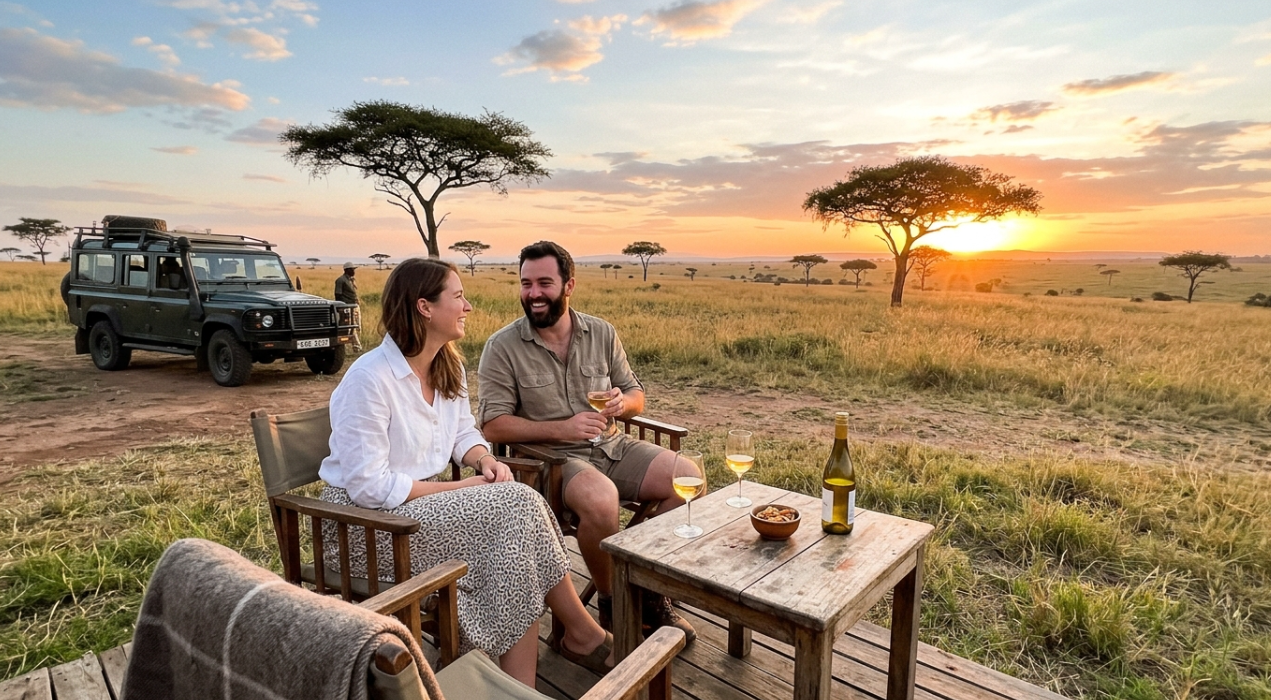
    Practitioners on Reddit consistently raise this distinction. In one discussion comparing a 50-plus room lodge to an 8-tent camp, commenters noted that larger properties like Meliá feel “more of a hotel than a true lodge or camp,” while smaller tented options offer stronger intimacy and a more authentic safari atmosphere. For a honeymoon specifically, privacy and pacing often matter more than thread count.

    A private safari vehicle is another privacy lever worth considering. Discover Africa frames private vehicles as the “ultimate romantic safari” option because the couple drives with only their own guide, on their own schedule. One Nature Nyaruswiga, for instance, charges US$700 per day for a private vehicle and guide in mid/high season, separate from base rates. That cost can be worthwhile for couples who care about flexible mornings, photography, or avoiding vehicle-sharing with strangers.

    For a deeper look at the private vs shared vehicle tradeoff, compare the actual cost difference against your honeymoon priorities before defaulting to shared drives.

    What the Published Rate Actually Includes

    This is where honeymoon budgeting gets tricky. Published nightly rates at Serengeti lodges do not all include the same things.

    At Singita, the published rate includes accommodation, meals, beverages, twice-daily game drives, road transfers from Sasakwa airstrip, laundry, and Wi-Fi. But it excludes wildlife and park fees, tourism development levy, spa treatments, and transport to or from Grumeti.

    At Lemala, published rates cover full-board accommodation, meals, house drinks, Wi-Fi, and laundry, but not government levies, airstrip transfers, or professional safari guide and vehicle costs.

    At Four Seasons, a point flagged by The Times’ editors is that full-board rates do not include game drives or other activities. That means a couple could arrive, pay a premium nightly rate, and discover that every game drive costs extra.

    At Asilia camps like Sayari and Namiri, rates typically include scheduled open-vehicle game drives and nearest-airstrip transfers, but exclude park fees, concession fees, conservation charges, flights, and medical evacuation insurance.

    The cheapest-looking published lodge rate is not always the cheapest honeymoon once you add drives, park fees, transfers, and a private vehicle. Always ask for a full itinerary quote.

    To estimate Tanzania honeymoon costs beyond just the nightly lodge rate, factor in domestic flights, park fees, private vehicle charges, and any Zanzibar extension.

    Best Serengeti Honeymoon Lodge by Travel Month

    Use this as a starting filter before reading the individual lodge profiles below.

    Travel Period

    Best Serengeti Region

    Why It Works for Honeymooners

    Lodges to Consider

    January–March

    Southern Serengeti, Ndutu

    Calving season, predator action, green landscapes

    Olakira South/Ndutu, southern mobile camps, Mwiba

    April–May

    Year-round camps (verify closures)

    Lower rates, fewer crowds, rain possible

    Namiri Plains, Dunia, Four Seasons, One Nature

    June

    Western/Central to Northern transition

    Pre-peak value, migration moving north

    Sayari, Olakira North, Lemala Kuria Hills, Grumeti lodges

    July–October

    Northern Serengeti, Mara River, Grumeti

    River crossings, peak wildlife drama

    Sayari, Lemala Kuria Hills, Bushtops, Singita Mara River

    November–December

    Central/Eastern, southbound routes

    Return migration, fewer peak crowds, value

    Dunia, Namiri Plains, One Nature, Four Seasons

    For a month-by-month breakdown beyond the Serengeti, compare Tanzania safari seasons across all major parks.

    12 Best Honeymoon Safari Lodges and Camps in the Serengeti

    The list below is ordered by honeymoon fit rather than price. It starts with options that offer strong value and clear romance positioning, then moves to the ultra-luxury tier.

    1. Lemala Kuria Hills

    Lemala Kuria Hills Screenshot

    Best for: Northern Serengeti honeymoon value among high-end options

    Lemala Kuria Hills sits in the Wogakuria Hills of the Northern Serengeti, near the Mara River and within the migration corridor from July through October. The property has 15 glass-fronted suites set among granite boulders and kopjes, giving each room natural screening and views across the northern plains.

    Key features:

    Romance angle: The kopje setting creates genuine privacy between suites. The spa and pool add relaxation options that most tented camps lack at this price point. One two-bedroom suite has its own private plunge pool, though not every room does.

    Tradeoffs:

    • Rates exclude government levies, airstrip transfers, and professional safari guide/vehicle costs, so the true daily cost is higher than the published figure.

    • Not every suite has a private plunge pool. Check room categories before booking.

    • The camp is in the national park, not a private reserve, so game-drive areas are shared with other vehicles.

    Who should book this: Couples traveling July through October who want Northern Serengeti romance, good migration positioning, and refined comfort without automatically jumping to the most expensive lodge.

    2. Sayari Camp

    Sayari Camp Screenshot

    Best for: Mara River crossing-focused honeymoons with polished camp comfort

    Sayari is one of the Northern Serengeti’s most established permanent camps and is described by Asilia as the closest permanent camp to the Mara River. That positioning matters during July through October, when the crossing action draws honeymooners from around the world.

    Key features:

    • 15 tented suites including 1 dedicated honeymoon tent

    • Private decks, en suite bathrooms, hot-water showers and bath

    • Spa, swimming pool, Wi-Fi, complimentary laundry

    • Scheduled open-vehicle game drives and Kogatende airstrip transfers included

    • Published 2026 rates: US$1,030 secret season, US$2,250 high season pp/night

    Romance angle: The dedicated honeymoon tent is purpose-built for couples. The camp is large enough to have a pool and spa but small enough (15 tents) to feel personal. Guests have described leaving in tears because of the emotional connection.

    Tradeoffs:

    • High-season pricing jumps sharply from the secret-season rate.

    • Park fees, concession fees, Asilia conservation charge, spa treatments, flights, and gratuities are excluded.

    • Crossing points can attract clusters of vehicles. Guide quality and patience matter more than proximity.

    • River crossings are never guaranteed, regardless of camp location.

    Who should book this: Couples with July through October honeymoon dates who want polished, permanent camp comfort and the strongest positioning for Mara River action.

    3. Namiri Plains

    Namiri Plains Screenshot

    Best for: Big cats, seclusion, and photography-minded couples

    Namiri Plains offers a more original honeymoon angle than another generic luxury recommendation. It sits in the remote eastern Serengeti grasslands, an area Asilia describes as one of Africa’s best locations for observing big cats.

    Key features:

    • 11 tented suites with sliding doors, expanded viewing decks

    • Outdoor standalone resin bathtubs

    • Pool/deck area, private spa, 100% solar power

    • Scheduled game drives and Seronera airstrip transfers included

    • Published 2026 rates: US$740 green season, US$1,400 secret season, US$2,250 high season pp/night

    Romance angle: Outdoor bathtubs on the eastern plains. A camp small enough that wildlife, not other vehicles, dominates the experience. Ideal for couples who want to photograph lions and cheetahs rather than chase crossings.

    Tradeoffs:

    • The Seronera airstrip transfer is about 2 hours each way.

    • Not ideal if the couple’s main goal is July through October Mara River crossings.

    • Park fees, concession fees, conservation charges, flights, and medical evacuation insurance are excluded from the rate.

    Who should book this: Photography-focused couples, big-cat enthusiasts, and honeymooners who value quiet seclusion over peak-season crossing drama.

    4. Olakira Migration Camp

    Olakira Migration Camp Screenshot

    Best for: Adventurous honeymooners who want migration positioning over resort amenities

    Mobile camps are often more romantic than couples expect. Olakira moves twice a year to follow the migration, camping in Northern Serengeti from June through October and at Ndutu from December through March.

    Key features:

    • 10 tents (north) or 9 tents (south), plus family units

    • Mesh-enclosed stargazing tent design

    • En suite bathrooms with solar-heated hot-water showers

    • Scheduled game drives, airstrip transfers, house drinks, meals included

    • Published 2026 rates: US$1,100 secret season, US$1,490 high season pp/night

    Romance angle: Falling asleep under a mesh canopy with the stars overhead and hyenas calling in the distance. Waking up knowing the camp was placed here specifically because the migration is nearby. That beats a hotel room in many couples’ minds.

    Tradeoffs:

    • No pool, spa, or fixed infrastructure.

    • Camp closes or relocates between seasons. Verify exact position for travel dates.

    • Less predictable than a permanent lodge. The trade is authenticity for consistency.

    Who should book this: Couples who want an adventurous honeymoon safari camp in the Serengeti and are comfortable trading resort facilities for better seasonal wildlife positioning.

    5. Dunia Camp

    Dunia Camp Screenshot

    Best for: Intimate, purpose-led boutique honeymoon

    Dunia gives this list depth beyond trophy lodges. It appeals to couples who want personality, strong service, and a meaningful story over grand suites and premium price tags. Asilia describes Dunia as Africa’s first and only all-women-operated boutique safari camp.

    Key features:

    • 8 tents with en suite bathrooms, private verandas

    • Year-round operation, about 45 minutes from Seronera airstrip

    • Solar power, USB/battery charging, Wi-Fi, complimentary laundry

    • Scheduled game drives, Seronera transfers, house drinks included

    • Published 2026 rates: US$560 green season, US$920 secret season, US$1,200 high season pp/night

    Romance angle: With just 8 tents, the staff-to-guest ratio creates a genuinely personal experience. The all-women-operated concept adds a purpose-driven element that resonates with many couples.

    Tradeoffs:

    • Not the right choice for couples who need a private plunge pool, spa-heavy stay, or ultra-luxury suite.

    • Central Serengeti location means migration access varies by month (best March through June and November through December).

    • Park fees, camping fees, conservation charges, and medical evacuation insurance are excluded.

    Who should book this: Couples who value warmth, character, and a smaller camp over luxury brand names, especially for green-season or shoulder-season travel.

    6. Singita Sabora

    Best for: Ultra-luxury tented honeymoon with no compromise

    Singita Sabora anchors the top end of the Serengeti honeymoon market. It sits within Singita’s 350,000-acre Grumeti protected wilderness, a private reserve that offers both exclusivity and broader activity options than national park camps.

    Key features:

    • 9 tented suites with private meditation decks, outdoor sala with daybeds

    • Private fitness area, lifestyle unit, in-room pantry

    • Guest Deli concept for private snacks and picnic setups

    • Twice-daily game drives, road transfers, meals, beverages, laundry, Wi-Fi included

    • Published 2026 rates: US$2,210 off-peak, US$2,795 shoulder, US$3,220 peak pp/night

    Romance angle: The meditation deck, outdoor sala, and Guest Deli give couples the option to slow down without ever leaving their suite. This is “under canvas” with every conceivable comfort.

    Tradeoffs:

    • Very expensive. At peak rates, two people will spend over US$6,400 per night before additional fees.

    • Wildlife/park/concession fees, tourism development levy, spa treatments, and transport to or from Grumeti are excluded from the rate.

    • Grumeti is a private reserve, which is a strength for exclusivity but means you are not inside Serengeti National Park proper.

    Who should book this: Couples with a significant budget who want the highest possible tented-camp polish on a private reserve.

    7. Singita Sasakwa

    Singita Sasakwa Screenshot

    Best for: Grand classic safari lodge at the absolute top tier

    Sasakwa is Singita’s manor-house icon: Edwardian-style architecture, panoramic views, wraparound verandas, private cottages with fireplaces and living rooms. It is spectacularly grand, which is exactly right for some couples and entirely wrong for others.

    Key features:

    • Private cottages with en suite bathrooms, dressing areas, fireplaces, French doors

    • Activities include game drives, swimming pool, wellness, fitness, guided walks, wine experiences, hot-air balloon, tennis, bird-watching

    • Access to 350,000-acre Singita Grumeti Reserve

    • Published 2026 cottage rates: US$2,550 off-peak, US$3,160 shoulder, US$3,525 peak pp/night

    Romance angle: If a couple’s dream is to feel like they’ve arrived at a colonial-era estate with the wild Serengeti stretching to the horizon, Sasakwa delivers. The privacy of individual cottages is a real advantage.

    Tradeoffs:

    • The style is grand manor, not intimate tented camp. Couples who want canvas, campfire sounds, and a “close to the bush” feel should look at Sabora, Olakira, or Sayari instead.

    • Extremely expensive. Fees and transport to/from Grumeti are additional.

    • The grandeur can feel more like a country-house hotel than a wildlife experience for some guests.

    Who should book this: Couples who want the ultimate classic safari lodge splurge and prefer architectural grandeur over a tented atmosphere.

    8. Singita Faru Faru

    Singita Faru Faru Screenshot

    Best for: Contemporary Grumeti luxury with a waterhole setting

    Faru Faru offers a different Singita personality: more relaxed and contemporary than Sasakwa, less romantically tented than Sabora. It sits beside a busy waterhole along the Grumeti River, which makes for strong wildlife viewing without leaving camp.

    Key features:

    • Contemporary lodge with oversized windows, outdoor decks

    • Pool area, firepit, wellness center, guided walks, ballooning, bird-watching

    • Set within Singita’s 350,000-acre private reserve

    • Published 2026 suite rates: US$2,210 off-peak, US$2,795 shoulder, US$3,220 peak pp/night

    Romance angle: The waterhole creates a natural focal point where couples can watch game come to drink from their deck. The contemporary design feels modern and clean rather than classic safari.

    Tradeoffs:

    • Reddit luxury travel discussions describe Faru Faru as excellent but note it may not universally “blow your socks off” compared with expectations at this price point. It may be best for couples who value Singita’s service and a relaxed waterhole setting more than dramatic hilltop views.

    • Same high price band as Sabora and Sasakwa, so the choice between the three Grumeti lodges should come down to style preference.

    Who should book this: Couples drawn to contemporary design and the idea of watching game from a riverside waterhole, with Singita service as the baseline.

    9. One Nature Nyaruswiga

    One Nature Nyaruswiga Screenshot

    Best for: Opulent central Serengeti lodge with honeymoon packages

    One Nature Nyaruswiga is one of the most directly honeymoon-marketed Serengeti properties. Its published “ONE love” honeymoon special includes a complimentary “Under the Stars” romantic dinner, which is a nice touch for couples who want their honeymoon acknowledged without having to arrange extras themselves.
    Key features:

    • Located in Seronera, Central Serengeti

    • 1-bedroom luxury tent at US$1,980 mid season, US$2,640 high season pp/night

    • Includes accommodation, all meals, premium drinks, daily game drives, Seronera airstrip transfers

    • Private vehicle and guide available at US$700/day (mid/high) or US$900/day (festive)

    Romance angle: The honeymoon dinner package, premium drinks inclusion, and daily game drives bundled into the rate reduce the need to negotiate extras on arrival.

    Tradeoffs:

    • Central Serengeti (Seronera) is convenient for access but can feel busier than remote northern, eastern, or private-reserve options. A Reddit commenter in a Serengeti planning thread noted that central properties may have more vehicle traffic than couples expect.

    • Private vehicle costs US$700 to US$900 per day on top of an already premium base rate.

    • Government fees, spa treatments, ultra-premium drinks, and medical evacuation registration are excluded.

    Who should book this: Couples who want high-comfort, hotel-like service in a central location with a pre-packaged romantic experience.

    10. Four Seasons Safari Lodge Serengeti

    Four Seasons Safari Lodge Serengeti Screenshot

    Best for: Couples who want full-service hotel comfort on safari

    Four Seasons brings its global brand standards to the Serengeti. Guest rooms are 55 square meters with savannah or waterhole views. Suites are 88 square meters with elevated open-air terraces and private pools. Villas offer even more space with infinity-edge plunge pools.

    Key features:

    • Guest rooms, suites, and villas with escalating privacy and pool access

    • Spa, gym, swimming pool, wine cellar, 24-hour room service

    • Waterhole viewing

    • Starting from approximately US$1,117 pp/night

    Romance angle: Brand familiarity, reliable service standards, spa treatments, and the comfort of knowing exactly what a Four Seasons stay feels like. The villas with private plunge pools are strong honeymoon picks within the property.

    Tradeoffs:

    • The Times’ editors specifically flag that full-board rates do not include game drives or other activities. This is a critical detail for budgeting.

    • Reddit travelers describe Four Seasons Serengeti as “resort-style,” good for people who don’t want to game drive all day but less ideal for those seeking an intimate bush atmosphere.

    • As a larger property, it lacks the personal feel of an 8-to-15-tent camp.

    Who should book this: Couples who want spa, pool, brand comfort, and a soft entry into safari. Not the best fit for couples who want a small, wild, tented-camp experience.

    11. Serengeti Bushtops

    Best for: Private hot tubs and northern Serengeti tented luxury

    Serengeti Bushtops pairs tented suites with private hot tubs, a combination that photographs well and delivers a genuinely romantic in-room experience after long game drives.

    Key features:

    • 12 luxury tents with private hot tubs and sunken lounges

    • Northern Serengeti, near Kogatende airstrip

    • Published rates include US$1,090 mid season and US$2,160 peak season per adult sharing (confirm exact Serengeti Bushtops rates before booking, as the rates page includes multiple camp tables)

    • Hot-air balloon safari available at approximately US$599 pp

    Romance angle: The private hot tub is the standout feature. After a dawn game drive, soaking in a hot tub on your own deck while watching the northern plains is hard to beat.

    Tradeoffs:

    • Confirm exact current rates, inclusions, and whether park/concession fees are separate.

    • A hot-air balloon safari is a common honeymoon upgrade. Budget around US$600 to US$660 per person for Serengeti ballooning, depending on operator and date.

    • Premium pricing in peak season.

    Who should book this: Couples who love the idea of a private hot tub on their deck, want northern Serengeti access, and are willing to pay for the combination.

    12. Duma-Curated Alternatives

    Duma-Curated Alternatives Screenshot

    Best for: Warm hospitality and strong food over brand prestige

    Not every honeymoon needs the most famous lodge on the list. Duma Explorer’s traveler feedback has highlighted smaller camps such as Nyumbani, Elwai, and Lion’s Paw, particularly where food quality, genuine hospitality, 24-hour hot water, and a home-like camp feel matter more than private plunge pools or global brand names.

    Internal traveler reviews describe Elwai Camp as feeling like “being invited into someone’s home” and rate Nyumbani’s food and hot water among the best encountered on safari. These are the kinds of details that don’t always surface on glossy lodge websites but make a real difference during a honeymoon.

    Key features:

    • Smaller camp sizes with high staff-to-guest ratios

    • Strong food and hospitality consistently flagged by travelers

    • Often more accessible price points than ultra-luxury properties

    • Reasonable drink prices noted despite remote supply chains

    Tradeoffs:

    • Less name recognition and fewer online reviews than established luxury brands.

    • Fewer resort-style amenities (pool, spa, gym).

    • If a lodge is new or hard to research, ask your safari operator when they last inspected it and what feedback recent travelers gave.

    Who should book this: Couples who prioritize personal attention, great food, and genuine warmth over brand status, and who are comfortable trusting an operator’s firsthand knowledge of smaller properties.
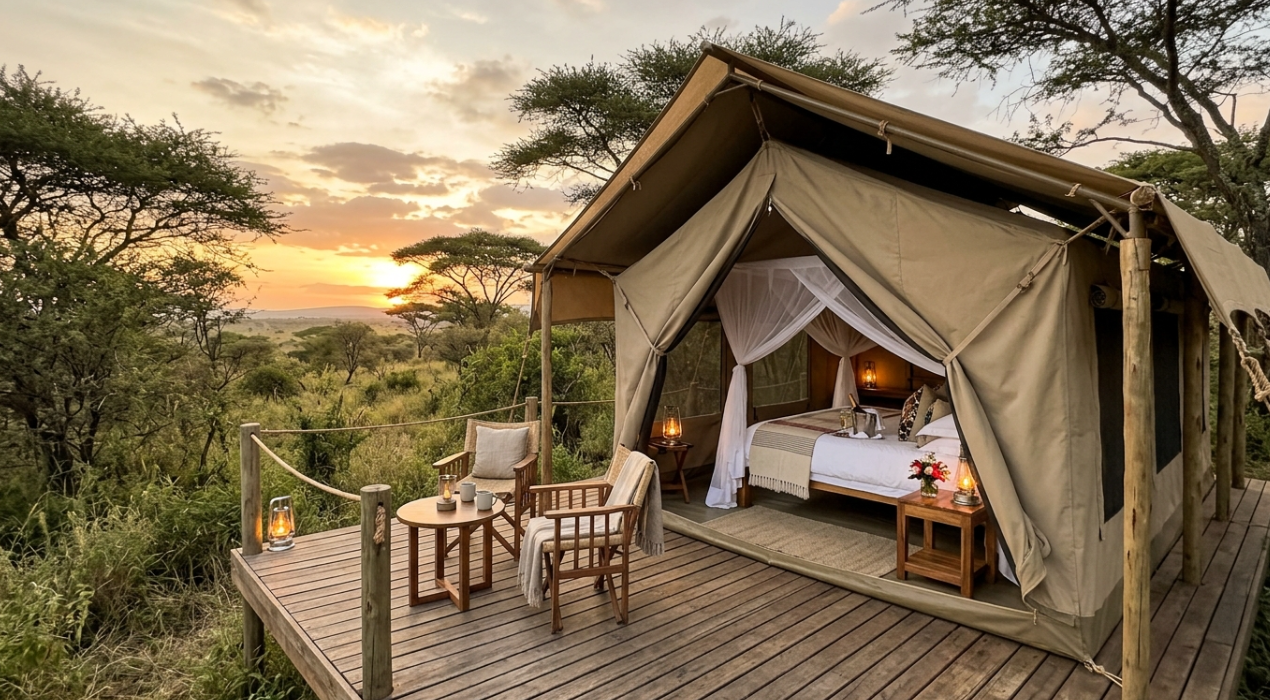
    Permanent Lodge vs Tented Camp vs Mobile Camp

    This is a fundamental choice that shapes the entire honeymoon feel.

    Style

    Best For

    Not Ideal For

    Full-service lodge (Four Seasons, Sasakwa)

    Couples wanting spa, gym, pool, brand comfort

    Couples seeking intimate bush atmosphere

    Permanent tented camp (Sayari, Namiri, Kuria Hills)

    Comfort plus safari atmosphere, strong staff interaction

    Couples who need hotel-style facilities everywhere

    Mobile camp (Olakira)

    Migration positioning, wild feel, stargazing

    Couples who need a pool, spa, or fixed infrastructure

    Private reserve lodge (Singita Grumeti)

    Privacy, fewer vehicles, broader activities, night drives possible

    Tighter budgets or couples who want to be inside the national park

    One important note on night drives: practitioners in safari forums point out that night drives are only allowed in specific concessions or private areas, not generally inside Serengeti National Park. If night drives matter to you, ask exactly where they’re permitted on your route.

    For a broader look at romantic safari lodges across Tanzania beyond just the Serengeti, the tradeoffs between lodge styles apply park-wide.

    What Should a Serengeti Honeymoon Lodge Cost?

    Published nightly rates for honeymoon-worthy Serengeti properties range from roughly US$500 to over US$3,500 per person per night, depending on season, property, room type, and what’s included. But the nightly rate is only one part of the total cost.

    Rate Inclusions Checklist

    Before comparing any two lodges, ask whether the quoted rate includes:

    • Accommodation and all meals

    • House drinks and premium drinks

    • Laundry

    • Park fees and concession/camping fees

    • Tourism development levy and conservation charges

    • Domestic flights to and from the Serengeti

    • Airstrip transfers

    • Shared or private game drives

    • Private vehicle and dedicated guide

    • Walking safari

    • Balloon safari

    • Spa treatments

    • Medical evacuation cover

    • Gratuities

    A lodge that includes game drives, transfers, and drinks may compare very differently from one where those are all priced separately. A property that looks US$400 per night cheaper could end up costing more once park fees, shared game drives, and transfers are added.

    If two Serengeti honeymoon lodges look similar online, ask your operator to compare the full itinerary cost, including private vehicle, airstrip transfers, domestic flights, and any Zanzibar extension. To estimate total safari costs, look beyond the nightly rate at every line item.

    Where to Spend More and Where Not To

    Where spending more matters

    • Private vehicle if privacy, flexible pacing, or photography is important. This is often a better honeymoon investment than a flashier suite.

    • Better location for your month. A well-positioned camp in the right region will outperform a famous lodge in the wrong region.

    • Fewer tents/rooms if seclusion matters. An 8-tent camp feels fundamentally different from a 77-room lodge.

    • Fly-in transfers when road time would eat into honeymoon hours.

    • Guide quality. A great guide transforms every game drive. Ask about guide training and experience.

    Where spending more may not matter

    • A private plunge pool if the couple will be out on game drives most of the day.

    • Ultra-premium drinks if not important to either partner.

    • A trophy lodge name if a smaller, less famous camp better matches the couple’s style.

    • A far-north camp outside crossing season. Location premium only pays off when matched to the right month.

    Sample Serengeti Honeymoon Itinerary Structures

    Reddit honeymoon planning threads consistently show couples trying to balance safari intensity with rest. Safari days start early (often before dawn) and involve active, bumpy game drives. That pace is thrilling but exhausting. The most common recommendation from experienced travelers is to pair 7 to 8 days of safari with 3 to 4 nights of beach time afterward.

    7-Day Safari-Focused Honeymoon

    • 1 night: Arusha (arrival recovery)

    • 2 nights: Ngorongoro Crater or Tarangire

    • 3 to 4 nights: Serengeti

    • Fly out to next destination

    10-Day Safari and Zanzibar Honeymoon

    • 1 night: Arusha

    • 2 nights: Tarangire or Ngorongoro

    • 3 nights: Serengeti

    • 4 nights: Zanzibar or Swahili Coast

    12 to 14-Day Extended Honeymoon

    • 1 night: Arusha

    • 2 nights: Tarangire

    • 1 to 2 nights: Ngorongoro

    • 3 to 4 nights: Serengeti (split between Central/Eastern and Northern if budget allows)

    • 4 to 5 nights: Zanzibar, Mnemba Island, or Pangani

    To see how a safari and Zanzibar honeymoon connects logistically, domestic flights between the Serengeti and Zanzibar make the transition smooth and avoid long road days.

    For more detail on Tanzania honeymoon itineraries, including day-by-day pacing and transfer logistics, compare different route options before locking in your lodge choice.

    Common Mistakes Couples Make When Choosing a Serengeti Honeymoon Lodge

    Choosing the prettiest lodge photo instead of the right region for the month. A stunning lodge in the wrong part of the Serengeti for your dates means missing the wildlife you came to see.

    Assuming “luxury” means private game drives. Many high-end lodges run shared vehicles unless you specifically book (and pay for) a private one. Ask before you assume.

    Comparing rates without checking fees, flights, transfers, and charges. Two lodges at similar nightly rates can differ by hundreds of dollars per day once you add inclusions.

    Choosing a large resort-style lodge when you actually want a small camp. If your mental image of a honeymoon safari involves canvas, campfires, and wildlife sounds at night, a 77-room property with a gym and wine cellar may not match.

    Moving camps too often. Every camp change involves packing, transfers, and lost game-drive time. Two or three nights per camp minimum keeps the honeymoon feeling like a trip, not a logistics exercise.

    Skipping a beach ending after early safari mornings. Safari honeymoons are active. Zanzibar or the Swahili Coast gives the trip a restful conclusion.

    Waiting too long for July through October Northern Serengeti availability. Peak-season camps book months in advance. If Mara River crossings are the priority, plan early.

    Not asking whether ballooning, walking safaris, or night drives are available from that location. These extras aren’t universal. Availability depends on the specific camp, its location, and applicable regulations.

    Once the lodge is booked, pack correctly for tented-camp realities, especially weight limits on bush flights.

    Planning a Serengeti Honeymoon with Duma Explorer

    Duma Explorer designs private, custom safaris across Tanzania and East Africa. For honeymoons specifically, the value is in matching the Serengeti lodge choice to the couple’s travel month, privacy expectations, migration goals, and wider route.

    Duma can coordinate lodge selection, private vehicle arrangements, internal flights and transfers, park fees, and Zanzibar or Swahili Coast extensions as part of one itinerary. With 15 years of Tanzania-based experience, fluent Swahili, and local operations through Alika Africa in Arusha, the planning goes deeper than choosing from a list.

    Share your honeymoon dates, travel length, preferred comfort level, and whether you want beach time after safari. Plan your Serengeti honeymoon with a route built around the lodge that fits your season, style, and budget.

    Frequently Asked Questions

    What is the best Serengeti lodge for a honeymoon?

    There is no single best lodge. For July through October, Northern Serengeti options like Sayari, Lemala Kuria Hills, and Bushtops position couples near Mara River crossings. For privacy and top-end luxury, Singita’s Grumeti lodges are strongest. For big cats and quiet seclusion, Namiri Plains is excellent. For hotel-style comfort, Four Seasons and One Nature Nyaruswiga deliver. The right Serengeti honeymoon lodge depends on your travel month, safari style preference, and budget.

    How many nights should honeymooners spend in the Serengeti?

    Three to four nights minimum if flying in and out. If combining the Serengeti with Tarangire and Ngorongoro, plan 5 to 6 total safari nights, then add 3 to 5 beach nights on Zanzibar or the Swahili Coast for rest. A 9 to 12-day overall trip works better than trying to rush a 5-day itinerary.

    Is a mobile camp romantic enough for a honeymoon?

    Yes, for the right couple. Mobile camps like Olakira offer stargazing, remote settings, better seasonal migration positioning, and a strong feeling of being in the wild. They are deeply romantic for couples who value atmosphere and wildlife proximity over spa and pool facilities.

    Should we add Zanzibar after a Serengeti honeymoon safari?

    Often yes. Safari days start early and involve active, bumpy game drives. Three to five nights on Zanzibar or the Swahili Coast gives the honeymoon a restful ending and lets the couple decompress before flying home. The transition is easy with a short domestic flight from the Serengeti.

    Are Serengeti balloon safaris worth it for honeymooners?

    They can be a memorable splurge. Budget approximately US$600 to US$660 per person depending on operator and date. The experience typically includes a pre-dawn launch, a 1 to 1.5-hour flight over the plains, and a champagne bush breakfast on landing. Confirm exact pricing and availability from your camp’s location when booking.

    What should we ask before booking a Serengeti honeymoon lodge?

    Ask what is included in the rate (game drives, drinks, transfers, park fees), whether drives are shared or private, how far the lodge is from the nearest airstrip, which room category suits honeymooners, and which Serengeti region is best for your travel month. Also ask about minimum-stay requirements during peak season and cancellation policies.

  • Honeymoon Safari Packing List 2026: Complete Glossary

    Honeymoon Safari Packing List 2026: Complete Glossary

    TL;DR

    A honeymoon safari packing list covers two distinct environments (bush and beach) under strict luggage limits, typically 15 kg in a soft-sided duffel for bush flights. This glossary explains every term you’ll encounter in operator emails and packing PDFs, from earth tones and tsetse fly colors to sundowners and golden-hour outfits. Three to four safari outfits are enough because most lodges offer free laundry service.

    You’ve booked the trip. Now you’re staring at a packing PDF full of terms like “soft-sided duffel,” “bush-flight weight allowance,” and “UPF-rated,” wondering what any of it actually means.

    A honeymoon safari packing list is different from a standard safari checklist. Most honeymoon itineraries combine two environments, a wildlife safari in the bush followed by a beach extension on Zanzibar, which means fitting game-drive layers, lodge dinner outfits, beach gear, and celebration-worthy clothing into a single bag that meets strict airline weight limits. The typical trip runs 10 to 14 days, with 6 to 8 nights on safari and several days on the coast.

    This glossary defines every term you’ll encounter while preparing for that trip so you can pack with confidence rather than anxiety. For the full item-by-item checklist with quantities, see our complete Tanzania safari packing list. This page focuses on what the terms mean and why they matter for honeymooners specifically.

    If your itinerary isn’t finalized yet and you’re still deciding between a fly-in Serengeti route or a driving circuit with a Zanzibar extension, Duma Explorer can help design the trip first, because the packing list follows from the itinerary, not the other way around.

    What Should You Pack for a Honeymoon Safari?

    A honeymoon safari packing list should prioritize lightweight, neutral-colored clothing, a soft-sided duffel, comfortable closed-toe shoes, sun and insect protection, essential medications and documents, camera gear, and a small selection of beach clothing if Zanzibar is part of the itinerary. For many Tanzania safari itineraries, internal bush flights impose strict luggage limits, so travelers should confirm the exact weight and bag-size requirements with their operator before departure. Three to four versatile safari outfits can be sufficient when laundry is available.

    Honeymoon Safari Packing Terms: Quick Reference

    Category

    Key Terms

    Why They Matter

    Luggage

    Soft-sided duffel, weight allowance, day pack, packing cubes

    Bush flights may have strict luggage requirements

    Clothing

    Earth tones, layering, UPF clothing, convertible pants

    Clothing needs to handle changing temperatures and sun exposure

    Insects

    Tsetse fly colors, DEET, picaridin, permethrin

    Insect protection is part of safari preparation

    Footwear

    Trail runners, camp shoes, reef shoes

    Safari and Zanzibar involve different terrain

    Health

    Malaria prophylaxis, yellow fever certificate, travel clinic

    Health requirements should be checked before departure

    Documents

    Passport, visa, insurance, vaccination records

    Some documents may be required for entry or travel

    Photography

    Beanbag, telephoto lens, mid-range zoom

    Wildlife photography requires different gear from beach photography

    Zanzibar

    Modest clothing, reef footwear, sunscreen, power adaptor

    Cultural and practical requirements differ from the safari portion

    Honeymoon

    Sundowner, bush dinner, golden-hour outfit, laundry

    These terms affect what couples may want to pack

    Honeymoon Safari Packing Checklist: What to Pack

    For a typical 7- to 10-night Tanzania honeymoon safari with a Zanzibar extension, focus on lightweight, versatile items that can be worn more than once and washed at your lodge or camp. Your exact requirements depend on the itinerary, season, activities, and bush-flight operator, so confirm luggage limits before departure.

    Category

    Recommended Quantity

    What to Pack

    Lightweight shirts

    4–5

    Breathable neutral colors

    Long-sleeve shirts

    2–3

    Sun and insect protection

    Safari trousers

    2–3

    Lightweight, quick-drying

    Shorts

    1–2

    For hot afternoons and beach use

    Lightweight jacket/fleece

    1

    Cold early-morning drives

    Rain shell

    1

    Packable waterproof layer

    Underwear

    5–7 pairs

    Adjust if you plan to hand-wash

    Socks

    4–6 pairs

    Lightweight, breathable

    Sleepwear

    1–2 sets

    Lightweight

    Safari shoes

    1 pair

    Trail runners or walking shoes

    Camp sandals

    1 pair

    Lodge and camp use

    Reef shoes

    1 pair

    Zanzibar and water activities

    Sun hat

    1

    Wide-brim or similar

    Swimsuit

    1–2

    Zanzibar/beach extension

    Lightweight cover-up

    1

    Beach and cultural visits

    Toiletries

    1 compact kit

    Travel-size containers

    Sunscreen

    1–2

    Broad-spectrum SPF 30+

    Insect repellent

    1

    DEET or picaridin

    Personal medications

    As required

    Keep essential medication accessible

    Passport/documents

    1 set

    Passport, visa documentation, insurance

    Power adaptor

    1

    Confirm destination plug type

    Phone + charger

    1 each

    Add charging cable

    Camera

    Optional

    Compact setup is easier to carry

    Binoculars

    1 pair

    Shared pair can save weight

    Day pack

    1

    Camera, water, sunscreen, layers

    Reusable water bottle

    1

    Check operator/lodge arrangements

    Honeymoon outfit

    1–2

    Sundowners, dinner, photographs

    The Minimal Safari Wardrobe

    Honeymoon Safari Packing List 2026: Complete Glossary

    You do not need a completely different outfit for every game drive. A small rotation of lightweight shirts, trousers, layers, underwear, and socks can work well when laundry is available.

    Prioritize clothing that can serve multiple purposes. For example, a lightweight long-sleeve shirt can work for a morning game drive, an evening at camp, and sun protection during the day.

    Before finalizing your bag, check the luggage allowance for every internal flight on your itinerary. The most restrictive flight usually determines how much you can take.

    How Much Should You Pack for a Honeymoon Safari?

    The amount you need depends more on your itinerary and laundry access than on the total number of travel days. A couple spending a week on safari generally does not need seven separate safari outfits.

    Trip Length

    Safari Clothing Approach

    Packing Strategy

    3–4 nights

    2–3 outfit rotations

    Minimal luggage

    5–7 nights

    3–4 outfit rotations

    Use laundry where available

    8–10 nights

    3–5 outfit rotations

    Prioritize versatile layers

    10+ nights

    4–5 outfit rotations

    Plan around laundry rather than adding daily outfits

    For a bush-and-beach honeymoon, separate the clothing mentally into three groups: safari essentials, lodge or dinner clothing, and Zanzibar beach/cultural clothing. Then identify items that can work in more than one setting.

    The final packing quantity should be based on your actual luggage allowance, the season, planned activities, and whether laundry is available at each property.

    Luggage Terms

    Soft-Sided Duffel Bag

    A soft-sided duffel is a flexible, frameless bag without wheels or rigid structure. Safari bush flights use small aircraft like Cessna Caravans with tiny, irregularly shaped luggage holds. A hard-shell suitcase cannot be compressed to fit these compartments, and if it doesn’t fit, it gets left behind on the tarmac. Soft duffels can be squashed and molded into whatever space is available.

    For honeymooners, this means leaving your rolling suitcase at the hotel in Arusha (most operators can arrange storage) and transferring essentials into a duffel for the safari portion of your trip.

    Bush-Flight Weight Allowance: Why 15 kg Is Common

    A bush-flight weight allowance is the maximum luggage weight permitted on a small aircraft serving safari destinations. A 15 kg (33 lb) allowance is common on some Tanzania safari flights, but limits vary by airline, aircraft, route, and itinerary. Some operators permit more.

    For this reason, do not treat 15 kg as a universal Tanzania rule. Check the exact allowance supplied by the airline or safari operator for every internal flight on your itinerary, including whether hand luggage is included in the total.

    Soft-sided bags are commonly required because they are easier to fit into the limited luggage compartments of smaller aircraft. If your itinerary uses multiple internal carriers, pack according to the most restrictive applicable requirement.

    Day Pack / Safari Day Bag

    A small backpack (15 to 25 liters) you carry into the safari vehicle each day. It holds your camera, water bottle, sunscreen, binoculars, and a light layer. Your main duffel stays at camp. For couples, one day pack per person works best since you’ll each want your own camera gear and water accessible without digging through a shared bag.

    Packing Cubes (Non-Plastic Alternatives)

    Lightweight fabric organizers that compartmentalize clothing inside your duffel. They’re especially useful for honeymooners because you’re packing for two distinct environments. One cube for safari clothing, one for beach wear, one for shared toiletries. Choose fabric or mesh cubes rather than plastic zip bags because of Tanzania’s plastic bag ban.

    Plastic Bag Ban (Tanzania, Since 2019)

    Since June 1, 2019, Tanzania has enforced a strict ban on single-use plastic bags. This applies to bags brought into the country in carry-on and checked luggage. Ziplock bags for toiletries, plastic shopping bags, and the thin bags wrapped around shoes in your suitcase can all be confiscated at customs. Use reusable silicone bags, fabric pouches, or paper alternatives instead.


    Clothing and Color Terms

    What you pack depends on when you’re traveling, since dry-season and green-season safaris call for slightly different layering strategies.

    Earth Tones / Safari Palette

    The recommended color range for safari clothing: khaki, olive green, tan, beige, stone, and dusty grey. These colors reflect heat, hide the red dust that coats everything on game drives, blend into the bush (which matters less for vehicle-based safaris but matters for walking safaris), and, critically, do not attract biting insects.

    For honeymoon photos, earth tones photograph beautifully in the golden light of early morning and late afternoon. Practitioners on travel forums consistently recommend coordinating outfits in complementary earth tones rather than matching, as it looks more natural in professional-quality images.

    Dark Colors and Tsetse Flies: What Travelers Should Know

    Tsetse flies are attracted to certain dark and contrasting colors, and safari operators commonly advise travelers to avoid very dark blue and black clothing in areas where tsetse flies are present. Clothing color is only one part of insect avoidance, however.

    For practical packing, choose lightweight earth-tone clothing such as khaki, olive, tan, beige, or similar muted shades. Combine appropriate clothing with other insect precautions recommended for your destination, such as long sleeves, trousers, and insect repellent.

    The exact insect risk varies by location and season, so follow the advice provided for your specific safari route.

    Important: Leave Camouflage Clothing at Home

    Travelers should avoid bringing military-style camouflage clothing to Tanzania. Rules and enforcement can vary, and camouflage patterns can create problems because they are associated with military or security use.

    A simple safari wardrobe in khaki, olive, tan, beige, grey, or other muted colors provides the practical appearance most travelers want without using military-style patterns.

    When in doubt, follow your safari operator’s current pre-trip clothing guidance.

    UPF-Rated Clothing

    Clothing with a built-in ultraviolet protection factor. UPF 30+ or 50+ fabrics block most UV radiation without requiring constant sunscreen reapplication on your arms and legs. At equatorial latitudes, sun intensity is significantly stronger than most Northern Hemisphere travelers expect. A UPF-rated long-sleeve shirt is lighter and cooler than a regular cotton t-shirt with sunscreen layered underneath.

    Layering System (Base, Mid, Shell)

    Safari temperatures can swing 20°C in a single day. Early morning game drives start in near-freezing temperatures (especially in the Ngorongoro Crater), midday heat hits 30°C+, and evenings cool down again. The layering system handles this:

    • Base layer: A lightweight, moisture-wicking shirt worn against the skin

    • Mid layer: A fleece or softshell jacket for warmth during cold morning drives

    • Shell layer: A lightweight, packable rain jacket for unexpected showers and wind

    Each layer is thin and compressible, which matters enormously when you’re working within a 15 kg limit.

    Zip-Off Convertible Pants

    Trousers with zip-off legs that convert into shorts. One pair functions as both long pants (for cool mornings, brushy terrain, and insect protection at dusk) and shorts (for hot afternoons at camp). They’re the single most weight-efficient clothing item for safari.

    Buff / Neck Gaiter (Dust Protection)

    A tubular piece of stretchy fabric worn around the neck that can be pulled up over your nose and mouth. During dry-season game drives, vehicles kick up enormous clouds of fine red dust, especially on roads in the Serengeti and Tarangire. Guests who don’t prepare for dust end up coughing or pulling their t-shirts over their noses. A neck gaiter is consistently described by experienced safari-goers as the most underrated item on any packing list. It also works as a hair band, sun shield for the back of your neck, and makeshift dust cover for camera lenses in a pinch.

    What Changes on a Honeymoon Safari by Season?

    Safari packing should change slightly depending on the time of year and the destinations on your itinerary. The biggest differences are usually temperature, rainfall, dust, and how much layering you need for early-morning game drives.

    Conditions

    Packing Priorities

    Cooler mornings

    Fleece, light jacket, long trousers, closed-toe shoes

    Hot, dry conditions

    Breathable shirts, sun hat, UPF clothing, sunscreen

    Rainier periods

    Packable rain shell, quick-drying clothing, waterproof protection for electronics

    Dusty conditions

    Neck gaiter, sunglasses, lens protection, washable clothing

    Zanzibar beach extension

    Swimwear, lightweight cover-up, sandals, reef footwear where appropriate

    The same basic wardrobe can work across seasons. The difference is usually how many warm or waterproof layers you carry rather than whether you need an entirely different set of clothes.

    Footwear Terms

    Closed-Toe Walking Shoes / Trail Runners

    Your primary safari footwear. Lightweight trail runners or hiking shoes that cover your toes, provide ankle support on uneven ground, and can handle dusty conditions. You’ll wear these on game drives (getting in and out of vehicles on rocky ground), guided nature walks, and around camp. Heavy hiking boots are overkill for vehicle-based safaris and eat into your weight allowance.

    Camp Shoes (Flip-Flops or Sandals)

    Lightweight sandals or flip-flops for wearing around the lodge or camp after game drives. Most lodges have gravel or stone paths between tents and the main area, so something with a sole is necessary. These double as shower shoes and casual evening footwear.

    Reef Shoes (Zanzibar)

    Water shoes with a protective sole, essential for the beach portion of a honeymoon safari. Many of Zanzibar’s beaches have tidal zones and coral outcrops that require foot protection, particularly for sandbank picnics and snorkeling excursions. Regular flip-flops don’t protect against coral cuts or sea urchin spines. A pair of reef shoes weighs almost nothing and saves you from spending your beach days nursing a foot wound.


    Health, Documents, and Protection Terms

    Travel Medicine Clinic

    A specialized clinic (sometimes called a travel health clinic) that provides destination-specific vaccinations, prescriptions for malaria prophylaxis, and advice on health precautions. Book an appointment at least four to six weeks before departure to allow time for any vaccine courses that require multiple doses.

    Malaria Prevention and Prophylaxis

    Malaria risk varies by destination, elevation, season, and travel activities, so travelers should check current guidance for their specific Tanzania itinerary before departure.

    A travel-health professional can advise whether malaria prevention medication is appropriate and, if so, which medication fits the traveler’s circumstances. Common prescription options used for malaria prevention include atovaquone-proguanil, doxycycline, and mefloquine, but they are not interchangeable and have different precautions and side effects.

    Do not choose or change malaria medication based solely on a packing list. Schedule destination-specific medical advice early enough to complete any recommended vaccinations, prescriptions, or preventive measures before departure.

    Your travel medicine clinic will recommend the best option based on your health history. For more on malaria prevention in the region, see our malaria risks and prevention guide.

    Yellow Fever Certificate

    An international vaccination card (the small yellow booklet) proving you’ve received the yellow fever vaccine. Tanzania requires this certificate if you’re arriving from, or have transited through, a yellow fever endemic country. Even if it’s not required for your specific routing, some travelers get the vaccine as a precaution since it’s valid for life.

    DEET / Picaridin (Insect Repellent Active Ingredients)

    The two most effective active ingredients in insect repellents. DEET (at 20 to 30% concentration) has decades of proven efficacy. Picaridin is a newer alternative that’s less greasy and doesn’t damage plastics or camera coatings (relevant if you’re handling lenses).

    Repellent is primarily needed during early mornings and evenings when mosquitoes are active. During the heat of the day, mosquitoes are largely dormant, and most lodges provide insect repellent in rooms and safari vehicles. Pack a small personal bottle rather than a full-sized one.

    Permethrin-Treated Clothing

    Clothing that has been pre-treated (or sprayed at home) with permethrin, an insecticide that kills or repels mosquitoes, ticks, and other biting insects on contact. Treating your safari pants, socks, and shirt before the trip adds a second layer of protection beyond skin-applied repellent. The treatment lasts through multiple washes.

    Broad-Spectrum Sunscreen (SPF 30+)

    Sunscreen that blocks both UVA and UVB rays, rated SPF 30 or higher. At equatorial latitudes, even overcast days produce intense UV exposure. Apply to any exposed skin not covered by UPF clothing. For the Zanzibar beach extension, switch to reef-safe sunscreen (see the Bush-to-Beach section below).

    Tanzania Tourist E-Visa

    The Tanzania tourist e-visa is an electronic travel authorization that eligible travelers can apply for through Tanzania’s official immigration system. Visa eligibility, fees, processing times, passport requirements, and entry conditions can change, so verify the current requirements before departure.

    Keep your passport, visa documentation, travel insurance information, flight details, and other required documents accessible rather than packing them in checked luggage.

    For the latest application requirements and fees, check Tanzania’s official immigration information before submitting an application. Tanzania safari visa guide.

    Travel Documents to Keep Accessible

    Honeymoon Safari Packing List 2026: Complete Glossary

    Do not treat travel documents as ordinary items inside your main luggage. Keep essential documents and digital backups accessible throughout the journey.

    Document

    Why You May Need It

    Passport

    International identification and entry

    Visa/e-visa documentation

    Entry requirements where applicable

    Travel insurance details

    Claims and emergency assistance

    Flight confirmations

    Airport and domestic-flight logistics

    Safari itinerary

    Transfers, camps, lodges, and contacts

    Vaccination documentation

    Where applicable to your route

    Emergency contacts

    Medical, operator, and insurance assistance

    Copies of important documents

    Backup if an original is lost

    Keep digital copies in a secure location and carry essential originals according to the requirements of your destination and travel providers.

    Travel Insurance / Medical Evacuation Cover

    Travel insurance that specifically includes emergency medical evacuation. Safari destinations are remote, and getting airlifted from the Serengeti to a hospital in Nairobi or Dar es Salaam is expensive (easily $30,000+ without coverage). Standard travel insurance often excludes evacuation or caps it too low. Our safari travel insurance guide explains what evacuation cover actually means and what to look for in a policy.


    Photography and Optics Terms

    For a deeper guide to camera gear and terminology, see the full safari photography gear guide.

    Beanbag (Vehicle Lens Support)

    A small fabric bag filled with dried beans, rice, or plastic pellets that provides a stable platform for your camera lens on the edge of the safari vehicle. It’s a safari secret weapon for sharp images, far more practical than a tripod (which you can’t use from a vehicle anyway). Many experienced safari photographers on YouTube describe the beanbag as the single most important accessory for vehicle-based wildlife photography. You can buy one pre-made or sew a simple pouch at home and fill it with rice after you arrive.

    Telephoto Zoom Lens (100 to 400mm)

    A long-reach lens that brings distant wildlife close. A 100 to 400mm zoom is the most versatile range for safari, covering everything from a lion resting 30 meters away to a bird perched on a distant branch. One practical approach for couples: one partner handles the telephoto zoom for wildlife close-ups while the other uses a wider lens for landscapes and candid couple shots. This turns photography into a shared activity rather than a competition for the same angle, and it reduces total gear weight.

    Mid-Range Zoom Lens (24 to 105mm)

    A versatile lens for landscapes, vehicle-to-vehicle shots, camp scenes, and portraits. On a honeymoon safari, this is the lens that captures the romantic moments: sundowner drinks against a Serengeti sunset, candid shots of your partner watching elephants, wide views of the Ngorongoro Crater rim. Paired with the telephoto carried by your partner, you’ve covered virtually every shooting scenario.

    Sensor Cleaning Kit

    A small kit containing a blower, sensor swabs, and cleaning fluid for removing dust from your camera sensor. Safari environments are extraordinarily dusty. By day three, dust spots will appear in your images if you’ve changed lenses without protection. A sensor cleaning kit weighs almost nothing and saves hundreds of images.

    Why Tripods Rarely Work on Safari

    You are not allowed to exit your vehicle during game drives in most national parks, so a tripod has no use during the hours you’re actually photographing wildlife. The only place you’d set one up is at your lodge, and most couples won’t bother carrying a full tripod through strict weight limits for that limited use. A beanbag and a steady hand cover 95% of safari photography needs. More shooting tips in our Tanzania safari photography guide.


    Bush-to-Beach Terms (Safari and Zanzibar)

    Most honeymoon safaris combine two distinct environments, and this dual-environment reality is the single biggest packing challenge. For a detailed look at how to structure this kind of trip, see how a 14-day safari and Zanzibar itinerary can work.

    Bush-and-Beach Combo

    The standard honeymoon safari format: a wildlife safari in northern Tanzania (Serengeti, Ngorongoro, Tarangire) followed by a beach extension on Zanzibar or the Swahili Coast. Because these two environments require different wardrobes under a single luggage limit, packing requires deliberate planning. The key strategy is to identify items that work in both settings (a neutral linen shirt works at the lodge and at a beach restaurant) and minimize single-use items.

    Couples planning a safari and Zanzibar honeymoon can ask Duma Explorer to build a seamless itinerary so the bush-to-beach transition, and the packing, is handled from the start.

    Zanzibar Modesty Norms

    Zanzibar is a Muslim-majority region where covering shoulders and knees is respectful when walking through Stone Town or visiting villages outside resort areas. This catches many honeymooners off guard, especially those arriving straight from a relaxed beach resort. A lightweight sarong or a long, breathable skirt works well and takes up almost no space in your bag. Resort pools and beaches have no dress code, but stepping outside the resort grounds calls for modest coverage.

    For more on cultural expectations, see the Zanzibar culture glossary.

    Reef-Safe Sunscreen

    Sunscreen formulated without oxybenzone and octinoxate, chemicals that damage coral reefs. Zanzibar’s marine environment is a major draw for snorkeling and diving, and reef-safe formulas protect it. Look for mineral-based sunscreens using zinc oxide or titanium dioxide as the active ingredient. Apply the same SPF 30+ standard as on safari.

    Universal Power Adaptor (Type G / UK Three-Pin)

    Tanzania uses the British-style Type G plug with three rectangular pins. Most safari lodges and Zanzibar hotels have limited outlets (sometimes only one per tent or room), so a single universal adaptor with USB ports lets you charge two phones and a camera battery simultaneously. Bringing a small power strip with a Type G plug is even better for couples sharing a single outlet.


    Honeymoon-Specific Terms

    These are the terms that no standard safari packing list covers, and they’re the reason you searched for a honeymoon safari packing list specifically.

    Sundowner

    A late-afternoon drink (typically gin and tonic, wine, or a cocktail) enjoyed at a scenic viewpoint while watching the sun set. On a honeymoon safari, sundowners are often arranged as private experiences by your guide, who will find a quiet spot overlooking the plains. Pack for this moment: a light layer for the cooling evening air and, if you care about photos, a clean shirt that doesn’t have four hours of game-drive dust on it.

    Private Bush Dinner

    A candlelit dinner set up in a secluded location away from the main lodge, often under the stars or beside a campfire. Many romantic safari lodges include this as a complimentary honeymoon touch, while others offer it on request. The packing implication: bring at least one slightly dressed-up outfit. A nice dress or a collared linen shirt paired with clean trousers is the standard. You don’t need formal wear, but you’ll appreciate having something that isn’t your dusty game-drive clothes.

    Golden-Hour Outfit

    An outfit planned specifically for photography during the hour after sunrise or before sunset, when light is warm and flattering. Planning two to three outfits with photography in mind is one of the most underrated honeymoon packing strategies. A pair of safari-tan linen coordinates worn at golden hour against a Serengeti backdrop will produce photographs that look professionally styled. Coordinate with your partner on complementary tones rather than identical colors.

    Celebration Touches (What to Tell Your Operator in Advance)

    Small items or arrangements that mark the honeymoon as special: a bottle of champagne chilled in your tent, rose petals on the bed, a private sundowner setup, or a bush dinner. The packing tip here is actually a communication tip. Tell your operator about your honeymoon before you arrive. Most lodges will arrange romantic extras at no charge if they know in advance, but they can’t do anything if they find out at check-in.

    Laundry Service (Why 3 to 4 Outfits Is Enough)

    Most safari lodges and tented camps offer laundry service, often included in the nightly rate. Clothes are hand-washed and line-dried, usually returned within 24 hours. This means three to four outfits can carry you through a trip of any length. Honeymooners routinely overpack because they assume they need a fresh outfit for each day. You don’t. The laundry cycle and lightweight fabrics that dry quickly make a minimal wardrobe entirely practical.

    The underwear exception: At nearly all safari camps, guests wash their own underwear. This is a cultural norm, not a hygiene rule. Pack enough underwear for 4 to 5 days and hand-wash every few nights.

    Tipping Cash (Denominations, Condition, and Post-2006 Bills)

    Budget approximately $20 to $40 per person per day in total tips for guides, lodge staff, and other service providers. For a seven-day safari, that’s roughly $140 to $280 per person in small US bills ($1, $5, $10, $20). Bills must be printed after 2006 and in good condition, as Tanzanian banks reject older or damaged US currency. Get crisp bills from your bank before departure. For exact amounts by role, see the detailed Tanzania safari tipping guide.


    What NOT to Pack (The Anti-Glossary)

    These items appear in luggage regularly and cause problems just as regularly.

    Item

    Why It’s a Problem

    Hard-shell suitcase

    Cannot fit in bush-flight luggage holds; will be left behind

    Heavy denim jeans

    Too hot, too heavy, takes forever to dry, eats into your 15 kg allowance

    Camouflage clothing

    Illegal in Tanzania; associated with military/anti-poaching units

    Bright white clothing

    Shows every speck of red dust, creates harsh photo glare

    Strong perfume or cologne

    Attracts insects; disturbs wildlife at close range

    Disposable plastic bags

    Banned in Tanzania since 2019; confiscated at customs

    Full-size toiletries

    Weight killers; decant into small containers and share between partners

    Tripod

    Can’t be used from inside the vehicle; dead weight for lodge-only use

    Multiple pairs of shoes

    Three pairs maximum (trail runners, camp sandals, reef shoes)


    Frequently Asked Questions

    How much luggage can I bring on a bush flight in Tanzania?

    Most bush-flight operators allow 15 kg (33 lbs) per person, including hand luggage. Bags must be soft-sided. Coastal Aviation enforces maximum dimensions of 76 x 48 x 29 cm. Air Excel allows 20 kg per person. Your day pack counts toward this total.

    Can I pack a hard suitcase for a honeymoon safari?

    Not for the bush portion. Small aircraft have irregularly shaped cargo holds that cannot accommodate rigid luggage. Bring a soft-sided duffel for safari segments. If your trip starts or ends in a city like Arusha, you can store a hard suitcase at your hotel and retrieve it for the Zanzibar beach extension (where standard luggage is fine).

    What colors should I avoid on safari and why?

    Avoid black, dark navy blue, and very dark colors, which attract tsetse flies and mosquitoes and absorb equatorial heat. Avoid bright white, which shows dust and creates photo glare. Avoid camouflage, which is illegal in Tanzania. Stick to khaki, olive, tan, beige, stone, and dusty grey.

    Do I need separate bags for the safari and Zanzibar portions?

    Not necessarily. Many couples use a single soft-sided duffel for the entire trip. If your bush-to-beach transition involves a flight back through Arusha, you can swap out some safari clothing for beach items from a stored bag. If you fly directly from the bush to Zanzibar, everything needs to fit in one bag under the weight limit. Packing cubes help separate the two wardrobes within a single duffel.

    Will my safari lodge do laundry?

    Almost certainly. The majority of safari lodges and tented camps offer laundry service, often included in your stay. Clothes are hand-washed and line-dried within 24 hours. Underwear is the standard exception, which guests wash themselves. This makes it possible to pack just three to four safari outfits regardless of trip length.

    What camera gear should a couple bring on a honeymoon safari?

    A practical split: one partner carries a telephoto zoom (100 to 400mm) for wildlife, while the other carries a mid-range zoom (24 to 105mm) for landscapes and couple shots. Add a beanbag for vehicle-based stabilization, a sensor cleaning kit, extra memory cards, and spare batteries. Skip the tripod.

    Is malaria medication necessary for a Tanzania safari?

    The northern Tanzania safari circuit (Serengeti, Ngorongoro, Tarangire) is a malaria zone. Malaria prophylaxis is strongly recommended. Consult a travel medicine clinic at least four to six weeks before departure to choose between Malarone, doxycycline, or mefloquine based on your health profile.

    How much tipping cash should we bring?

    Budget $20 to $40 per person, per day for the safari portion. For a couple on a seven-day safari, that means roughly $280 to $560 total in small US bills. Bills must be post-2006 and in clean condition. Request fresh bills from your bank.


    Start Planning Your Honeymoon Safari

    The packing list becomes simple once the itinerary is clear. Knowing whether you’re flying into the Serengeti or driving, whether Zanzibar is three days or five, and which lodges you’ll stay at determines exactly what goes into the duffel.

    Plan your Tanzania honeymoon safari with Duma Explorer, and the packing becomes the easy part.

  • Honeymoon After Kilimanjaro 2026: Safari & Beach Guide

    Honeymoon After Kilimanjaro 2026: Safari & Beach Guide

    TL;DR

    A honeymoon after Kilimanjaro works best when the climb comes first, followed by at least one recovery night in Moshi or Arusha, then safari or beach (or both). The ideal structure for most couples is a 7 or 8-day climb, one low-altitude recovery night, 3 to 5 safari nights if time allows, and 4 to 5 nights on Zanzibar or the Swahili Coast. If you have fewer than two weeks total, do not force Kilimanjaro, safari, and Zanzibar into one trip. Choose either a short safari or a beach finish.


    A honeymoon after Kilimanjaro is not a beach vacation with a mountain attached. It is an endurance achievement followed by a recovery-focused, romance-sensitive itinerary where pacing matters more than checking off famous destinations. Mount Kilimanjaro stands at 5,895 meters (19,341 feet), making it Africa’s highest peak and one of the most physically demanding things most couples will ever do together. The CDC reports that acute mountain sickness rates reach 75 to 77% on shorter 4 and 5-day Kilimanjaro ascents, which means a honeymoon is the wrong time to rush the mountain.

    The key planning terms to understand before reading any proposal: rest day, bush-and-beach, fly-in safari, Northern Circuit (which means two different things), crater descent, Zanzibar extension, tidal beach, and summit-day recovery. This guide defines every term you will see in a Kilimanjaro honeymoon itinerary and explains how each one affects the romantic portion of the trip.

    If you want Kilimanjaro, safari, and beach to feel like one honeymoon rather than three separate bookings, Duma Explorer can design the climb, recovery night, safari route, and coast finish around your dates.

    Quick Decision Table: What to Do Based on Trip Length

    Total trip length

    Best honeymoon after Kilimanjaro plan

    What to avoid

    10 to 12 days

    Climb + 1 recovery night + either short safari or Zanzibar, not both

    Trying to fit summit, Serengeti, Ngorongoro, and beach into a rushed schedule

    13 to 15 days

    7 to 8 day climb + 1 recovery night + 2 to 3 night safari + 3 to 4 beach nights

    Long road transfers every other day

    16 to 18 days

    7 to 8 day climb + 1 to 2 recovery nights + 4 to 5 safari nights + 4 to 5 Zanzibar or coast nights

    Overloading activities on the first beach day

    19 to 21+ days

    Longer route + fuller safari + Zanzibar or Swahili Coast; optional Kenya or gorilla trekking if both partners want more adventure

    Treating gorilla trekking as “rest” after Kilimanjaro

    The 16 to 18-day range is the sweet spot. It gives the climb room to breathe, protects recovery, allows a proper safari without exhausting transfers, and still ends with enough beach time to feel like an actual honeymoon.

    What Is the Best Honeymoon Itinerary After Kilimanjaro?

    The best honeymoon after Kilimanjaro usually follows a simple sequence: climb Kilimanjaro first, spend 1–2 nights recovering at low altitude, take a 2–5 night safari if your schedule allows, and finish with 3–5 nights on Zanzibar or the Tanzanian coast. For most couples, 16–18 days provides enough time for an 7–8 day climb, recovery, safari, and beach stay without making the honeymoon feel rushed.

    If you have only 10–12 days, choose either a short safari or Zanzibar rather than trying to include both. If you have 13–15 days, a shorter safari plus 3–4 beach nights can work. With 16–18 days, you can build a more relaxed climb, safari, and beach itinerary with enough recovery time between major activities.

    Total Trip

    Recommended Structure

    Beach Time

    Safari Time

    Pace

    10–12 days

    Kilimanjaro + recovery + Zanzibar or short safari

    3–4 nights

    0–2 nights

    Fast

    13–15 days

    Kilimanjaro + recovery + short safari + Zanzibar

    3–4 nights

    2–3 nights

    Moderate

    16–18 days

    Kilimanjaro + recovery + full safari + Zanzibar

    4–5 nights

    4–5 nights

    Relaxed

    19–21+ days

    Longer climb + safari + Zanzibar/coast

    4–6+ nights

    4–6+ nights

    Flexibl

    What Should You Do After Climbing Kilimanjaro?

    After climbing Kilimanjaro, most honeymooners should prioritize recovery before beginning another major part of the trip. A practical sequence is Kilimanjaro → low-altitude recovery → safari → Zanzibar or the Swahili Coast.

    The mountain should be treated as the physically demanding part of the honeymoon. Safari can follow because most game viewing is vehicle-based, while the beach provides the least demanding final stage of the trip.

    The key is not to schedule a major transfer, full-day excursion, or demanding activity immediately after the summit. A recovery night gives the couple time to shower, sleep, eat properly, reorganize luggage, and recover before moving on.

    For couples with limited time, the decision becomes simpler: choose between safari and beach rather than trying to maximize the number of destinations.

    Time After Summit

    What to Expect

    Recommended Activity

    First 12 hours

    Fatigue, soreness, dehydration possible

    Shower, food, sleep

    24 hours

    Muscle soreness may increase

    Rest, light walking

    24–48 hours

    Recovery continues

    Easy transfer or relaxed safari

    48–72 hours

    Many couples feel substantially better

    Safari, beach transfer

    3+ days

    More flexibility

    Normal honeymoon activities

    Important: Recovery varies between travelers. Altitude-related symptoms that are severe, worsening, or unusual should be treated as a medical issue rather than normal post-climb fatigue.

    How Many Days Do You Need for a Kilimanjaro Honeymoon?

    Most couples should allow at least 13–15 days for Kilimanjaro plus either a short safari and beach stay. A 16–18 day itinerary gives more room for an 7–8 day climb, recovery, safari, and several nights on Zanzibar or the Tanzanian coast.

    The mountain route, recovery requirements, safari depth, and beach destination determine how much time is needed.

    10–12 Days: Kilimanjaro + Beach or Short Safari

    A short honeymoon can work if Kilimanjaro is the priority and the couple is willing to choose one major post-climb experience. The simplest structure is a 7-day climb, one recovery night, and 3–4 nights on Zanzibar.

    13–15 Days: Kilimanjaro + Short Safari + Beach

    This range allows a 7-day climb, one recovery night, a 2–3 night safari, and 3–4 beach nights. The safari needs to remain geographically efficient to avoid spending too much of the honeymoon in a vehicle.

    16–18 Days: Kilimanjaro + Safari + Beach

    This is the most flexible structure for couples who want all three experiences. An 8-day climb, one or two recovery nights, a 4–5 night safari, and 4–5 nights on the coast leaves more room for slower transfers and unscheduled time.

    19–21+ Days: Extended Tanzania Honeymoon

    Additional time allows a longer climb, deeper Serengeti itinerary, private beach stay, or another major destination. Gorilla trekking, Kenya extensions, and other adventure activities should be treated as additional physically demanding travel rather than recovery.

    How to Plan a Safari After Kilimanjaro

    Honeymoon After Kilimanjaro 2026: Safari & Beach Guide

    A safari after Kilimanjaro should be designed around recovery rather than maximizing the number of parks visited. Private vehicles and shorter transfers can make a significant difference because the couple can control the pace of each day.

    Best Safari Length After Kilimanjaro

    For a 13–15 day honeymoon, allow approximately 2–3 safari nights. For a 16–18 day itinerary, 4–5 safari nights gives enough time to combine destinations such as Tarangire, Ngorongoro, and the Serengeti without making every day a transfer day.

    Private Safari vs. Shared Safari

    A private safari gives honeymooners greater control over departure times, game-drive length, meal stops, and recovery days. A shared safari can reduce costs but gives the couple less control over the pace.

    Road Safari vs. Fly-In Safari

    Road safaris can cost less and allow couples to see more of northern Tanzania between destinations. Fly-in safaris reduce driving time and can be particularly useful after Kilimanjaro when conserving energy is a priority.

    How Many Parks Should You Visit?

    Fewer parks with longer stays are generally easier to enjoy than moving every night. A short honeymoon safari may work better with two or three carefully selected areas than an itinerary attempting to cover every major park in northern Tanzania.

    The Best Sequence: Summit First, Softness Last

    The default recommendation for a honeymoon after Kilimanjaro: climb first, recover briefly, safari if time allows, beach last.

    Why this order works:

    Protects summit focus. Kilimanjaro requires physical and mental commitment. A pre-climb safari can add fatigue, disrupt sleep patterns, and create anxiety about the mountain looming ahead. Practitioners on Reddit’s r/kilimanjaro consistently recommend climbing first if the mountain is the emotional priority, because it removes the anxiety and lets everything afterward feel like a reward.

    Creates a natural emotional arc. The summit is the shared challenge. The safari is the first taste of relaxation (from a vehicle, no less). The beach is the actual decompression before the long flight home. This “summit first, softness last” structure gives the honeymoon a narrative that cramming everything together does not.

    Keeps the romantic portion intact. After summiting, couples can stop performing and start enjoying. No more worrying about altitude, headaches, or whether they packed enough warm layers. The honeymoon begins in earnest.

    When to break this rule: Fixed group departure dates, specific weather windows, or lodge availability constraints can sometimes make safari-before-climb logical. A night at Ngorongoro’s rim before the climb can even help with mild acclimatization, since the crater rim sits above 2,200 meters. But building a tiring multi-day safari before the summit attempt is a mistake for most honeymooners.

    To match your dates to Tanzania’s seasons, the dry season from late June through October is generally strongest for both comfortable climbing weather and wildlife viewing.

    Kilimanjaro Recovery Glossary

    These are the terms that matter most in the 24 to 48 hours after descent, the window that separates a great honeymoon from an exhausting one.

    Summit Day

    The longest, hardest part of most Kilimanjaro climbs. Typically involves a midnight or early-morning summit push followed by a long descent, sometimes covering 12 to 16 hours of walking in a single day. This is why couples should not schedule a major transfer, romantic dinner, or any demanding activity immediately afterward.

    Post-Climb Recovery Night

    A night in Moshi or Arusha after descending from the mountain. This is not optional if you want the honeymoon to feel like a honeymoon. It is the night for a hot shower, clean clothes, a real bed, and sleep below 1,000 meters. One night is the minimum. Two nights is better if the couple wants a slower transition.

    A Reddit user who completed an 8-day Lemosho climb followed by a 4-day safari reported that having one rest and travel day between the two was essential. Other experienced climbers in the same thread agreed: at least one day to recover after the summit is the standard advice.

    Delayed-Onset Muscle Soreness (DOMS)

    The deep muscle soreness that peaks roughly 24 to 72 hours after strenuous exercise. After Kilimanjaro, this means the couple may feel worse on the second day post-descent than the first. Planning a gentle first day of safari or a pool day at the beach hotel is smarter than scheduling a full-day excursion.

    Acclimatization Day

    Extra time built into the climb to help the body adjust to altitude. The CDC specifically recommends adding 1 to 2 days to Kilimanjaro ascents to improve acclimatization, especially on routes promoted as 4 to 6 days. For honeymooners, a longer route is almost always worth it. Saving one mountain day can cost more in comfort and summit success than it saves in budget.

    Gear Storage

    Leaving climb gear (boots, sleeping bags, poles, heavy insulation layers) in Arusha or Moshi while traveling onward to safari or Zanzibar. This matters because none of that equipment is needed on the beach, and bush flights often have strict luggage limits. A coordinated operator handles this without the couple needing to think about it.

    For a deeper look at altitude, emergency protocols, and what to expect on the mountain, review Kilimanjaro safety terms before the trip.

    Safari After Kilimanjaro: Key Terms

    Safari is physically easier than trekking because game drives are vehicle-based, but it still involves early mornings, sometimes bumpy roads, and potentially long drives between parks. It can be excellent active recovery after Kilimanjaro when paced well. When paced badly, it becomes another endurance event.

    Northern Tanzania Safari Circuit

    The well-known loop through Arusha, Tarangire, Lake Manyara, Ngorongoro, and the Serengeti. This is what most people mean when they say “Northern Circuit.” But in Kilimanjaro planning, “Northern Circuit” also refers to a specific longer climb route that circles the mountain’s quieter northern slopes. Always ask which one your itinerary is referring to. Competitors rarely clarify this, and it causes real confusion.

    Private Safari Vehicle

    A 4×4 reserved for the couple or their group, not shared with strangers. After Kilimanjaro, this matters more than usual. A private vehicle means the couple can return to the lodge early if they are tired, linger longer at a sighting, or skip the dawn game drive entirely without affecting anyone else’s trip. For a post-climb honeymoon, it is one of the highest-value upgrades available.

    Travelers deciding between a road-based safari and a fly-in version can compare private and group safari options to understand the real tradeoffs.

    Fly-In Safari

    Using light aircraft to travel between Arusha and safari airstrips in the Serengeti, Manyara, or other parks. Saves hours of road driving. After a Kilimanjaro climb, the time savings can make the difference between a honeymoon that feels relaxed and one that feels like a logistics exercise. It costs more, but it spends money to save energy, which is the right tradeoff after summit day.

    Ngorongoro Crater Descent

    Driving down into the Ngorongoro Crater for a day of game viewing. The crater is the world’s largest unbroken caldera and supports around 25,000 large animals with some of Africa’s densest predator populations, including endangered black rhino. It is one of the strongest single-day safari experiences in East Africa and works well in a short post-Kilimanjaro safari because it does not require a long drive deep into the Serengeti.

    Great Migration

    The annual movement of over 1 million wildebeest, 72,000 zebras, and roughly 350,000 Thomson and Grant gazelles through the Serengeti-Ngorongoro ecosystem. If the honeymoon falls during migration season, the Serengeti becomes extraordinary. But migration timing is not guaranteed on exact dates, and camp placement matters more than brand name for couples trying to witness river crossings.

    River Crossings

    Dramatic migration crossings in the northern Serengeti and Mara region, usually concentrated during dry-season months. Spectacular but unpredictable. Do not plan a honeymoon around guaranteed crossings.

    Calving Season

    Wildebeest calving in the southern Serengeti and Ndutu region, typically late January through February. A strong honeymoon alternative to the crowded peak dry season. Hundreds of thousands of calves born over a few weeks, with predators following closely.

    Sundowner

    Honeymoon After Kilimanjaro 2026: Safari & Beach Guide

    Drinks and snacks at sunset in a scenic bush location. Low effort, high romance. One of the simplest ways to make a post-climb safari day feel like a honeymoon rather than a wildlife checklist.

    Hot Air Balloon Safari

    A sunrise balloon flight over safari landscapes, usually followed by a bush breakfast. A genuine honeymoon splurge. Multiple Duma Explorer reviewers have mentioned balloon safaris over the Mara River as a trip highlight.

    For Serengeti-specific planning, including seasonal camp placement and migration timing, a deeper guide is more useful than trying to cover everything here.

    Zanzibar and Swahili Coast Glossary

    Zanzibar is the classic beach finish to a honeymoon after Kilimanjaro. But “Zanzibar” is not one uniform beach product. Where you stay on the island changes the experience significantly.

    Zanzibar Extension

    A beach and culture add-on after Kilimanjaro or safari. Usually 3 to 5 nights. The standard structure is a domestic flight from Arusha to Zanzibar, a night in or near Stone Town, then transfer to a beach hotel on the north or east coast.

    Bush-and-Beach

    The idea of combining safari (bush) and coast (beach) in one itinerary. For a honeymoon after Kilimanjaro, this usually means the bush portion follows the climb and the beach comes last. Reversing that order rarely makes sense.

    Stone Town

    The historic core of Zanzibar City, a UNESCO World Heritage Site with African, Arab, Indian, and European influences accumulated over more than a millennium. Best experienced as a guided half-day or a single overnight stay. It is not a beach base. The narrow streets, rooftop restaurants, and spice-market atmosphere make a good first night on the island before moving to the coast.

    Nungwi and Kendwa (North Coast)

    The north and northwest tip of Zanzibar. Often the best choice for honeymooners who want easy swimming and sunsets. Reddit’s r/zanzibar community regularly points out that Nungwi and Kendwa offer ocean access through most of the day, while other coasts lose their beach to retreating tides for hours at a time.

    Paje and Jambiani (East and Southeast Coast)

    Boutique, quieter, good for beach walks and a more local atmosphere. Popular with kitesurfers. But the east coast is significantly more tide-dependent. At low tide, the sea can retreat hundreds of meters, exposing seaweed-covered flats. Beautiful in its own way, but not what most couples picture when they imagine beach lounging after Kilimanjaro.

    Tidal Beach

    A beach where the ocean retreats dramatically at low tide. Important to understand because honeymooners who pick a southeast Zanzibar hotel expecting all-day swimming may be disappointed when the water disappears for half the afternoon.

    Swahili Coast

    Tanzania’s mainland Indian Ocean coast and islands, with deep Swahili cultural roots. Includes Pangani, Saadani, Mafia Island, and other destinations that are quieter and less developed than Zanzibar. A good fit for couples who want fewer crowds and a more understated beach finish.

    Pangani

    A quiet mainland coast destination with historical ruins, mangroves, and uncrowded beaches. Good for low-key recovery if the couple prefers less tourist infrastructure.

    Saadani

    A coastal national park where bush meets beach. Elephants and other wildlife walk near the ocean. A useful option for couples who want a soft beach-and-bush blend without the full safari commitment.

    For detailed Zanzibar excursion planning, including dhow cruises, spice tours, sandbank trips, and responsible dolphin encounters, a dedicated guide covers options more thoroughly.

    Other Zanzibar terms worth knowing

    Dhow cruise: A traditional sailing boat excursion. Low-effort romantic activity, weather dependent.

    Sandbank trip: A boat excursion to a temporary sandbank for swimming, snorkeling, and seafood. Can be romantic if kept private or small-group.

    Spice tour: A guided visit to spice farms. Good low-effort activity, but avoid scheduling it on the first beach day when the couple should be doing as little as possible.

    Airport, Flight, and Luggage Glossary

    Post-climb travel logistics are not complicated when planned ahead. But they have enough moving parts that honeymooners should not leave them loose.

    JRO (Kilimanjaro International Airport)

    The main gateway for Kilimanjaro and northern Tanzania. Located roughly 40 km from Arusha and 30 km from Moshi, it serves both international and domestic routes. This is where most couples will arrive for the climb and depart after their honeymoon.

    Moshi

    The town most commonly used as a Kilimanjaro climb base, sitting at the mountain’s southern foot. Good for the immediate post-climb recovery night because it is close to the park gate.

    Arusha

    Northern Tanzania’s main safari gateway city. Better than Moshi for starting a safari or catching a domestic flight to Zanzibar or the Serengeti. Many operators, including Duma Explorer’s local operations through Alika Africa, are based here.

    ARK (Arusha Airport)

    The domestic airport used for light aircraft connections to safari airstrips and Zanzibar. Not the same as JRO. Scheduled domestic flights often connect ARK with Serengeti airstrips and Zanzibar, though exact routing varies by carrier and season.

    ZNZ (Abeid Amani Karume International Airport, Zanzibar)

    The arrival and departure point for the beach extension. Handles both domestic flights from mainland Tanzania and international connections.

    Bush Flight

    A light aircraft flight to or from a safari airstrip. Time-efficient but comes with luggage restrictions, typically requiring soft-sided bags and weight limits that should be confirmed with the airline before packing.

    Soft-Sided Luggage

    Flexible duffel-style bags, often required or strongly preferred on bush flights. After Kilimanjaro, the couple will have heavy climb gear that needs to be stored in Arusha or Moshi rather than dragged to Zanzibar in a hard-shell suitcase.

    Arrival Buffer

    A night before the climb to absorb international flight delays, recover from jet lag, and do a final gear check. Protects the summit attempt. Skipping this is a common mistake.

    Departure Buffer

    Time built in before the international flight home after Zanzibar or safari. Domestic flights can shift, and weather occasionally disrupts small aircraft schedules. A same-day connection from a bush airstrip to an international departure is risky.

    Cost, Visa, Insurance, and Tipping Glossary

    A Kilimanjaro honeymoon has several separate cost centers that couples often do not see coming until they receive their first proposal. Understanding these terms helps compare quotes honestly.

    Park Fees and Conservation Fees

    Official fees paid to enter Tanzania’s protected areas. TANAPA conservation fees are valid for 24 hours from time of entry and include VAT where applicable. These fees vary by park and are a significant line item in any safari or Kilimanjaro quote.

    Crater Descent Fee

    A vehicle fee for entering the Ngorongoro Crater floor. Must be included in any safari quote that includes a crater game drive. Verify the current amount, as fees are updated periodically.

    Porter and Guide Tips

    Tips for the Kilimanjaro mountain crew (guides, porters, cooks) and separately for safari driver-guides. These are not optional in practice and should never be hidden from the honeymoon budget. For Kilimanjaro tipping guidelines and expected ranges, a dedicated guide breaks down amounts and etiquette.

    Tanzania eVisa / Tourist Visa

    A visa required for most foreign visitors. The Embassy of Tanzania in Washington lists the U.S. tourist visa at $100 (multiple entry, valid 12 months). Many other nationalities pay $50 for a single-entry visa. Apply online before travel.

    Zanzibar Inbound Insurance

    As of October 1, 2024, foreign visitors entering Zanzibar must carry mandatory inbound travel insurance covering their stay. The Zanzibar Insurance Corporation lists the adult cost at USD 44. This is separate from any personal travel insurance.

    Medical Evacuation Insurance

    Insurance covering emergency evacuation from Kilimanjaro or remote safari areas. Not optional for a trip that includes both a high-altitude climb and bush locations far from hospitals. For coverage recommendations and what to look for, review a full breakdown of evacuation and trip insurance options.

    Malaria Prophylaxis

    Prescription medication to prevent malaria. The CDC recommends malaria medication for certain areas of Tanzania below 1,800 meters. Kilimanjaro’s summit is well above that line, but Arusha, safari parks, Zanzibar, and coastal areas are not. Visit a travel clinic before the trip.

    Yellow Fever Transit Rule

    Yellow fever vaccine is not required for travelers arriving directly from the United States, but the CDC notes it is required for travelers arriving from countries with yellow fever risk, including long airport transits over 12 hours in those countries. If your honeymoon routing passes through Addis Ababa, Nairobi, or another hub in a risk country, check this rule carefully.

    The Ten Cost Centers of a Kilimanjaro Honeymoon

    1. The climb itself

    2. Mountain crew tips

    3. Recovery hotel night(s)

    4. Safari (vehicle, accommodation, park fees)

    5. Safari guide tips

    6. Domestic flights

    7. Beach hotel

    8. Zanzibar mandatory insurance

    9. Tanzania visa

    10. Optional experiences (balloon, sandbank, dhow, spa)

    Understanding these as separate line items makes it easier to compare proposals and spot where costs are bundled or hidden. For detailed safari cost breakdowns, a full pricing guide covers what drives costs up and where spending more genuinely matters.

    Safety and Responsible Travel Glossary

    A responsible operator matters on this kind of trip. Porter welfare, emergency preparedness, and guide training are part of the experience, not abstract concepts.

    Acute Mountain Sickness (AMS)

    The most common altitude-related illness on Kilimanjaro. Symptoms include headache, nausea, fatigue, and dizziness. The CDC’s core rules apply: know the symptoms, do not continue ascending with symptoms, and descend if symptoms worsen. For honeymooners, the practical takeaway is that a longer, better-acclimatized climb reduces AMS risk and protects the rest of the trip.

    Wilderness First Responder (WFR)

    Field medical training for wilderness emergencies. Duma Explorer’s Kilimanjaro guides hold WFR certification, which means they are trained to recognize and respond to altitude illness, injuries, and other emergencies far from hospitals.

    Summit-Day Guide Ratio

    The number of guides supporting climbers on summit day. Duma Explorer’s small-group climbs use a 1:1 guide-to-climber ratio on summit day, providing individualized pacing and support during the most demanding portion of the climb.

    KPAP (Kilimanjaro Porters Assistance Project)

    An organization focused on porter welfare standards, including fair wages, proper equipment, and reasonable load limits. Duma Explorer is a KPAP founding partner. For couples who care about the ethics of their trip (and most honeymooners booking premium travel do), this is one of the clearest signals of responsible porter treatment.

    Travelife Certified

    A sustainability certification for tourism businesses. Duma Explorer holds Travelife certification, one of a small number of Tanzania operators to do so.

    Western Breach

    A high-risk Kilimanjaro ascent route with a history of rockfall incidents. Duma Explorer avoids the Western Breach for safety while still offering Crater Camp via a safer ascent route. This is worth knowing because some operators still use the Western Breach, and a honeymoon is not the time to accept unnecessary risk.

    Sample Honeymoon After Kilimanjaro Structures

    These are templates, not fixed packages. Every couple’s priorities, dates, and fitness levels are different.

    Template A: Short and Focused (Climb + Beach)

    Best for: 10 to 12 total days.

    • Day 1: Arrive JRO, buffer night

    • Days 2 to 8: 7-day Kilimanjaro climb

    • Day 9: Recovery night in Moshi or Arusha

    • Day 10: Fly to Zanzibar

    • Days 10 to 13: Beach hotel (north coast for swimming, or southeast for quiet)

    • Day 13 or 14: Fly home

    Strengths: Simple logistics, protected beach recovery, lower total cost. Tradeoff: No safari.

    Template B: Balanced (Climb + Short Safari + Beach)

    Best for: 13 to 15 total days.

    • Days 1 to 8: Buffer night + 7-day climb

    • Day 9: Recovery night

    • Days 10 to 12: 2 to 3 night safari (Tarangire, Ngorongoro, or a short Serengeti loop)

    • Days 13 to 16: 3 to 4 nights Zanzibar

    Strengths: Classic Tanzania contrast. Wildlife and beach without excessive transfers. Tradeoff: Safari must be selective. Trying to add the deep Serengeti creates too many driving hours. A fly-in connection between Arusha and the Serengeti can help, but adds cost.

    For a closer look at how to structure a two-week Tanzania itinerary around safari and Zanzibar, a detailed routing guide covers day-by-day options.

    Template C: Ideal (Climb + Proper Safari + Coast)

    Best for: 16 to 18 total days.

    • Days 1 to 9: Buffer night + 8-day Lemosho or Northern Circuit climb

    • Days 10 to 11: 1 to 2 recovery nights in Arusha

    • Days 12 to 16: 4 to 5 night private safari (Tarangire, Ngorongoro, Serengeti)

    • Days 17 to 21: 4 to 5 nights Zanzibar, Pangani, or Swahili Coast

    Strengths: Best balance of climb quality, recovery, safari depth, and beach time. The couple has room to slow down, skip a morning game drive, or add a sundowner without feeling rushed. Tradeoff: Higher budget.

    One Duma Explorer reviewer, NJWrigley, described a 2025 honeymoon safari as: “It exceeded our expectations in every way.” That kind of feedback tends to come from trips that had enough breathing room in the schedule.

    Template D: Extended Adventure (Climb + Safari + Beach + Gorillas)

    Best for: 21+ days and couples who actively want another physical challenge.

    • Kilimanjaro climb

    • Recovery

    • Northern Tanzania safari

    • Uganda or Rwanda gorilla trekking

    • Zanzibar or Swahili Coast

    Strengths: A major East Africa bucket-list trip. Serious tradeoff: Gorilla trekking is physically demanding. In a 2026 Reddit honeymoon planning thread, one commenter cautioned that gorilla trekking is harder than many travelers expect. After Kilimanjaro, adding it only makes sense if the couple has real time and genuine enthusiasm for another strenuous hike. It should never be treated as a recovery activity.

    Common Mistakes on a Honeymoon After Kilimanjaro

    1. Trying to do Kilimanjaro, Serengeti, Ngorongoro, and Zanzibar in under two weeks. The strongest advice from Reddit’s travel and safari communities consistently trends toward fewer places done well. A June 2026 r/travel honeymoon thread saw the most upvoted feedback telling the couple to cut destinations so the honeymoon would feel like a vacation rather than a grueling itinerary.

    2. Choosing a 5-day climb to “save time.” The CDC data on AMS rates makes the case clearly: shorter ascents mean higher sickness rates. A 7 or 8-day climb is better for summit success, for the couple’s health, and for how the rest of the honeymoon feels.

    3. Booking the first post-climb day as if the couple will feel normal. DOMS peaks at 24 to 72 hours. Schedule nothing demanding on day one after descent.

    4. Treating Zanzibar as one beach. North coast, east coast, Stone Town, and offshore islands are genuinely different experiences. A honeymoon couple who books a southeast hotel expecting all-day swimming may spend half their afternoons staring at exposed tidal flats.

    5. Using separate vendors without a handoff plan. Luggage, transfers, domestic flight changes, and timing adjustments between a mountain crew, safari operator, and beach hotel get complicated fast. Having one coordinated operator manage the entire sequence, including climb, safari, flights, and beach, removes friction at the exact moment the couple is too tired to manage it themselves.

    6. Forgetting that a honeymoon needs unscheduled time. Not every hour needs an activity. Some of the best honeymoon moments happen when the couple has nothing to do but sit together and absorb where they are.

    Planning Checklist

    Before requesting any proposal, have answers (or at least preferences) for:

    • Total trip length and travel window

    • Preferred climb route, or comfort with the operator recommending one

    • Fitness level and altitude experience

    • Whether the summit is the non-negotiable priority

    • Safari must-sees: migration, big cats, elephants, Ngorongoro, photography

    • Private vehicle preference

    • Drive-in versus fly-in budget tradeoff

    • Beach style: easy swimming, boutique quiet, culture, diving, or private-island atmosphere

    • Desired honeymoon touches: sundowner, private dinner, balloon safari, dhow cruise, spa

    • Approximate budget per person (excluding international flights)

    • Medical or mobility considerations

    • Whether gorilla trekking or Kenya extensions are genuinely desired

    Couples who want the summit, safari, and coast to fit together can ask Duma Explorer to compare two versions of the same honeymoon: one that saves budget with more road transfers, and one that saves energy with fly-in connections and a softer post-climb pace. Explore Tanzania honeymoon packages to understand how different structures affect both cost and experience.

    Frequently Asked Questions

    Is Kilimanjaro a good honeymoon idea?

    Yes, for adventurous couples who want the honeymoon to include a shared physical challenge. It is not a restful honeymoon until after the climb, so the itinerary must include proper recovery and a softer finish. Couples who see the summit as a meaningful way to start a marriage, rather than just an activity to check off, tend to find it deeply rewarding.

    Should we do safari before or after Kilimanjaro?

    Climb first for most couples. The mountain requires focus, and completing it first removes anxiety and lets the safari and beach feel like a celebration. Practitioners on Reddit report that climb-first is the more common and more practical sequence for exactly this reason.

    How many days should we rest after Kilimanjaro before starting a safari?

    Plan at least one full low-altitude recovery night. Two nights is better if the couple wants time for laundry, a massage, repacking, and genuinely feeling human before the next phase. The cost of an extra hotel night is far less than losing a safari day to exhaustion.

    Can we do Kilimanjaro, safari, and Zanzibar in two weeks?

    It is possible but tight. A 7-day climb, one recovery night, 2 to 3 safari nights, and 3 to 4 Zanzibar nights fits into 14 to 15 days. It will not feel slow. For a true honeymoon pace, 16 to 18 days is better. A Reddit user asking about a sub-two-week Kilimanjaro honeymoon received warnings that the itinerary would feel rushed, especially if the couple wanted any real beach time.

    Which Zanzibar beach is best after Kilimanjaro?

    For easy swimming and sunsets, Nungwi or Kendwa are the safest choices because the ocean stays accessible through most of the day. For boutique atmosphere and beach walks, Paje or Jambiani can be wonderful if the couple understands and accepts significant tidal variation. For a complete Zanzibar coast comparison, a detailed guide covers each beach area, tidal patterns, and which coast suits which type of couple.

    Is gorilla trekking a good add-on after Kilimanjaro?

    Only for couples with enough time (21+ total days) and genuine enthusiasm for another physically demanding trek. Gorilla trekking in Uganda or Rwanda is extraordinary, but it involves steep forest hiking at altitude, sometimes for several hours. It is not a rest extension.

    Why does having one operator matter for this kind of trip?

    A honeymoon after Kilimanjaro involves a mountain crew, safari guide, domestic flights, luggage transfers between mountain and beach, hotel bookings across multiple locations, and timing coordination that falls apart if one piece shifts. Having a single operator manage the entire sequence, from climb to coast, means the couple does not become their own project manager while exhausted. Duma Explorer coordinates Kilimanjaro climbs, private safaris, domestic flights, and beach extensions through its local Tanzania operations (Alika Africa), with U.S.-based communication support.

    Ready to plan a honeymoon after Kilimanjaro? Request a custom Kilimanjaro, safari, and beach honeymoon itinerary with your travel dates, preferred climb route, total trip length, safari priorities, and beach style.

  • Private Honeymoon Safari Tanzania: Complete Guide 2026

    Private Honeymoon Safari Tanzania: Complete Guide 2026

    TL;DR

    A private Tanzania honeymoon safari typically combines a dedicated safari vehicle and guide with carefully selected lodges or tented camps, often followed by a Zanzibar beach extension. A 7- to 10-night private safari can range from roughly $4,500 to $12,000+ per person depending on accommodation level, season, route, flights, and how much of the trip is exclusive. For couples, the key planning decisions are whether to drive or fly between parks, whether to stay in private concessions, which season fits the trip, and whether Zanzibar should be included. This guide explains the terminology, costs, accommodation options, safari routes, wildlife seasons, and booking considerations you need to compare Tanzania honeymoon safari proposals.

    A private honeymoon safari in Tanzania sounds straightforward until you start reading proposals. Suddenly you’re comparing “fly-in” against “road-led,” weighing “full board” versus “fully inclusive,” and wondering whether a “private concession” is worth the premium over a national park.

    Most couples hit this wall during their first week of research. The terminology is specific to the East African safari industry, and operators assume you already know it. This glossary closes that gap. It defines every term you’re likely to encounter while planning a private Tanzania honeymoon safari, organized by theme so you can find what you need quickly and evaluate proposals on equal footing.

    If you want to see how these terms come together in an actual trip structure, explore Tanzania honeymoon itineraries with route-by-route breakdowns.

    What Is a Private Tanzania Honeymoon Safari?

    A private Tanzania honeymoon safari is a customized safari for a couple that typically includes a dedicated 4×4 vehicle and guide, private accommodation, scheduled game drives, park or conservation fees, and transfers between destinations. Couples can choose a road-led safari, fly between camps, or combine both. A typical private honeymoon route covers Tarangire, Ngorongoro and the Serengeti, often followed by several nights in Zanzibar.

    The main factors that determine the price are accommodation level, number of safari days, travel season, private vehicle arrangements, domestic flights, conservation or park fees, and optional experiences such as hot-air ballooning or exclusive-use accommodation.

    Tanzania Honeymoon Safari at a Glance

    Planning Factor

    Typical Choice

    What It Means

    Ideal safari length

    6–8 nights

    Enough time for several Northern Circuit destinations without rushing

    Classic route

    Tarangire → Ngorongoro → Serengeti

    Combines different landscapes and wildlife areas

    Privacy level

    Private vehicle + guide

    Your game drives are not shared with other travelers

    Travel style

    Road-led or hybrid

    Drive between nearby parks and fly longer distances when useful

    Best wildlife period

    June–October

    Generally drier conditions and strong wildlife viewing

    Calving period

    January–February

    Southern Serengeti focuses on newborn wildebeest and predator activity

    Beach extension

    3–5 Zanzibar nights

    Adds relaxation after the safari

    Main cost drivers

    Lodging, season, vehicle, flights

    These can substantially change the final quotation

    Booking lead time

    Several months ahead

    Especially important for popular camps and peak travel periods

    What Does “Private” Mean on a Tanzania Honeymoon Safari?

    This is the single most misunderstood word in honeymoon safari planning. “Private” is not one thing. It’s a spectrum, and where your trip falls on that spectrum changes both the cost and the experience.

    Privacy Level

    What You Get

    Typical Use Case

    Private vehicle and guide

    Your own 4×4 and dedicated guide during safari drives

    Couples wanting control over timing and stops

    Private game drives at a camp

    A vehicle reserved for your couple rather than shared with camp guests

    Fly-in couples who still want private drives

    Private concession

    Accommodation in a privately managed wildlife area with access to activities that may not be available in national parks

    Couples prioritizing seclusion and flexible wildlife activities

    Exclusive-use property

    An entire villa, camp or house reserved for your party

    Couples seeking maximum privacy

    Practitioners on TripAdvisor forums frequently note that fly-in safaris, despite feeling “private” because of their exclusivity, often run game drives on a shared basis with other camp guests. You share the vehicle unless you specifically pay for a private one. This distinction matters, and most operator websites don’t make it clear.

    For two travelers, private guiding and vehicle costs cannot be split across a larger group. This is why a private honeymoon safari in Tanzania typically costs more per person than the same trip for four friends traveling together. Worth it for the intimacy, but good to understand upfront.

    To dig deeper into the cost and experience tradeoffs, compare private versus group safari options.

    Private vs. Shared Tanzania Safari

    The biggest difference between a private and shared safari is control. On a private safari, the couple normally has a dedicated vehicle and guide, allowing them to choose how long to stay at wildlife sightings and when to start or finish a game drive. On a shared safari, game drives are conducted with other guests, so the group follows a shared schedule and has to accommodate other travelers’ preferences.

    Feature

    Private Safari

    Shared Safari

    Vehicle

    Dedicated to your party

    Shared with other guests

    Schedule

    More flexible

    Shared schedule

    Wildlife sightings

    Stay longer if desired

    Group decides when to move

    Cost per person

    Higher

    Lower

    Honeymoon privacy

    Higher

    Lower

    Best for

    Couples prioritizing flexibility

    Travelers prioritizing value

    For honeymooners, the most important question is not simply whether an itinerary is advertised as “private.” Confirm whether the vehicle, guide, game drives, accommodation and transfers are private or shared.

    Safari Logistics and Trip Structure

    Arusha

    The gateway city for Tanzania’s Northern Circuit. Nearly every private honeymoon safari starting in northern Tanzania begins with a night in Arusha before heading out to the parks. The city sits at 1,400 meters elevation with views of Mount Meru and, on clear days, Kilimanjaro.

    Bush Flight / Domestic Flight

    A light-aircraft hop between parks or from the bush to Zanzibar. These small planes (typically Cessna Caravans carrying 12 to 14 passengers) use grass airstrips inside or near national parks. The flight from the Serengeti to Zanzibar takes roughly 90 minutes and eliminates what would otherwise be a full day of driving plus a commercial flight connection. Expect strict luggage limits, usually 15 kg in a soft-sided bag.

    Drive-In / Road-Led Safari

    An overland itinerary where your private 4×4 stays with you from park to park. On the Northern Circuit, this typically means driving from Arusha through Tarangire, up to the Ngorongoro Crater, and into the Serengeti over several days. The scenery changes gradually, and you stop wherever your guide spots something interesting.

    One practical detail that rarely appears in brochures: vehicles used for road-led safaris must travel on public highways between parks, so they’re required to have full sides with windows that often don’t open very far. Inside the parks, some operators switch to open-sided vehicles, but many don’t. If wildlife photography matters to you, ask your operator about vehicle types and window configurations before booking.

    Fly-In Safari

    An itinerary where you fly between camps on light aircraft. Game drives are handled by the camp’s resident guides rather than a single guide who travels with you. The advantage is that camp-based guides drive the same area daily and know exactly where the resident leopard was last seen or where a pride is denning. The trade-off is less flexibility: you’re on the camp’s schedule for drive times and meal times.

    Northern Circuit

    The Tarangire, Ngorongoro, Serengeti routing that forms the backbone of most Tanzania honeymoon safaris. This is the most popular circuit for good reason: it packs three distinct ecosystems (woodland, crater, open plains) into a logical geographic sequence. For detailed park-by-park breakdowns, the Northern Circuit safari guide covers routing and timing.

    Southern Circuit

    Nyerere (formerly Selous Game Reserve) and Ruaha National Park. Far fewer visitors, more remote, and typically accessed by fly-in. A strong option for couples who’ve done the Northern Circuit before or want maximum seclusion.

    Transfer

    Any movement between airport, lodge, park, or island. Can be a road drive, bush flight, or boat. Always clarify whether transfers are included in your quoted price.


    Accommodation Types

    Lodge

    A permanent structure with en-suite rooms, often a pool, restaurant, and bar. Lodges range from functional mid-range properties to architect-designed luxury buildings. In the Serengeti and Ngorongoro, lodges tend to be larger (40+ rooms) and positioned on crater rims or kopjes with panoramic views.

    Luxury Tented Camp

    Private Honeymoon Safari Tanzania: Complete Guide 2026

    Canvas walls, permanent beds, private bathroom with running water, and a veranda. This is not “camping” in any backpacking sense. Honeymoon-friendly tented camps feature king beds, outdoor showers, and sometimes private plunge pools. The canvas walls mean you hear the bush at night, which is the entire point.

    For couples comparing specific properties, romantic safari lodges in Tanzania breaks down what to look for by park and budget.

    Mobile Camp

    A temporary tented setup that moves with wildlife, particularly the Great Migration herds. Mobile camps offer an immersive experience because they’re positioned based on current animal movements rather than fixed geography.

    Fly-Camp

    A minimal-infrastructure bush overnight, usually guided and set up at a remote location away from the main camp. Think a comfortable cot under mosquito netting with a bush toilet. More adventure than luxury, but undeniably romantic for the right couple.

    Star Bed / Sleep-Out

    An open-air sleeping platform (raised, with mosquito netting) positioned away from the main camp. You fall asleep watching the Milky Way and wake to whatever sounds the bush offers. Several camps in the Serengeti and Tarangire offer these as a one-night add-on.

    Exclusive-Use

    Booking an entire camp, villa, or house for your party only. For honeymooners this means no other guests at meals, on game drives, or at the pool. Pricing reflects that you’re covering the cost of rooms that would otherwise be sold to other travelers.

    Board Basis

    How meals and drinks are included in your nightly rate:

    Code

    Meaning

    What’s Included

    FB (Full Board)

    Three meals daily

    Breakfast, lunch, dinner. Drinks usually excluded or limited to water/tea/coffee.

    HB (Half Board)

    Two meals daily

    Typically breakfast and dinner. Common at beach resorts.

    AI (All-Inclusive)

    Meals plus house drinks

    Three meals, house wines, beers, spirits, soft drinks.

    FI (Fully Inclusive)

    Everything

    Meals, premium drinks, selected activities (game drives, walks), laundry, sometimes park fees.

    On safari, most camps and lodges operate on FB or FI. On Zanzibar, HB and AI are more common. Always confirm whether premium drinks and activities are in or out.

    Honeymoon Upgrade

    Many luxury lodges in Tanzania offer complimentary honeymoon upgrades: champagne on arrival, a room upgrade if available, a private bush dinner, or a cake. The catch is that these perks are not automatic. You have to mention you’re honeymooning when booking. This is free and valuable, so always tell your operator and the lodge.


    Wildlife and Seasons

    Understanding seasonal terms is essential because they directly affect what you’ll see, what you’ll pay, and how crowded the parks will be. The best time for a Tanzania honeymoon maps these seasons against romance and value tradeoffs month by month.

    Period

    Typical Conditions

    Wildlife Focus

    Honeymoon Consideration

    January–February

    Generally warm with green landscapes

    Southern Serengeti calving season

    Strong choice for couples interested in newborn wildlife

    March–May

    Long rains

    Lush landscapes and fewer visitors

    Potentially lower rates, but wetter conditions

    June–October

    Drier conditions

    Strong general wildlife viewing and northern Migration activity

    High demand and peak pricing in many properties

    November–early December

    Short rains

    Green landscapes and changing Migration patterns

    Shoulder-season option

    Late December

    Holiday demand

    Variable by location

    Popular travel period; book early

    Big Five

    Lion, leopard, elephant, Cape buffalo, and rhinoceros. The term originated with colonial hunting but now refers to the five most sought-after species for wildlife viewing. Tanzania’s Northern Circuit offers reliable Big Five sightings, particularly in the Ngorongoro Crater (one of the few places where black rhinos are seen regularly) and the Serengeti.

    Great Migration

    A year-round, continuous movement of approximately 1.5 million wildebeest accompanied by around 300,000 zebra and 150,000 gazelle across the Serengeti-Mara ecosystem. The herds follow rainfall patterns in a roughly clockwise loop. “Migration” is misleading if you picture a single event. It’s happening every day of the year, just in different locations.

    Calving Season

    Late January through February in the southern Serengeti (the Ndutu area). Around 8,000 calves are born daily during the peak. Predator activity is intense, which makes for dramatic wildlife viewing. This is one of the best windows for a private honeymoon safari in Tanzania if you want action without the peak-season crowds of July and August.

    River Crossing

    The dramatic moments when wildebeest and zebra plunge into the Mara River (and occasionally the Grumeti River) during the northern phase of the Migration, typically July through October. Crocodiles wait in the water. Not every day produces a crossing, and timing depends on herd movements and water levels. The Migration guide covers the timing in detail.

    Dry Season (June to October)

    The best overall period for wildlife viewing. Vegetation thins out, animals congregate around water sources, and the skies are clear. This is also peak pricing territory. Lodges book up months in advance, especially in July and August.

    Green Season (March to May)

    The long rains. Lower rates, lush green landscapes, dramatic skies for photography, and far fewer tourists. The trade-off is occasional heavy rain and some roads becoming difficult to pass. For budget-conscious couples who don’t mind brief afternoon showers, green season is the honeymoon value play.

    Shoulder Season

    The transitional months (November, early December, and June) that sit between peak and green seasons. These offer a solid balance of conditions, wildlife, and pricing. November is particularly attractive for honeymooners: the short rains are usually brief, the Serengeti is green but accessible, and rates haven’t hit peak levels yet.

    Peak Season

    July through October and late December through February. Highest demand, highest pricing, and the need to book 6 to 12 months ahead for popular properties.
    Game Drive

    Vehicle-based wildlife viewing, the core activity of any safari. Standard itineraries include a morning drive (departing before dawn, returning for brunch) and an afternoon drive (departing around 3:30pm, returning at sunset). Some camps offer full-day drives with a packed lunch, which gives you flexibility to stay out with an active sighting.

    Night Drive

    After-dark wildlife viewing using spotlights to find nocturnal species (aardvarks, genets, bush babies, hunting leopards). Night drives are prohibited inside Tanzania’s national parks. They’re only available in private concessions and conservancies.

    Walking Safari / Bush Walk

    Guided on-foot viewing focused on tracks, insects, plants, birding, and the overall sensory experience of being in the bush without a vehicle. Walking safaris are not available inside Tanzania’s national parks but are offered in concessions and conservancies. A walking safari followed by a sundowner is one of the best honeymoon moments you can plan.


    Parks and Protected Areas

    Serengeti National Park

    Tanzania’s most famous park at 14,750 square kilometers. The Serengeti planning guide covers zones, timing, and where to stay. Park fees are approximately $60 per person per 24 hours (fees are reviewed annually in July by TANAPA).

    Ngorongoro Crater

    A collapsed volcanic caldera roughly 20 kilometers across with an extraordinarily dense concentration of wildlife on the crater floor. One of the few reliable locations for black rhino sightings. Entry fees are approximately $60 per person plus a vehicle fee, administered by the Ngorongoro Conservation Area Authority. For a deeper look, the Ngorongoro Crater planning guide covers logistics and timing.

    Tarangire National Park

    Known for massive elephant herds, ancient baobab trees, and excellent dry-season wildlife viewing. Less crowded than the Serengeti, and often the first or last park on a Northern Circuit honeymoon. Entry fees are approximately $53 per person per day.

    Private Concession

    A specific area within or adjacent to a national park that is leased to a safari operator for private use and managed independently from the park itself. Concessions typically limit the number of beds (and therefore visitors), offer activities prohibited in national parks (night drives, walking safaris, off-road driving), and charge premium rates that include conservation fees. Key Serengeti concessions include Grumeti and Lamai.

    Private Concession vs. National Park Safari

    A private concession and a national park provide different safari environments and activity options. Neither automatically means a better wildlife experience; the right choice depends on what the couple wants to do.

    Feature

    National Park

    Private Concession

    Access

    Publicly managed protected area

    Privately or jointly managed area, depending on location

    Visitor controls

    Park regulations and visitor rules

    Often more limited vehicle or guest numbers

    Off-road driving

    Restricted by park regulations

    May be permitted under concession rules

    Night drives

    Generally restricted

    Often available where permitted

    Walking

    Subject to park regulations

    Often available with qualified guides

    Privacy

    Depends on location and season

    Often fewer vehicles

    Cost

    Park fees apply

    Accommodation may include conservation/concession fees

    Conservancy

    Community or privately managed wildlife land adjacent to a national park. Functionally similar to a concession but often involves direct community ownership and revenue-sharing arrangements. Conservancies allow the same exclusive activities as concessions: off-road driving, night drives, and walking safaris.

    Park Fees / Conservation Fees

    Per-person, per-24-hour entry fees set by TANAPA (for national parks) or the NCAA (for Ngorongoro). A typical 7-day Northern Circuit honeymoon safari visiting Serengeti (4 days), Ngorongoro (1 day), and Tarangire (1 day) accumulates park fees of approximately $760 for two adults. Good operators include these in your quoted price. If a quote seems unusually low, check whether park fees are listed as an exclusion.

    For a full breakdown of how fees stack up across a trip, the Tanzania safari cost guide explains each layer.


    Honeymoon Experiences and Add-Ons

    Bush Dinner

    A private open-air dinner set up in the bush, away from the main camp, typically lit with lanterns and candles. Staff prepare the site while you’re on your afternoon game drive, and you arrive to a fully set table in the middle of nowhere. Many camps include one complimentary bush dinner for honeymooners.

    Sundowner

    Evening drinks at a scenic spot (hilltop, riverbank, kopje) timed to sunset. Your guide drives you out, sets up a small bar, and you watch the sky change color with a gin and tonic. Simple, free at most camps, and consistently cited as a honeymoon highlight.

    Champagne Breakfast

    A bush-set morning meal, often paired with a hot air balloon landing. Can also be arranged independently at many camps. Picture a white-cloth table under an acacia tree after a sunrise game drive.

    Hot Air Balloon Safari

    A dawn flight over the Serengeti lasting 50 to 70 minutes, followed by a champagne breakfast after landing. The standard rate is US $599 per person, which includes the TANAPA ballooning fee of $40, a transfer from your lodge to the launch site, the flight, and breakfast. You share the balloon basket with up to 16 passengers. For couples wanting a fully private experience, private balloon charters are available in the Grumeti Reserve, though at a significantly higher cost.

    Multiple honeymoon travelers highlight the balloon flight as the standout moment of their trip. Duma Explorer travelers have specifically called out the hot air balloon over the Serengeti as a honeymoon highlight across numerous reviews.

    Couple’s Spa / Massage

    Available at many premium lodges and nearly all Zanzibar beach resorts. Bush spa treatments (massage under a tree, outdoor bath) are offered at some of the higher-end Serengeti and Tarangire properties.
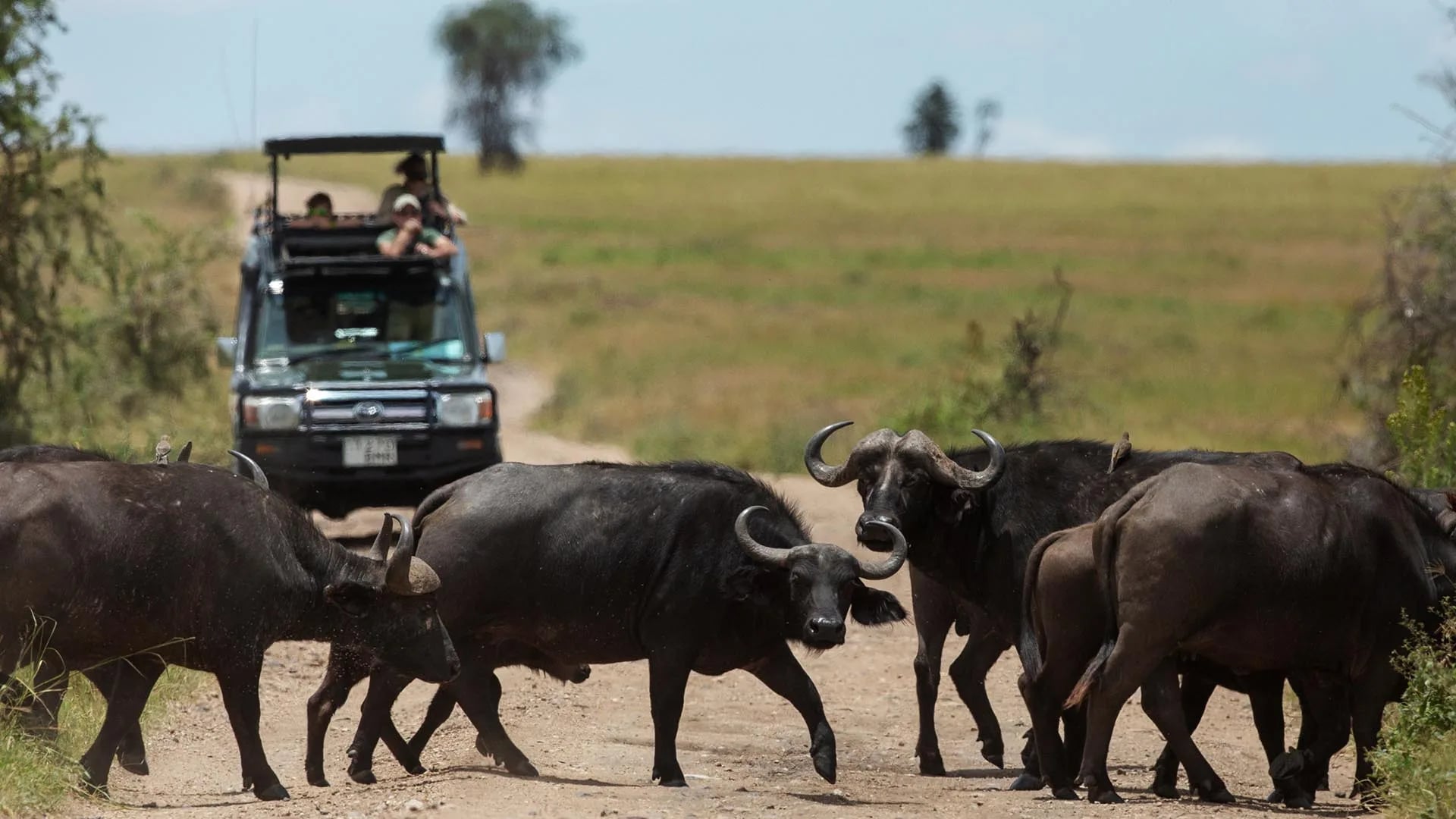
    Dhow Cruise

    A trip on a traditional wooden sailing boat, most commonly offered along the Zanzibar coast. Sunset dhow cruises with snacks and drinks are a classic honeymoon activity.

    Spice Tour

    A guided walk through Zanzibar’s spice farms to see vanilla, cloves, cinnamon, and cardamom growing. The Zanzibar spice tour glossary explains what to expect and what it costs.

    How Many Days Do You Need for a Tanzania Honeymoon Safari?

    For most couples, the right length depends on whether the trip includes only safari or combines safari with Zanzibar.

    • 5–6 nights: Short safari focused on two or three destinations.

    • 7–8 nights: More comfortable Northern Circuit safari.

    • 9–10 nights: Safari plus a short Zanzibar extension.

    • 12–14 nights: A slower honeymoon with more time for wildlife, relaxation or additional destinations.

    Avoid changing camps every night simply to add more locations. Fewer destinations with longer stays can create a more relaxed honeymoon and reduce time spent packing and transferring.

    Zanzibar and the Beach Extension

    Bush-to-Beach

    A common Tanzania honeymoon structure is safari first and beach second. The arrangement lets couples finish the more active safari portion before moving to a slower beach stay.

    Safari-first is not mandatory, however. Couples who prefer to start with several quiet beach days can reverse the order. The more important consideration is the number of travel days created by changing locations and whether the final itinerary feels relaxed rather than rushed.

    Zanzibar

    A semi-autonomous archipelago 35 kilometers off Tanzania’s coast. The main island, Unguja, is what most people mean when they say “Zanzibar.” Accessible from the Serengeti by a 90-minute bush flight or from Dar es Salaam by a short flight or ferry.

    For couples weighing how a Zanzibar extension fits into the overall honeymoon, the safari and Zanzibar honeymoon guide maps out the logistics.

    Stone Town

    The UNESCO-listed historic center of Zanzibar City. Narrow streets, carved wooden doors, rooftop restaurants, and a waterfront market. Worth a night or two for cultural immersion before heading to the beach.

    Nungwi / Kendwa / Michamvi

    Popular beach areas on Zanzibar. Nungwi (north tip) has the most consistent swimming tides and a lively atmosphere. Kendwa is slightly quieter. Michamvi (southeast) is more secluded. Your choice depends on whether you want nightlife options or pure isolation.

    Mnemba Island

    A private island off Zanzibar’s northeast coast with a single ultra-exclusive lodge (currently operated by andBeyond). Maximum 24 guests on the entire island. It’s the ultimate honeymoon splurge for couples who want world-class snorkeling and zero other people on their beach.


    Booking and Cost Vocabulary

    Per Person Sharing (pps)

    The standard pricing unit in the safari industry. Prices are quoted per person, assuming two people share one room or tent. When you see “$600 pps,” that means the room costs $1,200 total per night for the couple.

    Single Supplement

    An extra charge applied when one person occupies a double room alone. Not relevant for most honeymooners but worth understanding when reading price lists.

    Rack Rate vs. Operator Rate

    The rack rate is the published price a lodge charges if you book directly. Tour operators negotiate lower rates based on volume and relationships, then build their margin into your package price. This is why booking through a specialist operator often costs the same or less than going direct, while adding planning expertise and logistical support.

    Inclusions

    Everything covered in your quoted price. A complete Tanzania honeymoon safari quotation usually brings together the private vehicle, guide services, accommodation, meals according to the stated board basis, park fees, and any domestic flights written into the route. Always confirm inclusions line by line.

    Exclusions

    Items not covered. Typically: international flights, visa fees (approximately $50 for most nationalities, per the Tanzania Immigration Services Agency), travel insurance, tips, premium drinks, spa treatments, and balloon safaris.

    Tipping

    Customary and expected for safari guides, drivers, camp staff, and any activity providers. Budget a separate cash amount. The Tanzania safari tipping guide covers recommended amounts by role.

    Deposit and Final Payment

    Most operators require a 25% deposit to secure your booking, with the balance due 60 to 90 days before your travel date. Lodge allocations are held provisionally until the deposit clears, so delays can mean losing a room at a popular property during peak season.

    Cancellation Policy

    Terms vary by operator and by how close to the travel date you cancel. Policies are typically tiered: more flexible 90+ days out, stricter within 60 days, and non-refundable within 30 days. Read the fine print.

    Travel Insurance

    Strongly recommended for any private honeymoon safari in Tanzania. Your policy should cover trip cancellation, medical expenses, and medical evacuation (bush airstrips to Nairobi or Dar es Salaam hospitals). The safari travel insurance guide explains what coverage to look for.

    How to Compare Private Tanzania Honeymoon Safari Quotes

    Private Honeymoon Safari Tanzania: Complete Guide 2026

    Two safari proposals can look similar while including very different services. Compare quotations line by line rather than comparing the headline price alone.

    Quote Item

    What to Check

    Accommodation

    Room or tent category, number of nights and board basis

    Safari vehicle

    Private or shared, vehicle type and whether it stays with you

    Guide

    Dedicated guide or camp-based guide

    Park fees

    Which parks are included and how many entry days are covered

    Conservation fees

    Whether concession or conservation charges are included

    Domestic flights

    Route, baggage allowance and flight costs

    Airport transfers

    Arrival and departure transfers

    Game drives

    Private or shared, half-day or full-day

    Activities

    Walking, night drives, balloon safari and other activities

    Meals

    Full board, all-inclusive or fully inclusive

    Drinks

    House drinks only or premium beverages included

    Zanzibar

    Hotel, transfers, meals and activities

    Taxes and fees

    Whether quoted prices include applicable taxes

    Tips

    Usually paid separately unless specifically included

    Travel insurance

    Usually excluded

    Questions to Ask Before Paying a Deposit

    Ask the operator:

    1. Is the safari vehicle completely private for the two of us?

    2. Will the same guide stay with us throughout the road portion?

    3. Are game drives private at every camp?

    4. Which park, conservation and concession fees are included?

    5. Are domestic flights included?

    6. What baggage allowance applies to bush flights?

    7. Which meals and drinks are included?

    8. What happens if a flight is delayed or cancelled?

    9. What are the cancellation and refund terms?

    10. Which honeymoon extras are confirmed rather than subject to availability?

    What Determines the Cost of a Private Tanzania Honeymoon Safari?

    The final price is usually driven by six variables: accommodation level, number of safari nights, travel season, private vehicle arrangements, domestic flights and optional experiences.

    Cost Driver

    Lower-Cost Choice

    Higher-Cost Choice

    Accommodation

    Comfortable lodge or tented camp

    Luxury or ultra-luxury camp

    Transport

    Road-led itinerary

    Multiple bush flights

    Privacy

    Shared game drives

    Dedicated vehicle and guide

    Location

    Standard park accommodation

    Private concession or exclusive-use property

    Season

    Green or shoulder season

    Peak wildlife season

    Activities

    Standard game drives

    Balloon flight, private dining, walking and other add-ons

    Beach extension

    Standard Zanzibar hotel

    Exclusive island or luxury beach property

    When comparing prices, calculate the total trip cost for two people, not only the advertised per-person rate. Also check whether park fees, domestic flights, transfers and activities are already included.

    Tanzania Honeymoon Safari Cost Benchmarks

    Realistic pricing depends on accommodation tier, number of parks, whether you fly or drive, and whether Zanzibar is included.

    Trip Style

    Typical Duration

    Approximate Starting Point

    Mid-range safari

    5–7 nights

    From about $4,500 per person

    Safari + short Zanzibar extension

    7–9 nights

    From about $6,500 per person

    Extended bush-and-beach honeymoon

    9–12 nights

    From about $8,000 per person

    Luxury private honeymoon

    10–14 nights

    From about $12,000 per person

    These are planning benchmarks rather than fixed market prices. Actual quotations can vary substantially by travel month, camp category, private vehicle arrangements, domestic flights, park and conservation fees, and the number of premium experiences included.

    Mid-range honeymoon safaris are achievable in the $500 to $700 per person per day bracket according to industry practitioners. Adding a Zanzibar extension at a mid-range beach resort brings the total trip cost to approximately $10,000 to $14,000 all-in for two, including domestic flights.

    Luxury and ultra-luxury experiences (private fly-camps, butler service, camps with private plunge pools) can start at around $1,000 per person per day and reach $2,500 or more.

    The most popular private honeymoon safari Tanzania itinerary is 10 days: a private safari on the Northern Circuit, a bush flight from the Serengeti to Zanzibar, and four beach nights. Expect to pay between $5,800 and $20,000+ per couple depending on the tier.

    For a detailed breakdown of what drives these numbers, the Tanzania honeymoon cost guide walks through each cost layer.

    Private Tanzania Honeymoon Safari Itinerary Ideas

    The ideal route depends on how much time you have and whether your priority is wildlife, privacy, photography, or a safari-and-beach combination.

    Trip Length

    Example Route

    Best For

    5–6 nights

    Tarangire → Ngorongoro → Serengeti

    Couples with limited time

    7–8 nights

    Tarangire → Ngorongoro → Serengeti

    Classic Northern Circuit honeymoon

    9–10 nights

    Tarangire → Ngorongoro → Serengeti → Zanzibar

    Safari plus beach

    12–14 nights

    Northern Circuit → additional safari area → Zanzibar

    Slower-paced honeymoon

    10+ nights

    Northern or Southern Circuit → Zanzibar

    Couples prioritizing seclusion

    Classic 7-Night Private Safari

    A common Northern Circuit structure is:

    Night 1: Arusha
    Nights 2–3: Tarangire area
    Night 4: Ngorongoro
    Nights 5–7: Serengeti
    After safari: Optional flight to Zanzibar

    The exact number of nights in each destination should depend on seasonal wildlife movements, accommodation availability and the couple’s priorities rather than following a fixed template.

    Safari + Zanzibar Honeymoon

    For couples with 9–12 nights, a common structure is approximately 5–7 safari nights followed by 3–5 nights in Zanzibar. This allows the safari portion to remain focused on wildlife while the final days provide time for beaches, swimming, spa treatments and slower-paced activities.

    Guide and Safety Terms

    FGASA

    Field Guides Association of Southern Africa. A tiered qualification system for safari guides, starting at Level 1 (NQF2) and progressing to advanced tracking and trails certifications. FGASA-trained guides understand animal behavior, ecology, and how to interpret what you’re seeing in the field. Duma Explorer’s safari guides complete EcoTraining programs and are enrolled in FGASA Level 1 certification.

    WFR (Wilderness First Responder)

    An emergency medical certification for guides operating in remote areas. WFR-trained guides can stabilize injuries, manage altitude sickness, and make evacuation decisions. Duma Explorer’s Kilimanjaro guides hold WFR certification.

    KPAP

    The Kilimanjaro Porters Assistance Project, which sets standards for porter wages, equipment, and treatment on Kilimanjaro climbs. Duma Explorer is a KPAP founding partner.

    Travelife Certified

    An international sustainability certification for tour operators covering environmental practices, fair labor, and community engagement. Duma Explorer holds Travelife Certification, one of a small number of Tanzania-based operators with this credential.

    How to Choose a Private Tanzania Safari Operator

    Before comparing operators by price, compare what each proposal actually includes. A lower headline price may exclude park fees, domestic flights, private vehicle charges or activities that another quotation includes.

    Look for:

    • Clear itemized inclusions and exclusions

    • Transparent cancellation terms

    • Private vehicle and guide arrangements stated in writing

    • Experience operating the parks on your route

    • Emergency and evacuation procedures

    • Current insurance and licensing information

    • Clear accommodation names and room categories

    • Domestic-flight baggage requirements

    • A realistic daily driving and activity schedule

    • Reviews that are recent and specific to the type of safari you are booking

    Ask for the final itinerary and inclusions in writing before paying a deposit.

    Swahili Safari Terms You’ll Hear

    Term

    Meaning

    Safari

    Journey (yes, the word itself is Swahili)

    Pole pole

    Slowly, slowly (the pace mantra on Kilimanjaro, but also good honeymoon advice)

    Boma

    A traditional enclosure or gathering area; at lodges, often the campfire circle

    Kopje

    A rocky outcrop on the Serengeti plains, often home to lions and hyraxes (from Afrikaans, but universally used)

    Duma

    Cheetah

    Simba

    Lion

    Hakuna matata

    No worries (you will hear this constantly, and it never gets old)

    Jambo / Mambo

    Hello (formal / informal)

    Asante sana

    Thank you very much


    What a Well-Planned Private Honeymoon Safari Delivers

    When the terminology makes sense and the operator executes well, the result speaks for itself. One couple who traveled on a 2025 honeymoon safari described it simply: “It exceeded our expectations in every way.” Another pair celebrating their 25th wedding anniversary said the experience was “absolutely magical.” These outcomes don’t happen by accident. They happen because the couple understood what they were booking, communicated their priorities clearly, and worked with an operator who could translate those priorities into a real itinerary.

    Duma Explorer designs custom private honeymoon safaris across Tanzania’s Northern Circuit with Zanzibar extensions, from route and timing to lodge selection and romantic add-ons. Owner-led trip design by Stacy Readal, who has spent 15 years based in Tanzania, means your itinerary is built by someone who knows the camps, the guides, and the seasonal patterns firsthand.

    Plan My Tanzania Honeymoon →


    Frequently Asked Questions

    How much does a private honeymoon safari in Tanzania cost?

    A mid-range private safari without a beach extension starts around $4,500 per person for 5 to 7 nights. The most popular 10-day bush-to-beach combination runs $5,800 to $20,000+ per couple depending on accommodation tier and whether you fly between parks. Ultra-luxury experiences with exclusive-use camps and private everything start around $12,000 per person.

    Is a private safari vehicle worth it for just two people?

    Yes, for honeymoons especially. A private vehicle means you control the pace, linger at sightings as long as you want, and don’t share space with strangers. You pay a per-person premium because the vehicle cost isn’t split across more travelers, but the flexibility and intimacy justify it for most couples.

    What’s the best time of year for a Tanzania honeymoon safari?

    June through October offers the best wildlife viewing and driest weather but comes with peak pricing. Late January through February is excellent for calving season in the southern Serengeti (predator action, fewer crowds). November and early December are shoulder months that balance conditions and cost. The Tanzania honeymoon timing guide breaks this down month by month.

    Should we do a road safari or fly-in for our honeymoon?

    Road-led safaris offer the best flexibility-to-value ratio on the Northern Circuit. Your vehicle stays with you, you set the schedule, and you don’t share game drives. Fly-in works better for time-pressed couples, those combining northern and southern parks, or anyone who wants to skip long drives between destinations. Many honeymoon itineraries use a hybrid approach: drive between Tarangire, Ngorongoro, and Serengeti, then fly from the Serengeti to Zanzibar.

    How many days do we need for a Tanzania honeymoon safari?

    Seven days is the minimum to cover two or three parks meaningfully. Ten days is the sweet spot for a safari plus Zanzibar combination (6 nights safari, 4 nights beach). Twelve to fourteen days allows a more relaxed pace and a third beach destination or additional park.

    Can we combine safari with Zanzibar on the same trip?

    Absolutely, and most honeymoon couples do. The standard format is safari first, beach second. A bush flight from the Serengeti to Zanzibar takes about 90 minutes and eliminates backtracking through Arusha. The Zanzibar honeymoon extension guide covers logistics, costs, and where to stay.

    Do lodges really give free honeymoon perks?

    Many do, but only if you tell them. Champagne on arrival, room upgrades when available, a complimentary bush dinner or cake, and even spa discounts are common at mid-range and luxury properties. Always mention that you’re honeymooning at the time of booking, not at check-in.
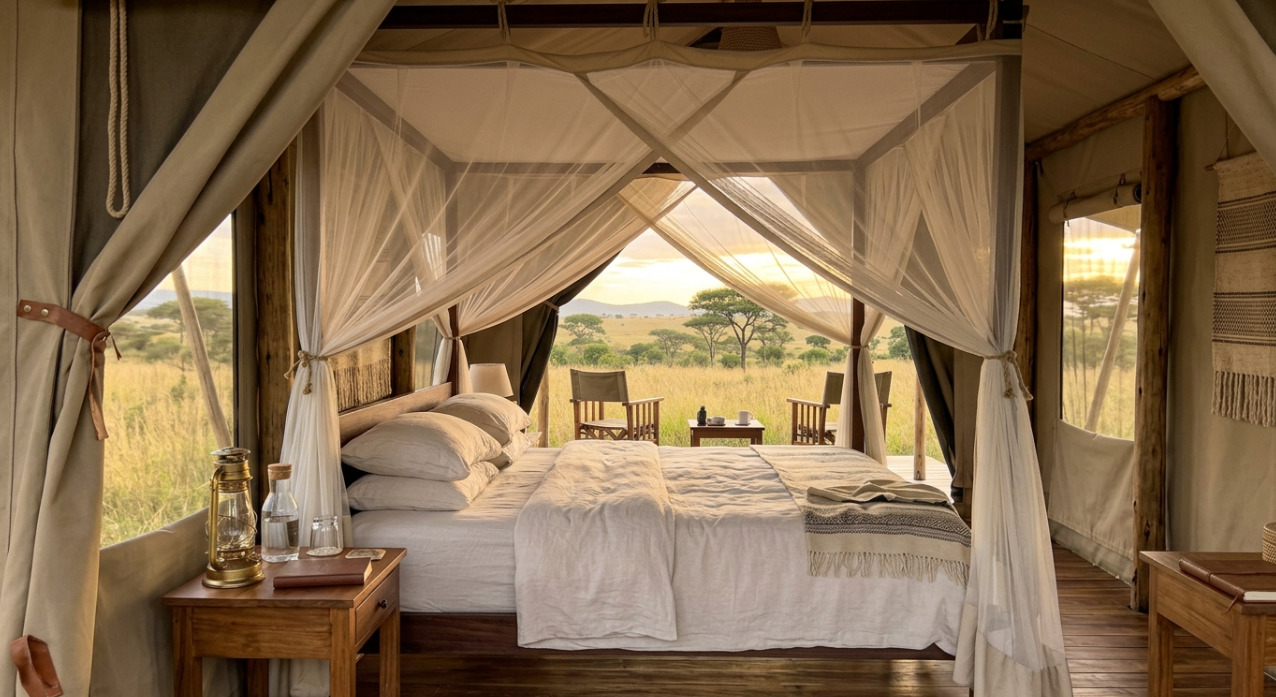
  • African Honeymoon Itinerary 2026: 40+ Terms, Tips & FAQs

    African Honeymoon Itinerary 2026: 40+ Terms, Tips & FAQs

    TL;DR

    An African honeymoon itinerary typically combines 6 to 8 nights of safari with 3 to 5 nights of beach or island relaxation, creating a 10 to 14 night trip. A common Tanzania route includes Tarangire, Ngorongoro Crater, and the Serengeti followed by Zanzibar. But Tanzania’s northern circuit is only one option. Couples looking for fewer crowds can route through southern Tanzania (Nyerere and Ruaha national parks) before heading to Zanzibar, while those weighing Kenya against Tanzania should compare wildlife density, costs, and beach logistics. The exact itinerary depends on travel season, safari style, budget, flight connections, and whether you prioritize wildlife, privacy, beaches, or special experiences.

    If you want to see how these terms come together in an actual trip plan, explore a 14 day Tanzania itinerary that combines safari and Zanzibar.

    What Is an African Honeymoon Itinerary?

    An African honeymoon itinerary is a day by day travel plan that combines safari experiences, romantic accommodations, transportation, and relaxation. The classic format is a “bush and beach” honeymoon: several nights in wildlife areas followed by several nights on the coast or an island.

    For a Tanzania honeymoon, a typical itinerary might include Tarangire National Park, the Ngorongoro Crater, the Serengeti, and Zanzibar. Tanzania National Parks currently describes June through October as the dry season, November through December as the short rain period, and March through May as the long rain period, so the best itinerary depends heavily on the month you travel.

    This glossary explains the safari, accommodation, destination, wildlife, season, and logistics terms couples are most likely to encounter when researching an African honeymoon itinerary.

    Quick answer: For most first time safari honeymooners, a 10 to 14 night itinerary provides enough time for several safari areas without making the trip feel rushed. A common structure is 6 to 8 safari nights followed by 3 to 5 nights at a beach destination such as Zanzibar.

    Looking for a custom honeymoon route? Build a private Tanzania honeymoon safari.

    African Honeymoon Itinerary at a Glance

    Itinerary length Typical structure Best for
    7 nights 4 to 5 safari nights + 2 to 3 beach nights Couples with limited vacation time
    10 nights 6 to 7 safari nights + 3 to 4 beach nights First time safari honeymooners
    12 nights 7 to 8 safari nights + 4 to 5 beach nights Couples wanting a slower pace
    14 nights 8 to 9 safari nights + 5 to 6 beach nights Couples who want more wildlife, relaxation, or a second destination
    14+ nights Safari + beach + optional second country or special experience Couples with more time and a larger budget

    The basic planning formula

    Safari nights + transfer/recovery time + beach nights = total honeymoon length

    For example:

    7 safari nights + 1 transfer/recovery night + 4 Zanzibar nights = 12 nights

    The longer the trip, the more important pacing becomes. Adding destinations can create more flights and transfers, so a longer honeymoon does not automatically mean a better itinerary.

    10 Must Know African Honeymoon Terms at a Glance

    Term One line definition Why it matters for a honeymoon
    Bush and Beach A trip combining safari with a coastal or island stay Creates a balance between adventure and relaxation
    Fly in Safari Traveling between safari areas by small aircraft Saves road transfer time but usually requires soft luggage
    Game Drive A guided vehicle excursion to observe wildlife The primary safari activity
    Big Five Lion, leopard, elephant, buffalo, and rhinoceros A common wildlife sighting goal
    Great Migration Annual movement of wildebeest and other wildlife through the Serengeti Mara ecosystem Can influence where and when you travel
    Sundowner A sunset drink or stop during a safari A popular romantic safari experience
    Tented Camp Canvas based safari accommodation that can range from basic to luxury Offers a more immersive bush experience
    Star Bed An elevated open air sleeping setup designed for sleeping under the stars A popular special occasion accommodation option
    Park Fees Charges associated with entering protected areas May be included in your safari package or charged separately
    Honeymoon Special A property or operator offer for honeymoon travelers May include upgrades, amenities, or other benefits

    How to Build an African Honeymoon Itinerary

    Building an African honeymoon itinerary starts with five decisions: how many nights you have, which country or region you want to visit, when you are traveling, how much time you want to spend on safari, and whether you want to finish with a beach stay.

    Step 1: Choose the total trip length

    For many couples, 10 to 14 nights provides enough time for multiple safari areas plus a few days of relaxation.

    A shorter honeymoon usually benefits from fewer destinations and more fly in transfers. A longer honeymoon can accommodate additional parks, a beach extension, or a second country.

    Step 2: Decide how many safari nights you want

    A practical starting point is 5 to 8 safari nights.

    For example:

    • 5 nights: short safari with fewer locations
    • 6 to 7 nights: classic Tanzania safari (northern circuit)
    • 8 to 10 nights: slower safari with more than one ecosystem, or a southern Tanzania route through Nyerere and Ruaha
    • 10+ nights: safari heavy trip or multi country itinerary

    Step 3: Choose the safari route

    In northern Tanzania, common stops include Tarangire, Lake Manyara, Ngorongoro, and Serengeti. The right combination depends on the season and the wildlife experiences you want.

    Couples with more time (or who have already visited the north) should consider Tanzania’s southern circuit. Nyerere National Park and Ruaha National Park offer exceptional wildlife density with a fraction of the visitor numbers. More on these parks below.

    TANAPA’s current planning guidance recommends matching the park and season to your interests, with dry season conditions generally favoring easier wildlife viewing and green season travel offering greener scenery and fewer crowds.

    Step 4: Choose road travel, flights, or a combination

    Use road transfers when destinations are relatively close and you want to see more of the surroundings. Consider bush flights when a long road transfer would consume too much of your honeymoon.

    A hybrid itinerary can combine both approaches. For southern Tanzania itineraries, fly in safaris are almost always necessary because the distances between Dar es Salaam and parks like Ruaha are too great for practical road travel.

    Step 5: Add the recovery and beach portion

    After several early morning game drives, many couples prefer to slow the pace.

    Zanzibar is one option, but it is not the only one. Depending on your route, you can consider the Tanzanian coast, Saadani National Park, Kenya’s coast, or another Indian Ocean destination. Southern Tanzania itineraries connect particularly well to Zanzibar because flights from Nyerere route through Dar es Salaam, which is a short hop from the archipelago.

    For more on the Zanzibar portion of your trip, see the Zanzibar honeymoon extension glossary.

    Step 6: Leave room for downtime

    Avoid treating every day as a sightseeing day.

    Two night stays allow you to settle into a property, while a rest day can create space for a pool, spa treatment, private dinner, or simply enjoying the lodge.

    Sample 12 Night African Honeymoon Itinerary

    A 12 night Tanzania and Zanzibar honeymoon can balance wildlife, scenery, romantic accommodations, and beach time without changing hotels every night.

    Day Destination Suggested focus
    1 Arusha Arrival and honeymoon recovery
    2 Tarangire First game drive
    3 Tarangire Full safari day
    4 Ngorongoro area Transfer and crater area experience
    5 Ngorongoro Crater Crater game drive
    6 Serengeti Transfer and afternoon game drive
    7 Serengeti Full day safari
    8 Serengeti Second full safari day
    9 Zanzibar Fly to the coast and relax
    10 Zanzibar Beach and resort day
    11 Zanzibar Optional dhow cruise or excursion
    12 Zanzibar Private dinner, spa, or free day
    13 Zanzibar Departure

    How to customize this itinerary

    Couples who prioritize wildlife can add another Serengeti night or swap one Serengeti night for a different region of the park (central Serengeti for year round game, northern Serengeti for Migration crossings).

    Couples who prioritize relaxation can add another Zanzibar night.

    Couples traveling during a specific Migration period can adjust the safari portion around current wildlife movements.

    Couples who want a more adventurous honeymoon can replace one safari stop with an additional activity such as gorilla trekking, depending on the country and available connections.

    Couples wanting fewer crowds and a wilder feel can swap the entire northern circuit for a southern Tanzania route: fly into Nyerere National Park for 3 to 4 nights, continue to Ruaha for 3 nights, then fly to Zanzibar for the beach portion.

    The itinerary should be treated as a framework rather than a fixed route because seasonal wildlife movements, lodge availability, flight schedules, and park regulations can change.

    Trip Structure Terms

    These are the itinerary formats you’ll see most often when researching an African honeymoon itinerary. Understanding the differences helps you choose a trip shape that fits your travel style and available time.

    Bush and Beach

    A bush and beach itinerary blends big game safari with time on a tropical coast. You spend the first portion of the trip in wildlife areas (the “bush”), then transfer to a beach destination for the second half.

    This is the single most important itinerary archetype for African honeymoons. According to Travel Noire’s 2026 reporting, Fora’s trend data confirmed that couples are increasingly choosing bush and beach honeymoons in Africa, with interest spanning travelers of all ages. The most common version pairs Tanzania’s Northern Circuit safari parks with a Zanzibar beach extension.

    Why it matters for honeymoons: The structure creates a natural rhythm. You get the adrenaline and wonder of wildlife first, then decompress on the coast. Most couples spend 6 to 7 nights on safari followed by 3 to 5 nights at the beach. For a deeper look at how this combination works, see the safari and Zanzibar honeymoon guide.

    Fly in Safari

    A fly in safari uses small aircraft to travel between locations. Some camps are so remote that road access is impractical or impossible, and flying is the only realistic option.

    Honeymoon context: Flying between parks maximizes your time actually on safari rather than sitting in a vehicle on long transfer roads. If your honeymoon is 10 days or shorter, fly in transfers can add a full extra day of wildlife viewing. The trade off is a strict baggage limit, typically 15 kg per person in soft sided bags only. No hard shell suitcases. This is especially relevant for southern Tanzania itineraries, where Nyerere and Ruaha are best accessed by air.

    Road Safari (Driving Safari)

    A road safari means all travel and game viewing happens from a private vehicle with a dedicated guide. If you have two weeks or more, driving at a slower pace lets you see more of the country between parks.

    Honeymoon context: Road safaris cost less than fly in options and offer more flexibility for spontaneous stops. The downside is longer transfer days, which can eat into relaxation time. Many honeymoon itineraries use a hybrid approach: driving between nearby parks and flying for the longer legs.

    Multi Country Itinerary

    An African honeymoon itinerary that spans two or more countries. Common combinations include Tanzania safari plus Zanzibar beach, Kenya and Tanzania together, or a safari paired with gorilla trekking in Uganda or Rwanda.

    Honeymoon context: Multi country trips require coordination of visas, domestic flights, and cross border logistics. Working with an operator experienced in multi destination planning simplifies this considerably. For couples considering adding gorilla trekking, it typically adds 2 to 3 days to the total trip.

    Private Safari

    A trip where the couple has their own dedicated vehicle and guide rather than sharing with other travelers. This is the standard for honeymoon safaris and the format most specialist operators recommend.

    Why it matters: Private means you control the pace. Want to linger at a leopard sighting for an hour? Done. Prefer a later start one morning? Your guide adjusts. Practitioners on Reddit report that private guiding transforms the honeymoon experience because the day revolves entirely around you, with no negotiating stops or pace with strangers.

    For a comparison of costs and trade offs, see the private versus group safari guide.

    Circuit

    A circuit refers to a geographic cluster of parks that form a logical routing loop. Tanzania’s Northern Circuit (Arusha, Tarangire, Ngorongoro Crater, Serengeti) is the most popular honeymoon safari circuit in East Africa. Tanzania’s Southern Circuit (Nyerere and Ruaha) is the main alternative for couples seeking solitude.

    Accommodation Terms

    Safari accommodation terminology is one of the biggest sources of confusion for honeymoon couples. “Tented camp” sounds rustic until you see one with a freestanding bathtub and a private plunge pool.

    Tented Camp

    Tented Camp

    Safari accommodation made up of canvas tents, often on raised wooden platforms. Tented camps range from basic to ultra luxurious. At the high end, these are permanent structures with hardwood floors, en suite bathrooms, outdoor showers, and king size beds.

    Honeymoon relevance: Many couples assume “tent” means camping. It doesn’t. The best honeymoon tented camps are among the most romantic accommodations in the world, combining wilderness immersion with genuine comfort. You fall asleep to the sounds of the bush, not to the sound of a generator.

    Mobile Camp

    Mobile camps move with the seasons and the wildlife. They’re set up in remote locations for a few weeks, then packed up and repositioned to follow the herds during the Great Migration.

    Honeymoon relevance: If your trip coincides with the Migration, a mobile camp puts you closer to the action than any permanent lodge can. The experience feels exclusive and raw, though comfort levels are typically a step below the top fixed camps.

    Lodge

    A permanent structure, usually built from stone, wood, or concrete, inside or adjacent to a national park. Lodges typically include restaurants, swimming pools, and sometimes spa facilities.
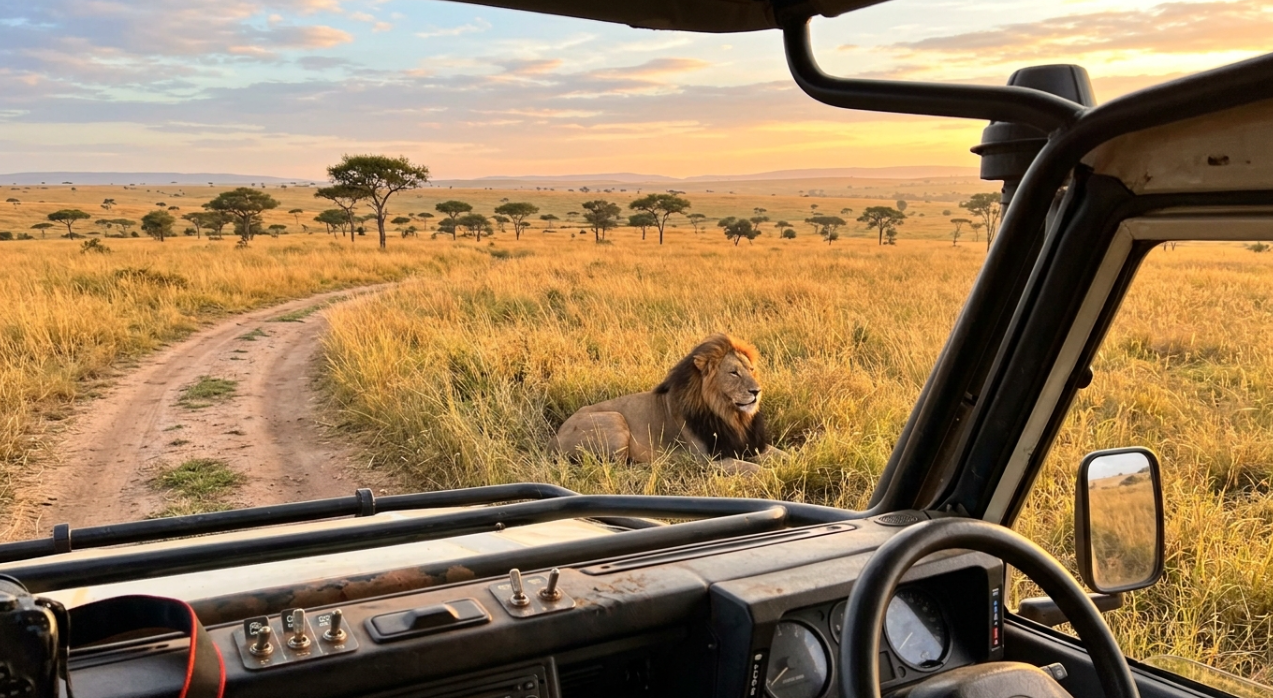
    Honeymoon relevance: Lodges offer the most predictable comfort level. For couples who want guaranteed amenities (reliable Wi Fi, a proper pool, air conditioning), lodges are the safer bet. The trade off is that lodges can feel more hotel like and less immersive than tented camps.

    For ideas on where to stay, browse the romantic safari lodges in Tanzania.

    Star Bed / Sleep Out

    An open air sleeping platform, elevated and protected by mosquito netting, that allows guests to sleep under the stars while safely out of reach of wildlife. Some properties roll out a proper bed on a raised deck; others have purpose built tree houses.

    Honeymoon relevance: Star beds are one of the most requested honeymoon upgrades in Africa. Falling asleep watching the Milky Way stretch across an unpolluted sky, with hyenas calling in the distance, is genuinely unforgettable. These are typically offered as a one night add on, not the primary accommodation.

    Honeymoon Suite / Honeymoon Tent

    Many safari properties offer dedicated honeymoon accommodations with extras like private decks, plunge pools, bush dinners for two, in room massages, and stargazing setups.

    Practical tip: Always tell your operator and your lodges that you’re on a honeymoon. Many properties prepare complimentary surprises (champagne, flower arrangements, room upgrades) for couples who mention it at booking.

    Full Board vs. All Inclusive

    Full board includes all meals. All inclusive includes meals plus house drinks (wine, beer, spirits, soft drinks) and often shared safari activities with in house guides.

    Honeymoon relevance: Most luxury safari camps are all inclusive, meaning your daily cost covers nearly everything. Beach hotels in Zanzibar, however, are often room only or half board. This price structure difference catches many couples off guard when comparing safari costs to beach costs.

    Destination and Geography Terms

    Northern Circuit (Tanzania)

    The classic Tanzanian honeymoon safari route: Arusha (gateway city) to Tarangire National Park, Ngorongoro Crater, and the Serengeti. This is the backbone of most African honeymoon itineraries that focus on Tanzania.

    Some itineraries also include Lake Manyara National Park as a half day or overnight stop between Tarangire and Ngorongoro.

    Lake Manyara National Park

    A compact park at the base of the Great Rift Valley escarpment, known for tree climbing lions, large flamingo flocks along the alkaline lake shore, and dense groundwater forest near the park entrance. Lake Manyara covers roughly 330 square kilometers, with the lake itself taking up about two thirds of the park area.

    Honeymoon relevance: Lake Manyara works best as a half day game drive on a transfer day between Tarangire and Ngorongoro. It’s too small to justify a full two night stay for most couples, but the dramatic escarpment views and the birdlife along the lake shore make it a worthwhile addition if your route passes through. The park is sometimes dropped from tight itineraries to give more time in the Serengeti, so discuss with your operator whether it fits your schedule.

    Serengeti

    Tanzania’s flagship national park and the hub of the Great Migration. The Serengeti was named World’s Leading National Park 2025 by the World Travel Awards, and Tanzania itself earned the title of World’s Leading Safari Destination 2025.

    The Serengeti is enormous (roughly 14,750 square kilometers), and where you stay within it matters as much as whether you visit. The park divides into several distinct regions, and the best choice depends on your travel dates and what you want to see.

    For detailed planning, see the Serengeti safari guide.

    Central Serengeti (Seronera)

    The heart of the park, centered around the Seronera Valley. Central Serengeti offers year round resident wildlife, including large lion prides, leopards in the riverine forests along the Seronera River, and healthy populations of elephant, giraffe, and buffalo. The area is the most accessible part of the Serengeti, with the park’s main airstrip located here.

    Honeymoon relevance: Central Serengeti is the safest bet for couples traveling outside Migration season because the resident game is excellent regardless of the month. The downside is that Seronera is also the busiest part of the park, with more vehicles around sightings. For a honeymoon, consider staying at a camp slightly outside the Seronera core or in a private concession bordering the central plains to get the wildlife without the crowds.

    Northern Serengeti (Kogatende / Lamai)

    The remote northern section of the park, bordering Kenya’s Maasai Mara. This is where the Great Migration’s famous Mara River crossings take place, typically between July and October. The northern Serengeti has far fewer camps and visitors than the central or southern areas.

    Honeymoon relevance: If your honeymoon falls between July and October and witnessing river crossings is a priority, the northern Serengeti is where you want to be. Access is almost exclusively by bush flight (roughly 45 minutes from Seronera or 90 minutes from Arusha), which adds cost but also adds exclusivity. Camps in the Kogatende and Lamai areas are small, often just 6 to 10 tents, creating the intimate atmosphere that suits honeymoons. Book 12 to 18 months ahead for this region during peak Migration.

    Ngorongoro Crater

    A UNESCO listed volcanic caldera in northern Tanzania with exceptional wildlife density. The crater floor is roughly 260 square kilometers and home to approximately 25,000 animals, including the Big Five.

    Honeymoon relevance: Ngorongoro offers near guaranteed Big Five sightings in a single game drive, making it one of the most reliable and visually stunning safari stops. Most Northern Circuit honeymoon itineraries include one to two nights here. For lodge recommendations, see the best Ngorongoro honeymoon lodges.

    Nyerere National Park

    Formerly the southern section of the Selous Game Reserve, Nyerere National Park is Africa’s largest national park at over 30,000 square kilometers. It sits in southern Tanzania and offers boat safaris on the Rufiji River, walking safaris, and traditional game drives, a combination of activities that no northern circuit park can match.

    Honeymoon relevance: Nyerere is the top pick for honeymoon couples who want a wilder, more private safari experience. Visitor numbers are a tiny fraction of what the Serengeti sees. Camps here are typically small and high end, with the Rufiji River providing a stunning backdrop. Boat safaris at sunset, watching hippos and crocodiles while sipping something cold, are genuinely romantic in a way that a crowded game drive loop cannot replicate. The trade off is that Nyerere requires a fly in from Dar es Salaam (roughly 75 minutes), and the park’s enormous size means wildlife is more spread out than in the Ngorongoro Crater.

    Ruaha National Park

    Tanzania’s largest national park by terrestrial area (roughly 20,226 square kilometers), located in the central south of the country. Ruaha is known for large lion and elephant populations, significant wild dog packs, and the dramatic baobab studded landscape along the Great Ruaha River.

    Honeymoon relevance: Ruaha receives fewer than 20,000 visitors per year, compared to the Serengeti’s hundreds of thousands. That solitude is the appeal. Practitioners on safari forums consistently describe Ruaha as “the Serengeti 30 years ago” because you can spend an entire game drive without seeing another vehicle. For honeymoon couples, this translates to a feeling of having the African bush entirely to yourselves. The park pairs naturally with Nyerere in a southern Tanzania itinerary (3 to 4 nights in each park, then fly to Zanzibar). The main limitation is accessibility: Ruaha requires a bush flight from Dar es Salaam or Dodoma, and camp options are fewer than in the north.

    Southern Tanzania and Zanzibar

    A southern Tanzania and Zanzibar honeymoon itinerary is the main alternative to the classic northern circuit route. Instead of Tarangire, Ngorongoro, and Serengeti, couples fly into Nyerere and Ruaha from Dar es Salaam, then connect to Zanzibar for the beach portion.

    This route works particularly well because the Dar es Salaam flight hub connects easily to both southern parks and to Zanzibar, meaning the logistics are simpler than they might appear on a map. A typical structure is:

    • 3 to 4 nights in Nyerere (boat safari, walking safari, game drives)
    • 3 nights in Ruaha (game drives, walking safari)
    • 4 to 5 nights in Zanzibar (beach, Stone Town, dhow cruise)

    The total comes to 10 to 12 nights, which matches the classic northern circuit length.

    Who should consider this route: Couples who have visited the northern circuit before, couples who prioritize privacy and exclusivity over guaranteed Big Five sighting density, and couples traveling during the dry season (June to October) when southern parks are at their best and the northern parks are at their most crowded.

    For more on planning a southern circuit safari, the dedicated guide covers logistics, costs, and seasonal timing.

    Zanzibar / Stone Town

    The Indian Ocean archipelago off Tanzania’s coast. Stone Town is the historic capital, a UNESCO World Heritage site with narrow streets, spice markets, and carved wooden doors.

    The best time to visit Zanzibar is during the dry season from June to October, which coincides with safari high season in Tanzania, making the archipelago the most popular post safari honeymoon choice.

    For planning your beach days, explore Zanzibar excursions and day trips.

    Swahili Coast

    The mainland coastal stretch of Tanzania, including towns like Pangani and Saadani National Park. This is a less crowded, more off the beaten path alternative to Zanzibar for the beach portion of a bush and beach honeymoon.

    Honeymoon relevance: The Swahili Coast works well for couples who want a quieter, more authentic coastal experience. Saadani is the only national park in East Africa that borders the Indian Ocean, meaning you can combine beach time with wildlife sightings.

    Maasai Mara

    Kenya’s premier safari reserve, sharing an unfenced border with the Serengeti. The Mara is where the Great Migration’s dramatic river crossings typically occur between July and October.

    Honeymoon relevance: Some couples combine the Serengeti with the Maasai Mara for a cross border honeymoon that follows the Migration from both sides. This adds complexity but delivers an extraordinary wildlife narrative.

    National Park vs. Conservancy vs. Concession vs. Private Game Reserve

    These terms describe different types of protected wildlife areas, and the distinction matters for your honeymoon experience:

    Type What It Means Honeymoon Impact
    National Park Government managed protected area with strict regulations Most visitors, most wildlife, most rules (no off road driving, no night drives)
    Conservancy Community managed area adjacent to a park Fewer vehicles, more activities allowed (walking safaris, night drives)
    Concession A private area leased within a national park’s ecosystem Low traffic, exclusive feeling, premium pricing
    Private Game Reserve A standalone, privately owned wildlife area Fewest restrictions, most intimate, often the most expensive

    As Zicasso’s comparison explains, concessions offer animals increased privacy and freedom due to lower traffic. For honeymoon couples, the exclusivity of a concession or conservancy often justifies the higher cost.

    Tanzania vs Kenya Honeymoon

    This is one of the most common decisions couples face when planning an African honeymoon itinerary. Both countries deliver world class safari experiences, but they suit different priorities.

    Wildlife and Parks

    Tanzania has more total protected land and the Serengeti, Ngorongoro Crater, and Migration calving season in the south. Kenya has the Maasai Mara, famous for the Migration’s river crossings, plus smaller parks like Amboseli (known for elephant herds against the backdrop of Mount Kilimanjaro).

    Tanzania’s parks tend to feel wilder and less developed. Kenya’s conservancy system, especially in the Mara, allows activities like walking safaris and night drives that Tanzania’s national parks generally do not permit.

    Beach Component

    Tanzania wins this comparison easily. Zanzibar is a 60 to 90 minute flight from both the northern and southern safari circuits, with dozens of high end beach properties purpose built for honeymooners. Kenya’s coast (Diani Beach, Lamu) is lovely but requires a longer domestic flight from the Mara, and the range of luxury honeymoon resorts is smaller.

    Cost

    Tanzania is generally more expensive for safari, particularly in the Serengeti during peak season. Kenya’s conservancy model can deliver a more intimate experience at a comparable or sometimes lower price point. However, when you factor in the Zanzibar beach extension (which is relatively affordable), a complete Tanzania bush and beach honeymoon often comes out similar in total cost to a Kenya safari plus a separate beach destination.

    The Practical Answer

    Most first time honeymoon couples choose Tanzania because the northern circuit plus Zanzibar combination is the most seamless bush and beach itinerary in Africa. Couples who specifically want river crossings during July to October, or who want walking safaris and night drives as part of their standard safari, should seriously consider Kenya or a Kenya/Tanzania combination.

    For a detailed side by side breakdown, see the Tanzania vs Kenya honeymoon glossary.

    Wildlife and Experience Terms

    Game Drive

    Game Drive

    A guided vehicle excursion to observe wildlife, typically conducted in the early morning (6:00 to 6:30 AM departure) and late afternoon (3:30 to 4:00 PM departure). “Game” in the safari context simply means wildlife.

    Honeymoon reality check: A safari honeymoon is not passive travel. Game drives are early. Days have rhythm. If you’re expecting to sleep until 10 AM every day, a safari will be a rude awakening. The payoff is watching a pride of lions in golden morning light, which is worth every early alarm.

    Big Five

    Lion, leopard, elephant, Cape buffalo, and rhinoceros. Originally the term referred to the most dangerous animals to hunt on foot. Today, they’re the iconic symbols of African wildlife and the sightings most visitors hope for.

    Great Migration

    The annual cycle of roughly 1.5 million wildebeest and hundreds of thousands of zebra moving through the Serengeti Mara ecosystem. The Migration follows the rains and fresh grazing in a roughly clockwise loop throughout the year.

    Where the herds are determines which part of the Serengeti to stay in. During January and February, the herds concentrate in the southern Serengeti for calving. By June and July, they move through the central and western corridors. From August through October, they push into the northern Serengeti and across the Mara River. Understanding this cycle is essential for choosing the right Serengeti camp location for your honeymoon dates.

    Calving Season

    Late December to February in the southern Serengeti (Ndutu area), when wildebeest give birth in enormous numbers. Predator activity peaks as lions, cheetahs, and hyenas hunt vulnerable calves.

    Honeymoon relevance: Calving season coincides with the green season (lower prices) and delivers some of the most dramatic predator prey action of the year. It’s an excellent time for a honeymoon if you don’t mind occasional afternoon showers.

    River Crossing

    The dramatic phase of the Great Migration when herds cross the Mara River, typically between July and October. Thousands of wildebeest plunge into crocodile infested waters in a chaotic, primal scene.

    Honeymoon planning tip: An expert who has planned over 500 honeymoon safaris recommends booking 12 to 18 months in advance for Migration season, especially if you want to witness the crossings from the northern Serengeti.

    Sundowner

    A drink enjoyed at sunset during a scenic stop on your game drive. Your guide parks the vehicle at a beautiful overlook, sets up a small bar, and you watch the sun drop below the horizon with a gin and tonic in hand.

    Honeymoon relevance: This is one of the most romantic traditions in African travel. Some camps arrange private sundowners in particularly scenic locations for honeymoon couples. Ask your operator about this.

    Boma

    A Swahili word for a fenced gathering space. On safari, a boma typically refers to an open air enclosure where camps set up communal bonfire dinners under the stars.

    Honeymoon relevance: Boma dinners are among the most atmospheric dining experiences in Africa. Some camps arrange private boma dinners for two, complete with lanterns, a personal chef, and the sounds of the African night.

    Hot Air Balloon Safari

    A sunrise balloon flight over the Serengeti (or Maasai Mara), drifting silently above herds of wildlife, followed by a champagne bush breakfast on landing.

    Practical detail: Balloon safaris typically cost $500 to $600 per person and require an early morning departure (often before dawn). They’re worth the investment for a honeymoon.

    Dhow Cruise

    A sailing excursion on a traditional wooden vessel, most commonly offered in Zanzibar. Sunset dhow cruises along the Stone Town waterfront are a signature honeymoon activity on the island.

    Gorilla Trekking

    A guided hike through montane forest in Uganda or Rwanda to spend approximately one hour with a habituated mountain gorilla family. This is a premium add on for adventurous honeymoon couples.

    Honeymoon relevance: Gorilla trekking adds 2 to 3 days and significant cost (permits alone run $700 in Uganda, $1,500 in Rwanda), but couples who include it consistently rank it as a life changing experience. Details on gorilla trekking itinerary planning can help you decide.

    Walking Safari

    A guided walk through the bush on foot, accompanied by an armed ranger and a qualified walking guide. Walking safaris are allowed in conservancies, some concessions, and in parks like Nyerere and Ruaha in southern Tanzania, but generally not in Tanzania’s northern circuit national parks.

    Night Drive

    A game drive conducted after dark using a spotlight to find nocturnal animals like aardvarks, bush babies, civets, and hunting leopards. Night drives are permitted in conservancies and private reserves but typically not in national parks. Nyerere is one of the few Tanzanian national parks where night drives are possible in certain zones.

    Timing and Season Terms

    Understanding seasonality is critical for any African honeymoon itinerary. When you travel determines what you see, what you pay, and how many other visitors share the experience.

    Dry Season / High Season

    The dry months of the African winter, primarily June through October in East Africa. Vegetation thins out, water sources shrink, and animals concentrate around remaining water, making them easier to spot.

    Trade off: Best wildlife viewing, highest prices, and peak visitor numbers. Popular camps and lodges book out months in advance for this period.

    Green Season / Low Season

    Roughly November through May, with variations by country. Lower prices, lush green landscapes, newborn animals, dramatic storm light for photography, and fewer tourists.

    Honeymoon relevance: Green season honeymoons can save 20 to 40% on accommodation costs. The rain is rarely all day; it typically falls in short afternoon bursts. An expert safari planner recommends that couples consider shoulder months to balance value with conditions.

    Shoulder Season

    The transitional weeks between high and low seasons. In East Africa, this typically means May through early June and late October through mid November. Smaller crowds, moderate pricing, and often excellent wildlife viewing.

    For month by month guidance, see the best time for safari in Tanzania.

    Long Rains / Short Rains

    Tanzania has two distinct rainy periods. The long rains fall from March through May and are best avoided for safari (some camps close entirely). The short rains arrive in November and December and are usually manageable, with mornings often clear.

    Month by Month Honeymoon Season Summary

    Month(s) Season Honeymoon Suitability Key Events
    Jan to Feb Green (calving) Excellent value; dramatic wildlife Wildebeest calving in southern Serengeti
    Mar to May Long rains Avoid for safari; Zanzibar only possible Some camps closed; heavy rain
    Jun to Jul Early dry Great conditions; prices rising Migration moves north; good all around
    Aug to Oct Peak dry Best game viewing; highest prices River crossings; book far ahead
    Nov to Dec Short rains Good value; green and beautiful Migration returns south; afternoon showers

    Logistics and Planning Terms

    Park Fees

    Daily per person charges levied by national park authorities for entering protected areas. In Tanzania and Kenya, these fees can run $50 to $100+ per person per day, with premium parks like the Serengeti and Ngorongoro at the higher end.

    Honeymoon relevance: Park fees are usually included in safari packages, but always verify. They represent a significant portion of your total trip cost. For a full breakdown, review the Tanzania safari cost guide.

    Bush Flight / Domestic Flight

    Internal flights between safari parks and to Zanzibar, operating from major hubs like Arusha or Dar es Salaam and landing on bush airstrips inside or near national parks. These are small aircraft, often carrying 4 to 12 passengers.

    Practical detail: Bush flights transform logistics but come with constraints. Weight limits are strict (usually 15 kg including hand luggage), and schedules are fixed. Weather delays happen. For southern Tanzania itineraries, bush flights from Dar es Salaam to Nyerere or Ruaha are the standard (and only practical) mode of access.

    Soft Bag

    A flexible, fabric sided duffel bag required for bush flights. Hard shell suitcases are not permitted because they can’t be compressed to fit into small aircraft cargo holds. Most safari operators will tell you the specific weight limit at booking.

    Transfer

    Any ground transportation connection: airport pickups, inter camp drives, or bush to coast connections. Transfers are often included in safari packages but add transit time to your day.

    Honeymoon tip: Long transfer days (4+ hours of driving) can drain the romance. When reviewing an African honeymoon itinerary, check how much time is spent in transit versus actually at your destinations.

    Honeymoon Special / Bride Discount

    Many safari lodges and beach properties in Africa offer honeymoon promotions: free nights, 50% bride discounts (the second person stays at half price), room upgrades, complimentary spa treatments, or private dining experiences. These specials can reduce total costs by 15 to 25%.

    Always tell your operator you’re on a honeymoon, and always ask about current promotions. This is one of the easiest ways to improve your trip without increasing your budget.

    Visa

    Most visitors to Tanzania can obtain an e visa or visa on arrival. Requirements vary by nationality. For Tanzania visa details, check the current rules well before travel. Multi country honeymoons may require multiple visas.

    Travel Insurance

    Comprehensive travel insurance with medical evacuation coverage is essential for an African honeymoon. Safari destinations are often remote, and evacuation to a major hospital can cost $50,000 or more without insurance.

    Read the full breakdown in the safari travel insurance guide.

    Tipping

    Tipping is customary and expected in East Africa. Safari guides, camp staff, porters, and drivers all receive tips. Most operators provide tipping guidelines, but as a rough framework, $15 to $25 per couple per day for a safari guide and $10 to $15 per couple per day for camp staff is common.

    Which African Honeymoon Terms Matter Most?

    You do not need to understand every safari term before planning your honeymoon. Start with the terms that affect your itinerary, budget, and experience.

    If you care most about… Pay attention to these terms
    Saving travel time Fly in safari, bush flight, transfer
    Maximum privacy Private safari, concession, private game reserve, Nyerere, Ruaha
    Luxury accommodation Tented camp, honeymoon suite, lodge, star bed
    Wildlife viewing Game drive, Big Five, Great Migration, calving season
    Fewer crowds Conservancy, concession, shoulder season, green season, southern Tanzania
    Beach relaxation Bush and beach, Zanzibar, Swahili Coast, dhow cruise
    Romantic experiences Sundowner, boma, star bed, private dinner
    Lower costs Green season, shoulder season, road safari, honeymoon special
    Migration viewing Great Migration, river crossing, calving season, central Serengeti, northern Serengeti
    Adventure Walking safari, night drive, gorilla trekking, balloon safari

    The three terms to understand before booking

    If you only research three concepts, start with season, safari style, and accommodation type.

    Your travel season influences wildlife conditions and pricing. Your safari style determines how much time you spend driving versus flying. Your accommodation choice determines much of the honeymoon’s atmosphere, privacy, and nightly cost.

    How Much Does an African Honeymoon Cost?

    Cost is the question behind every other question when planning an African honeymoon itinerary. Here are the ranges from industry data:

    Trip Tier Duration Approximate Cost per Couple
    Mid range (four star) 7 nights $10,000 to $14,000
    Premium (five star) 7 nights $14,000 to $18,000
    Extended premium 10 to 14 nights $18,000 to $25,000+
    Value entry point (South Africa) 7 nights From $10,000
    Tanzania focused 10 nights From $16,000
    Southern Tanzania + Zanzibar 10 to 12 nights $15,000 to $22,000

    These ranges are all inclusive of accommodations, meals, drinks, game drives, and internal transfers. International flights are typically additional.

    Southern Tanzania itineraries (Nyerere and Ruaha) can fall on either side of the northern circuit in terms of cost. The parks have lower fees than the Serengeti and Ngorongoro, but the fly in access adds expense. Net result: pricing is roughly comparable for similar comfort levels.

    For specific pricing on Tanzania private safaris, which start from approximately $2,000 per person for a 5 day Northern Circuit and reach approximately $6,000 per person for a 13 day Mountains, Safari and Beach itinerary, see the Tanzania safari itinerary costs page.

    Pacing Your African Honeymoon Itinerary

    An experienced safari planner who has designed over 500 honeymoon trips recommends spending six to eight days in a country with more than one habitat to explore. That same expert emphasizes that owner run boutique camps with a limited number of tents create the intimate atmosphere honeymooners need, and that adults only camps provide enhanced privacy.

    The most popular structure, confirmed across multiple sources: 6 to 7 nights on safari across Tarangire, Ngorongoro Crater, and Serengeti, followed by 3 to 5 nights in Zanzibar. The total of 10 days is the sweet spot for most couples.

    A few pacing principles that practitioners consistently highlight:

    • Don’t move camps every night. Two night stays allow you to settle in and enjoy morning and afternoon game drives without repacking.
    • Build in a rest day. After 3 to 4 days of early morning game drives, a pool day or spa treatment at the lodge keeps the trip feeling like a honeymoon, not an expedition.
    • End at the beach. Starting with safari and finishing with Zanzibar gives you the best decompression arc. The reverse (beach first, safari second) ends the trip with early alarms.
    • Match the Serengeti region to your dates. Central Serengeti for year round game, northern Serengeti for July to October crossings, southern Serengeti for January to February calving. Staying in the wrong region for your dates means missing the wildlife spectacle entirely.

    Duma Explorer designs custom bush and beach honeymoon routes across East Africa, from Tanzania only itineraries to multi country trips that include Kenya, Uganda, or Rwanda.

    Design your honeymoon itinerary with a step by step planning guide.

    Frequently Asked Questions

    How many days do you need for an African honeymoon?

    Most couples travel 10 to 14 nights. The most popular structure is 10 days: 6 to 7 nights on safari plus 3 to 4 nights on the beach. Shorter trips of 7 nights work but require fly in transfers to avoid losing days to road travel. Longer trips of 14+ nights allow for add ons like gorilla trekking or a second country.

    Is a tented camp comfortable enough for a honeymoon?

    Yes, and often more so than a lodge. High end tented camps in the Serengeti and Maasai Mara feature king beds, en suite bathrooms, freestanding bathtubs, and private verandas. The canvas walls add atmosphere without sacrificing comfort. Many of Africa’s most celebrated honeymoon properties are tented camps, not lodges.

    When is the best time for an African honeymoon safari?

    June through October offers the best wildlife viewing and the driest weather, but also the highest prices. January and February provide excellent value with dramatic calving season wildlife in the southern Serengeti. Shoulder months (late May, early June, late October, November) balance good conditions with lower costs. For a deeper breakdown, see the best time for a Tanzania honeymoon.

    What does “bush and beach” mean?

    Bush and beach is an itinerary format that combines a safari (“bush”) with a coastal or island stay (“beach”). For most African honeymoon itineraries, this means game drives in Tanzania’s national parks followed by relaxation in Zanzibar. The format provides both adventure and downtime within a single trip.

    What’s the difference between a fly in and road safari for couples?

    Fly in safaris save time and access remote camps, but come with strict 15 kg soft bag luggage limits and fixed flight schedules. Road safaris cost less and offer more flexibility, but involve longer travel days. Many honeymoon itineraries combine both: driving between nearby parks and flying for the longer connections.

    Should we consider southern Tanzania instead of the northern circuit?

    Southern Tanzania (Nyerere and Ruaha) is worth serious consideration if you prioritize solitude and a wilder atmosphere. You’ll see fewer tourists, experience more diverse safari activities (boat safaris, walking safaris), and enjoy an easy connection to Zanzibar through Dar es Salaam. The northern circuit offers higher wildlife density and the iconic Ngorongoro Crater experience. Neither choice is wrong, but they deliver different moods.

    Is Kenya or Tanzania better for a honeymoon?

    Tanzania is the more popular choice because the northern circuit plus Zanzibar combination creates the most seamless bush and beach honeymoon in Africa. Kenya’s conservancy system offers excellent walking safaris and night drives that Tanzania’s national parks generally do not allow. For river crossings during the Migration (July to October), Kenya’s Maasai Mara and Tanzania’s northern Serengeti are equally strong options. Most first timers choose Tanzania; repeat visitors or those wanting specific experiences lean toward Kenya or a combination.

    Should you book through a specialist operator?

    For a multi stop African honeymoon with bush flights, park fees, lodge bookings, and potentially multiple countries, working with a specialist operator is strongly advisable. Operators handle logistics that would take dozens of hours to coordinate independently: permits, transfers, seasonal timing, lodge availability, and honeymoon specials. They also have relationships with properties that can unlock upgrades and priority bookings during peak season.

    How far in advance should you book an African honeymoon?

    For travel during the dry season (June to October) or to coincide with the Great Migration, 12 to 18 months is recommended. Popular camps have limited capacity, sometimes only 6 to 10 tents, and fill early. For green season travel, 6 to 9 months is usually sufficient.

    Start planning your African honeymoon with full package details and pricing.