Blog

  • Kilimanjaro Climb Cost 2026: Full Breakdown + Real Prices

    Kilimanjaro Climb Cost 2026: Full Breakdown + Real Prices

    Thinking about standing on the roof of Africa? It’s an incredible goal, but one of the first questions on every aspiring climber’s mind is: what is the real Kilimanjaro climb cost? The answer isn’t a single number. A quality trek typically falls in the $2,000 to $6,000 range, but you can find budget options starting around $1,400 and luxury climbs exceeding $7,000.

    At a Glance: Kilimanjaro 2026 Price Estimates

    Category

    Estimated Total (USD)

    What’s Included

    The Budget Climb

    $2,800 – $3,500

    Minimum days, basic gear, shared transport.

    The Value Choice

    $4,500 – $5,500

    7-8 days, high-quality food, ethical porter wages.

    The Luxury Trek

    $7,500 – $10,000+

    Walk-in tents, portable loos, oxygen, 5-star hotels.

    This wide range exists because the total price is a sum of many different parts. From non negotiable park fees to your choice of operator and flight costs, every element plays a role. This guide breaks down every component of the Kilimanjaro climb cost so you can budget wisely and choose an adventure that’s safe, ethical, and right for you.

    What Determines the Main Price of Your Climb?

    The price tag you see from a tour operator is influenced by several key decisions you make. These factors have the biggest impact on your base Kilimanjaro climb cost.

    Service Level (Budget, Mid Range, or Luxury)

    The level of comfort and support you want directly affects the price. Operators generally fall into three categories:

    • Budget Operators ($1,500 to $1,900): These companies offer the lowest prices by providing the bare essentials. However, this low cost often comes at a price. It may mean lower quality food, older equipment, and critically, unfair wages for the porters and guides who are the backbone of your climb.

    • Mid Range Operators ($2,200 to $3,500): This is the sweet spot for most climbers. In this range, you can expect experienced guides, good quality equipment, nutritious meals, and strong safety protocols. Crucially, these operators typically pay their staff fair wages. This price point delivers a safe, comfortable, and ethical climb without paying for unnecessary luxuries.

    • Luxury Operators ($4,000+): For a premium price, you get premium comforts. Luxury packages might include extras like walk in sleeping tents with cots, a private portable toilet, and even hot showers on the mountain. While these perks add comfort, they don’t necessarily increase your chances of reaching the summit.

    A responsible operator like Duma Explorer focuses on the mid to high end, investing in things that truly matter: Wilderness First Responder certified guides, high quality gear, and ethical porter treatment as a founding partner of the Kilimanjaro Porters Assistance Project (KPAP).

    Your Chosen Route and Climb Duration

    The trail you take and the number of days you spend on the mountain are major cost drivers. For side-by-side pros and cons, see our Kilimanjaro climbing routes guide.

    • Route Impact: Longer, more remote routes like the 9 day Northern Circuit are more expensive than shorter, more direct routes like the 5 or 6 day Marangu route. This is due to longer drives to the trailhead and more complex logistics. A budget Marangu climb might cost around $1,900, while the Northern Circuit can easily exceed $3,200.

    • Duration Impact: Every extra day on Kilimanjaro adds to the cost. You can expect to pay around $200 to $300 more per person for each additional day. This covers another day of park fees, staff wages, and food supplies. While cutting a day saves money, it’s a risky trade. Shorter 5 and 6 day climbs have summit success rates as low as 40 to 60%, while longer 7 and 8 day climbs boast success rates of 80 to 90% or higher by allowing for better acclimatization. Learn how acclimatization works and how to prevent altitude sickness on Kilimanjaro.

    2026 Average Operator Prices by Route

    While park fees are fixed, the logistics of different routes change the operator’s price. Here is what to expect for a mid-range package:

    Route

    Duration

    Avg. Package Price

    Why the Price Difference?

    Marangu

    6 Days

    $2,200

    Uses shared huts; no camping logistics.

    Machame

    7 Days

    $2,500

    Most popular; high competition keeps prices fair.

    Lemosho

    8 Days

    $2,900

    High transport costs to the remote west start point.

    Northern Circuit

    9 Days

    $3,400

    Longest route; requires more food and staff wages.

    Group Size (Private vs. Joining a Group)

    Climbing with more people generally lowers the per person cost. Fixed costs like transportation and guide salaries are shared across all members of the group. Joining a scheduled group climb can save you roughly 15 to 20% compared to arranging a private trek for one or two people.

    If you’re a solo traveler or a couple, joining a small group departure is a fantastic way to reduce the Kilimanjaro climb cost while meeting like minded adventurers.

    What’s Included in a Standard Climb Package?

    When you see a price from an operator, it’s important to understand what it covers. A reputable company will be transparent about inclusions, which usually make up the bulk of your expenses on the ground.

    Mandatory Park Fees and Permits

    This is a significant and non negotiable part of the Kilimanjaro climb cost, paid to the Kilimanjaro National Park (KINAPA). These fees are the same for every operator and fund trail maintenance, ranger salaries, and conservation. For a standard 7 day camping route, the fees per climber break down to approximately:

    • Conservation Fee: $70 per day

    • Camping Fee: $50 per night

    • Rescue Fee: $20 (one time)

    • Government VAT: 18% on top of most fees

    For a 7 day, 6 night climb, these mandatory park fees alone total around $970 per person. Any operator claiming to offer a climb for just a few hundred dollars more than this is cutting corners elsewhere.

    Fair Staff Wages for Your Mountain Crew

    Your support team of guides, porters, and cooks work incredibly hard to make your climb safe and successful. Ethical operators pay fair wages, which is a key part of your package cost. A fair wage for a lead guide is around $30 to $40 per day, while porters should earn $15 to $20 per day.

    Unfortunately, some budget operators exploit their crew, paying porters as little as $5 to $8 a day. Choosing a KPAP Partner company ensures your money supports fair labor practices, which leads to a happier, more motivated crew and a safer climb for you.

    Food, Water, and Camping Logistics
    Kilimanjaro Climb Cost 2026: Full Breakdown + Real Prices

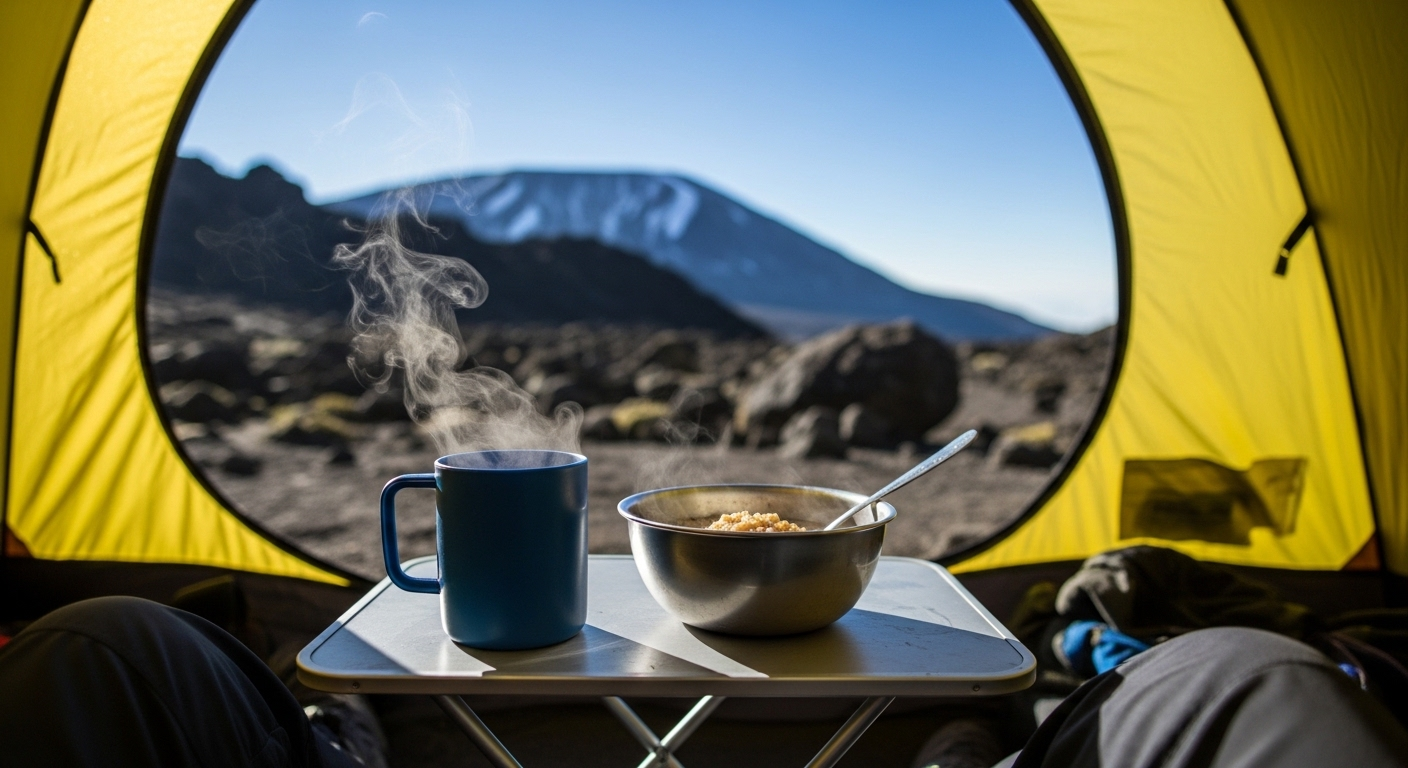
    While on the mountain, all your meals and drinking water are included. Your crew will prepare hot, high energy meals for breakfast, lunch, and dinner. They also boil and purify water from mountain streams, ensuring you have several liters of safe drinking water each day. The package cost also covers the tents, cooking equipment, and all the logistics of moving camp each day.

    The Tour Operator Fee

    This is what’s left after covering all the direct costs like park fees and wages. It covers the operator’s business expenses like marketing, office staff, equipment maintenance, and vehicle costs, plus a modest profit. For a well run company, the profit margin is often only around 5 to 8%. This is why a sustainable Kilimanjaro climb cost cannot be extremely cheap.

    Your Personal Budget: Essential Costs Outside the Package

    Beyond the price you pay your operator, you’ll need to budget for several key expenses to get you to the mountain and properly equipped for the journey.

    International Flights and Airport Transfers

    Airfare is one of the largest external costs. Depending on your origin city and the time of year, round trip flights to Kilimanjaro International Airport (JRO) can range from $800 to $1,500 per person. Choosing the right season can lower fares and improve conditions—see our guide to the best time to climb Kilimanjaro.

    Once you land, you’ll need a transfer to your hotel in Moshi or Arusha. A taxi for the one hour drive costs about $50 to $80 each way. Many mid range packages, like some offered by Duma Explorer, include these airport transfers, adding convenience and value.

    Gear and Clothing
    Kilimanjaro Climb Cost 2026: Full Breakdown + Real Prices

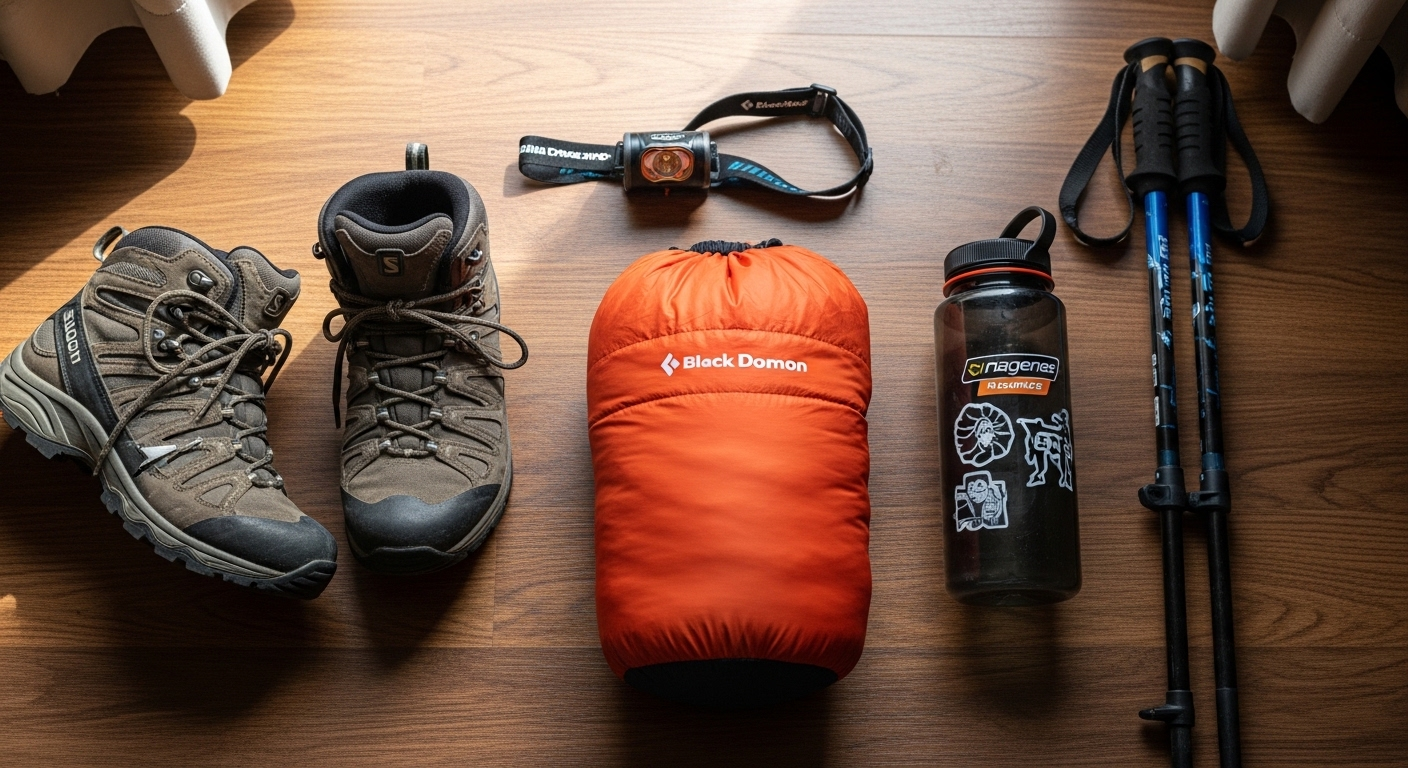
    Having the right gear is crucial for a safe and comfortable climb. If you’re an experienced hiker, you may already own much of what you need. If you’re starting from scratch, you might spend $300 to $800 purchasing essentials like broken in hiking boots, a warm sleeping bag, a down jacket, and layers of thermal clothing. For a complete packing list and training tips, download our Kilimanjaro Guidebook.

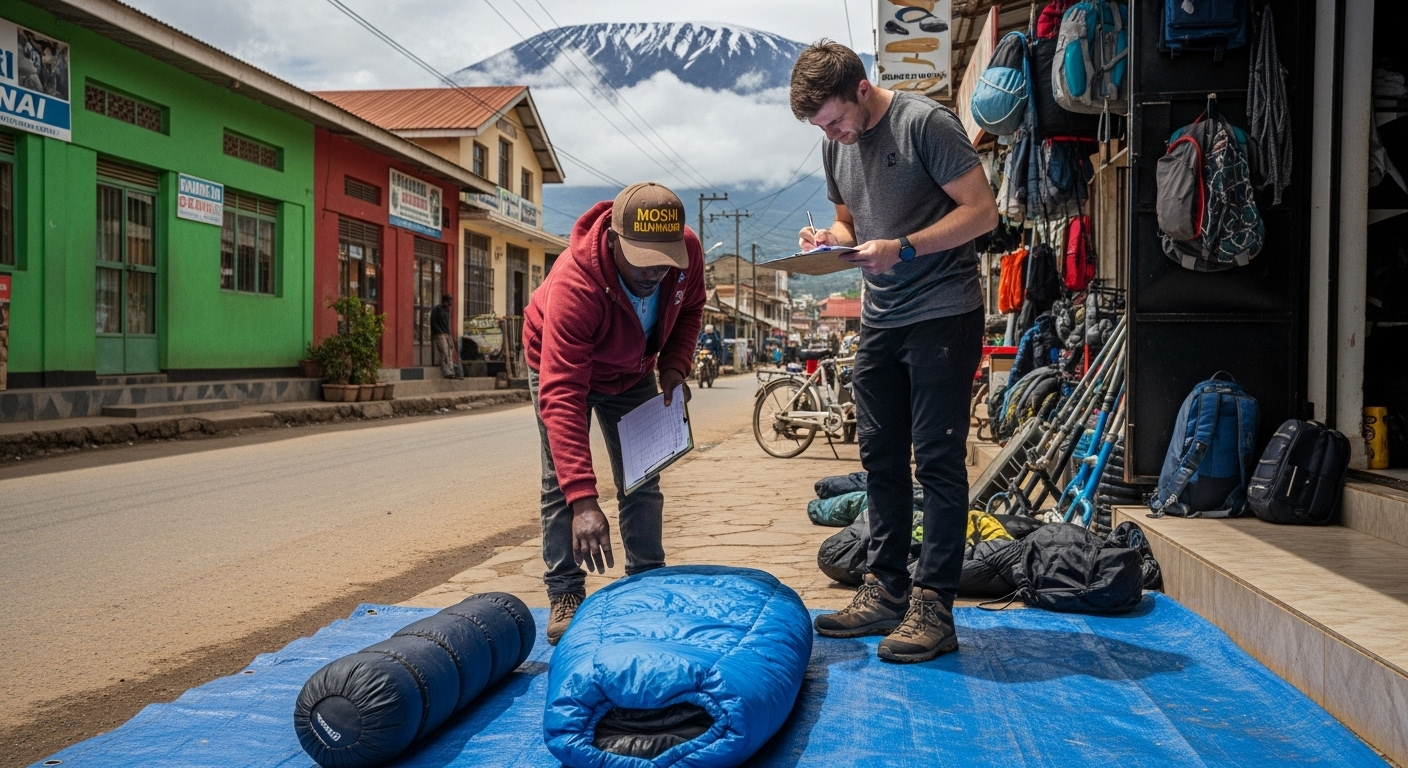
    A great way to reduce this part of your Kilimanjaro climb cost is to rent gear. In Arusha or Moshi, you can rent high quality equipment for a fraction of the purchase price.

    • Warm Sleeping Bag (minus 20°C): ~$20 for the trip

    • Down Jacket: ~$20 for the trip

    • Trekking Poles: ~$10 for the trip

    • Waterproof Pants: ~$10 for the trip

    Tips for Your Guides and Porters

    Tipping is a customary and expected practice on Kilimanjaro. The tips are a significant portion of the crew’s income and a way to show your gratitude for their incredible hard work. A standard guideline is to budget $250 to $350 per climber for the entire trek. This amount is pooled and distributed among the team during a tipping ceremony at the end of the climb.

    Travel Insurance

    Comprehensive travel insurance is essential. Most operators require it. Your policy must cover high altitude trekking up to 6,000 meters and include emergency medical evacuation. A helicopter evacuation from Kilimanjaro can cost $5,000 to $10,000, so this is not a place to cut corners. A suitable policy typically costs between $50 and $150.

    Tanzania Visa Fee

    Most travelers need a visa to enter Tanzania. For most nationalities, a single entry tourist visa costs $50 USD. For U.S. citizens, a multiple entry visa is required and costs $100 USD.

    Vaccinations and Medications

    Consult a travel clinic well before your trip. You may need vaccinations for Yellow Fever, Typhoid, or Hepatitis A, which can cost a few hundred dollars. You will also likely need anti malarial medication and may want a prescription for altitude sickness medication like Diamox.

    Customizing Your Climb: Optional Expenses

    Several optional add ons can adjust your comfort level and final Kilimanjaro climb cost.

    • Pre and Post Climb Accommodation: Most packages include one night in a hotel before and one night after the climb. If you want to arrive earlier or stay longer, budget for extra nights, which can cost $100 or more per night for a mid range hotel.

    • Extra Acclimatization Day: Adding a day to your itinerary to help your body adjust to the altitude is highly recommended. This typically adds $200 to $300 to your cost but significantly boosts your chance of reaching the summit.

    • Single Supplement: If you’re a solo traveler and want a private hotel room (instead of sharing), you may need to pay a single supplement fee of around $50 to $100 per night. On the mountain, most operators will provide a solo climber with their own tent at no extra charge.

    • Portable Toilet: The public toilets at the camps are very basic. For added comfort and hygiene, you can hire a private portable toilet tent for your group for around $100 to $150 for the entire climb.

    The “Hidden” Costs People Often Forget

    Don’t let your budget get derailed by these easily overlooked expenses:

    • The “Tanzania Arrival” Night: Most packages include the night before the climb, but if you arrive at 2 AM, you’ll need an extra night ($80–$150).

    • Post-Climb Celebration: After 7 days of mountain food, you will want a nice dinner and drinks in Moshi ($40–$60).

    • Laundry & Storage: Tipping the hotel staff to store your “safari clothes” or wash your summit gear ($20).

    • Rental Gear Shortfall: If your “waterproof” jacket fails the first rain, renting a replacement on-site costs roughly $30 extra.

    Putting It All Together: Your Total Trip Budget

    So, what is the final, all inclusive Kilimanjaro climb cost? To create a realistic budget, you need to add the operator’s package price to all your personal external costs.

    Cost Component

    Estimated Range

    Climb Package (Mid Range)

    $2,200 – $3,500

    International Flights

    $800 – $1,500

    Crew Tips

    $250 – $350

    Gear (Buy/Rent Mix)

    $200 – $800

    Insurance & Visa

    $150 – $250

    Vaccinations & Meds

    $100 – $300

    Total Estimated Cost

    $3,700 – $6,750

    Most climbers find their total expenses land somewhere between $4,000 and $6,500 for a safe, comfortable, and successful trip. While it’s a significant investment, the experience of watching the sunrise from Uhuru Peak is truly priceless.

    Ready to start planning your adventure? Get a personalized quote from Duma Explorer to see a transparent breakdown of your specific Kilimanjaro climb cost.

    Frequently Asked Questions About the Kilimanjaro Climb Cost

    What is a realistic all in cost to climb Kilimanjaro?

    A realistic all in budget is between $4,000 and $6,500 per person. This covers a quality mid range climb package, international flights, tips for your crew, essential gear, travel insurance, and visa fees.

    Why are some Kilimanjaro climbs so cheap?

    Climbs priced below about $1,800 are a major red flag. Operators achieve these prices by cutting critical costs, most often by underpaying their porters and guides. They may also use old equipment, provide insufficient food, and lack proper safety protocols, putting both you and their crew at risk. To vet companies before you book, see our guide to the best Kilimanjaro tour operators.

    How much cash should I bring for my Kilimanjaro trip?

    You should bring enough cash (preferably in US dollars) to cover tips for your mountain crew ($250 to $350 is a good guideline) and money for personal expenses like souvenirs, meals in town, and drinks. It’s wise to bring a little extra for emergencies.

    Can I save money by booking directly with a local Tanzanian company?

    Yes, booking directly with a reputable local operator can offer better value. It eliminates the commission paid to overseas travel agents, meaning more of your money goes directly into the quality of your climb. Duma Explorer operates its own climbs on the ground in Tanzania through its local entity, ensuring end to end quality control.

    Is the Kilimanjaro climb cost refundable?

    Most operators require a non-refundable deposit (usually 20%). However, park fees are often refundable if cancelled within a specific window. Always check your operator’s 2026 cancellation policy.

    Why did prices go up in 2026?

    Increases are typically driven by adjusted Tanzania National Park (TANAPA) fees and rising fuel costs affecting airport transfers and supply logistics.
  • Zanzibar Best Beaches 2026: Top 5 Picks After Safari

    Zanzibar Best Beaches 2026: Top 5 Picks After Safari

    Zanzibar, the legendary Spice Island off the coast of Tanzania, is synonymous with paradise. Its coastline is a stunning collection of powdery white sands, turquoise waters, and swaying palm trees. So, which are the Zanzibar best beaches? While the perfect beach depends on your travel style, northern spots like Nungwi and Kendwa are famed for their swimmable waters and vibrant sunsets, making them top contenders. This guide will explore these and other idyllic locations, helping you find the perfect, tranquil end to an exhilarating Tanzanian safari adventure.

    At a Glance: Which Zanzibar Beach is Right for You?

    • Best for Swimming (All Day): Nungwi & Kendwa (Minimal tide impact).

    • Best for Adventure & Kitesurfing: Paje (Steady winds and vibrant social scene).

    • Best for Peace & Honeymoons: Pongwe (Secluded cove with private feel).

    • Best for Authentic Culture: Jambiani (Village life and seaweed farms).

    • Best for Snorkeling: Matemwe (Closest access to Mnemba Atoll).

    How to Choose the Right Zanzibar Beach For You

    Finding your perfect slice of paradise depends entirely on your travel style. The island’s diverse coastline caters to everyone from honeymooners to adventurous families. Understanding the character of each region is the first step in planning your trip to the Zanzibar best beaches.

    For Honeymooners and Romantic Getaways

    Couples often seek tranquility and privacy. The northern and northeastern coasts, particularly around Matemwe and the private Mnemba Island atoll, offer secluded resorts and a peaceful atmosphere. These areas are ideal for long walks on near empty beaches and romantic dinners under the stars, making them top contenders for the Zanzibar best beaches for romance.

    For Families

    The east coast beaches, such as Paje and Bwejuu, are protected by an offshore reef, creating calm, shallow lagoons perfect for children. The sand is soft, and the tides create natural pools for exploring. Many resorts in this area are family friendly, offering activities that cater to all ages.

    For Divers, Snorkelers, and Active Travelers

    The northeast coast near Mnemba Atoll is a world renowned marine conservation area, offering some of the best diving and snorkeling in East Africa. For those who love water sports, Paje on the southeast coast is a global hotspot for kitesurfing, thanks to its steady winds and flat water. Planning a trip that combines adventure with relaxation is simple with an expert operator. See our guide on how to fit multiple experiences into one East Africa trip. A custom itinerary from Duma Explorer can seamlessly connect your safari with the perfect beach activity.

    Beach

    Region

    Swimmable at Low Tide?

    Primary Vibe

    Nungwi

    North

    Yes (Deep water)

    Lively & Social

    Kendwa

    Northwest

    Yes (Deep water)

    Luxury & Sunsets

    Paje

    Southeast

    No (Lagoon recedes)

    Kitesurfing & Boho

    Jambiani

    Southeast

    No (Long flats)

    Authentic & Quiet

    Pongwe

    East

    Partial (Sheltered)

    Romantic & Secluded

    Zanzibar Best Beaches: Top 5 to Visit

    While the entire archipelago boasts stunning shorelines, these specific locations represent the pinnacle of what the island has to offer. This curated selection highlights the Zanzibar best beaches, chosen for their unique blend of crystal-clear waters, vibrant local culture, and world-class relaxation.

    1. Nungwi Beach, North Coast

    Nungwi is Zanzibar’s crowd-pleaser: wide powder sands, glassy turquoise water that stays swimmable at all tides, and sunsets that light up the entire horizon. The scene blends lively beach life with a working fishing village where traditional dhows are still crafted by hand.

    Do & see:

    • Swim any time of day thanks to deep, tide-independent water and a gentle gradient.

    • Watch master artisans build wooden dhows and stroll the bustling fishing pier.

    • Sail to Mnemba Atoll for clear-water snorkeling and easy drift dives.

    • Join the sunset ritual with beach bars, drums, and fire pits as the sky goes neon.

    • Choose licensed reef trips and reef-safe sunscreen to keep the lagoon thriving.

    Best for: couples, families, divers | Vibe: lively | When to go: December to March and June to October are prime. April to May are the long rains, and November has short rains. This beach is west facing, making it central for sunsets with minimal tide impact.

    Stay: Zuri (from ~$650/night) offers sustainable design with a private sunset beach, or try Sandies Baobab (from ~$250/night).

    2. Kendwa Beach, The Northwest Coast

    Just south of Nungwi, Kendwa delivers the same deep, tide-independent swimming and cinematic sunsets but at a slightly slower clip until the moon is full, when the party spills onto the sand. Expect postcard water, broad beaches, and that golden evening glow.

    Do & see:

    • Float and swim 24/7 in calm, emerald-turquoise water, so no tide timing is needed.

    • Time your trip for the iconic Full Moon party at Kendwa Rocks.

    • Sail out on a traditional dhow for a pastel-hued sunset cruise.

    • Beach-walk to Nungwi for markets, cafés, and dhow-spotting.

    • Bring a mask: easy off-beach snorkel patches sparkle on clear days.

    Best for: social travelers, luxury seekers, photographers | Vibe: lively | When to go: December to March and June to October are best. April to May are the long rains and November has short rains. It is west facing for nightly sunsets with a negligible tide effect.

    Stay: Zuri Zanzibar (around ~$650/night), which features lush permaculture gardens and design-forward bungalows.

    3. Paje Beach, The East Coast

    Zanzibar Best Beaches 2026: Top 5 Picks After Safari

    Paje is the island’s kitesurfing capital: a wide, white-sand runway fronting a turquoise lagoon, bohemian cafés, and dramatic tidal shifts that transform the seascape hour by hour. It’s active, social, and utterly photogenic.

    Do & see:

    • Learn or level up with top kite schools, which benefit from steady trades and a forgiving lagoon.

    • Wander tidal flats at low tide and glimpse traditional seaweed farming.

    • Hop between barefoot cafés and mellow beach bars with live DJ sunsets.

    • Join guided reef walks or lagoon snorkels timed to mid to high tide.

    • Respect farming plots and check daily tide charts to plan swims.

    Best for: kitesurfers, adventurous travelers, photographers | Vibe: lively/boho | When to go: June to September (prime winds) and December to February. April to May are the long rains and November has short rains. It is east facing for sunrises, with swimming best around mid to high tide.

    Stay: Zanzibar White Sand Luxury Villas (from ~$600/night) has a private kite club and expansive beachfront.

    4. Jambiani Beach, Southeast Coast

    South of Paje, Jambiani slows the tempo without skimping on beauty: a long, palm-fringed shoreline, shallow turquoise lagoons, and a warm village rhythm shaped by fishing and seaweed farming. It’s authentic, easygoing, and blissfully uncrowded.

    Do & see:

    • Stroll the tidal flats, watching seaweed farmers at work as colors shift with the sun.

    • Snorkel quiet lagoons by traditional dhow, timing outings to higher tides.

    • Cycle the coast road and pause for chapati, chai, and Swahili hospitality.

    • Kitesurf steadier stretches with fewer kiters than Paje.

    • Dine at eco-minded, barefoot restaurants serving just-caught seafood.

    Best for: slow travelers, photographers, budget seekers | Vibe: boutique/laid back | When to go: June to October and December to February shine. April to May are the long rains and November has short rains. It has east facing sunrises and big tide swings, so plan swims accordingly.

    Stay: Sharazād Boutique Hotel (from ~$220/night) is eco-certified, intimate, and right on the sand.

    5. Pongwe Beach, Central East Coast

    Zanzibar Best Beaches 2026: Top 5 Picks After Safari

    Tucked into a palm-curved cove, Pongwe feels like a private island: powder-soft sand, unusually calm, glass-clear water, and quiet days defined by hammock time and the rustle of fronds. Vendors are scarce, serenity abundant.

    Do & see:

    • Swim in a protected, crescent-shaped bay that often stays tranquil even when winds rise.

    • Poke through rock pools at low tide for tiny coral gardens and darting fish.

    • Sail by dhow to Michamvi’s lagoon or simply chase sunrises from the shore.

    • Read, nap, repeat. This is the place to truly unplug.

    • Pack reef shoes for low-tide exploring along the cove’s edges.

    Best for: honeymooners, peace seekers, solitude lovers | Vibe: boutique/serene | When to go: June to October and December to March are best. April to May are the long rains and November has short rains. This is a sunrise coast with notable tide swings, though the cove stays relatively sheltered.

    Stay: Pongwe Beach Hotel (from ~$250/night) is an intimate, palm-fringed cove, or you can try Tulia Resort.

    Don’t Skip Stone Town: The Gateway to the Beaches

    Before heading to the coast, spend at least 24 hours in Stone Town, a UNESCO World Heritage site. Wander the labyrinthine alleys, visit the Darajani Market, and enjoy a rooftop dinner at Emerson Spice. It provides the cultural context that makes the beaches even more meaningful.

    • Pro Tip: Take a “Spice Tour” on your way from Stone Town to the northern beaches to see why Zanzibar is called the Spice Island.

    Best Time to Visit Zanzibar’s Beaches

    Timing your visit can significantly enhance your experience of the Zanzibar best beaches. The island has two main dry seasons which are considered the best times to travel.

    • June to October: This is the long, cool dry season. You can expect clear blue skies and plenty of sunshine, making it the most popular time for a beach holiday.

    • December to February: This is a shorter, hot dry season. It’s another excellent window for visiting, though it can be more humid.

    While travel is possible year round, the two rainy seasons are the “long rains” from March to May and the “short rains” in November. During these periods, you can expect heavy afternoon downpours, though you may also find fewer crowds and lower prices. If you’re pairing your beach time with a mainland safari, see our guide to the best time to visit Tanzania for safari.

    Essential Beach Tips for Your Trip

    A little preparation ensures your visit to Zanzibar’s beaches is smooth and enjoyable. Keep these practical tips in mind.

    What to Pack

    • Clothing: Pack light, breathable clothing. Include swimwear, cover ups, and a hat. For evenings or visiting villages like Stone Town, bring modest attire (clothing that covers shoulders and knees) out of respect for the local culture.

    • Footwear: Sandals and flip flops are perfect for the beach, but reef shoes are highly recommended to protect your feet from sea urchins and sharp coral, especially at low tide.

    • Health: Bring reef safe sunscreen to protect the fragile marine ecosystem, along with insect repellent for the evenings.

    Safety and Etiquette

    • Tides: The tidal range on the east coast is dramatic. At low tide, the water can recede for over a kilometer, revealing a fascinating world of rock pools and seaweed farms. Be mindful of the tide times for swimming.

    • Respect Local Culture: Zanzibar is a predominantly Muslim region. While beachwear is perfectly acceptable at resorts, it’s important to dress conservatively when visiting local villages or public areas. Learn more about Tanzania’s cultural heritage.

    • Bargaining: Haggling is a common practice in markets and with souvenir sellers. Approach it with a friendly and respectful attitude.

    Navigating local customs and logistics is much easier with a trusted partner. As a Travelife Certified operator, Duma Explorer provides comprehensive pre trip guides to ensure you are well prepared for your journey.

    Your Zanzibar Beach Escape Awaits

    From the serene shores of the north to the active lagoons of the southeast, the Zanzibar best beaches offer an idyllic setting to unwind after the adventure of a lifetime. A Serengeti safari tour followed by a few days of coastal relaxation is a classic East African combination for a reason. It perfectly balances thrilling wildlife encounters with pure, sun soaked bliss.

    Ready to find your perfect spot on the sand? Explore custom safari and beach itineraries with the experts at Duma Explorer.

    Frequently Asked Questions About Zanzibar’s Beaches

    Which side of Zanzibar has the best beaches?

    This depends on your preference. The north coast (Nungwi and Kendwa) has stunning, less tidal beaches. The east coast (Paje, Bwejuu, Matemwe) is known for its vast white sands, coral reef, and dramatic tides, creating beautiful shallow lagoons. Many consider the combination of scenery and activities on the east and north coasts to be where you find the Zanzibar best beaches.

    How many days do you need for Zanzibar?

    A stay of 4 to 7 days is ideal to experience a few of the Zanzibar best beaches, explore historic Stone Town, and enjoy some water activities without feeling rushed. It’s the perfect length for an add on after a 5 to 10 day safari.

    Can I combine a Tanzania safari with a trip to Zanzibar’s best beaches?

    Absolutely. Combining a wildlife safari in parks like the Serengeti and Ngorongoro Crater with a relaxing beach stay in Zanzibar is one of the most popular and rewarding travel experiences in Africa. Tour operators like Duma Explorer specialize in creating seamless safari and beach packages.

    Is Zanzibar safe for tourists?

    Yes, Zanzibar is widely considered a safe destination for tourists. Standard travel precautions are recommended, such as being aware of your surroundings and securing your valuables. Booking with a reputable, well established operator ensures you have on the ground support.

    What is the best beach in Zanzibar for swimming?

    Kendwa Beach in the north is often cited as the best for swimming. The tide has a much smaller impact here, meaning you can swim in the clear, calm water at almost any time of day.

  • Best Moshi Kilimanjaro Climb Operator Guide (2026)

    Best Moshi Kilimanjaro Climb Operator Guide (2026)

    Climbing Mount Kilimanjaro is a life changing adventure, a journey that takes you through five distinct climate zones to the roof of Africa. Your expedition begins long before you set foot on the trail, it starts with choosing the right partner for the journey. Since virtually all treks start here, selecting the best moshi kilimanjaro climb operator is the single most important decision you will make. This guide walks you through everything you need to know to find a safe, ethical, and experienced operator who will turn your dream of summiting into a reality.

    At a Glance: Kilimanjaro Route Comparison (2026)

    Route

    Duration

    Success Rate

    Difficulty

    Best For

    Northern Circuit

    9 Days

    95% – 98%

    Medium

    Highest Success Chance

    Lemosho

    7-8 Days

    90% – 95%

    Medium

    Scenic Beauty

    Machame

    7 Days

    85% – 90%

    High

    “Climb High, Sleep Low”

    Rongai

    6-7 Days

    75% – 80%

    Low

    Rainy Season Climbing

    Marangu

    5-6 Days

    55% – 65%

    Low

    Why Moshi is the Perfect Base for Your Kilimanjaro Climb

    Best Moshi Kilimanjaro Climb Operator Guide (2026)

    Nestled at the foot of the mountain, the vibrant town of Moshi is the undisputed gateway to Kilimanjaro. Its strategic location is the primary benefit, providing convenient access to all the main trailheads.

    Your journey from Kilimanjaro International Airport (JRO) to your hotel in Moshi is straightforward. Most reputable operators include a JRO airport transfer in their packages, ensuring a smooth and stress free arrival after your long flight. This pre climb day in Moshi is invaluable. It gives you time to rest, acclimatize to the new time zone, and prepare for the adventure ahead.

    Moshi is also a logistical hub. If you realize you’re missing a crucial piece of gear, there is no need to panic. The town has numerous shops offering gear rental in Moshi, where you can find everything from sub zero sleeping bags to trekking poles. After your pre climb briefing, your guide will help you sort out any last minute rentals. You can also arrange for luggage storage in Moshi at your hotel, allowing you to leave behind city clothes and valuables, taking only what you need up the mountain.

    The proximity to the park gates is a key advantage. The distance from Moshi to the various gates ranges from a 45 minute drive to Marangu or Machame to a few hours for the more remote Lemosho or Rongai trailheads. A good moshi kilimanjaro climb operator handles all this transportation, making your first morning seamless.

    The Ultimate Checklist: How to Select Your Moshi Kilimanjaro Climb Operator

    With hundreds of companies to choose from, it can be overwhelming to pick the right one. Focus on these key criteria to narrow down your search for a quality moshi kilimanjaro climb operator.

    Kilimanjaro Safety Standards: WFR Certification and Emergency Protocols

    Your safety on the mountain is paramount. A top operator invests heavily in safety protocols and guide training.

    • Guide Certification: Look for operators whose guides are WFR certified. Wilderness First Responder (WFR) is an 80 hour advanced medical certification that equips guides to handle emergencies in remote settings. An operator like Duma Explorer, whose lead guides are WFR certified, demonstrates a serious commitment to your wellbeing.

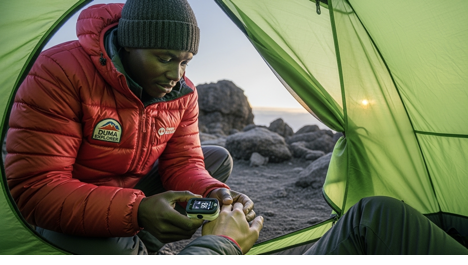
    • Health Monitoring: Your crew should conduct daily health monitoring. This often involves checking your oxygen saturation with a pulse oximeter and asking specific questions about altitude sickness symptoms. This proactive approach catches issues early.

    • Emergency Plan: Ask about the company’s emergency evacuation plan. They should have emergency oxygen, a comprehensive first aid kit, and reliable communication (like a satellite phone or radio). They must have a clear procedure for getting climbers down the mountain quickly and safely, whether by foot, stretcher, or helicopter. Annually, around 1,000 climbers are evacuated from Kilimanjaro, underscoring the importance of a solid plan.

    • Guide to Climber Ratio: A good guide to climber ratio, especially on summit night, is crucial. A smaller ratio means more personal attention. Some of the best operators, including Duma Explorer, provide a 1:1 guide to climber ratio on summit day for their small groups. This ensures that if you are struggling, you have a dedicated professional to assist you, while the rest of the group continues.

    Ethical Operations: Porter Welfare and Sustainability

    The porters are the heart and soul of every Kilimanjaro expedition. Choosing an operator that treats them fairly is not just the right thing to do, it also results in a happier, more motivated team.

    • KPAP Membership: The Kilimanjaro Porters Assistance Project (KPAP) is a Tanzanian nonprofit that advocates for the fair treatment of porters. An operator with KPAP membership is independently audited to ensure they meet strict standards. These include paying fair wages, providing three meals a day, ensuring porters have proper shelter, and strictly enforcing the 20 kg (44 lbs) weight limit for their loads.

    • Porter Welfare Standard: A responsible moshi kilimanjaro climb operator adheres to a high porter welfare standard. Porters working for KPAP affiliated companies earn significantly more than those with non affiliated operators. Duma Explorer is proud to be a founding KPAP partner, demonstrating a long standing commitment to ethical treatment.

    • Sustainability: Look for an operator with a proven commitment to sustainability. This includes practicing Leave No Trace principles, reducing waste, and supporting the local community. Certifications like Travelife are a strong indicator of a company’s dedication to responsible tourism. This commitment to local ownership and sustainability ensures your trip has a positive impact.

    Credentials and Reputation

    A company’s track record speaks volumes.

    • TANAPA License: Ensure your operator is fully licensed by the Tanzania National Parks (TANAPA). This is a legal requirement to operate on the mountain.

    • Summit Success Rate: While no one can guarantee a summit, a high summit success rate is a good indicator of an operator’s expertise in acclimatization and pacing. Success rates on 8 day climbs (often 90% or higher) are significantly better than on rushed 5 day climbs (around 50%).

    • Reviews: Read recent, independent reviews on platforms like TripAdvisor (see Duma Explorer’s reviews). Look for consistent praise regarding guides, safety, food, and equipment.

    Transparency in Pricing and Inclusions

    You get what you pay for on Kilimanjaro. Rock bottom prices often mean corners are being cut, usually at the expense of porter welfare or safety equipment.

    A reputable operator provides transparent pricing. The total climb cost can range from around $2,000 to over $4,000. This price should clearly outline every package inclusion. Typically, this covers park fees (which alone are about $800 to $900 per person for a week), crew salaries, all meals on the mountain, and group camping equipment. Check if airport transfers and hotel nights in Moshi are included.

    Understanding the Investment: 2026 Cost Breakdown

    In 2026, a high-quality Moshi-based climb typically ranges from $2,400 to $3,200. Avoid “budget” operators offering prices under $1,800, as these often compromise on safety and ethical porter treatment.

    Expense Category

    Estimated Cost (USD)

    Notes

    Mandatory Park Fees

    $800 – $1,100

    Includes conservation, rescue, and camping fees.

    Crew Wages & Food

    $600 – $900

    High-quality operators pay above minimum wage.

    Equipment & Logistics

    $300 – $500

    Tents, oxygen, pulse oximeters, and transport.

    Moshi Hotel & Transfers

    $150 – $300

    Usually includes 2 nights and JRO pickup.

    Estimated Total

    $2,400+

    Excludes flights, visas, and tips.

    Planning Your Climb: From Booking to Briefing

    Once you have chosen your moshi kilimanjaro climb operator, the next phase of planning begins.

    The Booking Process Explained

    The booking process is usually straightforward. After an initial consultation to select your route and dates, you will receive a quote. To confirm, you will fill out a booking form and pay a deposit, typically 25% of the total cost. The operator will then send a confirmation packet with your itinerary, a packing list, and training advice.

    Arriving in Tanzania: Visas and Health

    Before you travel, you will need to sort out your documents. The visa requirement for Tanzania can often be fulfilled with an e visa or a visa on arrival, depending on your nationality. Also, check the yellow fever requirement; proof of vaccination may be needed if you are arriving from a country with risk of yellow fever transmission.

    The Pre Climb Briefing and Gear Check

    The day before your trek, your guide will conduct a detailed pre climb briefing. This is a vital meeting where you will review the itinerary, discuss safety protocols, and meet your fellow climbers.

    Following the briefing is the gear check. Your guide will go through your equipment piece by piece to ensure you have everything you need for the cold and variable conditions on the mountain. This is the moment to identify any missing items that you can rent in Moshi.

    Best Time to Climb Kilimanjaro in 2026

    While you can climb year-round, timing your trek is vital for safety and visibility.

    • Dry Season (Best): Late June to October and late December to early March. Expect clear skies and the best summit conditions.

    • Shoulder Season (Good): June and October offer fewer crowds but a slight risk of rain.

    • Rainy Season (Avoid): April, May, and November. Trails become slippery and visibility at the summit is often poor.

    Life on the Mountain: Routes, Acclimatization, and Comfort

    The experience on the mountain is shaped by the route you choose, how well you acclimatize, and the quality of your operator’s camp setup.

    Comparing Kilimanjaro Routes: Which Path Should You Choose in 2026?

    Several excellent route options start from Moshi, each offering a unique experience:

    • Machame Route: Known as the “Whiskey” route, it’s very scenic and popular, with great acclimatization. Typically 6 or 7 days.

    • Lemosho Route: Often considered the most beautiful route, it offers a quieter start and excellent acclimatization over 7 or 8 days.

    • Northern Circuit: The longest and newest route (9 days), it offers a 360 degree tour of the mountain with the highest success rates.

    • Rongai Route: The only route approaching from the drier northern side, making it a good choice during the rainy season.

    • Marangu Route: The “Coca Cola” route is the only one with hut accommodations instead of tents.

    The Key to Success: Your Acclimatization Strategy

    Best Moshi Kilimanjaro Climb Operator Guide (2026)

    Proper acclimatization is the most critical factor for summit success. A good acclimatization strategy involves going “pole pole” (slowly, slowly), drinking plenty of water, and choosing a longer itinerary. Routes like Machame and Lemosho are designed with a “climb high, sleep low” profile, where you trek to a higher altitude during the day before descending to sleep. This significantly improves your body’s adjustment to the thin air.

    Camp Life: Equipment Quality and Meal Plans

    Your comfort at camp plays a huge role in your overall energy and morale. High equipment quality means waterproof, four season mountain tents and thick, comfortable sleeping mats. The meal plan should be designed to give you the energy you need, with plenty of carbohydrates and hot, nutritious meals. A top operator ensures all drinking water is purified and can cater to dietary restrictions.

    Partner with a Top Moshi Kilimanjaro Climb Operator

    Choosing the right moshi kilimanjaro climb operator is the foundation of a safe and successful climb. An operator that prioritizes guide training, porter welfare, and transparent communication demonstrates a deep respect for the mountain and the people who make your journey possible. By doing your research and asking the right questions, you can find a partner who will support you every step of the way to Uhuru Peak.

    For a team that embodies all these qualities, from WFR certified guides to a founding partnership with KPAP, consider planning your climb with Duma Explorer.

    Frequently Asked Questions About Choosing a Moshi Kilimanjaro Climb Operator

    What is the most important factor when choosing an operator?
    Safety is the number one factor. Look for an operator with WFR certified guides, daily health checks, and a comprehensive emergency evacuation plan. After safety, ethical practices, especially porter welfare as verified by KPAP membership, are crucial.

    How much should a Kilimanjaro climb from Moshi cost?
    For a quality, mid range 7 to 8 day climb, you should budget between $2,200 and $3,000 per person. Be cautious of prices significantly below $1,800, as this often indicates that a moshi kilimanjaro climb operator is cutting costs on safety equipment or porter wages.

    Why is KPAP membership so important?
    KPAP membership is your guarantee that an operator treats its porters ethically. KPAP partners are independently monitored to ensure they provide fair wages, safe working conditions, proper meals, and adhere to strict weight limits. This ensures your adventure does not come at the expense of the crew’s wellbeing.

    What is a realistic summit success rate to expect?
    Success rates depend heavily on the route duration. For longer 8 or 9 day routes like Lemosho or the Northern Circuit, a good operator will have success rates above 90%. For shorter 5 or 6 day routes, the rate drops significantly. Always favor a longer itinerary to maximize your chances.

    How far in advance should I book my climb?
    It is best to book your climb 3 to 6 months in advance, especially if you are traveling during the peak seasons (June to September and December to February). This ensures you get your preferred dates and allows the best guides to be secured for your trip.

    Can I climb Kilimanjaro without a guide or operator?
    No, it is a legal requirement of the Tanzania National Parks that all climbers must be accompanied by a licensed guide. Trekking independently on Kilimanjaro is not permitted. Therefore, selecting a professional moshi kilimanjaro climb operator is a mandatory step.

    What happens to my extra luggage in Moshi?
    All reputable operators and hotels in Moshi offer secure luggage storage. You will pack what you need for the mountain into a duffel bag (carried by a porter) and a daypack, and leave your remaining suitcases and valuables safely in storage until you return.

    Should I choose a local or international operator?
    Booking with a reputable, locally based operator like Duma Explorer often provides the best value and supports the local economy directly. They have on the ground control over the quality of guides, equipment, and logistics, ensuring a smoother experience from start to finish. You can explore their well planned itineraries on their website.

  • Rwanda Gorilla Trekking 2026: Permits, Costs & How to Book

    Rwanda Gorilla Trekking 2026: Permits, Costs & How to Book

    Imagine hiking through a lush, misty volcanic forest, the air thick with the scent of earth and vegetation. Your guide signals for silence. And then, through the dense bamboo, you see them: a family of mountain gorillas, calm and powerful in their natural home. This is the heart of a Rwanda gorilla trekking adventure, a truly once in a lifetime wildlife encounter.

    Planning this incredible journey involves a few key steps, starting with the all important gorilla permit. This guide breaks down everything you need to know, from booking your permit to what to pack, ensuring you’re fully prepared for an unforgettable experience in Volcanoes National Park. For a deeper packing and prep checklist, see our guide on how to prepare for an unforgettable Rwanda gorilla trekking adventure.

    Quick Facts: Rwanda Gorilla Trekking 2026

    • Permit Cost: USD $1,500 (International Tourists).

    • Location: Volcanoes National Park (Musanze/Kinigi).

    • Daily Permit Limit: 112 permits (14 habituated families x 8 people).

    • Minimum Age: 15 years old.

    • Trek Duration: 2 to 7 hours (depending on gorilla movement).

    • Best Time to Visit: June–September (Long Dry Season) and December–February (Short Dry Season).

    To secure a 2026 gorilla permit, you must book 3 to 6 months in advance via a licensed tour operator or the Rwanda Development Board (Irembo platform).

    Understanding the Gorilla Permit

    A gorilla permit is more than just an entry ticket; it’s a critical piece of a world class conservation strategy. Let’s explore what it is, why it costs what it does, and what your investment covers.

    Why Your Permit Matters (And What It Costs)

    A gorilla permit is an official document that allows you one hour of observation with a specific, habituated gorilla family. In Rwanda, a permit costs USD $1,500 per person. While this might seem steep, the price is part of a deliberate low volume, high value tourism model designed to protect the gorillas and their habitat.

    The revenue generated from these permits is the lifeblood of mountain gorilla conservation. A significant portion of the fee funds anti poaching patrols, veterinary care for the gorillas, and the salaries of the dedicated park rangers and trackers who protect them. Furthermore, 10% of the revenue from every permit is invested directly into the local communities surrounding Volcanoes National Park. This funding builds schools and health clinics, giving local people a direct stake in conservation and transforming many former poachers into passionate protectors of the wildlife.

    What’s Included in the Permit Fee?

    When you purchase your permit for a Rwanda gorilla trekking experience, you are covering the core essentials for the day. Your permit fee includes:

    • Park entrance fees for Volcanoes National Park.

    • The service of professional, expert guides and trackers who lead you through the forest.

    • Security from armed park rangers who accompany every group.

    • The incredible privilege of spending one hour with a mountain gorilla family.

    It’s important to note what is not included. The permit does not cover your transportation to the park headquarters, your accommodation, or your meals. It also doesn’t include optional costs like hiring a local porter, which typically costs around $15 to $20 and is highly recommended.

    Expense Category

    Estimated Cost (USD)

    Notes

    Gorilla Permit

    $1,500

    Fixed price for 2026.

    Mid-Range Lodge

    $300 – $600

    Per night, full board.

    Luxury Lodge

    $1,200 – $3,500+

    Per night (e.g., Bisate or Singita).

    Private Transport

    $150 – $250

    Per day (Vehicle + Driver/Guide).

    Porter Fee

    $15 – $20

    Highly recommended (plus tips).

    Gratuities

    $20 – $50

    For rangers and trackers.

    How to Plan and Book Your Gorilla Trek

    With a limited number of permits available each day, planning ahead is essential. Here’s how to navigate the booking process and understand the key policies.

    Booking Your Permit

    Securing your gorilla permit should be the first step in planning your trip. You have two main options:

    1. Book Through a Licensed Tour Operator: This is the easiest and most recommended method. An experienced operator like Duma Explorer can handle all the logistics on your behalf, often as part of a complete safari package. They navigate the booking system and secure your preferred dates, which is especially helpful during peak season. If you’re building a multi‑country itinerary, start with our complete safari planning guide.

    2. Book Directly with the Rwanda Development Board (RDB): It is possible to book online directly through the RDB. You will need to provide your full name, passport information, and preferred date, and make the full payment upfront to reserve your spot.

    Daily Permit Availability

    Permit availability is intentionally scarce to minimize the impact on the gorillas. Volcanoes National Park has 12 habituated gorilla families open to tourists. With a strict limit of just 8 visitors per gorilla family each day, Daily permit capacity was raised from 96 to 112 in 2024.

    Because of this small number, it is crucial to book your Rwanda gorilla trekking permit at least 3 to 6 months in advance, especially if you plan to travel during the popular dry seasons (June to mid-September) or holidays. If you’re comparing Rwanda with Uganda, see our Bwindi gorilla trekking guide to understand differences in terrain, costs, and permit availability.

    Cancellation Policy and Age Limit

    Gorilla permit policies are very strict. In Rwanda, permits are generally non refundable if you cancel your trip. They are issued for a specific person on a specific date and cannot be easily transferred. Because of this, purchasing comprehensive travel insurance that covers trip cancellation is a smart move.

    There is also a firm age limit. To participate in gorilla trekking, you must be at least 15 years old. This rule is in place for safety reasons and to protect the gorillas from potential disease transmission from younger children.

    Which Gorilla Family Will You Trek?

    While you cannot pre-book a specific family, you can request a “short” or “long” hike during the morning briefing. Notable families include:

    • Susa A: The most famous (studied by Dian Fossey), usually a challenging, high-altitude trek.

    • Sabyinyo: Often easier to find, inhabiting the slopes between Mt. Sabyinyo and Mt. Gahinga.

    • Agashya: Known for a large number of members (often 25+).

    • Kwitonda: A migratory group that occasionally moves toward the DRC border.

    Your Day in Volcanoes National Park

    What is a day of Rwanda gorilla trekking actually like? It’s an early start, an exhilarating hike, and an awe inspiring reward.

    Rwanda Gorilla Trekking 2026: Permits, Costs & How to Book

    A Typical Trekking Itinerary

    Your day begins early, around 7:00 AM, at the Volcanoes National Park headquarters in Kinigi. Here, you’ll register, show your passport and permit, and be assigned to a gorilla family and a group of no more than eight trekkers.

    After a detailed briefing on the rules and what to expect, you will drive to the trailhead. From there, the real adventure begins. You’ll hike through the stunning forest, led by expert guides who cut paths through the dense vegetation. The hike itself can be challenging, involving steep slopes and muddy terrain.

    The duration and difficulty vary. A Rwanda gorilla trekking experience Trekking can be between 90 minutes and 6 hours, depending on the gorilla family assigned, though it can be longer depending on where the gorillas are. The park’s altitude ranges from 2,400 to 4,507 meters, so the air is thin, but the guides maintain a slow, steady pace for the group. For practical acclimatization tips and symptoms to watch for, see our guide to dealing with altitude sickness on Mount Kilimanjaro. Much of the advice applies to high‑altitude treks like this one. Once you find the gorilla family, you will spend one magical hour observing them before hiking back.

    Rules and Regulations for a Safe Encounter

    To ensure the safety of both visitors and gorillas, you must follow a strict set of rules:

    Your guides will review all these rules during the morning briefing. Following their instructions is essential for a safe and respectful experience.

    What to Pack for Your Trek

    Rwanda Gorilla Trekking 2026: Permits, Costs & How to Book

    Dressing appropriately will make your hike much more comfortable. Your packing list should include:

    • Sturdy, waterproof hiking boots with good ankle support.

    • Long sleeved shirt and long pants to protect against scratches and insects.

    • A rain jacket or poncho, as the weather can change quickly.

    • Layers of clothing, like a fleece, for chilly mornings.

    • Gardening gloves to protect your hands from thorny plants.

    • A daypack to carry water, snacks, and your camera.

    • Sunscreen, a hat, and insect repellent.

    If your itinerary includes game drives before or after your trek, check out our quick tips for ladies heading on a safari adventure for versatile outfit ideas that pack light and work across East Africa. Hiring a porter is a fantastic idea. For a small fee, they will carry your backpack and offer a helping hand on difficult sections of the trail, making your Rwanda gorilla trekking journey more enjoyable while also supporting the local community.

    If you’re ready to turn this dream into a reality, planning a seamless adventure is key. The team at Duma Explorer specializes in crafting custom safaris across East Africa, taking care of everything from securing gorilla permits to arranging the perfect lodges. After your trek, unwind on the Swahili Coast; here are the best things to do in Stone Town if you add a Zanzibar stop.

    Plan Your 2026 Rwanda Adventure

    Securing permits is the hardest part of the process. Duma Explorer handles the Irembo booking system, local transportation from Kigali, and luxury lodge placements so you can focus on the encounter.

    Expert Tip: In 2026, Rwanda continues to offer a 30% discount ($1,050) on permits if you visit two other Rwandan National Parks (Akagera and Nyungwe) during the low season (Nov–May).

    Frequently Asked Questions About Rwanda Gorilla Trekking

    How much does a permit for Rwanda gorilla trekking cost?

    A single gorilla trekking permit in Rwanda costs USD $1,500 per person for all international visitors. This fee directly supports conservation and local community development.

    How far in advance do I need to book my permit?

    It is highly recommended to book your permit at least 3 to 6 months in advance, especially for travel during the peak seasons from June to September. Due to the limited number of daily permits (only 96), they sell out quickly.

    What is the minimum age for gorilla trekking in Rwanda?

    The minimum age for gorilla trekking is 15 years old. This rule is strictly enforced to ensure the safety of both the trekkers and the gorillas.

    Is Rwanda gorilla trekking difficult?

    The trek is considered moderately difficult. Hikes can last from 2 to 4 hours on steep, muddy terrain at high altitudes. However, rangers assign gorilla families based on the perceived fitness of the group, and hiring a porter can make the experience much more manageable.

    Can I go gorilla trekking if I am sick?

    No. If you have any symptoms of a contagious illness, like a cold or flu, you will not be permitted to join the trek. This is a critical measure to protect the gorillas, who are highly susceptible to human diseases.

    What is the best time of year for Rwanda gorilla trekking?

    Gorilla trekking can be done year round. However, the best time is during the two dry seasons: from June to September and from December to February. During these months, the trails are less muddy and the hiking is generally easier. If you’re coordinating gorilla trekking with a wider safari, use our guide on how to choose the best time for your African safari adventure.

    What happens during the one hour with the gorillas?

    You will quietly observe the gorilla family as they go about their daily lives. You may see them foraging for food, grooming each other, or playing. The silverback often keeps a watchful eye while youngsters tumble and interact. It is a peaceful and deeply moving experience.

    A Rwanda gorilla trekking trip is more than a vacation; it’s a powerful connection with nature and a direct contribution to the survival of one of our planet’s most magnificent creatures.

    Ready to start planning? Contact Duma Explorer to design a custom safari that combines the thrill of gorilla trekking with other incredible East African adventures. For route ideas and timing, read our guide to the Great Migration in East Africa.

  • Duma Explorer Reviews From Past Climbers 2026: What to Know

    Duma Explorer Reviews From Past Climbers 2026: What to Know

    Planning a Kilimanjaro climb can feel overwhelming. With countless operators to choose from, how do you find the one that ensures a safe, successful, and unforgettable adventure?

    The single most powerful tool you have is the experience of those who have gone before you. By diving into Duma Explorer reviews from past climbers, a clear picture emerges. Reviews consistently reveal that exceptional guides, flawless logistics, and a deep commitment to crew welfare are what make a top-tier expedition and lead to overwhelmingly positive feedback.

    This guide breaks down the essential elements of a Kilimanjaro trek, from the quality of your guides to the food you eat on the mountain. We will explore what makes or breaks a climb, using insights from real traveler experiences to illustrate why details matter and how a company like Duma Explorer consistently earns outstanding feedback.

    Kilimanjaro Route Comparison & Success Rates 2026

    While reviews provide the “feeling” of the climb, these statistics from 2025-2026 data explain why Duma Explorer emphasizes longer itineraries for safety and success.

    Route

    Recommended Days

    Average Success Rate

    Best For

    Northern Circuit

    9 Days

    95% – 98%

    Maximum acclimatization & solitude

    Lemosho Route

    8 Days

    90% – 95%

    Most scenic views & great balance

    Machame Route

    7 Days

    85% – 90%

    “Climb high, sleep low” classic

    Rongai Route

    6-7 Days

    80% – 85%

    Drier weather (great for rainy season)

    Marangu Route

    5-6 Days

    50% – 70%

    Hut sleeping (challenging success rate)

    The Foundation: Flawless Planning and Communication

    Before you even set foot in Tanzania, the quality of your trip is being determined. The best climbs are built on a foundation of excellent planning and seamless logistics, a theme that appears consistently in Duma Explorer reviews from past climbers.

    Communication and Planning

    This is all about the pre trip coordination. It means getting clear, prompt answers to your questions and feeling supported as you prepare. An experienced operator helps you choose the right route, create a proper acclimatization schedule, and understand the gear you need. With nearly 50,000 people attempting the summit each year, booking with a responsive company is key. Duma Explorer’s dual presence in the U.S. and Tanzania simplifies this process, offering easy communication across time zones so you arrive fully prepared.

    Logistic Coordination

    Behind every smooth trip is a mountain of logistical work. This includes arranging airport pickups, hotel stays, park permits, and all your crew and supplies. Park fees alone can make up a significant portion of your climb’s cost, sometimes nearly 75%, and a reliable operator handles all these payments seamlessly. When you arrive at camp exhausted after a long day of hiking, your tent is already pitched and a hot meal is waiting. This clockwork precision is a hallmark of good logistic coordination and a frequent point of praise in reviews.

    Life on the Mountain: The Crew That Makes the Climb

    Duma Explorer Reviews From Past Climbers 2026: What to Know

    Guide Quality

    Expert Guide Certifications: More Than Just a Path-Finder

    Reviews from past climbers consistently highlight that a Duma Explorer guide is a medical professional first. On Kilimanjaro, safety isn’t a luxury—it’s the baseline.

    • WFR Certification: All lead guides are Wilderness First Responder (WFR) certified, with the most recent recertification cycle completed in early 2026.

    • Daily Health Checks: Using pulse oximeters and ALTECO (Altitude Sickness) scoring, guides monitor your oxygen saturation and heart rate twice daily.

    • Emergency Equipment: Every expedition carries emergency oxygen and a comprehensive medical kit, ensuring that “pole pole” (slowly, slowly) isn’t just a mantra, but a monitored health strategy.

    Porter Treatment

    The unsung heroes of every Kilimanjaro climb are the porters. They carry the gear, food, and equipment that make your journey possible. Ethical porter treatment has become a crucial measure of a responsible operator. This means fair wages, proper meals, adequate shelter, and respectful load limits.

    The Kilimanjaro Porters Assistance Project (KPAP) is a Tanzanian NGO that audits operators to ensure they meet high standards of porter welfare. To be a KPAP Partner, a company must consistently score at least an 85% on performance audits. Duma Explorer is a proud founding member of this program, a fact that reassures climbers their adventure is not coming at the expense of the crew. Travelers often note the positive and happy team dynamic that results from this ethical commitment.

    Food and Equipment Quality

    Duma Explorer Reviews From Past Climbers 2026: What to Know

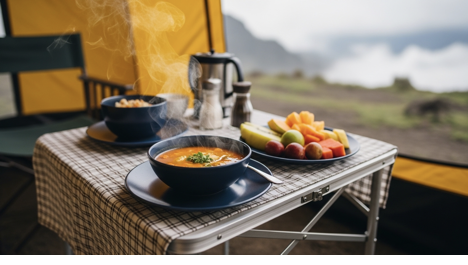
    On the mountain, food is fuel and your tent is your sanctuary. Climbers can burn between 3,000 and 5,000 calories a day, so operators must provide nutritious, high energy meals. Reviews often mention the surprisingly delicious and varied food, from hearty stews to fresh fruit, which does wonders for morale.

    Equally important is the quality of your gear. You will pass through five distinct climate zones, from rainforest to arctic conditions. Nighttime temperatures at the summit regularly fall between -7°C and -29°C (20°F to -20°F). High quality, four season tents and warm sleeping gear are essential for safety and comfort. When Duma Explorer reviews from past climbers mention being warm and well fed even in harsh conditions, it speaks volumes about the company’s investment in quality equipment.

    Choosing Your Path to the Summit

    Kilimanjaro offers several routes to the top, each with its own character. The route you choose is one of the biggest factors in your overall experience and success.

    Lemosho Route Experience

    Often called the most beautiful trail on the mountain, the Lemosho Route is a favorite for its stunning scenery and excellent acclimatization profile. Typically climbed over 8 days, it offers a gradual ascent that gives your body time to adjust to the altitude. This leads to an impressive summit success rate of around 90%. Past climbers frequently review the Lemosho route as a perfect balance of low crowds, breathtaking vistas, and a high chance of reaching the top.

    Northern Circuit Climb Review

    The Northern Circuit is Kilimanjaro’s longest and quietest route. Taking 9 or more days, it offers a nearly complete circumnavigation of the main peak, Kibo. This extended timeline provides for the best possible acclimatization, resulting in the highest success rate of any route, often exceeding 95%. While it costs more due to the extra days, those who choose it rave about the solitude and unique perspectives of the mountain’s remote northern slopes. It is the ultimate Kilimanjaro experience for those who prioritize success and a true wilderness feel. If you prefer a shorter, quieter approach on the mountain’s drier side, consider the Rongai Route.

    The Payoff: Summit Success and Real Value

    Ultimately, every climber hopes to stand on Uhuru Peak. But reaching the summit safely is just one part of a successful trip. The overall value you receive is what creates a lasting memory.

    Summit Success

    The single biggest factor influencing your chance of summiting is acclimatization. Longer routes consistently produce higher success rates. An 8 day climb might see a success rate of over 85%, while a rushed 5 day itinerary can drop as low as 27%. An operator’s approach matters immensely. By promoting gradual ascents and employing expert guides who monitor your health, companies like Duma Explorer achieve exceptionally high success rates for their clients, a fact celebrated in many Duma Explorer reviews from past climbers.

    Value for Money

    Value is about more than just finding the lowest price. A quality Kilimanjaro climb is an investment in your safety and experience. While budget operators may cut costs, this often comes at the expense of guide quality, porter welfare, or food and equipment. A reputable company delivering high value ensures that your money is spent on experienced WFR certified guides, ethical porter treatment through KPAP, reliable gear, and a well planned itinerary that maximizes your chance of success. Reading Duma Explorer reviews from past climbers confirms that clients feel the price reflects a high level of service and peace of mind.

    The “Stacy Readal” Difference: Personalized Adventure Planning

    A recurring theme in 2026 reviews is the direct involvement of owner Stacy Readal. Unlike large, impersonal booking engines, Duma Explorer operates with a hands-on approach from their offices in both Arusha and the U.S.

    • Fluent Communication: Stacy’s 15+ years in East Africa and fluency in Swahili ensure that your custom itinerary is grounded in local reality.

    • Customization: Whether it’s a solo 40th-birthday safari or a family trek with teenagers, past travelers rave about the ability to tweak itineraries until they are “100 out of 100” perfect.

    Beyond the Mountain: Duma’s Full Adventure Scope

    Duma Explorer’s expertise extends across East Africa, applying the same principles of quality and responsibility to all their adventures.

    Family Friendliness

    Climbing Kilimanjaro can be an incredible family adventure for those with older children (the park minimum age is 10). On safari, family friendliness means flexible pacing and engaging guides who can bring the wilderness to life for all ages.

    Responsible Wildlife Viewing and Vehicle Quality

    On safari, the focus shifts to ethical wildlife encounters. This means keeping a respectful distance, never feeding animals, and minimizing your impact on the environment. This experience is delivered in a well maintained 4×4 safari vehicle, which is essential for both safety and comfort on rugged park roads.

    Frequently Asked Questions About Duma Explorer Reviews from Past Climbers

    1. What is the most common theme in Duma Explorer reviews from past climbers?
    The most consistent praise is for the exceptional quality of the guides and the seamless, stress free logistics. Climbers frequently mention their guide’s expertise, encouragement, and focus on safety as the key to their success.

    2. Do reviews mention Duma Explorer’s safety protocols?
    Yes, many reviews highlight the company’s commitment to safety. This includes daily health checks using a pulse oximeter, carrying emergency oxygen, and having WFR certified guides who are trained to handle altitude sickness and other medical situations.

    3. What do reviews say about Duma Explorer’s porter treatment?
    Reviews are overwhelmingly positive regarding porter treatment. Climbers often express their appreciation for Duma Explorer’s partnership with KPAP, noting that the porters seem happy, well equipped, and treated as valued members of the team.

    4. How do climbers review the food and equipment provided by Duma Explorer?
    Past climbers consistently praise the quality and variety of the food, often expressing surprise at what the cooks can prepare on the mountain. The tents and sleeping gear are also frequently mentioned as being warm, durable, and comfortable, even in extreme weather.

    5. According to reviews, is climbing with Duma Explorer good value for money?
    Yes, the consensus among reviewers is that Duma Explorer provides excellent value. While not the cheapest option, climbers feel the investment is justified by the high level of safety, expert guidance, ethical practices, and ultimately, a much higher chance of a successful summit.

    Ready to start planning your own adventure? With a proven track record of excellence and a deep commitment to responsible travel, Duma Explorer can help you craft the perfect Kilimanjaro climb or East African safari. You can learn more by visiting the Duma Explorer official website to see sample itineraries and get in touch with their team.

  • Tanzania Southern Circuit Safari Guide 2026: Ruaha & Nyerere

    Tanzania Southern Circuit Safari Guide 2026: Ruaha & Nyerere

    Tired of the typical safari traffic jam? Imagine watching a lion pride on the hunt with no other vehicle in sight, or gliding down a river as elephants drink from the bank. This isn’t a fantasy, it’s the reality of a Southern Circuit safari in Tanzania. While the northern parks get most of the fame, the southern and western regions offer something increasingly rare: truly wild, uncrowded, and immense landscapes.

    This is a safari for the traveler who craves authenticity. It’s about swapping crowds for quiet contemplation and experiencing the African bush as it has been for centuries. If you’re looking for an adventure that feels like a genuine exploration, you’ve come to the right place.

    Key Takeaway:

    What is the Southern Circuit Safari in Tanzania?

    The Southern Circuit is a remote, low-traffic safari route in Tanzania featuring Nyerere National Park (Selous) and Ruaha National Park. Known for its vast wilderness, it offers unique activities like boat and walking safaris.

    Best Time to Visit: June to October (Dry Season)

    Primary Gateway: Dar es Salaam (DAR)

    Top Wildlife Highlights: Large lion prides, African wild dogs, and massive elephant herds.

    Vibe: High exclusivity, low vehicle density, and raw authenticity.

    Why Choose a Southern Circuit Safari? The Allure of the Untamed

    So, why head south instead of to the world famous Serengeti? The answer lies in the experience. If the Great Migration is your priority, our guide explains when and where to see it, but the south wins for solitude and unique activities. A Southern Circuit safari is defined by its exclusivity and adventurous spirit.

    • Incredible Solitude: The visitor numbers tell the story. While northern parks can feel busy, some southern parks see incredibly few tourists. Katavi National Park, for example, received 1,557 international visitors in 2022. This means you often get to enjoy breathtaking wildlife sightings all to yourself.

    • Vast, Wild Spaces: The parks here are enormous. Nyerere National Park (formerly part of the Selous Game Reserve) is the largest national park in Tanzania and the biggest in East Africa, covering a staggering 30,893 square kilometers. These are some of the largest and most pristine protected areas on the continent.

    • Unique Activities: The south offers experiences you simply can’t get in the north. Think boat safaris along the mighty Rufiji River, getting eye level with hippos and crocodiles. Or guided walking safaris, where you track animals on foot with an expert guide, connecting with the bush on a much deeper level. Here’s what a walking safari feels like.

    The Crown Jewels: Exploring the Parks of the Southern Circuit

    The heart of any Southern Circuit safari is its incredible collection of national parks, each with a unique character and appeal.

    Ruaha National Park: Land of Giants

    Ruaha is a raw and rugged wilderness, celebrated for its dramatic, baobab studded landscapes and incredible wildlife density. As one of Tanzania’s largest parks, it’s a critical sanctuary, particularly for elephants. The greater Ruaha ecosystem is one of Africa’s most important strongholds for the species. The park is also home to massive herds of buffalo and famously large lion prides, with some estimating it holds 10% of the world’s remaining lion population. Despite its magnificent wildlife, Ruaha remains wonderfully off the beaten path, offering a truly exclusive safari experience.

    Nyerere National Park (Selous): Waterways and Wild Dogs

    Tanzania Southern Circuit Safari Guide 2026: Ruaha & Nyerere


    Formerly the northern part of the Selous Game Reserve, Nyerere National Park is a vast and watery wonderland. The park’s lifeblood is the Rufiji River, which creates a network of lakes and channels perfect for exploration by boat. This is a signature Selous experience. The park is also one of the best places in Africa to see the endangered African wild dog. These painted wolves thrive in the expansive woodlands, and witnessing a pack on the move is a highlight for any wildlife enthusiast.

    National Park

    Best For…

    Signature Wildlife

    Unique Activity

    Nyerere (Selous)

    Boat Safaris

    Wild Dogs, Hippos

    River Boat Tours

    Ruaha

    Predator Action

    10% of World’s Lions

    Walking Safaris

    Katavi

    Remote Wilderness

    Huge Buffalo Herds

    Dry Season River Pools

    Mahale

    Primate Trekking

    Habituated Chimpanzees

    Kayaking Lake Tanganyika

    Mikumi

    Accessibility

    Giraffes, Zebras

    Day Trips from Dar es Salaam

    Udzungwa

    Biodiversity

    Endemic Monkeys

    Rainforest Hiking

    The Western Wonders: Tanzania’s Most Remote Parks

    For the ultimate off grid adventure, the western parks on the Southern Circuit safari route are in a league of their own.

    Katavi National Park: Tanzania’s Wild West

    If you’re seeking a truly untamed safari, Katavi is your destination. This remote park in Tanzania’s far west is rugged, isolated, and spectacular. During the dry season (June to October), its rivers shrink, forcing wildlife to concentrate in incredible numbers. The park is famous for its gigantic herds of buffalo, sometimes numbering over a thousand strong. The most iconic sight, however, is the hippo pools, where hundreds of hippos squeeze into the last remaining mud wallows, leading to dramatic territorial disputes.

    Mahale Mountains National Park: Chimpanzees and Crystal Lakes

    Mahale is a magical place, accessible only by boat and small aircraft. There are no roads here. This pristine park on the shores of Lake Tanganyika is world famous for its habituated wild chimpanzees. If seeing great apes is a priority, you can pair this with gorilla trekking in Uganda’s Bwindi. The main activity is trekking on foot into the misty mountain forests to spend time with our closest primate relatives, a truly moving experience. After your trek, you can swim, snorkel, or kayak in the crystal clear waters of Lake Tanganyika, the world’s second deepest freshwater lake.

    Beyond the Big Game: Specialty Southern Parks

    The Southern Circuit safari experience isn’t just about traditional game drives. It also includes unique parks focused on hiking and accessibility.

    Mikumi National Park: The Accessible Serengeti

    Often called a “little Serengeti” for its wide open Mkata Floodplain, Mikumi is the most accessible park on the southern route. Located just a few hours’ drive from Dar es Salaam, it offers reliable and rewarding wildlife viewing year round. You are almost guaranteed to see elephants, buffalo, giraffes, zebras, and lions. Its accessibility makes it a perfect destination for a shorter safari or an easy introduction to the wonders of a Southern Circuit safari.

    Udzungwa Mountains National Park: A Hiker’s Paradise

    Udzungwa is not a place for game drives, it’s a park for your feet. Known as the “Galápagos of Africa,” this lush rainforest park protects an incredible level of biodiversity, including many species found nowhere else on Earth. The main attraction is hiking through pristine forests to discover its 11 species of primates. Five of these, including the Iringa red colobus and the Sanje crested mangabey, are endemic to the area. Trekkers are rewarded with stunning scenery, including the spectacular 170 meter Sanje Waterfall.

    Southern Circuit vs. Northern Circuit: Which is Right for You?

    While the Northern Circuit (Serengeti, Ngorongoro) is famous for the Great Migration, the Southern Circuit is preferred by repeat visitors and solitude-seekers.

    • Crowd Levels: The South has significantly fewer vehicles at sightings.

    • Accessibility: Northern parks are easily reached by car; Southern parks often require bush flights.

    • Landscape: The North is characterized by open plains; the South features miombo woodlands and river systems.

    Mapping Your Adventure: The Geography of a Southern Circuit Safari

    Understanding the layout of southern and western Tanzania is key to planning your trip. Unlike the compact Northern Circuit, the southern parks are spread over vast distances.

    Dar es Salaam, Tanzania’s coastal city, serves as the main gateway. Many travelers end their safari with downtime on Zanzibar. Use our guide to Zanzibar’s best beaches to pick the right coast. From there, Mikumi is the most accessible park by road. Nyerere and Ruaha are typically reached by short bush flights, which are the most practical way to travel. The western parks, Katavi and Mahale, are the most remote and are almost exclusively accessed by longer charter or scheduled flights. This geography is what preserves the wild, untouched nature of the Southern Circuit safari.

    The Wildlife of the Southern Circuit: What Will You See?

    The wildlife viewing on a Southern Circuit safari is nothing short of extraordinary. All the classic African animals are here in abundance, often exhibiting more natural behaviors due to the lack of human interference.

    The region is a crucial conservation area for several key species. The combined Ruaha and Katavi ecosystems were found to be home to nearly 20,000 elephants in a recent survey, confirming the area as a vital stronghold. The southern parks are also a bastion for the endangered African wild dog. You can also find rare antelope species like the greater kudu, sable, and roan, which are seldom seen up north. And of course, the west offers unparalleled primate viewing, from the chimpanzees of Mahale to the unique monkeys of Udzungwa.

    Planning Your Southern Circuit Safari: Logistics and Lodging

    A little extra planning is required for a trip to this wild region, but the rewards are immense. Start with our complete safari planning guide.

    Getting Around: Bush Planes, 4x4s, and Boats

    Because distances are so large, flying between parks on small bush planes is the most common and efficient way to travel. This not only saves you time but also offers spectacular aerial views of the vast landscapes. For parks like Mikumi, overland travel in a 4×4 vehicle is a great option. Once in the parks, game drives are conducted in sturdy 4x4s. In places like Nyerere and Mahale, boats become your primary mode of transport. Navigating these logistics can be complex, which is why many travelers work with a specialist. An expert operator like Duma Explorer can seamlessly arrange all your flights, transfers, and connections, making for a stress free adventure.

    Where to Stay: From Rustic Bush Camps to Lakeside Luxury

    Tanzania Southern Circuit Safari Guide 2026: Ruaha & Nyerere


    Accommodations in the south are generally more intimate and eco conscious than in the north. You won’t find large hotels here. Instead, expect small, exclusive tented camps and lodges that blend beautifully with their surroundings. In a park like Ruaha, there are only 11 camps and lodges, ensuring the wilderness never feels crowded. Whether it’s a classic canvas bush camp or a luxurious lakeside lodge in Mahale, the focus is on a personalized experience that connects you deeply with nature. Choosing the right camps for your style and budget is key to a successful trip, and a well connected tour operator can provide invaluable recommendations and handle all the bookings for your ideal Southern Circuit safari.

    Safari Tier

    Est. Daily Cost (USD)

    Accommodation Type

    Transportation

    Mid-Range

    $450 – $750

    Comfortable Tented Camps

    4×4 Drive-in / Mixed Flight

    Luxury

    $800 – $1,500

    Boutique Eco-Lodges

    Fly-in (Bush Planes)

    Ultra-Luxury

    $1,600+

    Private Villas / Exclusive Camps

    Private Charter Flights

    Frequently Asked Questions About the Southern Circuit Safari

    1. What is the best time of year for a Southern Circuit safari?
    The dry season, from June to October, is the best time for wildlife viewing; for nuance by region and month, see our best time for a Tanzania safari. As water sources become scarce, animals congregate around the remaining rivers and waterholes, making them easier to spot.

    2. Is a Southern Circuit safari good for a first time visitor to Africa?
    Absolutely. While it’s popular with seasoned safari goers, its uncrowded nature and unique activities make it an incredible first safari experience for anyone looking for a true wilderness adventure.

    3. How does it compare in cost to a Northern Circuit safari?
    The cost can be comparable, but it varies. The logistics, particularly the need for internal flights, can increase the price. For ballpark figures and what drives pricing, read our Tanzania safari cost breakdown. However, the exclusivity and quality of the experience offer tremendous value.

    4. What kind of activities can I do besides game drives?
    This is a major draw of the south. You can enjoy boat safaris in Nyerere, guided walking safaris in Ruaha and Katavi, chimpanzee trekking in Mahale, and mountain hiking in Udzungwa.

    5. How long should I plan for a Southern Circuit safari?
    To do it justice, especially if you want to visit multiple parks, you should plan for at least 7 to 12 days. Browse our 7–10 day Tanzania safari itineraries for inspiration. This allows you to immerse yourself in the different environments without feeling rushed.

    Ready to explore the wild heart of Tanzania? A Southern Circuit safari offers an unparalleled adventure away from the crowds. Contact Duma Explorer to start planning your bespoke journey into Africa’s last great wilderness.

  • Mt Kilimanjaro Climbing Routes (2026): 7 Best Picks

    Mt Kilimanjaro Climbing Routes (2026): 7 Best Picks

    SEO Title: Mt Kilimanjaro Climbing Routes: Glossary & Guide
    Meta Description: Compare Mt Kilimanjaro climbing routes by days, difficulty, huts vs tents, crowds, acclimatization, and best fit before choosing your climb.
    URL: /blog/mt-kilimanjaro-climbing-routes/

    In short: Seven named Mt Kilimanjaro climbing routes bring trekkers to Africa’s highest summit at 5,895 m: Lemosho, Machame, Marangu, Rongai, Northern Circuit, Shira, and Umbwe. The route name alone is not enough to choose a climb, because a 7-day Machame and a 6-day Machame produce very different acclimatization profiles. Medical evidence consistently shows that more days on the mountain improves altitude adjustment and summit odds. The best route is the one that matches your time, budget, altitude history, camping comfort, and guide support.

    That starting list can feel overwhelming. What follows breaks down every route, defines the terms you will see in itineraries, and gives a practical framework for choosing the right climb, not just the right name.

    Mt Kilimanjaro Climbing Routes at a Glance

    Before comparing details, here is a practical overview of every Kilimanjaro trekking route. The “typical days” column shows the range most operators offer, with the version that better supports acclimatization noted for each.

    Route Typical days Sleeping style Best for Main tradeoff
    Lemosho 7–8 (8 preferred) Tents Scenery, acclimatization, quieter first days Longer commitment, higher cost
    Machame 6–7 (7 preferred) Tents Classic challenge, strong scenery, time-value balance Busier trail, more physically demanding
    Northern Circuit 8–9 Tents Maximum acclimatization, solitude, full-mountain traverse Longest, most remote
    Rongai 6–7 (7 preferred) Tents Quieter northern approach, drier conditions Less lush scenery, fewer climb-high/sleep-low days
    Marangu 5–6 (6 preferred) Huts Travelers who want hut accommodation Same path up and down, weaker acclimatization on shorter versions
    Shira 6–8 Tents Experienced altitude trekkers High starting elevation, abrupt acclimatization
    Umbwe 5–7 Tents Experienced trekkers wanting a steep challenge Rapid ascent, poor acclimatization for most
    Mweka Descent only N/A Post-summit descent for western/southern routes Not normally an ascent route

    The Tanzania National Parks Authority (TANAPA) states that climbs to Kibo peak take 5 to 9 days depending on the route and that more days increase the possibility of reaching the summit.

    If you are already narrowing your choice and want a direct recommendation between the top options, compare the best Kilimanjaro routes for a deeper look at Lemosho, Machame, and Northern Circuit.

    What Counts as a Kilimanjaro Route

    If two websites disagree about whether Kilimanjaro has six, seven, or eight routes, they are probably counting variants, descent trails, or the Northern Circuit differently. TANAPA’s current park page refers to six mountain trails that reach the highest point, while the official park brochure mentions seven mountain trails. Most traveler-facing guides discuss seven named routes.

    For planning purposes, the count matters less than understanding what a route decision actually involves. A Kilimanjaro route choice has four layers:

    1. Approach route. Which side of the mountain you start from and what gate you enter. TANAPA lists main access gates at Marangu, Machame, Lemosho (via Londorossi), and Rongai, with Mweka Gate used for descent.

    2. Number of mountain days. This is the biggest practical variable for acclimatization and price. A 6-day Machame and a 7-day Machame use the same trail, but the extra acclimatization day changes the risk profile significantly.

    3. Summit approach. Where the final push to Uhuru Peak starts. Common summit-night starting points include Barafu Camp (for Machame, Lemosho, and similar itineraries) and Kibo Hut (for Marangu and some Rongai versions).

    4. Descent route. Where you walk down after summiting. Western and southern routes typically descend via Mweka. Marangu descends the same way it ascends. Rongai variants may descend on the Marangu side.

    Two travelers can both say “I climbed Machame” and have had meaningfully different experiences depending on whether they did six or seven days, how their guide handled pacing, and what operator safety protocols were in place.

    Why the Number of Days Matters More Than the Route Name

    Kilimanjaro rises from lowland areas near Moshi (around 800 m) to 5,895 m at Uhuru Peak. That is an enormous altitude gain compressed into a short horizontal distance. The mountain does not care how fit you are.

    The CDC Yellow Book states that above 3,000 m, sleeping altitude should increase by no more than about 500 m per day, with an extra acclimatization day for every additional 1,000 m gained. Physical fitness does not eliminate altitude-illness risk; rate of ascent is the dominant factor.

    The Wilderness Medical Society’s 2024 guidelines similarly recommend including a rest day every 3 to 4 days above 3,000 m.

    Kilimanjaro-specific research confirms the pattern:

    These numbers are not contradictory. They show the same thing from different angles: more time on the mountain leads to better outcomes. Compressed itineraries produce more altitude illness and more turnarounds.

    This is why a 7-day Machame is a stronger choice than a 6-day Machame for most first-time climbers. It is why an 8-day Lemosho works better than a compressed 6-day version. And it is why the 5-day Marangu, despite offering comfortable huts, has a reputation for high AMS rates. The route name stays the same; the experience changes with the number of days.

    For a closer look at altitude-related safety terms, see the Kilimanjaro safety glossary.

    Route-by-Route Guide

    Lemosho Route

    A western approach starting from the Londorossi side of the mountain. The trail crosses the Shira Plateau and later joins the southern-circuit camps, reaching Uhuru Peak via Barafu Camp.

    Best for: First-time climbers who can commit to 8 days, travelers who want varied scenery across multiple vegetation zones, and photographers.

    Why it works: The first two days pass through rainforest and moorland with relatively few other groups, because Lemosho starts away from the busier Machame gate. The route builds altitude gain over a longer period. An 8-day version includes more room for “climb high, sleep low” days and a measured approach before the summit push.

    Tradeoffs: More mountain days usually means higher total price. After crossing the Shira Plateau, the trail merges with Machame-routed groups, so the final days are not as quiet as the start.

    A LinkedIn trip report from a group of Colorado hikers described choosing the 8-day Lemosho because experienced summiteers had advised taking the longest route they could afford. They noted the first few days were noticeably quieter before the trail merged near Lava Tower. Practitioners on Reddit echo the pattern. In a recent thread comparing Lemosho and Machame, consensus leaned toward 8-day Lemosho for first-timers with the time and budget, while 7-day Machame was seen as the strong alternative for those with less vacation time.

    Machame Route

    A popular southern/southwestern camping route, sometimes called the “Whiskey Route.” Known for varied terrain and the famous Barranco Wall scramble.

    Best for: Active hikers who want a classic Kilimanjaro experience in 7 days, with strong scenery and well-established camping infrastructure.

    Why it works: Machame passes through rainforest, heath, moorland, and alpine desert. The Barranco Wall adds a memorable scramble that most guided trekkers handle comfortably, though it can feel exposed and gets crowded during peak season. A 7-day version includes an acclimatization day that the 6-day version drops.

    Tradeoffs: Machame is one of the busiest Mount Kilimanjaro climbing routes. During January, February, and July through September, expect company at every camp. The 6-day version is popular with budget operators but cuts acclimatization time. One Reddit user who did a 6-day Machame said they wished they had one more day to acclimate before the summit push.

    Northern Circuit Route

    The longest common route, starting from the western side and traversing around Kilimanjaro’s remote northern slopes before approaching the summit.

    Best for: Travelers with 8 to 9 days and the budget for a longer expedition who want the strongest acclimatization profile and fewest other trekkers on the trail.

    Why it works: The extra days and the full traverse around the mountain give the body more time to adjust. Crowd levels on the northern side are dramatically lower than on Machame or Lemosho’s later stages.

    Tradeoffs: The Northern Circuit’s remoteness is its selling point and its risk. Rescue distances are longer. Communications can be weaker. Practitioners on Reddit highlight this: several users praise the Northern Circuit for quiet trails and steady pacing, while others warn that the route’s remoteness shifts more responsibility onto the operator’s emergency planning, oxygen availability, and guide decision-making.

    This is a route where choosing the right guide team matters more than usual. Duma Explorer’s Kilimanjaro guides carry Wilderness First Responder certification and maintain 1:1 guide-to-climber support on summit day, which is especially relevant on remote itineraries.

    Rongai Route

    The only main approach from the north/northeast side of Kilimanjaro, near the Kenyan border. Descent often uses the Marangu side.

    Best for: Travelers seeking quieter trails, those climbing during wetter months (the northern side sits in a partial rain shadow), and climbers who want a less crowded start.

    Why it works: Rongai sees fewer trekkers than Machame or Marangu. During the wetter months of March through May or October through November, the northern approach is often drier than southern routes, making it a practical choice for travelers locked into specific dates.

    Tradeoffs: The northern approach passes through less varied scenery than Lemosho or Machame on the ascent. The route has fewer natural opportunities for the “climb high, sleep low” acclimatization strategy. And the post-summit descent can surprise climbers. One Reddit user on a Rongai thread reported that the group did not fully understand they still had a long walk over boulders and scree after an exhausting summit night, calling the descent unexpectedly difficult on tired legs.

    Marangu Route

    The only main route that uses hut accommodation. Marangu trekkers sleep in alpine huts at Mandara (2,700 m), Horombo (3,720 m), and Kibo (4,703 m), as confirmed by TANAPA’s Visitor Guide.

    Best for: Climbers who strongly prefer sleeping in huts rather than tents.

    Why Marangu is the hut route, not the easy route: Marangu is frequently called the easiest Kilimanjaro route because the trail is more gradual and huts provide a fixed structure. But comfortable logistics do not guarantee comfortable acclimatization. The 2009 Marangu study found 77% of trekkers developed acute mountain sickness and only 61% reached the summit on compressed itineraries. The 5-day version is a particular concern because it allows almost no buffer for altitude adjustment above 3,700 m.

    The 6-day version adds an extra acclimatization day at Horombo and is more reasonable. Duma Explorer supports Marangu travelers on this version; a reviewer, Melissa M., completed a 6-day/5-night Marangu climb with Duma in 2026.

    Tradeoffs: Marangu ascends and descends on the same trail, offering less variety than other routes. Hut capacity means you share sleeping quarters with other groups. During busy seasons, huts can feel crowded.

    Shira Route

    A western approach that starts at a higher elevation than Lemosho and crosses the Shira Plateau. TANAPA identifies Shira as one of Kilimanjaro’s three volcanic formations at 3,962 m.

    Best for: Climbers with prior high-altitude experience who are comfortable starting above 3,000 m.

    Tradeoffs: The high starting elevation means less time for gradual acclimatization compared to Lemosho, which covers the same general area but starts lower. For most first-time climbers, Lemosho is a better choice from the same side of the mountain.

    Umbwe Route

    A steep, direct southern approach. Umbwe gains altitude fast and is considered one of the most demanding standard routes up Kilimanjaro.

    Best for: Experienced trekkers who want a physical challenge and understand the altitude risk that comes with a rapid ascent profile.

    Tradeoffs: Poor acclimatization characteristics for most first-timers. The steep sections can be strenuous in wet conditions. This is not a typical beginner route. A YouTube video currently ranking for “Kilimanjaro routes to avoid” specifically flags Umbwe alongside compressed Marangu and Machame itineraries as poor choices for inexperienced climbers.

    Mweka Route (Descent)

    Mweka is the standard descent route for Machame, Lemosho, Northern Circuit, and Umbwe itineraries. It is not normally used as an ascent route, and TANAPA designates Mweka Gate as the descent exit for western and southern routes.

    Knowing where you descend matters for planning. After summiting, trekkers are tired, cold, and often sleep-deprived. The Mweka descent involves loose scree in the upper sections and a long walk through forest before reaching the gate. Most climbers underestimate how much the descent takes out of them.

    Key Kilimanjaro Route Terms Every Climber Should Know

    Acclimatization

    Your body’s adjustment to lower oxygen at higher elevation. It depends on time and ascent rate, not raw fitness. The CDC notes that physical fitness does not determine altitude-illness susceptibility, and gradual ascent remains the best prevention.

    AMS (Acute Mountain Sickness)

    The most common altitude illness on Kilimanjaro. Symptoms include headache, nausea, fatigue, dizziness, and poor appetite. CDC guidance says travelers should not ascend to a higher sleeping elevation when AMS symptoms are present and should descend if symptoms worsen.

    “Climb High, Sleep Low”

    A common acclimatization strategy: hike to a higher elevation during the day, then drop back to sleep at a lower camp. Routes like Lemosho and Machame build this in naturally, especially on the Lava Tower acclimatization day. Rongai and Marangu have fewer built-in opportunities for it.

    Summit Night

    The final overnight push toward the crater rim and Uhuru Peak. Trekkers typically depart camp between midnight and 2 a.m., climb in the dark and cold, and reach the crater rim around sunrise. The summit is not the end of the day. After reaching Uhuru Peak, climbers still face a long descent, often back to a lower camp the same day.

    Uhuru Peak

    The highest point on Kilimanjaro at 5,895 m / 19,341 ft, confirmed by TANAPA and UNESCO. Africa’s highest point and the ultimate goal of every climbing route.

    Kibo

    Kilimanjaro’s highest volcanic cone and the one containing Uhuru Peak. TANAPA describes Kilimanjaro as having two dormant volcanic cones (Kibo at 5,895 m and Mawenzi at 5,149 m) plus the extinct Shira at 3,962 m.

    Mawenzi

    The rugged second-highest volcanic peak on Kilimanjaro at 5,149 m. Visible from several routes, particularly Rongai and Marangu, but not a standard trekking destination.

    Shira Plateau

    A high-altitude plateau formed by the collapsed Shira volcano. Lemosho and Shira routes cross it. The plateau offers wide views and sits at roughly 3,600 to 3,900 m.

    Barranco Wall

    A well-known scramble section on Machame and Lemosho itineraries. It is not technical rock climbing but involves using hands and feet on steep rock. Most guided trekkers handle it without difficulty, though it can feel exposed. On busy days, bottlenecks form at the wall.

    Lava Tower

    A volcanic rock formation at approximately 4,600 m. Many Lemosho and Machame itineraries use Lava Tower as a “climb high, sleep low” waypoint: trekkers hike up for acclimatization and then descend to Barranco Camp to sleep.

    Barafu Camp

    The primary summit base camp for Machame, Lemosho, and similar southern-circuit itineraries. Trekkers arrive in the afternoon, rest briefly, and begin the summit push around midnight.

    Kibo Hut

    The high camp on the Marangu route at approximately 4,703 m, used before the summit attempt. Also used by some Rongai itineraries.

    Stella Point

    A point on the crater rim (approximately 5,756 m) reached during summit night from the Barafu Camp side. From Stella Point, the walk along the crater rim to Uhuru Peak takes roughly 45 to 60 minutes.

    Gilman’s Point

    A point on the crater rim (approximately 5,681 m) reached from the Marangu/Rongai side. Some climbers who cannot continue to Uhuru Peak receive a Gilman’s Point certificate.

    Crater Camp

    A high camp inside or near the summit crater, requiring special planning and strong acclimatization. TANAPA lists it as a special-permit activity. Duma Explorer offers Lemosho via Crater Camp through a safer ascent approach that avoids the Western Breach.

    Western Breach

    A steeper, higher-risk ascent on the western side of Kibo, associated with rockfall danger. Duma Explorer does not use the Western Breach for safety reasons.

    KPAP (Kilimanjaro Porters Assistance Project)

    A monitoring framework that tracks porter welfare including wages, tipping, bag weight, food, and accommodation. Longer routes require more porter-days and larger crews, making ethical operator standards more important as route length increases. Reddit discussions about operator selection frequently cite KPAP participation as a practical trust signal.

    Duma Explorer is a KPAP founding partner and Travelife Certified. For more on porter wages and load limits, see the porter welfare glossary.

    Porter Load Limit

    TANAPA’s official rules specify a maximum porter load of 25 kg including the porter’s personal belongings. Overloading porters is a documented welfare problem that responsible operators actively prevent.

    Which Kilimanjaro Route Should You Choose?

    Rather than repeating route summaries, use this decision framework to match your priorities to the right route.

    If your priority is… Consider Why
    Maximum acclimatization buffer Northern Circuit (9 days) or 8-day Lemosho More days and slower ascent profile
    Best all-around first climb 8-day Lemosho Scenery, acclimatization, quieter start
    Classic challenge with less vacation time 7-day Machame Strong balance of scenery, difficulty, and schedule
    Hut accommodation 6-day Marangu Only main route with huts
    Fewer crowds Northern Circuit or Rongai Quieter sides of the mountain
    Rainy-season timing 7-day Rongai Northern approach often drier
    Lower cost or fewer days off work 7-day Machame or 6-day Marangu Shorter than Lemosho or Northern Circuit
    Experienced challenge Umbwe Steep, direct, not for beginners

    The right Mount Kilimanjaro climbing route is usually the longest one you can reasonably afford in time and budget, paired with a safety-focused operator and a well-paced itinerary. A longer climb cannot guarantee a summit, but it gives your body more time to adapt.

    Routes and Route Versions First-Time Climbers Should Be Cautious With

    Choosing the wrong route version is a common and avoidable planning mistake. These are not impossible climbs, but they reduce acclimatization time, add steepness, or increase risk in ways that first-timers rarely anticipate.

    5-day Marangu. The hut accommodation creates a false sense of comfort. The altitude compression is significant, and the 2009 Marangu study’s low summit rates came largely from short-duration itineraries.

    6-day Machame. The extra day in a 7-day Machame is an acclimatization day that makes a real difference. Practitioners on LinkedIn and in YouTube walkthroughs consistently recommend against the 6-day version for beginners.

    6-day Lemosho. Lemosho’s value is its gradual profile. Compressing it to six days weakens the main reason to choose the route.

    Umbwe. Steep, fast, and hard on altitude adjustment. Suitable for experienced trekkers who understand the risk, not a typical beginner route.

    Shira high-start variations. Starting above 3,000 m gives your body less time to adapt on the way up.

    Western Breach. A steeper ascent associated with rockfall risk. Duma Explorer avoids it entirely.

    TANAPA requires all Kilimanjaro climbers to use a licensed operator, and solo trekking is not permitted. This rule exists partly because altitude emergencies require experienced guide judgment, and that judgment matters more on compressed or steep routes.

    How Route Choice Affects Cost and Logistics

    More days on the mountain means higher costs. Each additional day adds park fees, camping or hut fees, crew wages, food, and equipment logistics. TANAPA states that fees vary by visitor category, route, and number of days, and travelers should confirm the current fee schedule before travel.

    This creates a tension: the Kilimanjaro routes with the best acclimatization profiles cost more. A 7-day Machame is less expensive than an 8-day Lemosho. A 6-day Marangu costs less than a 9-day Northern Circuit. But route price should be weighed against the cost of traveling all the way to Tanzania and turning around before the summit because you chose a compressed itinerary.

    As reference points from Duma Explorer’s route offerings: private Machame climbs start from about $1,999 per person, Lemosho and Northern Circuit from about $2,999 per person, and Lemosho via Crater Camp from about $3,499 per person. Small-group departures (with fixed dates and group caps) run roughly $2,399 to $2,599 per person for 7-day Machame and $2,699 to $2,999 per person for 8-day Lemosho.

    Longer routes also mean more porter-days. KPAP partner companies must meet minimum wage and welfare standards, which adds cost but reflects responsible crew treatment. About 7,500 porters currently work under KPAP-approved companies. Tipping remains part of crew compensation, and responsible operators provide transparent tipping recommendations.

    For a full breakdown of what goes into Kilimanjaro pricing, see the climb cost breakdown.

    Why Operator Support Matters More on Some Routes

    Not all Kilimanjaro climbing routes place the same demands on an operator. A well-trodden Machame trail with nearby rescue infrastructure is a different proposition than a remote Northern Circuit traverse where the nearest rescue point may be hours away.

    Key operator factors that vary by route:

    Guide experience and certification. On remote routes and summit night, guide decisions about pacing, turnaround, and descent can be the difference between a successful climb and a medical emergency. Duma Explorer’s Kilimanjaro guides have 15+ years of experience and carry Wilderness First Responder certification.

    Summit-day support. On busy summit nights from Barafu Camp, the trail is crowded and assistance is nearby. On quieter or more remote summit approaches, individual attention matters more. Duma provides 1:1 guide-to-climber support on summit day for small-group departures.

    Communications and evacuation. Remote routes require reliable radio or satellite communication and clear evacuation protocols. Reddit discussions on Northern Circuit planning repeatedly flag this, with experienced users noting that not every operator handles northern-side emergencies equally well.

    Crew standards. Longer, remoter routes mean crews spend more days in challenging conditions. KPAP participation, Travelife certification, and transparent porter policies are practical indicators that an operator takes group logistics seriously.

    A well-supported 7-day Machame can be safer than a poorly supported 9-day Northern Circuit. The operator is part of the route decision.

    Frequently Asked Questions

    What is the easiest Kilimanjaro route?

    Marangu is often called easiest because of its hut accommodation and more gradual trail. But the shortest Marangu versions have weak acclimatization profiles. For many first-time climbers, an 8-day Lemosho or 7-day Machame provides a better-balanced experience even though the camping is more involved.

    Which Kilimanjaro route has the highest summit success rate?

    There is no reliable universal success-rate table. Operators count and report success differently, and itinerary length within the same route changes outcomes significantly. The most useful pattern from published research: longer itineraries with better acclimatization profiles produce higher summit rates. A 2022 study of 1,237 Kilimanjaro hikers found that “climbing in more days” predicted reaching Uhuru Peak.

    Is Marangu the only Kilimanjaro route with huts?

    Yes. TANAPA confirms that Marangu uses alpine huts at Mandara, Horombo, and Kibo. All other routes use designated tented camps operated by licensed outfitters.

    Can you climb Kilimanjaro without a guide?

    No. TANAPA requires all Kilimanjaro climbs to be led by a licensed operator, and solo trekking is not permitted.

    Which Kilimanjaro route is least crowded?

    Northern Circuit and Rongai are generally the quietest options. Rongai approaches from the north with fewer groups. Northern Circuit traverses remote northern slopes that most itineraries skip entirely. Both are noticeably less busy than Machame or Marangu during peak season.

    How many days should a Kilimanjaro climb take?

    Most climbers should plan at least 7 days on camping routes and 6 days on Marangu. TANAPA gives a range of 5 to 9 days depending on route. CDC and Wilderness Medical Society altitude guidance both support slower ascent as the most effective way to reduce altitude-illness risk.

    Which Kilimanjaro routes should beginners avoid?

    Be cautious with 5-day Marangu, 6-day Machame, 6-day Lemosho, Umbwe, Shira high-start variations, and Western Breach. The problem is not that these climbs are impossible, but that they compress acclimatization or increase risk in ways that are harder for first-timers to manage.


    If you are choosing between Lemosho, Machame, Rongai, Northern Circuit, or Marangu, Duma Explorer can compare route length, campsite sequence, summit approach, and post-climb planning for your travel dates and comfort level.

    Compare Kilimanjaro routes with Duma Explorer

  • When to See the Great Migration: 2026 Safari Guide

    When to See the Great Migration: 2026 Safari Guide

    Imagine over a million wildebeest, hundreds of thousands of zebras, and a sea of gazelles on a relentless journey across the plains of East Africa. This isn’t a scene from a documentary, it’s the raw, unfiltered reality of the great migration, one of the most spectacular wildlife events on Earth. This guide breaks down everything you need to know about this incredible phenomenon, from its ancient rhythms to how you can witness it yourself.

    2026 Great Migration Calendar: At a Glance

    If you are planning your 2026 safari, use this table to align your dates with the herd’s location.

    Month

    Region

    Key Event

    Wildlife Activity

    Jan – Mar

    Southern Serengeti (Ndutu)

    Calving Season

    8,000 births/day; High predator action

    Apr – May

    Central & Western Serengeti

    The Trek Begins

    Massive moving columns; heavy rains

    June

    Western Corridor

    Grumeti Crossing

    River crossings; less crowded than Mara

    July – Sept

    Northern Serengeti / Mara

    The Big Crossing

    Iconic Mara River leaps; Peak drama

    Oct – Nov

    Maasai Mara to Serengeti

    The Return

    Herds move south; short rains begin

    December

    Eastern & Southern Serengeti

    Regrouping

    Grasslands turn green; herds settle

    What is the Great Migration? An Overview

    At its heart, the great migration is the continuous, circular journey of immense herds of herbivores across the Serengeti and Maasai Mara ecosystem. It is a cast of millions, led by over 1.5 million wildebeest, accompanied by around 250,000 zebras and 300,000 gazelles. Every year, these animals trek roughly 800 kilometers (or 500 miles) in a clockwise loop, driven by the eternal search for fresh grass and water.

    This is not a casual stroll. It’s a year round pilgrimage fraught with danger. Each year, an estimated 250,000 wildebeest and 30,000 zebras perish from predation, thirst, exhaustion, or drowning. Yet, this cycle of life and death is the very heartbeat of the ecosystem, supporting one of Africa’s largest predator populations and ensuring the renewal of the savannah. Its sheer scale has earned it a place as one of Africa’s Seven Natural Wonders.

    What Drives the Great Migration?

    The primary driver of this incredible movement is simple: survival. The herds are constantly chasing the rains. The climate of the Serengeti is defined by wet and dry seasons, and the timing of the rainfall dictates where the most nutritious grass will be. The animals’ instincts are finely tuned to these weather patterns. As the long rains from March to May breathe life into the plains, the grass flourishes.

    When these grasses are depleted and an area begins to dry up, the herds instinctively move on, following the promise of rain and fresh grazing elsewhere. This constant movement ensures they have the resources to survive, mate, and give birth, continuing a cycle that has played out for millennia.

    The Great Migration Route: A Never Ending Loop

    The route of the great migration is a vast, unfenced loop spanning over 25,000 square kilometers of northern Tanzania and southern Kenya. For a visual breakdown of where and when the herds move, see Mapping the Migration. Because there are no fences between Tanzania’s Serengeti National Park and Kenya’s Maasai Mara National Reserve, the animals can follow their ancient migratory paths unhindered.

    The journey generally follows a clockwise direction:

    1. The herds start the year in the southern Serengeti plains for the calving season.

    2. They then move west and north through the Serengeti’s central plains and Western Corridor.

    3. Next, they head north to cross into Kenya’s Maasai Mara.

    4. Finally, they circle back south into the Serengeti as the rains return there.

    Along the way, they face two legendary and perilous obstacles: the Grumeti River in the Serengeti and the even more formidable Mara River at the Tanzania Kenya border. These river crossings are home to enormous Nile crocodiles and are among the most dramatic and dangerous stages of the entire journey.

    When is the Best Time to See the Great Migration?

    This is a common question, but the simple answer is that the migration is a year round event. The best time to go depends entirely on what you want to experience. For broader seasonal planning beyond the migration, see how to choose the best time for your African safari. Since the animals are always on the move, different months offer unique spectacles in different locations.

    • For Newborn Calves: Visit the Southern Serengeti from January to February. This is the calving season, where up to 500,000 wildebeest are born within just a few weeks.

    • For Dramatic River Crossings: The ultimate action happens from July to September. This is when the herds face the crocodile infested Mara River in the Northern Serengeti and Maasai Mara.

    • For a Quieter Crossing: In June, you might catch the herds crossing the Grumeti River in the Western Serengeti, a thrilling event with fewer crowds.

    It’s crucial to remember that the timing can shift slightly each year based on rainfall. Flexibility is your best friend when planning a great migration safari.

    A Month by Month Guide to the Great Migration

    While nature never follows a precise calendar, this timeline gives you a general idea of where the herds are and what they’re doing throughout the year.

    November to December: The Herds Return South

    As the short rains begin around November, the parched southern Serengeti plains turn green. This is the signal for the herds, which have been grazing in Kenya’s Maasai Mara, to begin their long journey south. You’ll see long columns of wildebeest and zebra moving back into Tanzania to feast on the fresh, nutritious grass, building their strength for the coming calving season.

    January to March: The Calving Season

    When to See the Great Migration: 2026 Safari Guide

    The southern Serengeti and the Ndutu region become the world’s largest nursery. From late January through March, an incredible 400,000 to 500,000 wildebeest calves are born. At its peak, there can be up to 8,000 births per day. This synchronized birthing is a survival strategy; with so many newborns, predators can’t possibly get to them all. This period offers incredible scenes of new life and, inevitably, dramatic predator action as lions, cheetahs, and hyenas take advantage of the easy prey.

    April to May: The Journey to the Western Corridor

    By April, the southern plains have been grazed down, and the long rains are in full swing. The herds begin their trek northwest, moving through the central Serengeti (Seronera) toward the Western Corridor. In May, the wildebeest mating season, known as the rut, kicks into high gear. The air fills with the sounds of bulls competing for females, ensuring the next generation of the great migration.

    June: Grumeti River Crossings and The Rut

    June is a fantastic transitional month. The herds congregate in the Western Corridor, where they face their first major challenge: the Grumeti River. This river is home to some of Africa’s largest Nile crocodiles, making for a tense and exciting crossing. While not as famous as the Mara, the Grumeti crossings are still a spectacular and often more intimate sight. The rut also continues, offering a noisy, action packed spectacle.

    July to September: The Famous Mara River Crossings

    These are the blockbuster months of the great migration. The herds arrive in the northern Serengeti and face their ultimate test: the Mara River. This is the scene many people dream of, thousands of wildebeest plunging into the churning, crocodile filled water. The crossings are chaotic, frantic, and utterly unforgettable. The herds cross back and forth between the northern Serengeti and the Maasai Mara in Kenya, following the best grazing. This is peak safari season for a reason; the drama is non stop.

    October: The Journey Home Begins

    The grasses of the Maasai Mara are wearing thin, and the scent of rain is on the wind from the south. In October, the great herds begin their return journey. They leave Kenya, often crossing the Mara River one last time, and head back down through the northern and central Serengeti. The cycle is poised to begin all over again.

    Key Serengeti Regions in the Great Migration

    Each part of the Serengeti ecosystem plays a crucial role in this epic journey.

    Southern Serengeti: The Nursery

    These vast, short grass plains, enriched by volcanic ash, are the birthing grounds. From December to March, this area is teeming with life, hosting the massive herds and their newborns. But when the dry season hits, the plains empty out almost completely as the animals move on. For an immersive on-foot perspective during calving, consider a walking safari in Ndutu.

    Central Serengeti: The Year Round Hub

    Known as Seronera, this region has permanent water sources, making it a fantastic wildlife destination any time of year. It boasts one of Africa’s densest populations of big cats. During the migration, it serves as a crucial corridor, and the sight of the herds moving past its iconic rock outcroppings, or kopjes, is breathtaking.

    Western Corridor: The First Gauntlet

    This arm of the Serengeti is defined by the Grumeti River and its forests. It’s a lush, wild region that becomes the stage for the first dramatic river crossings of the migration season around June. The enormous crocodiles that lie in wait here are a legendary part of the great migration story.

    Northern Serengeti: The Grand Stage

    Remote, rugged, and beautiful, the Northern Serengeti is home to the most famous chapter of the migration: the Mara River crossings. From July to October, this area is the epicenter of the action. Its rolling hills and riverbanks provide the dramatic backdrop for life and death struggles that define this incredible spectacle.

    How to See the Great Migration on Safari

    Witnessing the great migration is a bucket list dream for many. Here’s how to make it a reality. For curated route ideas and camp suggestions, browse our Top Serengeti Safari Tours.

    • Plan Around the Seasons: Decide which phase of the migration you want to see, whether it’s the adorable newborns or the thrilling river crossings, and book your safari for the right location at the right time.

    • Allow Enough Time: Nature keeps its own schedule. Plan to spend at least 3 to 4 days in a key migration area to maximize your chances of seeing major action, as herds can gather for days before deciding to cross a river.

    • Go with Expert Guides: The Serengeti is vast. A knowledgeable local guide is your greatest asset. They track herd movements and know the best places to be. Companies like Duma Explorer specialize in creating custom safaris that put you in the right place at the right time. Learn more about what to expect on safari with Duma.

    • Choose Your Experience: Do you prefer the relative peace of the calving season or the adrenaline of a river crossing? Consider a mobile camp that moves with the herds or a hot air balloon safari for a bird’s eye view. You can also unwind after your safari on the Indian Ocean islands.

    • Consider Peak vs. Shoulder Season: Peak months (June to September) offer incredible action but come with more crowds and higher prices. Shoulder seasons (like November or early June) can provide a great balance of fantastic sightings with fewer vehicles.

    Expert Tactics to Avoid the 2026 Crowds

    The Great Migration is no longer a secret. In 2026, the popular crossing points can become congested with vehicles. To ensure a more “private” experience, consider these expert tips:

    • The “Reverse” Migration: Look for herds moving south in October/November. The drama is high, but the tourist numbers drop by 40%.

    • Private Concessions: Stay in private conservancies bordering the Maasai Mara or the Grumeti Reserve. You get off-road driving privileges that national parks don’t allow.

    • Fly-in Safaris: Use bush planes to reach the Northern Serengeti directly. It saves 8 hours of bumpy driving and puts you at the riverbanks before the day-trip crowds arrive.

    Tips for Your Great Migration Safari

    A little preparation goes a long way in making your trip unforgettable.

    • Book in Advance: Prime lodges and camps, especially for river crossings or calving, can be fully booked more than a year in advance. Plan early to secure the best spots and review current Tanzania park fees to budget accurately.

    • Pack Smart: Dress in layers with neutral colors (khaki, green, brown). Mornings are chilly, while afternoons can be hot. A hat, sunscreen, and sunglasses are essential. In the rainy season, a waterproof jacket is a must.

      2026 Safari Tech Essentials

      • High-MP Mirrorless Camera: 2026 standards favor high-resolution video. A body with “Animal Eye AF” (Auto Focus) is a game-changer for fast-moving river crossings.

      • Binoculars (8×42): Don’t rely solely on your camera lens. Shared binoculars are a thing of the past; bring your own for every family member.

      • Power Banks & International Adapters: While many 2026 camps are solar-powered, a 20,000mAh power bank ensures your devices stay charged during long days in the bush.

    • Bring the Right Gear: A good camera with a telephoto lens (300mm or more is ideal) is crucial for capturing the action. Don’t forget extra batteries and memory cards. A pair of binoculars is also indispensable for every traveler.

    • Prepare for Raw Nature: The great migration is beautiful, but it’s also a story of survival. Be prepared to witness the entire circle of life, including predator hunts and the dangers of the journey. It’s a powerful and humbling experience.

    • Leverage Local Expertise: Don’t hesitate to lean on the knowledge of your safari operator. A specialist like Duma Explorer can handle all the complex logistics, from park permits to bush flights, allowing you to simply immerse yourself in the wonder of it all. To start planning your own adventure, you can get in touch with their safari experts.

    Frequently Asked Questions About the Great Migration

    Does the Great Migration ever stop?

    No, it’s a continuous, year round cycle. While specific events like the river crossings happen during certain months, the herds are always on the move somewhere within the Serengeti and Maasai Mara ecosystem.

    Which country is better for the Great Migration, Tanzania or Kenya?

    Both are incredible. Tanzania hosts the migration for about nine months of the year, including the entire calving season and the Grumeti crossings. Kenya’s Maasai Mara offers a concentrated viewing experience of the Mara River crossings from roughly July to October. For a comprehensive experience, many travelers visit both.

    How dangerous are the river crossings?

    They are extremely perilous for the animals. The rivers can have strong currents, steep, slippery banks, and are home to some of Africa’s largest Nile crocodiles. Thousands of wildebeest die each year during these crossings.

    Can you guarantee I will see a river crossing?

    No one can guarantee it. The wildebeest are unpredictable and may wait for days at a riverbank before crossing, or they might cross several times in one day. The key is patience and spending enough time in the area to increase your odds.

    Is a Great Migration safari suitable for families?

    Absolutely. Witnessing the great migration is a life changing educational experience for all ages. However, be prepared to discuss the “circle of life” with children, as predator hunts and other raw nature moments are common. Many lodges and operators, including Duma Explorer, are experienced in crafting family safari itineraries.

  • 10 Best Zanzibar Beach Resorts — 2026 Expert Guide

    10 Best Zanzibar Beach Resorts — 2026 Expert Guide

    Zanzibar is more than just an island; it’s a sensory journey. Imagine powdery white sand between your toes, the turquoise Indian Ocean stretching to the horizon, and the gentle scent of cloves on the breeze. This Tanzanian archipelago, a historic hub of the spice trade, has become a world class destination for relaxation and adventure. Finding the right Zanzibar beach resorts is the key to unlocking a perfect tropical escape, whether you’re unwinding after a thrilling Serengeti safari or planning a standalone beach holiday.

    At a Glance: The Best Zanzibar Beach Resorts for 2026

    Why Choose Zanzibar for Your Beach Resort Getaway

    Zanzibar offers a unique blend of pristine nature and rich culture that few beach destinations can match. Its coastline is fringed by coral reefs, making it a paradise for snorkelers and divers. Beyond the shore, the island’s soul is found in Stone Town, a UNESCO World Heritage site with a labyrinth of narrow streets, bustling bazaars, and intricately carved wooden doors that tell stories of its Swahili, Arab, Persian, and European heritage. This combination means your holiday can be as active or as relaxed as you wish. From world class diving at the Mnemba Atoll to exploring a spice farm, Zanzibar delivers unforgettable experiences.

    The Best Time to Visit Zanzibar Beach Resorts

    Timing is everything for a beach holiday. Zanzibar enjoys two main dry seasons, which are ideal for visiting its stunning beach resorts. If you’re pairing the beach with wildlife, see the best time for a Tanzania safari to line up seasons.

    • The Long Dry Season (June to October): This is the most popular time to visit. You can expect clear blue skies, plenty of sunshine, and comfortable temperatures perfect for swimming and sunbathing.

    • The Short Dry Season (January and February): Following the short rains, this period offers hot and dry weather, another excellent window for a beach getaway.

    The main rainy season, or “long rains,” occurs from March to May, while the “short rains” typically fall in November and early December. While travel is possible, beach activities can be limited during these months.

    Important: 2026 Zanzibar Entry Requirements

    Before booking your resort, ensure you are compliant with the latest 2026 travel regulations:

    • Mandatory Insurance: As of late 2024/2025, all foreign visitors must have ZIC Inbound Travel Insurance. This is required even if you have private travel insurance.

    • Visa on Arrival: Most nationalities can obtain a visa online (e-visa) or on arrival for $50 USD ($100 USD for US citizens).

    • Infrastructure Tax: Expect a local infrastructure tax of roughly $5 USD per person, per night, usually settled at resort check-out.

    Where to Stay in Zanzibar: A Guide to the Best Beach Areas

    Zanzibar’s coastline is diverse, with each region offering a distinct atmosphere. Choosing the right area is the first step in finding your ideal retreat.

    The North Coast (Nungwi and Kendwa)

    10 Best Zanzibar Beach Resorts — 2026 Expert Guide

    The North Coast is famous for its idyllic beaches that are largely unaffected by the tides, meaning you can swim all day. This area is home to some of the most popular Zanzibar beach resorts, with a lively atmosphere, spectacular sunsets, and a wide array of restaurants and water sports activities.

    The East Coast (Matemwe, Paje, and Bwejuu)

    The East Coast offers a different style of Zanzibar beach resorts, known for vast, windswept beaches and dramatic tides. This coastline is a global hub for kitesurfing, particularly around Paje. It feels more remote and tranquil, perfect for long walks on the sand during low tide and enjoying breathtaking sunrises.

    The South Coast (Kizimkazi)

    For those seeking a quieter, more authentic experience, the south coast is ideal. The village of Kizimkazi is famous for its dolphin tours, and the coastline is dotted with more secluded lodges and boutique hotels, offering a peaceful escape from the crowds.

    Getting to Zanzibar and Your Resort

    Reaching your island paradise is straightforward. Most travelers fly into Abeid Amani Karume International Airport (ZNZ) near Stone Town. Numerous international airlines serve Zanzibar directly.

    For those on a multi part journey, it’s incredibly easy to add a beach extension to a Tanzanian safari. A short domestic flight of about an hour connects safari hubs like Arusha (JRO) to Zanzibar. Here’s how to fit multiple experiences into one East Africa trip without extra stress. At Duma Explorer, we handle all these in country logistics, ensuring a seamless transition from the dusty plains of the Serengeti to the sandy shores of the Indian Ocean. If you’re targeting the Great Migration in East Africa, we’ll align your dates and routing accordingly.

    Unforgettable Experiences Beyond Your Resort

    While lounging by the pool is a worthy goal, Zanzibar offers many incredible activities.

    10 Best Zanzibar Beach Resorts — 2026 Expert Guide
    • Spice Farm Tour: Discover why Zanzibar is called the “Spice Island” by tasting and smelling fresh cinnamon, vanilla, and nutmeg.

    • Jozani Forest: Visit the island’s only national park, home to the rare and endemic Red Colobus Monkey.

    • Stone Town Exploration: Get lost in the history filled alleyways of this ancient port city and consider a stop at the Forster Gallery for contemporary African art.

    • Dhow Sunset Cruise: Sail on a traditional wooden boat as the sun dips below the horizon.

    • Snorkeling and Diving: Explore the vibrant coral gardens of the Mnemba Atoll Marine Conservation Area.

    Our Methodology for Selecting the Best Zanzibar Beach Resorts

    With decades of experience planning trips in East Africa, our selections are based on more than just online reviews. As a U.S. and Tanzanian owned company operating locally as Alika Africa, our team has vetted countless Zanzibar beach resorts. We prioritize properties that offer exceptional service, stunning locations, excellent value, and a commitment to sustainable tourism. We know the managers, have stayed in the rooms, and understand which places deliver a consistently outstanding guest experience.

    Comparison of Top Zanzibar Beach Resorts

    Resort

    Best For

    Beach Type

    All-Inclusive?

    Zuri Zanzibar

    Eco-Luxury

    Non-Tidal (Swimmable 24/7)

    No (HB/FB)

    Baraza Resort

    Cultural Opulence

    Tidal (Great for Reef Walks)

    Yes

    The Palms

    Absolute Privacy

    Tidal Lagoon

    Yes

    Meliá Zanzibar

    Large Scale Luxury

    Jetty Access / Gabi Beach

    Optional

    Tulia Zanzibar

    Bespoke Service

    Protected Cove (Low Tide Swim)

    Yes (Premium)

    Top 10 Zanzibar Beach Resorts

    While the island offers a vast array of accommodations, these ten resorts stand out as the definitive leaders in luxury, service, and coastal beauty. Each property in this collection has been handpicked for its ability to blend world-class amenities with the unique cultural essence of the Spice Island, ensuring an unforgettable stay for every type of traveler.

    1. Zuri Zanzibar (Best Non-Tidal Resort in Kendwa)

    On Kendwa’s coveted sunset coast, Zuri pairs EarthCheck Gold sustainability with effortless style: 56 design-forward villas and bungalows tucked into spice-scented botanical gardens, all spilling onto a rare, non-tidal ribbon of powdery sand. It’s an eco-chic playground where the day flows from barefoot beachtime to golden-hour cocktails as the Indian Ocean turns molten.

    Zuri Zanzibar Screenshot

    Eco-chic design on Zanzibar’s best 24/7-swimmable beach.

    Location & Tides: Kendwa Beach, Northwest Coast. The area is non-tidal for all-day swimming and is about 60 to 90 minutes from Stone Town/ZNZ.

    Why you’ll love it

    • Swim round-the-clock on a pristine, white-sand bay framed by turquoise water

    • Maua Wellness oasis with open-air treatments and private spice gardens

    • EarthCheck Gold credentials, zero-waste ethos, and sustainability woven into the experience

    Perfect for: Design-minded couples seeking a stylish, eco-conscious 4 to 5 night unwind after a Kilimanjaro climb (compare the Kilimanjaro climbing routes) or safari.

    2. Baraza Resort and Spa

    Step into a sultan’s dream: hand-carved arches, brass lanterns, and sumptuous villas with private plunge pools, all wrapped in an all-inclusive embrace on the dazzling Bwejuu-Paje shoreline. Baraza’s regal polish and fragrant gardens make every stroll feel like a slow, luxurious drift through Zanzibar’s storied past.

    Baraza Resort and Spa Screenshot

    Sultan-era opulence made effortless with an elevated all-inclusive.

    Location & Tides: Bwejuu-Paje Beach, Southeast Coast. This area has a tidal lagoon (swimming at higher tides, dreamy reef walks at low) and is about 60 to 75 minutes from Stone Town/ZNZ.

    Why you’ll love it

    • Villa living with private plunge pools and grand marble bathrooms

    • Frangipani Spa’s gold-mosaic glow and underwater-music pool

    • Water Club for world-class kitesurfing and guided reef explorations

    Perfect for: Honeymooners and luxury seekers wanting a seamless 4 to 5 night retreat after a mainland safari.

    3. The Palms Zanzibar

    With only six villas, The Palms is the island’s whisper-quiet hideaway: colonial-meets-Zanzibari elegance, dedicated beach bandas, and tranquil plunge pools gazing over a luminous lagoon. Service is intimate and intuitive, turning days into a private ritual of sea breezes, fine flavors, and unhurried romance.

    The Palms Zanzibar Screenshot

    Six-villa seclusion on a powder-soft, storybook lagoon.

    Location & Tides: Bwejuu-Paje Beach, Southeast Coast. It has a wide lagoon with pronounced tides and is about 65 minutes from Stone Town/ZNZ.

    Why you’ll love it

    • Private villas with plunge pools and pre-assigned thatched beach bandas

    • Access to Frangipani Spa and Water Club via sister properties next door

    • Personalized all-inclusive dining centered on fresh seafood and island spices

    Perfect for: Romance-first couples craving deep privacy for 3 to 5 nights post-safari or post-Kili.

    4. Meliá Zanzibar

    A polished 40-hectare estate where contemporary comforts meet Zanzibari warmth, Meliá balances big-resort variety with a refined sense of place. “The Level” elevates the experience with private-lounge perks, while a scenic jetty, lively beach club, and spice-kissed cuisine anchor days between lagoon and garden.

    Meliá Zanzibar Screenshot

    International flair with island soul and room to roam.

    Location & Tides: Kiwengwa, Northeast Coast. You can swim at high tide or off the 300-meter jetty. It is about 60 minutes from Stone Town/ZNZ.

    Why you’ll love it

    • Gabi Beach Club’s private sands, wood-fired pizzas, and Balinese beds

    • Five distinct restaurants, including the romantic over-water Aqua

    • Balinese-style spa and a showpiece ocean-view infinity pool

    Perfect for: Families and style-forward couples seeking an easy, high-end all-inclusive for about 4 nights after safari or trekking.

    5. The Residence Zanzibar

    Hidden on the wilder southwest coast, this 32-hectare sanctuary delivers villa-only seclusion with private pools, leafy bike paths, and an elegant, glass-edged infinity pool above the sea. Omani accents nod to history, while flavors span the globe with Zanzibar’s fragrant spice trail front and center.

    The Residence Zanzibar Screenshot

    Private-pool villas and serene gardens at the edge of the Indian Ocean.

    Location & Tides: Kizimkazi, Southwest Coast. The area has dramatic tides with 150-meter jetty access and is about 60 to 90 minutes from Stone Town/ZNZ.

    Why you’ll love it

    • Standalone pool villas with sun decks and discreet butler service

    • East Africa’s only Ila Spa for holistic, high-touch wellness

    • Proximity to Kizimkazi dolphin outings and the historic Shiraz Mosque

    Perfect for: Couples and families seeking high-end privacy for ~4 nights of post-safari or post-Kili decompression.

    6. Tulia Zanzibar Unique Beach Resort

    A boutique jewel in Pongwe’s sheltered cove, Tulia feels tailor-made: just sixteen villas, a premium all-inclusive that bends to your tastes, and staff who learn your rhythm from day one. Between the calm, swimmable bay and a dreamy infinity pool, days blur into personalized, carefree ease.

    Tulia Zanzibar Unique Beach Resort Screenshot

    Boutique, bespoke, and blissfully quiet on a protected cove.

    Location & Tides: Pongwe Beach, East Coast. It features a sheltered cove that is swimmable even at low tide and is about 60 minutes from Stone Town/ZNZ.

    Why you’ll love it

    • “No-menu” bespoke dining and complimentary massage inclusions

    • Zanzibar’s only resort waterslides plus a stunning sea-facing infinity pool

    • Complimentary snorkel gear for the vibrant offshore house reef

    Perfect for: Honeymooners and privacy-seeking couples after a top-tier, 4-night post-adventure celebration.

    7. Bluebay Beach Resort and Spa

    Classic Swahili architecture and 30 acres of palms set the scene for a lively, full-service escape on Kiwengwa’s sweeping sands. It’s polished yet playful, with lush gardens, broad ocean views, spice-inflected cuisine, and enough amenities to keep everyone happily in island mode.

    Bluebay Beach Resort and Spa Screenshot

    A big-hearted resort with spice, style, and space to breathe.

    Location & Tides: Kiwengwa, East Coast. The area is highly tidal (reef walks at low, swimming at high) and is about 60 minutes from Stone Town/ZNZ.

    Why you’ll love it

    • Oasis Spa rituals powered by locally sourced Zanzibar spices

    • PADI dive center with standout trips to Mnemba Atoll

    • Diverse dining, including fresh-catch feasts at Bahari Grill

    Perfect for: Families and couples wanting a 4 to 5 night, full-amenity wind-down after safari.

    8. Kilindi Zanzibar

    Part architectural reverie, part barefoot fantasy, Kilindi’s fifteen white-domed pavilions spill down a tropical hillside to a non-tidal beach. Open-air living, glassless windows, and private plunge pools invite sea breezes and stargazing nights, while personal Guest Ambassadors choreograph every moment.

    Kilindi Zanzibar Screenshot

    Architectural romance with toes-in-the-sand serenity.

    Location & Tides: Nungwi, Northwest Coast. The beach is non-tidal for all-day swimming and is about 90 minutes from Stone Town/ZNZ.

    Why you’ll love it

    • High-domed pavilions with rainfall showers and glassless shutters

    • Bespoke butler service and private beachfront dining

    • A dramatic 25-meter horizon pool overlooking the Indian Ocean

    Perfect for: Honeymooners and couples eyeing a 4-night, high-end exhale after safari or Kili.

    9. Essque Zalu Zanzibar

    Statement makuti roofs soar above a sleek, art-filled retreat centered on a colossal infinity pool and a photogenic jetty stretching into turquoise water. Suites are spacious and contemporary, service is polished, and sunset over the overwater bar is pure Zanzibar theater.

    Essque Zalu Zanzibar Screenshot

    Jetty sunsets and modern Swahili style on the northern tip.

    Location & Tides: Nungwi, North Coast. This location offers deep-water swimming from the jetty regardless of tides. It is about 75 to 90 minutes from Stone Town/ZNZ.

    Why you’ll love it

    • Iconic overwater jetty with bar and restaurant for golden-hour lounging

    • Spacious, art-forward suites with “Navigator” concierge service

    • Holistic spa and a curated kids’ village for relaxed family time

    Perfect for: Style-savvy travelers and families after a 4-night post-safari stay with strong dining and overwater hangs.

    10. Nungwi Dreams by Mantis

    Clean lines, coastal calm, and a front-row seat to Nungwi’s endlessly swimmable water define this contemporary boutique hideout. Suites face the ocean, an elegant infinity pool anchors lazy afternoons, and a rooftop bar lifts sunset into a nightly ritual.

    Nungwi Dreams by Mantis Screenshot

    Minimalist polish on a rare, all-day-swimmable shoreline.

    Location & Tides: Secluded northern tip of Nungwi Beach. The beach is non-tidal for all-day swimming and is about 75 to 90 minutes from Stone Town/ZNZ.

    Why you’ll love it

    • All-day kayak and snorkel conditions right off the beach

    • Rooftop Sky Bar with 360-degree sunset views

    • High-tech gym and spice-inspired boutique spa treatments

    Perfect for: Style-forward couples and honeymooners planning a chic 3 to 4 night unwind after Kilimanjaro or safari.

    Expert Tips for Planning Your Stay at Zanzibar Beach Resorts

    A little preparation goes a long way in ensuring a smooth and enjoyable trip.

    • What to Pack: Bring lightweight clothing, swimwear, reef safe sunscreen, a hat, and sunglasses. For visits to Stone Town or local villages, pack modest attire (clothing that covers shoulders and knees) out of respect for the local culture. For safari days before or after Zanzibar, see our safari packing tips for women.

    • Currency: The official currency is the Tanzanian Shilling (TZS). However, U.S. Dollars are widely accepted in hotels, resorts, and by tour operators. It’s wise to carry some smaller USD bills for tips and local purchases.

    • Health and Safety: Consult your doctor about recommended vaccinations and malaria prophylaxis before you travel. Stick to bottled water and be mindful of food hygiene.

    Conclusion: Find Your Perfect Stretch of Zanzibar Sand

    Zanzibar is a destination that captures the heart. Its combination of world class beaches, fascinating history, and warm Swahili hospitality makes it an unforgettable place to visit. From boutique hideaways to family friendly properties, the diversity of Zanzibar beach resorts ensures a perfect fit for every traveler. The key is matching your travel style to the right location and property to create the perfect island experience.

    Ready to pair the perfect safari with one of these Zanzibar beach resorts? For a step-by-step overview, see our complete safari planning guide. As experts in custom East African travel, we can design a seamless journey that combines thrilling wildlife encounters with blissful beach relaxation. Plan your East African adventure with Duma Explorer.

    FAQ

    What part of the island has the best Zanzibar beach resorts?

    The “best” area depends on your preferences. The North Coast (Nungwi and Kendwa) is great for all day swimming and a lively atmosphere. The East Coast (Paje and Bwejuu) is perfect for kitesurfers and those seeking vast, tranquil beaches with dramatic tides.

    Are all inclusive Zanzibar beach resorts a good value?

    Many Zanzibar beach resorts offer all inclusive packages, which can be convenient and good value, especially for families. However, many excellent properties operate on a bed and breakfast or half board basis, giving you the flexibility to explore local restaurants.

    How do I choose between the many Zanzibar beach resorts available?

    Consider your budget, travel style, and desired activities. Do you want a lively social scene or a quiet, secluded escape? Are water sports a priority, or do you prefer cultural excursions? Defining your priorities will help narrow down the options significantly.

    Is it easy to combine a Tanzania safari with Zanzibar beach resorts?

    Absolutely. It is one of the most popular and rewarding travel combinations in Africa. Short, frequent flights connect the main safari circuits to Zanzibar, making it a logistically simple and perfect way to end an adventurous trip. An experienced operator can handle all the details for a stress free bush and beach holiday.

  • Hello world!

    Welcome to WP Bridge Sites. This is your first post. Edit or delete it, then start writing!