Author: rankaiexpert

  • Best Kilimanjaro Route 2026: Lemosho vs Northern Circuit

    Best Kilimanjaro Route 2026: Lemosho vs Northern Circuit

    TL;DR

    The best Kilimanjaro route for most first time climbers is the 8 day Lemosho route, which balances acclimatization time, scenery, and summit preparation. If you have 9 days and want the quietest, most gradual option, choose the Northern Circuit. For fit climbers with 7 days and a tighter budget, the Machame route is the best value. The most scenic route depends on what you want to see, but Lemosho and Machame both cross the most climate zones. The route name alone does not determine your outcome. The number of days on the mountain matters more than any marketing label.

    How to Choose the Right Route for Your Climb

    Choosing the best Kilimanjaro route is one of the highest stakes decisions in adventure travel. You are about to spend several thousand dollars, take a week or more off work, and fly to Tanzania to attempt Africa’s highest peak at 5,895 meters. The route you pick will shape your acclimatization, your comfort, your scenery, and your odds of standing on Uhuru Peak.

    Most people start by Googling route names and reading conflicting advice. This guide cuts through that confusion. It gives you a direct recommendation, compares every major route honestly, explains the altitude and trail terms you will encounter during planning, covers the best time to climb, identifies the most scenic and most challenging routes, and lays out what to ask an operator before you book.

    Ready to explore specific itinerary details and costs? See the full Lemosho route guide for day by day breakdowns.

    The Best Kilimanjaro Route for Most Climbers: Quick Answer

    The best Kilimanjaro route for most first time climbers is the 8 day Lemosho route. It offers strong acclimatization, varied scenery across multiple climate zones, quieter early trail days, and enough time to prepare for summit night.

    Here is how the top routes compare at a glance:

    • 8 day Lemosho is the best overall route for most people.
    • 9 day Northern Circuit is the best route for maximum acclimatization and quiet trails.
    • 7 day Machame is the best value route for fit, time limited climbers.
    • 6 day Marangu is the best route only if hut accommodation is your deciding factor.
    • 7 day Rongai is the best choice for a quieter, drier northern approach.
    • Umbwe and Shira are not recommended for most first timers.

    Do not choose a route based only on price or a nickname like “Coca Cola Route” or “Whiskey Route.” A 2022 study of 1,237 recreational Kilimanjaro hikers found that climbing in more days predicted summit success, and that many hikers kept ascending despite worsening symptoms. The number of days on the mountain is the single most important variable in your route decision.

    For a side by side breakdown of all routes with pricing, explore the full Kilimanjaro route comparison.

    What “Best Route” Actually Means on Kilimanjaro

    There is no universal best Kilimanjaro route. There is a best route for your time, budget, altitude history, tolerance for crowds, and sleeping preference. The mistake most people make is comparing route names as if “Lemosho” and “Machame” are fixed products. They are not. A 6 day Lemosho and an 8 day Lemosho are meaningfully different climbs.

    A useful framework for thinking through your choice is the SCORE model:

    • S, Summit odds: How many days does the itinerary give you? How gradual is the sleeping altitude gain?
    • C, Crowds: Do you want a social trail or a remote, quiet experience?
    • O, Overnight style: Camping in tents or sleeping in mountain huts?
    • R, Route character and risk: How steep is the daily hiking? How long is summit night? What are the rescue logistics?
    • E, Expense and time: Longer, more remote routes cost more because of extra park fees, crew days, and food.

    Why acclimatization drives everything

    Kilimanjaro is non technical, meaning you do not need ropes or ice axes. But altitude is the real challenge, and most route choice mistakes are altitude management mistakes. Understanding this is essential to picking the best Kilimanjaro route for your situation.

    The CDC’s travel guidance states that above 3,000 meters, sleeping elevation should increase by no more than about 500 meters per day, with an acclimatization day added for every 1,000 meters gained. The CDC also states plainly that physical fitness does not affect altitude illness risk. Susceptibility is partly genetic, and there is no simple screening test.

    That finding is important. A very fit person can fail on a short, rushed route. A slower, less fit climber can succeed on a longer itinerary that gives the body time to adjust. For a deeper look at altitude terms like AMS, HACE, and HAPE, see this Kilimanjaro safety glossary.

    The research backs this up

    A 2009 study of trekkers on the Marangu route found that 77% developed acute mountain sickness and only 61% summited. A 2016 study of a 6 day Rongai ascent with 175 participants showed better results (52.6% AMS, 88% summit success) but still high illness rates. The pattern is consistent: faster ascents produce more altitude sickness and lower summit rates.

    Practitioners on Reddit reinforce this. One climber who failed on a 5 day route despite being fit and having previously summited Mt Kenya wrote that their first lesson was “don’t take the shortest route.” They concluded that beginners should consider 7 to 9 days because acclimatization is everything.

    Summit Success Rate by Route

    One of the most searched questions about Kilimanjaro is which route gives you the best chance of reaching Uhuru Peak. The answer is straightforward: longer itineraries produce higher summit rates, regardless of route name. But the differences between routes are real and worth understanding.

    What the data actually shows

    Operator reported summit success rates should be treated with skepticism. They are self reported, not independently audited, and companies define “success” differently. Some count Stella Point (5,756 m) as a summit. Others only count Uhuru Peak (5,895 m). Some exclude clients who turned back early due to illness, which inflates the numbers.

    The peer reviewed pattern is more reliable. The 2009 Marangu study showed a 61% summit rate on a fast itinerary. The 2016 Rongai study showed 88% on a 6 day ascent. Operators commonly report success rates of 85% to 95% on 8 day Lemosho and 9 day Northern Circuit itineraries, and around 75% to 85% on 7 day Machame.

    For a full statistical breakdown, see the detailed analysis of Kilimanjaro success rates by route and number of days.

    Route by route summit success estimates

    Route Typical Duration Estimated Summit Success Range
    Northern Circuit 9 days 90% to 95%
    Lemosho 8 days 85% to 95%
    Machame 7 days 75% to 85%
    Rongai 7 days 80% to 85%
    Marangu 6 days 60% to 70%
    Marangu 5 days 50% to 60%
    Umbwe 6 to 7 days 65% to 75%

    These ranges come from aggregated operator data and published studies. Your individual outcome depends on your body’s altitude response, your operator’s pacing strategy, weather conditions, and whether the itinerary genuinely follows a “climb high, sleep low” profile.

    Why the same route can have wildly different success rates

    A 7 day Machame with a reputable operator who monitors pulse oximetry twice daily, enforces rest days, and maintains a strong guide ratio will outperform a budget 7 day Machame where the crew pushes through on a rigid schedule. The route name is the starting point, not the whole picture. Practitioners on Reddit consistently warn against comparing success rates across operators at face value, noting that the quality of the guide team matters as much as the route selection.

    Route Distance and Length: How Far You Actually Walk

    Most Kilimanjaro planning content focuses on altitude and days, which makes sense. But the total distance you cover and the daily mileage breakdown also affect your experience, especially if you are training and want to know what your legs are in for.

    Total distance by route

    Route Typical Duration Approximate Total Distance
    Marangu 5 to 6 days 64 km (40 mi)
    Rongai 7 days 73 km (45 mi)
    Machame 7 days 62 km (38 mi)
    Umbwe 6 to 7 days 53 km (33 mi)
    Lemosho 8 days 70 km (43 mi)
    Northern Circuit 9 days 90 km (56 mi)

    These distances are approximate and vary slightly depending on the specific itinerary variant your operator uses. The descent route (usually Mweka for southern routes) is included in the total.

    What distance means in practice

    The Northern Circuit covers the most ground at roughly 90 km, but spread across 9 days that averages about 10 km per day. Umbwe covers the least distance but gains altitude the fastest, so the shorter mileage is deceptive. Machame packs significant elevation change into its 62 km, with steeper daily profiles than Lemosho despite covering less total ground.

    Daily hiking time matters more than raw distance. Most Kilimanjaro days involve 5 to 8 hours of walking. Summit night is the exception: climbers typically hike 12 to 16 hours total, ascending through the night and descending the same day. On Machame and Lemosho, the summit night push from Barafu Camp covers roughly 5 km and 1,200 meters of elevation gain to Uhuru Peak, followed by a long descent.

    One detail that catches people off guard is that Rongai and Marangu climbers who reach the crater rim at Gilman’s Point face an additional 2 km walk along the rim to Uhuru Peak. That extra distance, at 5,700+ meters in thin air, adds roughly two hours and is physically and mentally draining.

    Machame vs Marangu: The Two Most Popular Routes Compared

    This is the comparison that dominates Kilimanjaro forums, and for good reason. Machame and Marangu are the two highest traffic routes on the mountain. They attract different types of climbers and offer genuinely different experiences.

    The fundamental differences

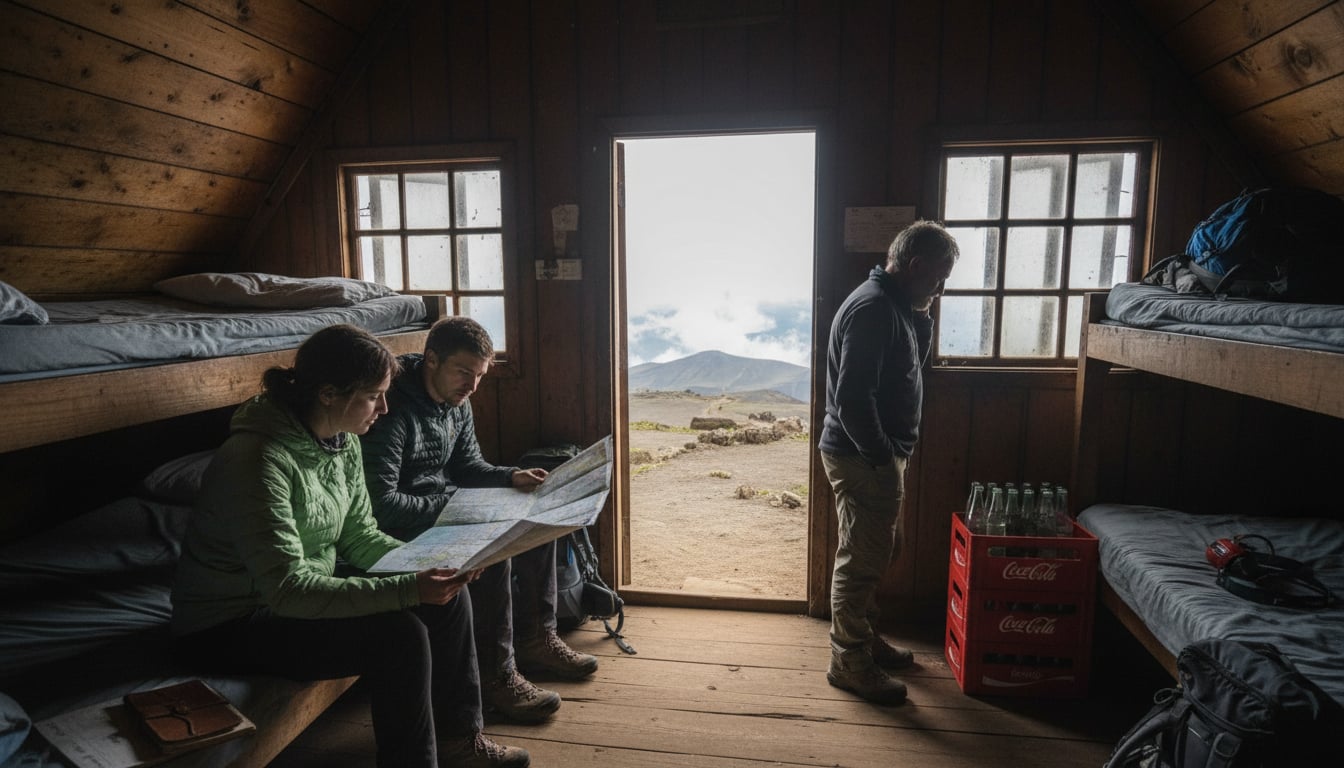
    Marangu is the only route with hut accommodation. Climbers sleep in communal dormitory style shelters at three fixed camps (Mandara, Horombo, Kibo). You carry less gear because sleeping pads and tents are unnecessary. The trail is the gentlest gradient on the mountain, and it ascends and descends on the same path.

    Machame is a camping route with steeper, more varied terrain. It includes the Barranco Wall scramble, passes through all five climate zones, and descends via the Mweka route rather than retracing its steps. The scenery is more dramatic, and the “climb high, sleep low” profile around Lava Tower is one of the best acclimatization tools on the mountain.

    Acclimatization and summit odds

    This is where the comparison gets decisive. Standard Marangu is offered in 5 or 6 days. Standard Machame is 6 or 7 days. The difference in acclimatization time is significant.

    On a 5 day Marangu itinerary, climbers sleep at roughly 2,700 m on night one, 3,700 m on night two, and 4,700 m on night three before attempting the summit. That is a 2,000 meter sleeping altitude gain in three nights, far exceeding CDC recommendations. The 6 day version adds an extra night at Horombo (3,700 m), which helps but still produces high AMS rates.

    The 7 day Machame itinerary handles altitude better. Climbers ascend to Lava Tower at 4,600 m during the day, then descend to sleep at Barranco Camp around 3,900 m. That intentional altitude exposure followed by descent is the “climb high, sleep low” principle in action. For a detailed itinerary and pricing, see the Machame route guide.

    Scenery

    Machame wins clearly. The southern corridor views (Shira Plateau, Barranco Valley, glacier panoramas) are spectacular. The route crosses all five climate zones with distinct visual transitions each day. Marangu’s scenery is pleasant, particularly in the rainforest and moorland sections, but the same trail up and down means you see the same views twice. For full details on the Marangu experience, see the Marangu route guide.

    Cost

    Marangu is typically the least expensive route because of the shorter duration (fewer park fee days, fewer crew days). A 5 day Marangu climb can cost $500 to $800 less per person than a 7 day Machame. But the cost savings come at the expense of summit odds and overall experience quality.

    Crowds and social dynamics

    Both routes are busy during peak season. Marangu’s hut system means you share sleeping quarters with strangers, which some climbers enjoy and others find disruptive (snoring is a common complaint in forum discussions). Machame’s campsites can be crowded, but you have your own tent.

    Which one to pick

    For most first time climbers, 7 day Machame is the stronger choice. It offers better acclimatization, more dramatic scenery, and a more complete mountain experience. Marangu makes sense only if hut accommodation is a genuine priority, and even then, the 6 day version is the minimum acceptable itinerary.

    Practitioners on Reddit who have done both routes almost universally recommend Machame over Marangu for first timers. The common refrain: Marangu’s “easy” reputation is misleading because the altitude challenge is identical, but you get less time to prepare for it.

    Kilimanjaro Route Comparison Table

    Route Best for Recommended days Accommodation Acclimatization Crowds Main trade off
    Lemosho Best overall for most climbers 8 Camping Excellent Moderate (quiet early) Costs more than Machame
    Northern Circuit Best acclimatization and quiet 9 Camping Excellent Low Longest and most expensive
    Machame Best value serious route 7 Camping Good to excellent High Busier, steeper, more demanding
    Marangu Hut preference 6 Huts Fair to moderate Moderate to high Same trail up and down; 5 day version too rushed
    Rongai Quieter, drier northern side 7 Camping Good Low to moderate Summit approach can feel longer
    Shira Experienced altitude hikers 7 to 8 Camping Mixed (high start) Low to moderate Poor first day altitude profile
    Umbwe Experienced trekkers wanting steep challenge 6 to 7 Camping Poor to fair Low early Too steep and rushed for most beginners

    Best Overall Route: 8 Day Lemosho

    The 8 day Lemosho route is the best Kilimanjaro route for most first time climbers who can afford the time and cost. It starts on the western side of the mountain, where the early trail days pass through lush rainforest with fewer hikers than Machame or Marangu. After merging with the southern route corridor, Lemosho climbers get key experiences including Lava Tower (a natural acclimatization point at roughly 4,600 m), Barranco Wall, and the Barafu summit approach.

    Why 8 days beats 6 or 7 on Lemosho

    Lemosho is sometimes offered in 6 or 7 days, but the 8 day version is stronger for two reasons. First, the extra day provides more time for the body to adjust to altitude. Second, it often means a shorter, easier day before summit night, which matters because summit attempts typically begin around midnight.

    An Overland Safaris guide explained on LinkedIn that on the 8 day Lemosho itinerary, splitting the Barranco to Barafu section over two days gives climbers a rest day before the midnight summit push. That extra day is not just about acclimatization; it is about arriving at Barafu rested rather than exhausted.

    Community discussions on Reddit back this up. One climber who completed 8 day Lemosho reported that shorter route climbers looked fit but were “absolute zombies” on summit night. The consensus: if you can do 8 days, do 8 days.

    Lemosho trade offs

    Lemosho is not perfectly quiet for the entire climb. After the first two days, it joins the same trail corridor as Machame, so campsites can be busy during peak season. It is also typically more expensive than Machame because of the extra day’s park fees, crew costs, and food. For a complete breakdown of what those costs look like, see the Kilimanjaro climb cost guide.

    Who should choose Lemosho

    First time climbers with 8 days available, adequate budget, and no strong preference for hut accommodation. It is the best Kilimanjaro route if you want the strongest balance of scenery, acclimatization, and summit odds.

    Best for Acclimatization and Quiet: 9 Day Northern Circuit

    The Northern Circuit is the longest mainstream Kilimanjaro route, typically done in 9 days. It starts from the west (often sharing Lemosho’s early trail) and circles the northern slopes of the mountain before approaching the summit. The result is lower daily altitude gain, more time on the mountain, and significantly fewer hikers on the trail.

    Why Northern Circuit works

    The extra days mean a more gradual ascent profile, which aligns with the Wilderness Medical Society’s recommendation to limit sleeping elevation gain above 3,000 meters. The northern side of the mountain also sees fewer climbers, so the trail feels genuinely remote.

    In a Reddit thread comparing Northern Circuit and Machame, one commenter described it as a 9 day “360 degree” experience with varied views and quiet paths. But another pushed back, arguing that Northern Circuit’s main benefit is fewer crowds and that the views are not necessarily better than what Lemosho or Machame offer. The takeaway: Northern Circuit is best for time rich climbers who value gradual acclimatization and solitude, but it is not a magic guarantee of summit success.

    Northern Circuit trade offs

    It costs more because of the additional days. Nine nights in a tent is a bigger commitment. And depending on the operator and itinerary design, rescue logistics on the less traveled northern side may differ from the well established southern corridor. Always ask your operator about emergency protocols for this route specifically.

    Who should choose Northern Circuit

    Climbers who have 9 days, a flexible budget, and who care more about quiet trails and maximum altitude adjustment than getting up and down quickly. For those prioritizing acclimatization above all else, this is arguably the best Kilimanjaro route available.

    Best Value Route: 7 Day Machame

    The Machame route, sometimes called the Whiskey Route, is Kilimanjaro’s most popular climbing route. It is scenic, physically demanding, and usually less expensive than Lemosho or Northern Circuit because it takes one fewer day.

    Machame’s strength lies in its “climb high, sleep low” profile. Climbers ascend to Lava Tower (around 4,600 m) during the day, then descend to sleep at Barranco Camp (around 3,900 m). This exposure then descent cycle helps the body produce more red blood cells before the real push begins.

    7 days, not 6

    Some operators offer Machame in 6 days. That itinerary compresses an already demanding route and eliminates the rest day before summit night. Seven days is the strong recommendation. Kilimanjaro guide practitioners on LinkedIn and multiple YouTube educators steer beginners away from the 6 day version, naming the intense elevation gain before summit as the core issue.

    Machame trade offs

    It is the busiest route on the mountain. During peak season (July through September, and late December through February), campsites can be full, trails can feel social, and summit night often features a long line of headlamps. One Reddit thread described the Uhuru Peak sign area as having 20 plus people waiting to rotate through photos, though nothing close to Everest style queues.

    The trail is also steeper than Marangu or Rongai, with sections like Barranco Wall requiring hands on scrambling.

    Who should choose Machame

    Fit climbers who want the best value on a serious, scenic route and can handle crowds. Group departures are more widely available on Machame, which also helps with cost. TripAdvisor forum posts show that many climbers end up on Machame because group availability influenced the decision, even when they originally preferred Lemosho. For guidance on group versus private trip dynamics, the article on optimal guide ratios covers what to expect.

    Most Scenic Kilimanjaro Route

    Scenery is subjective, but some routes objectively cross more terrain variety than others. Kilimanjaro passes through five distinct climate zones: cultivated farmland, rainforest, heath and moorland, alpine desert, and arctic summit. The routes that traverse the most zones, and offer the most varied vantage points, deliver the richest visual experience.

    Lemosho and Machame lead on scenery

    Both the 8 day Lemosho and 7 day Machame routes pass through all five climate zones. They share the spectacular southern corridor, which includes the Shira Plateau, Lava Tower, Barranco Valley, and the dramatic Barranco Wall scramble with views down to the cloud line. The key difference is Lemosho’s quieter western rainforest start, where the canopy is dense with Colobus monkeys and birdlife. Machame’s rainforest section is similarly beautiful but busier.

    Practitioners on YouTube consistently highlight two visual moments that define the southern corridor: the sunrise from Barranco Camp looking up at the Breach Wall, and the moonlit glacier views during the midnight summit push. Both Lemosho and Machame deliver these.

    Northern Circuit for panoramic variety

    The 9 day Northern Circuit circumnavigates nearly the entire mountain. Climbers see the northern ice fields from angles that southern route trekkers never encounter. The north side also feels emptier, which changes the character of the scenery. Watching Kibo’s glaciers shift from foreground to background over several days, without crowds, creates a different kind of visual experience.

    Rongai for a different perspective

    Rongai approaches from the Kenyan border side and offers drier, more open landscapes early on, with views toward Kenya’s plains. It lacks the lush rainforest start of Lemosho or Machame, so it ranks lower for overall zone variety. But the remoteness has its own appeal.

    The bottom line on scenery

    If scenic variety is the top priority, choose 8 day Lemosho. It combines the quiet western rainforest with the full southern corridor experience. Machame is a close second. Northern Circuit wins on panoramic breadth but trades rainforest immersion for the longer northern traverse.

    Best Time to Climb Kilimanjaro

    Route choice and timing work together. The best Kilimanjaro route on the wrong month can mean rain soaked trails, poor visibility, and a miserable summit night. The best months for climbing Kilimanjaro fall into two dry season windows.

    The two dry seasons

    Tanzania’s primary dry season runs from late June through mid October. This is peak climbing season. Skies are typically clear, trails are drier, and summit night temperatures, while brutal, come with better visibility and calmer winds. July through September sees the highest traffic on popular routes like Machame.

    The secondary dry season runs from late December through early March. It is slightly warmer, and the southern slopes can see occasional afternoon showers, but conditions are generally good for climbing. January and February are popular with climbers who want to avoid the July/August crowds.

    TANAPA’s official Kilimanjaro brochure confirms that the mountain’s dry seasons run roughly June through September and December through early March.

    Months to approach with caution

    The long rains (March through May) bring heavy precipitation, especially on southern routes. April is the wettest month. Trails turn muddy, cloud cover blocks views, and summit success rates drop. The short rains (late October through November) are less intense but still reduce visibility and comfort.

    How route choice interacts with season

    If climbing during the wetter shoulder months (November or early April), Rongai’s northern approach stays drier because the northern slopes receive less rainfall. Southern routes like Machame and Lemosho get more moisture during these windows.

    During peak dry season, route choice matters less for weather and more for crowds. Machame and Marangu will be busiest in July and August. Lemosho and Northern Circuit remain comparatively quieter even during peak months.

    For a detailed month by month breakdown of weather, temperatures by altitude zone, and crowd patterns, see the full best time to climb Kilimanjaro guide.

    How to Train for Your Kilimanjaro Route

    Picking the best Kilimanjaro route only solves half the equation. Physical preparation determines how much you enjoy the experience, even if fitness alone cannot prevent altitude sickness.

    What training actually needs to accomplish

    Training for Kilimanjaro is not about building peak cardio capacity. It is about preparing your legs and lungs for 5 to 8 hours of daily hiking on uneven terrain, often at a slow pace, while carrying a daypack. The goal is muscular endurance and joint resilience, not speed.

    Practitioners on Reddit consistently report that leg strength matters more than running fitness. One climber who completed 8 day Lemosho wrote that stair climbing with a weighted pack was the single most useful exercise, because it replicates the sustained uphill effort and the knee strain of descending. Another noted that long weekend hikes (4 to 6 hours with elevation gain) built the stamina that treadmill sessions did not.

    A practical training timeline

    Most guides and operators suggest starting structured training at least 8 to 12 weeks before your climb date. A reasonable plan includes:

    • Hiking with elevation twice a week, building to 4 to 6 hour sessions in the final month
    • Stair climbing or step machine work with a 5 to 8 kg daypack
    • Core and leg strength exercises (squats, lunges, calf raises) twice weekly
    • At least one back to back hiking weekend to simulate consecutive days on the mountain

    The CDC notes that physical fitness does not reduce altitude illness risk, but arriving in strong hiking shape means your body can focus its energy on acclimatizing rather than recovering from muscular exhaustion. For structured training plans, see the Kilimanjaro training glossary.

    Route specific physical demands

    Machame and Umbwe require more upper body confidence because of the Barranco Wall scramble and steeper trail sections. Lemosho and Northern Circuit are more about sustained endurance over longer distances. Marangu’s gentler gradient means less joint stress but does not reduce altitude demands.

    The bottom line: train your legs, train for consecutive days, and do not assume your gym fitness translates directly to mountain readiness.

    What to Pack for Different Kilimanjaro Routes

    Gear choices shift slightly depending on which route you climb, though most of the packing list stays constant across all options.

    The universal essentials

    Every Kilimanjaro climber needs proper layering for temperatures that range from 25°C at the gate to minus 15°C or colder on summit night. A good base layer, insulating mid layer, and waterproof shell are non negotiable. Broken in hiking boots with ankle support, a quality headlamp (summit night starts around midnight), and a sleeping bag rated to at least minus 10°C round out the critical items.

    Route specific gear considerations

    Marangu climbers sleep in huts, so a lighter sleeping bag may suffice (though huts can still be cold at Kibo Hut, 4,703 m). You do not need a sleeping pad, which saves weight and pack space.

    Camping routes (Lemosho, Machame, Northern Circuit, Rongai, Umbwe) require a sleeping pad for insulation from the ground. Most operators provide tents, but confirm this before packing your own.

    Longer routes like Northern Circuit (9 days) mean more time in the elements, so an extra pair of hiking socks and a second base layer become worthwhile. Rain protection matters more on southern routes during shoulder seasons.

    Summit night across all routes demands the warmest kit you have: down jacket, balaclava, insulated gloves with liners, and hand warmers. The wind chill on the crater rim regularly pushes effective temperatures below minus 20°C.

    For a full checklist organized by category, see the Kilimanjaro packing list.

    Climbing Kilimanjaro Solo vs. in a Group

    Whether you climb solo (meaning with a private crew, not literally alone) or join a group departure affects cost, pace, and social dynamics on the mountain.

    Solo (private) climbs

    Tanzania requires all Kilimanjaro climbers to use a licensed guide, so “solo” really means booking a private trip with your own dedicated crew. The advantage is total control over pace, rest breaks, and itinerary flexibility. If you are slower or faster than average, a private climb adapts to you.

    The trade off is cost. A private 8 day Lemosho climb typically costs more per person than a group departure on the same route because you are not splitting crew and logistics fees with other climbers. Practitioners on Reddit note that solo private climbs can feel quiet during meals and evenings, though many find this meditative rather than lonely. For a detailed look at rules and costs, see the guide on climbing Kilimanjaro solo.

    Group departures

    Joining a scheduled group departure (typically 4 to 8 climbers) brings the per person cost down and adds a social element. You will share campsites, meals, and the summit push with people at roughly your fitness level.

    The trade off is pace. Group climbs move at the speed of the slowest member, and you have less say over rest breaks or hiking start times. During summit night, this can become a real factor if part of the group is struggling.

    One practical consideration from forum discussions: if you are an experienced hiker who moves quickly, a slow group pace can actually help with acclimatization. Pole pole (slowly, slowly) is the mantra for a reason.

    Most Challenging Kilimanjaro Route

    Not every climber wants the gentlest path. Some experienced trekkers seek out steeper, more demanding routes deliberately. Kilimanjaro’s difficulty comes primarily from altitude, but trail steepness, daily elevation gain, and the psychological grind of certain ascent profiles add meaningful physical challenge.

    Umbwe: the steepest mainstream route

    Umbwe is the most challenging standard route on Kilimanjaro. It gains altitude rapidly through dense forest, with steep, direct trail sections that feel more like a proper mountain climb than a trek. Daily elevation gains on Umbwe are aggressive, and acclimatization opportunities are limited.

    The route is short (typically 6 to 7 days) and quiet, which appeals to experienced altitude trekkers. But the steep profile creates a harsh trade off: your body gets less time to adjust, so AMS rates are higher and summit success rates are lower than on longer routes. One experienced climber on a forum described Umbwe as “the route that punishes overconfidence,” noting that the physical difficulty is real but the altitude penalty is the bigger risk.

    For a deeper look at what Umbwe demands, see the Umbwe route guide.

    Machame’s physical demands

    Machame is not as steep as Umbwe, but it is the most physically demanding of the popular routes. The Barranco Wall scramble, the long summit night approach from Barafu, and the overall daily hiking hours make it a genuine workout. For fit climbers, this is a feature rather than a bug.

    Western Breach: the hazardous variant

    The Western Breach is a steep, rockfall prone route to the crater rim that experienced fatalities in 2006. It is not a separate trailhead route but a summit approach variant. Some operators still offer it, but many responsible companies (including Duma Explorer) do not ascend via the Western Breach for safety reasons. The added risk is unnecessary when safer summit approaches exist.

    Shira’s altitude challenge

    Shira is not steep in the traditional sense, but its high starting elevation (roughly 3,500 m) creates an immediate altitude challenge for climbers arriving from sea level. The first day on Shira can feel harder than the first day on Lemosho simply because your body has had zero time to adjust. Most operators now recommend Lemosho over Shira for this reason.

    Who should consider a challenging route

    Only climbers with documented high altitude experience (successful ascents above 4,500 m within the past year or two) and a realistic understanding that difficulty does not equal a better summit chance. If you want physical challenge with reasonable summit odds, 7 day Machame is the sweet spot. If you want the steepest trail and accept higher risk, Umbwe with a strong guide team is the option.

    Best Hut Route: 6 Day Marangu

    Marangu, nicknamed the Coca Cola Route, is the only major Kilimanjaro route with hut accommodation instead of camping. If sleeping in a hut matters to you, this is your only mainstream option.

    But “hut route” is the beginning and end of Marangu’s advantage for most climbers. The huts are basic dormitory style shelters, often noisy and shared with other groups. The trail ascends and descends on the same path, so there is less scenic variety. And the standard 5 day version provides very little acclimatization time.

    A 2009 study of Marangu trekkers found 77% developed acute mountain sickness. The 5 day itinerary simply does not give most bodies enough time to adjust to nearly 6,000 meters.

    Marangu recommendations

    Choose 6 days over 5 whenever possible. Ask your operator for the itinerary’s sleeping altitude profile. And understand that “easiest” is a misleading label. Marangu may have the gentlest terrain, but altitude does not care about trail gradient.

    Who should choose Marangu

    Climbers who strongly prefer hut sleeping over camping. Everyone else should consider Lemosho, Machame, or Northern Circuit.

    Best Quiet and Drier Route: 7 Day Rongai

    Rongai is the only main Kilimanjaro route approaching from the north. It starts near the Kenyan border, is quieter than southern routes, and tends to stay drier because the northern side receives less rainfall.

    This makes Rongai a solid choice during wetter shoulder months (November, March, early April) when southern routes can be muddier and cloudier. For the full route breakdown, see the Rongai route guide.

    Rongai trade offs

    Rongai does not offer as strong a “climb high, sleep low” profile as Machame or Lemosho. The summit approach also reaches the crater rim at Gilman’s Point, which is on the opposite side from Uhuru Peak. That means the final walk along the crater rim to the actual summit can feel longer, adding roughly two extra hours compared to routes arriving via Stella Point.

    Who should choose Rongai

    Climbers who want fewer crowds, are climbing during wetter months, or prefer the northern side’s drier, more gradual terrain. Seven days is the recommended duration.

    What to Eat on Kilimanjaro (and Why It Matters by Route)

    Food on Kilimanjaro is surprisingly good when the operator takes it seriously, and it plays a real role in summit success. At altitude, appetite drops. Eating enough calories to fuel 5 to 8 hours of daily hiking becomes a deliberate effort rather than something that happens naturally.

    How route length affects nutrition

    On shorter routes (5 or 6 day itineraries), there is less margin for poor eating days. If you lose your appetite on day 2 and cannot eat much on day 3, you are heading into summit night with a caloric deficit. Longer routes like 8 day Lemosho or 9 day Northern Circuit give your body more time to adjust, meaning appetite tends to stabilize before the critical summit push.

    What meals look like on the mountain

    Most operators provide three hot meals per day plus snacks. Breakfasts typically include porridge, eggs, toast, and fruit. Lunches are packed or served at a midday stop (soup, sandwiches, sometimes pasta). Dinners are the largest meal: soup, a main course with rice or pasta and vegetables, and a dessert.

    Practitioners on YouTube who have filmed their Kilimanjaro meals consistently note that the quality gap between budget and premium operators is most visible in the food. Watery porridge and plain rice on a budget trip versus fresh vegetables, varied proteins, and proper seasoning on a well run expedition. For details on what to expect, see the Kilimanjaro food guide.

    Practical tips

    Bring personal snack favorites (energy bars, dried fruit, electrolyte tablets) regardless of route. Hydration matters as much as food, with most guides recommending 3 to 4 liters of water daily at altitude. If you have dietary restrictions, communicate them to your operator well before arrival. Good mountain cooks can accommodate vegetarian, vegan, gluten free, and halal diets with advance notice.

    Routes Most First Time Climbers Should Avoid

    Not all routes or itinerary lengths are appropriate for beginners. Based on altitude research, operator consensus, and community experience, here are the options to reconsider.

    5 day Marangu

    Too little acclimatization time. The peer reviewed data shows high AMS rates and relatively low summit success on fast Marangu ascents.

    6 day Machame

    Compresses a physically demanding route and removes the rest day before summit night. Seven days is the recommendation from most experienced operators and guides.

    6 day Lemosho

    Possible but rushed. Lemosho’s advantage comes from gradual acclimatization, and cutting it to 6 days undermines the reason you chose it. Community discussions repeatedly warn against the 6 day version for first timers.

    Umbwe

    The steepest mainstream route with rapid altitude gain and poor acclimatization opportunities. It is a direct, punishing climb that experienced altitude trekkers sometimes enjoy, but it is a poor choice for anyone without a track record at high elevation.

    Shira

    Similar to Lemosho after the early section, but starts at roughly 3,500 meters instead of lower. That high starting point creates a sudden altitude spike for climbers arriving from sea level. Most operators now recommend Lemosho instead of Shira for exactly this reason.

    Western Breach

    A more hazardous variant that experienced rockfall fatalities in 2006. It is not necessary for a strong Kilimanjaro experience. There are safer ways to reach the summit, and many responsible operators do not ascend via the Western Breach.

    Glossary of Kilimanjaro Route Terms

    Acclimatization

    The body’s gradual adjustment to lower oxygen levels at higher altitude. On Kilimanjaro, acclimatization matters more than cardio fitness because the summit sits at 5,895 meters. The CDC confirms that physical fitness does not prevent altitude illness.

    AMS (Acute Mountain Sickness)

    The most common form of altitude illness. Symptoms include headache, nausea, dizziness, fatigue, and poor sleep. A 2016 Kilimanjaro study found AMS in 52.6% of participants on a 6 day ascent, even with a longer than minimum itinerary.

    HACE (High Altitude Cerebral Edema)

    A life threatening condition involving brain swelling at altitude. Requires immediate descent and medical treatment.

    HAPE (High Altitude Pulmonary Edema)

    A life threatening condition involving fluid buildup in the lungs. Like HACE, it demands urgent descent.

    Climb High, Sleep Low

    A route design principle where climbers hike to a higher point during the day, then descend to sleep at a lower camp. Machame and Lemosho use this effectively around Lava Tower and Barranco Camp. It is one of the strongest acclimatization tools available in itinerary design.

    Uhuru Peak

    The highest point on Kilimanjaro and the highest point in Africa at 5,895 meters. It sits on the rim of the Kibo crater. UNESCO describes Kilimanjaro as the largest free standing volcanic mass in the world.

    Stella Point

    A crater rim point reached by climbers approaching from the south via Machame, Lemosho, or similar routes. It is less than an hour’s walk from Uhuru Peak.

    Gilman’s Point

    A crater rim point reached by Marangu and Rongai approaches. It sits on the opposite side of the crater from Uhuru Peak, meaning climbers face an additional walk of roughly two hours along the rim to reach the true summit.

    Lava Tower

    A high altitude rock formation at roughly 4,600 meters, used as an acclimatization point on Machame and Lemosho itineraries. Climbers hike up to Lava Tower during the day, then descend to sleep at Barranco Camp.

    Barranco Wall

    A famous scramble section on the southern route corridor. It looks intimidating from camp but is usually more manageable than it appears for guided trekkers. Hands are needed in places, but it is not a technical rock climb.

    Barafu Camp

    The high camp (roughly 4,600 m) where many summit attempts begin around midnight. Climbers on Machame, Lemosho, and Northern Circuit typically launch from Barafu.

    Mweka Route

    A descent only route used after summiting from multiple routes. It drops steeply through moorland and forest back to the park gate.

    Summit Success Rate

    The percentage of climbers reaching Uhuru Peak. Be cautious with operator published success rates. They are often self reported, not independently verified, and calculated differently across companies. The most reliable pattern from peer reviewed research: more days and slower ascent profiles consistently produce higher summit rates.

    KPAP (Kilimanjaro Porters Assistance Project)

    A monitoring program under KRTO (Kilimanjaro Responsible Tourism Organization) that tracks porter welfare including wages, tipping, load weight, food, and shelter. For more on what this means for your climb, see this porter welfare guide.

    Pole Pole

    Swahili for “slowly, slowly.” You will hear this constantly on the mountain. It is not just a saying; it is the pacing strategy that supports acclimatization.

    Decision Tree: Which Route Should You Choose?

    Use this to narrow your options quickly:

    Do you have 9 days on the mountain and budget flexibility? Choose Northern Circuit for the quietest, most gradual experience.

    Do you have 8 days and want the best all around choice? Choose Lemosho. It is the best Kilimanjaro route for the largest number of climbers.

    Do you have 7 days and want value plus scenery? Choose Machame. It is the strongest 7 day option.

    Do you require hut accommodation? Choose Marangu, but book 6 days over 5.

    Are you climbing during wetter months or want the northern side? Consider Rongai, preferably 7 days.

    Are you highly experienced at altitude and want a steep challenge? Consider Umbwe with a strong guide team and realistic expectations.

    Are you drawn to Shira because it sounds remote? Choose Lemosho instead, unless you have recent high altitude experience. Lemosho starts lower and gives better acclimatization.

    Is scenery your top priority? Lemosho and Machame cross the most climate zones. Northern Circuit offers the widest panoramic variety.

    Are you climbing in the rainy season? Rongai’s northern approach stays drier than southern routes during shoulder months.

    Are you planning a honeymoon or celebration trip? Many climbers combine Kilimanjaro with safari or Zanzibar. The honeymoon after Kilimanjaro guide covers how to structure both halves of the trip.

    What to Ask Your Kilimanjaro Operator Before Booking

    Route choice is not just geography. A well paced 7 day Machame climb with health monitoring and strong summit support is not the same as a rushed budget itinerary on the same trail. Selecting the best Kilimanjaro route only gets you halfway; the operator you book with determines the rest. Here are the questions that separate good operators from mediocre ones:

    1. How many days are on the mountain? Not just “how many days is the trip,” but actual trekking days on the mountain.
    2. What is the sleeping elevation each night? This reveals the ascent profile better than any brochure.
    3. Does the route include a climb high, sleep low day? Routes passing Lava Tower should have this built in.
    4. What is the guide to climber ratio on summit night? This is when climbers need the most individual attention.
    5. Are guides trained in wilderness medicine? Look for Wilderness First Responder or equivalent certification.
    6. Is emergency oxygen carried? And are pulse oximeter checks part of the daily health monitoring? For more on this topic, see the guide on Kilimanjaro oxygen use.
    7. What is the descent and evacuation plan if symptoms worsen?
    8. Is the company a KPAP partner? This ensures independently monitored porter welfare.
    9. Are park fees, rescue fees, meals, tents, guides, porters, and transfers included?

    For guidance on evaluating mountain crews specifically, see how to choose the best guide.

    Duma Explorer (operating locally as Alika Africa) offers Kilimanjaro climbs across Lemosho, Machame, Northern Circuit, Rongai, and Marangu. The company is a KPAP founding partner, employs guides with Wilderness First Responder certification and 15 plus years of Kilimanjaro experience, provides a 1:1 guide to climber ratio on summit day, and does not ascend via the Western Breach for safety reasons.

    Adding Safari or Zanzibar After Kilimanjaro

    Many climbers combine Kilimanjaro with a Tanzanian safari or beach time in Zanzibar. Community discussions on Reddit show that route and safari planning often happen in the same conversation, with climbers asking for 7 day Machame or 8 day Lemosho recommendations alongside 3 to 5 day safari suggestions.

    The standard advice: climb first, safari second. Your legs and lungs will thank you for not starting the mountain after days of bumpy game drives. A 3 to 5 day northern circuit safari through Tarangire, Ngorongoro, and the Serengeti fits naturally after the descent. For help structuring that, see the Tanzania safari itinerary guide.

    Also make sure your travel insurance covers evacuation from altitude, not just standard medical costs.

    Frequently Asked Questions

    What is the best Kilimanjaro route overall?

    The 8 day Lemosho route is the best Kilimanjaro route for most first time climbers. It balances acclimatization, scenery, and summit preparation. The 9 day Northern Circuit is better if maximum acclimatization and quiet trails are the priority. The 7 day Machame is the best value option for fit climbers with less time.

    Which Kilimanjaro route has the highest summit success rate?

    Longer routes with more acclimatization days consistently perform better. Operators generally rank Northern Circuit and 8 day Lemosho highest (90% to 95% range), but exact success rates vary by operator, itinerary design, season, and how “success” is defined. Peer reviewed studies confirm the pattern: more gradual ascent profiles produce higher summit rates and lower altitude sickness.

    Which is the most scenic Kilimanjaro route?

    Lemosho and Machame both cross all five of Kilimanjaro’s climate zones and share the spectacular southern corridor (Lava Tower, Barranco Wall, glacier views on summit night). Lemosho edges ahead because its quieter western rainforest start feels more immersive. Northern Circuit wins for panoramic breadth, circling nearly the entire mountain over 9 days.

    What is the best time to climb Kilimanjaro?

    The two best windows are late June through mid October (primary dry season, clearest skies, highest traffic) and late December through early March (secondary dry season, slightly warmer, fewer climbers). Avoid the long rains from March through May, especially April. For shoulder months, Rongai’s northern approach stays drier.

    What is the most challenging Kilimanjaro route?

    Umbwe is the steepest and most physically demanding route. It gains altitude rapidly, offers limited acclimatization, and has lower summit success rates. Machame is the most challenging of the popular routes, with steeper trail sections and the Barranco Wall scramble. The Western Breach is the most hazardous summit approach and is avoided by many responsible operators.

    Is Lemosho better than Machame?

    For most first timers, yes, if you can afford 8 days. Lemosho gives quieter early trail days and usually more acclimatization time. Machame is the better value choice and a strong 7 day option for fit climbers who don’t mind busier trails.

    Is Machame or Marangu better for beginners?

    Machame, at 7 days, is better for most beginners despite its steeper terrain. The “climb high, sleep low” profile around Lava Tower provides stronger acclimatization than Marangu’s direct ascent. Marangu’s hut accommodation is its only clear advantage. Choose Marangu only if huts are a genuine priority, and always book the 6 day version over 5.

    How far do you walk on Kilimanjaro?

    Total distance varies by route: roughly 53 km on Umbwe, 62 km on Machame, 64 km on Marangu, 70 km on Lemosho, 73 km on Rongai, and 90 km on Northern Circuit. Daily hiking typically runs 5 to 8 hours, with summit night being the longest day at 12 to 16 hours total.

    Is Marangu the easiest Kilimanjaro route?

    Not in the way most people assume. Marangu has hut accommodation and gentler terrain, but shorter itineraries can make altitude harder. It is best for climbers who prefer huts, not necessarily best for summit odds.

    Which Kilimanjaro route is least crowded?

    Northern Circuit and Rongai are usually the quietest. Lemosho is quiet for the first two days but becomes busier after it joins the southern route corridor. Machame and Marangu are the most social routes.

    How many days do I need to climb Kilimanjaro?

    Most climbers should plan at least 7 days on the mountain. Eight or nine days is better for acclimatization. Both the CDC and the Wilderness Medical Society recommend gradual sleeping altitude gain above 3,000 meters, which 5 and 6 day itineraries often violate.

    Can a fit person climb Kilimanjaro in 5 days?

    Some can. But fitness does not prevent altitude sickness. The CDC states this clearly. A fit climber on a 5 day route can fail while a less fit climber on an 8 day route succeeds, because acclimatization and genetic susceptibility matter more than cardiovascular conditioning.

    Which route should I avoid as a beginner?

    Avoid 5 day Marangu, 6 day Machame, 6 day Lemosho, Umbwe, and Shira unless you have strong reasons and recent altitude experience. These itineraries either rush acclimatization, start too high, or gain elevation too steeply for most first time altitude hikers.

    How much does it cost to climb Kilimanjaro?

    Costs range from roughly $2,000 to $3,500 or more per person depending on route, duration, group size, and operator quality. Machame tends to be the least expensive serious option. Northern Circuit and longer Lemosho itineraries cost more due to extra park fees and crew days. For a full breakdown, see the Kilimanjaro climb cost guide.

    How much should I tip my Kilimanjaro crew?

    Tipping is customary and expected. Guidelines vary, but a combined tip of $200 to $300 per climber for the full crew (guides, porters, cook) is a common range. See the Kilimanjaro tipping guide for specific breakdowns by crew role.

    Choosing the best Kilimanjaro route is the foundation of a successful climb. For a complete look at all seven routes with itinerary maps and pricing, explore the full Kilimanjaro route comparison.
  • Bwindi Gorilla Trekking 2026: Permit Costs & How to Book

    Bwindi Gorilla Trekking 2026: Permit Costs & How to Book

    Planning a Bwindi gorilla trekking adventure is one of the most exciting things you can do. The thought of meeting mountain gorillas in their misty, emerald home is nothing short of magical. But let’s be honest, figuring out the logistics like permits, costs, and what to pack can feel a bit overwhelming.

    That’s where this guide comes in. Think of it as your friendly, straightforward resource for everything you need to know. We’ll walk you through all the details, from securing that all important permit to understanding what the trek is really like. By the end, you’ll be ready to plan your trip with confidence. For a bigger‑picture overview across countries and add‑ons, see our complete East Africa safari planning guide.

    2026 Bwindi Gorilla Trekking Quick Facts

    • Permit Cost: USD $800 (Foreign Non-Residents); $700 (Foreign Residents); $500 (Rest of Africa); UGX 300,000 (East African Citizens).

    • Habituation Experience: USD $1,500 per person (up to 4 hours with gorillas).

    • Booking Timeline: 6–12 months in advance for peak season (June–Sept, Dec–Feb).

    • Minimum Age: 15 years old.

    • Daily Permit Limit: ~192 permits across 24 habituated families.

    All About Your Gorilla Permit

    The gorilla permit is the golden ticket for your Bwindi gorilla trekking adventure. It’s the most crucial piece of the puzzle, so let’s break down what you need to know.

    How much does a gorilla permit cost?

    A standard gorilla permit in Uganda costs USD $800 per person for foreign non residents. This permit grants you one precious hour with a habituated mountain gorilla family in Bwindi Impenetrable National Park. While it might seem steep, this fee is essential. It helps fund critical conservation efforts, supports local communities, and limits the number of daily visitors to protect the gorillas. For comparison, a similar permit in neighboring Rwanda costs $1,500.

    What about the Gorilla Habituation Experience?

    If one hour doesn’t feel like enough, Uganda offers a unique alternative: the Gorilla Habituation Experience. For USD $1,500 per person, you get to spend up to four hours with a semi habituated gorilla family. You’ll join researchers and rangers as they gently accustom a gorilla group to human presence. This incredible experience is limited to just four visitors per group each day and is only available in Bwindi’s southern Rushaga sector, making it an exclusive and deeply insightful adventure.

    How do I book a gorilla permit?

    You have two main options for booking your permit, which is issued by the Uganda Wildlife Authority (UWA). You can contact UWA directly, or you can go through a licensed tour operator.

    Booking through a trusted tour operator is by far the easier and more common method. Companies that specialize in East African travel, like Duma Explorer, often pre purchase permits or can check real time availability for you. They handle the entire booking process, ensuring your permit is secured for the correct date and Bwindi sector, which takes the stress and uncertainty out of your hands.

    When should I book my permit?

    Book as early as you possibly can. Gorilla permits are in extremely high demand and sell out quickly, especially during peak seasons.

    • Peak Season (June to September & December to February): Book at least 6 months in advance, or even earlier.

    • Low Season (March to May & October to November): Aim to book 3 to 6 months in advance. While last minute permits are sometimes available, it’s not worth the risk.

    Think of it this way: once you know your travel dates, booking your gorilla permit should be the very first thing you do.

    What does the permit fee include?

    The $800 permit fee is more than just an entry ticket. It’s an all inclusive pass for the trekking activity itself. It covers:

    • Park entrance fees for Bwindi on the day of your trek.

    • The service of expert UWA rangers and trackers who guide you.

    • A contribution to local community development projects.

    • A certificate you receive after completing your trek.

    The permit does not cover your transportation, accommodation, meals, or the cost of hiring a porter.

    Planning Your Bwindi Trip Logistics

    With your permit sorted, it’s time to think about the when, where, and how of your trip. Many travelers like to unwind on the coast afterward. Here are the best things to do in Stone Town, Zanzibar.

    When is the best time for Bwindi gorilla trekking?

    You can go on a Bwindi gorilla trekking trip year round. The park has two main seasons, and each offers a different experience.

    • Dry Seasons (June to August & December to February): This is the most popular time to visit. The forest trails are drier and less slippery, making the trek physically easier. The weather is generally sunny, though a rain shower can still surprise you. The downside? It’s peak season, so permits and lodges sell out fast and prices are at their highest.

    • Rainy Seasons (March to May & September to November): Don’t let the name scare you off. Trekking in the rainy season means fewer crowds, and you might find discounts on lodges and even permits (UWA has occasionally offered promotional rates). The forest is incredibly lush and green. The main challenge is the mud, as trails become slick and more difficult to navigate. Interestingly, gorillas often stay at lower elevations during this time, which can sometimes lead to shorter treks.

    If you’re coordinating Uganda gorillas with a Tanzania safari, use our Great Migration in East Africa guide to time Serengeti wildlife perfectly.

    How do I get to Bwindi?

    Bwindi is in a remote corner of southwestern Uganda, but it’s quite accessible.

    • By Road from Entebbe/Kampala: The most common way is a scenic drive in a 4×4 vehicle, which takes about 8 to 10 hours. While long, it’s a beautiful journey through the Ugandan countryside.

    • By Road from Kigali, Rwanda: A popular and much shorter option is to fly into Kigali and drive across the border. The journey to Bwindi’s southern sectors (Rushaga or Nkuringo) takes only 4 to 5 hours.

    • By Air: To save time, you can take a domestic flight from Entebbe to one of two nearby airstrips: Kihihi (for the northern sectors) or Kisoro (for the southern sectors). The flight is about 90 minutes, followed by a 1 to 2 hour road transfer to your lodge.

    The “Kigali Shortcut” vs. Entebbe Arrival

    • Kigali Arrival: 4–5 hour drive. Best for southern sectors (Rushaga/Nkuringo). Requires an East African Tourist Visa ($100).

    • Entebbe Arrival: 8–10 hour drive or 90-minute flight. Best for northern sectors (Buhoma/Ruhija). Ideal if combining with Chimpanzees in Kibale.

    A knowledgeable tour operator can help you figure out the best route. For instance, Duma Explorer can arrange a seamless itinerary that might have you fly in to save time and then drive out to experience more of Uganda’s stunning landscapes. If you’re pairing gorillas with safari or the coast, here’s how to fit multiple experiences into one East Africa trip.

    How much does accommodation cost?

    Bwindi offers lodging for every style and budget, with prices usually quoted per person per night.

    • Budget: Expect to pay $50 to $100 per person. This includes basic guesthouses and community run rest camps offering essential comforts.

    • Mid range: Rates are typically $100 to $300 per person. This gets you a comfortable room in a safari lodge or tented camp, usually with full board meals.

    • Luxury: High end lodges range from $600 to $1,500+ per person. These properties offer gourmet food, premium service, and stunning forest views.

    The Trekking Experience Itself

    You’re booked, you’ve arrived, and the big day is here. Here’s what to expect on the trail.

    What are the Bwindi trekking sectors?

    Bwindi is divided into four main regions, or sectors. Your permit is specific to one of these sectors, and you must start your trek there.

    1. Buhoma (North): The original and most developed sector with a wide range of lodges. The terrain is at a lower altitude and can sometimes offer easier treks.

    2. Ruhija (East): A quieter, high altitude sector known for its beautiful views and excellent birdwatching.

    3. Rushaga (South): Home to the largest number of habituated gorilla families and the Gorilla Habituation Experience.

    4. Nkuringo (Southwest): Famous for its stunning vistas and challenging, rewarding treks.

    Sector

    Region

    Difficulty

    Best For…

    Closest Access

    Buhoma

    North

    Moderate

    First-timers, older trekkers

    Kihihi Airstrip / Queen Elizabeth NP

    Rushaga

    South

    Moderate

    Habituation Experience, families

    Kigali (Rwanda) / Kisoro Airstrip

    Nkuringo

    South

    Strenuous

    Adventurous hikers, best views

    Kigali (Rwanda) / Kisoro Airstrip

    Ruhija

    East

    Moderate+

    Birdwatchers, quiet trails

    How many gorilla families are there?

    Bwindi is home to about half of the world’s mountain gorillas. There are currently around 24 habituated gorilla families available for tourism across the four sectors. To protect the gorillas from stress and disease, each family is visited by only one group of a maximum of 8 tourists per day, for just one hour. This strict rule means a total of about 192 permits are available park wide each day, ensuring the experience remains intimate and sustainable.

    How difficult is the trek?

    The difficulty of a Bwindi gorilla trekking experience ranges from moderate to challenging. The hike can last anywhere from 30 minutes to several hours depending on where the gorillas are. You’ll be hiking on steep, uneven, and often muddy terrain through dense rainforest.

    You don’t need to be a super athlete, but a decent level of fitness will make the experience more enjoyable. The guides set a comfortable pace with plenty of rest stops. The most important thing is to be honest about your fitness level during the morning briefing, as the rangers can often assign you to a group whose location matches your ability.

    What should I pack for the trek?

    Bwindi Gorilla Trekking 2026: Permit Costs & How to Book

    Dressing right is key to a comfortable trek. Here’s a quick checklist for your daypack:

    • Waterproof Hiking Boots: Good ankle support is a must.

    • Long Pants and Long Sleeved Shirt: Protects against scratches and stinging nettles.

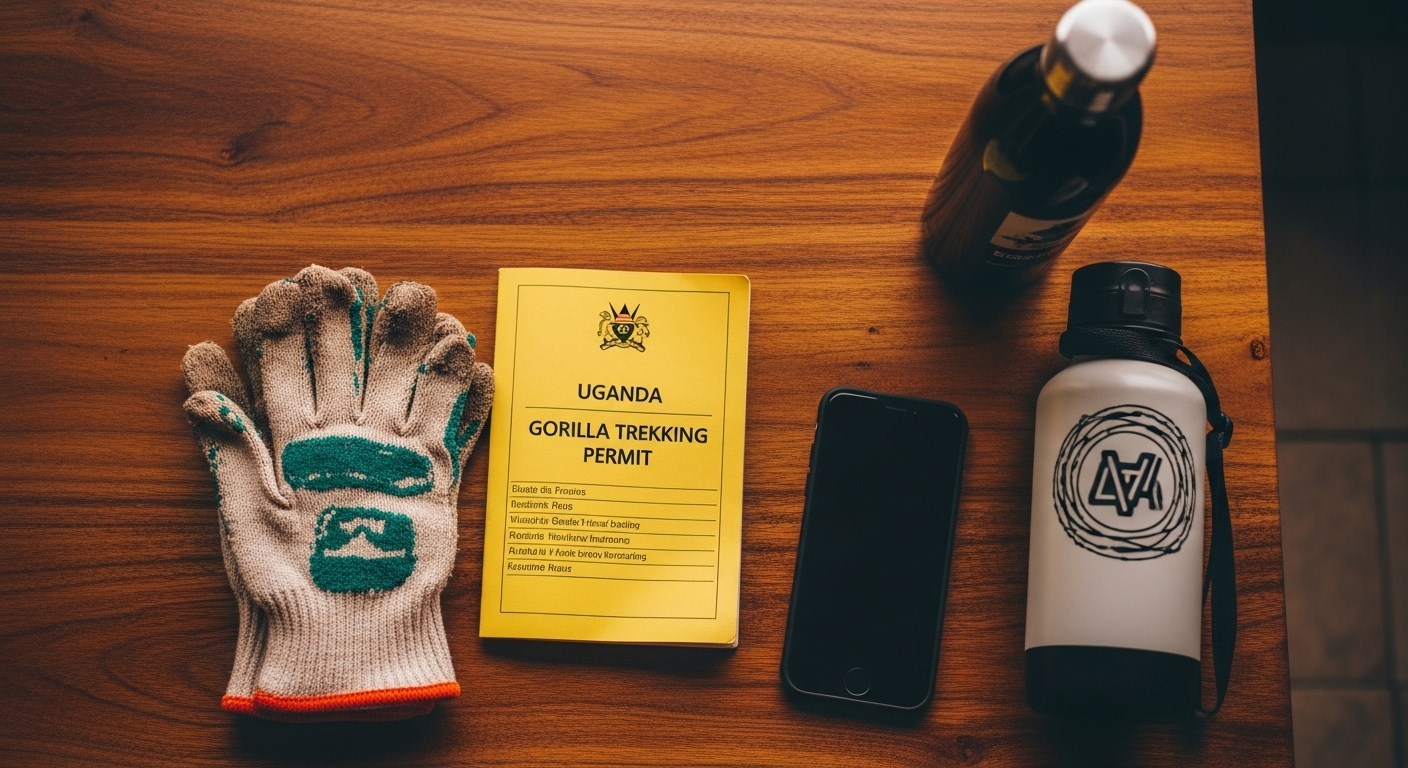
    • Gardening Gloves: To grip muddy slopes and vegetation.

    • Rain Jacket: It’s a rainforest, so be prepared.

    • Daypack: To carry your essentials.

    • Water and Snacks: Stay hydrated and energized. Most lodges provide a packed lunch.

    • Insect Repellent: With DEET or Picaridin.

    • Camera: No flash photography is allowed.

    • Cash: For hiring a porter and for tips.

    Budgeting for Your Trip

    Understanding the costs helps you plan better. Here’s a look at the extra expenses.

    How much does it cost to hire a porter?

    Hiring a porter is one of the best decisions you can make. For a set fee of $20 USD, a local porter will carry your daypack, leaving your hands free to navigate the trail and take photos. More importantly, it provides a vital source of income for local community members. It’s a true win win.

    How much should I tip?

    Tipping is a customary way to show appreciation for excellent service. While not mandatory, it is highly encouraged. Here are some general guidelines:

    • Rangers and Trackers: Plan for $15 to $20 per trekker, which can be pooled as a group and given to the lead guide to share.

    • Porters: A tip of $5 to $10 is a great way to thank them for their hard work.

    • Lodge Staff: Many lodges have a general tip box where you can leave around $5 to $10 per guest, per night.

    • Your Driver/Guide: For a multi day guide, $10 to $15 per person, per day is a common guideline, given at the end of your trip.

    What is the total cost for a Bwindi gorilla trek?

    The permit is the largest fixed cost, but your total trip price will depend on your choices for accommodation and transport. A rough estimate for a 3 day, mid range Bwindi gorilla trekking trip would be:

    • Gorilla Permit: $800

    • Accommodation (2 nights): $300 to $500

    • Transport (shared vehicle): $250 to $400

    • Porters & Tips: $40 to $50

    • Total Estimated Cost: $1,390 to $1,750 per person

    This excludes international flights. Booking an all inclusive safari package can often provide better value and simplifies logistics. A custom itinerary from a specialist like Duma Explorer can be tailored to your budget and interests, combining your gorilla trek with other Ugandan highlights. Or extend into Tanzania. Start planning with our top Serengeti safari tours guide.

    Bwindi Gorilla Trekking 2026: Permit Costs & How to Book

    .

    Frequently Asked Questions About Bwindi Gorilla Trekking

    Can I choose which gorilla family I visit?

    No, you cannot choose a specific family in advance. On the morning of the trek, park rangers assign visitors to different gorilla families. They do this based on the current location of the gorillas and the physical fitness levels of the trekkers in each group.

    How close do you get to the gorillas?

    The official rule is to maintain a distance of about 7 to 10 meters (23 to 33 feet) from the gorillas. However, gorillas are wild animals and don’t know the rules. Curious juveniles or even adults may sometimes move closer to you. It’s important to listen to your guide’s instructions and remain calm and quiet.

    Is Bwindi gorilla trekking safe?

    Yes, it is very safe. You are always accompanied by armed, experienced UWA rangers whose primary job is your safety. They are trained to handle any situation in the forest, from navigating the terrain to understanding gorilla behavior. The biggest risks are usually slipping on a muddy trail or minor scratches from vegetation.

    What is the minimum age for gorilla trekking?

    The minimum age to go on a Bwindi gorilla trekking tour in Uganda is 15 years old. This rule is strictly enforced by the Uganda Wildlife Authority to ensure the safety of both the visitors and the gorillas.

    What happens if it rains on my trek day?

    The trek goes on, rain or shine! Bwindi is a rainforest, so rain is always a possibility. This is why a good waterproof rain jacket and waterproof boots are essential. The trek might be slower and muddier, but the experience of seeing gorillas in the mist can be even more atmospheric and magical.

    Is it better to see gorillas in Uganda or Rwanda?

    Both countries offer incredible gorilla trekking experiences. Uganda’s main advantages are the lower permit cost ($800 vs. $1,500 in Rwanda) and the option for the unique Gorilla Habituation Experience. Rwanda’s advantage is the shorter driving distance from its international airport in Kigali to Volcanoes National Park (about 2 to 3 hours). The choice often comes down to budget and the overall itinerary you have in mind. For a deeper dive on Rwanda logistics, permits, and tips, see our Rwanda gorilla trekking guide.

  • Zanzibar vs Mainland Tanzania 2026: Safari or Beach?

    Zanzibar vs Mainland Tanzania 2026: Safari or Beach?

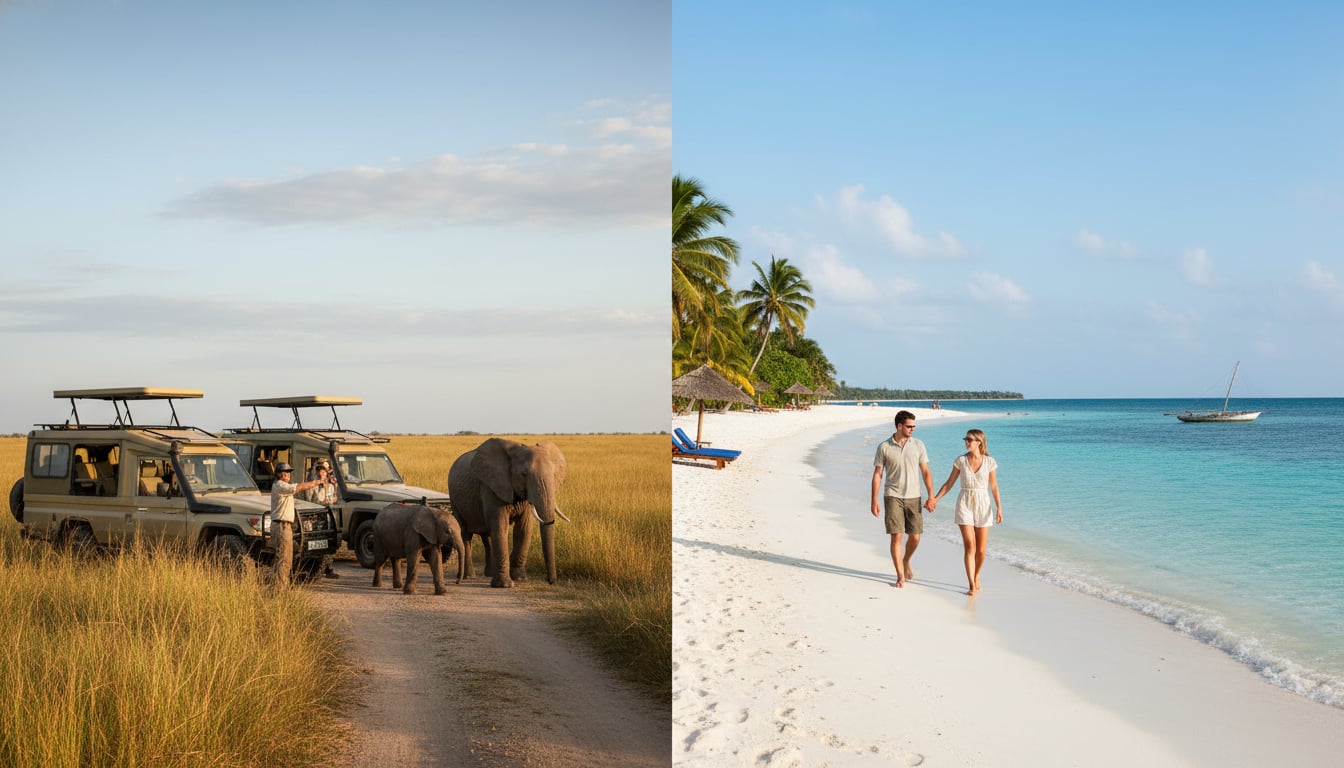
    Tanzania. The name alone conjures images of endless savanna teeming with wildlife and pristine tropical beaches. For many travelers, the big question isn’t if they should go, but where to focus their time. This often boils down to the classic debate: Zanzibar vs mainland. Should you choose the epic adventure of a wildlife safari or the blissful relaxation of an island paradise?

    The great news is you don’t have to choose. Combining both is the quintessential Tanzanian experience: here’s how to fit multiple experiences into one East Africa trip. This guide will break down the Zanzibar vs mainland comparison, helping you understand the unique character of each so you can design the trip of a lifetime.

    Feature

    Mainland Tanzania (Safari)

    Zanzibar (Island)

    Primary Vibe

    Adventure, Wildlife, High-Energy

    Relaxation, Culture, Tropical

    Daily Budget (Mid-range)

    $400 – $700 per person

    $150 – $300 per person

    Transportation

    4×4 Jeep / Bush Planes

    Taxis, Scooters, Dhow Boats

    Top Activity

    The Great Migration (Serengeti)

    Snorkeling & Stone Town Tours

    Clothing

    Neutral “Safari” tones, Layers

    Modest dress (shoulders/knees covered)

    Best For

    Early Risers & Nature Lovers

    Couples & Slow Travelers

    The Mainland: A World of Wildlife and Adventure

    Zanzibar vs Mainland Tanzania 2026: Safari or Beach?

    When you picture a classic African safari, you’re picturing mainland Tanzania. This is the realm of vast, untamed wilderness, legendary national parks, and unforgettable wildlife encounters. It’s an active, thrilling experience that puts you right in the heart of nature.

    An Unrivaled Safari Experience

    Mainland Tanzania is a global biodiversity hotspot, home to an astonishing 20% of Africa’s large mammal population. A safari here is an immersion into a world governed by the rhythms of the wild.

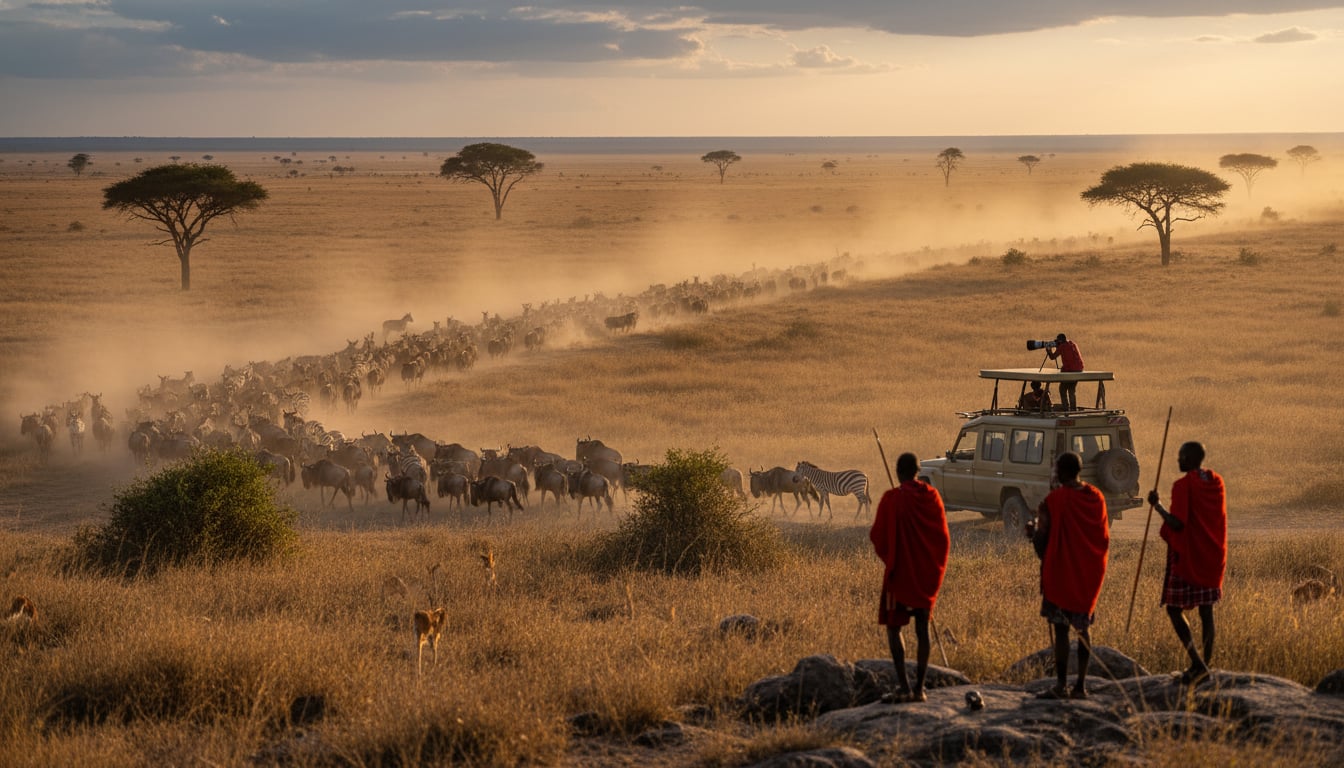
    • The Serengeti: This iconic park, spanning nearly 30,000 square kilometers, is the stage for the Great Migration. See our Top Serengeti safari tours to choose the right region and season. Witnessing over 1.5 million wildebeest journey across the plains is a spectacle that defines the safari experience.

    • The Big Five: The mainland is one of the best places on earth to see the legendary “Big Five” (lion, leopard, elephant, rhino, and buffalo) roaming freely in their natural habitat.

    • Ngorongoro Crater: This massive volcanic caldera is a self contained ecosystem packed with wildlife, offering some of the most reliable game viewing in Africa.

    A mainland safari is an adventure. Days often start before dawn, filled with game drives in a rugged 4×4 vehicle. The pace is exciting and the landscapes are epic. It’s less about lounging and more about active exploration, discovery, and the thrill of the chase.

    Zanzibar: An Island of Spice, History, and Serenity

    Just 35 kilometers (about 22 miles) off the mainland coast lies the Zanzibar Archipelago. This is Tanzania’s tropical alter ego, a place where the pace of life slows to the gentle rhythm of the Indian Ocean tides. While the mainland offers adrenaline, Zanzibar offers rejuvenation.

    Beaches, Culture, and a Slower Pace

    Zanzibar is more than just stunning beaches, it’s a cultural melting pot with a story to tell.

    • Pristine Beaches: Think postcard perfect scenes of powdery white sand, turquoise waters, and swaying palm trees. From the vibrant sunsets of Nungwi in the north to the kite surfing paradise of Paje in the east, there’s a beach for every mood.

    • Historic Stone Town: A UNESCO World Heritage site, Stone Town is the cultural heart of Zanzibar. Start with our Stone Town Zanzibar guide before you lose yourself in its winding alleys, admire the intricately carved Omani style doors, and explore bustling bazaars. The air is fragrant with the scent of spices, a nod to its history as the “Spice Island.”

    • A Rich Swahili Heritage: Zanzibar’s culture is a unique fusion of African, Arab, Persian, and Indian influences. With a population that is over 98% Muslim, the island has a conservative and welcoming atmosphere. The call to prayer provides a serene soundtrack to the day.

    A trip to Zanzibar is your chance to decompress. You can spend your days snorkeling in coral reefs, touring a spice farm, or simply doing nothing at all.

    Key Differences: Zanzibar vs Mainland Showdown

    Zanzibar vs Mainland Tanzania 2026: Safari or Beach?

    While part of the same country, the two regions feel worlds apart. Understanding the Zanzibar vs mainland distinctions is key to planning your trip.

    Cultural Landscape

    The biggest difference lies in the culture. Mainland Tanzania is a tapestry of over 120 distinct ethnic groups, including the Maasai, Sukuma, and Chagga. This creates a diverse cultural landscape with a mix of Christian, Muslim, and traditional beliefs.

    Zanzibar, by contrast, has a more homogenous Swahili culture deeply shaped by centuries of Arab and Persian influence. This history is reflected in its architecture, cuisine, and the prominence of Islam, which guides the rhythm of daily life. Visitors are encouraged to dress modestly, especially when outside of beach resorts.

    Language Nuances

    Swahili (or Kiswahili) is the official language that unites all of Tanzania. You can communicate easily in both places. However, the dialects differ slightly. Zanzibari Swahili is often considered the most classical form, rich with Arabic loanwords. On the mainland, you might hear more English words and local slang mixed into conversation. These are minor variations, and learning a few basic phrases like jambo (hello) and asante (thank you) will be appreciated everywhere.

    Political Status

    Here’s a fascinating detail: Zanzibar is a semi autonomous region within the United Republic of Tanzania. It has its own president, parliament, and flag. This unique political status is a result of the 1964 union between mainland Tanganyika and the islands of Zanzibar. For travelers, this means you might go through a quick passport check when traveling between the two, even on a domestic flight. It’s a simple formality, not an international border crossing.

    Planning Your Trip: Logistics and Timing

    Planning the logistics for a Zanzibar vs mainland trip is simple, making a combined itinerary easy to arrange. For step-by-step logistics and timelines, see our complete safari planning guide.

    Travel Connections: Flights and Ferries

    Traveling between the two is a well worn path, with two main options:

    • By Air: The quickest way is a short flight. A trip from Dar es Salaam to Zanzibar takes only about 20 minutes. There are also direct flights from safari hubs like Arusha, connecting you from the bush to the beach in just a couple of hours.

    • By Sea: For a more scenic and budget friendly journey, a high speed ferry runs between Dar es Salaam and Stone Town. The trip takes about two hours and offers beautiful views as you approach the island.

    2026 Transit Times & Costs

    Connecting the two regions is easier than ever. Here is what to expect for your 2026 transit:

    • Arusha/Serengeti to Zanzibar (Flight): 1.5 to 2.5 hours. Expect to pay between $200 – $350 USD for a one-way bush flight.

    • Dar es Salaam to Stone Town (Ferry): 2 hours. High-speed ferries (like Azam Marine) cost approximately $35 – $50 USD for “Economy” to “Royal” class.

    • Pro-Tip: Book “Coastal Aviation” or “Safari Air Link” for direct bush-to-beach flights to avoid a layover in Dar es Salaam.

    Because this is a domestic route, you do not need a separate visa for Zanzibar. Your Tanzanian tourist visa covers both the mainland and the islands.

    Accessibility and Getting Around

    The scale of travel in each location is vastly different. The mainland is immense. Getting between national parks often involves long drives on bumpy roads or short flights on small bush planes. This is where a tour operator is essential for managing the complex logistics.

    Zanzibar is much more compact. You can drive the length of the main island in about two hours. Taxis, rental scooters, and local minibuses (dala dalas) make getting around relatively easy and affordable.

    The Best Time to Visit

    The best time for both a safari and a beach holiday is during the main dry season from June to October; see our best time to visit Tanzania for safari guide. The weather is sunny and pleasant, and wildlife is easier to spot as animals gather around water sources. This period also includes the spectacular Great Migration river crossings in the Serengeti (typically July and August).

    Another excellent window is from late December to February. This is the calving season in the southern Serengeti, where thousands of wildebeest are born, attracting predators and creating dramatic scenes. For Zanzibar, these months offer beautiful beach weather.

    The main rainy season from March to May is the low season, with fewer crowds and lower prices but a higher chance of downpours disrupting plans.

    Budget, Travel Style, and Trip Flow

    Deciding on your approach involves considering your budget, who you’re traveling with, and how you like to vacation. The Zanzibar vs mainland debate also extends to cost and pacing.

    Cost and Budget Comparison

    Generally, a mainland safari is more expensive per day than a Zanzibar stay. Safari costs include significant park entry fees (often $60 to $70 per person per day), a private 4×4 vehicle, a professional guide, and full board accommodation in remote lodges or camps. A mid range private safari can cost between $400 and $700 per person per day. For a detailed breakdown, see our Tanzania safari cost guide.

    Zanzibar offers more flexibility. While luxury resorts can be pricey, there are many wonderful mid range hotels, boutique guesthouses, and beach bungalows at a fraction of the cost. Food and activities are also generally more affordable. This flexibility allows you to balance your overall trip budget, perhaps by splurging on an incredible safari and then choosing more modest accommodation in Zanzibar.

    Who is it For? A Match for Every Traveler

    • Wildlife Enthusiasts & Photographers: The mainland is your primary destination. The sheer density and diversity of animals are unparalleled.

    • Honeymooners & Relaxation Seekers: Zanzibar is a romantic paradise. However, the shared adventure of a safari followed by beach relaxation is a classic honeymoon combination.

    • Adventure Seekers: The mainland offers trekking, walking safaris, and the ultimate challenge of climbing Mount Kilimanjaro.

    • Families: A combined trip is perfect. Safaris create core memories for kids, while Zanzibar’s calm waters provide a safe and fun environment for everyone to unwind.

    • Cultural Travelers: Both offer rich experiences. Explore Maasai culture on the mainland and dive into Swahili history in Stone Town.

    • Solo Travelers: A guided safari provides security and companionship. Zanzibar is a friendly and easy place to explore on your own, though it’s always wise to take standard safety precautions.

    The Perfect Order: Safari First or Zanzibar First?

    While you can plan it either way, most experts recommend the safari first, beach second itinerary. A safari is exhilarating but can be tiring, with early mornings and long days in a vehicle. Finishing your trip in Zanzibar allows you to fully relax and process the incredible things you’ve seen. You end your vacation feeling rested and rejuvenated, rather than needing a vacation from your vacation.

    For a seamless experience, a well planned itinerary is crucial. An operator like Duma Explorer can craft a custom trip that perfectly balances your desire for adventure and relaxation.

    Packing for Two Worlds

    The contrast between the dusty plains and the humid coast requires a smart suitcase:

    • On the Mainland: Think function. Pack long trousers and sleeves for the evenings to protect against mosquitoes and Tsetse flies. Avoid bright blue or black clothing, as they attract biting flies in some parks.

    • In Zanzibar: Think respect. While bikinis are fine on resort beaches, Stone Town is a conservative area. Both men and women should ensure shoulders and knees are covered when walking through town or local villages.

    The Verdict: The “Bush and Beach” Combination

    Ultimately, the debate over Zanzibar vs mainland is best solved by not choosing at all. The magic of Tanzania lies in its diversity. A combined “bush and beach” itinerary offers a complete and deeply satisfying journey.

    You get the adrenaline of tracking lions across the Serengeti, followed by the tranquility of watching a dhow sail across an Indian Ocean sunset. It’s a trip of powerful contrasts, adventure and serenity, that captures the true soul of East Africa. By experiencing both, you get two incredible vacations in one unforgettable trip.

    Ready to plan your own adventure? Explore custom safari and Zanzibar packages to start building your dream Tanzanian holiday.

    Frequently Asked Questions About Zanzibar vs Mainland Tanzania

    1. Do I need a different visa for Zanzibar?
    No. Zanzibar is part of Tanzania, so your single Tanzanian tourist visa is valid for both the mainland and the islands. You will only go through a brief passport check when traveling between them.

    2. What is the best way to travel from a safari in the Serengeti to Zanzibar?
    The most efficient way is to take a small bush flight from an airstrip within or near the Serengeti directly to Zanzibar. This saves you a full day of travel and is a scenic experience in itself.

    3. Is it better to end my trip on the mainland or in Zanzibar?
    Most travelers prefer to end their trip in Zanzibar. After the exciting and often tiring pace of a safari, the relaxing beach environment is the perfect way to unwind before heading home.

    4. How many days do I need for a combined safari and Zanzibar trip?
    A good starting point is 10 to 14 days. This allows for a 5 to 7 day safari covering a few key parks, and 4 to 6 days in Zanzibar to experience both Stone Town and the beaches without feeling rushed.

    5. Is Tanzania safe for solo travelers?
    Yes, Tanzania is generally a safe and welcoming destination for solo travelers. On safari, you are always with a professional guide, which provides security. In Zanzibar and mainland cities, it is important to take standard precautions like avoiding walking alone at night and being aware of your surroundings.

    6. Which is more expensive, a mainland safari or a Zanzibar vacation?
    On a per day basis, a mainland safari is almost always more expensive due to high park fees, vehicle costs, and the logistics of operating in remote areas. Zanzibar offers a wider range of budget friendly options for accommodation and dining.

    7. Can I experience local culture on both the mainland and in Zanzibar?
    Absolutely. On the mainland, you can visit local markets or arrange a respectful visit to a Maasai community. In Zanzibar, immersing yourself in Stone Town, visiting a spice farm, and enjoying local Swahili cuisine are fantastic cultural experiences.

    8. What is the biggest difference in the experience of Zanzibar vs mainland?
    The biggest difference is the pace. A mainland safari is an active, structured adventure focused on wildlife. A Zanzibar trip is a relaxed, leisurely escape focused on beaches, culture, and rejuvenation.

  • Wildebeest Migration 2026: When & Where to See It Best

    Wildebeest Migration 2026: When & Where to See It Best

    Picture this: over a million wildebeest, hundreds of thousands of zebras, and countless gazelles thundering across the vast plains of East Africa. This isn’t just a journey; it’s the Great Wildebeest Migration, a relentless, circular trek for survival that’s often called the greatest show on Earth. It is the largest overland mammal migration in the world, a raw, dramatic spectacle that unfolds year round across Tanzania and Kenya.

    Following the rhythm of the rains, these massive herds travel roughly 800 kilometers in a clockwise loop through the Serengeti and Maasai Mara ecosystem. They are in constant search of fresh grass and water, facing challenges at every turn, from opportunistic predators to treacherous, crocodile infested rivers. It’s a true circle of life, where around 500,000 calves are born each year, yet on average, about 6,250 wildebeest drown each year during the Mara River crossings.

    For anyone planning a safari, understanding the timing and movement of this incredible event is key. Let’s dive into the month by month flow of the wildebeest migration.

    The Great Wildebeest Migration 2026: Key Takeaways

    To see the river crossings, visit the Northern Serengeti (Tanzania) or Maasai Mara (Kenya) between July and September. To witness the calving season, head to the Southern Serengeti (Ndutu) from January to March. Because the migration is a continuous circular loop driven by rainfall, wildlife viewing is excellent year-round if you are in the correct region.

    2026 Migration Calendar & Regional Guide

    Month

    Region

    Primary Event

    Best For

    Jan – March

    Southern Serengeti / Ndutu

    Calving Season

    Newborns & High Predator Action

    April – May

    Central Serengeti (Seronera)

    The Trek North

    Lush landscapes & Large Columns

    June – July

    Western Corridor

    Grumeti River Crossing

    Crocodile encounters & Private sightings

    Aug – Sept

    Northern Serengeti / Maasai Mara

    Mara River Crossings

    Iconic “Greatest Show” dramatic leaps

    Oct – Nov

    Maasai Mara / Eastern Serengeti

    Southward Return

    Bird’s eye views & Open plains trekking

    December

    Southern Serengeti

    Arrival / Pre-Calving

    The return to the short-grass plains

    The Great Migration Route: A Month by Month Guide

    While the wildebeest migration follows a predictable annual cycle, its exact timing is famously unpredictable. The entire event is driven by rainfall, so the herds’ movements can shift by weeks or even months depending on when and where the rains fall. Nature doesn’t run on a strict schedule. This guide provides a general timeline, but always remember that the animals are in charge.

    January to March: Calving Season in the Southern Serengeti

    The year begins with the herds concentrated on the nutrient rich, short grass plains of the Southern Serengeti and the Ndutu area of the Ngorongoro Conservation Area. This is the calving season, a time of incredible renewal. From late January through March, a massive baby boom occurs, with as many as 8,000 wildebeest calves born every single day at its peak.

    The open plains provide a perfect nursery, offering rich grazing for mothers and making it easier to spot approaching danger. Of course, this explosion of new life attracts predators in huge numbers. Lions, cheetahs, hyenas, and jackals flock to the area, creating a theater of dramatic predator prey interactions. For safari goers, it’s a phenomenal time to witness both the tender moments of new life and the raw reality of the food chain (including on a guided “walking safari in Ndutu” for an entirely different perspective).

    April to June: The Northward Journey Begins

    As the long rains arrive around April and May, the southern plains have been grazed down. This is the signal for the great herds to begin their epic trek northward. The single mega herd splinters into smaller groups, fanning out across the Serengeti. Some columns head directly north through the central Seronera region, while a massive contingent veers northwest into the Serengeti’s Western Corridor. If you’re planning to base in these areas, our “Serengeti safari tours guide” compares regions and camps to help you decide.

    By May, you can witness incredible scenes of wildebeest marching in columns that can stretch for an astonishing 40 kilometers. This period is also the wildebeest rutting season. As the herds move, thousands of bulls engage in noisy, energetic clashes for mating rights. The air fills with grunting and the sight of sparring males, ensuring the next generation will be conceived on the move. By June, a large part of the herd congregates in the Western Corridor, preparing for its first major obstacle: the Grumeti River.

    Wildebeest Migration 2026: When & Where to See It Best

    July to October: Dramatic River Crossings and Grazing in the North

    This is the most famous phase of the wildebeest migration, defined by perilous river crossings.

    • The Grumeti River Crossing (June and July): Located in the Western Corridor, the Grumeti River is the first major hurdle. Its channels are home to some of the largest Nile crocodiles in Africa. While perhaps less chaotic than the Mara crossings to come, witnessing the herds plunge through these waters is a heart pounding experience, often with fewer crowds.

    • The Mara River Crossing (July to September): The ultimate spectacle. The Mara River, which forms the border between the Serengeti in Tanzania and the Maasai Mara in Kenya, is the final and most dramatic barrier. Thousands of animals build up on the banks before taking a leap of faith into the churning, crocodile filled water. Crossings are explosive, chaotic, and happen repeatedly over several weeks, not as a single event. For a quick overview of where and when to position yourself, see our “Great Migration in East Africa guide.”

    Once across, the herds spread out to graze on the lush pastures of Kenya’s Maasai Mara National Reserve and Tanzania’s Northern Serengeti (in areas like Kogatende and the Lamai Wedge). They spend September and October recovering their strength, fattening up on the green grasses. Predator action remains high, as the resident lion prides of the Mara take full advantage of the bounty.

    November to December: The Return South During the Green Season

    The arrival of the short rains in Tanzania around November signals that it is time to head home. The scent of fresh grass sprouting on the southern plains pulls the wildebeest back. The herds begin their southward journey, often moving through the Lobo Valley and the Loliondo Game Controlled Area on the eastern side of the Serengeti.

    This “Green Season” is a beautiful time for a safari. The landscapes are vibrant and green, the dust has settled, and the air is clear. You can see long, snaking lines of wildebeest returning to their birthing grounds. By the end of December, the herds are typically arriving back in the Southern Serengeti and Ndutu area, completing the great circle and positioning themselves to give birth once again.

    Understanding the Key Events of the Wildebeest Migration

    While the month by month guide gives you the big picture, certain events define the experience.

    The Calving Season: A Predator’s Paradise

    The synchronized birth of half a million calves in just a few weeks is an evolutionary masterstroke. By overwhelming the landscape with newborns, the wildebeest ensure that predators simply can’t eat them all, guaranteeing a high survival rate for the species. For cheetahs and lions, however, this is a time of feasting. The abundance of vulnerable prey makes for incredible and frequent hunting action, often in broad daylight, making it one of the best times to see the wildebeest migration.

    Wildebeest Migration 2026: When & Where to See It Best

    The River Crossings: Nature’s Ultimate Drama

    The river crossings, especially at the Mara River, are the nail biting climax of the journey. The combination of steep banks, powerful currents, and enormous, waiting crocodiles creates a life or death struggle. It’s a powerful and emotional spectacle that showcases the sheer determination of these animals. Planning a trip around this event requires patience, as herds can wait by the river for days before one brave individual triggers a stampede.

    Expert Tip: River crossings are not a single event. A herd may stand at the water’s edge for hours—or even days—before one brave wildebeest decides to jump. Patience is the most important tool in your camera bag.

    Central Serengeti’s Role: The Great Crossroads

    The Seronera area in the Central Serengeti acts like a major intersection for the wildebeest migration. Herds pass through here on their way north (around April and May) and again on their way south (around November and December). Because Seronera has reliable water sources, it also supports a huge resident wildlife population. This means that even if the main migration has passed, you are virtually guaranteed fantastic game viewing, especially for big cats.

    The migration spends approximately 9 months in Tanzania and 3 months in Kenya. For the best 2026 experience, consider your timing:

    • Choose Tanzania (Serengeti) if traveling between November and July. You will see the calving season, the trek through the central plains, and the Western Corridor crossings.

    • Choose Kenya (Maasai Mara) if traveling between August and October. The herds are more concentrated in a smaller area, making them easier to find, though the parks are more crowded.

    How to Plan and Time Your Great Migration Safari

    Chasing a moving target across two countries can feel overwhelming, but a few key tips can help you be in the right place at the right time. For a step-by-step checklist, see our “complete safari planning guide.”

    • Pick Your Priority: Decide what you want to see most. Is it the adorable newborns and predator drama of the calving season (January to March)? Or the high stakes action of the river crossings (July to September)? Your answer will determine the best time for you to travel; our month-by-month overview of the “best time for a Tanzania safari” makes it easy to choose.

    • Allow Enough Time: Don’t rush it. To maximize your chances of seeing a river crossing, plan to spend at least three or four nights in the Northern Serengeti or Maasai Mara. These “sample 7-10 day Tanzania safari itineraries” show how to build in enough time.

    • Stay Flexible: The best safari itineraries are flexible. Working with an operator who has guides on the ground provides a huge advantage. Experienced teams, like ours at Duma Explorer, use real time reports from guides and pilots to track the herds’ movements and adjust your route for the best possible experience.

    • Book Well in Advance: The Great Wildebeest Migration is one of the world’s most sought after wildlife experiences. Lodges and mobile camps in prime locations, especially for the river crossing season, can be fully booked more than a year in advance. To set expectations and budgets early, review our “Tanzania safari cost guide.”

    Ultimately, there is no single “best” time to witness this natural wonder. Every phase offers its own unique magic. Whether you are watching a wobbly calf take its first steps or holding your breath as a herd plunges into the Mara River, you are witnessing one of the last great movements of wildlife on our planet.

    Ready to see the magic for yourself? A well planned safari can place you at the heart of the action. Let the experts help you navigate the complexities of the wildebeest migration. You can explore custom safari options on the Duma Explorer website to start planning your adventure.

    1. Book 12 Months Out: For the 2026 river crossings (July–Sept), top-tier camps in the Mara and Northern Serengeti fill up a year in advance.

    2. Pack for “The Green Season”: If visiting in November or April, bring waterproof gear. The rain makes for stunning photography but can make roads muddy.

    3. Choose “Mobile” Camps: To stay closest to the action, look for “semi-permanent” mobile camps that move twice a year to follow the herds’ progress.

    Frequently Asked Questions About the Wildebeest Migration

    What is the best month to see the wildebeest migration?

    This depends on what you want to see! For baby animals and intense predator hunts, January and February are fantastic. For the famous and dramatic river crossings, July and August are peak months. There is something spectacular to witness in every season.

    Is the wildebeest migration always in the same place?

    No, the herds are constantly moving. Their location is dictated by local rainfall and the availability of fresh grass. While they follow a general annual pattern, their exact location can vary significantly from year to year, making local guide knowledge essential.

    How many animals are in the Great Migration?

    The migration involves approximately 1.4 million wildebeest, 200,000 zebra and 300,000 Thomson’s and Grant’s gazelle. This includes approximately 1.5 million blue wildebeest, joined by about 200,000 to 300,000 zebras and hundreds of thousands of Thomson’s and Grant’s gazelles.

    Is it better to see the migration in Kenya or Tanzania?

    Both countries offer incredible viewing. Tanzania hosts the migration for about nine months of the year, including the entire calving season and the Grumeti River crossings. Kenya’s Maasai Mara hosts the herds for typically four months, from July to October, offering incredible density and the most famous Mara River crossing moments. Many travelers opt to visit both to get the full experience. Here’s how to “fit multiple experiences into one East Africa trip.”

    What is the most dangerous part of the migration?

    The river crossings are arguably the most perilous stage. The combination of drowning in strong currents, being crushed in stampedes, and predation by massive Nile crocodiles results in thousands of deaths each year. The calving season is also incredibly dangerous for newborns, who are easy targets for predators.

  • 11 Best Tanzania Safaris for 2026: Plan the Right Trip

    11 Best Tanzania Safaris for 2026: Plan the Right Trip

    TL;DR: The best Tanzania safari depends on your travel dates, wildlife priorities, group composition, and budget. First-timers should start with a 6 to 8 day Northern Circuit covering Tarangire, Ngorongoro Crater, and the Serengeti. Migration-focused travelers should target the northern Serengeti from July to October or the Ndutu calving plains from January to March. Families, honeymooners, and photographers almost always get better results with a private vehicle and fewer rushed stops.

    The question behind most Tanzania safari searches is not really “which tour should I book?” It is “what kind of trip makes sense for me, and how do I avoid planning it wrong?”

    Tanzania recorded 2,141,895 international visitor arrivals in 2024, with nearly 87% traveling for leisure. The country offers more safari variety than most travelers realize, from river crossings in the northern Serengeti to boat safaris in the remote south, from Kilimanjaro summit adventures to quiet beach recoveries on the Swahili Coast. That range is exactly what creates overwhelm.

    One poster on Reddit captured the problem well: after spending “countless hours” on review sites, they still felt paralyzed by thousands of operators, authenticity concerns, and too many itinerary options. The answer is not more choices. It is a framework for choosing.

    This guide compares 11 distinct styles of Tanzania safaris, explains who each one fits best, and covers the practical decisions (timing, length, budget, private vs. group) that actually shape the trip.

    If you already know your travel dates but not the right route, compare itinerary and cost options to narrow things down before requesting a custom plan.

    Quick Comparison: Which Tanzania Safari Fits You?

    Safari style Best for Ideal length Best timing Budget pressure Main tradeoff
    Duma Explorer custom private safari All traveler types, multi-experience trips 5–16+ days Year-round Medium to high Bespoke planning takes more lead time
    Classic Northern Circuit First-timers, families, wildlife variety 6–8 days Year-round, strongest in dry season Medium to high Can feel rushed under 6 days
    Mara River crossing safari Great Migration drama 8–10 days July–October High Crossings are never guaranteed
    Ndutu calving season safari Predator action, photographers 6–8 days January–March Medium to high Highly seasonal, location-specific
    Private family safari Families, multigenerational groups 7–10 days School breaks, shoulder seasons Medium to high Costs more than shared group trips
    Honeymoon safari Couples, special occasions 8–12 days June–October, Jan–Feb High Ambience can overtake wildlife value
    Safari + Zanzibar Beach recovery, couples, families 10–14 days Match safari and beach seasons Medium to high Domestic flight logistics matter
    Kilimanjaro + safari Active travelers, adventurers 12–16+ days Route-dependent High Climb fatigue and sequencing matter
    Photography/big-cat safari Wildlife photographers 8–12 days Dry season, calving season High Needs private vehicle, patient guide
    Cultural/walking add-on Travelers wanting more than drives Add 1–3 days Varies by region Medium Must be ethical, not performative
    Remote southern Tanzania Repeat visitors, low-crowd seekers 7–10+ days Dry season High (fly-in) Less iconic for first-timers

    How These Tanzania Safaris Were Selected

    The 11 styles below were chosen based on wildlife quality, seasonal reliability, routing logic, time efficiency, and suitability for different types of travelers.

    Two sources anchor the wildlife claims. UNESCO identifies the Serengeti migration as the largest remaining unaltered animal migration on earth, with over one million wildebeest plus hundreds of thousands of zebras and gazelles moving in a roughly 1,000 km annual circuit. TANAPA’s own Mara River crossing guidelines provide calving statistics, responsible viewing rules, and conservation context that shaped the migration and calving sections below.

    Tanzania’s government data shows how concentrated visitor traffic really is. In 2024, Serengeti accounted for 34.4% of international park arrivals, Tarangire for 27.5%, and Lake Manyara for 13.3%. That explains why most first-time safaris focus on the northern circuit, but it also explains why crowd management, camp location, and pacing matter so much.

    The 11 Best Tanzania Safaris

    1. Duma Explorer Custom Private Safari

    Best for: Travelers who want a single operator to handle safari design, Kilimanjaro climbs, gorilla trekking, and beach extensions across East Africa.

    Ideal length: 5 to 16+ days depending on trip combination.

    Best timing: Year-round, with itineraries adjusted to migration patterns, calving windows, and climbing seasons.

    Core regions: Tarangire, Ngorongoro, Serengeti, Ruaha, Nyerere, Kilimanjaro, Zanzibar, Pangani, Saadani, plus extensions into Kenya, Uganda, and Rwanda.

    What makes it work:

    Duma Explorer, operating locally in Tanzania as Alika Africa, is a dual U.S.-Tanzanian owned operator that designs private and small-group trips across Tanzania’s northern and southern circuits, Kilimanjaro, Zanzibar, the Swahili Coast, and into Uganda, Rwanda, and Kenya. The company is led by Stacy Readal, who has spent 15+ years based in Tanzania and speaks fluent Swahili.

    What separates Duma Explorer from template-driven operators is the combination of owner-led trip design with strong ground operations. Safari guides are completing advanced training through EcoTraining and FGASA Level 1 certification. Kilimanjaro guides carry Wilderness First Responder certification and 15+ years of mountain experience. The company avoids the higher-risk Western Breach ascent while still offering Crater Camp via a safer route.

    Practitioners on Reddit have shared positive experiences, noting high responsiveness from Stacy, well-coordinated honeymoon logistics, and strong recommendations for balloon safaris over the Serengeti. On SafariBookings, Alika Africa holds a 5.0/5 rating across 86 reviews. The company also carries TripAdvisor Travelers’ Choice recognition from 2020 through 2025, with 600+ five-star reviews.

    Duma Explorer is a founding partner of the Kilimanjaro Porters Assistance Project (KPAP) and holds Travelife Certification, one of only a handful of Tanzania operators with that sustainability credential. They also offset carbon through Carbon Tanzania and support the Inuka Tusonge women’s job-skills program in Arusha.

    What they offer:

    • Private custom safaris across the Northern Circuit (Tarangire, Ngorongoro, Serengeti) and southern parks (Ruaha, Nyerere)
    • Private and small-group Kilimanjaro climbs on Lemosho, Machame, Northern Circuit, Rongai, and Marangu routes
    • Gorilla trekking coordination in Uganda and Rwanda
    • Safari + Zanzibar, Pangani, or Saadani beach combinations
    • Multi-country itineraries including Kenya’s Maasai Mara
    • Family safaris, honeymoon safaris, photography-focused trips, and birding safaris

    Budget note: Private safari pricing starts from roughly $2,000 per person for a 5-day Northern Circuit trip, with longer multi-experience itineraries (mountains, safari, beach) running to approximately $6,000 per person including accommodations, meals, and transport. Small-group Kilimanjaro climbs start from around $2,399 per person. Credit cards are accepted with a roughly 4% surcharge.

    2. Classic Northern Circuit Safari

    Classic Northern Circuit Safari Screenshot

    Best for: First-time safari travelers, families, anyone who wants high-probability wildlife across varied ecosystems.

    Ideal length: 6 to 8 days on the ground. Five days is possible but compressed.

    Best timing: Year-round, strongest during dry season (June to October and January to February).

    Core parks: Tarangire, Ngorongoro Crater, Serengeti. Lake Manyara can be added if time allows, but should not steal meaningful Serengeti days.

    What makes it work:

    • Tarangire delivers elephant herds and baobab scenery. TANAPA reports 3,000+ elephants concentrated along the Tarangire River during dry season.
    • Ngorongoro Crater is a volcanic caldera with Big Five game in a single day.
    • Serengeti provides the migration backdrop and some of the best predator viewing in Africa.

    Practitioners on Reddit consistently push back against rushed versions of this route. One detailed comment recommended at least two nights inside Tarangire to reach areas beyond the crowded entrance zone, like Silale Swamp. Another common point: Ngorongoro works well as one carefully timed crater day with an early-morning descent, while Serengeti usually deserves the most allocated time.

    Watch out for:

    • Too many one-night stops turn the trip into a driving holiday.
    • Lake Manyara is useful for birding and forest scenery but not always essential when time is short.
    • Under six days, the itinerary gets tight and transfers dominate.

    For a closer look at how this route works day by day, see why Tarangire deserves time and plan a Ngorongoro Crater day without overloading the schedule.

    Budget note: Market averages for private mid-range Tanzania safaris run roughly €375 per person per day, while private luxury averages around €625 per person per day, excluding international flights, tips, and personal items. Duma Explorer, which operates locally in Tanzania as Alika Africa, can customize this route around family pacing, photography priorities, migration timing, or Zanzibar extensions.

    3. Great Migration Mara River Crossing Safari

    Great Migration Mara River Crossing Safari Screenshot

    Best for: Travelers who specifically want the dramatic spectacle of wildebeest crossing the Mara River, and who accept that crossings are never guaranteed.

    Ideal length: 8 to 10 days, especially when combined with Central and Northern Serengeti.

    Best timing: Roughly July to October, though exact herd movement varies with rainfall.

    Core region: Northern Serengeti near the Mara River, usually combined with Central Serengeti, Ngorongoro, and Tarangire.

    What makes it work:

    The Great Migration involves over 1.5 million wildebeest, hundreds of thousands of zebras, and the predators that follow them. It is the defining Serengeti attraction, and the Mara River crossings are its most photographed moments.

    But this type of Tanzania safari carries real ethical weight. TANAPA published formal Mara River crossing guidelines because unethical tourism practices had developed at crossing points. The rules require vehicles to remain stationary in designated areas, prohibit blocking animal movement, and enforce maximum vehicle limits at crossing sites. A good guide follows these rules without being asked.

    Watch out for:

    • Crossings depend on weather, herd behavior, and river conditions. No ethical operator guarantees them.
    • Crowds build quickly at river points during peak season. Government park data shows July and August 2024 had the highest monthly international park visitation, with over 150,000 international visitors each month.
    • Camp location matters more than lodge décor. A cheaper camp far from the action wastes hours each day on transfers.

    For deeper Serengeti planning, explore Serengeti safari regions to understand the difference between central, northern, and western zones.

    Budget note: Northern Serengeti camps are in high demand during peak migration months. Luxury safaris in this window can run $700 to $1,500+ per person per day, and ultra-luxury private camps can exceed $2,000 per person per day.

    4. Ndutu Calving Season Safari

    Ndutu Calving Season Safari Screenshot

    Best for: Predator action, wildlife photographers, travelers who can visit January to March, and anyone who wants a top-tier migration experience without the river-crossing crowds.

    Ideal length: 6 to 8 days, often combined with Tarangire and Ngorongoro.

    Best timing: January to March, with mid-February typically the peak calving window.

    Core region: Ndutu, southern Serengeti, short-grass plains near the Ngorongoro Conservation Area border.

    What makes it work:

    Most “Tanzania safaris” pages treat calving season as a footnote under the Great Migration. It deserves its own category. TANAPA’s migration guideline states that approximately 250,000 wildebeest calves are born each year, with four-fifths born within a few short weeks on the short-grass plains around mid-February. At peak, 8,000 to 12,000 births happen per day.

    That concentration of newborns draws lions, cheetahs, hyenas, and wild dogs into the open. The predator action during calving season is often more consistent and more visible than during peak dry season, partly because the short grass offers unobstructed sightlines.

    Watch out for:

    • Highly seasonal. Miss the window and the herds may have moved.
    • Mud and rain can affect roads, especially in March.
    • Travelers looking for river crossings should choose a different season.

    Budget note: February calving demand pushes rates at popular Ndutu-area camps, but overall this period can offer better value than peak July-to-October rates depending on camp choice and routing.

    5. Private Family Safari

    Private Family Safari Screenshot

    Best for: Families with children, teens, grandparents, multigenerational groups, and travelers with mobility or pacing needs.

    Ideal length: 7 to 10 days for safari, or 10 to 14 days with a beach extension.

    Best timing: School breaks and shoulder seasons often work well.

    Core parks: Tarangire, Ngorongoro, Serengeti. Add Zanzibar or a quieter Swahili Coast extension if the family needs downtime.

    What makes it work:

    The value of a private family safari is not about nicer lodging. It is about control. Practitioners on Reddit emphasize this repeatedly: with a private vehicle, you control wake-up times, how long you spend at sightings, whether to prioritize big cats or birds, and the day’s pacing. One commenter wrote that if you want dawn starts and control over sighting time, you should not be in a group where other travelers sleep in or have different wildlife priorities.

    For families, this matters even more. Younger children tire faster, grandparents may need flexible schedules, and teens often want to photograph everything. A shared vehicle with strangers makes all of that harder.

    Watch out for:

    • Younger children may not enjoy long transfer days. Build shorter driving segments.
    • Some camps have minimum age limits or child-specific policies.
    • Room configuration matters for families. Confirm bed arrangements before booking.
    • Private vehicle costs more per person when there are fewer travelers, but families can improve per-person value by sharing one vehicle.

    For detailed guidance, plan a private family safari covering logistics, kid-friendly parks, and camp selection.

    Budget note: Families of four or more sharing one private vehicle can sometimes bring the per-person cost closer to mid-range group pricing while keeping all the flexibility benefits.

    6. Honeymoon or Special-Occasion Safari

    Honeymoon or Special-Occasion Safari Screenshot

    Best for: Couples, honeymooners, anniversary travelers, milestone celebrations.

    Ideal length: 8 to 12 days, or 10 to 14 days with a beach add-on.

    Best timing: June to October for peak wildlife, January to February for calving, shoulder seasons for fewer crowds and better rates.

    Core route: Serengeti, Ngorongoro, and Tarangire, often with Zanzibar, Pangani, or Saadani as a coast extension.

    What makes it work:

    Honeymoon travelers typically care as much about privacy, camp atmosphere, and seamless logistics as they do about the park checklist. The best honeymoon Tanzania safaris balance wildlife with pacing: enough game-drive time to feel immersed, enough downtime to feel like a holiday.

    A boutique operator can often design a more tailored route than camp-owning companies that push their own properties regardless of fit.

    Watch out for:

    • Do not spend the entire budget on the most photogenic lodge if its location weakens game-drive quality. Position matters more than pool design.
    • Honeymoon pacing should avoid too many one-night stays. Two or three nights in key locations creates a calmer rhythm.
    • Balloon safaris can be a memorable upgrade, but Reddit sentiment is genuinely mixed. Some travelers call it “absolutely amazing,” while others say it may not be worth sacrificing a morning game drive when time is limited. One commenter also raised an ethical concern about balloons getting too close to wildlife. Best suited for travelers with enough safari time and realistic expectations about wind-dependent routes.

    For couples planning this trip, design a private honeymoon safari with routing, lodge, and extension options built around your dates.

    Budget note: Luxury honeymoon safaris typically run $700 to $1,500+ per person per day depending on camp level and season.

    7. Safari + Zanzibar or Swahili Coast Trip

    Safari + Zanzibar or Swahili Coast Trip Screenshot

    Best for: Couples, families, post-Kilimanjaro travelers, and anyone who wants wildlife followed by beach recovery.

    Ideal length: 10 to 14 days total.

    Best timing: Match safari season and beach weather. Check Zanzibar seasonal conditions before locking dates.

    Core sequence: Safari first, beach second. A common routing: Arusha to Tarangire to Ngorongoro to Serengeti, then fly to Zanzibar or the coast.

    What makes it work:

    This combination is popular for good reason. After several days of early wake-ups, bumpy roads, and intense wildlife focus, a few days on a beach feels like a different kind of vacation. The sequencing matters: safari fatigue is real, and putting the active portion first means you wind down rather than ramp up.

    Forum discussions on both Reddit and Tripadvisor consistently recommend the same logistical principle: fly one way out of the Serengeti to Arusha or directly to Zanzibar rather than repeating the same long, rough drive back. One commenter said flying at the end spares travelers the same punishing transfer twice. Another recommended it specifically for saving a full day.

    Watch out for:

    • Domestic flight timing and connections matter. Build buffer time.
    • Zanzibar works well, but Pangani and Saadani offer quieter mainland alternatives.
    • Safari and beach weather should align, especially for honeymooners traveling in shoulder months.

    Budget note: Duma Explorer already coordinates domestic flights, transfers, and sequencing between northern circuit parks and coast destinations including Zanzibar, Pangani, and Saadani.

    8. Kilimanjaro + Safari Combination

    Kilimanjaro + Safari Combination Screenshot

    Best for: Adventure travelers, couples or friends with two or more weeks, active honeymooners.

    Ideal length: 12 to 16+ days depending on Kilimanjaro route and safari length.

    Best timing: Route-dependent. Dry months (January to March, June to October) generally suit both climbing and safari.

    Core sequence: Usually climb first, safari second, beach last if included.

    What makes it work:

    Tanzania is unusually strong for this combination because Kilimanjaro, Arusha, Tarangire, Ngorongoro, and the Serengeti can all be logistically linked into a single multi-week trip. Few other destinations let you summit Africa’s highest peak and watch the Great Migration within the same journey.

    Duma Explorer has deep Kilimanjaro expertise with guides holding 15+ years of mountain experience and Wilderness First Responder certification. Combined with custom safari planning through their local Alika Africa operations, a Kilimanjaro-safari-beach trip can be designed as one coordinated itinerary rather than three separate bookings.

    For sequencing guidance, combine Kilimanjaro, safari, and Zanzibar without compressing recovery time.

    Watch out for:

    • Do not under-allocate recovery time after the climb. At least one full rest day before starting a safari.
    • The safari should not start with the most punishing transfer day.
    • Travel insurance must cover high-altitude trekking. Standard policies often do not.

    Budget note: A multi-week Kilimanjaro-safari-beach trip is a significant investment, but consolidating through one operator can simplify logistics and sometimes reduce coordination costs.

    9. Photography and Big-Cat Safari

    Photography and Big-Cat Safari Screenshot

    Best for: Wildlife photographers, serious hobbyists, travelers who want fewer rushed sightings and more time at dawn and dusk.

    Ideal length: 8 to 12 days.

    Best timing: Dry season for open visibility, calving season for predator action, Central Serengeti kopje regions for year-round cats.

    Core parks: Serengeti, Ndutu (in calving season), Tarangire, Ngorongoro.

    What makes it work:

    The best Tanzania safari photography is not determined by expensive lodges. It is determined by guide skill, positioning, patience, vehicle setup, and time at sightings. Reddit users are clear on this point: private vehicles matter because photographers can decide how long to stay at a sighting and whether to prioritize big cats, birds, or landscapes without negotiating with other travelers.

    A skilled guide who understands animal behavior, light conditions, and approach angles will outperform any amount of lodge luxury.

    Watch out for:

    • Shared group trips rarely work well for serious photography. Timing conflicts are constant.
    • Balloon safaris can produce dramatic landscape shots but are wind-dependent and not primarily close-up wildlife experiences.
    • Private vehicle and guide quality matter more than anything else on the equipment list.

    For camera gear and field technique guidance, prepare for safari photography with practical settings and lens recommendations.

    Budget note: Photography trips usually push toward private mid-range or luxury pricing because the private vehicle is non-negotiable for serious results.

    10. Cultural, Walking, and Lake Natron Add-On Safari

    Cultural, Walking, and Lake Natron Add-On Safari Screenshot

    Best for: Travelers who want more than vehicle-based game drives, active families with older children, repeat safari visitors.

    Ideal length: Add 1 to 3 days to a core safari itinerary.

    Best timing: Varies by region and activity.

    Possible add-ons: Maasai village visit, Lake Natron hike, Lake Eyasi and Hadzabe cultural experience, walking safari where permitted, Mto wa Mbu cultural visit, Olduvai Gorge, Empakaai Crater and Ngorongoro Highlands.

    What makes it work:

    Most safari listicles treat cultural experiences as filler. They can be genuinely transformative when chosen carefully and conducted ethically. The key distinction: a meaningful cultural exchange versus a staged performance for tourists.

    Walking safaris, where permitted, change the entire sensory experience. Moving through the bush on foot with a qualified guide introduces sounds, smells, tracks, and plant life that a vehicle simply cannot deliver.

    Watch out for:

    • Cultural visits can feel performative if not vetted. Ask whether community members benefit directly from the fees.
    • Walking safaris require specific park or area permissions and armed rangers or qualified guides.
    • Lake Natron adds driving time. Choose it intentionally, not as a throwaway add-on.

    Budget note: Cultural activities are typically modest relative to safari lodging and park fees, but they can add transfer complexity. This is also a good place to note that responsible tourism credentials matter. Duma Explorer holds Travelife Certification (one of few in Tanzania) and is a founding partner of the Kilimanjaro Porters Assistance Project.

    11. Remote Southern Tanzania Safari

    Remote Southern Tanzania Safari Screenshot

    Best for: Repeat safari travelers, low-crowd seekers, travelers interested in walking safaris, boat safaris, and African wild dogs.

    Ideal length: 7 to 10+ days, often with fly-in logistics.

    Best timing: Dry season (June to October) for wildlife concentration.

    Core regions: Nyerere National Park, Ruaha National Park. Possible coastal pairing with Saadani or Pangani.

    What makes it work:

    Southern Tanzania offers a fundamentally different safari character. TANAPA describes Nyerere as protecting miombo woodlands, floodplains, and Rufiji River channels, with boat safaris and African wild dogs as key draws. Ruaha features baobab savanna, rocky kopjes, large lion prides, and dry-season concentrations of elephants and buffalo.

    The trade is clear: you give up the iconic Serengeti and Ngorongoro for lower visitor density, a wilder atmosphere, and species (like wild dogs) that are harder to find in the north.

    Watch out for:

    • Less iconic for first-time travelers who have their heart set on the northern circuit.
    • Fewer lodge options and higher logistical complexity.
    • Flights and remote camps often replace road-based logistics, increasing cost.
    • Better as a second safari or for travelers explicitly seeking solitude.

    Budget note: Short domestic flights to southern parks cost at least $150 per person even for short hops, and remote camp rates tend to be higher. The total cost often exceeds a comparable number of days on the northern circuit.

    How Many Days Do You Need for a Tanzania Safari?

    Days Best use
    3–4 Very short Tarangire + Ngorongoro or fly-in Serengeti taste
    5 Compressed Northern Circuit (tight but workable)
    6–8 Best first-safari range for Tarangire, Ngorongoro, and Serengeti
    9–10 Better Serengeti depth or migration split between Central and Northern
    10–14 Safari + Zanzibar or Swahili Coast
    12–16+ Kilimanjaro + safari + beach

    Reddit planners repeatedly advise that six to seven days is a much stronger minimum than trying to squeeze everything into three or four days. The biggest mistake is choosing a safari by park checklist rather than time on the ground. Three nights in Serengeti beats one night each in four parks.

    When Should You Go on a Tanzania Safari?

    June to October (dry season): Peak demand, highest wildlife concentration around water sources, best window for northern Serengeti river crossings. Also the most crowded and expensive period. Government data shows July and August 2024 each drew over 150,000 international park visitors, compared with just 23,319 in April.

    January to March (calving and short dry): Ndutu calving season, strong predator activity, greener landscapes, generally lower crowds than peak dry season. February is typically the calving peak.

    March to May (long rains): Lower prices, lush scenery, some road and lodge limitations. Not all camps stay open. Can be rewarding for birding and photography if planned carefully.

    November to December (short rains and shoulder): Good value, fewer crowds, rain is usually short afternoon bursts. Can work well for travelers with flexible dates.

    For month-by-month detail, choose the best time for your specific priorities.

    Private vs. Group Tanzania Safaris

    The private-versus-group decision is one of the most important choices in planning a Tanzania safari, and it is frequently misunderstood. Private does not automatically mean luxury. It means control.

    Choose private if you care about:

    • Dawn starts and flexible schedules
    • How long you spend at sightings
    • Photography time without compromise
    • Family pacing for children or older travelers
    • Honeymoon privacy
    • Special wildlife interests (birding, predators, specific species)
    • Mobility considerations

    Choose group if:

    • Budget and social travel matter more than flexibility
    • You are comfortable with fixed schedules and shared priorities
    • You enjoy meeting other travelers

    One commenter on a safari forum put it simply: if you want to decide whether to spend 30 minutes watching a leopard or move on after five, you need your own vehicle.

    For a closer look at vehicle types and how they affect the experience, compare safari vehicles and their tradeoffs.

    Travelers deciding between shared and private options can ask Duma Explorer to price the same route both ways, then decide whether the added control is worth the difference.

    Where Spending More Actually Improves the Safari

    Not every upgrade is worth it. This table separates the investments that change outcomes from the ones that mostly change comfort.

    Upgrade Usually worth it? Why
    Better guide and operator Yes Changes safety, sightings, ethics, wildlife interpretation
    Private vehicle Often Controls time, pacing, and sighting decisions
    Better camp location (especially during migration) Yes Saves hours and improves wildlife access
    Fewer one-night stays Yes Reduces transfer fatigue, improves morning and evening game drives
    Fly-out from Serengeti Often Saves a full day and avoids repeated rough driving
    Crater rim lodge for dawn access Situational Matters if early descent timing is a priority
    Ultra-luxury lodge Depends Improves comfort, not animal behavior
    Balloon safari Depends Memorable when timed well, but not ideal for every itinerary
    Adding extra parks Not always More parks can mean less real safari time per location

    The guide is the single biggest variable. A guide with strong training, local knowledge, and ethical field behavior transforms the same parks into a different experience. This is why guide qualifications matter more than most travelers realize when comparing operators.

    Questions to Ask Before Booking a Tanzania Safari

    Before putting down a deposit, get clear answers to these questions:

    • What parks and regions are included, and how many nights in each?
    • Are park fees, concession fees, crater descent fees, domestic flights, and transfers included in the quoted price?
    • Is the vehicle private or shared? How many guests per vehicle?
    • Who is the guide, and what training or certification do they hold?
    • Where are camps located relative to migration activity or park gates?
    • What happens if flights or logistics disrupt the schedule?
    • What are the deposit, cancellation, and insurance requirements?
    • Is the operator licensed? Tanzania’s Tourism Act requires operators to hold valid licenses.
    • Does the operator follow TANAPA’s wildlife viewing rules, including Mara River crossing guidelines?

    These questions separate operators who are planning your trip from operators who are selling a template.

    Final Recommendation

    For most first-time travelers, the best Tanzania safari is a privately guided Northern Circuit itinerary with enough time for Tarangire, Ngorongoro, and the Serengeti without rushing. Six to eight days is the sweet spot.

    If your dates fall in July to October, consider a migration-focused route that reaches the northern Serengeti. If your dates fall in January to March, consider Ndutu calving season, which delivers some of the best predator viewing on the continent with fewer crowds than peak dry season.

    Add Zanzibar or the Swahili Coast if you have 10 to 14 days. Add Kilimanjaro only if you can give the climb and safari enough breathing room. Skip the temptation to squeeze in every park and instead spend more time in fewer places.

    Whatever style you choose, the decisions that matter most are guide quality, vehicle privacy, camp location, and honest pacing. Those are the things that separate a good Tanzania safari from a great one.

    Request a Custom Tanzania Safari Itinerary

    Frequently Asked Questions

    What is the best Tanzania safari for a first trip?

    A 6 to 8 day Northern Circuit safari combining Tarangire, Ngorongoro Crater, and the Serengeti is the strongest first-time choice. It balances wildlife variety, scenic diversity, and manageable logistics. Travelers with more time can extend into the northern Serengeti for migration viewing or add Zanzibar for beach recovery.

    How many days do you need for a Tanzania safari?

    Plan at least 6 to 8 days for a strong first safari. Five days can work with a focused itinerary, but 7 to 10 days gives better Serengeti time and fewer rushed transfers. Safari-and-beach combinations work best at 10 to 14 days, and Kilimanjaro-safari-beach trips need 12 to 16+ days.

    When is the best time for Tanzania safaris?

    June to October is the most popular dry-season window, especially for migration trips to the northern Serengeti. January to March is best for Ndutu calving season and strong predator viewing. November to December can offer good value with manageable short rains. March to May brings the greenest landscapes and lowest prices but can include road challenges.

    Are Tanzania safaris expensive?

    Yes. Tanzania is one of Africa’s higher-cost safari destinations. Private mid-range safaris average roughly €375 per person per day and private luxury safaris around €625 per person per day, excluding international flights, tips, and personal expenses. Accommodation location, group size, season, and transport method are the biggest cost drivers.

    Is a private Tanzania safari worth it?

    A private safari is worth it when travelers care about dawn starts, photography time, family pacing, honeymoon privacy, or specific wildlife interests. The value is control over the day’s schedule and priorities, not status. Families of four or more can sometimes bring the per-person cost close to mid-range group rates while keeping full flexibility.

    Is the Great Migration guaranteed?

    No. The migration is a natural movement driven by rainfall, grazing patterns, and water availability. Choosing the right region for your dates improves the odds significantly, but no ethical operator should guarantee a river crossing or a specific animal sighting. Good guides maximize positioning; nature decides the rest.

    Should I fly or drive between parks?

    Drive when the transfer adds scenery, culture, or game-drive time along the way. Fly when the drive would repeat the same rough road or cost a full safari day. Many experienced planners recommend driving into the northern circuit and flying out of the Serengeti to Arusha or Zanzibar at the end, saving both time and energy.

  • Shira Plateau: Kilimanjaro Routes, Elevation & Tips 2026

    Shira Plateau: Kilimanjaro Routes, Elevation & Tips 2026

    TL;DR

    Shira Plateau is a broad, high-altitude volcanic plateau on Kilimanjaro’s western side, sitting at roughly 3,500 to 3,900 meters. It formed from the collapse of Kilimanjaro’s oldest volcanic cone. Climbers encounter it on the Lemosho, Shira, Machame, and Northern Circuit routes. The practical takeaway: Lemosho is usually a better way to reach the plateau than the Shira Route because it starts lower and gives the body more time to adjust to altitude.


    Shira Plateau is a broad volcanic plateau on the western side of Mount Kilimanjaro in Tanzania. It formed from Shira, Kilimanjaro’s oldest volcanic cone, which collapsed and eroded into the open highland landscape climbers cross today. Routes including Lemosho, Shira, Machame, and the Northern Circuit all pass through or near the plateau. Its camps and viewpoints sit roughly between 3,500 and 3,900 meters (11,500 to 12,800 feet), making it beautiful but high enough for altitude symptoms to matter. For most Kilimanjaro climbers, the key planning point comes down to this: Lemosho reaches Shira Plateau more gradually, while the Shira Route starts high by vehicle and can be harder on acclimatization.

    Shira Plateau at a Glance

    Fact Detail
    Location Western side of Mount Kilimanjaro, Tanzania
    What it is A high volcanic plateau formed from the collapsed Shira volcanic cone
    Approximate elevation 3,500–3,900 m / 11,500–12,800 ft (varies by camp or viewpoint)
    Main routes Lemosho, Shira, Machame, and Northern Circuit
    Main planning issue Altitude and acclimatization
    Best route for most first-timers Lemosho, because it starts lower and reaches the plateau gradually
    Non-summit visits Possible via day hikes or mountain cycling, but logistics and weather vary
    Common mistake Treating the plateau as “easy” because it looks flat and open; it is still high altitude

    If you are comparing routes that cross Shira Plateau, Duma Explorer’s Kilimanjaro routes can help you weigh the options.

    What Is Shira Plateau?

    Mount Kilimanjaro is not a single peak. It is a volcanic massif made up of three distinct volcanic centers: Kibo (5,895 m), Mawenzi (5,149 m), and Shira (3,962 m). UNESCO describes the mountain this way, and Tanzania’s national park authority, TANAPA, lists Shira as the oldest of the three.

    Shira stopped erupting long before Kibo and Mawenzi. Over hundreds of thousands of years, its cone collapsed inward, and erosion wore down the remaining rim. What is left today is a broad plateau, possibly a filled caldera, with deeply eroded edges. The Smithsonian Global Volcanism Program describes Shira as forming the “broad WNW shoulder” of the Kilimanjaro complex. Oregon State’s Volcano World describes it as topped by a broad plateau with erosion cutting into a remnant rim.

    The important distinction for travelers: Shira Plateau is not the summit. Uhuru Peak, the highest point on Kilimanjaro and in all of Africa, sits on Kibo. No standard climbing itinerary involves summiting Shira. Instead, climbers cross the plateau as part of their journey toward Kibo.

    Where Is Shira Plateau on Kilimanjaro?

    The plateau sits on Kilimanjaro’s western flank. Climbers approaching from the west, typically via the Londorossi Gate, reach it after climbing through rainforest and heath zones. On a Lemosho itinerary, the plateau usually appears on Day 2 or Day 3, depending on whether the schedule includes Shira 1 Camp or skips ahead to Shira 2.

    After crossing the plateau, most routes continue east toward Lava Tower and Barranco Wall before turning toward the summit. Think of the plateau as a wide, open transition zone between the forested lower slopes and the alpine desert higher up.

    One quick clarification: the Saddle Plateau, sometimes mentioned in Kilimanjaro itineraries, is a different landform entirely. The Saddle sits between Kibo and Mawenzi on the mountain’s eastern side. If you see “saddle” in your itinerary, that refers to a later, higher section of the climb, not the western Shira Plateau.

    How High Is Shira Plateau?

    Elevation numbers vary depending on the exact camp, viewpoint, or GPS reading an operator references. Most sources place the key camps in this range:

    • Shira 1 Camp: approximately 3,550 m / 11,650 ft
    • Shira 2 Camp: approximately 3,850 m / 12,650 ft
    • Shira Cathedral (optional acclimatization hike): approximately 3,880 m / 12,730 ft

    These numbers should be treated as approximate. Different operators round differently, and the plateau itself covers a wide area at various elevations.

    What matters more than the exact number is what these elevations mean for the body. The CDC Yellow Book states that any unacclimatized traveler sleeping at or above 2,450 m (8,000 ft) is at risk for altitude illness. The Wilderness Medical Society places that threshold at 2,500 m. Shira Plateau exceeds both thresholds by more than a thousand meters.

    That gap between the medical threshold and the plateau’s elevation is why route pacing matters so much. It is not about whether you are fit enough to walk across relatively flat terrain. It is about whether your body has had enough time to adjust to the thin air before sleeping there.

    Which Kilimanjaro Routes Cross Shira Plateau?

    Route How it relates to Shira Plateau Planning implication
    Lemosho Starts lower on the western side, climbs through forest, reaches Shira Plateau, then continues toward Lava Tower and Barranco Strong choice for travelers who want Shira scenery with gradual acclimatization
    Shira Route Starts high near Shira Ridge/Gate, crossing the plateau early in the climb More altitude shock from the start; better suited for experienced or already-acclimatized trekkers
    Machame Reaches the Shira area after climbing from Machame Gate on the southern side Popular and scenic, but approaches the plateau differently than the west-to-east Lemosho crossing
    Northern Circuit Usually begins with a Lemosho-style western approach, reaches Shira, then turns north around Kibo Longer route with more acclimatization time and more solitude

    For a closer look at how these routes compare on difficulty, days, and success rates, the Kilimanjaro route comparison breaks down each option.

    Shira Plateau vs Shira Route: What Is the Difference?

    This is one of the most common sources of confusion in Kilimanjaro planning.

    Shira Plateau is a place. It is the volcanic landform on Kilimanjaro’s western side.

    Shira Route is a climbing route that starts high, near Shira Ridge, and crosses that landform. The Shira Route uses a vehicle to drive climbers up to around 3,600 m before they begin walking. That means the body gets very little time to adjust before sleeping at altitude.

    Lemosho Route also reaches Shira Plateau, but it starts at a lower elevation, around 2,100 m, and climbs through forest before arriving at the plateau over the course of two or three days.

    The difference is not trivial. As one major Kilimanjaro operator explains, the Shira Route is essentially the original version of the western approach, and Lemosho was developed as an improved variation because the high vehicle start can trigger early altitude symptoms.

    For most first-time Kilimanjaro climbers, Lemosho is the safer and more comfortable way to experience Shira Plateau. The Shira Route makes sense mainly for climbers who are already comfortable at altitude or have a specific reason to start high.

    Why Shira Plateau Matters for Acclimatization

    Most operator pages describe the plateau as scenic. That is true, but it undersells the planning importance. Shira Plateau is where many climbers first realize that Kilimanjaro is an altitude climb, not just a long hike. Cold, disrupted sleep, appetite changes, headaches, and early signs of acute mountain sickness can all appear at these elevations.

    The Shira 1 question

    A key detail to watch for in any itinerary: does the plan include a night at Shira 1 Camp, or does it skip directly to Shira 2?

    Practitioners on Reddit report that skipping Shira 1 on a 7-day Lemosho itinerary can make Day 2 punishing. One climber described a long march directly to Shira 2 that led to dizziness, nausea, and ultimately descending on Day 3. The lesson is clear. Compressing the early days to save time or cost can shift difficulty into the plateau stages, right when the body is least prepared.

    If an itinerary skips Shira 1, ask what the actual elevation gain and walking time look like on that day. A cheaper or shorter itinerary is not always a better one.

    Fitness vs altitude

    Route pacing and acclimatization days matter more than raw fitness. A runner or gym regular who ascends too fast is at the same risk as anyone else. “Gradual ascent” and sleep altitude are the variables that count, not how many miles per week someone logs at sea level.

    For Kilimanjaro safety concepts like AMS, evacuation protocols, and guide preparedness, the Kilimanjaro safety glossary covers the key terms.

    Duma Explorer’s mountain team includes veteran guides with 15+ years of experience and Wilderness First Responder certification. The company is also a KPAP founding partner, which means verified fair treatment of porters and crew. These details matter when the itinerary puts everyone at 3,800 meters and conditions start testing the team’s decisions.

    Can You Visit Shira Plateau Without Climbing Kilimanjaro?

    Yes. TANAPA recognizes Shira Plateau as a non-summit activity area. Options include day visits and mountain cycling routes for travelers who want a taste of high Kilimanjaro without committing to a full summit climb.

    But there are practical caveats worth knowing.

    Forum discussions on Tripadvisor note that a Shira Plateau day hike from Arusha can involve roughly 2.5 hours of driving each way to Londorossi Gate, plus additional time ascending toward the plateau. That is a full day of logistics for what may be a few hours of walking.

    Visibility is not guaranteed. Kilimanjaro is often clouded, and practitioners on Reddit point out that day hikers may not see Kibo much closer than they would from Moshi. Some travelers find that a hike in Arusha National Park or on Mount Meru delivers a more rewarding day for less effort.

    A Shira Plateau day visit works well for travelers who specifically want to experience high-altitude Kilimanjaro landscapes without the summit. It should not be sold as a shortcut to the summit experience, and it should not be the plan if the primary goal is a guaranteed mountain photo. Build the drive time into your day and set expectations accordingly.

    For travelers considering a shorter Kilimanjaro experience, the day hike options guide covers what is available.

    What to Expect on Shira Plateau

    The landscape on Shira Plateau is open moorland, volcanic rock, and broad views toward Kibo when the weather cooperates. It feels dramatically different from the dense forest lower on the mountain. The terrain is relatively flat or gently rolling, but the exposure is real.

    Cold is the most underestimated factor. One practitioner on a LinkedIn itinerary walkthrough noted that Shira Camp 2 is exposed and can drop below zero at night. Reddit climbers consistently flag that frost at Shira 1 catches people off guard, especially those who packed warm layers only for summit night.

    Bring your warm gear from the start. The plateau is not the place to discover your sleeping bag is too thin.

    Wildlife sightings are possible in the Shira area. TANAPA brochure material mentions migratory large mammals such as buffalo, elephant, and eland in the Shira Plateau zone. But trekking itineraries should not imply these sightings are common or guaranteed. Most climbers pass through without seeing large animals.

    Questions to Ask Before Booking a Route Through Shira Plateau

    Before committing to a Kilimanjaro itinerary that crosses Shira Plateau, ask your operator these questions:

    • Does the itinerary sleep at Shira 1 or skip directly to Shira 2?
    • How much elevation gain is there on the day reaching Shira?
    • How many total mountain days are included?
    • Is the route Lemosho, Shira, Machame, or Northern Circuit?
    • What altitude checks and guide protocols are in place?
    • What happens if weather, wildfire, or TANAPA guidance changes the route?
    • Is the itinerary private or small group, and how is pace managed?
    • Are porters treated responsibly?

    That last point deserves emphasis. The porter welfare and wages guide explains why ethical crew treatment directly affects climb quality and safety.

    A note on current conditions

    Route availability on Kilimanjaro can change due to weather, fire, trail conditions, or park authority decisions. In late 2026, wildfires temporarily affected access to Lemosho and Londorossi routes near the Shira zone. Routes were later reopened by TANAPA, but the episode is a useful reminder. Confirm current route status through your operator before travel, and make sure your team can adjust routes if a gate or trail is temporarily closed.

    Final Recommendation

    If Shira Plateau is one of the landscapes you want to experience on Kilimanjaro, look first at a well-paced Lemosho itinerary rather than choosing the Shira Route simply because it starts closer to the plateau. The extra approach through forest is not wasted time. It is part of the acclimatization strategy that gives you the best chance of enjoying the plateau and continuing toward the summit.

    If you are comparing Lemosho, Machame, Northern Circuit, or a shorter non-summit Kilimanjaro experience, Duma Explorer can match the route to your fitness, altitude experience, travel dates, and plans for safari or Zanzibar afterward.

    Plan My Kilimanjaro Climb


    Frequently Asked Questions

    Is Shira Plateau the same as Shira Route?

    No. Shira Plateau is the volcanic landform on Kilimanjaro’s western side. Shira Route is one climbing route that starts high and crosses the plateau. Lemosho also reaches the plateau but starts lower and usually provides more gradual acclimatization.

    How high is Shira Plateau?

    Most climbers encounter the plateau between roughly 3,500 and 3,900 meters (11,500 to 12,800 feet), depending on the specific camp or viewpoint. Shira 1 and Shira 2 camp elevations vary slightly by operator and map source.

    Which Kilimanjaro route is best for seeing Shira Plateau?

    For most first-time climbers, Lemosho is the best option. It approaches from the west, crosses the plateau, and generally offers stronger acclimatization than starting high on the Shira Route.

    Can you visit Shira Plateau in one day?

    Yes, Shira Plateau can be visited as a non-summit day experience, but it requires park arrangements, involves significant driving from Arusha or Moshi, and is still high altitude. Views of Kibo depend on weather conditions that day.

    Is Shira Plateau dangerous?

    The plateau is not technically dangerous in the way a glacier or rock wall is. But it is high enough for altitude illness. The main risk is ascending too fast, especially on compressed itineraries that skip Shira 1 Camp or use a high vehicle start.

    Why do some itineraries skip Shira 1 Camp?

    Some shorter or cheaper itineraries compress the early route by bypassing Shira 1. This saves a day but can increase fatigue and altitude stress. Ask your operator about walking distance, elevation gain, and acclimatization tradeoffs before accepting a compressed schedule.

  • Marangu Route 2026: Huts, Map, 5 vs 6 Days, Success Rates

    Marangu Route 2026: Huts, Map, 5 vs 6 Days, Success Rates

    Thinking about climbing Mount Kilimanjaro? You’ve probably heard of the Marangu Route. Nicknamed the “Coca Cola Route” or sometimes the “Tourist Route,” it’s the oldest and most established path to the Roof of Africa. It’s famous for one big reason: it’s the only route on Kilimanjaro where you sleep in communal mountain huts instead of tents.

    While its reputation sometimes paints it as the “easy” option, that label is misleading. The Marangu Route presents its own serious challenges, especially concerning altitude acclimatization. This guide covers everything you need to know, from the hut accommodations and route map to the day by day itinerary (including the critical Day 3 acclimatization hike toward Mawenzi Ridge), the real story on difficulty, and what success rates actually look like.

    Planning a Kilimanjaro climb? Explore route options with Duma Explorer to find the best fit for your schedule and fitness level.

    Marangu Route at a Glance

    Feature Details
    Total Distance 72 km (45 miles) round trip
    Duration 5 or 6 days (6 days strongly recommended)
    Accommodation Shared wooden A frame huts (only route with huts)
    Success Rate 50% (5 day) vs. 80%+ (6 day)
    Difficulty Moderate path; High altitude risk
    Crowd Level High

    What is the Marangu Route? An Overview

    The Marangu Route is a classic trail that ascends Kilimanjaro from the southeast. It’s known for its relatively gentle, well maintained path and the comfort of sleeping under a roof each night. Because it can be completed in as few as five days, it’s one of the shortest treks to Uhuru Peak.

    However, its shorter duration is a double edged sword. The quick ascent allows less time for your body to adjust to the altitude, which contributes to a lower summit success rate compared to longer routes. Many climbers, especially first timers, underestimate the challenge precisely because of the “easier” reputation and fall victim to altitude sickness. Practitioners on Reddit frequently warn that the Marangu Route’s reputation as the easy route actually makes it more dangerous, since people show up underprepared both physically and mentally.

    Another defining feature is that it’s an “in and out” trail, meaning you ascend and descend on the same path. While this makes it slightly less scenically diverse than routes that traverse the mountain, the journey still takes you through breathtaking ecological zones, from lush rainforest to an arctic summit.

    Marangu Route Map: Understanding the Trail Layout

    One of the most common questions from climbers planning a Marangu Route trek is about the route map and how the trail actually flows across Kilimanjaro’s southeastern face. Unlike routes such as Lemosho or the Northern Circuit that wrap around the mountain, Marangu follows a single corridor up and back down, making its map straightforward but also revealing why acclimatization is so limited.

    The route begins at Marangu Gate (1,860 m) on the southeastern slope and heads almost directly northwest through the rainforest belt to Mandara Hut (2,715 m). From Mandara, the trail continues northwest through open moorland, climbing steadily to Horombo Hut (3,720 m). The final hiking segment crosses the Saddle, the broad alpine desert plateau between the Mawenzi and Kibo peaks, arriving at Kibo Hut (4,700 m) at the base of the summit cone. The summit push follows a switchback path up the scree to Gilman’s Point on the crater rim, then traverses the rim to Uhuru Peak (5,895 m).

    What the map makes immediately clear is the lack of lateral movement. Routes like Machame or Lemosho gain altitude while traversing different sides of the mountain, naturally building in altitude variation. Marangu goes up in a near straight line and comes back down the same way. There is no opportunity to “climb high, sleep low” unless you add the acclimatization day at Horombo, which is why the 6 day itinerary matters so much.

    Study a Marangu Route map before booking and you’ll also notice that Horombo Hut sits at a natural junction. On the 6 day itinerary, the acclimatization day hike heads east toward Mawenzi Ridge and Zebra Rocks, briefly pushing above 4,000 meters before dropping back to sleep at 3,720 meters. That short eastern detour is the only meaningful altitude variation the entire route offers.

    For climbers who want more geographic variety and better acclimatization built into the route’s design, a comparison of all routes helps illustrate the differences.

    Huts vs. Camping: Why Choose Marangu?

    While every other route on Kilimanjaro requires sleeping in tents, Marangu offers permanent structures. Here is how they compare:

    • Weather Protection: Huts offer superior protection during the rainy seasons (April to May and November).
    • Social Vibe: Communal dining halls make it easier to meet international climbers.
    • Simplicity: No need to wait for porters to pitch or pack up tents each morning.
    • Privacy: This is the trade off. Expect dormitory style sleeping with 4 to 20 bunks per room.

    Can You Camp on the Marangu Route?

    This question comes up surprisingly often in climbing forums and trip planning discussions. The short answer: no, camping is not permitted on the Marangu Route. It is the only Kilimanjaro route that uses huts exclusively, and the Tanzania National Parks Authority (TANAPA) requires all Marangu climbers to stay in the designated hut facilities at Mandara, Horombo, and Kibo.

    There is no option to bring your own tent and set it up alongside the huts. The infrastructure at each camp is built around the hut system, with communal dining halls, shared washrooms, and designated sleeping quarters. Park regulations enforce this strictly.

    Some climbers who prefer tent camping but are drawn to the Marangu Route’s shorter schedule and eastern approach should consider the Rongai Route instead. Rongai also approaches from the east (technically northeast), offers a quieter trail with fewer crowds, and uses tents at every camp. It provides a similar level of physical difficulty with the added flexibility and privacy of camping.

    For those set on huts, the Marangu Route is the only game on the mountain. Embrace the communal experience, bring earplugs, and accept that privacy is the one luxury you won’t get.

    A Closer Look at the Marangu Route Huts

    Marangu Route Huts

    The huts are what make the Marangu Route truly unique. Instead of camping, you’ll spend each night in large, A shaped wooden dormitories. There are three camps along the way: Mandara Hut, Horombo Hut, and the high camp at Kibo Hut.

    • Accommodation: The huts are basic, offering dormitory style sleeping quarters with bunk beds. You can expect to share a room with other climbers. Mandara and Kibo Huts each have about 60 bunks, while the larger Horombo Hut can accommodate around 120 people.
    • Amenities: Each hut site has a communal dining hall where your crew will serve meals. A major perk, especially at the lower camps, is the presence of basic washrooms with running water and even flush toilets, a rare luxury on Kilimanjaro. Conditions become more primitive at Kibo Hut (4,700 meters), where you’ll find pit toilets and water supplied in buckets.
    • What to Bring: A mattress and pillow are provided on each bunk, but you must bring your own warm, four season sleeping bag. The huts are not heated and get very cold at night, especially at Kibo.

    One YouTube vlogger who climbed via Marangu in early 2025 noted that while the lower huts were in decent shape, Kibo Hut felt noticeably more worn, with thin mattresses and drafty walls that made the pre summit rest period uncomfortable. Sleeping in a hut protects you from wind and rain, which can be a huge comfort during the wet seasons. The trade off is a lack of privacy and the potential for a noisy, crowded environment during peak season.

    What to Do After Summiting: Safari and Zanzibar Extensions

    Many climbers treat the Marangu Route as the first chapter of a longer East Africa trip. Because the route finishes at Marangu Gate, you’re only about an hour’s drive from Moshi, which means you can transition quickly to a safari or beach recovery.

    A popular combination is a two or three night safari through the Northern Circuit parks (Tarangire, Ngorongoro Crater, and the Serengeti) followed by a few days unwinding on the coast. Practitioners on Reddit frequently mention that booking the safari and climb through the same operator simplifies logistics significantly, since transfers, timing, and gear storage all get handled as a single package.

    For couples who climb together, the post summit period is also a natural transition into a honeymoon after Kilimanjaro trip, combining the adrenaline of the summit with the relaxation of Zanzibar’s beaches.

    Even solo climbers often tag on extra days. The key is to plan the extension before you leave home, not after you stumble off the mountain exhausted and scrambling for availability.

    The Pros and Cons of Choosing the Marangu Route

    Every Kilimanjaro route has its strengths and weaknesses. Here’s a balanced look.

    Pros

    • Hut Accommodation: The number one advantage. If you dislike camping, this is your route. Sleeping in a bunk under a solid roof is warmer and often more comfortable than a tent.
    • Established Path: As the oldest route, the trail is well defined and the gradients are more gradual compared to other routes. There is no technical climbing or scrambling required.
    • Shorter Duration: It’s one of the quickest ways to the summit, making it a good option if you have limited time. Fewer days can also mean a lower overall cost.
    • Better Facilities: The huts offer dining halls and basic toilet facilities that are a step up from the wilderness camping experience on other trails.

    Cons

    • Poor Acclimatization: The rapid, direct ascent profile provides very little opportunity to “climb high, sleep low,” which is crucial for acclimatization. This is the route’s biggest drawback.
    • Lower Success Rates: Due to the poor acclimatization, the Marangu Route has one of the lowest summit success rates, especially for the 5 day itinerary.
    • Less Scenic Variety: Because you use the same trail up and down, the scenery repeats itself. You miss out on dramatic features like the Barranco Wall and the Shira Plateau found on other routes.
    • Can Be Crowded: Its popularity means the trail and huts can be busy, particularly during peak climbing seasons. If you’re seeking solitude, this might not be the best choice.

    How Difficult is the Marangu Route, Really?

    Physically, the hiking trail on the Marangu Route is considered one of the least demanding on Kilimanjaro. The path is clear and the slopes are gradual without any technical sections.

    However, the primary difficulty is the altitude. The short itinerary forces a rapid ascent, gaining nearly 1,000 meters in elevation on some days. This quick gain significantly increases the risk of Acute Mountain Sickness (AMS), with symptoms like headaches, nausea, and fatigue being common. Because of this acclimatization challenge, many experienced guides rate the Marangu Route as a difficult climb overall. For guidance on choosing a qualified guide, look for Wilderness First Responder certification and years of experience on multiple routes.

    The summit day is also relentlessly tough. It involves a grueling ascent of nearly 1,200 meters from Kibo Hut to Uhuru Peak, followed by a massive descent of over 2,100 meters all the way back to Horombo Hut. This makes for an incredibly long and exhausting day of 12 to 16 hours on your feet.

    Marangu Route and Altitude Sickness: Prevention Strategies

    Altitude sickness is the single biggest reason people fail to summit via Marangu. Understanding AMS and having a concrete prevention plan matters more on this route than almost any other on the mountain, because the itinerary gives you less margin for error.

    Acetazolamide (Diamox) on the Marangu Route

    Many climbers ask whether they should take Diamox (acetazolamide) as a preventive measure. The Wilderness Medical Society recommends acetazolamide for climbers ascending faster than 500 meters per day above 3,000 meters, and the Marangu Route exceeds that threshold on multiple days. The standard prophylactic dose is 125 mg twice daily, starting 24 hours before ascent.

    Practitioners on Reddit report mixed experiences. Some say Diamox made the difference between a miserable climb and a manageable one, while others found the side effects (tingling in fingers, increased urination, altered taste of carbonated drinks) annoying but tolerable. The consensus in climbing communities is that the side effects are mild compared to the alternative of severe AMS forcing a turnaround at 5,000 meters.

    A few practical points worth noting:

    • Talk to a doctor before the trip. Diamox is a prescription medication in most countries, and it’s a sulfa drug, so anyone with a sulfa allergy cannot take it.
    • Do a test run at home. Taking a trial dose a few weeks before departure lets you check for adverse reactions while you’re still near medical care.
    • Diamox does not mask symptoms. It genuinely aids acclimatization by increasing ventilation and bicarbonate excretion. It is not a cover up that hides dangerous signs.
    • Hydration matters even more on Diamox. The medication is a diuretic, so climbers need to drink 3 to 4 liters of water per day on the mountain.

    Beyond Medication

    Diamox is not a magic pill. The fundamentals still apply: walk slowly (“pole pole” in Swahili), drink plenty of water, eat high carbohydrate meals, and communicate honestly with your guide about how you feel. Climbers who are concerned about supplemental oxygen during the summit push can read more about whether oxygen is needed on Kilimanjaro.

    The single most powerful prevention tool on the Marangu Route remains choosing the 6 day itinerary. No drug compensates for skipping an entire acclimatization day.

    Marangu Route Success Rate: What to Expect

    The summit success rate on the Marangu Route is heavily dependent on the itinerary you choose.

    • 5 Day Itinerary: This option has a notoriously low success rate, often estimated to be around 50% or even lower. Some sources place it as low as 27% to 30%. The lack of an acclimatization day is the primary reason so many climbers are forced to turn back.
    • 6 Day Itinerary: By adding an extra day to acclimatize at Horombo Hut, the success rate improves dramatically, climbing to an estimated 75% to 85%. That extra day can be the difference between reaching the summit and not.

    For comparison, longer routes like Lemosho or Machame (7 plus days) often have success rates exceeding 85% due to their superior acclimatization profiles.

    Success Rates: Choosing Your Success

    Itinerary Estimated Success Rate Why?
    5 Day Marangu 27% to 50% Too fast; high risk of altitude sickness (AMS).
    6 Day Marangu 75% to 85% Includes an essential acclimatization day at Horombo Hut.
    8 Day Lemosho 90%+ The gold standard for slow, safe acclimatization.

    Marangu Route Itinerary: 5 Days vs. 6 Days

    The most important decision you’ll make when planning a Marangu Route climb is whether to take five or six days.

    The 5 day itinerary is a rushed ascent with no rest days. You climb progressively higher each day, arriving at the high camp, Kibo Hut, on day three. This is extremely challenging for the body.

    The 6 day itinerary is the strongly recommended option. It includes an extra day and night at Horombo Hut (3,720 meters). On this “rest day,” you’ll typically take a short acclimatization hike toward Mawenzi Ridge and Zebra Rocks before returning to Horombo to sleep. This “climb high, sleep low” principle is critical for helping your body adapt to the thin air, significantly increasing your comfort, safety, and chance of success.

    While the 6 day trip costs a bit more, it is a small price to pay for a safer and more enjoyable experience. Reputable operators like Duma Explorer prioritize safety and will always guide you toward the 6 day itinerary.

    The Complete 5 Day Marangu Route Itinerary

    The 5 day Marangu Route itinerary is the minimum duration option. It covers the same 72 kilometer round trip distance as the 6 day version but compresses it into one fewer day by removing the acclimatization stop at Horombo Hut. This is the original “standard” itinerary that gave the Marangu Route its reputation as the fastest way up Kilimanjaro, and it is also the reason the route carries some of the lowest success rates on the mountain.

    Here is exactly what each day looks like.

    Day 1: Marangu Gate (1,860 m) to Mandara Hut (2,715 m)

    Distance: ~8 km | Time: 4 to 5 hours | Elevation gain: ~855 m

    This day is identical to the 6 day itinerary. You register at the park gate, then hike through dense montane rainforest on a well graded trail. The canopy keeps temperatures cool and the path shaded. Watch for Colobus monkeys and blue monkeys in the treetops. You arrive at Mandara Hut by mid afternoon, settling into your first night in the A frame dormitories.

    Day 2: Mandara Hut (2,715 m) to Horombo Hut (3,720 m)

    Distance: ~12 km | Time: 6 to 8 hours | Elevation gain: ~1,005 m

    You leave the forest behind and enter the heath and moorland zone. The views open dramatically, revealing the Kibo summit cone and the jagged Mawenzi peak. Giant groundsels and lobelias dot the trail. The elevation gain on this day is over 1,000 meters, and many climbers begin to feel the first hints of altitude by the time they reach Horombo. On the 5 day itinerary, there is no rest day here. You sleep one night and move on.

    Day 3: Horombo Hut (3,720 m) to Kibo Hut (4,700 m)

    Distance: ~10 km | Time: 5 to 7 hours | Elevation gain: ~980 m

    This is the day that separates the 5 day itinerary from the 6 day version. Instead of spending an extra night acclimatizing, you push straight across the Saddle, the barren alpine desert between Kibo and Mawenzi. The air is thin and the terrain is stark. You arrive at Kibo Hut, eat an early dinner, and attempt to sleep before the midnight wake up call for the summit push.

    The problem is clear: you’ve gained roughly 2,000 meters of elevation in just two days (from Mandara at 2,715 m to Kibo at 4,700 m) with zero acclimatization breaks. Forums and climbing communities consistently highlight this as the reason for the route’s high AMS rate on the 5 day schedule. One climber on a hiking forum recalled that by the time they reached Kibo Hut on day three, half of their group already had moderate headaches and nausea, and two people decided not to attempt the summit at all.

    Day 4: Summit Day! Kibo Hut (4,700 m) to Uhuru Peak (5,895 m) to Horombo Hut (3,720 m)

    Distance: ~21 km | Time: 12 to 16 hours | Elevation gain: ~1,195 m up, then ~2,175 m down

    You wake around 11 PM on Day 3 to begin the final ascent. The climb up the steep scree slope to Gilman’s Point (5,681 m) on the crater rim takes roughly six to eight hours in the dark and cold. From Gilman’s Point, it’s another one to two hours along the crater rim to Uhuru Peak (5,895 m).

    After photos and a brief celebration, you descend back past Kibo Hut and continue all the way down to Horombo Hut. The total vertical drop is massive and the day is physically brutal. This is the longest, hardest day on any Kilimanjaro route variant, and on the 5 day plan, your body has had even less time to prepare for it.

    Day 5: Horombo Hut (3,720 m) to Marangu Gate (1,860 m)

    Distance: ~20 km | Time: 5 to 7 hours | Elevation loss: ~1,860 m

    The final day is a long downhill trek retracing your steps through the moorland and back into the rainforest. At Marangu Gate you sign out and receive your official summit certificate (either for Uhuru Peak or Gilman’s Point, depending on how far you made it).

    Who Should Consider the 5 Day Marangu Route?

    Honestly, very few people. The 5 day itinerary should only be considered by climbers who have significant prior experience at high altitude, ideally those who have already spent time above 4,000 meters in the weeks before their climb. Climbers who live at elevation or have recently completed high altitude treks may tolerate the compressed schedule better than someone flying in from sea level.

    For everyone else, the risk to reward ratio is poor. You save one day and a few hundred dollars in park fees, but you roughly halve your chance of reaching the summit. That is not a trade most people should make.

    The Complete 6 Day Marangu Route Itinerary

    This is the recommended path for a successful and enjoyable climb.

    Day 1: Marangu Gate (1,860 m) to Mandara Hut (2,715 m)

    Your adventure begins at Marangu Gate. After your guides handle the registration and permits, you’ll start your trek through a lush, magical rainforest. The 8 kilometer trail is shaded and gradual, taking about four to five hours. Keep your eyes peeled for Colobus monkeys leaping through the canopy. You’ll arrive at Mandara Hut in the afternoon, your home for the first night on the mountain.

    Day 2: Mandara Hut (2,715 m) to Horombo Hut (3,720 m)

    Today you leave the forest behind and enter the heath and moorland zone. The views open up, revealing stunning views of Kibo’s summit cone and the jagged peaks of Mawenzi. The 12 kilometer hike takes six to eight hours. As you climb, you’ll encounter Kilimanjaro’s iconic flora, including giant groundsels and lobelias. Horombo Hut is a large, bustling camp where you’ll start to feel the effects of the altitude.

    Day 3: Acclimatization at Horombo Hut, Mawenzi Ridge Hike (3,720 m)

    This is the crucial extra day that makes the 6 day itinerary superior, and it deserves more attention than a passing mention.

    After breakfast at Horombo, you’ll set out on a half day hike heading east toward Mawenzi Ridge. The typical destination is Zebra Rocks, a set of distinctive striped rock formations sitting at around 4,020 meters. Some groups push slightly higher along the lower flanks of Mawenzi Ridge, reaching approximately 4,100 to 4,200 meters depending on the guide’s judgment and the group’s condition.

    The hike itself is not long, usually around 3 to 4 hours round trip, but it serves a critical physiological purpose. By climbing 300 to 500 meters above your sleeping altitude and then returning to Horombo at 3,720 meters, your body gets a controlled dose of higher altitude exposure while recovering at a lower elevation overnight. This is the textbook “climb high, sleep low” technique that altitude medicine research consistently identifies as the single most effective strategy for preventing AMS.

    Practitioners on Reddit and climbing forums report that the difference in how they felt on the morning of Day 4 (heading to Kibo) was dramatic compared to the previous evening. Several climbers have noted that mild headaches and fatigue they experienced arriving at Horombo on Day 2 had largely resolved by the morning after the acclimatization hike, giving them confidence for the push to 4,700 meters.

    The terrain toward Mawenzi Ridge is also visually striking. As you gain elevation, the moorland gives way to rocky, barren ground. The views of Mawenzi’s jagged spires up close are some of the most dramatic on the Marangu Route, and they offer a scenic break from the “in and out” nature of the main trail. This eastern detour is the only point where you leave the main Marangu corridor, so take it in.

    A good training program before your trip helps, but no amount of fitness can replace acclimatization time. The extra day here is what shifts the success rate from coin flip territory into a strong probability.

    Day 4: Horombo Hut (3,720 m) to Kibo Hut (4,700 m)

    Kibo Hut

    The journey to high camp takes you across the “Saddle,” a vast and starkly beautiful alpine desert that stretches between Kibo and Mawenzi. The 10 kilometer trek takes about five to seven hours. The air is very thin here, and you’ll need to move slowly (pole pole). You’ll arrive at Kibo Hut, a stone building at the base of the summit crater, in the afternoon. The plan is to eat an early dinner and get as much rest as possible before the midnight summit attempt.

    Day 5: Summit Day! Kibo Hut (4,700 m) to Uhuru Peak (5,895 m) to Horombo Hut (3,720 m)

    This is it. You’ll be woken around 11 PM to begin the final ascent in the cold and dark. The climb up the steep scree slope to the crater rim at Gilman’s Point (5,681 m) is the most difficult part of the entire trek. It’s a slow, grueling six to eight hour push.

    You’ll aim to reach the rim just as the sun rises, rewarding you with breathtaking views. From Gilman’s Point, it’s another one to two hours of trekking around the crater rim to reach the true summit, Uhuru Peak (5,895 m). After celebrating at the Roof of Africa, you’ll begin the long descent back past Kibo Hut and all the way down to Horombo Hut for a well deserved final night on the mountain.

    Day 6: Horombo Hut (3,720 m) to Marangu Gate (1,860 m)

    Your final day is a long but rewarding 20 kilometer downhill trek back to Marangu Gate. You’ll retrace your steps through the moorland and rainforest, with the air getting richer and warmer with every step. At the gate, you will sign out and receive your official summit certificate. It’s a moment of pure triumph before you’re transferred back to your hotel for a hot shower and celebration.

    5 Day vs. 6 Day Marangu: A Direct Comparison

    Factor 5 Day Marangu 6 Day Marangu
    Acclimatization day None Full day at Horombo with hike to Zebra Rocks / Mawenzi Ridge
    Nights on mountain 4 5
    Summit success rate 27% to 50% 75% to 85%
    AMS risk High Moderate
    Park fees (approx.) ~$723 ~$873
    Best for Experienced high altitude climbers only Everyone, especially first timers
    Guide recommendation Discouraged by most reputable operators Strongly recommended

    The numbers speak for themselves. The single extra day at Horombo is the most valuable day of your entire climb.

    Marangu Route Weather and Best Months to Climb

    You can climb the Marangu Route year round, but the best times are during the two dry seasons: January to early March and June to October. These periods offer the highest chance of clear skies and dry trails.

    Month by Month Breakdown

    January and February are generally warmer and drier, with good visibility on summit night. These months fall right after the short rains end in December, so the mountain is green and lush at lower elevations. Crowds are moderate.

    June through August is the coldest dry season. Skies are very clear, but expect temperatures at Kibo Hut to drop well below freezing. This is also peak tourist season for Tanzania overall, so the huts tend to be at or near capacity.

    September and October offer a sweet spot: still dry, slightly fewer climbers than July and August, and warming temperatures as the southern hemisphere moves toward summer.

    Late March through May is the long rainy season. Heavy rain in the forest zone and potential snow higher up make conditions challenging. That said, the Marangu Route’s huts provide a genuine advantage here. While tent campers on Machame or Lemosho deal with soggy gear and muddy camp setups, Marangu climbers sleep under a solid roof. For budget conscious climbers willing to accept wetter conditions, this shoulder season can mean lower prices and smaller crowds.

    November is the short rainy season. Conditions are unpredictable but usually less severe than the long rains.

    For a broader look at Kilimanjaro weather patterns and how they shift across altitude zones, the month by month zone guide provides detailed data.

    Key Route Details and Logistics

    Distance and Altitude Profile

    The total round trip distance of the Marangu Route is approximately 72 kilometers (45 miles). You will ascend over 4,000 vertical meters (13,000 feet) from the gate to the summit.

    Key altitude points are:

    • Marangu Gate: 1,860 m (6,100 ft)
    • Mandara Hut: 2,715 m (8,900 ft)
    • Horombo Hut: 3,720 m (12,200 ft)
    • Zebra Rocks (acclimatization hike): ~4,020 m (13,190 ft)
    • Kibo Hut: 4,700 m (15,420 ft)
    • Gilman’s Point (crater rim): 5,681 m (18,638 ft)
    • Uhuru Peak: 5,895 m (19,341 ft)

    The altitude profile is a steady, direct ascent, which is what makes acclimatization so challenging.

    Scenery, Crowds, and Habitat Zones

    The scenery on the Marangu Route is beautiful, taking you through five distinct ecological zones: lush montane rainforest, open heath and moorland dotted with alien looking plants, a high altitude alpine desert, and finally, the arctic summit zone of ice and rock.

    However, since you descend the same way you came up, you won’t experience the same scenic variety as on routes like Machame that traverse the mountain. The trail can also be one of the busiest on the mountain, especially during peak season. Expect to share the trail and the huts with plenty of other climbers. For those considering climbing solo, the solo climb guide covers rules and logistics worth knowing.

    Tipping Your Mountain Crew on the Marangu Route

    Tipping is an expected part of climbing Kilimanjaro, and the Marangu Route is no exception. Your crew (guides, assistant guides, porters, and cook) depends on tips as a significant portion of their income.

    Standard tipping guidelines for a 6 day Marangu climb:

    • Lead guide: $20 to $25 per day per group
    • Assistant guides: $15 to $20 per day per group
    • Cook: $10 to $15 per day per group
    • Porters: $8 to $10 per day per porter

    On a 6 day climb, total tips for a solo climber typically fall in the range of $250 to $350. Groups can split the guide and cook tips among members, reducing the per person amount.

    Tips are usually collected and distributed on the final morning or at the gate. Bring clean, small denomination US dollar bills (no torn or marked notes, as these are often refused in Tanzania). For a full breakdown of tipping etiquette including how to handle the tip ceremony, the detailed guide covers everything.

    One important note: reputable operators pay their crew fair base wages regardless of tips. Ask your operator directly about porter wages before booking. It’s a meaningful indicator of how seriously they take crew welfare.

    Permits, Fees, and Overall Cost

    Climbing Kilimanjaro is not cheap, and a significant portion of the cost goes toward mandatory park fees. For a 6 day Marangu Route climb, these fees alone are approximately $873 per person. This includes conservation fees, rescue fees, and the specific hut accommodation fees.

    The total cost for a 6 day climb with a reputable mid range operator typically falls between $2,000 and $2,600 per person. This price usually covers all park fees, guide and porter salaries, food, and hut accommodations. Be wary of operators offering prices that seem too good to be true, as it often means they are cutting corners on safety or porter welfare.

    For a detailed look at pricing across all routes, check the Kilimanjaro cost breakdown.

    Access and Transportation

    The starting point is Marangu Gate, which is about a one hour drive from the town of Moshi, the main hub for Kilimanjaro climbs. Most tour packages include transportation from your hotel in Moshi or Arusha to the gate and back again after your climb.

    How to Prepare for the Marangu Route

    Success on Kilimanjaro requires proper preparation.

    • Physical Training: Focus on cardiovascular fitness and leg strength. Start a training regimen of hiking, jogging, or cycling at least three months before your trip. The best training is long hikes on hills while carrying a weighted daypack.
    • Mental Preparation: The climb is a significant mental challenge, especially on summit night. Be prepared to push through fatigue and discomfort. A positive attitude is your greatest asset.
    • Gear: You will need proper gear, including broken in waterproof hiking boots, a layered clothing system, and a warm (minus 15°C rated) sleeping bag. Your tour operator will provide a detailed packing list for more prep tips.

    Marangu Specific Packing Essentials

    Because you are staying in huts, your gear needs are slightly different:

    • Earplugs & Eye Mask: Essential for sleeping in communal dorms where others may snore or use headlamps.
    • Indoor Shoes/Crocs: You aren’t allowed to wear muddy hiking boots inside the huts; comfortable slip ons are a must for the evenings.
    • Power Bank: While some huts have solar lighting, charging ports are rare and often overwhelmed. Bring your own power.
    • 4 Season Sleeping Bag: Even inside a hut, temperatures at Kibo Hut (4,700 m) drop well below freezing.

    Why Choose Duma Explorer for Your Marangu Route Climb?

    Choosing the right operator is the most important decision you will make. A company like Duma Explorer sets the standard for safety, ethics, and a high quality experience. As a founding partner of the Kilimanjaro Porters Assistance Project (KPAP), they guarantee fair treatment and proper wages for their porters. Their highly experienced, Wilderness First Responder certified guides prioritize your safety above all else, which is why they strongly encourage the 6 day itinerary for the Marangu Route. With a focus on small groups and personalized service, they provide the support you need to maximize your chances of a safe and successful summit.

    Ready to start planning? Explore Kilimanjaro climbs with Duma Explorer and find the right route, duration, and price for your adventure.

    Frequently Asked Questions about the Marangu Route

    Is the Marangu Route really the easiest?

    No. While its trail is physically less strenuous, its poor acclimatization profile makes it one of the more difficult routes from an altitude perspective, leading to lower success rates.

    Can I camp instead of staying in huts on the Marangu Route?

    No. Camping is not allowed on the Marangu Route. TANAPA requires all climbers on this route to use the hut facilities at Mandara, Horombo, and Kibo. If you prefer tent camping, consider the Rongai or Machame routes instead.

    Can I climb the Marangu Route without a guide?

    No. It is mandatory to climb Kilimanjaro with a licensed guide and registered tour company. Independent climbing is not permitted.

    Why is it called the “Coca Cola” route?

    The nickname came about because, in the past, you could buy Coca Cola and other snacks at the huts along the trail. While less common now, the name has stuck.

    What are the toilets like on the Marangu Route?

    Mandara and Horombo huts have basic but functional washrooms with running water and flush toilets. At the highest camp, Kibo Hut, facilities are limited to rustic pit toilets.

    Is the 6 day Marangu Route worth the extra cost?

    Absolutely. The extra day for acclimatization nearly doubles your chances of reaching the summit and makes the entire experience safer and more enjoyable. It is the best investment you can make in your climb.

    What happens on the Day 3 acclimatization hike?

    On the 6 day itinerary, Day 3 is spent at Horombo Hut. After breakfast, you hike east toward Mawenzi Ridge, typically reaching Zebra Rocks at around 4,020 meters (some groups push slightly higher to 4,100 to 4,200 meters). The round trip takes about 3 to 4 hours. You then return to Horombo to eat, rest, and sleep at 3,720 meters. This “climb high, sleep low” approach is the single most effective thing you can do to prevent altitude sickness on the Marangu Route.

    Should anyone choose the 5 day Marangu itinerary?

    Only climbers with proven high altitude experience should consider the 5 day option. If you’ve recently spent time above 4,000 meters (for example, completing a trek in the Andes or Himalayas within the prior few weeks), your body may handle the compressed schedule better. For first time high altitude trekkers, the 5 day version is a gamble with bad odds.

    Should I take Diamox on the Marangu Route?

    Consult your doctor, but many climbers and guides recommend acetazolamide (Diamox) as a preventive measure, especially on the 5 day itinerary. The standard dose is 125 mg twice daily starting 24 hours before the climb. It’s a prescription medication and a sulfa drug, so it’s not suitable for everyone. Do a test dose at home before departure.

    What kind of food can I expect on the climb?

    Your cook and crew will prepare three hot meals a day. Expect hearty, high carbohydrate meals like porridge for breakfast, packed lunches on the trail, and dinners of soup, pasta, rice, stew, and vegetables. There will also be plenty of tea, coffee, and hot chocolate. For more detail, see the Kilimanjaro food guide.

    How does the Marangu Route compare to Rongai?

    Both are approach routes from the eastern/northern side of Kilimanjaro. Rongai is quieter, uses tents, and offers a slightly different acclimatization profile. Marangu has huts and better infrastructure but more crowds and a steeper altitude gain schedule. If avoiding crowds matters to you but you still want a less technical climb, Rongai is worth a serious look.

    Can I combine my Marangu climb with a safari or Zanzibar trip?

    Yes, and most climbers do. The Marangu Route finishes near Moshi, putting you within easy reach of the Northern Circuit safari parks and domestic flights to Zanzibar. Booking your climb and post climb extension through the same operator simplifies transfers and timing considerably.

    Is there a map I can study before booking?

    Official Kilimanjaro maps are available at the gate and through most tour operators. Study the route map closely, paying attention to the elevation profile and the location of each hut camp. Understanding the spatial layout, especially how the acclimatization hike toward Mawenzi Ridge fits into the overall route, will help set realistic expectations for the climb.

  • Best Time Tanzania Safari: 2026 Month-by-Month Guide

    Best Time Tanzania Safari: 2026 Month-by-Month Guide

    Planning a trip to Tanzania can feel like a puzzle. You hear about the Great Migration, rainy seasons, and peak wildlife viewing, but figuring out how it all fits together is tricky. When is the best time for a Tanzania safari? The simple answer is that it depends entirely on what you want to see and do.

    Tanzania is a phenomenal year round destination, but your experience can change dramatically from one month to the next. One season offers dramatic river crossings, while another brings lush green landscapes dotted with newborn animals. This guide breaks down Tanzania’s seasons, wildlife events, and park highlights to help you discover your perfect travel window. For a step‑by‑step checklist, see our complete East Africa safari planning guide. Understanding these rhythms is the key to planning the best time Tanzania safari for your bucket list adventure.

    2026 Tanzania Safari Calendar: Quick Reference

    Period

    Season

    Wildlife Highlight

    Budget

    Crowd Level

    Jan – Feb

    Short Dry

    Calving Season (Serengeti)

    Mid

    Moderate

    Mar – May

    Long Rains

    Birding & Lush Landscapes

    Low ($)

    Very Low

    Jun – Oct

    Long Dry

    River Crossings & Big 5

    High ($$$)

    Peak

    Nov – Dec

    Short Rains

    Migratory Birds & Returning Herds

    Mid

    Tanzania’s Safari Seasons Explained

    Tanzania’s climate is defined by wet and dry seasons rather than the four seasons you might be used to at home. Each period offers a unique safari experience.

    The Dry Season (June to October): The Classic Safari Experience

    Often considered the absolute best time Tanzania safari, the long dry season from June to October delivers prime wildlife viewing conditions. With very little rain, the vegetation thins out and animals congregate around the few remaining rivers and waterholes, making them much easier to spot.

    • Wildlife Viewing: This is peak season for a reason. The scarcity of water forces elephants, buffalo, zebras, and wildebeest to gather in large, predictable numbers. In Tarangire National Park, thousands of elephants flock to the Tarangire River. Predators like lions and leopards take advantage of these gatherings, leading to incredible action.

    • Weather: Expect sunny, clear blue skies and pleasant daytime temperatures in the mid 20s Celsius. Mornings and evenings, especially at higher elevations like the Ngorongoro Crater, can be cool, so packing layers is a smart move. You’ll also encounter fewer mosquitoes.

    • Crowds: This is the high season, so expect more safari vehicles in popular areas. Events like the Great Migration river crossings can attract significant crowds, but the spectacular wildlife sightings are often worth it.

    The Short Dry Season (January to February): Calving and Green Landscapes

    Falling between the two rainy seasons, this short, hot, and relatively dry period is another fantastic window for a safari. It offers a wonderful balance of great weather and unique wildlife events, making it a contender for the best time Tanzania safari.

    • Wildebeest Calving: This is the season’s main event. On the southern plains of the Serengeti around Ndutu, a synchronized baby boom occurs as an estimated 8,000 wildebeest are born each day. This spectacle of new life attracts a high concentration of predators, making it one of the best times to witness dramatic hunts.

    • Scenery: The landscape remains lush and green from the earlier short rains, providing a beautiful, vibrant backdrop for photography that you don’t get in the dusty dry season.

    • Tourism: While still popular, it’s generally less crowded than the July to August peak, offering a slightly more relaxed safari atmosphere.

    The Long Rains (March to May): The “Green Season” for Budget & Solitude

    Best Time Tanzania Safari: 2026 Month-by-Month Guide

    Known as the main rainy season or the “Green Season,” March through May sees the heaviest and most consistent rainfall. While this presents some challenges, it also has unique advantages.

    • Lush Scenery and Birding: The landscape is stunningly green, with blooming wildflowers and dramatic, stormy skies. This is also the peak of the bird breeding season, making it a paradise for birdwatchers.

    • Fewer Crowds: This is the low season for tourism. You’ll enjoy an incredible sense of solitude, often having major wildlife sightings all to yourself.

    • Lower Prices: This is the cheapest time to visit Tanzania. Many lodges and tour operators offer significant discounts, making it the best time Tanzania safari for budget conscious travelers. Be aware that some remote camps may close due to inaccessible roads.

    The Short Rains (November to December): A Birder’s Paradise

    This period marks the transition from the long dry season back to wet conditions. The rains are typically short, afternoon thunderstorms that clear up quickly, leaving fresh, green landscapes.

    • Birdwatching: The short rains kick off the best season for birding, which lasts until April. Migratory birds from Europe and Asia arrive in huge numbers, and resident birds display their vibrant breeding plumage.

    • Good Wildlife Viewing: While animals begin to disperse from the rivers, wildlife viewing remains very good. The Great Migration herds are on the move back towards the southern Serengeti, and with fewer tourists around, sightings feel more exclusive.

    • Photography: The combination of rejuvenated landscapes, dramatic clouds, and excellent light makes this a favorite time for photographers.

    The Great Migration: Timing is Everything

    For many, the Great Migration is the ultimate safari goal. This year long journey of over 1.5 million wildebeest and zebra is a continuous cycle, but two key events stand out.

    The Great Migration River Crossings (July to September)

    This is arguably the most dramatic wildlife spectacle on Earth. The herds gather on the banks of the crocodile infested Mara River in the Northern Serengeti before making the perilous plunge across.

    • The Drama: Witnessing the chaos, panic, and determination of the herds is an unforgettable, adrenaline filled experience. The tension builds for hours or even days before the wildebeest finally commit to crossing.

    • Location: The best place to see this in Tanzania is the Kogatende area of the Northern Serengeti. For route ideas and camp suggestions, explore our top Serengeti safari tours guide.

    • Patience is Key: Crossings are unpredictable. It’s wise to spend at least three or four days in the area to maximize your chances of witnessing this incredible event. Planning your trip with local experts like Duma Explorer can put you in the right place at the right time.

    The Great Migration Calving Season (January to March)

    Best Time Tanzania Safari: 2026 Month-by-Month Guide

    A completely different but equally awe inspiring phase of the migration is the calving season in the Southern Serengeti and Ndutu region.

    • A Baby Boom: Within a few short weeks, over 500,000 wildebeest calves are born on the nutrient rich plains. The sight of thousands of wobbly newborns taking their first steps is heartwarming and spectacular.

    • Predator Action: This abundance of vulnerable prey creates a feast for lions, cheetahs, hyenas, and leopards. It’s considered the best time Tanzania safari for seeing predator prey interactions up close.

    • The Experience: This is a time of renewal and the raw circle of life. It’s a powerful and poignant experience that showcases the regeneration of the entire ecosystem.

    Park by Park Guide: When to Visit Where

    While the seasons provide a general guide, each of Tanzania’s famous parks has its own peak timings, which helps narrow down the best time Tanzania safari for specific goals.

    Best Time for Serengeti National Park

    The Serengeti is vast, and the best time to visit depends on where you go. For general game viewing, the dry months of June to October are unbeatable. However, to see the Great Migration, you need to be in the right place at the right time:

    • July to September: Head to the Northern Serengeti for the dramatic Mara River crossings.

    • January to March: Focus on the Southern Serengeti (Ndutu) for the calving season.

    • All Year: The Central Serengeti (Seronera) offers fantastic resident wildlife viewing any month of the year.

    Best Time for Ngorongoro Crater

    The Ngorongoro Crater is a self contained ecosystem with a high density of resident wildlife, making it a rewarding destination all year. However, the dry season from June to October is often considered best because the shorter grass makes spotting animals, including the rare black rhino, much easier. Note that accommodation availability can change. For example, &Beyond Ngorongoro Crater Lodge is closed for renovations until January 2027. The wet season (November to May) is also fantastic, with lush green scenery, fewer crowds, and beautiful light for photography.

    Note for 2026 Travelers: If you are looking for ultra-luxury on the crater rim, please note that &Beyond Ngorongoro Crater Lodge is closed for a total rebuild throughout 2026. It is slated to reopen in January 2027. For 2026 trips, consider Lemala Osonjoi or Entamanu Ngorongoro for similar views and luxury.

    Best Time for Tarangire National Park

    Tarangire is a highly seasonal park. The absolute best time to visit is during the dry season from late June to October. During these months, the Tarangire River becomes the only major water source in the region, attracting enormous herds of elephants (reportedly up to 3,000), buffalo, and other wildlife. In the wet season, many of these animals disperse, making the park much quieter.

    Best Time for Lake Manyara National Park

    Like its neighbors, Lake Manyara is best for general wildlife viewing during the dry season (July to October). Animals are more concentrated around the lake, and it’s easier to spot the park’s famous tree climbing lions. The wet season, however, is the prime time for birdwatching, as millions of flamingos and other migratory birds flock to the swollen lake.

    Best Time for Ruaha National Park

    This remote and wild park in Southern Tanzania shines during the dry season (June to October). The Great Ruaha River draws in massive herds of elephants and buffalo, and the park’s famously large lion prides (sometimes over 20 strong) are often seen hunting along the riverbanks. Ruaha is a true wilderness experience with very few other visitors, even in peak season.

    Best Time for Nyerere National Park (Selous)

    Formerly the Selous Game Reserve, Nyerere is best explored from June to October. During this dry period, wildlife congregates along the Rufiji River system. This is the perfect time for Nyerere’s signature boat safaris, offering incredible close ups of hippos, crocodiles, and elephants at the water’s edge. Much of the park becomes inaccessible during the heavy rains from March to May.

    Planning Your Trip: Practical Considerations

    Beyond the weather and wildlife, a few other factors can influence the best time Tanzania safari for you.

    High Season vs. Low Season

    • High Season (July to October, late December to February): This period aligns with the best weather and wildlife viewing. Parks are busiest, and accommodation rates are at their highest. You’ll need to book your trip well in advance.

    • Low Season (March to May): This is the main rainy season. Tourist numbers plummet, leading to uncrowded parks and significantly lower prices. It’s a trade off between potential rain showers and a more exclusive, budget friendly experience.

    • Shoulder Seasons (June, November, early December): These months can offer the best of both worlds, with good weather, great wildlife, and fewer crowds than the absolute peak. If you’re traveling with kids, consider these tips for a smooth family safari.

    The Cheapest Time to Visit Tanzania

    For travelers on a budget, the cheapest time for a Tanzania safari is during the long rainy season from March to May. Many lodges and safari operators offer discounts of 20% to 40% or more. For a breakdown of mandatory costs, see our guide to park fees in Tanzania. If you don’t mind a bit of rain, you can have a world class safari for a fraction of the high season cost.

    Crowd Levels by Season

    • Peak Crowds (July to August): Expect the most safari vehicles, especially at famous sightings in the Serengeti and Ngorongoro Crater.

    • Moderate Crowds (June, September, February): Still busy, but with a bit more breathing room than the absolute peak.

    • Low Crowds (November, March): These months offer a wonderfully tranquil experience where you might not see another vehicle for hours.

    • Virtually No Crowds (April to May): You may feel like you have the entire national park to yourself.

    The Best Time for Birdwatching (November to April)

    For avid birders, the period from November to April is unbeatable. This is when migratory birds from the northern hemisphere are present, and resident species are in their colorful breeding plumage. Tanzania boasts over 1,100 bird species, and the wet seasons bring this avian world to vibrant life.

    Deciding on the best time Tanzania safari is the first step toward an unforgettable adventure. Many travelers also end their safari with beach time. Use our Stone Town Zanzibar guide to plan a cultural and coast extension. Whether you dream of witnessing the raw drama of a river crossing or the quiet magic of a green season morning, Tanzania has a perfect season for you. Let the local experts at Duma Explorer help you craft a personalized itinerary that matches your travel dreams.

    What Does a Tanzania Safari Cost in 2026?

    Budgeting for 2026 requires accounting for updated conservation fees and fuel surcharges. On average, expect the following per person, per day (including park fees, meals, and transport):

    • Budget (Camping): $250 – $400

    • Mid-Range (Tented Camps): $450 – $750

    • Luxury (Permanent Lodges): $850 – $1,500+

    Pro Tip: To save significantly, travel in April or May 2026. Many “Green Season” lodges drop their rates by up to 40%, and park fees for the Serengeti are slightly lower ($60 vs $70 for non-residents).

    Frequently Asked Questions

    What is the absolute best month for a safari in Tanzania?

    For the best all around wildlife viewing and pleasant weather, most experts would point to September. It’s the peak of the dry season, so animals are concentrated at water sources, the Great Migration river crossings are still happening in the Northern Serengeti, and the peak crowds of July and August have started to thin out.

    When is the Great Migration river crossing?

    The most dramatic Mara River crossings in Tanzania’s Northern Serengeti typically occur from July through September. The timing is unpredictable, but this three month window gives you the highest chance of witnessing the spectacle.

    Is Tanzania a good place to visit in April?

    April is the heart of the long rainy season. While you should expect daily rain, it can be a rewarding time to visit if you are prepared. The benefits include stunning green landscapes, very few tourists, excellent birding, and the lowest prices of the year. It’s a great choice for budget travelers and those seeking solitude.

    What is the difference between the long rains and short rains?

    The long rains (March to May) are more intense and sustained, with April being the wettest month. The short rains (November to December) typically consist of shorter, less frequent afternoon thunderstorms that pass quickly, having less impact on safari activities.

    Can I see the Big Five in Tanzania?

    Yes, Tanzania is one of the best places in Africa to see the Big Five (lion, leopard, elephant, buffalo, and black rhino). The Ngorongoro Crater offers your best chance of seeing all five in a single day, as the animal population is dense and contained.

    How do I choose the best time for my Tanzania safari?

    Start by defining your priorities. Do you want to see the Great Migration? Are you on a tight budget? Do you dislike crowds? Answering these questions will point you to the right season. For personalized advice on planning the best time Tanzania safari, it’s always best to speak with a safari specialist who can tailor a trip to your specific interests.

    Should I choose Kenya or Tanzania for my safari?

    Both countries cover different segments of the same migration ecosystem, and the right choice depends on timing, budget, and which parks you want to see. For a side-by-side breakdown of parks, costs, wildlife density, and accommodations, see ourKenya vs Tanzania safari guide.

  • Northern Circuit Safari Tanzania: Ultimate Guide 2026

    Northern Circuit Safari Tanzania: Ultimate Guide 2026

    Planning a trip to Tanzania can feel like a huge undertaking, but it doesn’t have to be. The country’s famous Northern Circuit safari route is one of the most rewarding and well traveled wildlife circuits in all of Africa. It’s a spectacular journey through a cluster of legendary national parks, each offering its own unique landscape and animal encounters.

    Think vast golden plains teeming with lions, giant elephant herds ambling past ancient baobab trees, and the mind boggling spectacle of the Great Migration. This guide breaks down everything you need to know to plan the perfect adventure, from the classic itinerary and best times to visit to insider tips on getting away from the crowds.

    At a Glance: Northern Circuit Safari Essentials

    • Primary Parks: Serengeti, Ngorongoro Crater, Tarangire, and Lake Manyara.

    • Best Time to Visit: June to October (Dry Season) for general wildlife; January to February for the Great Migration calving season.

    • Ideal Duration: 7 to 10 days.

    • Starting Point: Arusha (Kilimanjaro International Airport – JRO).

    • The “Big Five” Probability: High (One of the few places to see all five in a single circuit).

    The Classic Northern Circuit Safari Itinerary

    The beauty of the Northern Circuit safari lies in its efficiency. The parks are geographically close, allowing you to experience incredibly diverse ecosystems in a single trip, usually between 6 to 10 days. Most journeys begin and end in the vibrant town of Arusha.

    Tarangire National Park

    Often the first stop, Tarangire National Park is a landscape of rolling hills, giant baobab trees, and the life giving Tarangire River. During the dry season, it boasts one of the highest concentrations of wildlife outside the Serengeti. The park is particularly famous for its enormous elephant herds; it’s not uncommon to see a hundred or more elephants in a single day.

    Lake Manyara National Park

    Nestled at the base of the Great Rift Valley escarpment, Lake Manyara offers a dramatic change of scenery. Its lush groundwater forests feel like a jungle, and the park is a paradise for bird lovers with over 400 species recorded. The park’s most famous residents, however, are its tree climbing lions. Spotting a pride lounging in the branches of an acacia tree is a truly unique sight and a highlight for many visitors.

    Ngorongoro Crater

    Northern Circuit Safari Tanzania: Ultimate Guide 2026


    A UNESCO World Heritage Site, the Ngorongoro Crater is often called a modern day Noah’s Ark. This massive collapsed volcano shelters one of the densest concentrations of wildlife in Africa, with an estimated 25,000 large animals living on the crater floor. It’s one of the best places in Tanzania to see the complete Big Five (lion, leopard, elephant, rhino, and buffalo), including the critically endangered black rhino. Descending 600 meters to the crater floor feels like entering a lost world.

    Serengeti National Park

    The name Serengeti comes from the Maasai word for “endless plains,” and it’s a fitting description. This iconic park is the heart of the Northern Circuit safari and home to the Great Migration, where over 1.5 million wildebeest and hundreds of thousands of zebras circle the ecosystem in search of fresh grazing.

    • Seronera: Located in the central Serengeti, the Seronera Valley is often called the predator capital of the world. Its abundant resident wildlife makes it a fantastic year round destination for spotting lions, leopards, and cheetahs.

    • Ndutu Plain: Situated in the south, the Ndutu area comes alive between January and February. This is the calving season, when hundreds of thousands of wildebeest give birth within a few weeks, creating a dramatic spectacle of new life and intense predator action. For a more immersive perspective, consider a guided walking safari in Ndutu.

    Planning Your Adventure: Logistics and Timing

    A great safari is all about smart planning. Understanding the when, where, and how of your trip will make all the difference.

    Getting There: Your Arrival in Arusha

    Your journey will almost certainly start in Arusha, the undisputed safari capital of Tanzania. Most international travelers fly into Kilimanjaro International Airport (JRO), which is about a 45 to 60 minute drive from the city. Arusha itself is a bustling town at the base of Mount Meru, making it the perfect place to rest after a long flight before your adventure begins. Once you meet your guide, you’ll set off by road or bush plane into the wild.

    When to Go: Decoding the Seasons

    Tanzania is a fantastic year round destination, but each season offers a different experience. See our guide to the best time to visit Tanzania for safari.

    • The Dry Season (June to October): This is the most popular time for a Northern Circuit safari. With little rain, the vegetation is thin, and animals congregate around rivers and waterholes, making them easier to spot. It’s the peak season for tourism, so expect more crowds and higher prices.

    • The Green Season (November to March): For those who prefer lush landscapes and fewer tourists, the green season is a wonderful choice. The short rains in November and December bring the plains to life. January and February are especially magical, marking the wildebeest calving season in the southern Serengeti.

    • The Long Rains (March to May): This is the wettest period and the low season for tourism. While some camps may close, those who travel during the long rains are rewarded with stunningly green scenery, dramatic skies, and the feeling of having the parks all to themselves.

    Month

    Season

    Best For

    Crowds

    June – Oct

    Dry

    General wildlife viewing (thin vegetation)

    High (Peak)

    Nov – Dec

    Short Rains

    Bird watching & lush scenery

    Low

    Jan – Feb

    Green

    Great Migration Calving (Ndutu Plains)

    Medium

    March – May

    Long Rains

    Photography (best lighting) & Budget deals

    Very Low

    Making the Most of Your Time and Avoiding Crowds

    A well designed itinerary maximizes your wildlife viewing while minimizing transit time and tourist congestion. See our 7 to 10 day Tanzania safari itineraries for sample routings. Consider flying between distant parks; a flight from the Serengeti back to Arusha takes about an hour versus a full day’s drive of 7 to 9 hours. An experienced operator like Duma Explorer can also help you visit popular spots at off peak times, such as descending into the Ngorongoro Crater at dawn to beat the rush.

    Expert Tip: To maximize your photography, request a “private safari.” This allows you to stay at sightings as long as you like without compromising with other travelers in a shared vehicle.

    Popular Route Variations

    Depending on your time and budget, most travelers choose one of these three paths:

    1. The Highlight Reel (5–6 Days): Tarangire, Ngorongoro Crater, and Central Serengeti.

    2. The Deep Dive (8–10 Days): Adds Lake Manyara and the Northern Serengeti (Mara River crossings) or Ndutu (Calving).

    3. The Off-Road Explorer (12+ Days): Includes Arusha National Park and the remote Lake Natron.

    The Nitty Gritty: Safari Logistics

    Behind every seamless safari is a lot of coordination. Your trip will be in a specialized 4×4 vehicle, typically a Land Cruiser with a pop up roof for optimal viewing. While major roads are paved, expect bumpy but adventurous dirt tracks inside the parks. Your tour operator handles all park fees, permits, and accommodation bookings. The daily rhythm usually involves an early morning game drive, a midday rest during the heat, and another game drive in the late afternoon.

    Departure and Beyond

    At the end of your Northern Circuit safari, you will typically drive back to Arusha for your flight home from Kilimanjaro Airport. Alternatively, a popular and time saving option is to take a small bush plane directly from a Serengeti airstrip back to Arusha or onward to your next destination, like the beaches of Zanzibar.

    What to Expect: Wildlife and Unforgettable Experiences

    The Northern Circuit delivers iconic African wildlife and landscapes day after day.

    The “Greatest Hits” of the Northern Circuit

    The highlights are truly world class. Witnessing the Great Migration, the largest mammal migration on Earth, is a life changing experience. Exploring the unique, self contained ecosystem of the Ngorongoro Crater is another. You’ll also be amazed by the sheer number of elephants in Tarangire and the quirky charm of Lake Manyara’s tree climbing lions. The scenic variety is another major plus; in a single week, you can journey from open savanna to lush forests and volcanic highlands.

    Wildlife and Signature Experiences

    Northern Circuit Safari Tanzania: Ultimate Guide 2026


    The Northern Circuit is a fantastic place to spot the Big Five. The Serengeti alone is home to one of the largest lion populations in Africa, with around 3,000 lions. Beyond the vehicle, you can elevate your trip with some truly special activities.

    • Hot Air Balloon Safari: Floating silently over the Serengeti at sunrise offers a breathtaking perspective of the vast plains and the animals below. It’s an unforgettable experience, capped off with a champagne breakfast in the bush.

    • Walking Safaris: In designated areas like the Ngorongoro highlands or Arusha National Park, you can leave the vehicle behind and explore on foot with an armed ranger, engaging all your senses.

    • Cultural Visits: A visit to a local Maasai village offers a respectful glimpse into one of the region’s most famous traditional cultures. For a truly unique cultural immersion, consider a trip to Lake Eyasi to meet the Hadzabe, one of the last hunter gatherer tribes in Africa.

    Customizing Your Trip: Add Ons and Alternate Routes

    Why stop with just a safari? Tanzania offers incredible diversity, and it’s easy to combine your wildlife adventure with other experiences.

    Beach Bliss: The Zanzibar Add On

    After dusty days on safari, there’s nothing better than relaxing on a white sand beach. Start with our guide to Zanzibar’s best beaches. The island of Zanzibar is just a short flight away and offers a perfect blend of history, culture, and tropical paradise. Explore the ancient alleyways of Stone Town, a UNESCO World Heritage Site, or go snorkeling in the turquoise waters of the Indian Ocean.

    Conquer a Giant: The Mount Kilimanjaro Climb

    For the ultimate adventure, combine your safari with a trek up Mount Kilimanjaro. As Africa’s tallest peak (5,895 meters), it’s a challenging but non technical climb that rewards hikers with an incredible sense of achievement and stunning views from the roof of Africa. Not sure which path suits you? Compare Kilimanjaro climbing routes to pick the right fit. Many climbers find a safari is the perfect way to relax and recover after their trek.

    Cross Border Adventure: Adding Southern Kenya

    The Serengeti ecosystem extends north into Kenya’s famous Masai Mara National Reserve. Adding the Mara can be a great way to see a different perspective of the Great Migration, especially the dramatic river crossings from July to September. Nearby Amboseli National Park is famous for its large elephant herds set against the iconic backdrop of Mount Kilimanjaro.

    The Adventurous Finale: Lake Natron & Ol Doinyo Lengai

    For a truly off the beaten path ending to your Northern Circuit safari, head to the remote and otherworldly Lake Natron. This caustic soda lake is the world’s most important breeding ground for lesser flamingos. Nearby stands Ol Doinyo Lengai, an active volcano known to the Maasai as the “Mountain of God.” A challenging overnight hike to its summit is an unforgettable adventure for the intrepid traveler.

    Practical Considerations for Your Safari

    Here are a few final things to keep in mind as you plan.

    How Much Does a Northern Circuit Safari Cost?

    Safari costs vary widely. See our Tanzania safari cost breakdown for line item examples and what drives pricing. A budget camping safari might cost around $250 to $300 per person per day. A popular mid range private safari with comfortable lodges typically runs $425 per person per day for a private mid-range safari. For luxury lodges and fly in experiences, costs can be $800 to $1,500 or more per person per day. Remember that these prices are largely all inclusive, covering your guide, vehicle, park fees, accommodation, and meals.

    Staying Safe on Safari

    Tanzania is a very safe country for tourists. The most important rule is to always listen to your guide and stay inside the vehicle during game drives. The animals are wild, but they are accustomed to seeing vehicles and will leave them alone. When choosing an operator, ensure they have well maintained vehicles and experienced, professionally trained guides. A reputable company like Duma Explorer prioritizes safety above all else.

    Northern vs. Southern Tanzania: What’s the Difference?

    While the Northern Circuit is famous for its iconic sights and high wildlife density, Tanzania’s Southern Circuit (including Ruaha and Nyerere National Parks) offers a more remote, wild, and secluded experience. Southern safaris often feature different activities like boating and more extensive walking safaris. For first time visitors, the Northern Circuit is usually the recommended choice for its guaranteed “wow” factor.

    Frequently Asked Questions about the Northern Circuit Safari

    How long do I need for a Northern Circuit safari?
    This route works well over 7–10 days, allowing you to comfortably visit Tarangire, Ngorongoro, and spend several days exploring the Serengeti without feeling rushed.

    Is the Northern Circuit good for a first time safari?
    Absolutely. It is arguably the best first time safari destination in Africa. It delivers a huge diversity of landscapes, consistently excellent wildlife viewing, and iconic experiences like the Great Migration and Ngorongoro Crater, making it a perfect introduction to the magic of safari.

    Can I see the Big Five on the Northern Circuit?
    Yes, it is one of the most reliable places in Africa to see all of the Big Five. Lions, leopards, elephants, and buffalo are common across the parks, and the Ngorongoro Crater is a stronghold for the rare black rhino.

    What is the best month to visit?
    The dry season from June to October offers fantastic weather and the easiest game viewing. However, January and February are incredible for the wildebeest calving season in the Ndutu region, offering a unique and action packed experience with fewer crowds.

    How much does a Northern Circuit safari cost in 2026?
    Expect to pay between $300 (budget) to $1,000+ (luxury) per person per day. Prices include park fees, 4×4 transport, and professional guides.

    Can I do the Northern Circuit and Zanzibar in one trip?
    Yes. Most travelers spend 7 days on safari followed by 3-5 days in Zanzibar. Frequent flights depart from Arusha or Seronera Airstrip directly to Stone Town.

    Ready to start planning your own adventure? A Northern Circuit safari is a journey filled with awe inspiring moments you’ll cherish for a lifetime. If you’re looking for a trip tailored perfectly to your interests, contact the experts at Duma Explorer to craft your dream Tanzanian itinerary.

  • Best Time for Gorilla Trekking in Uganda (2026 Guide)

    Best Time for Gorilla Trekking in Uganda (2026 Guide)

    The best time to visit Uganda for gorilla trekking is during the country’s two dry seasons: from June to September and from December to February. During these months, hiking conditions are optimal with less rain and drier forest trails. Seeing mountain gorillas in their natural habitat is a profound, once in a lifetime experience, and with roughly half of the world’s remaining population residing in Uganda, it’s one of the best places on earth for this incredible encounter. If you’re also considering Rwanda, read our Rwanda gorilla trekking guide to compare seasons and logistics.

    At a Glance: When is the best time to trek gorillas in Uganda?

    The absolute best time for gorilla trekking in Uganda is during the dry seasons: June to August and December to February. During these months, trails are firmer, and the risk of rain disrupting your trek is lowest. However, the most budget-friendly months are April, May, and November, when gorilla permits are often discounted to $600 (a $200 saving).

    This guide breaks down everything you need to know to decide on the best time for your trip, from trail conditions and crowds to costs and photography.

    The Quick Answer: When Is the Best Time to Go?

    For the most comfortable and predictable experience, the best time to visit Uganda for gorilla trekking is during the two dry seasons:

    • The long dry season from June to September

    • The short dry season from December to February

    During these months, there is less rainfall, the forest trails are drier and less slippery, and the overall hiking is easier. This makes it the most popular time to visit, so planning well in advance is essential.

    Understanding Uganda’s Seasons: A Deep Dive

    Best Time for Gorilla Trekking in Uganda (2026 Guide)

    While the dry seasons are often called “best,” every season offers a unique experience. Your choice depends on whether you prioritize perfect weather, smaller crowds, or a lower budget.

    Feature

    Peak Dry Season (June–Aug, Dec–Feb)

    Low Wet Season (March–May, Oct–Nov)

    Trail Condition

    Dry, firm, and easier to navigate

    Muddy, slippery, and steep

    Permit Price

    $800 USD (Foreign Non-Resident)

    $600 USD (Discounted Months*)

    Crowd Level

    High (Permits sell out 6+ months prior)

    Low (Intimate treks, high availability)

    Photography

    Clear skies, bright natural light

    Moody, atmospheric mist, lush greens

    Best For

    Families, seniors, and first-timers

    Budget travelers and pro photographers

    The Dry Season (June to September & December to February)

    Often considered the peak season, the dry months are popular for good reason. With minimal rain, the jungle paths in Bwindi Impenetrable National Park and Mgahinga Gorilla National Park are much more manageable. Hikes are less strenuous, and you can focus on the scenery instead of navigating mud.

    What to Expect:

    • Easier Trekking: Trails are firmer and less treacherous, making the walk to find the gorillas safer and more enjoyable.

    • Better Visibility: The forest vegetation can be slightly less dense, and clearer skies provide better light for spotting and photographing the gorillas.

    • Higher Crowds: This is the most popular time to travel. Expect trekking groups to be full (with a maximum of eight people) and lodges to be busy.

    • Peak Pricing: Accommodation rates are at their highest, and permits sell out quickly. Booking your trip with an expert operator like Duma Explorer is crucial to secure your spot. Start with our complete safari planning guide.

    A key fact to remember is that gorilla permits, especially for July and August, can sell out six to twelve months in advance.

    The Wet Season (March to May & October to November)

    If you’re an adventurous traveler or looking for the best value, don’t discount the wet season. During these months, the rainforest truly comes alive. The landscape becomes incredibly lush and green, draped in atmospheric mist.

    What to Expect:

    • Challenging Hikes: Frequent rains make the trails muddy, steep, and slippery. Good waterproof gear and a decent level of fitness are a must.

    • Fewer Tourists: You’ll share the forest with very few other people. Trekking groups are often smaller than the maximum eight, leading to a more intimate and personal experience.

    • Lower Costs: This is the cheapest time to go. Many lodges offer discounts of 15% to 30%, and the Uganda Wildlife Authority offers discounted gorilla permits.

    • Potentially Shorter Treks: With abundant food at lower elevations, gorillas don’t have to travel as far, which can sometimes mean you find them faster.

    The wettest month of the year is April, which offers the biggest challenges but also the greatest rewards for budget conscious adventurers.

    The Shoulder Season (May, September, & November)

    The months that transition between the wet and dry seasons can offer a fantastic compromise. In late May, the heavy rains begin to subside, while September sees the first showers after the long dry spell. The weather is unpredictable, you might get a mix of sunshine and rain, but the trade offs are often worth it.

    You’ll find fewer crowds than in peak season and better prices, all while conditions are generally improving. This can be a strategic time to plan your trek, and the team at Duma Explorer can help you pinpoint the best weeks to travel and the best time for your African safari.

    A Month by Month Guide for Gorilla Trekking

    Every month in Uganda offers a slightly different experience. Here’s a quick overview to help you plan.

    • January & February: Part of the short dry season. Weather is pleasant, trails are in good condition, and crowds are moderate. An excellent time to trek. These months also align with good windows to climb Kilimanjaro if you’re combining experiences.

    • March: The long rains begin. Rainfall increases, trails become muddy, and trekking gets more difficult. Tourist numbers start to drop.

    • April & May: These are the wettest months. Trekking is very challenging due to heavy rain and slick trails. However, you’ll be rewarded with the lowest prices, discounted permits, and virtually no crowds. The forest is spectacularly green.

    • June, July, & August: The peak of the long dry season. This is widely considered the best time for gorilla trekking in Uganda. Conditions are near perfect, with dry trails and sunny skies. It’s also the busiest and most expensive time, so book far in advance. These months also coincide with prime Great Migration in East Africa if you want to pair gorilla trekking with a Serengeti safari.

    • September: A transitional month. The dry season is ending, and rains become more frequent as the month goes on. It’s a great option for good trekking with fewer crowds than in July or August.

    • October & November: The short rainy season. Expect regular rain showers, muddy trails, and few other tourists. Like the long wet season, this period offers discounted permits and lower lodge rates.

    • December: Another transitional month. Rains subside, and conditions improve for the holidays. The second half of December becomes a secondary peak season, with more travelers and higher demand for permits. Many travelers cap their trip with a few days in Stone Town, Zanzibar for culture and beach time.

    Securing Your Gorilla Permit: Availability and Lead Time

    A gorilla permit is your golden ticket, and they are strictly limited to protect the gorillas. Uganda issues about 160 permits per day across all its parks. Each gorilla family can only be visited by one group of eight people for one hour each day.

    This scarcity means you have to plan ahead.

    • Peak Season (June to August): You must book your permits at least six to twelve months in advance. For these months, about 98% of permits are sold out three months ahead of time.

    • Shoulder Season: Booking three to five months in advance is a safe bet.

    • Low Season (April, May, November): You have more flexibility. It’s sometimes possible to get a permit just a few weeks or even days beforehand, but booking as soon as your plans are firm is always recommended.

    Seasonal Rates for Lodges and Permits

    Your budget will be heavily influenced by when you travel.

    • Permits: The standard price for a gorilla permit is $800 USD for foreign non residents. However, during the low season months of April, May, and November, the Uganda Wildlife Authority offers a discounted rate of $600 USD, a significant saving of $200.

    • Lodges: Accommodation is where you’ll see the biggest price swing. During the low season, many safari lodges and camps offer discounts of 20% to 30% to attract visitors. In the peak season, expect to pay premium rates with less flexibility.

    Traveling during the low season can easily save you hundreds of dollars per person, making it the cheapest and most budget friendly option. If you plan to add a Tanzania safari, review our Tanzania safari cost guide to set a realistic budget.

    Weather and Trail Conditions in Bwindi and Mgahinga

    Uganda’s two gorilla trekking destinations are mountainous rainforests.

    Bwindi Impenetrable National Park is a vast, hilly forest with dense vegetation. Trails can be steep and challenging even in the dry season. During the rains, they become very muddy and slippery. The weather is generally humid, and rain can fall at any time.

    Mgahinga Gorilla National Park is part of the Virunga Volcanoes, so treks often involve climbing the slopes of a volcano. The terrain is steep, and the volcanic soil gets extremely slick when wet. Mgahinga is best trekked in the dry season for safer and more manageable footing.

    In both parks, mornings are cool, and you should always pack a rain jacket, as conditions can change quickly.

    Best Months for Photography and Visibility

    For most photographers, the dry season is the best choice.

    • June to September and December to February offer the best natural light. With less rain and mist, your photos will be clearer and sharper. The slightly thinner vegetation also means you may get more unobstructed views of the gorillas. Remember, flash photography is strictly forbidden.

    However, the wet season offers its own unique photographic opportunities. The lush, green jungle and swirling mists create incredibly atmospheric and moody shots. If you are prepared for the challenges of low light and protecting your gear from moisture, you can capture some truly stunning images.

    Is Gorilla Trekking Possible All Year Round?

    Yes, absolutely! Gorilla trekking in Uganda is a year round activity. The parks are open 365 days a year, and the gorillas can be seen every single day. The experience simply changes with the seasons.

    There is no bad time to see the gorillas. The decision comes down to your personal preferences. Are you willing to brave some mud to have the forest almost to yourself and save some money? Or do you prefer to pay a premium for sunny skies and easier hiking?

    No matter when you decide to go, the hour you spend with a mountain gorilla family will be an unforgettable moment. For ideas on pairing gorilla trekking with the Serengeti, Kilimanjaro, or Zanzibar, see how to fit multiple experiences into one East Africa trip. If you’re ready to start planning this incredible adventure, contact Duma Explorer. Our team has deep, firsthand knowledge of Uganda and can help you craft the perfect trip for any season.

    Essential Packing List for Any Season

    Best Time for Gorilla Trekking in Uganda (2026 Guide)

    Regardless of when you visit, the Bwindi rainforest creates its own weather. Ensure you have:

    • Gaiters & Waterproof Hiking Boots: Essential for the “Impenetrable” forest floor.

    • Long-sleeved Gardening Gloves: To protect your hands from stinging nettles when grabbing branches.

    • Lightweight Rain Poncho: Even in the “dry” season, afternoon showers are common.

    • Insect Repellent (DEET): To ward off forest flies and mosquitoes.

    Frequently Asked Questions

    What is the absolute best month for gorilla trekking in Uganda?

    July and August are often considered the best months. They are in the heart of the long dry season, offering the most stable weather and driest trail conditions, which makes for the most comfortable trekking experience.

    How far in advance should I book my gorilla trek?

    For the peak season (June to August), you should book six to twelve months in advance to secure your permits and choice of lodging. For other months, booking four to six months ahead is still a good idea, though you have more flexibility in the low season.

    Is it worth trekking during the rainy season?

    Yes, for the right type of traveler. If you are on a budget, don’t mind a bit of mud and rain, and prefer a more solitary experience with fewer tourists, the rainy season (especially April, May, and November) is an excellent choice due to discounted permits and lodge rates.

    What is the hardest part of gorilla trekking in Uganda?

    The physical challenge of the hike is often the hardest part. Treks can last several hours over steep, muddy, and uneven terrain at high altitudes. The difficulty depends greatly on the location of the gorilla family and the weather conditions on that day.

    How much does a gorilla permit cost in Uganda?

    As of 2024, a standard gorilla trekking permit costs $800 USD per person for foreign non residents. During the low season months of April, May, and November, the price is discounted to $600 USD.

    Which is better for gorilla trekking, Bwindi or Mgahinga?

    Bwindi is home to the vast majority of Uganda’s gorilla families (over 20) and has four different trekking sectors, offering more permit availability. Mgahinga has only one habituated gorilla family but offers a stunning volcanic landscape. Both provide incredible experiences, and the choice often comes down to logistics and permit availability for your specific dates.