Author: rankaiexpert

  • Explore Kenya: 2026 Safari Guide, Costs & Itineraries

    Explore Kenya: 2026 Safari Guide, Costs & Itineraries

    TLDR

    Kenya is one of the world’s great safari destinations, but the planning vocabulary can be confusing. This glossary helps you explore Kenya with confidence by explaining the terms you will encounter while comparing itineraries and quotes, from “conservancy” to “park fees” to “fly in safari.” It also covers day by day itinerary structures, month by month travel timing, the Nairobi to Maasai Mara route question, self drive options, family safari logistics, wildlife photography priorities, cultural experiences, conservation tourism, Samburu’s unique wildlife, Laikipia conservancies, practical details like currency and power plugs, the Kenya to Tanzania border crossing, packing essentials, and mistakes that cost first timers money and time. Understanding these words and concepts turns vague excitement into clear booking decisions. Use this guide alongside any Kenya itinerary to decode what operators actually mean and ask the right questions before committing money.

    2026 Kenya Safari Planning: Key Takeaways

    Daily Entry Fees: Non resident adults pay $100 (Low Season: Jan to June) or $200 (Peak Season: July to Dec) for the Maasai Mara. KWS managed parks (Amboseli, Nakuru) range from $50 to $90.

    Entry Logistics: All international travelers must apply for a Kenya eTA via the official portal at least 72 hours before departure.

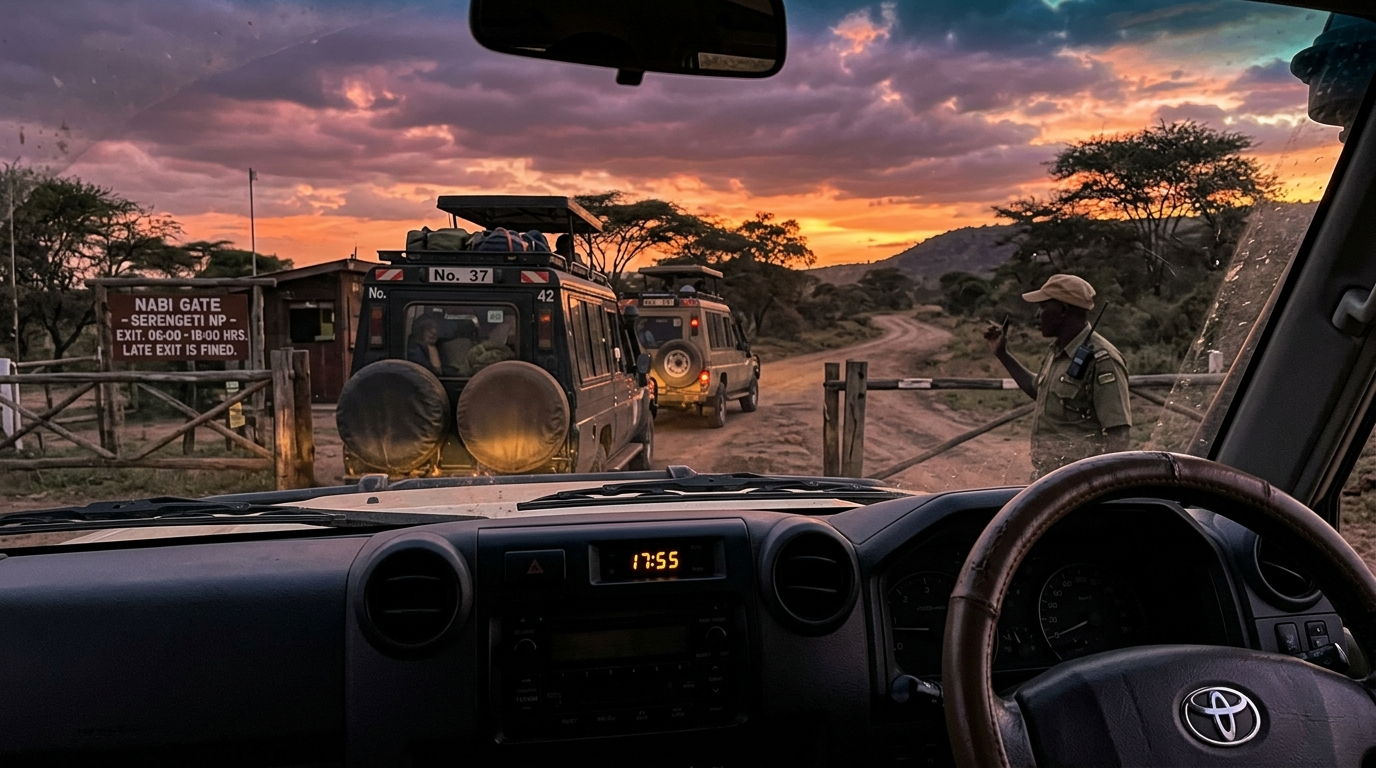
    Maasai Mara tickets are valid for 12 hours (6 AM to 6 PM) for guests staying outside the reserve, meaning a morning game drive on departure day requires a new ticket.

    Best Time to Visit: Peak migration activity occurs from July to September, but the “Green Season” (April to May) offers the best value with 50% lower park fees.

    Nairobi to Mara: The distance is roughly 260 km by road (5 to 6 hours in good conditions), but a bush flight takes about 45 minutes and saves a full game drive day.

    What Does “Explore Kenya” Actually Mean?

    When travelers talk about exploring Kenya, they usually mean a safari first trip anchored by the Maasai Mara, Amboseli, or both, then expanded with Rift Valley lakes, Nairobi, Mount Kenya, or the Indian Ocean coast. But Kenya is broader than safari. The country offers alpine trekking, Swahili Coast culture, freshwater lake adventures, community conservation projects, and logical connections to Tanzania, Uganda, Rwanda, and Zanzibar.

    Holiday and leisure travel accounted for 44.2% of all international arrivals to Kenya in 2024, the largest single category. That same year, Kenya recorded roughly 2.4 million international visitors, a 15% increase from the year before, with the United States as the top source market contributing 306,501 arrivals. Demand is strong and growing. The question is not whether to explore Kenya but how to plan it well.

    Planning gets easier once the vocabulary makes sense. This glossary covers the safari terms, destination names, cost structures, entry requirements, seasonal concepts, and common mistakes you will need to understand before booking. For travelers weighing Kenya against its neighbor, the Kenya vs Tanzania comparison is a useful companion read.

    Considering a custom East Africa itinerary? Duma Explorer designs multi country trip combinations across Tanzania, Kenya, Uganda, and Rwanda with in house operations on the ground.

    Explore Kenya at a Glance

    Capital: Nairobi

    Signature safari areas: Maasai Mara, Amboseli, Samburu, Tsavo East and West, Lake Nakuru, Ol Pejeta, Laikipia Plateau, Nairobi National Park

    Adventure areas: Mount Kenya (Africa’s second highest peak at 5,199 m, a UNESCO World Heritage Site), Hell’s Gate, Lake Naivasha source

    Beach and coast: Diani, Mombasa, Watamu, Lamu

    Entry requirement: Electronic Travel Authorization (eTA) required before arrival unless exempt source

    Health: Consult a travel clinic before departure. Malaria precautions are recommended for most safari areas below 2,500 m source

    Best classic safari windows: Late June through September and December through February, with important caveats depending on region and wildlife goals

    Climate pattern: December through March is fairly dry, late March through May is the main rainy season, and June through August sees little precipitation source

    Currency: The Kenyan shilling (KES). Most safari lodges, park gates, and urban hotels accept major credit cards. ATMs are widely available in Nairobi, Mombasa, and larger towns but nonexistent in remote safari areas. Carry some US dollars in small denominations for tips and small purchases. Notes printed before 2006 are sometimes rejected.

    Power: Kenya uses the British style Type G three pin plug (230V, 50Hz). Most safari camps provide charging stations, but availability can be limited to certain hours when generators run. A universal travel adapter and a power bank are both essential.

    How to Use This Kenya Travel Glossary

    Whether you plan to explore Kenya on a budget road safari, a self drive adventure, or a luxury fly in itinerary, use this glossary in three ways: to decode safari quotes, to compare destinations, and to ask better questions before booking.

    When you receive a quote from any operator, check whether these items are explicitly addressed:

    • Are park fees and conservancy fees included at the correct seasonal rate?
    • Is the vehicle private or shared?
    • Is the safari by road, air, or both?
    • How many nights are actually spent in wildlife areas versus in transit?
    • Which fees reflect high season versus low season rates?
    • Does the route avoid unnecessary backtracking?
    • Is the trip designed around migration probability or just generic dates?

    Every glossary entry below includes a plain definition, an explanation of why it matters, and a planning tip. For a broader look at avoiding costly booking errors, the guide on safari booking mistakes covers the most common ones across East Africa.

    Essential Kenya Safari Terms

    Big Five

    What it means: Lion, leopard, elephant, rhino, and buffalo.

    Why it matters: Many first time travelers build their expectations around seeing all five, but a good safari should also value cheetahs, giraffes, wild dogs, birds, landscapes, and animal behavior. Do not choose a safari only by Big Five marketing claims. Choose by habitat diversity, guide quality, and time in the field.

    Game Drive

    What it means: A guided wildlife viewing drive, usually in early morning and late afternoon.

    Why it matters: This is the core safari activity. Morning and late afternoon drives consistently outperform midday drives because wildlife is more active in cooler hours.

    Private Vehicle

    What it means: A safari vehicle reserved for your party alone.

    Why it matters: Gives control over pace, photography stops, bathroom breaks, and wildlife priorities. Practitioners on Reddit report that private vehicles are most worth it when you have specific goals that might not match other guests, such as spending extra time with leopards instead of stopping at every lion sighting source.

    For a deeper breakdown of the private vs shared question, including cost implications, see the private vs group safari guide.

    Shared Vehicle

    What it means: A safari vehicle shared with other lodge or camp guests.

    Why it matters: Can reduce cost, but flexibility depends on the camp and the group dynamic. One common misconception is that shared drives are always limited to two hours. Reddit users pushed back on this, noting that some camps run longer morning and evening drives. Quality varies by lodge source.

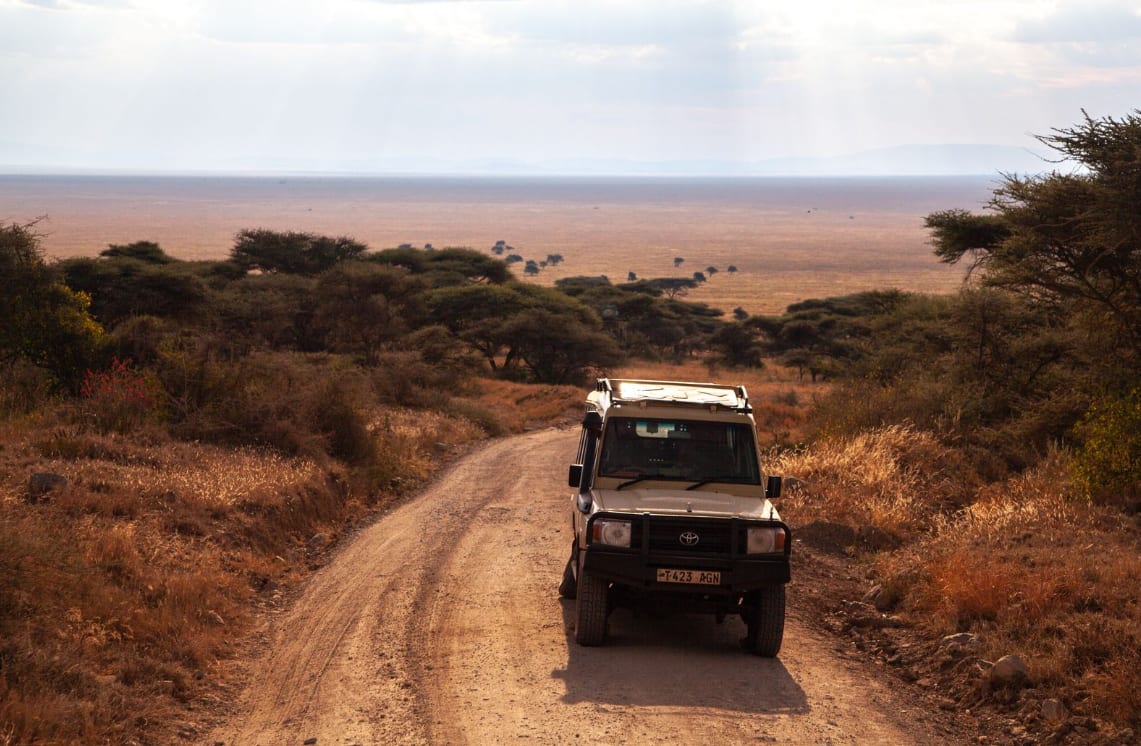
    4×4 Safari Vehicle

    What it means: A four wheel drive vehicle, often a Land Cruiser type with a pop up roof for game viewing.

    Why it matters: Road and track conditions in Kenya parks can be rough, muddy, or slow. A traveler who visited Amboseli and Maasai Mara warned on Reddit that minivans were getting stuck in mud and recommended confirming a 4×4 jeep rather than assuming “safari vehicle” means four wheel drive source.

    Planning tip: Ask what vehicle type is guaranteed, not just whether transport is included. For a full breakdown of vehicle types across East Africa, the safari vehicles glossary covers everything from pop up roof configurations to seating arrangements.

    Tented Camp

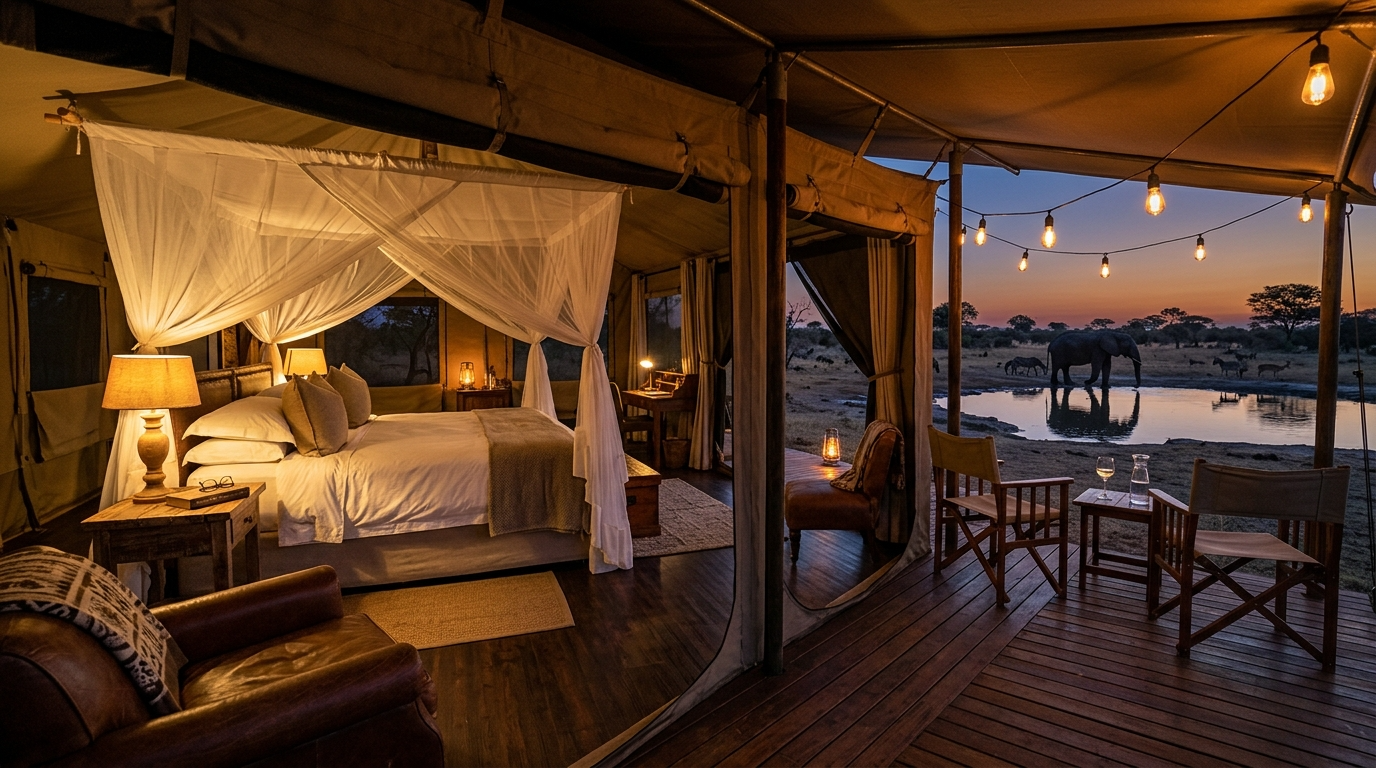
    What it means: Safari accommodation using canvas style tents, often with real beds and en suite bathrooms.

    Why it matters: “Tented” does not mean basic. Many tented camps in Kenya are luxury properties with hot showers, flush toilets, and dining under the stars. The spectrum ranges from simple camping to permanent luxury tented lodges that rival high end hotels.

    Mobile Camp

    What it means: A camp that moves seasonally or is set up temporarily to follow wildlife patterns.

    Why it matters: Mobile camps can put you closer to migration routes or remote areas that permanent lodges cannot reach.

    Fly in Safari
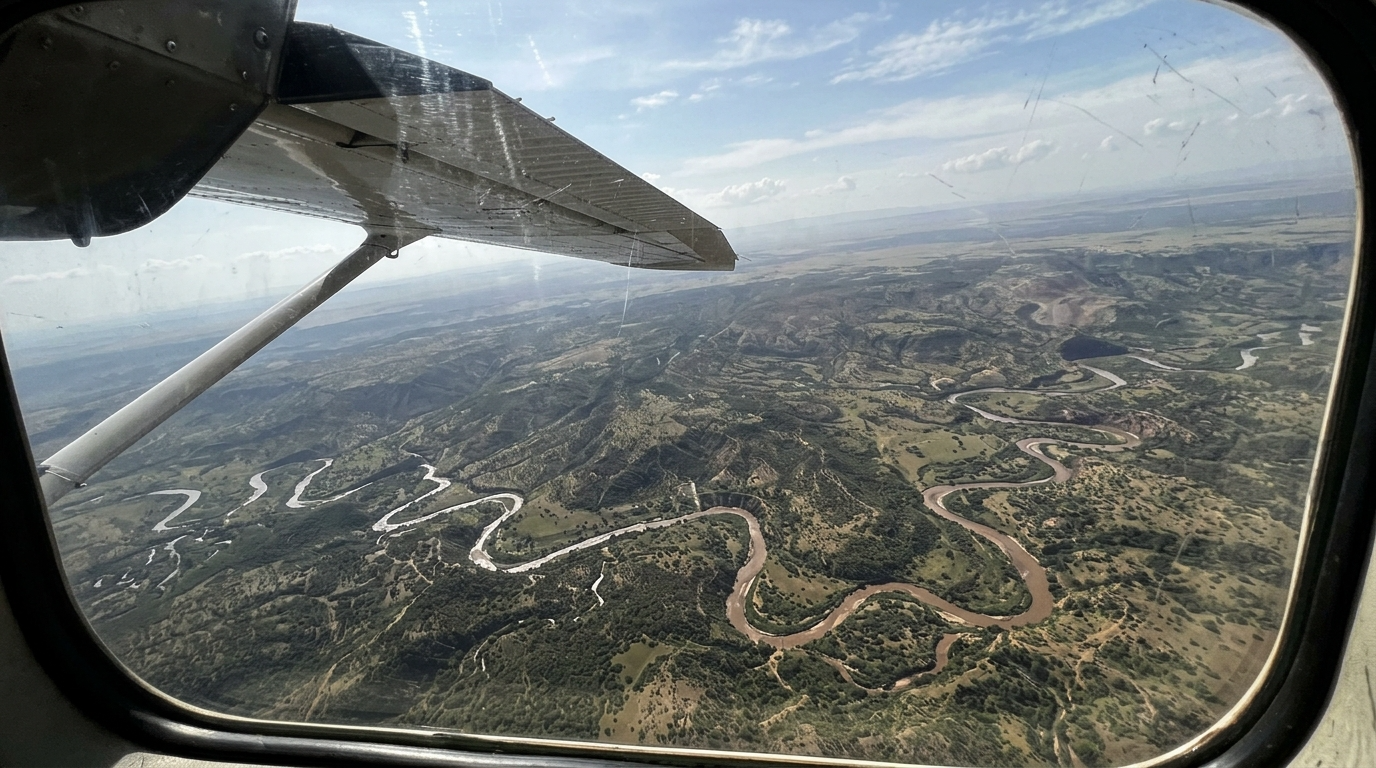
    Fly in safari bush plane Kenya

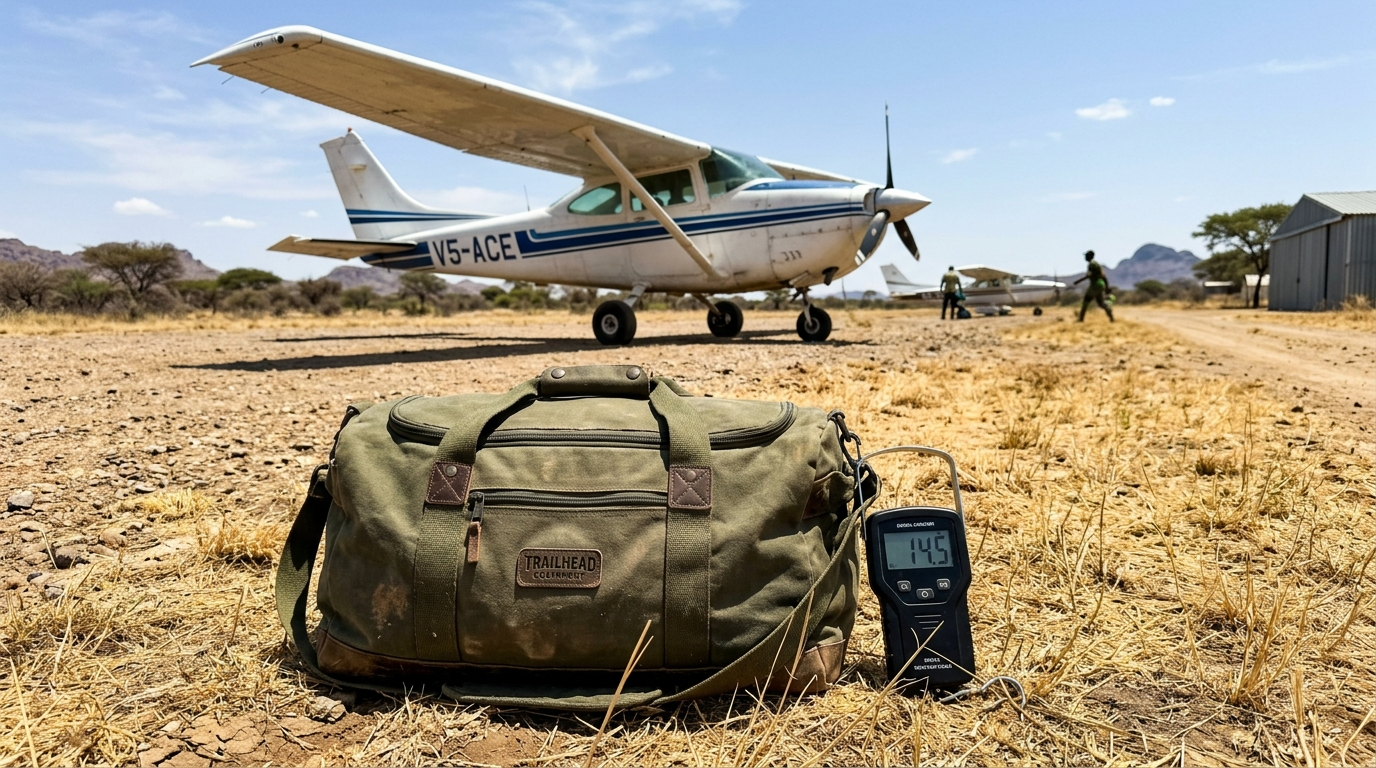
    What it means: A safari using small aircraft or scheduled bush flights between parks and camps.

    Why it matters: This is not just a luxury indulgence. It saves road transfer time and can make a short trip feel dramatically richer. Forum users on Tripadvisor discussing Mara to Amboseli routing warned that road transfers can take around 9 hours source. Flying one leg can buy back a full game drive day.

    Planning tip: For short trips, flying may be a value decision, not a luxury decision.

    Road Safari

    What it means: A safari where most transfers between parks happen by vehicle rather than aircraft.

    Why it matters: It can be economical and scenic, but Kenya distances are real. A Reddit traveler who did a compact 7 day Kenya trip warned that much of the trip was transit and long days in the vehicle source. A route that looks efficient on a map can feel exhausting on the ground.

    Self Drive Safari in Kenya

    What it means: Renting a vehicle (usually a 4×4) and navigating Kenya’s parks and reserves independently, without a driver guide.

    Why it matters: Self drive safaris are legal in most KWS managed national parks. They appeal to travelers who want independence, route flexibility, and the satisfaction of finding wildlife on their own. Practitioners on Reddit who have done self drive trips in Kenya report that the experience is rewarding but comes with real trade offs. Navigation in parks like Tsavo or Amboseli is manageable because tracks are relatively well marked. The Mara reserve, however, has a complex track network where getting disoriented is easy, especially during rain.

    The biggest challenges are mechanical. Rental 4x4s in Kenya vary widely in condition. One forum contributor described a self drive trip to the Mara where a rental Land Cruiser had a flat in the reserve with no spare, leaving them stranded until another vehicle passed. Others noted that fuel stations are scarce on the Narok to Mara road.

    Who should consider it: Experienced Africa travelers who have done at least one guided safari and understand animal behavior, park rules, and vehicle recovery basics. First timers or anyone on a short trip will get far more value from a knowledgeable local guide who knows exactly where the wildlife is.

    Who should skip it: Families with young children, first time safari visitors, anyone visiting during the wet season (April to May), and photographers who want a guide to position the vehicle optimally.

    Planning tip: If self drive appeals to you, consider a hybrid approach: self drive through easier parks like Naivasha or Hell’s Gate, then use a guided vehicle for the Mara or Amboseli where a good guide’s knowledge of animal movements transforms the experience.

    Sundowner

    What it means: A sunset drink or stop in the bush, usually after an afternoon game drive.

    Why it matters: It is a classic safari ritual and a highlight for honeymooners or anyone wanting a quiet moment in the landscape. Most commonly offered in conservancies or private camps. For couples planning around this kind of experience, the romantic destinations in Kenya guide covers the best options.

    Booking a Local Tour Operator in Kenya

    One of the most consequential decisions when planning a Kenya safari is whether to book through a local East Africa based operator, an international travel agent, or a global online platform. Each has trade offs.

    Local operators typically own or manage their own vehicles, employ their own guides, and have direct relationships with camps and lodges. This means faster problem solving on the ground. When a road washes out or a camp has a booking conflict, a local operator can reroute in real time rather than making calls across time zones.

    Pricing transparency is the main concern travelers raise about booking locally. Practitioners on Reddit frequently recommend getting quotes from multiple operators and comparing inclusions line by line. The cheapest quote is rarely the best value. What matters is whether park fees, conservancy fees, vehicle type, guide quality, and internal transfers are all clearly spelled out.

    Red flags when vetting a local operator:

    • No verifiable reviews on independent platforms (Tripadvisor, SafariBookings, Google)
    • Vague answers about vehicle type, guide qualifications, or fee inclusions
    • Requests for full payment upfront with no cancellation terms
    • No physical office or local registration

    Green flags:

    • Direct communication with someone who knows the camps, routes, and seasonal wildlife patterns
    • Clear breakdown of what is and is not included
    • Willingness to customize rather than pushing a fixed package
    • Verifiable certifications or partnerships (such as KATO membership for Kenya operators, or sustainability certifications)

    An operator with ground operations in the region can also coordinate cross border logistics if the itinerary extends into Tanzania for the Serengeti or into Uganda for gorilla trekking. That coordination matters because border crossings, domestic flights, and park permits in multiple countries create complexity that a purely remote booking agent cannot manage as effectively.

    Safari Quote Decoder

    When comparing Kenya safari quotes, watch for these terms:

    “Park fees included” means entry and conservation fees are covered, but ask which parks and for how many days.

    “Private 4×4” means your party has its own vehicle, but confirm this is guaranteed for all game drives, not just transfers.

    “Shared game drives” means you share the vehicle with other guests. Ask what typical drive lengths are.

    “Full board” means meals are included, but drinks, laundry, and tips may not be.

    “Conservancy fee” is a separate charge for private or community conservation areas. Ask whether it is included in the quoted price.

    Nairobi to Maasai Mara: Distance, Route, and the Road vs Air Decision

    This is one of the most searched questions for anyone planning to explore Kenya, and the answer shapes the entire trip.

    The Distance

    Nairobi to the Maasai Mara is roughly 260 km by the most direct road route. That sounds manageable until you account for road conditions. The first half (Nairobi to Narok) is paved and takes about 2.5 to 3 hours. The second half (Narok to the Mara gates) is mostly unpaved, rutted, and slow, especially during or after rain. Total driving time is typically 5 to 6 hours in good conditions, but it can stretch to 7 or 8 hours in the wet season.

    The Route Options by Road

    There are two main road routes:

    • Via Narok (southern route): The most common. Nairobi to Narok on the B3 highway, then south on unpaved roads to the Mara. This is what most operators use.
    • Via Mai Mahiu and the escarpment: Slightly different in the first section but converges on the same unpaved stretch. Some operators prefer it for scenic Rift Valley views during the descent.

    Both routes end on rough roads. Practitioners on Reddit consistently warn that the final 2 to 3 hours can be jarring, and that minivans struggle in mud while 4×4 Land Cruisers handle it far better.

    By Air to the Maasai Mara

    Bush flights from Nairobi’s Wilson Airport to Mara airstrips take roughly 45 minutes. Multiple carriers run scheduled flights daily, and charter options exist for flexible timing.

    The cost premium is real (expect $200 to $400 per person one way on scheduled flights), but the time savings are dramatic. A road transfer eats most of a day. A morning flight gets you on a game drive by lunchtime.

    When Road Makes Sense vs When Flying Wins

    Factor Road Transfer Bush Flight
    Time 5 to 8 hours 45 minutes
    Cost per person Lower (fuel, driver) $200 to $400+ one way
    Scenic value Rift Valley views, rural Kenya Aerial views of the Mara
    Comfort Rough final stretch Smooth but small aircraft
    Best for Longer trips, budget priority Short trips (under 8 days), families with kids
    Game drive impact Lose morning or afternoon drive Arrive ready for afternoon drive

    The bottom line: On a trip of 10+ days, the road transfer is fine and adds character. On a trip of 7 days or fewer, flying at least one direction often pays for itself in wildlife time.

    Kenya Parks, Reserves, and Conservancies

    The single most important distinction for Kenya safari planning is understanding the difference between national parks, national reserves, and private conservancies. It affects crowding, permitted activities, fees, wildlife density, and whether you are optimizing for migration drama or a more private experience.

    National Park

    What it means: A protected area managed by a government wildlife authority, in Kenya’s case the Kenya Wildlife Service (KWS).

    Kenya examples: Nairobi National Park, Amboseli, Tsavo East, Tsavo West, Lake Nakuru, Mount Kenya.

    Why it matters: National parks have formal entry fees, regulations, and gate hours. The KWS 2025 fee schedule shows non resident adult rates of USD 90 for Amboseli and Lake Nakuru, USD 80 for Nairobi National Park and Tsavo East/West, USD 70 for Mount Kenya, and USD 50 for parks like Hell’s Gate and Mount Longonot.

    National Reserve

    What it means: A protected area often managed at the county level rather than by KWS.

    Kenya example: Maasai Mara National Reserve is managed by Narok County structures. Its fee schedule is separate from KWS. Narok County’s approved Finance Act lists non resident adult fees at USD 200 during high season (July through December) and USD 100 during low season (January through June) source. Verify live fees close to booking because implementation can change.

    For a deeper look at Mara planning, costs, and timing, see the Maasai Mara safari guide.

    Private Conservancy

    What it means: A conservation area created through private or community land agreements, usually with controlled access and lodge partnerships.

    Why it matters: Conservancies can offer fewer vehicles, night drives, guided bush walks, and off road driving that national reserves may not permit. The Maasai Mara Wildlife Conservancies Association frames its mission around conserving the Greater Mara ecosystem through community protected areas that support biodiversity, Maasai prosperity, and tourism.

    A conservancy is not automatically better or worse than the reserve. It is a different safari style. A LuxurySafari Reddit thread showed real confusion about whether migration herds reach private conservancies. Several experienced travelers agreed that conservancies can have resident wildebeest and zebra and excellent guiding, but the biggest migration concentrations are time and location dependent source.

    Planning tip: For the Mara, a strong itinerary may use a conservancy stay for lower crowding and day trips into the reserve for classic migration sightings.

    Park Fees and Conservation Fees

    What it means: Mandatory fees paid to enter parks, reserves, sanctuaries, or conservation areas.

    Why it matters: These are not operator markups. They are required conservation access charges that can meaningfully affect quote comparisons. A traveler comparing two Kenya safari quotes may think one operator is overcharging, but the difference may simply come from whether the quote includes current non resident park fees.

    When comparing quotes, ask: Are park fees included? Are conservancy fees included? Are fees based on 12 hour or 24 hour validity? Are peak season rates reflected?

    Non Resident

    What it means: Kenya’s fee regulations define “non resident” as a national of any country other than an East African citizen or African citizen source.

    Why it matters: Most U.S., Canadian, European, Australian, and Asian travelers pay non resident rates. Understanding this classification helps when reading fee tables or comparing quotes that use different terminology.

    Table: 2026 Kenya Park Fee Structure (Non Resident Adult)

    Destination Low Season (Jan to June) Peak Season (July to Dec) Management
    Maasai Mara National Reserve $100 $200 Narok County
    Amboseli National Park $90 $90 KWS
    Lake Nakuru National Park $90 $90 KWS
    Nairobi National Park $80 $80 KWS
    Tsavo East / West $80 $80 KWS
    Samburu National Reserve $70 $70 County Government
    Hell’s Gate / Mt. Longonot $50 $50 KWS

    Month by Month Kenya Travel Guide

    Understanding seasonal patterns is essential for anyone planning to explore Kenya on safari. Travelers should stop asking “What is the best month for Kenya?” and start asking “What wildlife behavior am I optimizing for, and what trade offs am I willing to make on cost and weather?”

    January to February

    Weather: Warm and mostly dry across safari areas. Wildlife: Good general game viewing as animals concentrate near water. Newborn wildebeest calves in the southern Serengeti (Tanzania side, not Kenya). Crowds: Moderate. Park fees: Low season rates in the Mara ($100). Best for: First time visitors wanting good weather without peak season prices or crowds.

    March

    Weather: Transition month, rain starts building late in the month. Wildlife: Still decent viewing early in March, tapering as rains arrive. Crowds: Low. Value: Some of the best lodge rates of the year. Best for: Budget conscious travelers comfortable with weather variability.

    April to May

    Weather: Long rains. Expect afternoon downpours, muddy roads, and lush green landscapes. Wildlife: Harder to spot in thick vegetation, but resident game is still present. Birding is excellent. Crowds: Very low. Park fees: Low season. Best for: Photographers who want green landscapes and dramatic skies, serious birders, and travelers who prioritize solitude over guaranteed dry conditions. A travel professional writing on LinkedIn described strong Mara wildlife sightings in April with few vehicles and limited rain.

    June

    Weather: Rains taper off. Temperatures cool. Wildlife: Improving visibility as vegetation dries. Early migration herds may begin appearing in the southern Mara by late June in some years. Crowds: Building. Best for: Travelers who want to catch the start of the migration window without full peak pricing.

    July to September

    Weather: Dry, cool, and ideal for game viewing. Wildlife: Peak migration period in the Mara. River crossings possible (but never guaranteed). Big cat activity high. Crowds: Peak. Expect more vehicles at popular sightings. Park fees: High season ($200 for the Mara). Best for: Migration focused safaris. Book well in advance because popular camps sell out 6 to 12 months ahead.

    October

    Weather: Short rains may begin. Still generally good. Wildlife: Migration herds often still present in the Mara or beginning to move south. Crowds: Easing from peak. Best for: Travelers who want migration odds with slightly fewer vehicles.

    November

    Weather: Short rains. Greener landscapes return. Wildlife: Herds moving south toward Tanzania. Resident game still strong. Crowds: Lower. Park fees: Still high season through December. Best for: Shoulder season value with decent wildlife.

    December

    Weather: Short rains ending, warming up. Wildlife: Good general viewing. Amboseli is particularly strong in December. Crowds: Rising around the holidays. Best for: Holiday travelers and families. Book early for Christmas and New Year availability.

    For a broader East Africa seasonal perspective, the best time to visit East Africa guide covers timing across Kenya, Tanzania, Uganda, and Rwanda.

    Wildlife and Season Terms

    Great Migration

    What it means: A year round circular movement of wildebeest, zebra, and gazelles across the Serengeti Mara ecosystem, driven by rainfall, fresh grass, and water availability, not fixed calendar dates source.

    Why it matters: The migration is often oversold as a predictable event. It is not. The Mara is the northern dry season refuge and seasonal climax of the broader migration, but the ecosystem spans both Kenya and Tanzania. A successful migration safari depends on time on the ground, guide quality, camp location, and flexibility.

    For a month by month breakdown of migration patterns across both countries, read the wildebeest migration timing guide.

    Migration Claims vs. Reality

    Here is what travelers commonly hear and what is actually closer to the truth:

    “Go in August for the crossing.” August can be good, but crossings depend on rain, grass, herd movement, and patience.

    “The migration is in Kenya.” The migration is a cross border Serengeti Mara ecosystem movement. The Mara is the northern seasonal phase.

    “A crossing is guaranteed.” No ethical operator should guarantee a river crossing. It is a window of probability.

    “More nights means luxury padding.” More nights increases odds because wildlife behavior is unpredictable.

    “The Mara is always best.” The Mara is compact and productive. The Serengeti is larger and can feel less crowded outside crossing bottleneck periods. A Reddit discussion around Great Migration planning highlighted this trade off: the Mara produces fast sightings in a compact area, but it can be crowded in peak migration season, while the Serengeti offers more room to spread out source.

    River Crossing

    What it means: A dramatic moment when herds cross rivers such as the Mara River during migration.

    Why it matters: This is what many travelers picture when they imagine a migration safari. Crossings are real and powerful, but they are unpredictable and can involve long waits at the river with no guarantees.

    Calving Season

    What it means: The period when many wildebeest calves are born, mainly in the southern Serengeti and Ndutu ecosystem in Tanzania. The Mara migration guide places calving in January through March on the southern Serengeti short grass plains source.

    Why it matters: Calving is a Tanzania centered experience rather than a Kenya one. Travelers drawn to newborn wildlife and predator action during calving should consider a Tanzania safari itinerary for that portion of the migration cycle.

    Dry Season

    What it means: Lower rainfall periods when wildlife viewing can be easier because animals gather near water and vegetation is thinner.

    Kenya timing: December through March is fairly dry, and June through August has little precipitation. These overlap with peak safari windows.

    Green Season

    What it means: Rainier, lusher periods with fewer crowds, potentially lower prices, and strong birding or photography conditions.

    Why it matters: Green season is not bad season. It is a trade off: fewer vehicles and beautiful landscapes versus more weather variability and less predictable migration positioning.

    Shoulder Season

    What it means: The transition period between peak and low seasons.

    Why it matters: Can offer better value and fewer vehicles while still delivering good wildlife viewing. Worth considering for experienced travelers or those flexible on exact dates.

    Maasai Mara Birding

    The Mara ecosystem is not just about big cats and migration herds. It supports over 450 bird species, making it one of Africa’s richest birding destinations. The open grasslands produce raptors (martial eagles, bateleurs, secretary birds), while the Mara River corridor supports kingfishers, herons, and African fish eagles. Acacia woodlands hold barbets, sunbirds, and weavers.

    Best birding months: November through April, when Palearctic migrants arrive and resident species are in breeding plumage. This overlaps with the green season, meaning lower costs and fewer vehicles.

    Planning tip: Birding does not require a separate trip. A good guide can integrate birding into standard game drives. But if birding is a primary goal, communicate that when booking. It changes how the guide uses time in the field.

    Wildlife Photography Safari in Kenya

    Kenya is one of Africa’s top wildlife photography destinations, and the Mara in particular produces images that define the genre. But a photography focused safari is not the same as a general game drive safari. The differences are in vehicle positioning, time allocation, guide communication, and gear preparation.

    What Makes a Photography Safari Different

    On a standard game drive, the guide moves between sightings to maximize the variety of species seen. On a photography safari, the priority shifts. You might spend 90 minutes with a single cheetah family waiting for a hunt sequence, or return to the same leopard tree three mornings in a row for better light. That requires a guide who understands photography and a private vehicle so the schedule is entirely yours.

    Practitioners on Reddit who have done photography focused trips in the Mara repeatedly emphasize one point: communicate your goals before booking. If the operator does not ask about your photography priorities, lens focal lengths, or preferred subjects, they are not designing a photography safari. They are selling a standard safari with a different label.

    Gear Essentials for Kenya

    A 200 to 600mm zoom covers most wildlife scenarios in the Mara’s open grassland. Wide angle lenses (16 to 35mm) matter for landscape context shots and camp interiors. A bean bag or window mount is far more practical than a tripod on a moving vehicle.

    Dust is the constant enemy. Bring lens cleaning kits and a rain cover that doubles as dust protection. Several experienced wildlife photographers on YouTube walkthroughs recommend packing ziplock bags for lens changes in dusty conditions.

    For a complete breakdown of camera equipment and settings, the safari photography gear guide covers everything from sensor cleaning to recommended focal lengths.

    Best Parks for Photography in Kenya

    • Maasai Mara: Big cat density, open sightlines, migration drama. The flat grasslands produce clean backgrounds.
    • Amboseli: Elephants against the Kilimanjaro backdrop. Morning light with a clear mountain is one of Africa’s most iconic compositions.
    • Samburu: Unique species (Grevy’s zebra, reticulated giraffe, gerenuk) against semi arid red soil. Different palette from the green Mara.
    • Lake Nakuru: Flamingos, rhinos, and reflective water for creative compositions.

    Photography and Green Season

    April to May is underrated for photography. The green landscapes create richer backgrounds, dramatic cloud formations produce better skies, and fewer vehicles mean cleaner sightlines without other tourist vehicles in the frame. The trade off is occasional rain and thicker vegetation that can obscure subjects.

    Samburu National Reserve and the Samburu Special Five

    Samburu is one of Kenya’s most distinctive safari destinations, and it deserves its own explanation because it offers a fundamentally different experience from the Mara or Amboseli.

    What Makes Samburu Different

    Located in northern Kenya along the Ewaso Ng’iro River, Samburu National Reserve sits in semi arid country characterized by red soil, rocky outcrops, doum palms, and scrubby acacia. The landscape looks nothing like the Mara’s rolling grasslands. It feels wilder, drier, and less visited. Game drives here produce a visual palette that is entirely its own: ochre earth, pale sky, dramatic riverine gallery forest.

    The reserve is managed by Samburu County (not KWS), similar to how the Mara is managed by Narok County. Entry fees for non residents are approximately $70 per person per day, though travelers should verify current rates with their operator.

    The Samburu Special Five

    Samburu is famous for five species found here that are rare or absent on Kenya’s southern safari circuits:

    • Grevy’s zebra: Larger than the common plains zebra with narrow, closely spaced stripes. Classified as endangered by the IUCN, with a wild population estimated at fewer than 3,000 individuals. Samburu is one of the best places in the world to see them.
    • Reticulated giraffe: Distinguished by sharp, clearly defined reddish brown patches separated by bright white lines. Dramatically different from the Masai giraffe common in the Mara.
    • Gerenuk: A long necked antelope that feeds standing on its hind legs, earning the nickname “giraffe gazelle.” Unmistakable and a favorite for photographers.
    • Somali ostrich: Also called the blue necked ostrich, with blue grey (rather than pink) skin on the neck and legs.
    • Beisa oryx: A large antelope with striking facial markings and long, straight horns. Adapted to arid conditions.

    Seeing all five in a single game drive is entirely possible with a good guide. These species are the primary reason experienced travelers add Samburu to a Kenya itinerary rather than spending all their time in the Mara.

    Who Should Visit Samburu

    Return visitors to Kenya who have already done the Mara and Amboseli. Photographers looking for unique subjects and uncrowded sightlines. Travelers building a 10+ day itinerary who want habitat diversity. Anyone interested in northern Kenya culture, as the Samburu people (closely related to the Maasai) have a distinct pastoral tradition and striking visual identity.

    Practical Logistics

    Samburu is about 325 km north of Nairobi (roughly 5 to 6 hours by road through Nanyuki or Isiolo). Scheduled bush flights operate from Wilson Airport to Samburu airstrips, cutting travel to about an hour. Combining Samburu with the Mara by road involves significant backtracking through Nairobi, so flying at least one leg is strongly recommended for itineraries that include both.

    Laikipia Conservancy

    What Laikipia Means for Kenya Safari Planning

    Laikipia is not a single park or reserve. It is a high plateau region in central Kenya, northwest of Mount Kenya, that contains a patchwork of private ranches, community conservancies, and wildlife sanctuaries. Together, these properties form one of Kenya’s most important wildlife areas outside the traditional national park system.

    What makes Laikipia significant is scale and results. The Laikipia plateau supports the country’s second largest elephant population and holds some of Kenya’s most important rhino populations, including Ol Pejeta Conservancy, which protects both black and white rhinos and is home to the last two northern white rhinos on earth.

    How Laikipia Differs from the Mara

    The differences matter for trip design:

    • Exclusivity: Most Laikipia properties are small, privately managed, and limit guest numbers. Vehicle congestion is essentially nonexistent.
    • Activities: Night drives, horseback safaris, camel treks, guided bush walks, and community visits are standard offerings. Many of these are restricted or unavailable in national parks and reserves.
    • Landscape: Rolling highland terrain with views toward Mount Kenya. More varied topography than the Mara’s open grassland.
    • Wildlife focus: Exceptional for elephants, rhinos, wild dogs, and predators. Not a migration destination.

    Key Laikipia Properties

    Ol Pejeta Conservancy is the most accessible and well known. It sits on the equator near Nanyuki, about 3.5 hours from Nairobi by road, and offers both budget and mid range accommodation options alongside its conservation programs. Visitors can see rhinos under armed guard protection, visit the chimpanzee sanctuary (the only one in Kenya), and learn about anti poaching operations firsthand.

    Other notable Laikipia properties include Lewa Wildlife Conservancy (a UNESCO World Heritage Site as part of the Mount Kenya extension), Solio Ranch (famous for rhino density), and Borana Conservancy.

    Who Should Consider Laikipia

    Travelers who want a quieter, more intimate alternative to the Mara. Conservation minded visitors who want to see anti poaching and community programs in action. Horseback riders and active travelers. Families, because many Laikipia properties welcome children of all ages and offer tailored programs. Anyone building a longer Kenya itinerary who wants to pair the Mara’s migration drama with something completely different in tone.

    Planning tip: Laikipia combines naturally with Samburu (a short drive or flight north) or with a Mount Kenya trek. The routing works well as a northern Kenya loop before flying south to the Mara.

    Conservation Safari: What It Means and Why It Matters

    A “conservation safari” is a term used with increasing frequency, and it deserves a clear definition because it can mean very different things depending on who uses it.

    Definition

    At its most meaningful, a conservation safari is a trip deliberately structured so that visitor fees, accommodation revenue, and activities directly support wildlife protection and community livelihoods. At its least meaningful, it is a marketing label slapped on a standard safari to appeal to environmentally conscious travelers.

    How to Tell the Difference

    The distinction lies in where the money goes and what the traveler actually does. A genuine conservation safari might include:

    • Staying in a community conservancy where bed night fees fund anti poaching patrols and community infrastructure
    • Visiting a rhino sanctuary like Ol Pejeta Conservancy, which uses tourism revenue to protect critically endangered black and white rhinos
    • Participating in wildlife monitoring activities, such as recording animal sightings for research databases
    • Walking with community rangers who explain land use agreements and human wildlife conflict challenges

    A superficial “conservation safari” simply donates a small percentage to a foundation and adds a paragraph about sustainability to its brochure.

    Kenya’s Conservation Model

    Kenya’s conservancy system is genuinely significant. The Mara conservancies operate on a model where landowners (often Maasai pastoralists) lease their land for wildlife use and receive monthly payments funded by tourism. This creates a direct economic incentive for communities to protect wildlife rather than convert land to agriculture or livestock.

    The model is not perfect. Payment disputes, governance issues, and overgrazing in non conservancy buffer zones remain challenges. But it is one of the most developed community conservation frameworks in Africa, and staying in a conservancy is a concrete way to support it. The Laikipia model adds a different dimension, with private ranches and community groups collaborating on wildlife corridors that connect fragmented habitats.

    Planning Tip

    If conservation matters to you, ask your operator specific questions: What percentage of my fee goes to community or conservation programs? Who manages the conservancy? What conservation outcomes has this property contributed to? Genuine operations welcome these questions.

    Cultural and Wildlife Experience in Kenya

    Kenya safari itineraries that include cultural components produce a fundamentally different trip than wildlife only routes. Understanding what “cultural experience” means in the Kenya context helps set realistic expectations.

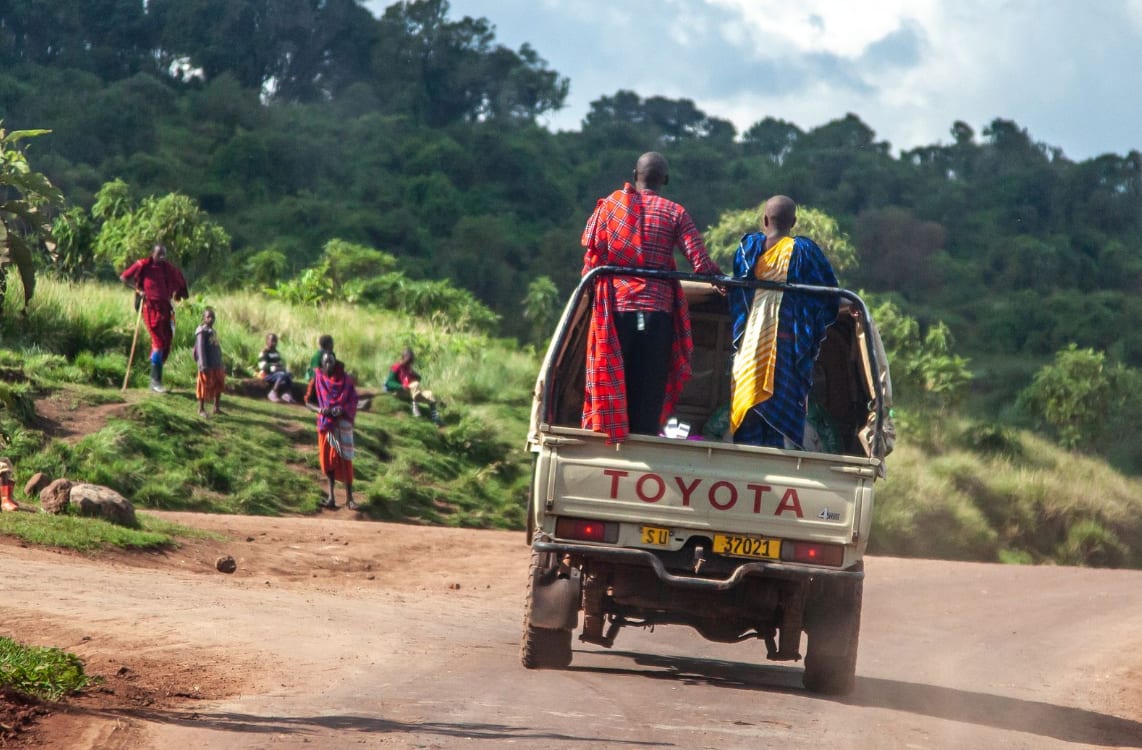
    Maasai Community Visits

    The most common cultural activity paired with a Mara safari is a Maasai village visit. These range from brief, staged performances at commercial villages near reserve gates to longer, more reciprocal visits in conservancy communities where the interaction is part of the conservation land use agreement.

    The quality gap between these two types is enormous. In the better versions, travelers walk with Maasai community members, learn about traditional pastoralism, discuss the realities of coexistence with lions and elephants, and visit community funded schools or clinics. In the worse versions, it is a 30 minute photo opportunity that feels transactional.

    How to get the better version: Stay in a conservancy that has a community tourism component. Ask your operator whether the cultural visit is part of the conservancy’s community program or an independent roadside attraction. The answer tells you a lot.

    For travelers interested in understanding the depth and ethics of cultural tourism more broadly, the cultural safaris glossary covers principles that apply across East Africa.

    Swahili Coast Culture

    Kenya’s coast offers a completely different cultural dimension. Lamu’s Old Town is a UNESCO World Heritage Site with centuries of Swahili, Arab, Persian, Indian, and European influence visible in its architecture, cuisine, and daily life. Mombasa’s Old Town, Fort Jesus, and coastal Swahili communities provide cultural depth that balances the interior safari experience.

    Nairobi Cultural Stops

    Nairobi itself is often treated as a transit point, but it has genuine cultural value. The National Museum, Karen Blixen Museum, and Kazuri Beads factory (a women’s cooperative) offer meaningful half day activities. The Sheldrick Wildlife Trust’s elephant orphan visit is conservation oriented but also touches on Kenya’s relationship with its wildlife.

    Combining Culture and Wildlife

    The best approach is integration rather than separation. A conservancy stay that includes guided walks with Maasai community members, followed by a game drive, creates a richer understanding of why conservation works (or struggles) than a purely wildlife focused schedule. Similarly, ending a safari with two days in Lamu or on the Swahili Coast provides cultural decompression that pure beach resorts cannot match.

    Key Places to Know When You Explore Kenya

    Classic Safari Destinations

    Maasai Mara / Masai Mara. Kenya’s most famous safari reserve and the northern part of the Serengeti Mara ecosystem. Best known for big cat density and the migration’s Mara phase. The spelling variation exists because “Maasai” is more culturally accurate while “Masai Mara” remains common in search and marketing.

    Mara Triangle. The western section of the Maasai Mara ecosystem, often discussed for migration access and lower crowding relative to some main reserve areas.

    Amboseli. A southern Kenya park renowned for elephants and views toward Mount Kilimanjaro. Often paired with the Mara for a classic first Kenya safari. An experienced itinerary writer recommends early and late game drives in Amboseli to catch elephant movement to and from the swamps.

    Lake Nakuru. A Rift Valley lake national park known for rhinos, birdlife, and its practical role breaking the long drive between the Mara and Amboseli.

    Samburu. A northern Kenya safari area known for drier landscapes and the Samburu Special Five species not typically found on southern circuits. Good for return visitors or those wanting Kenya beyond the Mara.

    Tsavo East and Tsavo West. Two large national parks between the Nairobi/Amboseli area and the coast. Useful for bush and beach routing toward Mombasa or Diani.

    Nairobi National Park. Located about 10 km from Nairobi’s central business district, covering roughly 117 square kilometers. KWS describes it as a successful rhino sanctuary. Useful for arrival day or layover safari experiences.

    Northern Kenya and Laikipia

    Laikipia Plateau. A highland region northwest of Mount Kenya containing private ranches, community conservancies, and wildlife sanctuaries. Important for rhino conservation, wild dog populations, and activities (horseback safaris, bush walks, night drives) not available in national parks. See the full Laikipia section above for details.

    Ol Pejeta Conservancy. The most visited property on the Laikipia Plateau, home to the last two northern white rhinos, a chimpanzee sanctuary, and strong populations of black rhinos, lions, and elephants. About 3.5 hours from Nairobi by road or reachable by bush flight to Nanyuki.

    Great Lakes and Western Kenya

    What “Great Lakes safari” means: The African Great Lakes region includes Lake Victoria (the world’s second largest freshwater lake by surface area), Lake Turkana, and Kenya’s share of the broader Rift Valley lake system. A Great Lakes safari is not a standard product in most operator catalogs, but it refers to itineraries that incorporate lake ecosystems, fishing communities, and waterbird concentrations.

    Lake Victoria. Kenya’s western border touches Africa’s largest lake. Kisumu is the main gateway city. The lake supports a massive fishing industry and extraordinary birdlife, but it is not a traditional safari area. Its value is cultural and ecological rather than Big Five focused. Travelers who make the effort will find Ruma National Park nearby, one of the few places in Kenya to see the endangered roan antelope.

    Lake Baringo and Lake Bogoria. These Rift Valley lakes north of Nakuru are increasingly popular with birders and travelers seeking quieter alternatives to the main safari circuit. Bogoria is known for geothermal hot springs and flamingo concentrations. Baringo supports hippos, crocodiles, and over 470 recorded bird species.

    Who should consider a Great Lakes extension: Birders, repeat Kenya visitors, travelers interested in rural communities and fisheries, and anyone building a longer (12+ day) Kenya itinerary who wants something beyond the standard park rotation.

    Active and Adventure Destinations

    Mount Kenya. Africa’s second highest peak at 5,199 m and a UNESCO World Heritage Site, described as an ancient extinct volcano with glacier clad summits and forested middle slopes source. Adds trekking and alpine scenery to a Kenya trip.

    Hell’s Gate. A Rift Valley national park where cycling and walking are part of the appeal. Adds active adventure to a safari heavy itinerary.
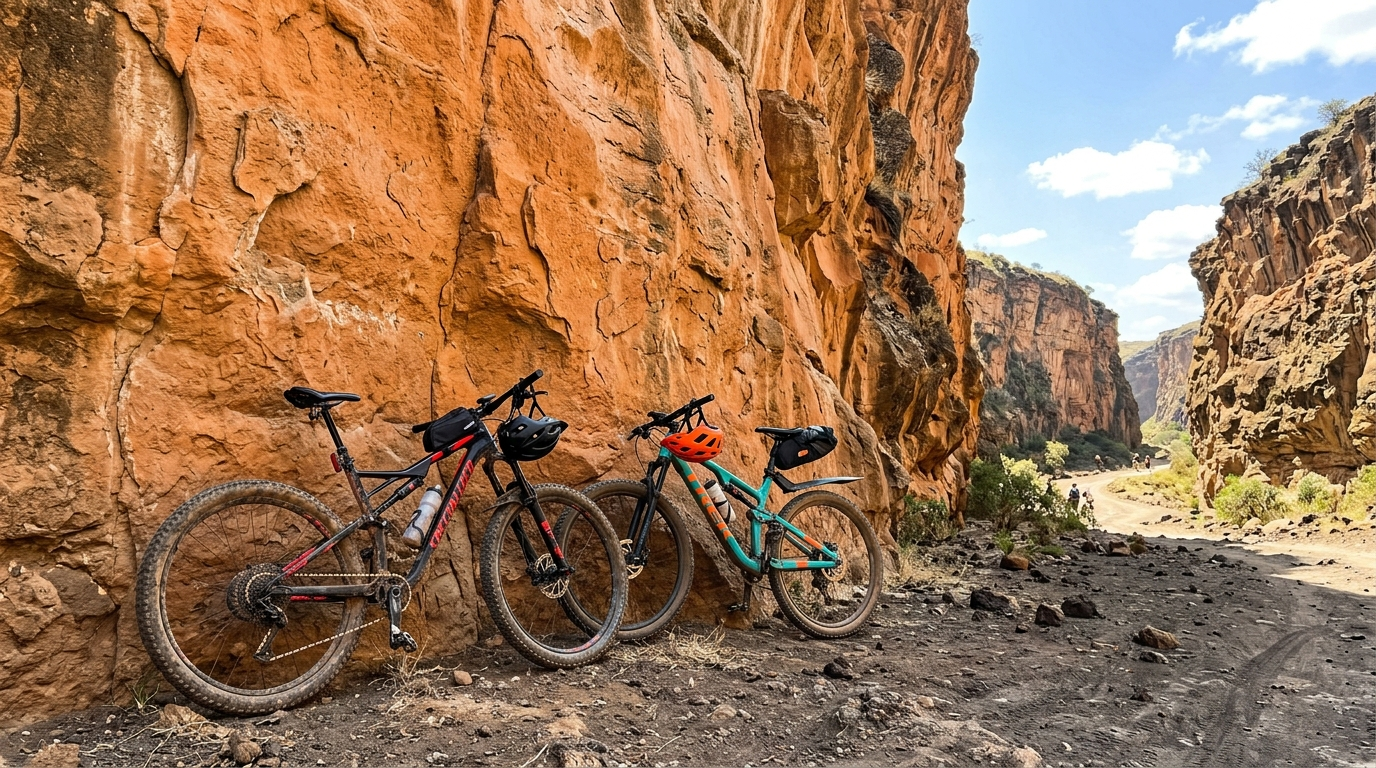
    Hell's Gate or adventure destination Kenya

    Lake Naivasha. A freshwater Rift Valley lake used for boat trips, hippo viewing, Crescent Island walks, and route breaks. Helps reduce road fatigue in itineraries that would otherwise involve very long drives.

    Coast and Culture

    Diani Beach. A south coast beach destination often paired with safari. Popular for a safari and beach finish, particularly for honeymooners and families.

    Lamu. A historic Swahili Coast destination known for culture, architecture, and island atmosphere. More cultural and atmospheric than a simple beach resort add on. Check safety advisories because coastal region advice can vary by area source.

    Remote and Repeat Traveler Destinations

    Lake Turkana. A remote northern Kenya destination and UNESCO World Heritage landscape, described as East Africa’s most saline large lake and the world’s largest desert lake source. Better for adventurous repeat travelers than first time safari itineraries.

    Family Safari in Kenya

    Kenya is one of the most practical family safari destinations in East Africa, and several factors make it particularly well suited for children.

    Why Kenya Works for Families

    The Mara’s open grasslands produce fast, visible sightings. Kids do not need patience for dense bush tracking because lions, elephants, and giraffes are often in plain view within minutes. Amboseli’s flat terrain and reliable elephant herds create another easy win for younger travelers. The coast (Diani or Watamu) provides a beach decompression phase that makes a 10 day family trip far more sustainable than wall to wall safari.

    Age Considerations

    Most Kenya national parks and reserves have no minimum age for entry, but individual lodges and camps set their own policies. Some luxury tented camps require children to be 8 or older. Others welcome toddlers but charge extra for a dedicated vehicle. Ask your operator for age specific options at every property on the itinerary.

    Conservancies tend to be more flexible on family activities. Bush walks (usually age 12+), junior ranger programs, and Maasai cultural visits give older children active experiences beyond sitting in a vehicle. Laikipia properties in particular tend to welcome families with children of all ages and offer horseback, nature walks, and conservation education programs.

    Practical Family Tips

    • Private vehicles are essential for families. Shared game drives with other guests and young children who need bathroom stops or get restless are a recipe for tension on both sides.
    • Fly at least one direction. A 6 hour rough road transfer is tolerable for adults but miserable for children under 10. The 45 minute bush flight to the Mara is a game changer for families.
    • Build in rest time. Do not schedule back to back full day game drives for kids. A morning drive, a pool or camp break, and a short afternoon drive works better than an ambitious all day push.
    • Pack snacks and entertainment. Camps provide meals, but vehicle time between sightings can feel long for kids. Binoculars sized for children, wildlife checklists, and a sketchpad go a long way.

    For a comprehensive look at family logistics across East Africa, including Tanzania and Zanzibar options, the family safari planning guide covers age policies, camp choices, and itinerary structures in detail.

    Day by Day Kenya Safari Itineraries

    These sample routes show how the glossary terms translate into actual trip structures and how to explore Kenya efficiently across different trip lengths. Each day note explains what happens and why.

    Route 1: Classic First Kenya Safari (7 to 8 Days)

    Day 1: Arrive Nairobi. Airport transfer, overnight near the airport or in the city. If arriving early enough, optional visit to the Giraffe Centre or Nairobi National Park for a half day game drive.

    Day 2: Drive Nairobi to Amboseli (4 to 5 hours). Afternoon game drive with Kilimanjaro views if skies are clear. Overnight Amboseli.

    Day 3: Full day Amboseli. Morning and late afternoon game drives targeting elephant herds near the swamps. Midday rest at camp. Overnight Amboseli.

    Day 4: Morning game drive in Amboseli. Drive to Lake Naivasha or Lake Nakuru (5 to 6 hours). This transit day prevents an exhausting single day drive between Amboseli and the Mara. Optional boat ride at Naivasha or afternoon game drive at Nakuru. Overnight Rift Valley.

    Day 5: Morning activity at Nakuru or Naivasha (rhinos, flamingos, hippos). Drive to Maasai Mara (4 to 5 hours from Nakuru, longer from Naivasha depending on route). Afternoon game drive in the Mara. Overnight Mara.

    Day 6: Full day Maasai Mara. Morning and afternoon game drives. Option for a bush walk if staying in a conservancy. Overnight Mara.

    Day 7: Full day Maasai Mara. Another full day in the field increases chances of witnessing big cat hunts, migration activity (seasonal), and quieter sightings away from the main circuits. Optional balloon safari at dawn (separate fee). Overnight Mara.

    Day 8: Early morning game drive. Transfer to Mara airstrip for bush flight to Nairobi, or begin road transfer. Depart Nairobi.

    Why this works: Covers elephants and Kilimanjaro views, a Rift Valley break, and Mara big cat density. Tripadvisor forum users discussing this routing warned that Mara to Amboseli can be around 9 hours by road, so breaking the journey is important.

    Route 2: Migration Focused Kenya (6 to 7 Days)

    Day 1: Arrive Nairobi. Overnight.

    Day 2: Fly or drive to Maasai Mara. Afternoon game drive in a conservancy. Overnight conservancy.

    Day 3: Full day in the conservancy with bush walk, off road driving, and game drives. Overnight conservancy.

    Day 4: Transfer into the Maasai Mara reserve. Full day game drive targeting migration herds and river crossing points. Overnight reserve.

    Day 5: Full day in the reserve. Guide positions near active crossing points based on morning intelligence from other guides. Overnight reserve.

    Day 6: Morning game drive. Afternoon transfer or flight to Nairobi. Overnight Nairobi or connect to international departure.

    Day 7 (if available): Extra morning in the reserve or add a Nairobi National Park half day before evening flight.

    Why this works: More nights in one ecosystem increases chances of meaningful migration sightings. Splitting time between a conservancy (quieter, more activities) and the reserve (closer to classic migration action) gives the best balance.

    Route 3: Kenya Plus Tanzania Migration Ecosystem (10 to 14 Days)

    Maasai Mara or Nairobi, Northern Serengeti or Central Serengeti depending on season, Ngorongoro or Tarangire, optional Zanzibar or Swahili Coast.

    Why this works: Treats the migration as one ecosystem across two countries rather than forcing it into one national itinerary. This is where an experienced East Africa trip designer adds the most value. The Kenya to Tanzania border crossing at Isibania (or Namanga for southern routing) is the key logistical decision, covered in the border crossing section below.

    If a multi country combination like this appeals, the guide to fitting multiple experiences into one East Africa trip covers the logistics of combining safari, gorilla trekking, and beach in one journey.

    Route 4: Safari Plus Beach (10 to 12 Days)

    Nairobi, Mara and/or Amboseli, Tsavo or flight connection, Diani Beach or Zanzibar depending on routing.

    Why this works: Good for honeymooners and families who want decompression after early safari mornings. The coast provides a completely different rhythm.

    Route 5: Family Kenya Safari (9 to 10 Days)

    Day 1: Arrive Nairobi. Giraffe Centre and Sheldrick Trust elephant orphan visit (both are short, visual, and perfect for kids). Overnight Nairobi.

    Day 2: Fly to the Mara (avoid the long road transfer with children). Afternoon game drive in a conservancy. Overnight conservancy.

    Day 3: Morning game drive. Afternoon at camp (pool, junior ranger activity, Maasai village visit). Overnight conservancy.

    Day 4: Full day in the Maasai Mara reserve. Pack lunch and stay out for big cat sightings. Overnight Mara.

    Day 5: Morning drive. Fly back to Nairobi. Drive to Amboseli (or fly if budget allows). Afternoon game drive. Overnight Amboseli.

    Day 6: Full day Amboseli. Elephant herds, Kilimanjaro views. Overnight Amboseli.

    Day 7: Morning drive. Transfer to the coast (fly Amboseli to Diani, or drive through Tsavo with a game drive stop). Overnight Diani.

    Day 8 to 9: Beach days. Snorkeling, tide pool exploring, dhow sailing. Decompression for the whole family.

    Day 10: Transfer to Mombasa airport or fly to Nairobi for departure.

    Why this works: Flying eliminates the roughest road transfers. The Mara and Amboseli are the two most reliably productive parks for visible wildlife. The beach finish prevents safari fatigue in younger travelers.

    Route 6: Northern Kenya Circuit with Samburu and Laikipia (10 to 12 Days)

    Day 1: Arrive Nairobi. Overnight.

    Day 2: Drive or fly to Laikipia (Ol Pejeta or Lewa). Afternoon game drive or rhino tracking. Overnight Laikipia.

    Day 3: Full day in Laikipia. Bush walk, horseback safari, or conservation activity. Overnight Laikipia.

    Day 4: Transfer to Samburu (3 to 4 hours by road, or a short bush flight). Afternoon game drive along the Ewaso Ng’iro River targeting the Samburu Special Five. Overnight Samburu.

    Day 5: Full day Samburu. Morning and afternoon drives. Overnight Samburu.

    Day 6: Morning drive in Samburu. Fly to the Mara (via Nairobi connection or direct charter). Afternoon game drive in a Mara conservancy. Overnight Mara.

    Day 7 to 8: Full days in the Maasai Mara. Migration focus if July through October, general big cat viewing otherwise.

    Day 9: Fly or drive to Nairobi. Overnight.

    Day 10 to 12 (optional): Add Amboseli, the coast, or depart.

    Why this works: Covers two completely different Kenya ecosystems (semi arid Samburu and the Mara grasslands) plus conservation focused Laikipia. The habitat diversity produces a wider species list and more varied photography than a Mara only trip. Flying between regions prevents backtracking fatigue.

    Kenya to Tanzania Border Crossing at Isibania

    Travelers building a Kenya plus Tanzania itinerary need to understand the border crossing logistics, because a poorly planned border day can waste hours and cause unnecessary stress.

    Why Isibania Matters

    The Isibania border crossing (also written as Isebania) sits on the western Kenya to Tanzania border, roughly 2 to 3 hours south of the Maasai Mara. It is the most logical overland crossing point for travelers going from the Mara to the Serengeti or Lake Victoria region of Tanzania. The alternative, Namanga, is the busier crossing between Nairobi and Arusha, used primarily for itineraries heading to the northern Tanzania safari circuit (Serengeti via Arusha, Ngorongoro, Tarangire).

    Crossing Practicalities at Isibania

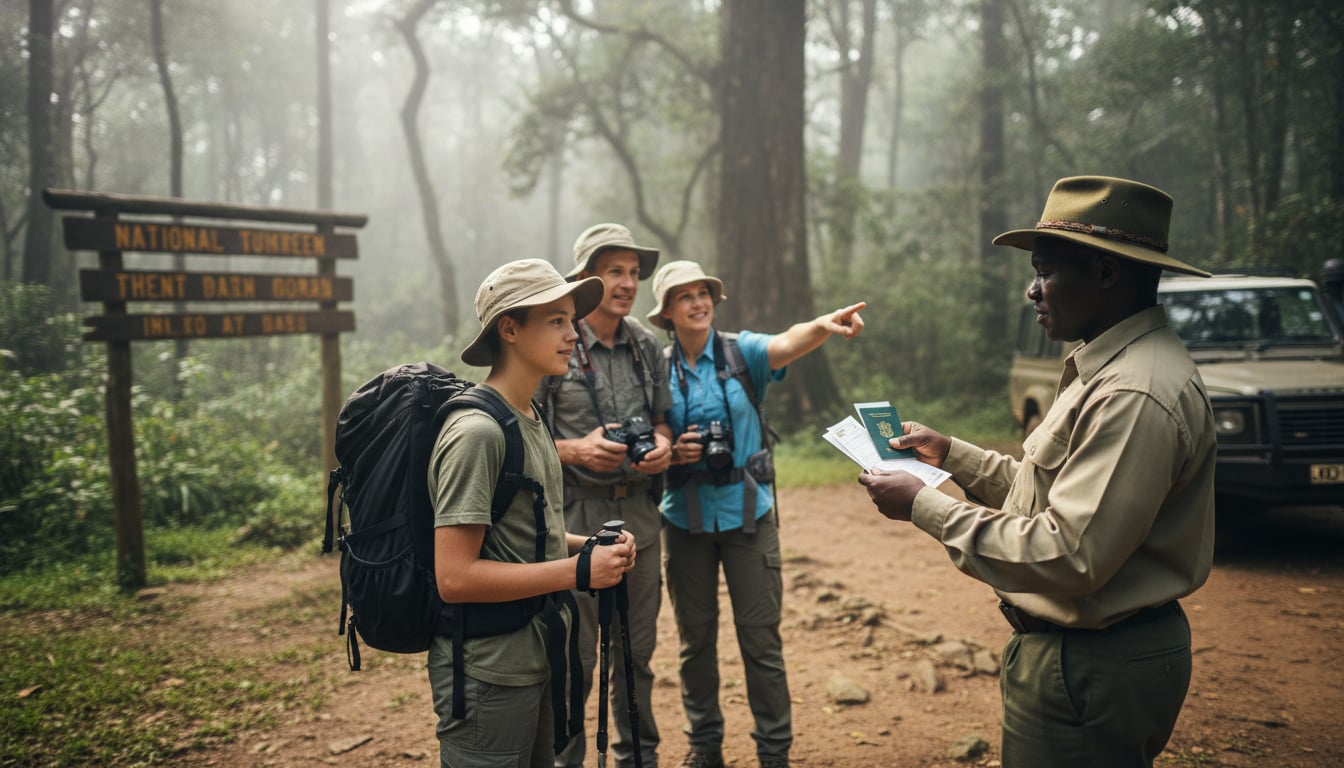
    • Documentation: You will need a valid passport with at least six months validity and blank pages. Kenya eTA and Tanzania eVisa should both be arranged before arrival. Attempting to sort visa paperwork at the border adds delay.
    • Process: You clear Kenya immigration (exit stamp), walk or drive a short distance, then clear Tanzania immigration (entry stamp). Vehicle paperwork (if crossing with a safari vehicle) requires additional customs processing. The whole process can take 30 minutes on a quiet day or 2+ hours during busy periods.
    • Currency exchange: Have some Tanzanian shillings ready for immediate expenses on the Tanzania side, or withdraw from ATMs in the nearest Tanzanian town (Tarime or Musoma). Kenyan shillings are not widely accepted in Tanzania.
    • Health certificates: If your itinerary involves yellow fever risk countries, have your vaccination certificate accessible. Border officials on both sides may ask for it.

    Who Uses Isibania vs Namanga

    Isibania is best for: Mara to Serengeti overland connections, especially during migration season when herds are moving between the two ecosystems. Also useful for travelers heading to Musoma, Lake Victoria’s southern shore, or the western Serengeti corridor.

    Namanga is best for: Nairobi to Arusha transfers, travelers heading to Ngorongoro or Tarangire, and anyone whose itinerary is anchored in northern Tanzania’s standard safari circuit.

    The Operator Advantage

    This is a strong argument for booking through an operator with ground operations in both countries. Cross border vehicle logistics, guide handoffs, permit coordination, and immigration paperwork all become the operator’s problem rather than yours. Practitioners on safari forums consistently report that DIY border crossings are manageable but stressful, while guided crossings with a local operator are smooth because the drivers know the process and the officials.

    Planning a trip that spans both countries? Duma Explorer coordinates custom East Africa itineraries across Kenya and Tanzania with local teams handling the border logistics.

    Kenya Safari Packing List

    Packing for Kenya is not complicated, but a few wrong choices can make game drives uncomfortable and a few right ones can dramatically improve the experience.

    Clothing

    • Neutral colored layers: Khaki, olive, tan, brown. Avoid white (gets dirty instantly on dusty roads), black (attracts tsetse flies in some areas), and bright blue or red (can disturb wildlife and is culturally sensitive in some Maasai areas).
    • Light fleece or soft shell jacket: Early morning game drives in the Mara (elevation around 1,500 m) can be surprisingly cold, especially June through August. Wind chill on an open vehicle compounds this.
    • Long sleeves and long trousers: Protection against sun, insects, and thorny vegetation on bush walks.
    • Wide brimmed hat and sunglasses: Essential for open vehicle game drives.
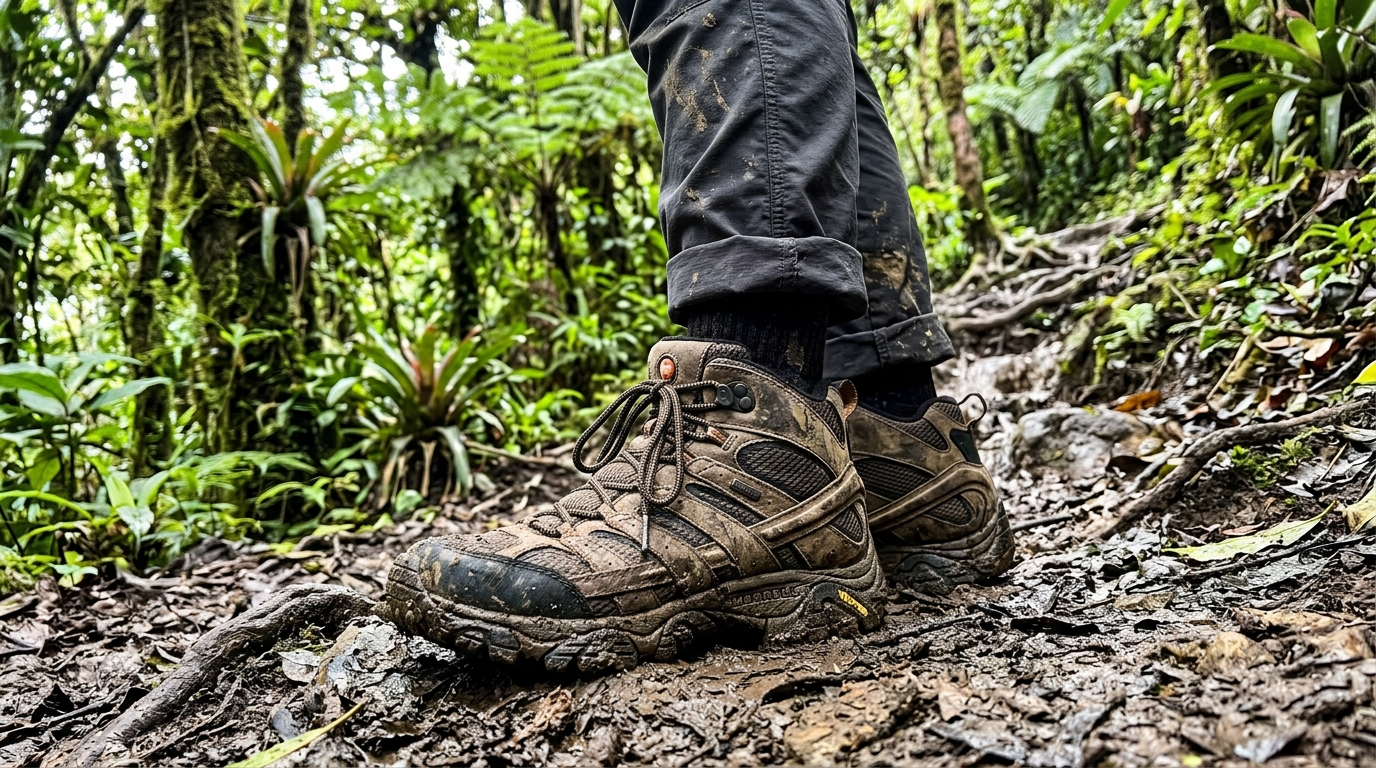
    • Closed toe walking shoes: For bush walks, camp paths at night, and any trekking. Sandals are fine around camp during the day.
    • A warm layer for evenings: Temperatures drop noticeably after sunset at altitude.

    Gear

    • Binoculars: The single most impactful gear upgrade for any safari. Even a modest pair transforms distant sightings into close encounters.
    • Camera with zoom lens: A 200mm is the minimum for useful wildlife shots. 100 to 400mm or 200 to 600mm zoom covers most situations.
    • Universal travel adapter: Kenya uses Type G plugs (the British three pin style). Most safari camps have limited or scheduled electricity, so charge devices whenever outlets are available.
    • Power bank and charging cables: Essential given limited camp electricity.
    • Headlamp or small torch: Camp paths are dark at night. Essential, not optional.
    • Daypack: For carrying layers, water, camera, and binoculars on game drives.

    Health and Documents

    • Prescription medications including malaria prophylaxis, packed in carry on luggage.
    • Insect repellent with DEET or picaridin.
    • Sunscreen (SPF 50+). Equatorial sun is intense even on overcast days.
    • Printed and digital copies of eTA confirmation, travel insurance, passport, and vaccination certificates.
    • Reusable water bottle. Most camps provide filtered water for refills.
    • Small US dollar bills for tips and minor purchases. ATMs are unavailable in remote safari areas.

    What Not to Pack

    • Hard sided luggage (bush flights have strict weight limits and require soft bags)
    • Camouflage clothing (restricted or illegal to wear in some East African countries)
    • Excessive electronics (dust, vibration, and heat are hard on gear)
    • Drone (prohibited in all Kenyan national parks and reserves)

    Common Kenya Safari Mistakes

    1. Trying to See Too Many Parks in Too Few Days

    The most common mistake. A 7 day itinerary with four parks means most of the trip is spent in a vehicle on rough roads rather than watching wildlife. Two or three well chosen destinations with adequate time in each will always beat a checklist sprint.

    2. Not Confirming the Vehicle Type

    Assuming “safari vehicle” means a 4×4 Land Cruiser. In budget and mid range options, it might be a minivan with a pop up roof. Minivans can get stuck in mud, offer less elevation for photography, and feel cramped over long drives. Ask explicitly.

    3. Booking Based on Price Alone Without Checking What is Included

    A cheaper quote that excludes park fees, conservancy fees, and internal flights can end up costing more than a higher quote that includes everything. Compare like for like.

    4. Underestimating the Nairobi to Mara Drive

    The 260 km distance looks short on a map. The reality of unpaved roads, dust, and potential rain delays means 5 to 8 hours of driving. Many travelers wish they had flown at least one direction.

    5. Arriving on Migration Day One and Expecting a River Crossing

    River crossings are unpredictable events within a broader seasonal window. Travelers who allocate only 2 nights in the Mara during July or August and expect to witness a crossing are setting themselves up for disappointment. More nights means more chances.

    6. Ignoring the Mara Ticket Validity Rules

    Mara entry tickets for guests staying outside the reserve are valid for 12 hours (6 AM to 6 PM). If you do a morning game drive on your departure day, that requires a new ticket. This catches people off guard because it can add $100 to $200 per person unexpectedly.

    7. Skipping Travel Insurance

    Medical facilities are limited outside Nairobi and Mombasa. A medical evacuation from a remote safari camp can cost tens of thousands of dollars. The safari travel insurance guide explains what coverage matters and what most policies miss.

    8. Packing a Hard Suitcase

    Bush flights on small aircraft enforce strict luggage weight limits (typically 15 kg per person including carry on) and require soft sided bags. Hard suitcases will be rejected at the airstrip.

    9. Treating the Cultural Component as Optional

    Skipping cultural activities to squeeze in one more game drive is a false economy. A well structured Maasai community visit or Swahili Coast cultural stop adds dimension to the trip that another hour watching wildebeest cannot replicate. The travelers who report the richest Kenya experiences almost always mention a cultural moment alongside their wildlife highlights.

    10. Not Carrying the Right Currency or Adapter

    Arriving with only large denomination US bills or no Kenyan shillings creates friction at every turn. Similarly, packing the wrong power adapter (Kenya uses the British Type G three pin plug, not the European two pin or American flat blade) means dead camera batteries on the first morning game drive.

    Kenya Itinerary Terms

    Bush Flight

    A small plane flight connecting safari airstrips. Saves time and can make a short itinerary far more comfortable.

    Internal Transfer

    The movement between airport, city hotel, camp, park, and beach. In Kenya, transfers can determine whether a trip feels smooth or exhausting.

    Route reality check: If your itinerary has only one night in a park after a long transfer, you may be buying logistics more than safari.

    Nairobi Overnight

    A night in Nairobi before or after safari. Often needed for international flight schedules, jet lag recovery, or onward domestic and bush flight connections.

    Open Jaw Itinerary

    Flying into one city and out of another (for example, arriving in Nairobi and departing from Mombasa or Zanzibar). Can reduce backtracking and save a full day.

    Cross Border Safari

    A safari that combines Kenya with Tanzania, Uganda, or Rwanda. The Serengeti Mara ecosystem naturally spans two countries, and the best migration itinerary may follow the herds rather than stop at a border. The Isibania and Namanga border crossings are the main overland connection points between Kenya and Tanzania.

    Cost Terms That Affect Kenya Safari Quotes

    Kenya is no longer automatically a budget safari destination. Park fees have increased materially, and one experienced travel writer benchmarks private Kenya safaris from roughly $300 per person per day including hotels, park fees, meals, transfers, and activities. Understanding the cost vocabulary helps you compare quotes fairly.

    Per Person Sharing

    The standard pricing unit for safari quotes. It assumes two people sharing a room. Solo travelers pay more because of the single supplement.

    Single Supplement

    An additional fee for solo travelers occupying a room alone. Can add 30% to 60% to the per person cost depending on the property.

    Park Fees

    Mandatory conservation access fees. KWS 2025 non resident adult rates range from USD 50 for scenic parks to USD 90 for premium parks like Amboseli, while Mara reserve fees are governed separately by Narok County and can reach USD 200 per person per day in high season.

    Conservancy Fees

    Separate fees charged for access to private or community conservancy land. These may or may not be included in your lodge rate. Always ask.

    Internal Flights

    Bush flights between parks. These add direct cost but can save full days of road travel. On a short trip, the math often favors flying.

    High Season and Low Season Rates

    Accommodation and park fee prices that change by season. The Mara’s high season fee is double its low season rate. Lodges and camps follow similar patterns.

    Kenyan Shilling (KES)

    Kenya’s official currency. As of early 2026, the exchange rate hovers around 128 to 132 KES per US dollar, though this fluctuates. Safari lodges, park gates, and urban businesses generally quote in US dollars for non resident transactions. Credit cards are accepted at most lodges and larger hotels, but cash (US dollars in small, clean, post 2006 bills) is needed for tips, market purchases, and small town stops. ATMs in Nairobi and Mombasa dispense Kenyan shillings. There are no ATMs in or near the Maasai Mara, Samburu, or most remote safari areas.

    Tips

    Gratuities for guides, camp staff, and sometimes drivers. Rarely included in quoted prices. Ask your operator for tipping guidance specific to your itinerary. For general benchmarks, the safari tipping guide covers standard amounts across East Africa.

    Balloon Safari

    A hot air balloon flight over the savannah, typically offered in the Maasai Mara and the Serengeti. It is a separate activity with its own fee, usually several hundred dollars per person. Worth it for many travelers, but not included in standard safari quotes.

    Medical Evacuation Insurance

    Insurance covering emergency transport to better medical care. The U.S. State Department recommends this for Kenya because medical facilities can be limited outside major cities source.

    Entry, Health, and Safety Terms

    A good planning glossary should reduce risk. This section does not replace personalized medical or legal advice, but it defines the terms and points to official sources.

    eTA (Electronic Travel Authorization)

    Kenya requires an electronic travel authorization before entry for most visitors. The official eTA portal is where travelers apply online. The U.S. State Department adds that visitors need a passport with at least two blank pages and six months’ validity source.

    Planning tip: “Visa free” does not mean “no paperwork.” Apply for the eTA well before your departure date.

    Navigating the 2026 Kenya eTA

    As of 2026, Kenya has fully transitioned from traditional visas to the Electronic Travel Authorization (eTA).

    • Application Window: Apply between 3 months and 3 days before travel.
    • Requirements: You will need a digital passport photo, flight itinerary, and proof of accommodation booking.
    • Fees: The eTA carries a standard processing fee (approximately $30 to $35).
    • Yellow Fever: While not required for direct arrivals from Europe/USA, a certificate is mandatory if arriving from a country with risk of transmission (e.g., Ethiopia or Uganda).

    Yellow Fever Certificate

    Proof of yellow fever vaccination. The CDC says it is not required for direct travel from the United States to Kenya but is required for travelers arriving from countries with yellow fever transmission risk source. If your itinerary routes through a yellow fever country (common with East Africa multi country trips), you will need the certificate.

    Malaria Prophylaxis

    Prescription medication taken to prevent malaria. The CDC says malaria transmission occurs in all areas of Kenya including game parks below 2,500 m / 8,200 ft, with rare cases in highly urbanized central Nairobi. Recommended chemoprophylaxis options include atovaquone proguanil, doxycycline, mefloquine, or tafenoquine. Consult a travel clinic or healthcare provider before your trip.

    Travel Advisory

    Government guidance on safety and security risks. The U.S. State Department currently classifies Kenya as Level 2: Exercise Increased Caution due to crime, terrorism, civil unrest, kidnapping, and health, with some specific areas at higher risk levels. The UK FCDO advises against all travel to specific parts of Kenya, particularly areas near the Kenya Somalia border.

    Standard safari circuits (Mara, Amboseli, Nakuru, Tsavo, Diani) do not overlap with the highest risk zones, but checking current advisories before finalizing an itinerary is essential.

    Kenya vs Tanzania: Terms That Help You Choose

    Kenya and Tanzania are not rivals. They are adjacent planning tools. The Great Migration does not belong to either country. It spans both.

    Serengeti Mara Ecosystem

    The full migration circuit crosses from the Serengeti in Tanzania to the Masai Mara in Kenya and back. The Mara is the northern dry season phase, while the Serengeti covers the broader annual cycle including calving, the western corridor, and the southern plains.

    Northern Serengeti

    The Tanzanian section closest to the Mara River crossings. For travelers who want river crossing drama but prefer Tanzania’s larger ecosystem and potentially lower vehicle density, the northern Serengeti is the alternative to a Mara based migration safari.

    Ngorongoro Crater

    A massive volcanic caldera in Tanzania’s northern circuit. Often combined with the Serengeti for travelers doing a broader East Africa trip. The Ngorongoro Crater planning guide covers logistics and timing.

    Zanzibar and the Swahili Coast

    Beach and culture add ons that work after both Kenya and Tanzania safaris. Zanzibar connects easily from Dar es Salaam or Arusha. Diani Beach connects from Nairobi or Mombasa. The choice depends on your routing.

    Kenya is excellent for compact Mara focused safaris and classic first timer routes. Tanzania is powerful for the broader Serengeti migration cycle, Ngorongoro, Tarangire, and Zanzibar combinations. Many experienced travelers combine both. The overland connection between them (via Isibania or Namanga) is straightforward with the right planning.

    Questions to Ask Before Booking

    Before booking a Mara safari:

    • Are we staying in the reserve, a conservancy, or both?
    • Are Mara fees included at current seasonal rates?
    • How many full days are in the Mara versus in transit?
    • Is the vehicle private or shared?
    • Can we do full day game drives?
    • What happens if the herds are not near camp?

    Before booking a Kenya road safari:

    • What are the longest drive days?
    • Are roads paved, rough, or seasonal?
    • Can we fly one leg to save time?
    • Are we using a 4×4 or a minivan?
    • Are we losing prime game drive hours to transfers?

    Before booking a family safari:

    • What is the minimum age policy at each camp or lodge?
    • Is a private vehicle included for all game drives?
    • Are there junior ranger programs or age appropriate activities?
    • Is flying between parks included to reduce road time for children?

    Before booking a photography focused safari:

    • Does the guide have experience working with photographers?
    • Is the vehicle set up for photography (bean bag mounts, open sides, enough space)?
    • Can we spend extended time at single sightings rather than moving on quickly?
    • Is the itinerary designed around light conditions and seasonal subjects?

    Before booking a cross border Kenya to Tanzania trip:

    • Which border crossing will be used (Isibania, Namanga, or a different point)?
    • Is visa paperwork for both countries handled in advance?
    • Will the same vehicle and guide cross the border, or is there a handoff?
    • Are park fees for both countries included in the total quote?

    Ready to start planning? Duma Explorer designs custom East Africa itineraries across Kenya, Tanzania, Uganda, and Rwanda with local operations and experienced guides on the ground.

    Frequently Asked Questions

    What does “explore Kenya” mean for travelers?

    For most international visitors, to explore Kenya means planning a safari centered trip built around the Maasai Mara and Amboseli, often extended with Rift Valley lakes, Nairobi city experiences, Mount Kenya, or a beach finish on the Indian Ocean coast. Kenya also connects naturally to Tanzania, Uganda, and Rwanda for broader East Africa itineraries.

    How many days do you need to explore Kenya?

    A focused first Kenya safari works well in 7 to 8 days covering Amboseli, a Rift Valley stop, and the Maasai Mara. Migration focused trips benefit from 6 to 7 days concentrated in the Mara. Adding beach, Mount Kenya, Samburu, Laikipia, or a cross border extension to Tanzania pushes the trip to 10 to 14 days. Travelers who want to explore Kenya beyond the classic safari circuit, including northern regions like Samburu or Lake Turkana, should plan for at least 12 days.

    Can I do a self drive safari in Kenya?

    Yes, self drive is legal in most KWS managed national parks. It works best for experienced Africa travelers in parks with well marked tracks like Amboseli or Tsavo. The Mara’s complex track network, variable road conditions, and remote location make it a poor choice for a first self drive. Most travelers get significantly more wildlife value from a knowledgeable local guide.

    What is the difference between the Maasai Mara reserve and a Mara conservancy?

    The reserve is the core public wildlife area managed by Narok County, with potentially more vehicles and stricter activity rules. Conservancies are adjacent community or private lands with controlled access, fewer vehicles, and often additional activities like night drives and bush walks. Wildlife moves freely between them, but the biggest migration herds tend to concentrate in the reserve during peak season.

    When is the Great Migration in Kenya?

    The migration’s Mara phase typically runs from roughly July through October, but crossings and herd positioning depend on rainfall and grazing conditions, not fixed dates. The broader migration is a year round circular movement across the Serengeti Mara ecosystem. For a complete timing guide, the Great Migration safari guide covers month by month patterns across both countries.

    Is Kenya good for a family safari?

    Kenya is one of the best family safari destinations in Africa. The Mara’s open grasslands produce fast, visible wildlife sightings that keep children engaged. Amboseli’s elephants and Kilimanjaro views are universally appealing. Adding a beach finish at Diani or Watamu prevents safari fatigue. Private vehicles and bush flights are highly recommended for families to maximize comfort and minimize road time.

    What is the Samburu Special Five?

    The Samburu Special Five are wildlife species found in northern Kenya that are rare or absent on the southern safari circuits: Grevy’s zebra, reticulated giraffe, gerenuk, Somali ostrich, and Beisa oryx. Samburu National Reserve is the best place to see all five on a single game drive.

    What is Laikipia and should I visit?

    Laikipia is a highland plateau in central Kenya containing private ranches and community conservancies. It is exceptional for rhino conservation (including Ol Pejeta, home to the last northern white rhinos), horseback safaris, and intimate bush experiences with very few other vehicles. It suits return visitors, conservation minded travelers, and families looking for an alternative to the busier Mara.

    Are Kenya park fees included in safari quotes?

    Not always. Some operators include all park and conservancy fees, while others list them separately. Ask explicitly whether the quote includes current season fees for every park on the itinerary. This is one of the biggest sources of quote variation.

    Do I need a visa or eTA for Kenya?

    Most visitors need an electronic travel authorization (eTA) before arrival. Apply through Kenya’s official eTA portal before departure. You will also need a passport with at least two blank pages and six months’ validity.

    What currency does Kenya use, and what plug type do I need?

    Kenya uses the Kenyan shilling (KES), though most safari businesses quote in US dollars for non residents. Bring small denomination US bills (post 2006 printing) for tips. The country uses British style Type G three pin plugs at 230V, so pack a universal adapter.

    How do I cross from Kenya to Tanzania overland?

    The two main border crossings are Isibania (best for Mara to Serengeti routing) and Namanga (best for Nairobi to Arusha). Both require valid passports, pre arranged eTA/eVisa for each country, and potentially a yellow fever certificate. Using an operator with ground teams in both countries simplifies the process significantly.

    How far is Nairobi from the Maasai Mara?

    Roughly 260 km by road. Driving takes 5 to 8 hours depending on conditions. A bush flight from Wilson Airport takes about 45 minutes. On trips shorter than 8 days, flying at least one direction is worth serious consideration.

    Is Kenya safe for tourists?

    The U.S. State Department rates Kenya as Level 2 (Exercise Increased Caution). Standard safari circuits like the Mara, Amboseli, Nakuru, and Diani do not overlap with the highest risk zones. Check current advisories and avoid areas specifically flagged by your government’s travel guidance.

    What should I pack for a Kenya safari?

    Neutral colored layers, a warm fleece for early morning drives, binoculars, sunscreen, insect repellent, a Type G power adapter, and a soft sided bag if taking bush flights. Avoid hard suitcases, bright colors, and camouflage patterns.

    Should I choose Kenya or Tanzania for safari?

    They serve different strengths and combine well. Kenya excels at compact Mara focused safaris and classic first timer routes. Tanzania offers the broader Serengeti migration cycle, Ngorongoro Crater, and Zanzibar. The detailed Kenya vs Tanzania comparison walks through the trade offs by wildlife, cost, crowding, and itinerary style.

    What is a conservation safari?

    A conservation safari is a trip structured so that visitor fees and accommodation revenue directly support wildlife protection and community livelihoods. In Kenya, staying in a Mara conservancy or a Laikipia property like Ol Pejeta is one of the most concrete ways to participate because bed night fees fund anti poaching patrols and community payments to landowners.

    What are the most common Kenya safari mistakes?

    Trying to visit too many parks in too few days, not confirming the vehicle type, booking on price alone without checking inclusions, underestimating the Nairobi to Mara drive, forgetting the right currency and power adapter, and skipping travel insurance. Each of these is avoidable with the right questions before booking.
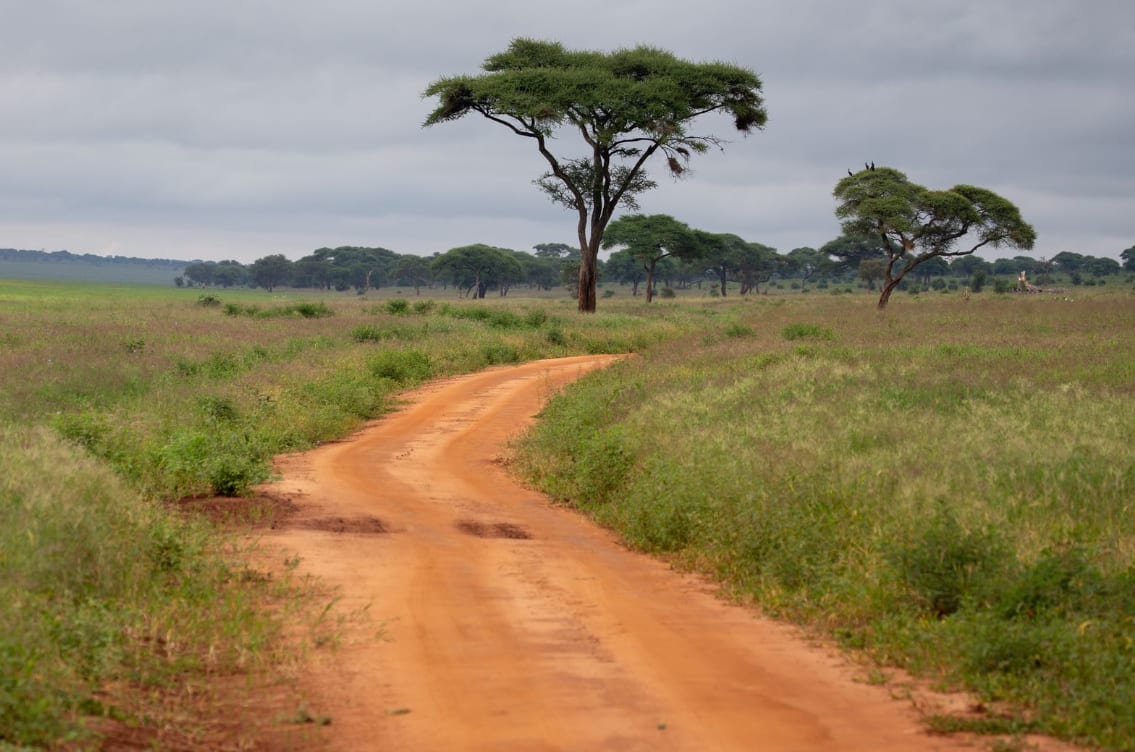
  • 9 Best East Africa Safari Trips for 2026: Costs & Tips

    9 Best East Africa Safari Trips for 2026: Costs & Tips

    TL;DR

    The best East Africa safari for most first-time travelers is a Tanzania Northern Circuit trip covering Tarangire, Serengeti, and Ngorongoro Crater over 6 to 9 days, with optional extensions to Zanzibar, Kenya’s Maasai Mara, or Uganda/Rwanda gorilla trekking. Do not choose a safari by how many countries you can squeeze in. Choose by your anchor wildlife experience, realistic time budget, and tolerance for logistics. Park fees, gorilla permits, and internal flights drive costs more than most travelers expect, so compare quotes by what is included, not just the bottom line number.

    At a Glance: Top East Africa Safari Picks for 2026

    For most travelers, the best East Africa safari is the Tanzania Northern Circuit, typically spanning 7 to 9 days to cover the Serengeti, Ngorongoro Crater, and Tarangire.

    Best for First-Timers: Tanzania Northern Circuit (Logistically seamless).

    Best for Great Migration: Northern Serengeti (Tanzania) or Maasai Mara (Kenya), July–October.

    Best Budget Gorilla Trek: Bwindi Impenetrable Forest, Uganda ($800 permit).

    Best Luxury/Convenience: Volcanoes National Park, Rwanda ($1,500 permit).

    2026 Cost Estimate: Budget $450–$600 per person/day for mid-range; $1,000+ for luxury.

    What Is the Best East Africa Safari?

    An East Africa safari can mean a week watching big cats cross the Serengeti, a muddy morning hike to sit with mountain gorillas in Uganda, a beach recovery on Zanzibar after days of dust and early mornings, or all of the above stitched into a single trip. The region spans Tanzania, Kenya, Uganda, and Rwanda, and the possible combinations are almost endless. That is the problem.

    Most travelers planning their first East Africa safari trip make the same mistake: they try to see everything. A 12-day Kenya plus Tanzania group safari sounds great on paper, but practitioners on Reddit report that camp changes every one to two nights and long drives between parks can leave travelers more exhausted than inspired. One commenter warned that people “spend more time in the vehicle than absorbing each place.” Another traveler asking about 8 days across four parks in two countries was told bluntly that the border crossings and transfers would make it “doable, but insane.”

    The better approach is to pick an anchor experience and build outward.

    Here is the quick version:

    • Best first safari: Tanzania Northern Circuit (Tarangire, Serengeti, Ngorongoro)

    • Best migration safari: Northern Serengeti plus Maasai Mara, 10 to 14 days

    • Best gorilla safari: Uganda for value, Rwanda for convenience

    • Best short safari: Kenya Mara/Amboseli or Tanzania 5 to 7 day circuit

    • Best honeymoon or family finish: Tanzania safari plus Zanzibar

    • Best big adventure: Kilimanjaro climb plus safari

    If you are planning a Tanzania-first safari with optional extensions to Kenya, gorillas, or Zanzibar, starting with a custom itinerary conversation beats choosing a fixed package that may not match your pace, season, or priorities.

    How to Choose an East Africa Safari

    Before comparing countries or operators, answer four questions.

    Pick your anchor experience

    Every good East Africa safari has a single anchor, the experience you would regret missing most.

    • Big cats and classic wildlife: Tanzania Northern Circuit or Kenya’s Maasai Mara

    • Great Migration river crossings: Serengeti or Maasai Mara, July to October

    • Mountain gorillas: Uganda (Bwindi) or Rwanda (Volcanoes National Park)

    • Summit and safari: Kilimanjaro climb followed by wildlife

    • Beach and culture: Zanzibar or the Swahili Coast

    • Fewer crowds: Southern Tanzania, private conservancies

    Set your friction budget

    Every East Africa safari has four budgets, not one. Money is obvious. Time is straightforward. But most travelers forget about friction and energy.

    Friction includes border crossings, vehicle changes at borders, small-plane baggage limits (often 15 kg soft-sided only), permit paperwork, and visa complications. Energy includes early morning starts, heat, dust, bumpy roads, altitude on Kilimanjaro, and children’s stamina.

    A trip can fit the money budget perfectly and still fail on friction. If you are combining multiple experiences into one East Africa trip, route discipline matters more than adding another park.

    The 2026 Safari Friction Scale

    9 Best East Africa Safari Trips for 2026: Costs & Tips

    Before booking, rank your tolerance for these logistical “friction points” from 1 (Low) to 5 (High):

    1. Border Crossings: (e.g., Kenya to Tanzania overland = Level 5 Friction).

    2. Internal Flights: (Small 12-seater planes with 15kg soft-bag limits = Level 3 Friction).

    3. Road Conditions: (“African Massage” or bumpy washboard roads = Level 4 Friction).

    4. Visa Complexity: (Applying for separate Tanzanian and East African Tourist Visas = Level 3 Friction).

    Match season to wildlife

    The Great Migration is not a single event in a single place. It is a year-round circular movement across 1.5 million hectares of savannah involving roughly two million wildebeest plus hundreds of thousands of zebras and gazelles (UNESCO). River crossings concentrate in July through October. Calving season in the Ndutu area peaks January through March. Booking “a Serengeti safari” without matching dates to herd location is the most common timing mistake.

    Dry season (June to October) generally means better wildlife visibility, thinner vegetation, and animals concentrated near water. It also means higher prices and more vehicles. Green season (November to May, with variations) brings lower rates, lush scenery, migratory birds, and calving, but also mud and occasional road closures.

    Understand the cost floor

    Safari prices are not arbitrary. There is a base cost floor built from park fees, vehicle, guide, fuel, permits, and logistics. Lodging determines most of the gap between mid-range and ultra-luxury. Practitioners on Reddit consistently point out that the animals are the same regardless of where you sleep, and that a good driver-guide plus sensible lodging can beat overpaying just for a premium camp address.

    Expense Category

    Mid-Range (Daily PP)

    Luxury (Daily PP)

    Notes

    Park Fees

    $70 – $200

    $70 – $200

    Non-negotiable government rates

    Lodging/Food

    $250 – $400

    $800 – $2,500

    Tented camps vs. permanent lodges

    Transport

    $100 – $150

    $300 – $600

    4×4 Land Cruiser vs. Internal Flights

    Permits

    $800 (Uganda)

    $1,500 (Rwanda)

    One-time fee for Gorillas

    Current park fees for non-East African adults:

    Park/Reserve

    Fee (per person, per day)

    Source

    Serengeti

    $70 peak / $60 low season

    TANAPA

    Ngorongoro Crater

    $70.80 entry

    NCAA

    Tarangire / Lake Manyara

    $50 peak / $45 low

    TANAPA

    Ruaha

    $30

    TANAPA

    Maasai Mara

    $100 Jan–Jun / $200 Jul–Dec

    Mara Conservancy

    Amboseli

    $90

    KWS

    Uganda gorilla permit

    $800

    UWA

    Rwanda gorilla permit

    $1,500

    RDB

    These are per-person, per-day fees that apply regardless of how much or how little you spend on accommodation. A couple spending three nights in the Serengeti will pay over $400 just in park fees before lodging, food, or transport.

    When to Book Your 2026 Safari

    Because of strict permit caps and high demand for boutique mobile camps, use this 2026 booking schedule:

    • 10–12 Months Out: High-season Great Migration (July–Sept) and Gorilla permits in Rwanda/Uganda.

    • 6–8 Months Out: Kilimanjaro climbs and mid-range lodge circuits.

    • 4 Months Out: “Green Season” (November/May) bookings and short Kenya Mara fly-in trips.

    Best East Africa Safari Trips Compared

    This table summarizes all nine trip types before the detailed breakdown below.

    Trip Type

    Best For

    Min. Days

    Best Season

    Main Cost Driver

    Biggest Risk

    Custom Tanzania-first safari

    First-timers, custom planning

    5–9

    Jun–Oct; Jan–Mar

    Lodge tier + park fees

    Rushing the Serengeti

    Tanzania Northern Circuit

    Classic wildlife, big cats

    6–9

    Jun–Oct; Jan–Mar

    Serengeti/Ngorongoro fees

    Only 1 night in Serengeti

    Serengeti + Maasai Mara Migration

    Photographers, migration focus

    10–14

    Jul–Oct crossings

    Internal flights, premium camps

    Duplicating ecosystems

    Uganda/Rwanda gorillas + safari

    Primates, bucket list

    8–12

    Jun–Sep; Dec–Feb

    Gorilla permits

    Permit timing, fitness

    Kenya Mara + Amboseli

    Shorter safari, elephants

    5–8

    Jul–Oct; Jan–Mar

    Mara fees ($200/day peak)

    Park-fee surprises

    Safari + Zanzibar/Swahili Coast

    Honeymoon, family recovery

    8–13

    Jun–Oct; Dec–Feb

    Domestic flights + beach lodge

    Forgetting Zanzibar insurance

    Kilimanjaro + safari

    Adventure travelers

    10–14+

    Jan–Mar; Jun–Oct

    Mountain crew + safari

    Post-climb fatigue

    Southern Tanzania

    Repeat visitors, fewer crowds

    6–10

    Jun–Oct

    Fly-in logistics

    Harder access

    Active/cultural safari

    Vehicle-fatigue avoiders

    8–12

    Varies

    Specialist guides

    Parks limiting walking


    1. Custom Tanzania-First Safari With Duma Explorer / Alika Africa

    Custom Tanzania-First Safari With Duma Explorer / Alika Africa Screenshot

    Best for: First-time East Africa safari travelers who want private, custom planning with the option to extend into Kenya, gorillas, Kilimanjaro, or Zanzibar through one operator.

    East Africa is logistically complex, and the biggest planning failures are not about choosing the wrong country. They are about overpacking the itinerary, underestimating drives, missing migration timing, or discovering surprise fees after arrival. That is where a custom, locally operated planning path adds value over assembling a trip from marketplace listings.

    Duma Explorer, operating locally as Alika Africa in Tanzania, designs custom and small-group adventure travel across East Africa. Owner-led trip design by Stacy Readal (15 years based in Tanzania, fluent Swahili) means itineraries are built around route logic and pacing, not just park names. Dual U.S. and Tanzanian ownership gives the operation ground-level control through Alika Africa while keeping communication easy across time zones.

    Pricing examples from Duma Explorer:

    • 5-day Northern Circuit safari: from about $2,000 pp

    • 13-day Mountains, Safari & Beach: around $6,000 pp (accommodations, food, transport included)

    • Maasai Mara fly-in extension: from about $2,000 pp

    • Swahili Coast/Pangani/Saadani beach-and-bush extension: about $1,000 to $1,100 pp

    Key strengths:

    • Safari guides with advanced training, including EcoTraining and a FGASA Level 1 certification rollout

    • Kilimanjaro guides with 15+ years of experience and Wilderness First Responder certification

    • KPAP founding partner (verified fair porter treatment) and Travelife Certified

    • Can coordinate multi-country trips: Tanzania safari, Kenya extension, Uganda/Rwanda gorilla trekking, Kilimanjaro, and Zanzibar through one operator

    • Strong review footprint with Tripadvisor Travelers’ Choice recognition from 2020 through 2025

    Honest tradeoffs:

    • Not the cheapest option. This is high-trust custom planning, not a budget group safari marketplace.

    • The dual branding (Duma Explorer in the U.S., Alika Africa in Tanzania) can initially confuse first-time researchers, though the About page clarifies the structure.

    • Fixed-date group departures exist for Kilimanjaro, but safari itineraries are primarily private and custom.

    Why this matters for planning: A safari expert featured on LinkedIn noted that first-time safari logistics are genuinely confusing, and expert planners earn their value by managing lodge choice, park fees, visas, and transfers so travelers do not have to piece it together alone. Another practitioner argued that local and indigenous knowledge, like knowing where to avoid crowded migration river bends, can transform a trip in ways that off-the-shelf packages cannot replicate.

    Skip this if you want the absolute cheapest group departure with fixed daily start dates and minimal customization.


    2. Tanzania Northern Circuit Safari

    Tanzania Northern Circuit Safari Screenshot

    Best for: First-time safari travelers who want iconic big-game viewing, big cats, and elephants without border complications.

    The Tanzania Northern Circuit is the default East Africa safari for good reason. It anchors around three of the continent’s most famous wildlife areas, all reachable from Arusha: Tarangire (elephants and baobabs), the Serengeti (predators, plains, migration ecosystem), and Ngorongoro Crater (dense wildlife in a collapsed volcanic caldera).

    Typical route: Arusha arrival → Tarangire (1 to 2 nights) → Serengeti (2 to 3+ nights) → Ngorongoro or Karatu (1 to 2 nights) → departure or Zanzibar extension.

    How many days: Minimum 5, better 7 to 9. Spending only one night in the Serengeti is the most common pacing mistake.

    Best season: June to October for dry-season game viewing. January to March for calving season in the Ndutu area. For a deeper month-by-month breakdown, see this guide to the best time for a Tanzania safari.

    Pricing:

    • Duma Explorer’s 5-day Northern Circuit safari starts from about $2,000 pp

    • Community pricing signals suggest a solid 7-day private mid-range Tanzania safari typically lands around $3,800 to $4,000 pp depending on lodging and routing

    • Park fees add up fast: Serengeti alone is $70 per person per day in peak season (TANAPA), and Ngorongoro entry is $70.80 (NCAA)

    Why choose it: Strongest combination of wildlife density, route simplicity, and flexibility to upgrade or extend. Works equally well for couples, families, photographers, and honeymooners.

    Skip it if gorillas are your primary goal or you have already done this circuit and want something less visited.

    Planning tip: A Reddit safari planning discussion recommended spending at least three nights in central Serengeti and keeping the itinerary classic for a first trip, because these parks “deliver.” One commenter noted that a good driver-guide and sensible mid-range lodging often outperform overspending on a premium camp location.

    For more detail on this route, the Northern Circuit safari guide covers park-by-park logistics.


    3. Serengeti and Maasai Mara Great Migration Safari

    Serengeti and Maasai Mara Great Migration Safari Screenshot

    Best for: Migration-focused photographers and return safari travelers with 10 to 14 days and the budget for internal flights.

    The Serengeti-Mara ecosystem hosts one of the planet’s great wildlife spectacles: a 1,000-kilometer circular trek across Kenya and Tanzania involving roughly two million wildebeest (UNESCO). Combining both sides of this ecosystem during peak migration season gives you the best chance of witnessing river crossings, predator action, and massive herds.

    How many days: 10 to 14 days minimum to do both properly. Do not attempt this in 6 to 8 days across four parks by road.

    Best season: July to October for river crossings in the northern Serengeti and Maasai Mara. But migration timing shifts with rainfall, so do not expect crossings on a specific date. The Great Migration timing guide breaks down where the herds are month by month.

    Pricing and hidden costs:

    • Maasai Mara nonresident adult entry: $200 per day in high season (July to December) (Mara fees)

    • Serengeti nonresident adult: $70 peak (TANAPA)

    • Internal flights between Tanzania and Kenya, premium mobile camps, and small-plane baggage limits (often 15 kg soft-sided) can significantly increase costs

    Why choose it: Two sides of the same migration ecosystem. High predator concentrations. Mobile camps positioned near crossing points can give you front-row access.

    Skip it if you have fewer than 10 days, because you will spend more time in transit than watching wildlife. If time is tight, choose the Serengeti side or the Mara side and go deeper in one ecosystem. A Kenya vs. Tanzania comparison can help you decide which side fits your trip better.

    User insight: Reddit travelers report that a 12-day Kenya plus Tanzania route is “doable but fast and tiring” with camps changing every one to two nights. Another traveler was warned that the Serengeti-to-Mara leg is not a simple hop and may require border processes, vehicle changes, flights, and strict baggage limits. The consensus: do not combine both unless the migration is the anchor and you have adequate time.


    4. Uganda or Rwanda Gorilla Trekking Safari

    Uganda or Rwanda Gorilla Trekking Safari Screenshot

    Best for: Bucket-list travelers who want primates plus classic savanna wildlife, and who are comfortable with steep, muddy hiking.

    Mountain gorilla trekking is consistently described as a once-in-a-lifetime experience, and East Africa is the only place on Earth where it is possible. The choice between Uganda and Rwanda comes down to budget, convenience, and how much additional safari you want to build around the gorilla trek.

    How many days:

    • Uganda-focused: 8 to 12 days (Bwindi or Mgahinga for gorillas, then Queen Elizabeth, Kibale for chimps, or Murchison Falls)

    • Rwanda-focused: 4 to 7 days (Volcanoes National Park, optional Akagera for savanna or Nyungwe for chimps)

    • Tanzania plus gorillas: 10 to 15 days, usually requiring flights between countries

    Permits and pricing:

    • Uganda gorilla permit: $800 for foreign nonresidents, which includes guide fee, park entrance, and community development contribution (UWA)

    • Uganda gorilla habituation experience: $1,500 (UWA)

    • Rwanda gorilla tracking permit: $1,500 for foreigners (RDB)

    Both countries enforce a minimum age of 15, a maximum of 8 visitors per gorilla group, and a one-hour viewing window. Rwanda requires a 7-meter distance from gorillas; Uganda specifies 10 meters.

    Why choose it: Nothing else in wildlife travel compares to sitting quietly with a gorilla family. Uganda offers the better value at $800 versus $1,500. Rwanda offers easier logistics, shorter drives from Kigali to Volcanoes National Park, and a more polished infrastructure. A Reddit traveler comparing the two said Uganda was the clear financial choice, while Rwanda made sense for travelers who valued convenience.

    For a deeper breakdown of Uganda logistics, this gorilla trekking guide covers costs, permits, and practical tips.

    Skip it if anyone in your party is under 15, has serious mobility limitations on steep terrain, or cannot handle potentially hours of hiking through dense forest in rain or mud.

    Visa warning: The East Africa Tourist Visa covers Kenya, Rwanda, and Uganda but does not include Tanzania (Kenya eVisa portal). Reddit travelers combining Rwanda, Kenya, and Zanzibar have been confused when leaving the EATV bloc for Tanzania, only to discover re-entry may require separate documentation. Sort visas before booking flights.


    5. Kenya Maasai Mara and Amboseli Safari

    Kenya Maasai Mara and Amboseli Safari Screenshot

    Best for: Travelers flying through Nairobi who want a shorter safari, elephants with Kilimanjaro views, and the Mara’s big-cat density.

    Kenya’s two most famous parks offer a strong 5 to 8 day East Africa safari without needing to cross any borders. Amboseli delivers dramatic elephant herds against the backdrop of Mount Kilimanjaro. The Maasai Mara delivers some of the highest predator concentrations anywhere.

    Typical route: Nairobi → Amboseli (2 nights) → Maasai Mara (3 to 4 nights) → Nairobi or coast extension.

    Best season: July to October for migration and dry-season predator viewing. January to March for fewer crowds and green-season photography.

    Pricing and the fee problem:

    • Maasai Mara nonresident adult: $100 per day January to June, $200 per day July to December (Mara fees)

    • Amboseli nonresident adult: $90 per day (KWS)

    • A couple staying 4 nights inside the Mara in peak season could face roughly $1,600 in park fees alone, before accommodation or transport

    A Reddit traveler described arriving at the Maasai Mara and discovering fees they had not budgeted for, calculating that staying inside the reserve triggered daily charges regardless of whether they went on a game drive that day. For a thorough breakdown of Maasai Mara costs, timing, and tips, plan fees early.

    Why choose it: Strong for shorter trips. Nairobi is a well-connected hub. Conservancies bordering the Mara can offer lower vehicle density and activities like night drives that are not available inside the national reserve.

    Skip it if park-fee surprises or vehicle crowds during peak migration will bother you. Also skip the Kenya-plus-Tanzania overland route if you have fewer than 10 days.


    6. Safari and Zanzibar or Swahili Coast Beach Trip

    Safari and Zanzibar or Swahili Coast Beach Trip Screenshot

    Best for: Honeymooners, families, and anyone who wants a few days of beach, food, and Stone Town culture after dusty safari mornings.

    The classic pairing is a Tanzania Northern Circuit safari followed by a short flight to Zanzibar. It works logistically because domestic flights from safari hubs like Arusha or the Serengeti connect to Zanzibar daily. The tougher question is whether you want the energy of Zanzibar’s beaches and Stone Town or the quiet of mainland Swahili Coast alternatives like Pangani or Saadani.

    How many days: 5 to 8 days safari, then 3 to 5 nights beach. Resist the urge to cut the beach short; it serves as real recovery time. For help deciding, the Zanzibar vs. mainland beach guide compares options.

    Pricing:

    • Duma Explorer’s 13-day Mountains, Safari & Beach itinerary is cited at around $6,000 pp including accommodations, food, and transport

    • Swahili Coast/Pangani/Saadani beach-and-bush extension: about $1,000 to $1,100 pp

    • Zanzibar domestic flights: typically $150 to $350 pp depending on route and timing

    The insurance requirement you will forget about: Zanzibar introduced mandatory inbound travel insurance effective October 1, 2024. All visitors must purchase it through the Zanzibar Insurance Corporation’s Visit Zanzibar portal and present a QR-code certificate on arrival (government notice). The cost is $44 per visitor for coverage up to 92 days (industry advisory). Handle this before you fly, not at the airport.

    Why choose it: Safari plus beach is the best rhythm for couples and families. Stone Town adds real cultural depth. The Swahili Coast alternatives offer quieter, less-touristy beach options.

    Skip it if you want a completely remote, undeveloped beach experience. Some Zanzibar beaches are tide-dependent (water can recede dramatically at low tide), and popular areas can feel busy. If isolation matters, compare Pangani or Saadani.

    User insight: Reddit visa threads show consistent confusion about Zanzibar’s relationship with the East Africa Tourist Visa. Tanzania (including Zanzibar) is not covered by the EATV. If you are combining a Kenya/Uganda/Rwanda trip with Zanzibar, you will need separate Tanzanian entry documentation.


    7. Kilimanjaro Climb and Tanzania Safari

    Kilimanjaro Climb and Tanzania Safari Screenshot

    Best for: Adventure travelers who want to summit Africa’s highest peak and follow it with wildlife viewing, all in one trip.

    This combination is the signature East Africa big-adventure trip, and it works because Kilimanjaro and Tanzania’s safari circuit both stage out of Arusha. The key is pacing. Climbers who summit Kilimanjaro and immediately hop into a multi-park safari often regret it. Build at least one full rest day (preferably two) between the climb and the first game drive.

    How many days:

    • Kilimanjaro: 6 to 9 days depending on route

    • Recovery: 1 to 2 days in Arusha

    • Safari: 3 to 6 days

    • Optional beach: 3 to 5 nights on Zanzibar or the Swahili Coast

    • Total: 10 to 16+ days

    Pricing (Duma Explorer):

    • Machame route: from about $1,999 pp

    • Lemosho route: from about $2,999 pp

    • Northern Circuit route: from about $2,999 pp

    • Lemosho via Crater Camp: from about $3,499 pp

    • Small-group Machame: around $2,399 to $2,599 pp

    • Small-group Lemosho: around $2,699 to $2,999 pp

    • Add a 5-day Northern Circuit safari from about $2,000 pp

    Safety differentiators from Duma Explorer: Kilimanjaro guides with 15+ years of experience and Wilderness First Responder certification, 1:1 guide-to-climber ratio on summit day for small-group climbs, and KPAP founding partnership for verified fair porter treatment.

    Why choose it: One trip, two bucket-list experiences, one logistics hub. The climb-then-safari-then-beach progression creates a natural arc from peak effort to wildlife wonder to relaxation.

    Skip it if you are not prepared for altitude, have not trained for sustained uphill hiking, or if adding a full climb will leave you too exhausted to enjoy the safari.


    8. Southern Tanzania Safari

    Southern Tanzania Safari Screenshot

    Best for: Repeat safari travelers, birders, and anyone who values wilderness feel over famous park names.

    If you have already done the Northern Circuit and want something different, southern Tanzania offers Nyerere (formerly Selous), Ruaha, and Katavi with dramatically fewer vehicles and a stronger sense of remoteness. A LinkedIn practitioner post framed 2026 East Africa luxury as increasingly about protected ecosystems with low vehicle density, conservation-focused models, and generational guide knowledge, and specifically highlighted remote southern Tanzania for seasoned safari travelers.

    How many days: 6 to 10 days. Works best as a focused itinerary, not an add-on tacked onto a rushed Northern Circuit.

    Pricing:

    • Nyerere: $70 peak / $60 low season, same fee tier as Serengeti (TANAPA)

    • Ruaha: $30 per day, significantly lower entry than flagship parks (TANAPA)

    • Total cost can still be high because fly-in logistics and remote camp pricing offset the lower park fees

    Why choose it: Fewer vehicles, big wilderness, strong birding, varied activities including potential walking and boat safaris depending on the park. Ruaha in particular is undervisited relative to its wildlife quality.

    Skip it if this is your first safari and you want guaranteed “classic checklist” sightings. Southern parks deliver, but first-timers usually get more confidence-building wildlife from the Northern Circuit. Read the Southern Tanzania safari circuit guide for a deeper comparison.


    9. Active and Cultural East Africa Safari

    Active and Cultural East Africa Safari Screenshot

    Best for: Travelers who do not want to sit in a vehicle all day, every day.

    This is the trip type that most East Africa safari articles ignore completely. A Reddit traveler planning an East Africa trip said they struggled to find itineraries that were not “safari every single day” and wanted hiking, walking, culture, food, villages, and scenery mixed in. Another commenter said the only thing they disliked about a Kenya/Rwanda trip was “no walking.”

    Vehicle fatigue is real. Early mornings in a Land Cruiser, hours of bumpy roads, dust, and heat can wear down even enthusiastic wildlife lovers by day five. The solution is rhythm: alternate game drives with walking safaris, village visits, scenic hikes, cooking experiences, or Stone Town exploration.

    How many days: 8 to 12 days with safari days interspersed with active and cultural days.

    What to build in:

    • Walking safaris or guided nature walks where allowed (UWA lists guided nature walks at $40 for foreign nonresidents in Bwindi, Mgahinga, and Kibale, among others)

    • Day hikes on Kilimanjaro’s lower slopes or the Arusha/Meru foothills

    • Maasai cultural visits (choose carefully to avoid staged or exploitative setups)

    • Stone Town food and history days

    • Birding excursions

    • Boat safaris in parks like Nyerere or Queen Elizabeth

    Important caveat: Walking and night drives are not permitted everywhere. National parks and private conservancies operate under different rules. A LinkedIn practitioner post from Africa DMC Group noted that differences between concessions and national parks directly affect which activities are available, including off-road driving and night safaris. Confirm activity availability before you build your route around them.

    Skip it if the primary goal is maximizing big-game sightings per day. Classic vehicle game drives remain the most efficient way to cover ground and find predators.


    East Africa Safari Costs: What Actually Drives the Price?

    Understanding what drives safari costs helps you compare quotes honestly. A cheap quote that excludes half the fees is not cheap.

    Park and conservation fees

    These are non-negotiable. Serengeti alone is $70 per person per day in peak season. A couple spending three days there pays $420 in park fees before eating or sleeping. Add Ngorongoro ($70.80 entry), Tarangire ($50 peak), and you have a cost floor north of $500 per person in park fees alone for a standard Northern Circuit.

    Gorilla permits

    Uganda at $800 and Rwanda at $1,500 are the single biggest line items on any gorilla trekking itinerary. These are not negotiable and must be secured well in advance, especially for peak-season dates.

    Private vs. group vehicle

    Private safari vehicles cost more than shared group departures but give you control over pace, stops, and schedule. For families with young children or photographers who need flexible timing, private is usually worth the premium.

    Lodge tier

    This is where most of the price gap between a $300/night and $1,500/night safari lives. A Reddit commenter put it well: the animals do not change based on your room. Mid-range lodges and tented camps with good locations and solid food deliver the same wildlife as ultra-luxury properties.

    Domestic flights

    Internal flights in Tanzania, Kenya, Uganda, and Rwanda range from $150 to $500+ per person per leg. They save enormous amounts of driving time but add up fast on multi-stop itineraries.

    Seasonality

    Peak dry season (July to October) commands the highest rates for both lodging and park fees. Green season offers genuine savings, but some roads and camps may close or become difficult to access.

    Visas and insurance

    The East Africa Tourist Visa ($100 to $101) covers Kenya, Rwanda, and Uganda but not Tanzania (Kenya eVisa, Rwanda Embassy). Tanzania requires a separate visa. Zanzibar requires mandatory travel insurance at $44 per visitor. These are small individually but add up for families.

    Tips, drinks, laundry, and card fees

    Most safari quotes exclude tips for guides, porters, and camp staff. Alcohol and laundry are commonly excluded too. Credit card payments with some operators carry a surcharge (around 3 to 4%).


    Common East Africa Safari Mistakes

    1. Trying to visit four countries in 10 days. Pick one anchor country, maybe two if flights are realistic. Adding a third rarely improves the experience.

    2. Booking “Great Migration” without matching dates to herd location. The wildebeest are always migrating somewhere. If you book a southern Serengeti lodge for August, you will miss the herds entirely. Get the migration timing and location right before choosing camps.

    3. Underestimating Maasai Mara fees. At $200 per person per day in high season, a couple staying four nights inside the reserve faces $1,600 in park fees alone. Budget for this explicitly.

    4. Assuming the East Africa Tourist Visa covers Tanzania. It does not. Tanzania requires its own visa. This mistake creates real problems at borders and airports.

    5. Treating Zanzibar as an automatic add-on. It requires a domestic flight, mandatory insurance, and advance planning around tides and accommodation quality. Do not tack it on as an afterthought.

    6. Choosing lodges before choosing a route. The route determines which parks you visit, how many transfer hours you spend, and whether the timing matches wildlife patterns. Pick the route first, then find the right lodging along it.

    7. Booking gorilla permits too late. Peak-season permits sell out months in advance. If gorilla trekking is your anchor, secure permits before anything else.

    8. Not building rest days. Every multi-park itinerary needs at least one day without a 5:30 AM wake-up call. This goes double after a Kilimanjaro climb.

    9. Comparing quotes without checking inclusions. A $3,000 quote that excludes park fees, flights, and transfers can cost more than a $4,500 quote that includes everything.


    Best East Africa Safari Itineraries by Trip Length

    5 to 6 days

    • Tanzania Northern Circuit short safari: Tarangire, Serengeti, Ngorongoro. Tight but works.

    • Kenya Mara-focused: Nairobi to Maasai Mara, 3 to 4 game drives, return.

    • Rwanda gorilla express: Kigali, Volcanoes National Park trek, optional Akagera.

    7 to 9 days

    • Classic Tanzania: Tarangire, Serengeti (2 to 3 nights), Ngorongoro. The gold standard first safari.

    • Kenya combo: Amboseli plus Maasai Mara.

    • Uganda gorillas plus safari: Bwindi plus Queen Elizabeth or Kibale for chimps.

    10 to 12 days

    • Tanzania safari plus Zanzibar: Northern Circuit followed by 3 to 5 beach nights.

    • Kenya plus Tanzania: Only with flights and smart routing. Do not attempt this overland in under 12 days.

    • Uganda/Rwanda gorillas plus Tanzania safari: Requires flight connections between countries.

    13 to 16 days

    • Kilimanjaro plus safari plus beach: The full East Africa adventure arc.

    • Tanzania plus gorillas in Uganda: Safari, then fly to Entebbe/Bwindi.

    • Serengeti plus Mara migration with pacing: Both sides of the ecosystem done properly.


    Why Operator Choice Matters

    Guide quality shapes an East Africa safari more than lodge quality. A driver-guide who knows where a leopard has been resting, who understands animal behavior well enough to predict movement, and who can explain what you are seeing transforms a good safari into a great one.

    A LinkedIn practitioner post argued that generational and local knowledge can change the entire experience, including knowing where to avoid crowded migration bends and when to position for better sightings. That kind of expertise does not come from a GPS pin on a map. It comes from guides who grew up in or around these ecosystems.

    For travelers considering a Tanzania-anchored East Africa safari with optional extensions, Duma Explorer (Alika Africa in Tanzania) offers owner-led custom design, guides with advanced field training, and the ability to coordinate multi-country trips, including Kenya extensions, gorilla trekking, Kilimanjaro, and Zanzibar, through one operation. Start with the Tanzania safari planning guide to see how a custom itinerary compares to a fixed package.


    East Africa Safari FAQs

    Which country is best for an East Africa safari?
    Tanzania for first-time classic safari breadth. Kenya for shorter Mara and Amboseli trips. Uganda for gorilla trekking on a relative budget. Rwanda for gorillas with convenient logistics. Most first-timers should start with Tanzania’s Northern Circuit.

    Is Kenya or Tanzania better for safari?
    Tanzania is generally better for a first-time multi-park wildlife circuit because it offers the Serengeti, Ngorongoro, and Tarangire with strong route logic from Arusha. Kenya is excellent for shorter trips focused on the Maasai Mara, Amboseli, or conservancy-style safaris. They are different trips rather than direct competitors.

    How many days do you need for an East Africa safari?
    Six to nine days for one country done well. Ten to fourteen days for a smart two-country combination with flights. Fourteen-plus days if you want safari plus gorillas plus beach or a Kilimanjaro climb.

    How much does an East Africa safari cost?
    Costs range widely. A 5-day private mid-range Tanzania safari starts around $2,000 pp. A 13-day multi-experience trip can run $6,000 pp or more. Park fees, gorilla permits, lodge tier, domestic flights, and season are the primary cost drivers. Always compare quotes by what is included, not just the headline number.

    How much are gorilla permits in Uganda and Rwanda?
    Uganda foreign nonresident gorilla permit: $800 (UWA). Rwanda foreigner gorilla tracking permit: $1,500 (RDB). Both include one hour with a gorilla family and enforce a minimum trekker age of 15.

    Does the East Africa Tourist Visa include Tanzania?
    No. The East Africa Tourist Visa covers Kenya, Rwanda, and Uganda only (Kenya eVisa). Tanzania, including Zanzibar, requires a separate visa. Entering Tanzania from a EATV country can invalidate your return without separate documentation.

    Can you combine Serengeti and Maasai Mara in one trip?
    Yes, but only if you have at least 10 days and budget for internal flights or careful overland routing. The two parks are part of the same migration ecosystem, so combining them only makes sense during migration season or if you have enough time to go deep in both. Otherwise, pick one side.

    Is Zanzibar a good add-on after safari?
    Yes, especially after a Tanzania safari, since daily flights connect safari hubs to Zanzibar. Budget for domestic flights, beach lodging, tidal beach patterns, and mandatory Zanzibar inbound travel insurance at $44 per visitor (government notice). Handle the insurance certificate through the Visit Zanzibar portal before your flight, not on arrival.

  • East Africa Itinerary 2026: Safari Routes, Permits & Tips

    East Africa Itinerary 2026: Safari Routes, Permits & Tips

    TL;DR

    An East Africa itinerary is a day-by-day route through some combination of Tanzania, Kenya, Uganda, Rwanda, and Zanzibar, built around “anchor” experiences like safari, gorilla trekking, the Great Migration, or beach recovery. Most travelers searching for a multi-country East Africa itinerary have 10 to 14 days and want to combine two or three big experiences, but the biggest planning mistake is trying to fit too much into too few days. This glossary defines every term you will encounter while comparing itineraries, explains what each one actually means for your route, and gives you the questions to ask before booking anything.


    Every East Africa itinerary you find online sounds incredible. Serengeti sunrises. Gorillas in the mist. Zanzibar turquoise. The problem is not a lack of options. It is that the planning vocabulary, from “Northern Circuit” to “concession fee” to “fly-in safari,” gets thrown around without explanation, making it hard to tell a well-designed route from an overstuffed one.

    This glossary exists to fix that. It defines the terms safari operators use, explains what they mean for your schedule and budget, and gives you frameworks for building a route that actually works. Whether you are comparing sample itineraries from three different companies or trying to figure out if gorillas, the Serengeti, and Zanzibar can fit into two weeks, start here.

    What is the best East Africa itinerary for 2026?

    The ideal East Africa itinerary for 2026 is a 12 to 14-day multi-country route that combines two “anchor” experiences to minimize travel fatigue. For first-time travelers, the top-rated route is the Tanzania Northern Circuit (7 days) paired with Zanzibar (4 days). For bucket-list seekers, a Uganda Gorilla Trek (3 days) combined with a Kenya Maasai Mara Safari (5 days) offers the best wildlife diversity.

    Primary Entry Points: Nairobi (NBO), Entebbe (EBB), or Kilimanjaro (JRO).

    Daily Budget: $350–$700 (Mid-range) to $1,500+ (Luxury).

    Best Connectivity: Use the East Africa Tourist Visa for seamless entry between Kenya, Uganda, and Rwanda.

    What Is an East Africa Itinerary?

    An East Africa itinerary is a day-by-day travel plan through one or more East African countries, usually combining wildlife safaris, primate trekking, cultural experiences, mountain climbs, and Indian Ocean coast time.

    The phrase sounds simple but hides a geography problem. The East African Community (EAC) officially includes eight partner states: Burundi, the Democratic Republic of Congo, Kenya, Rwanda, Somalia, South Sudan, Uganda, and Tanzania source. On safari websites, though, “East Africa itinerary” almost always means a route through Tanzania, Kenya, Uganda, Rwanda, and/or Zanzibar. Not every EAC country. Not even close.

    A typical 14-day East Africa itinerary might start with gorilla trekking in Uganda, fly to Kenya’s Maasai Mara, continue to Tanzania’s Serengeti and Ngorongoro Crater, and end in Arusha or Zanzibar. The top-ranking Google result for this keyword is exactly that: a 14-day Uganda, Kenya, and Tanzania safari priced at $17,930 to $23,840 per person sharing, with flights between countries to reduce travel fatigue source.

    That price range surprises people. It should also tell you something important: East Africa itinerary planning is not casual browsing. The decisions about which countries to include, which parks to prioritize, how to connect them, and when to go carry real financial weight.

    How to Use This Glossary

    Before jumping into definitions, identify your anchor experience, the single thing you most want from this trip. Your anchor determines your routing, your timing, and often your budget.

    Common anchors include:

    • Great Migration safari (requires being in the right Serengeti region or Maasai Mara at the right month)

    • Gorilla trekking (requires a permit secured months in advance)

    • Classic savannah safari (most flexible on timing)

    • Kilimanjaro climb (requires a full week on the mountain plus recovery)

    • Beach and coast (usually best placed at the end for decompression)

    Once you know your anchor, every other decision, from second destinations to flight routing to season, flows from it. The definitions below include a “what it means for your itinerary” note for each important term so you can connect vocabulary to actual trip decisions.

    If you are trying to combine multiple experiences, our guide to fitting multiple experiences into one East Africa trip walks through the logistics in detail.

    2026 East Africa Permit and Entry Costs

    East Africa Itinerary 2026: Safari Routes, Permits & Tips

    Activity/Requirement

    Destination

    2026 Official Cost (USD)

    Gorilla Permit

    Rwanda (Volcanoes)

    $1,500

    Gorilla Permit

    Uganda (Bwindi)

    $800

    East Africa Tourist Visa

    Kenya, Uganda, Rwanda

    $100

    Zanzibar Inbound Insurance

    Zanzibar (Mandatory)

    $44

    Kenya eTA

    Kenya (Mandatory)

    $30 – $50

    Serengeti Entry Fee

    Tanzania

    $70 – $80

    The 5 Main East Africa Itinerary Types

    Classic Tanzania Safari Itinerary

    Typical route: Arusha, Tarangire, Ngorongoro Crater, Serengeti, with an optional Zanzibar extension.

    Best for first-time safari travelers who want high wildlife density and efficient routing. Tanzania’s Northern Circuit links famous parks in a logical loop that minimizes backtracking.

    Kenya and Tanzania Safari Itinerary

    Typical route: Nairobi, Maasai Mara, Serengeti, Ngorongoro, Arusha or Zanzibar.

    Best for travelers who want both sides of the Serengeti-Mara ecosystem, which UNESCO describes as a single migration corridor spanning a 1,000 km circular trek across Kenya and Tanzania source. If you are torn between the two countries, a Kenya vs. Tanzania safari comparison can help clarify which parks match your priorities.

    Safari and Gorilla Trekking Itinerary

    Typical route: Tanzania or Kenya safari plus Uganda’s Bwindi or Mgahinga, or Rwanda’s Volcanoes National Park.

    Best for bucket-list travelers who prioritize rare primate encounters alongside classic savannah wildlife. The International Gorilla Conservation Programme estimates only 1,063 known wild mountain gorillas remain, and they were downlisted from Critically Endangered to Endangered on the IUCN Red List in 2018 source.

    Safari and Zanzibar Itinerary

    Typical route: Northern Tanzania safari followed by a flight to Zanzibar, Pangani, Saadani, or another stretch of the Swahili Coast.

    Best for honeymooners, families, and anyone who wants recovery time after early safari mornings. If you are weighing whether to add beach days or extend your safari instead, a Zanzibar vs. mainland Tanzania comparison breaks down the trade-offs.

    Kilimanjaro and Safari Itinerary

    Typical route: Kilimanjaro climb (6 to 9 days depending on route), a recovery night in Arusha, then safari and optional beach.

    Best for adventure travelers combining a summit attempt with wildlife. Climbers often want recovery after the mountain, so safari and beach typically come second. For help choosing a climbing route, see this Kilimanjaro route comparison.

    What Fits in 7, 10, 14, and 21 Days

    The single most common mistake in East Africa itinerary planning is cramming too much into too few days. Practitioners on Reddit report that safari can involve 8 to 10 hours a day in a very bumpy vehicle source, and community discussions repeatedly flag itinerary overload as a real risk when travelers try to include classic safari, gorilla trekking, beach, cultural visits, and long overland transfers in one trip.

    Here is what realistically fits:

    Trip Length

    What Fits Well

    What to Avoid

    5 to 7 days

    One country. One safari circuit or one gorilla-focused trip.

    Multi-country itineraries of any kind.

    8 to 10 days

    Tanzania safari plus Zanzibar, or Kenya safari plus beach, or a gorilla-focused Uganda/Rwanda trip with one safari area.

    Gorillas plus Serengeti plus Mara plus Zanzibar unless you are using flights and accepting a fast pace.

    11 to 14 days

    Two major anchors. Tanzania plus Zanzibar, Kenya plus Tanzania, or safari plus gorillas. This is the sweet spot most travelers target.

    Four anchors with mostly road transfers.

    15 to 21 days

    Multi-country safari plus gorillas plus beach at a humane pace.

    Treating every transfer day as a sightseeing day.

    21+ days

    Kenya plus Tanzania plus Uganda/Rwanda plus Zanzibar with proper buffer days.

    Over-optimizing to “see everything” at the expense of quality time anywhere.

    The core question for 10 to 14 days is not “How many places can I fit?” It is “Which two experiences do I most want to do well?”

    One Reddit trip report describes a 13-day Uganda, Kenya, and Zanzibar route with gorilla trekking, the Maasai Mara, and beach time, noting that a travel agent helped substantially with logistics source. It is possible. But it is not effortless or cheap.

    Route and Geography Glossary

    East Africa Itinerary

    A day-by-day route through one or more East African destinations. In safari planning, this usually means Kenya, Tanzania, Uganda, Rwanda, and/or Zanzibar rather than the full East African Community.

    What it means for your route: When an operator says “East Africa itinerary,” they are talking about the safari-market countries. Do not assume it includes Ethiopia, Mozambique, or other nearby destinations.

    Northern Circuit

    Tanzania’s most popular safari route, linking Arusha with Tarangire, Lake Manyara, Ngorongoro Crater, and the Serengeti.

    What it means for your route: This is the default first-time Tanzania safari route because it combines famous parks with established logistics. Most Tanzania-based East Africa safari itineraries start here.

    Southern Circuit

    A Tanzania safari route focused on parks like Nyerere (formerly Selous) and Ruaha.

    What it means for your route: Better for repeat visitors seeking fewer crowds and a wilder feel. You can read more in this Southern Circuit guide.

    Western Circuit

    A more remote Tanzania route that may include Mahale or Gombe for chimpanzee tracking on Lake Tanganyika.

    What it means for your route: Best for specialist or longer trips, not standard first-time itineraries.

    Serengeti-Mara Ecosystem

    The cross-border ecosystem that includes Tanzania’s Serengeti National Park and Kenya’s Maasai Mara National Reserve. The Great Migration moves through this wider system rather than staying in one place. UNESCO describes the Serengeti as 1.5 million hectares of savannah where the annual migration includes roughly two million wildebeest plus hundreds of thousands of gazelles and zebras source.

    What it means for your route: An East Africa itinerary does not always need both the Serengeti and the Maasai Mara. If you have 7 to 10 days, choose one side. If you have 12 to 14 days and budget for flights, combining them can work well. For more on the Mara side, see our Maasai Mara safari guide.

    Swahili Coast

    The Indian Ocean coast of East Africa, including Zanzibar and mainland coastal areas like Pangani and Saadani.

    What it means for your route: A good phrase for beach options beyond Zanzibar. Not every coastal add-on requires a flight to the island.

    Safari and Wildlife Glossary

    Safari

    A wildlife-focused journey, usually involving game drives, walking safaris, boat safaris, or nature walks. The word comes from the Swahili for “journey.”

    What it means for your route: A “safari day” may mean a full wildlife-viewing day, a transfer with some game viewing, or a long drive between parks. Always clarify which type each day on your itinerary actually is.

    Game Drive

    A wildlife-viewing drive in a safari vehicle, usually scheduled in the morning, afternoon, or as a full day.

    What it means for your route: Morning and afternoon game drives typically run 3 to 4 hours each. Full-day game drives include a packed lunch and cover more ground. Long game drives on rough roads are tiring, so budget your energy.

    Big Five

    Lion, leopard, elephant, rhino, and buffalo. The term originates from hunting, not conservation, but it remains common in safari marketing.

    What it means for your route: Do not build your entire East Africa itinerary around checking off the Big Five. Modern safari travelers increasingly care about migration timing, primates, birds, guiding quality, low vehicle density, and conservation impact.

    Great Migration

    The annual movement of wildebeest, zebra, gazelles, and other ungulates through the Serengeti-Mara ecosystem. UNESCO calls it the largest remaining unaltered animal migration in the world source.

    What it means for your route: The migration is a year-round cycle, not a single event. Where you should sleep in the Serengeti depends on the month. Our Great Migration safari guide explains the month-by-month movement in detail.

    Calving Season

    The period (roughly January to March) when wildebeest gather on the southern Serengeti and Ndutu plains to give birth.

    What it means for your route: Calving season delivers predator action and photography opportunities, but it is not the same as the Mara River crossing season. Choose based on what you want to see.

    Mara River Crossing

    A dramatic migration event when herds cross the Mara River in the northern Serengeti or the Maasai Mara.

    What it means for your route: Crossings are unpredictable. No operator can guarantee a crossing on a specific day. Be skeptical of any East Africa safari itinerary that promises one.

    Conservancy

    A protected or semi-protected wildlife area, often outside a national reserve or park, sometimes allowing activities not permitted in national parks (night drives, walking safaris, off-road driving).

    What it means for your route: In Kenya especially, conservancies can deliver lower vehicle density and a more private-feeling experience than popular national reserves during peak season.

    Low-Density Safari

    A safari designed to reduce crowding around sightings, often through private concessions, conservancies, remote camps, or timing choices.

    What it means for your route: A LinkedIn travel-industry post argued that East Africa luxury in 2026 is shifting toward protected ecosystems with low vehicle density, strong guiding, seamless air logistics, and intimate camps rather than marble bathrooms and champagne on arrival source. If crowds bother you, ask about concession or conservancy-based itineraries.

    Gorilla and Primate Glossary

    Gorilla Trekking

    A guided hike to spend time with a habituated mountain gorilla family in Uganda, Rwanda, or the DRC.

    Key rules: The minimum trekking age is 15. Viewing time is limited to one hour per gorilla group per day. Groups are capped at eight visitors. Visitors must maintain distance (Uganda’s UWA uses 10 meters, Rwanda’s RDB uses 7 meters in their current public guidance) and must not trek when sick source.

    Gorilla Permit

    The official permission to join a gorilla trek. This is not a complete gorilla trip package. It is one line item in a larger cost that also includes accommodation, transport, guide fees, porter tips, possible domestic flights, and pre/post trek nights.

    Uganda Wildlife Authority’s 2024 to 2026 tariff lists a foreign non-resident gorilla permit at US$800 source. Rwanda’s official booking portal lists mountain gorilla tracking at US$1,500 for foreigners source.

    Reddit threads show travelers confused about whether these prices include taxes or additional fees, and many compare Rwanda’s $1,500 with Uganda’s $800 without factoring in the surrounding logistics costs, which can differ significantly between the two countries source.

    What it means for your route: Secure permits early. They dictate your dates, your trekking sector, and therefore your accommodation and flight timing. For a full breakdown of Uganda logistics and costs, see this gorilla trekking Uganda guide.

    Gorilla Habituation Experience

    A longer, more specialized experience where visitors spend extended time with a gorilla group undergoing the habituation process. Uganda’s tariff lists gorilla habituation at US$1,500 for foreign non-residents source.

    What it means for your route: Useful for photographers or primate enthusiasts who want more than the standard one-hour visit, but it is available only in specific sectors and is not the standard trek.

    Bwindi Impenetrable National Park

    Uganda’s best-known gorilla trekking destination, with multiple trekking sectors.

    What it means for your route: Sector choice matters because accommodation options and drive times from the nearest airstrip depend on which sector your permit is assigned to. For more detail, see the Bwindi gorilla trekking guide.

    Volcanoes National Park

    Rwanda’s mountain gorilla trekking destination, located near the town of Musanze.

    What it means for your route: Often logistically easier from Kigali than many Uganda gorilla routes (shorter drive), but Rwanda’s permit is nearly double the price. Read the Rwanda gorilla trekking permits and costs guide for a full comparison.

    Chimpanzee Tracking

    A guided primate experience focused on chimpanzees, often in Kibale (Uganda), Mahale, or Gombe (Tanzania). UWA’s tariff notes the minimum age for chimpanzee tracking is 12, lower than the 15-year minimum for gorilla trekking source.

    What it means for your route: A Reddit traveler who did a 4-day Uganda gorilla add-on said they wished they had included a chimp trek too, because the short extension delivered the gorilla permit experience but not a full Uganda primate experience source.

    Season and Timing Glossary

    Dry Season

    Months with less rainfall and generally easier wildlife viewing. In Tanzania, the main dry season runs roughly June to October. In Kenya, it is similar with a shorter dry spell in January and February.

    What it means for your route: Dry season is popular, often more expensive, and can mean more vehicles in famous parks. It is not automatically the “best” time; it is the most competitive time.

    Green Season

    Rainier months when landscapes are lush, prices tend to be lower, and birding can be exceptional. Sometimes called “low season” or “rainy season” in marketing.

    What it means for your route: Not automatically bad. Some parks are still productive, and the lower visitor numbers can improve the experience. It depends on which parks you are visiting, your tolerance for afternoon rain, and road conditions. A detailed look at timing is available in this best time for a Tanzania safari guide.

    Shoulder Season

    The transition weeks between high season and low season.

    What it means for your route: Often a good value window with decent wildlife viewing, if roads and weather cooperate.

    Migration Season

    A misleading phrase unless tied to a specific region and month. The migration is a continuous, year-round cycle. Calving happens in the southern Serengeti around January to March. The western corridor movement is roughly May to June. Mara River crossings cluster around July to October. The return south is November to December.

    What it means for your route: Never book a “migration safari” without confirming which migration event you are targeting and which region of the Serengeti or Mara the camp is located in. “Serengeti” is not one location; where you sleep matters far more than the lodge brand if your goal is seeing the migration.

    Logistics Glossary

    Fly-In Safari

    A safari that uses small aircraft or regional flights to connect parks, reducing driving time between destinations.

    What it means for your route: The top-ranking East Africa itinerary online explicitly uses flights to minimize travel time and fatigue between Uganda, Kenya, and Tanzania source. Fly-in safaris cost more but buy back entire days that would otherwise be lost to bumpy roads.

    Road Safari

    A safari using a 4×4 vehicle to drive between parks and lodges.

    What it means for your route: More flexible and often cheaper, but long drives on unpaved roads create fatigue. A road safari between distant parks can mean 6 to 10 hours of driving in a single day.

    Open-Jaw Flight

    An international flight plan where you arrive in one airport and depart from a different one.

    What it means for your route: This is one of the most useful tricks in East Africa itinerary planning. A Tripadvisor Tanzania forum response recommended flying into Kilimanjaro International Airport (JRO) and departing from Dar es Salaam (DAR) or Zanzibar (ZNZ) for a Tanzania safari plus beach plan, avoiding an inefficient return to Arusha source. Open-jaw routing can save a full transfer day.

    Cross-Border Transfer

    The process of moving between countries by road or air.

    What it means for your route: Ask whether your itinerary includes border fees, vehicle swaps (your Tanzania vehicle cannot always cross into Kenya and vice versa), visa or eTA processing, and waiting time. A Reddit user with safari-industry experience specifically warned travelers to check whether Kenya-Tanzania quotes include border vehicle swaps source.

    Transfer Day

    A day primarily spent moving between destinations rather than on safari activities or at leisure.

    What it means for your route: A transfer day is still a travel day, not a rest day. It may include an early departure, hours on rough roads, airstrip waits, border procedures, and arrival after dark. Do not count it as a full safari or beach day when evaluating an itinerary.

    Buffer Day

    A day with little or no scheduled activity, used to absorb flight delays, recover from long drives, or rest before a major experience.

    What it means for your route: Build buffer days before gorilla trekking, Kilimanjaro climbs, and international departures when possible. A missed connection the day before your gorilla permit means a lost $800 to $1,500 permit with no refund.

    Private Safari

    A safari with a private guide and vehicle dedicated to your party.

    What it means for your route: Improves pacing and flexibility, especially for families, photographers, and honeymooners. Practitioners on Reddit note that private setups prevent the frustration of being locked into group timing or rushed transfers source.

    Small-Group Safari

    A shared itinerary with other travelers, typically in a larger vehicle.

    What it means for your route: Can reduce cost but limits flexibility on game drive duration, lunch timing, and how long you stay at a sighting.

    Cost and Quote Glossary

    Understanding the cost vocabulary is critical. A Reddit user identifying as an Africa safari industry participant warned travelers to check whether quotes include park fees, concession fees, Ngorongoro Crater service fees, vehicle fees, border vehicle swaps, and internal flights, noting that a roughly $6,000 per person 14-day Kenya-Tanzania-Zanzibar quote can be fair or padded depending on what is actually included source.

    Park Fee

    A government or park authority fee charged for entering a national park or reserve.

    What it means for your route: These are charged per person per day (sometimes per 24-hour period), and they add up quickly. Always clarify whether they are included in your quote.

    Concession Fee

    A fee associated with staying or operating in certain protected concession areas within or adjacent to national parks.

    What it means for your route: Can add significant cost, especially for Serengeti concession camps. A separate line item from the park fee.

    Crater Service Fee

    A vehicle and service fee charged for descending into the Ngorongoro Crater.

    What it means for your route: This is one of the most commonly overlooked hidden costs in Tanzania itinerary quotes. It is separate from the Ngorongoro Conservation Area entry fee.

    Included vs. Excluded

    The most important section of any safari quote.

    What to check: Accommodation, meals, park fees, concession fees, crater fees, gorilla permits, internal flights, airport transfers, tipping, drinks, laundry, visas, eTA, travel insurance, and medical evacuation coverage.

    Per Person Sharing

    Pricing based on two people sharing a room or tent. This is the standard pricing format across safari operators.

    What it means for your route: If you are traveling solo, expect to pay more. See “single supplement” below.

    Single Supplement

    An added cost for a solo traveler occupying a room or tent alone.

    What it means for your route: Can be substantial, sometimes 30% to 50% more than the per-person-sharing rate. Solo travelers should factor this in from the start.

    Tipping Guideline

    A suggested gratuity range for guides, drivers, porters, camp staff, and trekking teams.

    What it means for your route: Tips are almost never included in the base price. Budget an additional amount (varies by trip type and operator recommendations) and bring cash in small denominations.

    Visa and Travel Admin Glossary

    East Africa Tourist Visa (EATV)

    A joint tourist visa covering Uganda, Kenya, and Rwanda only. It is multiple-entry for tourism, valid for 90 days, costs US$100, and must be issued by the first country of entry source.

    Common confusion that competitors get wrong: The name suggests it covers all of East Africa. It does not. Tanzania and Zanzibar are not included. If your East Africa itinerary includes Tanzania, you need a separate Tanzania visa.

    Kenya eTA

    Kenya’s electronic travel authorization, required for most travelers before arrival. Certain exemptions apply, including Kenya passport holders and citizens of East African Partner States source.

    What it means for your route: Apply before you travel. Do not assume you can get it on arrival.

    Tanzania Multiple-Entry Visa

    For U.S. nationals visiting Tanzania for tourism, Tanzania Immigration requires a multiple-entry visa. The listed fee is US$100, and passports must have at least six months’ validity source. The U.S. State Department confirms this requirement and notes that proof of yellow fever vaccination is required for travelers arriving from countries where yellow fever is endemic, including certain long airport transits source.

    What it means for your route: If your itinerary crosses into Tanzania from Kenya, Uganda, or Rwanda, confirm you have the right visa before you reach the border.

    Yellow Fever Certificate

    Proof of yellow fever vaccination, which may be required depending on your travel history and transit countries.

    What it means for your route: Even a long layover in an endemic country can trigger the requirement. Check before you book your international flights.

    Zanzibar Inbound Travel Insurance

    A mandatory insurance requirement for foreign visitors entering Zanzibar, effective since October 1, 2024 source.

    What it means for your route: This applies even if you already have private travel insurance. Reddit threads after the policy launch show travelers confused by payment friction and frustrated that the mandatory policy overlaps with their existing coverage source. Check the official Zanzibar government source for current requirements before departure.

    Health and Malaria Prevention

    The CDC recommends malaria prevention medication for travelers visiting certain areas of Kenya, including game parks below 2,500 meters source. Similar guidance applies for Tanzania, Uganda, and Rwanda.

    What it means for your route: Consult a travel medicine clinician well before departure. This glossary is not medical advice.

    Beach and Coast Glossary

    Zanzibar Add-On

    East Africa Itinerary 2026: Safari Routes, Permits & Tips

    A post-safari beach stay on Zanzibar, typically 2 to 4 nights.

    What it means for your route: Best placed at the end of the itinerary for physical and mental recovery after early safari mornings and long game drives.

    Stone Town

    The historic urban center of Zanzibar, known for its architecture, spice markets, and food scene. Worth 1 to 2 nights before or after beach time. See the Stone Town travel guide for specifics.

    Pangani

    A quieter mainland Tanzania coast option north of Dar es Salaam.

    What it means for your route: Useful for travelers who want Swahili Coast atmosphere without defaulting to Zanzibar, and it avoids the Zanzibar mandatory insurance requirement.

    Saadani

    A coastal Tanzania national park offering a combined beach-and-bush experience.

    What it means for your route: The only national park in East Africa on the Indian Ocean coast. A good option for travelers who want wildlife and coast in one stop without flying to Zanzibar.

    Diani

    A Kenya south coast beach destination.

    What it means for your route: Often paired with Kenya-based safari itineraries as the beach recovery stage.

    Sample East Africa Itinerary Routes

    10-Day Tanzania Safari and Zanzibar

    Route concept: Day 1 Arusha. Days 2 to 3 Tarangire and Lake Manyara. Day 4 Ngorongoro Crater. Days 5 to 7 Serengeti. Days 8 to 10 Zanzibar.

    This is the most popular East Africa itinerary structure for first-timers and honeymooners. It works well because it stays in one country, uses established logistics, and ends with beach decompression. For maximum efficiency, use a Serengeti-to-Zanzibar flight rather than driving back to Arusha. For a full planning breakdown, see Tanzania safari itineraries and costs.

    14-Day Tanzania and Uganda Gorillas

    Route concept: Days 1 to 7 Tanzania Northern Circuit. Day 8 fly to Entebbe or Kigali. Days 9 to 11 gorilla trekking base, trek, and buffer. Days 12 to 14 optional chimp tracking, Lake Bunyonyi, or return travel.

    This is the right format for travelers who want classic savannah plus rare primates. Remember: Uganda’s foreign non-resident gorilla permit is $800 and Rwanda’s is $1,500, but total trip costs differ beyond the permit price.

    14-Day Kenya and Tanzania Safari

    Route concept: Nairobi. Maasai Mara (3 to 4 nights). Cross to Serengeti (2 to 3 nights). Ngorongoro (1 to 2 nights). Arusha or Zanzibar.

    Use this route when you have a specific migration goal that benefits from seeing both sides of the ecosystem, or when you have enough time for both countries. If you only have 8 to 10 days, pick one side.

    13 to 14-Day Gorillas, Safari, and Beach

    Route concept: Uganda or Rwanda gorillas. Kenya or Tanzania safari. Zanzibar or Diani beach.

    This is the premium, logistics-heavy version of an East Africa travel itinerary. It is possible in under two weeks, but it requires flights between segments and a willingness to maintain a steady pace. A Reddit trip report confirms a 13-day version worked with substantial travel-agent support source.

    Questions to Ask Before Booking an East Africa Itinerary

    Before accepting any quote, run through this list:

    1. Are all park fees included?

    2. Are concession fees included?

    3. Are Ngorongoro Crater service and vehicle fees included?

    4. Are gorilla permits included, and for which country, date, and sector?

    5. Are domestic and regional flights included?

    6. Are airport transfers included?

    7. Is the safari private or shared?

    8. What exact vehicle type is used?

    9. Are border transfers handled by one vehicle or do vehicle swaps happen at the border?

    10. Are tips included or separate?

    11. Are visas, Kenya eTA, Zanzibar insurance, and travel insurance excluded?

    12. Is there a buffer day before gorilla trekking or the international flight home?

    13. What happens if a flight delay causes a missed permit or activity?

    14. What luggage limits apply to bush flights?

    15. Are cultural visits private and community-led, or are they staged group stops?

    This checklist directly addresses concerns surfaced in Reddit safari planning threads, where an industry participant warned that “midrange” quotes can vary dramatically depending on which of these items are included or excluded source.

    If you have a draft East Africa itinerary and want a second opinion on route logic, hidden transfer days, or missing fees, sharing it with an East Africa specialist is worth the conversation before you commit a deposit.

    Final Takeaway

    The best East Africa itinerary is not the one with the most countries or the longest list of parks. It is the route that matches your anchor experience, your travel month, your permit availability, and your honest tolerance for transfer days.

    Start with one anchor. Add one secondary experience. Protect your buffer days. Ask the checklist questions. Then, and only then, does the itinerary start to come together.

    Frequently Asked Questions

    How many countries can I visit on a 14-day East Africa itinerary?

    Two countries plus a beach add-on is the comfortable maximum for 14 days. Three countries are possible with flights between each segment, but community discussions consistently warn that the pace can feel rushed when you add gorillas, savannah safari, and beach into a two-week window. Choose two anchors and do them properly.

    Does the East Africa Tourist Visa cover Tanzania?

    No. The East Africa Tourist Visa covers Uganda, Kenya, and Rwanda only, costs US$100, and is valid for 90 days source. Tanzania requires a separate visa. For U.S. nationals, that is a multiple-entry visa at US$100 source. This is one of the most common misconceptions in East Africa trip planning.

    Is a gorilla permit the same as a gorilla trekking trip?

    No. A gorilla permit is the official authorization to join a trek. The total cost of a gorilla experience also includes accommodation near the trekking site, transport, guide and porter fees, possible domestic flights, and pre and post trek nights. Uganda’s permit is $800 for foreign non-residents; Rwanda’s is $1,500.

    When is the best time for an East Africa safari itinerary?

    There is no single best time because it depends on your anchor experience. For Mara River crossings, target July to October in the northern Serengeti or Maasai Mara. For calving season, go January to March on the southern Serengeti plains. For gorilla trekking, year-round is possible, though June to September and December to February tend to have drier trekking conditions. For beach, avoid the heavy rains of April and May.

    What is an open-jaw flight and why does it matter?

    An open-jaw flight means flying into one airport and home from a different one. For example, flying into Kilimanjaro International Airport and departing from Zanzibar. This avoids backtracking to your starting city at the end of the trip and can save a full transfer day. Experienced travelers on Tripadvisor forums specifically recommend open-jaw routing for Tanzania safari-plus-beach itineraries source.

    What hidden costs surprise travelers the most?

    Park fees, concession fees, and Ngorongoro Crater service fees are the most commonly overlooked. These are often listed as “excluded” in midrange quotes but not flagged clearly. Internal flights, border vehicle swaps, and gorilla permit logistics also add costs that may not be obvious in a headline price.

    Can I plan an East Africa itinerary myself or do I need an operator?

    A single-country, road-based safari in Kenya or Tanzania can be booked independently with research and a good local driver-guide. Multi-country itineraries involving gorilla permits, cross-border transfers, domestic flights, and tight seasonal timing are significantly harder to coordinate solo. The more moving pieces your itinerary has, the more an experienced East Africa operator earns their fee.

    Is Zanzibar worth adding to an East Africa safari itinerary?

    For most travelers, yes, especially if the trip is 10 days or longer. Two to four nights of beach time after a safari provides genuine physical recovery and a completely different cultural experience. Just be aware of the mandatory Zanzibar inbound travel insurance policy for foreign visitors, effective since October 2024 source.

  • How Much Does an East Africa Safari Cost? 2026 Guide

    How Much Does an East Africa Safari Cost? 2026 Guide

    TL;DR

    East Africa safari costs range from roughly $150 per person per day for basic shared camping safaris to $1,500 or more per person per day for luxury and fly-in itineraries, with comfortable mid-range private safaris commonly falling between $350 and $700 per person per day. The biggest cost drivers are park and conservation fees (which cannot be negotiated away), accommodation tier, private versus shared vehicle, season, domestic flights, and gorilla permits.

    Before comparing any two safari quotes, confirm whether they include park fees, concession fees, crater fees, domestic flights, transfers, and tips, because a “cheaper” quote that excludes those items often costs more in the end.

    At a Glance: How Much Does an East Africa Safari Cost in 2026?

    In 2026, an East Africa safari costs between $150 and $1,500+ per person, per day. A comfortable mid-range safari typically averages $350 to $700. Key variables include:

    Kenya/Tanzania: High-demand parks (Maasai Mara, Serengeti) average $450–$800/day.

    Uganda Gorilla Trekking: $1,100–$1,500 total for a 3-day basic trek (Permit: $800).

    Rwanda Luxury Gorilla Trekking: $2,500–$4,000+ total for a 3-day high-end trek (Permit: $1,500).

    Cost Drivers: Park fees, seasonal demand (July–October), and private vs. shared vehicles.

    How Much Does an East Africa Safari Cost? The Quick Answer

    How Much Does an East Africa Safari Cost? 2026 Guide

    There is no single East Africa safari cost. A $250-per-day overlander sleeping in a basic tent and a $1,500-per-day honeymooner in a private fly-in camp are both “on safari,” but they are having completely different experiences.

    That said, here are realistic ranges based on current market pricing:

    Safari style

    Typical range (per person, per day)

    What that usually gets you

    Budget / shared camping

    $150 to $350

    Shared vehicle, basic camping or budget lodge, simpler meals, less flexibility

    Comfortable mid-range

    $350 to $700

    Lodges or permanent tented camps, often a private vehicle and guide, full-board meals

    Luxury

    $700 to $1,500+

    Prime-location camps, fly-in logistics, stronger guiding, fewer vehicles nearby

    Ultra-luxury / specialist

    $1,500+

    Private concessions, charter flights, photography-focused itineraries, top-tier camps

    Gorilla trekking add-on

    Permit-driven

    Uganda foreign non-resident permit: $800; Rwanda foreigner permit: $1,500 (before lodging, transport, tips)

    These ranges come from multiple operator pricing guides and competitor benchmarks for Kenya and Tanzania safaris, and they align with what practitioners on Reddit and forums report spending.

    One critical warning: different sources quote prices in different formats. Some use “per person, per night, sharing.” Others use “per person, per day” or “total trip cost.” Comparing those formats as if they are the same will mislead you. The glossary below explains each format so you can read any quote correctly.

    The East Africa Safari Cost Glossary

    This is the core of the guide. Every term below appears regularly in safari quotes, and misunderstanding any one of them can make a fair quote look expensive or an incomplete quote look cheap.

    Per Person Per Day (pp/day)

    A daily average cost per traveler. Useful for comparing safari styles, but it can hide the real total. A 5-day safari at $700/day and a 9-day safari at $550/day are not the same budget decision.

    Watch out: Some operators include arrival/departure days or city hotel nights in the daily average, which lowers the apparent safari-day cost.

    Per Person Per Night (pp/night)

    A nightly rate per traveler. Go2Africa’s widely referenced 2026 pricing tables use per-person-per-night sharing guidelines, while other pages use per-day or total-trip ranges source. If you are comparing quotes from different operators, make sure you know which format each one uses.

    Per Person Sharing / Two Sharing

    The price assumes two people share one room or tent. This is the standard pricing basis for most safari lodges and camps. Solo travelers almost always pay more because accommodation is not split and the private vehicle and guide costs are absorbed by one person instead of two.

    Single Supplement

    An extra charge for a traveler occupying a room or tent alone. Combined with absorbing private vehicle costs, this is why solo private safaris are significantly more expensive per person. Practitioners on Reddit repeatedly note that private solo safaris in Tanzania are costly, and that joining a group or traveling with friends is the most direct way to reduce per-person cost.

    Private Safari

    A safari operated exclusively for your party, with a private vehicle and dedicated guide. It gives more control over pace, photography stops, family needs, and daily routing.

    Cost logic: Vehicle and guide costs are split among fewer people. A private safari for two costs substantially more per person than the same setup split among four or six travelers.

    Watch out: Confirm that “private” means private game-drive vehicle, not just a private airport transfer. Reddit users in quote-check threads specifically warn about this ambiguity source.

    Group Safari / Shared Safari

    A safari where unrelated travelers share the vehicle, guide, and schedule. Usually cheaper, but less flexible. Community discussions mention that six travelers in a vehicle generally feels more comfortable than eight, so ask about maximum vehicle occupancy before booking.

    Scheduled Departure

    A pre-set itinerary on fixed dates, often with a group rate. Useful for solo travelers or anyone trying to reduce cost, but less customizable than a tailor-made trip.

    Tailor-Made Safari

    A custom itinerary built around your dates, budget, interests, and accommodation preferences. It can cost more than a group trip, but it can also prevent wasted nights, inefficient routing, and camps in the wrong location for your wildlife targets.

    Park Fee / Conservation Fee

    A mandatory fee charged by a national park authority, reserve, or conservation area. These fees are charged per person, per day (not once per trip), and they represent a hard cost that no operator can negotiate away.

    Examples: Tanzania’s TANAPA lists Serengeti non-East African adult conservation fees at $70 in peak season and $60 in low season. Kenya Wildlife Service lists Amboseli and Lake Nakuru non-resident adult fees at $90 source.

    On your quote: Ask whether park fees for every day inside the park are included. A three-night Serengeti stay means three days of conservation fees per person.

    Concession Fee

    A nightly fee tied to staying inside certain protected areas or concessions. This is separate from the park entry fee and the lodge room rate.

    Example: TANAPA lists Serengeti and Nyerere adult hotel concession fees at $60 per person per night in peak season and $50 in low season source. This is one reason inside-park lodging in the Serengeti costs more than staying at a lodge outside the park gate.

    Crater Service Fee

    A vehicle-based fee for descending into Ngorongoro Crater, charged per vehicle per trip. The Ngorongoro Conservation Area Authority lists this at $295 for non-East African visitors source.

    Why group size matters here: For two travelers, that $295 is effectively $147.50 per person. For four travelers, it drops to about $73.75 per person. For six, roughly $49.17 per person. All of this comes before individual entry fees, accommodation, guide costs, and meals.

    Gorilla Permit

    A government-issued permit allowing one gorilla trekking session. Uganda’s foreign non-resident gorilla tracking permit is $800, and Rwanda’s foreigner mountain gorilla tracking permit is $1,500 source.

    Watch out: The permit is not the whole gorilla trip. You still need accommodation near the trekking sector, transport, meals, porter tips, and often pre/post nights. Reddit users frequently ask whether the $1,500 Rwanda fee is all-in, and the answer is no.

    For deeper breakdowns, see the guides on gorilla trekking costs and permits in Uganda and Rwanda gorilla trekking permits, costs, and booking.

    Chimpanzee Tracking Permit

    A permit for guided chimpanzee tracking. Uganda Wildlife Authority lists Kibale Forest chimpanzee tracking at $250 for foreign non-residents source.

    Fly-In Safari

    A safari using scheduled bush flights or light aircraft to move between parks and camps. It saves driving time and opens access to remote areas, but raises cost significantly. A practitioner article on LinkedIn notes that light aircraft flights can substantially increase costs, while private charters minimize travel time at an even higher price source.

    Drive-In Safari

    A safari that moves between parks by road with a private guide. Usually more economical than flying, and often good value for families or groups of friends who can split vehicle costs. The same LinkedIn safari pricing analysis notes that in Tanzania and Uganda, driving an entire circuit with a private guide can represent strong value for families.

    Internal Flight / Domestic Flight

    A flight within the region, such as Arusha to Serengeti, Serengeti to Zanzibar, or Nairobi to the Maasai Mara. These can improve an itinerary dramatically but often add $200 to $500+ per person per flight.

    Full Board

    Accommodation that includes breakfast, lunch, and dinner. This is standard at most safari lodges because they are remote. On a full-board plan, you generally pay extra only for premium drinks, spa services, and optional activities.

    All-Inclusive

    Usually includes lodging, meals, and some activities. May or may not include premium drinks, park fees, laundry, transfers, tips, or special experiences.

    Watch out: “All-inclusive” is not standardized across the safari industry. A practitioner article on LinkedIn points out that all-inclusive lodges may appear more expensive upfront but can include meals, drinks, activities, park fees, and conservation levies, while lower-cost lodges add those costs later source. Always request the full inclusion list.

    Green Season

    Lower-demand, wetter months when some lodges offer discounted rates. African Budget Safaris reports that low-season East Africa packages can see 15 to 30 percent discounts source. Landscapes are often lush, bird diversity peaks, and popular parks feel less crowded. For more on how seasons affect both pricing and wildlife viewing, see this guide to the best time for a Tanzania safari.

    Shoulder Season

    The months between peak and low season, offering a balance of wildlife, availability, and price. Go2Africa’s State of Safari report found that shoulder-season months made up 38 percent of 2025 safari enquiries, overtaking traditional high-season demand. This tells you something: experienced travelers already know shoulder season is a smart cost-value play.

    Peak Season / High Season

    The highest-demand travel period, typically July through October and the festive season around Christmas and New Year. Top camps fill months in advance, prices rise, and migration locations command premiums.

    Migration Premium

    The added cost of being in the right Serengeti or Maasai Mara zone during the Great Migration. UNESCO describes the Serengeti as hosting one of the most spectacular wildlife events on the planet, with two million wildebeest plus hundreds of thousands of gazelles and zebras moving in search of pasture and water source. That demand is why camps near the Mara River crossings charge more from July through October. For timing details, the Great Migration safari guide covers where the herds are month by month.

    Optional Activities

    Add-ons not included in the base safari price. Examples: balloon safari (often $500 to $600 per person in the Serengeti), walking safari, night drive, cultural visit, private photography guide, boat safari, or spa treatment. These can add meaningful cost, so list them separately when comparing quotes.

    Tips / Gratuities

    Discretionary payments to guides, camp staff, porters, trackers, and transfer drivers. Tipping can add $200 to $500 or more per traveler on a longer safari. Most operators provide suggested tipping guidelines, but these amounts are rarely included in the quoted price.

    Resident / Non-Resident Rate

    Park and permit fees differ based on visitor status. Rwanda’s gorilla permit is $1,500 for foreigners, $500 for foreign residents, and $200 for Rwandan or East African citizens. Kenya’s park fee regulations also define non-resident, resident, African citizen, East African citizen, and student categories. Always confirm which rate category you fall into.

    Child Rate

    Lower park and permit fees for children within a specified age band. Kenya Wildlife Service lists child/student rates for many parks, and the 2026 Maasai Mara fee schedule lists children aged 9 to 17 at lower rates than adults source. Some lodges offer family-friendly pricing or free accommodation for young children.

    The 2026 “12-Hour Rule” & Hidden Daily Costs

    How Much Does an East Africa Safari Cost? 2026 Guide

    In 2026, many parks (most notably the Maasai Mara) have transitioned from a 24-hour ticket to a calendar day/12-hour ticket (6:00 AM – 6:00 PM).

    • The Trap: If you enter at 4:00 PM on Day 1 and leave at 10:00 AM on Day 3, you must now pay for 3 full days of fees, rather than the old 48-hour (2-day) rate.

    • Ngorongoro Crater Fee: Remember the $295 per vehicle fee is separate from your individual $71 entry fee. For a couple, this adds roughly $148 per person for a single descent.

    East Africa Safari Cost by Country

    The East Africa safari cost varies country by country because each destination has different official fees, logistics, infrastructure, and permit structures. Here is how they compare.

    Tanzania Safari Cost

    Tanzania is often the highest-value classic wildlife destination in East Africa, but it is not cheap. The Northern Circuit (Serengeti, Ngorongoro, Tarangire, Lake Manyara) has famous parks, exceptional wildlife density, and high demand, and official fees stack quickly.

    Key fee anchors:

    • Serengeti conservation fee: $70 per adult per day in peak season, $60 in low season

    • Serengeti hotel concession fee: $60 per person per night in peak, $50 in low season source

    • Ngorongoro entry permit: $70.80 per adult

    • Ngorongoro crater service fee: $295 per vehicle per trip source

    • Tarangire and Lake Manyara conservation fee: $50 peak, $45 low season

    A Serengeti stay is not just the lodge rate. A traveler faces a daily park conservation fee plus a nightly concession fee, and those fees stack per person, per day/night. This explains why Serengeti itineraries look expensive even before luxury lodging enters the picture.

    Cost trap: Practitioners on Reddit warn that a “northern Serengeti” camp listed in a quote should be verified as actually near Kogatende and the Mara River if river crossings are the goal. A camp that is technically in the northern Serengeti but hours from the river can save the operator money but cost you the wildlife experience you are paying for source.

    For a full breakdown of routes and what they cost, see the Tanzania safaris guide covering itineraries, costs, and planning tips.

    Kenya Safari Cost

    Kenya offers strong wildlife value and good route variety, but it is not automatically “cheap” compared with Tanzania. African Budget Safaris notes that Kenya’s park fee increases in recent years have narrowed the price gap between Kenya and Tanzania source.

    Key fee anchors:

    • Amboseli and Lake Nakuru (KWS): $90 per non-resident adult per day

    • Nairobi National Park: $80

    • Tsavo East and West: $80

    • Meru and Aberdare: $70 source

    • Maasai Mara (county-managed, not KWS): $100 per non-resident adult per day in green season (January through June), $200 per day in high season (July through December) source

    Cost trap: The Maasai Mara is managed by the county government, not the Kenya Wildlife Service, so KWS fee schedules do not apply there. The seasonal difference is dramatic: two adults spending three days in the Mara during high season pay $600 more in park fees alone compared with green season.

    Private conservancies adjacent to the Mara may add their own conservation fees, but they can offer lower vehicle density, off-road driving, walking safaris, and night drives. Community discussions on Reddit often frame conservancies as more expensive but potentially better value for the wildlife experience.

    For a deeper look at planning and costs, the Maasai Mara safari guide covers timing, fees, and what to expect. For travelers weighing Kenya against Tanzania, the Kenya vs Tanzania safari comparison breaks down the trade-offs.

    Uganda Safari Cost

    Uganda is often better value than Rwanda for gorilla trekking, because the foreign non-resident gorilla permit costs $800 compared with Rwanda’s $1,500. Uganda also offers chimpanzee tracking in Kibale ($250), plus savanna wildlife at Queen Elizabeth and Murchison Falls national parks.

    Key fee anchors:

    • Gorilla tracking permit (foreign non-resident): $800

    • Gorilla habituation experience: $1,500

    • Kibale chimpanzee tracking: $250

    • The gorilla permit includes guide fee, park entrance for the day, and community development contribution source

    Cost trap: The permit is only one part of the cost. Travelers still need transport to the trekking sector (often long drives or a domestic flight), lodging near Bwindi or Mgahinga, meals, porter tips, and sometimes extra nights. UWA’s tariff also states that certain permits for foreign non-residents must be booked through licensed tour operators, which matters for fraud avoidance and logistical reliability.

    For more detail on the full cost picture, see this Bwindi gorilla trekking guide covering permits, costs, and tips.

    Rwanda Safari Cost

    Rwanda positions itself as a premium gorilla trekking destination with efficient logistics. Volcanoes National Park is accessible from Kigali, making short, high-end gorilla add-ons practical. But the price floor is high.

    Key fee anchors:

    • Mountain gorilla tracking permit (foreigner): $1,500

    • Foreign resident in Rwanda: $500

    • Minimum age: 15 years

    • Viewing time: one hour maximum, maintaining a distance of 7 meters from the gorillas source

    For two travelers, Rwanda’s gorilla permits alone cost $1,400 more than Uganda’s before lodging and transport enter the picture.

    Cost trap: Reddit users frequently ask whether the $1,500 is a flat fee, whether taxes are added, whether transport is included, and how to confirm they are using the official booking portal. The permit covers only the trek itself. Lodging near Volcanoes National Park ranges widely, and the permit cost alone does not define the full trip budget.

    Zanzibar / Swahili Coast Add-On

    A Zanzibar extension is not a safari cost, but it changes the trip math. Beach destinations often have lower nightly rates than top safari lodges, so adding a few beach days can actually lower the average nightly cost of the overall trip. A practitioner analysis on LinkedIn makes this same point: adding rest-and-relaxation days can balance the average cost because beach nights tend to be less expensive than deep-bush safari nights source.

    Cost trap: Domestic flights between mainland Tanzania and Zanzibar, plus airport transfers and premium beachfront areas, can erase some of those apparent savings. For a full Zanzibar cost breakdown, the Zanzibar prices, fees, and budgets guide has detailed numbers.

    Destination

    Primary Park / Permit Fee (Adult Non-Resident)

    Best Budget Tip

    Kenya (Maasai Mara)

    $100 (Jan-June) / $200 (July-Dec)

    Visit in June for Migration “early arrivals” at $100.

    Tanzania (Serengeti)

    $83 (Conservation) + $60 (Concession)

    Stay in “Outside-Park” lodges to save $60/night.

    Uganda (Gorillas)

    $800 per Permit

    Combine with Kibale ($250) for best primate value.

    Rwanda (Gorillas)

    $1,500 per Permit

    Look for 30% low-season discounts (Nov-May).

    What Drives East Africa Safari Cost

    Understanding why two quotes for the “same” 7-day safari can differ by thousands of dollars comes down to ten main cost drivers.

    1. Accommodation tier. This creates the most visible price difference. A basic tented camp and a luxury lodge with a plunge pool overlooking the Serengeti are priced very differently, even if they sit in the same park.

    2. Park, conservation, and concession fees. These are mandatory, per-person, per-day costs that no operator can waive. They create a hard cost floor.

    3. Private vs. shared vehicle. A private vehicle and guide for two people costs far more per person than joining six other travelers on a shared safari.

    4. Season. Peak-season lodge rates, park fees (especially in the Maasai Mara), and migration positioning all push prices up. Green and shoulder seasons offer real savings.

    5. Routing and transport. More park-to-park moves mean more driving days, fuel, and road wear. Fewer, smarter moves can save money and reduce fatigue.

    6. Fly-in vs. drive-in logistics. Internal flights save time but can add $200 to $500+ per person per flight segment.

    7. Gorilla and chimpanzee permits. At $800 to $1,500 per person for gorilla trekking alone, permits dominate the cost of primate-focused itineraries.

    8. Camp location. A camp at the right spot for your target wildlife (near the Mara River during crossings, for example) costs more than a camp that is technically in the same park but far from the action.

    9. Optional activities. Balloon safaris, walking safaris, cultural visits, and photography guides add up quickly.

    10. Group size. Vehicle-based costs like the Ngorongoro crater service fee and private guide/vehicle charges drop per person as the group grows.

    Contributors on Tripadvisor forums explain this well: travelers are not just paying for a bed. They are paying for the vehicle, gas, guide salary, and the guide’s own lodging and food while on safari. Those costs exist at every price tier.

    The Cost Floor vs. Comfort Ceiling

    This is the framework that makes East Africa safari costs easier to understand.

    The cost floor: what you cannot negotiate away

    Every safari has a minimum cost created by:

    • Park and conservation fees (mandatory, per person, per day)

    • Concession or camping fees

    • Vehicle, fuel, maintenance, and driver-guide

    • The guide’s own lodging and meals while on safari

    • Required permits (gorilla, chimpanzee)

    • Basic accommodation and meals

    • Taxes, levies, and payment processing

    • Enough operator margin to run the trip safely and reliably

    This is why East African safaris are never backpacker-cheap. Practitioners on Reddit put it bluntly: park entrance, transport, and guide costs are unavoidable, and they create a minimum spend that cannot be sidestepped source.

    The comfort ceiling: the part that can expand almost indefinitely

    Above the floor, costs rise based on:

    • Prime camp locations with better wildlife access

    • Private conservancies with fewer vehicles

    • Fly-in transfers or private charters

    • Top-end tented camps and lodges

    • Private or specialist guides (photography, birding)

    • Exclusive-use vehicles

    • Premium food, wine, spa, and design

    • Special activities like balloon safaris, night drives, or walking safaris

    One important nuance: higher cost does not always mean more “luxury” in the marble-bath sense. Sometimes a rustic camp in a remote, wildlife-rich area costs more than a more polished lodge in a weaker location, and it delivers a better safari experience. The price reflects access and exclusivity, not just thread count.

    How to Compare Safari Quotes: The Audit Checklist

    Before paying a deposit on any East Africa safari, confirm the following in writing. This checklist is drawn from common confusion points that practitioners on Reddit and Tripadvisor repeatedly flag source.

    • Is the price per person per day, per person per night, or total trip cost?

    • Is it based on two people sharing?

    • Is there a single supplement if traveling solo?

    • Is the vehicle private or shared?

    • How many passengers maximum per vehicle?

    • Are all park and conservation fees included for every day in each park?

    • Are concession fees included for every overnight inside a park?

    • Is the Ngorongoro crater service fee included?

    • Are Maasai Mara or private conservancy fees included?

    • Are gorilla or chimpanzee permits included?

    • Are airport transfers included?

    • Are domestic flights included?

    • Are meals full board or all-inclusive?

    • Are drinks, bottled water, and laundry included?

    • Are tips included or separate?

    • Where exactly are the camps relative to the target wildlife area?

    • What is the deposit amount and cancellation policy?

    • Who operates the trip on the ground?

    If a Serengeti and Ngorongoro private safari quote is dramatically below market, start asking which fees, nights, camp locations, or vehicle arrangements have been removed. A cheaper headline price that excludes $295 in crater fees, several days of Serengeti park fees, and concession charges can end up costing more.

    Where to Save on East Africa Safari Cost (and Where Not To)

    Smart ways to save

    Travel in shoulder or green season. Low-season East Africa safari packages can see 15 to 30 percent discounts, and you get lush landscapes and fewer vehicles at popular sightings.

    Focus on one country. A Tanzania-only or Kenya-only safari avoids cross-border logistics, extra domestic flights, and double visa costs. For travelers considering multi-country trips, the guide to fitting multiple experiences into one East Africa trip helps weigh the trade-offs.

    Reduce camp moves. Every move costs fuel, driving time, and sometimes a “lost” game-drive afternoon. Spending two or three nights in one well-located camp is often better value than hopping daily.

    Drive where distances make sense. For the Northern Circuit in Tanzania, driving between Tarangire, Ngorongoro, and Serengeti is standard and can be good value, especially for families splitting vehicle costs.

    Choose well-located mid-range lodges over luxury camps. Practitioners on Reddit consistently argue that mid-range or upper-mid-range East Africa camps can still deliver the core wildlife experience very well. One thread specifically debated whether spending $11,000 per person on a private luxury safari was necessary, and several experienced travelers said a mid-range setup with a strong guide provides essentially the same game-drive quality source.

    Share a private vehicle. Travel with family or friends so four to six people split vehicle and guide costs.

    Be honest about budget early. Follow Alice, a Tanzania operator, recommends being transparent about budget from the start so an experienced planner can match camps, parks, and seasons to the real number rather than pitching unaffordable options source.

    Where not to cut costs

    Guide quality. The guide shapes the entire safari experience. A highly rated guide who finds wildlife, explains behavior, and handles logistics smoothly is worth more than a nicer bathroom. Reddit users planning Tanzania safaris specifically advise spending budget on a private vehicle and highly rated guide before upgrading accommodation source.

    Vehicle reliability. A breakdown on a remote Serengeti road is not an adventure. It is a lost safari day.

    Correct camp location. Paying for a “Serengeti safari” that houses you hours from the wildlife area you actually want to see is not saving money. It is wasting time.

    Legitimate permit booking. Uganda Wildlife Authority requires that certain foreign non-resident permits be booked through licensed tour operators. Buying gorilla permits through unverified channels risks fraud.

    Enough nights in large parks. The Serengeti is roughly the size of Connecticut. One night is not enough to explore it properly.

    Travel insurance. Medical evacuation from a remote park can cost $50,000 or more without insurance. This is not the place to save $100.

    When Higher East Africa Safari Cost Is Worth It

    Not every cost increase is a luxury tax. Sometimes paying more buys a genuinely better safari.

    Great Migration timing. Being in the right part of the Serengeti or Mara during peak migration months costs more, but the spectacle of two million wildebeest and hundreds of thousands of zebras and gazelles is why most people choose East Africa in the first place.

    Remote camps and private concessions. Lower vehicle density, off-road driving, walking safaris, and night drives are often only available in areas that cost more to access.

    Fly-in logistics for long distances. Driving from Arusha to the western Serengeti or from Entebbe to Bwindi takes a full day or more. Flying cuts travel time and adds game-viewing hours.

    Gorilla trekking. The permits are expensive. The experience of sitting with a mountain gorilla family for an hour is, for most people, worth it.

    Family or honeymoon needs. Private vehicles, flexible schedules, family-friendly lodges, and romantic camp setups all cost more. But traveling with young children on a rigid group schedule, or sharing a honeymooner’s safari vehicle with strangers, is a poor trade-off.

    Photography priorities. A private vehicle with a guide who understands photography (positioning, patience, light) produces better results than a shared vehicle moving on a fixed schedule.

    Sample East Africa Safari Budgets

    These are illustrative ranges, not guaranteed prices. Use them as benchmarks when evaluating quotes.

    7-day Kenya/Tanzania budget or group safari: approximately $1,400 to $2,100 per person, based on shared vehicle, basic camping or budget lodges, and simpler meals source.

    7 to 10 day East Africa mid-range private safari: approximately $2,500 to $5,000+ per person, depending on accommodation level, routing, and season.

    Luxury East Africa safari (7 to 10 days): approximately $6,000 to $12,000+ per person, with higher prices for fly-in itineraries, migration timing, or ultra-luxury camps source.

    Uganda gorilla add-on: the $800 foreign non-resident permit is the starting point, with transport, lodging, meals, and tips adding significantly to the total.

    Rwanda gorilla add-on: the $1,500 foreigner permit is the starting point, before any lodging or logistics near Volcanoes National Park.

    Frequently Asked Questions

    How much does an East Africa safari cost per day?

    A realistic range runs from about $150 per person per day for a basic shared camping safari to $1,500 or more per person per day for luxury or fly-in itineraries. Most travelers booking comfortable private safaris land between $350 and $700 per person per day. The exact number depends on accommodation tier, park fees, vehicle setup, season, and routing.

    Why are East Africa safaris so expensive?

    Because the costs are real. Park fees, conservation fees, concession fees, specialized vehicles, trained guides, fuel in remote areas, guide lodging and meals, and government permits all contribute to a high cost floor. You are not paying for a hotel room. You are paying for access to protected wildlife areas, an experienced guide, a 4×4 vehicle, and the logistics to make it all work safely in remote locations.

    Is Kenya or Tanzania cheaper for a safari?

    Neither is dramatically cheaper than the other anymore. African Budget Safaris notes that Kenya’s recent park fee increases have narrowed the price gap. Tanzania’s Northern Circuit involves heavy fee stacking (park fees plus concession fees plus crater fees), while Kenya’s Maasai Mara charges $200 per adult per day in high season. The better question is which destination matches your wildlife goals and travel style.

    Is Uganda or Rwanda cheaper for gorilla trekking?

    Uganda is significantly cheaper for the permit alone: $800 versus $1,500 for foreign non-residents. For two travelers, that is $1,400 in savings before any other costs. Uganda also offers chimpanzee tracking, Queen Elizabeth, and Murchison Falls, making it better for longer combined wildlife and primate trips. Rwanda’s advantage is efficiency: Volcanoes National Park is close to Kigali, making short premium add-ons practical.

    Are park fees included in safari quotes?

    Not always, and this is one of the most common sources of confusion. Always ask whether park fees, concession fees, the Ngorongoro crater service fee, and any private conservancy fees are included for every day and night of the itinerary. A quote that excludes these can appear hundreds of dollars cheaper while actually costing the same or more.

    What is the cheapest time for an East Africa safari?

    Green season (generally the wetter months, which vary by country) and shoulder season offer the best savings. Low-season discounts of 15 to 30 percent are common. The Maasai Mara’s park fees are half the price from January through June compared with July through December. Shoulder-season travel has become increasingly popular, accounting for 38 percent of enquiries in Go2Africa’s 2025 data.

    How much should I budget for tips on an East Africa safari?

    Tipping varies by trip length, number of staff, and personal preference, but $200 to $500 per traveler over a week-long safari is a common range. Tips typically go to the driver-guide, camp staff, trackers, porters (for gorilla treks), and transfer drivers. Most operators provide tipping guidelines, but tips are almost never included in the quoted price.

    How do I know if a safari quote is overpriced?

    Compare the inclusions, not just the headline number. Use the quote audit checklist above to confirm what is and is not included. A quote that includes all park fees, concession fees, crater fees, private vehicle, domestic flights, full-board meals, and airport transfers is not the same product as a quote that excludes half of those items. If two quotes differ by thousands of dollars and both include the same line items, then start asking about camp location, guide experience, vehicle quality, and operator reputation.

  • East Africa Travel Tips 2026: The Ultimate Glossary Guide

    East Africa Travel Tips 2026: The Ultimate Glossary Guide

    TLDR

    Most East Africa travel mistakes happen because travelers misunderstand the terms in their itinerary, quote, or pre-departure email. This glossary covers the practical vocabulary of safaris, Kilimanjaro climbs, gorilla trekking, and Zanzibar beach add-ons, from eTAs and bush flights to crater service fees and gorilla permits. Read the quick-start section for the 12 things that matter most, then use the rest as a reference while you plan.


    East Africa travel planning comes with its own language. Your itinerary might mention eTAs, concession fees, crater service fees, bush flights, soft-sided duffels, long rains, green season, and summit night. Your health clinic will bring up yellow cards and malaria prophylaxis. Your safari operator’s quote will list park fees, conservation fees, and vehicle charges that may or may not be included in the total.

    Understanding these terms is not trivia. It is the difference between a smooth trip and an expensive, stressful surprise at the airport, the park gate, or the mountain trailhead.

    This glossary translates the most important East Africa travel tips into plain English and pairs each term with a practical action. It covers documents, health, safari logistics, seasons, gorilla trekking, Kilimanjaro, Zanzibar, cultural etiquette, and the fine print in safari quotes.

    One important framing note before jumping in: “East Africa” is not one destination with one set of rules. Think of it as three overlapping layers.

    Wildlife East Africa covers the savannah parks like the Serengeti, Ngorongoro Crater, Tarangire, and Maasai Mara. Mountain and forest East Africa includes Kilimanjaro, Mount Meru, Bwindi Impenetrable Forest, and Volcanoes National Park. Coastal and cultural East Africa means Zanzibar, Stone Town, the Swahili Coast, and beach extensions. Each layer changes what you pack, what you pay, and what you need to verify before departure. If you are combining multiple experiences into one East Africa trip, the complexity multiplies.

    Rules also change. Verify entry requirements, health guidance, and permit details close to your departure date. Everything in this guide reflects research current through mid-2026.

    East Africa Travel Essentials 2026: Summary Table

    To enter East Africa in 2026, most travelers require an eTA for Kenya, an eVisa for Tanzania, or a joint East African Tourist Visa for Kenya, Rwanda, and Uganda. Essential health requirements include a Yellow Fever certificate and malaria prophylaxis. For logistics, use soft-sided duffels (max 15kg) for bush flights and ensure all park, crater, and concession fees are confirmed in your safari quote to avoid $300–$600 in unexpected daily costs.


    Quick-Start East Africa Travel Tips: 12 Things to Know First

    If you read nothing else, absorb these.

    1. Check entry rules country by country. Tanzania is not covered by the Kenya/Rwanda/Uganda East African Tourist Visa. Each country has its own system. Source: Uganda DCIC

    2. Confirm your passport has at least six months of validity and blank pages. Kenya and Tanzania both enforce this. Source: Kenya eTA FAQ

    3. Use a soft-sided duffel if your itinerary includes bush flights. Common limits are 15 kg total, including hand luggage. Source: Safarilink

    4. See a travel medicine clinician early. You may need malaria prophylaxis, vaccines, yellow fever documentation, and medication for travelers’ diarrhea. The CDC recommends an early pre-travel consultation for safari travelers. Source: CDC Yellow Book

    5. Do not compare safari quotes by total price alone. Practitioners on Reddit report that travelers should get written confirmation of which park fees, crater fees, concession fees, and vehicle arrangements are included day by day. Source: Reddit r/safaris

    6. If trekking gorillas, confirm permits, minimum age rules, illness rules, and forest-specific gear well in advance.

    7. Pack for heat, dust, cold mornings, rain, and modest dress, often on the same trip. The Ngorongoro Crater rim can be cold at night while coastal areas are hot and humid. Source: Ker & Downey

    8. Leave plastic carrier bags at home. Kenya banned them in 2017, Tanzania in 2019. Source: Tanzania Embassy

    9. Avoid nighttime road travel where possible. The CDC flags motor-vehicle crash rates in Sub-Saharan Africa as among the highest in the world. Source: CDC Yellow Book

    10. If heading to Zanzibar, verify the current inbound insurance requirement before departure. Your existing travel insurance may not satisfy it.

    11. Get medical evacuation insurance. Remote safari areas and mountain camps rarely have advanced medical facilities nearby.

    12. If climbing Kilimanjaro, choose a longer route. The CDC reports acute mountain sickness prevalence of 75 to 77 percent on four- and five-day ascents. Adding days makes a real difference. Source: CDC Yellow Book


    Documents and Entry: East Africa Travel Tips for Visas, Passports, and Paperwork

    eTA (Electronic Travel Authorization)

    Plain-English meaning: A digital pre-approval required to enter Kenya. It replaced the old visa-on-arrival system.

    Why it matters: Every traveler, including infants, needs an approved eTA before boarding a flight to Kenya. Applications are typically processed within about three working days. Source: Kenya eTA

    Traveler tip: Apply through the official Kenya government portal only. The standard fee starts at US$30. Third-party sites that charge more and mimic official branding are not government-run. Save your approval and payment receipt offline.

    Common mistake: Assuming Kenya still offers visa on arrival, or using an unofficial website.

    eVisa

    Plain-English meaning: An online visa application, used by Tanzania among others.

    Why it matters: Tanzania requires a passport valid for at least six months with at least one unused visa page. The eVisa terms state that the grant notification is not the final authority to enter the country; the immigration officer at your entry point makes the final decision. Source: Tanzania Immigration

    Traveler tip: Apply early. Travelers on Reddit report anxiety about processing delays and applications stuck in “processing” status. If your application stalls, contact the official portal rather than reapplying through a different channel. Source: Reddit r/tanzania

    Common mistake: Waiting until the last week before departure to apply.

    East African Tourist Visa

    Plain-English meaning: A joint tourist visa covering Kenya, Rwanda, and Uganda. It costs US$100, is valid for 90 days, and allows multiple entries among those three countries. Source: Uganda DCIC

    Why it matters: If your itinerary moves between Kenya, Uganda, and Rwanda, this single visa can simplify border crossings. Rwanda’s guidance notes that if you acquire the visa before travel, your first entry should be through the issuing country. Source: Rwanda Embassy

    Traveler tip: Verify which country issues the visa and plan your routing accordingly.

    Common mistake: Assuming this visa covers Tanzania. It does not. Tanzania sits outside the joint visa system. If your trip includes Tanzania plus Kenya or Uganda, you need separate entry documentation for Tanzania. For help understanding the differences, our Kenya vs. Tanzania safari comparison breaks down the practical planning details.

    Passport Validity

    Plain-English meaning: The date your passport expires, counted from your date of entry.

    Why it matters: Kenya and Tanzania both require at least six months of remaining validity plus blank pages. Source: Kenya eTA FAQ

    Traveler tip: Check your passport expiration date before booking flights. If it falls within seven months of your return date, renew first.

    Yellow Card

    Plain-English meaning: The International Certificate of Vaccination or Prophylaxis, a small yellow booklet proving you have been vaccinated against yellow fever.

    Why it matters: Some East African countries require proof of yellow fever vaccination, especially if you are arriving from or transiting through a yellow-fever-endemic country. The CDC advises travelers to check requirements for every country on their itinerary, including transit stops. Source: CDC Yellow Book

    Traveler tip: Get vaccinated early enough for the vaccine to take effect. Carry the physical yellow card; digital copies are not universally accepted.

    Common mistake: Forgetting to check transit country requirements, not just your destination.

    STEP (Smart Traveler Enrollment Program)

    Plain-English meaning: A free registration service for U.S. citizens traveling abroad. It connects you to your nearest embassy or consulate for updates during emergencies.

    Traveler tip: Register before departing. It takes minutes and can matter a lot during natural disasters, political unrest, or medical emergencies.

    Zanzibar Inbound Insurance

    Plain-English meaning: A separate travel insurance policy required for entry to Zanzibar, purchased through the Zanzibar Insurance Corporation.

    Why it matters: Even if you already have international travel insurance, Zanzibar may require you to purchase this additional policy. Published references cite approximately US$44 per adult, but verify the current requirement and price before your trip.

    Traveler tip: Travelers on Reddit report frustration at being surprised by this fee at the airport, even when they had separate travel insurance. Check before you fly. Source: Reddit r/zanzibar

    For more on navigating Zanzibar logistics and costs, our Zanzibar safety and travel terms glossary covers this in depth.


    Health and Safety: East Africa Travel Tips That Protect You

    Malaria Prophylaxis

    Plain-English meaning: Medication taken before, during, and after travel to prevent malaria infection.

    Why it matters: Malaria is endemic in Sub-Saharan Africa, and transmission occurs in most game parks. The CDC says chemoprophylaxis plus bite prevention (long sleeves, insect repellent, permethrin-treated nets) are essential. Source: CDC Yellow Book

    Traveler tip: See a travel medicine clinician well before departure. Different prophylaxis medications have different dosing schedules, side effects, and costs.

    Travelers’ Diarrhea

    Plain-English meaning: The most common travel-related illness, caused by consuming contaminated food or water.

    Why it matters: The CDC says it is common on safaris, and access to reliable medication in remote locations is not guaranteed. Source: CDC Yellow Book

    Traveler tip: Pack prescribed medication from your travel clinic. Practice careful hand hygiene and food/beverage choices. Carry hand gel or wipes for bush bathroom stops, as experienced travelers on TripAdvisor consistently recommend. Source: TripAdvisor Kenya packing thread

    Tap Water

    Plain-English meaning: Unfiltered water from local plumbing systems.

    Why it matters: Do not drink tap water on safari unless it has been properly treated. The CDC advises drinking only commercially bottled water from unopened, factory-sealed containers. Source: CDC Yellow Book

    Traveler tip: Most safari lodges and camps provide filtered or bottled water. On Kilimanjaro, your crew will typically boil and treat water daily.

    Medical Evacuation Insurance

    Plain-English meaning: Insurance that covers emergency air evacuation from remote locations to a hospital equipped for your condition.

    Why it matters: Remote safari camps, mountain camps, and forest trekking bases may be hours from a well-equipped hospital. The CDC encourages travelers to have international health insurance and to consider medevac coverage specifically. Source: CDC Yellow Book

    Traveler tip: Read the policy closely. Confirm it covers helicopter evacuation from mountain and bush settings, and that it applies in every country on your itinerary.

    Tsetse Fly

    Plain-English meaning: A biting fly found in parts of East Africa, active during the day.

    Why it matters: Tsetse flies are attracted to dark colors, especially black and dark blue. The CDC notes that neutral-colored clothing seems to deter them. Source: CDC Yellow Book

    Traveler tip: Wear khaki, olive, tan, or grey on game drives. Skip the all-black outfit.

    Wildlife Distance

    Plain-English meaning: The minimum safe distance between you and any wild animal.

    Why it matters: The CDC says wildlife-related injuries usually happen when travelers disregard rules, such as approaching animals to photograph or feed them. Source: CDC Yellow Book

    Traveler tip: Follow your guide’s instructions without exception. Never leave the vehicle during a game drive unless your guide says it is safe.

    Night Driving

    Plain-English meaning: Driving on rural or park roads after dark.

    Why it matters: The CDC says fatal motor-vehicle crash rates in Sub-Saharan Africa are among the highest in the world and recommends avoiding nighttime driving where possible. Source: CDC Yellow Book

    Traveler tip: A well-planned itinerary avoids long overland transfers after dark. If your route requires a late arrival, ask your operator about safety measures.


    Safari Logistics: East Africa Travel Tips for Game Drives, Flights, and Fees

    Game Drive

    Plain-English meaning: A guided wildlife-viewing drive in a 4×4 vehicle, typically in the early morning or late afternoon when animals are most active. Some itineraries include full-day game drives with a packed lunch.

    Traveler tip: Morning drives usually start before sunrise. Bring layers for cold starts and shed them as the day heats up.

    Private 4×4

    Plain-English meaning: A safari vehicle reserved exclusively for your party, with your own driver-guide.

    Why it matters: Practitioners on Reddit warn that the word “private” in safari quotes can be ambiguous. “Private transfer” might mean a shared vehicle for transfers between locations but a private vehicle during actual game drives, or it might not. Source: Reddit r/safaris

    Traveler tip: Ask your operator to confirm in writing: “Is the safari vehicle private for all game-drive days?”

    Bush Flight

    Plain-English meaning: A small aircraft flight between safari airstrips or regional airports.

    Why it matters: Bush flights save hours of driving over rough roads, but they impose strict luggage limits. Safarilink lists a 15 kg total allowance on most safari routes (including hand luggage and cameras) and requires soft bags. Source: Safarilink AirKenya’s terms mirror this with 15 kg in soft bags. Source: AirKenya

    Traveler tip: Pack in a soft duffel. Keep cameras, medication, documents, and one spare outfit in your daypack. Leave hard rolling suitcases at home.

    Common mistake: Arriving at a bush airstrip with a hard suitcase packed to international airline limits.

    Soft-Sided Duffel

    East Africa Travel Tips 2026: The Ultimate Glossary Guide

    Plain-English meaning: A flexible bag without rigid walls or a hard frame, designed to compress into the small luggage compartments of light aircraft.

    Why it matters: Hard suitcases often cannot physically fit in a bush plane’s cargo hold. Ker & Downey explains this directly in its East Africa packing guidance. Source: Ker & Downey

    Traveler tip: Choose a duffel that is comfortable to carry but collapses when partially empty. A 50- to 65-liter duffel works for most safari trips under the 15 to 20 kg range.

    Park Fee / Conservation Fee

    Plain-English meaning: A government or park authority fee, usually charged per person per day, for entering a national park or conservation area.

    Traveler tip: Ask whether every day’s park fees are included in your quote. A five-day safari might cross three or four different parks, each with its own fee structure.

    Concession Fee

    Plain-English meaning: A fee often charged when you stay at a lodge or camp that operates inside a park or protected-area concession.

    Why it matters: Travelers in Reddit trip-planning threads report finding concession fees buried in the fine print of otherwise “all-inclusive” quotes. Source: Reddit r/safaris

    Traveler tip: Ask specifically: “Are camp concession fees included?”

    Crater Service Fee

    Plain-English meaning: A vehicle or service fee specific to descending into the Ngorongoro Crater for a game drive.

    Why it matters: This is separate from the general Ngorongoro Conservation Area entry fee. Reddit users specifically flag this as one of the most commonly omitted charges in Tanzania safari quotes. Source: Reddit r/safaris

    Traveler tip: If your itinerary includes a crater game drive, confirm the crater service fee is included before paying a deposit.

    For a full breakdown of what goes into Tanzania safari pricing, see our Tanzania safari itineraries, costs, and tips guide.

    Fly-In Safari

    Plain-English meaning: A safari itinerary that uses bush flights between parks or camps instead of long road transfers.

    Why it matters: Fly-in safaris save time and reduce fatigue, especially on routes with long distances between parks. They typically cost more but improve pacing.

    Common mistake: Assuming fly-in means you avoid all driving. You still do game drives; you just skip the long overland connections.

    Road Transfer

    Plain-English meaning: An overland drive between parks, airports, or lodges.

    Why it matters: East Africa distances are large and roads can be rough. A traveler who reported on a 13-day Kenya/Tanzania safari noted that the Serengeti was stunning but travelers should prepare for long travel over rough roads. Source: Reddit r/solotravel

    Traveler tip: Ask your operator how many hours of driving each transfer involves. Some “travel days” are almost entirely in the vehicle.

    Camp Laundry

    Plain-English meaning: Laundry service provided by most safari lodges and camps, usually included or available for a small fee.

    Why it matters: It is the reason you can pack light for a two-week trip. Experienced travelers on TripAdvisor recommend using camp laundry frequently and note that some camps will not launder undergarments, so pack enough. Source: TripAdvisor

    Single Supplement

    Plain-English meaning: An extra charge applied when one person occupies a room or tent designed for two.

    Traveler tip: If you are a solo traveler, ask about the single supplement upfront. It can add 30 to 50 percent to accommodation costs.

    Full Board

    Plain-English meaning: All meals (breakfast, lunch, dinner) included in your accommodation rate. Drinks may or may not be included depending on the property.

    Traveler tip: Confirm whether “full board” includes alcoholic and premium drinks, or just meals and basic beverages.

    2026 East Africa Safari & Trekking Cost Reference

    East Africa Travel Tips 2026: The Ultimate Glossary Guide

    Use this table to audit your safari quote for hidden fees. Note that many “budget” quotes exclude these, which must then be paid in cash at the gate.

    Activity/Fee Type

    Estimated Cost (USD)

    Frequency

    Mandatory?

    Zanzibar Inbound Insurance

    $44 per adult / $22 per child

    Per Entry

    Yes (Since Oct 2024)

    Uganda Gorilla Permit

    $800 ($600 in low season)

    Per Trek

    Yes

    Ngorongoro Crater Fee

    $295 (per vehicle)

    Per Descent

    Yes

    Serengeti Park Fee

    $70 (Peak) / $60 (Low)

    Per 24 Hours

    Yes

    Kilimanjaro Park Fee

    $70

    Per Day

    Yes

    Kenya eTA Fee

    ~$30+

    Once

    Yes


    Seasonality: East Africa Travel Tips for Timing Your Trip

    Long Rains

    Plain-English meaning: The heavier rainy season across much of East Africa, roughly March through May. Roads may be muddier, some camps close, and landscapes turn green.

    Why it matters: The CDC and Ker & Downey both flag March through May as a significant rainy period across Kenya and Tanzania. Source: CDC Yellow Book

    Traveler tip: Some travelers avoid this period entirely. Others embrace the green season for lower prices, fewer crowds, and excellent birding.

    Short Rains

    Plain-English meaning: A lighter rainy period, roughly October through December in Kenya and Tanzania, with more intermittent showers than the long rains. Source: Ker & Downey

    Traveler tip: The short rains do not shut down safari the way long rains can. November is often a good shoulder month with fewer visitors.

    Green Season

    Plain-English meaning: A marketing term for the rainy or shoulder periods, emphasizing lush landscapes, newborn animals, migratory birds, and lower prices.

    Traveler tip: Green season is not a bad time to visit. It is a different time to visit. Road conditions, camp availability, and visibility vary.

    Dry Season

    Plain-English meaning: The drier months (roughly June through October in many East African parks) when vegetation thins, animals concentrate around water sources, and road conditions are generally easier.

    Traveler tip: Dry season is peak season. Book lodges and permits earlier, and expect higher prices. For a month-by-month breakdown, see our best time for a Tanzania safari guide.

    Great Migration

    Plain-English meaning: The massive circular movement of approximately two million wildebeest, plus hundreds of thousands of zebras and gazelles, across the Serengeti-Mara ecosystem. UNESCO describes it as the largest remaining unaltered animal migration in the world, covering roughly 1,000 km. Source: UNESCO

    Why it matters: The migration is not a single event in one place. It shifts month by month, and where you should be depends on when you travel.

    Common mistake: Expecting to see river crossings at any time of year. Crossings happen mainly in the northern Serengeti/Maasai Mara, roughly July through October, and are never guaranteed.

    For detailed timing and positioning guidance, read our Great Migration safari guide.

    Calving Season

    Plain-English meaning: The period, roughly January through March, when vast numbers of wildebeest calves are born in the southern Serengeti and Ndutu area.

    Traveler tip: Calving season brings high predator activity and is one of the best times for action photography. It overlaps with the start of the long rains.

    Mara River Crossings

    Plain-English meaning: The dramatic and unpredictable moments when migrating herds cross the Mara River in the northern Serengeti or Maasai Mara, typically between July and October.

    Traveler tip: No operator can guarantee a river crossing on a specific day. Spending multiple days in the northern Serengeti or Mara increases your chances.

    How to Save: The 2026 ‘Green Season’ Advantage

    For 2026, the Uganda Wildlife Authority (UWA) has introduced specific Green Season Discounts to encourage travel during the “long rains.”

    • Gorilla Permits: Discounted to $600 for Foreign Non-Residents during April, May, and November.

    • Condition: These permits are date-specific and typically non-refundable.

    • SEO Tip: If you are booking a “Mid-Range” safari, check if your operator is passing these $200-per-person savings on to you.


    Gorilla Trekking: East Africa Travel Tips for Permits, Rules, and Gear

    Gorilla Permit

    Plain-English meaning: A required permission, purchased in advance, allowing you to trek to a habituated mountain gorilla family.

    Why it matters: Permits are limited by group. Uganda’s current tariff (through June 2026) lists gorilla tracking at US$800 for foreign non-residents, including the guide fee, park entrance for the day, and community development contribution. Source: UWA Tariff 2024-2026 Rwanda’s standard non-resident gorilla permit is US$1,500. Source: Volcanoes National Park

    Traveler tip: Permit prices change by tariff period. Uganda’s 2024-2026 tariff expires June 30, 2026, and a new tariff is expected. Verify current pricing before booking. For full Uganda gorilla trip planning, our Uganda gorilla safari trips and prices guide covers routing, lodges, and costs in detail.

    Gorilla Trekking

    Plain-English meaning: A guided forest trek, often through steep, muddy terrain, to spend a strictly limited time with a habituated gorilla family.

    Rules that matter: The minimum age is 15. Maximum group size per gorilla family is eight visitors. The visit is limited to one hour. No flash photography. No eating, drinking, or smoking during the trek. Maintain distance from the gorillas. Source: UWA Tariff Extract

    Gorilla Habituation

    Plain-English meaning: A longer, more expensive experience available in Uganda. Instead of visiting a fully habituated family, you join researchers working with a semi-habituated group. UWA lists habituation separately from standard tracking on its tariff card.

    Traveler tip: Habituation experiences typically allow up to four hours instead of one. They are physically demanding and available only in Bwindi.

    Illness Rule

    Plain-English meaning: If you are sick, especially with respiratory symptoms, you may be denied trekking on the day of your permit.

    Why it matters: The CDC states that respiratory illnesses can spread from humans to gorillas and chimpanzees. Responsible tourism requires sick travelers to avoid close-contact wildlife activities. Source: CDC Yellow Book

    Traveler tip: This is not a suggestion. It is enforced at the briefing. Refund policies vary, so ask about illness-related cancellation terms when booking your permit.

    For a deeper look at trekking safety, distance rules, and briefing protocols, see our gorilla trekking safety rules guide.

    Porter

    Plain-English meaning: A local community member you can hire at the trailhead to carry your daypack and help you on steep, muddy sections during gorilla trekking.

    Why it matters: Porters know the terrain and provide real physical support. Hiring them also directly supports local communities.

    Traveler tip: TripAdvisor users planning Uganda and Rwanda treks recommend gloves for grabbing branches, waterproof hiking boots, a rain jacket, a walking stick, and a daypack. Gorilla trekking gear is different from safari gear. Source: TripAdvisor Uganda packing Our gorilla trekking packing list has the full breakdown.


    Kilimanjaro and Mountains: East Africa Travel Tips for Altitude and Safety

    Acclimatization

    Plain-English meaning: The process of allowing your body to adjust to higher altitude by ascending gradually, with rest days built into the schedule.

    Why it matters: Kilimanjaro stands at approximately 5,900 m (19,341 ft). The CDC recommends adding one to two days to shorter Kilimanjaro ascents because extra time facilitates acclimatization. Source: CDC Yellow Book

    Traveler tip: This is the single most important factor in summit success. A seven- or eight-day route gives your body more time than a five-day route.

    AMS / Altitude Sickness

    Plain-English meaning: Acute mountain sickness, a condition that occurs when the body fails to adjust to elevations around 3,048 m (10,000 ft) or higher. Symptoms include headache, nausea, fatigue, dizziness, vomiting, and rapid heart rate.

    Why it matters: The CDC reports AMS prevalence of 75 to 77 percent in studies of four- and five-day Kilimanjaro ascents. Source: CDC Yellow Book

    Traveler tip: Fitness alone does not prevent AMS. The CDC recommends ensuring your guides are trained to recognize and equipped to treat altitude sickness. Ask your operator about their altitude safety protocols. For a route-by-route breakdown of acclimatization profiles, our Kilimanjaro route comparison covers all the major options.

    Summit Night

    Plain-English meaning: The overnight ascent to the summit, typically starting around midnight. It is cold, slow, and physically demanding. You reach the summit at or near dawn, then descend the same day.

    Traveler tip: Summit night is the hardest part of the climb. Proper layering, headlamp, and mental preparation matter as much as fitness.

    Mountain Crew

    Plain-English meaning: The team that supports your Kilimanjaro climb, including guides, assistant guides, a cook, and porters who carry gear, set up camps, and prepare meals.

    Traveler tip: Ask about your operator’s porter policies. Ethical treatment of mountain crews, including fair wages, proper equipment, and reasonable load limits, reflects the quality of the operation.


    Culture, Clothing, and Etiquette

    Neutral Colors

    Plain-English meaning: Khaki, olive, tan, grey, and muted earth tones. The standard safari wardrobe.

    Why it matters: Neutral colors help you blend in, stay cooler, hide dust, and deter tsetse flies. The CDC confirms that neutral-colored clothing seems to reduce tsetse fly bites. Source: CDC Yellow Book

    Common mistake: Packing bright white (shows dirt instantly) or all-black (attracts tsetse flies and absorbs heat).

    Modest Dress

    Plain-English meaning: Clothing that covers shoulders and legs, appropriate for visiting villages, cities, and religious sites.

    Why it matters: Zanzibar is majority Muslim, and Stone Town in particular calls for more coverage than a beach resort. Rebecca and the World, whose ranking East Africa packing guide draws on a month of travel across Tanzania, Uganda, Rwanda, and Zanzibar, specifically recommends cover-ups for Stone Town. Source: Rebecca and the World

    Traveler tip: A light linen shirt and trousers or a long skirt work for both cultural respect and sun protection.

    Plastic Bag Ban

    Plain-English meaning: Kenya and Tanzania prohibit plastic carrier bags. Kenya’s ban took effect August 28, 2017. Source: Kenya NEMA Tanzania’s ban started June 1, 2019. Source: Tanzania Embassy

    Traveler tip: Remove plastic bags from your luggage before arriving. Use reusable bags and dry bags instead. Ziplock bags for toiletries are generally fine in practice, but plastic carrier bags can be confiscated.

    Tipping

    Plain-English meaning: Gratuities for safari guides, drivers, Kilimanjaro crews, lodge staff, porters, and other service providers.

    Why it matters: Tipping is expected and represents a significant portion of income for many East Africa tourism workers.

    Traveler tip: Ask your operator for tipping guidelines specific to your trip. TripAdvisor users report a range of norms depending on country, activity, and service level. Do not rely on a single blog post for amounts, as the appropriate tip depends on group size, trip length, and quality of service.

    Photography Etiquette

    Traveler tip: Ask before photographing people. No flash for gorilla or wildlife photography. Some TripAdvisor users recommend disabling GPS metadata on wildlife photos due to poaching concerns.

    Swahili Basics

    Useful in Tanzania and coastal areas. A few words go a long way.

    • Jambo / Hello

    • Asante / Thank you

    • Karibu / Welcome

    • Pole pole / Slowly (you will hear this constantly on Kilimanjaro)

    • Tafadhali / Please

    • Habari / How are you

    Note: Swahili is less dominant in Uganda and Rwanda, where other local languages are widely spoken.


    Money and Connectivity

    USD Cash

    Most East Africa travelers carry clean, small-denomination US dollars for tips, incidentals, and markets. Exact needs depend on your itinerary and what is already included in your package.

    Traveler tip: Some vendors prefer newer bills (post-2006). Torn or heavily worn bills may be rejected.

    Mobile Money / M-Pesa

    The widely used mobile payment system across East Africa. Locals use it for everything from groceries to rent. Tourist access varies by country, SIM card registration rules, and ID requirements.

    Traveler tip: You probably will not need mobile money for a guided safari or climb, but it can be useful in cities and markets.

    SIM Card / eSIM

    Available in most East African countries, though registration often requires your passport. eSIM options are expanding but coverage in remote parks can be spotty regardless.

    Traveler tip: Do not count on reliable cell signal inside national parks or on Kilimanjaro above the lower camps.


    Before You Book: The Quote Clarity Checklist

    This section might save you more money and frustration than any other East Africa travel tip in this guide.

    Safari quotes vary enormously, and the total price is the least useful number to compare. What matters is what that price includes. A Kenya-based safari professional on Reddit shared rough per-person-per-day ranges: budget US$120 to 200, mid-range US$250 to 600, and luxury US$700 to 1,200 or more, with price affected by timing, lodges, vehicles, and travel style. Source: Reddit r/AfricaSafariGuide

    But the range means nothing without knowing what is included.

    A travel industry professional on LinkedIn recently argued that East Africa luxury in 2026 is less about visible opulence and more about low vehicle density, conservation models, expert guiding, seamless air logistics, and access to protected ecosystems. Source: LinkedIn The practical point: a more expensive quote might reflect better guiding, more exclusive access, and fewer vehicles around your sighting, not just a fancier room.

    Before paying a deposit, get written answers to these questions:

    • Is the safari vehicle private for all game-drive days, or only for some?

    • Are all park fees and conservation fees included for each day?

    • Is the Ngorongoro crater service fee included, if visiting the crater?

    • Are camp or lodge concession fees included?

    • Are internal flights included, and what is the luggage allowance?

    • Are airport transfers and domestic flight connections included?

    • Are gorilla permits included and already secured?

    • For Kilimanjaro, are crew, park fees, rescue fees, meals, and accommodation all included?

    • What happens if a domestic flight is delayed or canceled?

    • What emergency and communication support exists on safari or on the mountain?

    • What tips are expected and excluded?

    • What documents (visas, insurance, yellow card) are the traveler’s responsibility?

    Think of it as a clarity ladder. Low-clarity quotes give you one package total and vague “fees included” language. Medium-clarity quotes list inclusions and exclusions but not day by day. High-clarity quotes spell out the day-by-day route, named parks and areas, exact accommodation, private or shared vehicle, all park and concession and crater fees, internal flights, permits, transfers, tips, drinks, laundry, and emergency support.

    Work with an operator that provides high-clarity quotes. If you want to see how route choice, park fees, lodges, and private guiding affect a real Tanzania safari budget, read our Tanzania safari itineraries, costs, and tips guide.


    Pack by Activity, Not by Country

    Most packing lists organize by destination. A better approach for East Africa: organize by what you are doing.

    Vehicle safari: Layers for cold mornings and hot afternoons. Neutral colors. Dust-resistant fabrics. Binoculars. Sun protection. A camera with a zoom lens or good phone camera.

    Gorilla trekking: Waterproof hiking boots (broken in). Long sleeves and trousers. Rain jacket. Gardening-style gloves for grabbing branches. Daypack. Water and snacks. Insect repellent. No flash.

    Kilimanjaro: Cold-weather layering system. Broken-in trekking boots. Warm sleeping bag or liner. Altitude medication if prescribed. Headlamp for summit night. Read the full Kilimanjaro packing list before buying anything.

    Zanzibar and coast: Modest clothing for Stone Town. Swimwear for resorts. Reef-safe sunscreen. Light, breathable fabrics for heat and humidity. Sandals. Our Zanzibar packing essentials guide covers the details.


    The 30-Day Verification Checklist

    Rules change. About 30 days before departure, verify the following:

    • Entry rules and visa/eTA status for every country on your itinerary

    • Yellow fever and vaccination documentation requirements

    • Zanzibar inbound insurance requirement (if applicable)

    • Current permit fees for gorilla trekking, park entry, and conservation areas

    • Domestic flight baggage allowances

    • Official travel advisories from your home country (the U.S. State Department currently lists Kenya as Level 2: Exercise Increased Caution, Rwanda as Level 2, Tanzania as Level 3: Reconsider Travel, and Uganda as Level 3, though levels change) Source: State Department

    • Airline schedule changes for international and domestic flights


    FAQ

    What should I know before traveling to East Africa?

    Start with documents, health, and luggage. Confirm your passport has at least six months of validity. Apply for visas or eTAs early and through official portals. See a travel medicine clinician about malaria prophylaxis, vaccines, and yellow fever documentation. Pack in a soft-sided duffel if your itinerary includes bush flights. And read your safari quote carefully to understand what fees are actually included.

    Does the East African Tourist Visa include Tanzania?

    No. The East African Tourist Visa covers Kenya, Rwanda, and Uganda only. Tanzania requires a separate eVisa. This is one of the most common and most consequential misunderstandings in East Africa trip planning.

    What health precautions do I need for an East Africa safari?

    At minimum, consult a travel medicine clinician about malaria prophylaxis, yellow fever vaccination, and travelers’ diarrhea medication. The CDC recommends these for virtually all safari travelers. Also get medical evacuation insurance, practice careful hand hygiene, drink only bottled or properly treated water, and use insect repellent and permethrin-treated clothing.

    Why do safari flights require soft bags?

    Bush planes that connect safari airstrips are small, with limited and oddly shaped luggage compartments. A rigid suitcase often cannot physically fit. Airlines like Safarilink and AirKenya require soft bags and enforce total luggage limits of 15 kg on most routes, including hand luggage.

    What is a gorilla permit and how much does it cost?

    A gorilla permit is your required authorization to trek to a habituated gorilla family. Uganda’s current tariff lists permits at US$800 for foreign non-residents. Rwanda charges US$1,500. Permits are limited per day and per gorilla group, so they can sell out months in advance, especially during peak season.

    What is the best time to visit East Africa?

    There is no single best month. The right time depends on what you want. Calving season in the southern Serengeti runs roughly January through March. Mara River crossings happen mostly July through October. Dry season (June through October) offers easier road conditions and concentrated wildlife. Green season brings lush landscapes, migratory birds, and lower prices. A locally operated East Africa specialist can help match timing to your priorities.

    What safari fees should I check before booking?

    Ask about park fees, conservation fees, concession fees, the Ngorongoro crater service fee (if applicable), vehicle fees, guide entry, internal flights, airport transfers, permits, tips, drinks, and laundry. The total price is meaningless without knowing what it covers. Get a day-by-day inclusion list in writing.

    Is East Africa safe for tourists?

    East Africa is not one risk category. National parks are generally safe, and the CDC notes that crime inside game parks is unusual. Cities carry higher risks for robbery and petty crime. Roads, especially at night, are statistically dangerous. Mountains carry altitude and weather risks. Primate forests have their own safety protocols. The key is choosing a qualified operator, following guide instructions, avoiding unnecessary risks, and checking current travel advisories before departure.

  • 10 Best Uganda Gorilla Safari Trips (2026) With Prices

    10 Best Uganda Gorilla Safari Trips (2026) With Prices

    TL;DR

    A Uganda gorilla safari costs between $1,100 and $6,000+ per person depending on trip length, travel style, and lodge tier. The standard gorilla permit is $800 (foreign non-resident), and you can only book it through a licensed tour operator per UWA rules. This guide breaks down 10 specific trip types with real price ranges, honest tradeoffs, and decision frameworks so you can match the right safari to your budget, fitness level, and schedule.

    How much does a Uganda gorilla safari cost in 2026?

    A 2026 Uganda gorilla safari costs between $1,100 and $6,000+ per person. This total includes the $800 mandatory permit (Foreign Non-Resident), 4×4 transport, mid-range lodging, and meals.

    Budget (3 Days): $1,100 – $1,600

    Mid-Range (5 Days): $2,500 – $4,000

    Luxury Fly-In (4 Days): $4,500 – $7,000+

    Pro Tip: Booking for a group of 4+ travelers can reduce per-person costs by 20–30% by splitting transport and guide fees.


    Uganda is one of only two countries where you can track mountain gorillas in the wild. The other is Rwanda, where a single permit costs nearly twice as much. That price gap, combined with the option for a four-hour habituation experience found nowhere else, makes Uganda the stronger value proposition for most travelers.

    But “book a Uganda gorilla safari” is easier said than done. Permits are limited. Bwindi Impenetrable National Park has four distinct sectors, each with different terrain and access routes. You can drive 9 hours from Entebbe, fly in on a bush plane, or take a shortcut through Kigali, Rwanda. The choices stack up fast.

    This guide cuts through the noise. Every price and rule below is anchored to official Uganda Wildlife Authority (UWA) tariff documents and cross-checked against what travelers actually report on the ground. If you want help designing a trip that handles permits, logistics, and multi-country routing, Duma Explorer specializes in owner-led East Africa trip planning with a local operations team on the ground.

    At-a-Glance Comparison: 10 Uganda Gorilla Safari Types

    Trip Type

    Duration

    Gorilla Time

    Access Route

    2026 Price Range (pp)

    Best For

    Key Tradeoff

    1. Budget Road Trek

    3 days

    1x 1-hr trek

    Entebbe road

    $1,100–$1,600

    Budget travelers

    9–10 hr drives each way

    2. Fly-In Safari

    4 days

    1x 1-hr trek

    Entebbe flight

    $2,500–$4,000+

    Time-poor travelers

    Higher cost, luggage limits

    3. Habituation Experience

    4 days

    1x 4-hr session

    Road or flight

    $2,800–$5,000+

    Photographers

    Steep price, demanding hike

    4. Double Trek

    4 days

    2x 1-hr treks

    Road or flight

    $2,900–$4,800+

    Photo insurance

    Two tough days back-to-back

    5. Gorillas + Queen Elizabeth

    5 days

    1x 1-hr trek

    Entebbe road

    $2,500–$6,000+

    First-timers

    Extra transfers

    6. Primates Circuit

    7 days

    Chimps + gorillas

    Road or mixed

    $3,500–$6,000+

    Maximum value

    Tighter pacing

    7. Kigali Shortcut

    3–4 days

    1x 1-hr trek

    Kigali drive

    $1,500–$3,500+

    Southern Bwindi access

    Border admin

    8. Family with Teens

    5–7 days

    1x 1-hr trek

    Flexible

    $2,500–$5,000+

    Families (15+)

    Age rule is strict

    9. Mobility-Assisted

    3–4 days

    1x 1-hr trek

    Buhoma sector

    $1,800–$4,500+

    Limited mobility

    Extra cost, advance planning

    10. Ultra-Short Fly-In/Out

    2–3 nights

    1x 1-hr trek

    Charter flight

    $3,500–$6,000+

    Executives

    Zero buffer days

    Prices reflect 2026 market benchmarks for two travelers sharing privately, including the $800 gorilla permit per UWA’s July 2024–June 2026 tariff. Costs drop significantly with groups of four to six.

    Quick Facts That Decide 80% of Your Plan

    Before choosing a trip type, these core facts will shape your budget and timeline. All permit prices below come directly from the UWA Conservation Tariff (July 2024–June 2026).

    Gorilla permit prices:

    • Foreign non-resident (FNR): $800

    • Foreign resident (FR): $700

    • Rest of Africa (ROA): $500

    • East African Community citizens: UGX 300,000 (~$80)

    Gorilla Habituation Experience:

    • FNR: $1,500 (4 hours with a semi-habituated group)

    • FR/ROA: $1,000

    • EAC: UGX 750,000

    Each permit includes that day’s park entrance fee and a community contribution. Maximum 8 trekkers per gorilla group. You must stay at least 10 meters away. Time with the gorillas is limited to one hour (four hours for habituation). Minimum age: 15, no exceptions.

    The booking rule most people get wrong: UWA’s tariff explicitly states that FNR and ROA gorilla and chimpanzee permits can only be booked through licensed tour operators. Despite some Reddit posts suggesting you can book directly with UWA as a foreign visitor, the official tariff says otherwise. This matters, because in 2025, Ugandan media reported that eleven UWA officials were arrested over a $2.5 million permit fraud scheme. Using a vetted operator is not just convenient; it is your main protection against fraud.

    2026 low-season discount (reported, not yet confirmed): Multiple operator bulletins from early 2026 report that UWA introduced discounted permits for April, May, and November 2026 at $600 for FNR and $500 for FR. UWA has not yet published an updated tariff PDF, so treat this as announced policy and confirm with your operator at the time of booking.

    Hidden perk: Each gorilla permit holder gets one free day of entrance to Mount Elgon National Park or Toro-Semliki Wildlife Reserve, usable within 30 days before or after your trek. Activity fees are extra, but the park entry itself is included. Almost nobody mentions this.

    For a deeper breakdown of Uganda gorilla permit costs and booking rules, including what the permit does and doesn’t cover, that guide walks through the full process.

    Uganda vs. Rwanda at a glance: Rwanda’s standard gorilla permit is $1,500 per the Rwanda Development Board, nearly double Uganda’s price. Rwanda’s Volcanoes National Park is only 2–3 hours from Kigali, making it the faster option for extremely time-limited travelers. But Uganda offers the four-hour habituation experience, more gorilla groups, and a permit that costs $700 less. For travelers considering both countries, here is a guide to preparing for Rwanda gorilla trekking that covers the key differences.

    Best months: The dry seasons (June through September and December through February) offer the easiest hiking conditions with firmer trails and better visibility. Gorilla trekking is viable year-round, though, and the wet months bring fewer crowds and potentially discounted permits in 2026. Read more about the best time for gorilla trekking in Uganda to match your dates to conditions. Travelers who want to combine gorillas with the Great Migration in East Africa should target June through September, when both experiences peak.

    How to Pick Your Bwindi Sector

    10 Best Uganda Gorilla Safari Trips (2026) With Prices

    Bwindi Impenetrable National Park has four trekking sectors, each with its own character. Your sector determines which gorilla family you visit, how hard the hike is, and which access route makes sense. For full Bwindi sector details and permit logistics, that breakdown covers each area in depth.

    Buhoma (north): The original trekking sector with the most established trail infrastructure. Gentler access roads and relatively moderate terrain make it the best choice for families and travelers who want a less physically demanding experience. It is also the most accessible sector for sedan-chair arrangements.

    Ruhija (east): Higher elevation with stunning forest canopy. Trails can be steeper, but the birding is outstanding. A good pick for travelers who want a more remote feel without going to the southern sectors.

    Rushaga (south): The largest number of habituated gorilla groups and the base for the Gorilla Habituation Experience. Steeper terrain, but more permit availability on busy dates. Ideal if you are entering from Kigali, because it is the closest sector to the Cyanika border crossing.

    Nkuringo (south): Known for dramatic steep terrain and spectacular views of the Virunga volcanoes. Physically the most challenging sector. Also well-positioned for Kigali access.

    The sector-access connection is important: if you plan to use the Kigali shortcut (more on that below), Rushaga and Nkuringo are the natural choices. If you are flying into Kihihi airstrip from Entebbe, Buhoma and Ruhija are closer.

    The Kigali Shortcut vs. Entebbe: Time, Visas, and Money

    Getting to Bwindi is the single biggest logistical decision in planning a Uganda gorilla safari. There are three realistic options.

    Entebbe by road: Roughly 8–10 hours of driving depending on your sector and traffic in Kampala. This is the most common approach for budget-focused trips and works well when combined with stops at Queen Elizabeth National Park or other attractions along the way.

    Entebbe by air: Aerolink Uganda operates daily scheduled flights from Entebbe to Kihihi and Kisoro airstrips, reducing transit to about 1–1.5 hours of flight time plus a lodge transfer. This saves an entire day of driving in each direction.

    The Kigali shortcut: Fly into Kigali, Rwanda, then drive 4–5 hours to southern Bwindi (Rushaga or Nkuringo) via the Cyanika border crossing. This saves 4–5 hours each way compared to the Entebbe road. Practitioners on Reddit frequently recommend this route, with one traveler noting it “saved five hours of windshield time” versus driving from Entebbe.

    The visa piece is simple if you plan ahead. The East Africa Tourist Visa costs $100 and gives you 90 days of multiple-entry access across Kenya, Uganda, and Rwanda. If you are combining gorillas with a Tanzania safari or Zanzibar beach time, this visa streamlines multi-country routing considerably.

    For travelers who want to combine multiple experiences into one East Africa trip, the Kigali shortcut opens up efficient circuits: fly into Kigali, trek gorillas, then continue to Tanzania for safari and Zanzibar. Duma Explorer designs these multi-country itineraries regularly, handling permits, border logistics, and domestic flights across all three countries.

    What It Really Costs (2026), by Trip Type and Party Size

    The gorilla permit is the single largest line item in any Uganda gorilla safari budget, but it is far from the only cost. Transport, lodging, meals, guide fees, park entry for non-gorilla activities, and tips all add up.

    Here is how costs typically break down:

    • Permit: $800 (standard) or $1,500 (habituation), per UWA

    • Transport: Private 4×4 with driver is a fixed daily cost regardless of passengers, so per-person rates drop sharply with four or more travelers

    • Lodging: Budget ($50–$100/night), mid-range ($150–$300/night), luxury ($400–$800+/night)

    • Domestic flights: Roughly $250–$400+ one way on scheduled bush planes; charters cost more

    • Porters: $15–$30 per trek plus tip (highly recommended)

    • Add-on permits: Golden monkeys at Mgahinga ($60 FNR), Kibale chimpanzee tracking ($250 FNR) or habituation ($300 FNR), per UWA tariff

    Estimated Daily Budget (Per Person)

    Expense Category

    Budget Tier

    Mid-Range Tier

    Luxury Tier

    Lodging (Full Board)

    $80 – $120

    $200 – $350

    $600 – $1,200+

    Private 4×4 & Driver

    $75 (Shared)

    $150 (Private)

    $200+ (Luxury)

    Tipping (Guide/Porter)

    $20 – $40

    $40 – $60

    $70+

    Additional Activities

    $0

    $60 (Golden Monkeys)

    $250 (Chimps)

    The per-person price for a complete package typically drops 20–30% when you move from two travelers to a group of four to six, because vehicle and guide costs are split more ways. Solo travelers pay the most per person, though some operators offer small-group departures.


    The 10 Best Uganda Gorilla Safaris by Trip Type

    1. 3-Day Budget Road Gorilla Trek (Bwindi)

    3-Day Budget Road Gorilla Trek (Bwindi) Screenshot

    Best for: Cost-conscious travelers and couples who can handle long drives.

    This is the most affordable way to see mountain gorillas. You drive from Entebbe or Kampala to Bwindi (one day), trek the next morning, and drive back on day three. No frills, no detours, just gorillas.

    • Price range: $1,100–$1,600 per person sharing in a group of 4–6, including the $800 permit

    • Includes: 1 gorilla trek (1 hour), mid-budget lodge, 4×4 transport, ranger-guided experience

    • Access: Entebbe road (8–10 hours each way)

    What trekkers say: Practitioners on Reddit emphasize that porters make a significant difference even for fit hikers. One traveler described the terrain as “steep and muddy, especially in the rain” and said the $15–$20 porter fee was the best money they spent on the trip.

    Tradeoffs:

    • Two full days consumed by driving

    • Limited lodge options at this price point

    • Less flexibility if weather disrupts your schedule

    • Solo travelers pay more (vehicle costs don’t split)

    2. 4-Day Fly-In Gorilla Safari

    4-Day Fly-In Gorilla Safari Screenshot

    Best for: Time-poor travelers, honeymooners, and those connecting from a Tanzania or Kenya safari.

    Swapping the 9-hour drive for a 1-hour bush flight changes the entire feel of the trip. You gain a full day of usable time and arrive rested instead of road-weary.

    • Price range: $2,500–$4,000+ per person depending on lodge tier and scheduled vs. charter flight

    • Includes: 1 gorilla trek, scenic flight (Entebbe to Kihihi or Kisoro), mid-to-luxury lodge, transfers

    • Access: Aerolink scheduled flights with published daily timetables

    What trekkers say: Fly-in travelers consistently praise the efficiency. The transfer from Kihihi airstrip to Buhoma sector takes roughly 1–1.5 hours by road, so you’re at your lodge well before dinner.

    Tradeoffs:

    • Significantly higher cost than driving

    • Luggage weight limits on bush planes (typically 15 kg soft-sided)

    • Weather can delay or cancel flights

    • Fewer budget lodge options near airstrips

    3. 4-Day Gorilla Habituation Experience

    4-Day Gorilla Habituation Experience Screenshot

    Best for: Photographers, primatologists, and anyone who considers one hour insufficient.

    Uganda’s Gorilla Habituation Experience is unique in the world. You spend up to four hours with a semi-habituated gorilla family alongside researchers, watching behaviors that fully habituated groups rarely display. Only a handful of permits are issued per day, and the experience is based in Rushaga sector in southern Bwindi.

    • Price range: $2,800–$5,000+ per person (the permit alone is $1,500 per UWA)

    • Includes: 1 habituation session (up to 4 hours), lodge, transport, park fees

    • Access: Road or fly-in to southern Bwindi; Kigali shortcut works well here

    What trekkers say: Reviews from travelers who have done both the standard trek and habituation call the longer experience “worth every penny,” noting that the extended time allows the gorillas to settle and display natural feeding, playing, and nesting behaviors that you rarely catch in a one-hour window.

    Tradeoffs:

    • Nearly double the permit price of a standard trek

    • Physically demanding (longer hiking day, more time at altitude in dense forest)

    • Based only in southern Bwindi, limiting sector choice

    • Books up fast in peak months

    4. 4-Day Double-Trek Safari

    4-Day Double-Trek Safari Screenshot

    Best for: Photographers who want insurance against a short sighting, and travelers who simply want more gorilla time.

    Two treks on consecutive days with two different gorilla families. Each encounter varies, different group dynamics, different terrain, different light. Many travelers who do two treks report that their second day produced far better photographs because they were calmer and knew what to expect.

    • Price range: $2,900–$4,800+ per person (includes two $800 permits)

    • Includes: 2 gorilla treks on separate days, lodge, transport

    • Access: Any Bwindi sector or split between sectors

    What trekkers say: Practitioners on Reddit note that the second trek tends to be more relaxed, though physical fatigue is real. Hiring porters for both days is strongly recommended.

    Tradeoffs:

    • $1,600 in permits alone per person

    • Back-to-back physically demanding days

    • Requires two available permits on consecutive dates (book early)

    • Diminishing returns for some travelers who found one trek sufficient

    5. 5-Day Gorillas + Queen Elizabeth National Park

    Best for: First-time East Africa visitors who want gorillas and a classic savanna safari in one trip.

    This combo is the most popular mid-length Uganda gorilla safari. You drive from Entebbe through Queen Elizabeth National Park (famous for tree-climbing lions in Ishasha and the Kazinga Channel boat safari), then continue to Bwindi for your gorilla trek.

    • Price range: $2,500–$4,000+ per person (mid-range); luxury options run $4,500–$6,000+

    • Includes: 1 gorilla trek, 2–3 game drives, Kazinga Channel boat cruise, lodges, 4×4 transport

    • Access: Entebbe road, with Queen Elizabeth as a natural stopover

    What trekkers say: The wildlife variety makes the long Bwindi drive feel worthwhile. Queen Elizabeth breaks up the journey and delivers genuine big-game sightings (elephants, hippos, buffalo, and occasionally leopard).

    Tradeoffs:

    • Still involves significant driving time

    • You spend fewer nights in any single location

    • Queen Elizabeth doesn’t rival the Serengeti or Masai Mara for big-cat density

    • Extra park fees add to the total cost

    6. 7-Day Primates Circuit (Chimps + Gorillas + Queen Elizabeth)

    Best for: Travelers who want to maximize the value of the long flight to East Africa.

    A week-long circuit that hits Uganda’s three headline wildlife experiences: chimpanzee tracking in Kibale Forest, big-game safari in Queen Elizabeth, and mountain gorillas in Bwindi. This is the trip that justifies the journey.

    • Price range: $3,500–$6,000+ per person depending on lodge class and whether flights are included

    • Includes: Kibale chimp tracking ($250 permit) or habituation ($300), 1 gorilla trek ($800 permit), Queen Elizabeth game drives and boat safari, full transport and lodging

    • Access: Typically Entebbe road circuit; domestic flights can shorten segments

    What trekkers say: Community threads on Reddit’s r/safaris emphasize that early permit booking is crucial for peak season, especially when you need both chimp and gorilla permits on specific dates.

    Tradeoffs:

    • Tighter daily pacing with more moving pieces

    • More driving days (unless flying segments)

    • Requires disciplined advance booking for multiple permits

    • Can feel rushed if you add too many stops

    For travelers considering a Tanzania safari of 7–10 days paired with a Uganda primate circuit, the combination creates one of the most complete East Africa itineraries possible.

    7. 3–4 Day Gorilla Safari via Kigali (The “Kigali Shortcut”)

    3–4 Day Gorilla Safari via Kigali (The "Kigali Shortcut") Screenshot

    Best for: Time-limited travelers targeting southern Bwindi, and anyone who wants to avoid the Entebbe road.

    Fly into Kigali, drive 4–5 hours through the stunning Rwandan countryside to the Cyanika border, cross into Uganda, and reach Rushaga or Nkuringo sector by afternoon. This shaves a full day off transit compared to the Entebbe road.

    • Price range: $1,500–$3,500+ per person depending on lodging and whether you add a night in Kigali

    • Includes: 1 gorilla trek, transport from Kigali, border crossing assistance, lodge

    • Access: Kigali airport to southern Bwindi via Cyanika border

    What trekkers say: The Kigali shortcut is one of the most frequently recommended tips on Reddit’s travel forums. Travelers describe it as a “game-changer” for reducing wasted driving time, especially for short trips.

    Tradeoffs:

    • Requires an East Africa Tourist Visa ($100) or separate Uganda and Rwanda visas

    • Border crossing adds 30–60 minutes of paperwork

    • Sector choice is limited to Rushaga and Nkuringo (steeper terrain)

    • You miss the Entebbe-side attractions unless you add days

    8. Family with Teens (15+) Gorilla Safari

    Family with Teens (15+) Gorilla Safari Screenshot

    Best for: Families seeking a bonding adventure, with all trekkers meeting the minimum age requirement.

    UWA’s minimum age of 15 is strictly enforced, so this trip type only works for families with older teenagers. When it does work, gorilla trekking becomes a profound shared experience. The key is matching the sector and trek difficulty to the least-fit family member.

    • Price range: Similar to 5–7 day circuits ($2,500–$5,000+ per person) depending on itinerary length

    • Includes: 1 gorilla trek, optional golden monkey tracking at Mgahinga ($60 per person), lodges, transport

    • Access: Buhoma sector recommended for milder terrain; fly-in or road

    What trekkers say: Parents on Reddit report that teenagers love the physical challenge and the raw proximity to gorillas. Porters are recommended even for strong kids to keep the experience enjoyable rather than grueling.

    Tradeoffs:

    • The age 15 rule means younger siblings cannot participate (plan alternative activities)

    • School holidays align with peak season, requiring 6–12 months of advance booking

    • Family-sized permit allocations can be limited (groups max at 8)

    • Higher total cost when buying permits for 3–4+ family members

    9. Mobility-Assisted Gorilla Trek (Sedan Chair)

    10 Best Uganda Gorilla Safari Trips (2026) With Prices

    Best for: Travelers with limited mobility, older guests, or anyone who cannot hike steep forest trails.

    Professional porter teams in Bwindi can carry travelers on a sedan chair (a simple wooden seat carried by four to eight porters) through the forest to the gorillas. This service has been documented as making gorilla trekking accessible to people who would otherwise be unable to participate.

    • Price range: Standard trek package plus $300–$500 per day for the sedan-chair team

    • Includes: 1 gorilla trek, porter team, lodge, transport

    • Access: Buhoma sector is the most accessible; must be pre-arranged

    What trekkers say: One traveler’s detailed trip review described the sedan-chair experience as transforming a “can’t do” into a life memory. Multiple reports stress that advance arrangement is essential, as the porter teams need to be assembled specifically for the trek.

    Tradeoffs:

    • Added cost ($300–$500+ per day) on top of the standard package

    • Not available in all sectors (Buhoma is the primary option)

    • Weather can still affect the experience

    • Requires coordination weeks or months in advance

    10. Ultra-Short “One-Shot” Fly-In/Out Gorilla Trek

    Best for: Executives, time-boxed travelers, and anyone adding gorillas to an existing East Africa itinerary with minimal spare days.

    The most compressed Uganda gorilla safari possible. Fly from Entebbe (or connect from Kigali) to a Bwindi-area airstrip, trek the next morning, and fly out that afternoon or the following day. Two to three nights total.

    • Price range: $3,500–$6,000+ per person due to premium flights and high-end lodges

    • Includes: 1 gorilla trek, bush flights, private guiding, possible golden monkey add-on at Mgahinga ($60)

    • Access: Charter or scheduled flight to Kihihi/Kisoro

    What trekkers say: This format is praised by business travelers who “carved out 48 hours” from conference schedules or tagged gorillas onto a Kenya/Tanzania safari. The experience itself is unchanged, since you still get the full hour with the gorillas.

    Tradeoffs:

    • Zero buffer days if weather grounds your flight

    • Premium pricing for convenience

    • No time for second attempts if the trek disappoints

    • Luggage restrictions on charter flights

    What Past Trekkers Actually Say

    The official marketing paints a picture of peaceful forest encounters. Reality is messier, more physically demanding, and, by most accounts, even more rewarding than the brochures suggest.

    On difficulty and porters: A recent Reddit thread in r/travel about gorilla trekking in Bwindi drew dozens of responses. The consensus: trek times vary from 2 to 6+ hours depending on where the gorillas are that day, and the terrain is consistently steep and muddy during the wet season. Nearly every experienced trekker recommends hiring a porter, with common fees reported at $15–$30 plus a tip. Beyond the personal benefit, porter fees represent meaningful income for local communities.

    On booking timelines: For peak months (August and September), multiple community threads on r/safaris suggest booking 12–18 months in advance because permits for popular sectors sell out.

    On the Kigali shortcut: Frequent advice across travel forums is to fly into Kigali for Bwindi treks if time is limited. Travelers consistently describe the reduced driving as the single most impactful planning decision they made.

    On the experience itself: The word that comes up most often in post-trek reports is “overwhelming,” meaning the emotional impact of sitting near a silverback in the wild. Sighting success rates are widely reported above 95%, though UWA’s own rules note that a permit is not a guarantee of viewing.

    Avoiding Mistakes, Fraud, and Permit Myths

    Myth: You can book your own permit directly with UWA as a foreign visitor. Some online forums suggest this. The UWA tariff document says otherwise: FNR and ROA gorilla permits must be booked through licensed tour operators. This requirement exists partly as a fraud-prevention measure. The 2025 arrest of eleven UWA staff members over a multi-billion-shilling permit fraud scheme underscores why working through a reputable operator matters.

    Practical steps to protect yourself:

    • Book through a licensed operator with a verifiable track record and physical office

    • Never wire money to an individual’s personal account

    • Request and keep copies of your official UWA permit receipt

    • Verify your permit number with UWA before traveling if anything feels off

    • If the price seems too good to be true (well below the official $800 FNR rate), it probably is

    Duma Explorer handles permit procurement, ground logistics, and multi-country coordination for Uganda gorilla safaris as part of their East Africa trip design service. With a dual U.S. and Tanzania operations footprint and owner-led itinerary planning, the process is transparent from quote to trek day.

    Extensions That Make the Long Journey Pay Off

    Getting to southwestern Uganda takes effort regardless of your access route. That is precisely why most experienced travelers extend their trip rather than flying across the world for a single one-hour gorilla encounter.

    Queen Elizabeth National Park: Tree-climbing lions in the Ishasha sector, elephants, hippo-filled Kazinga Channel. A natural stopover on the Entebbe-to-Bwindi road.

    Kibale Forest (chimpanzee tracking): The $250 tracking permit gets you an hour with habituated chimps; the $300 habituation permit buys four hours. Both per UWA tariff.

    Mgahinga golden monkeys: At $60 per person, this is the best-value primate add-on in East Africa. Mgahinga Gorilla National Park sits near the Rushaga/Nkuringo sectors.

    Lake Bunyonyi: A stunning crater lake about 1–2 hours from southern Bwindi, perfect for a rest day before or after trekking.

    Tanzania safari and Zanzibar: For travelers flying through Entebbe or Kigali, connecting to a Tanzania safari itinerary is straightforward. Add a few days on Zanzibar’s beaches at the end and you have the complete East Africa trip. The East Africa Tourist Visa ($100, 90-day multiple entry) covers Kenya, Uganda, and Rwanda in a single document, simplifying multi-country routing.

    Trekking Rules at a Glance

    • Maximum 8 trekkers per gorilla group

    • Minimum age: 15 (strictly enforced)

    • Maintain at least 10 meters distance from the gorillas

    • One hour maximum with the gorillas (four hours for habituation)

    • No flash photography

    • Do not trek if you are ill (colds and flu can be transmitted to gorillas)

    • FNR and ROA permits must be booked through licensed tour operators

    • Gorilla permits include a day’s free entrance to Mount Elgon NP or Toro-Semliki WR (within 30 days before or after your trek)

    All rules per the UWA Conservation Tariff, July 2024–June 2026.

    Essential Packing List for Bwindi (2026)

    To navigate the “Impenetrable” forest comfortably, prioritize these five items:

    1. Lightweight Hiking Boots: Waterproof with good ankle support and “lug” soles for mud.

    2. Long Gardening Gloves: To protect your hands from stinging nettles when grabbing vines for balance.

    3. Long-Sleeved Moisture-Wicking Shirt: To prevent insect bites and scratches.

    4. Poncho or Lightweight Rain Jacket: Bwindi is a rainforest; downpours occur even in the “dry” season.

    5. Gaiters: To keep ants and mud out of your boots.

    Plan Your Uganda Gorilla Safari

    The difference between a good gorilla safari and a great one usually comes down to the planning: the right sector for your fitness level, the right access route for your schedule, permits secured months in advance, and extensions that justify the journey.

    Duma Explorer designs owner-led East Africa itineraries that handle all of this, from gorilla permits and Kigali shortcut logistics to multi-country circuits combining Uganda, Tanzania, Kenya, and Zanzibar. Their local operations team (Alika Africa in Tanzania), KPAP founding partnership, and Travelife Certification mean the trip is run responsibly on the ground. With a U.S. office for responsive pre-trip planning and a strong review track record (TripAdvisor Travelers’ Choice, SafariBookings 5.0/5), they are a solid starting point for travelers who want the complexity managed without sacrificing control over their itinerary. For the full East Africa trip planning process, that guide walks through everything from timing to budgets.

    Frequently Asked Questions

    How much does a Uganda gorilla safari cost in 2026?

    A complete Uganda gorilla safari ranges from roughly $1,100 per person (3-day budget road trip, group of 4–6) to $6,000+ per person (luxury fly-in with extensions). The gorilla permit itself is $800 for foreign non-residents per the UWA tariff. Transport, lodging, meals, and add-on activities make up the rest. Per-person costs drop significantly with larger groups because vehicle and guide fees are fixed.

    Can I book a Uganda gorilla permit myself without a tour operator?

    Not as a foreign non-resident or rest-of-Africa visitor. UWA’s tariff explicitly requires FNR and ROA permits to be booked through licensed tour operators. East African Community citizens can book directly. This rule exists in part to reduce fraud risk, a concern reinforced by recent permit fraud arrests reported in Ugandan media.

    Is Uganda or Rwanda better for gorilla trekking?

    Uganda offers a lower permit price ($800 vs. Rwanda’s $1,500), more gorilla groups, and the exclusive four-hour Gorilla Habituation Experience. Rwanda offers faster access from Kigali (2–3 hours to Volcanoes National Park) and a more polished tourism infrastructure. Budget-focused travelers and photographers generally prefer Uganda. Time-limited travelers or those seeking ultra-luxury lodges sometimes choose Rwanda.

    How far in advance should I book a gorilla permit?

    For peak season (June through September and December through February), book 6–12 months ahead. For August and September specifically, community threads suggest 12–18 months is safer. Shoulder and wet season months have more availability, but it is still wise to book at least 3–6 months out.

    How difficult is gorilla trekking in Bwindi?

    Trek times range from 2 to 6+ hours depending on where the gorillas are that day. The terrain is consistently steep, often muddy, and at elevations of 1,200–2,600 meters. Most trekkers with reasonable fitness manage fine, but hiring a porter ($15–$30 plus tip) is strongly recommended regardless of fitness level. For mobility-limited travelers, sedan-chair porter teams can be arranged in advance at Buhoma sector.

    What is the Gorilla Habituation Experience and is it worth it?

    The habituation experience gives you up to four hours with a semi-habituated gorilla family, compared to one hour on a standard trek. The permit costs $1,500 (FNR), nearly double the standard trek. It is based only in southern Bwindi (Rushaga area) and involves a longer, more physically demanding day. Photographers and primate enthusiasts consistently call it worth the premium for the behavioral depth and extended shooting time.

    What is the Kigali shortcut for Bwindi?

    Instead of driving 8–10 hours from Entebbe, you fly into Kigali, Rwanda, and drive 4–5 hours to southern Bwindi via the Cyanika border crossing. This saves roughly half a day of driving in each direction. You will need an East Africa Tourist Visa ($100) or separate Uganda and Rwanda visas. The shortcut works best for the Rushaga and Nkuringo sectors.

    Are there discounted gorilla permits in 2026?

    Multiple operator sources reported in early 2026 that UWA introduced discounted permits of $600 (FNR) and $500 (FR) for April, May, and November 2026. UWA has not yet published an updated official tariff confirming these rates, so verify the current price with your operator at the time of booking.

  • Gorilla Trekking Age Limit 2026: The 15+ Rule Explained

    Gorilla Trekking Age Limit 2026: The 15+ Rule Explained

    TL;DR

    The gorilla trekking age limit is 15 years old, and this rule is the same across Rwanda, Uganda, and DR Congo. Your child must be 15 on the actual trek date, not the booking date, and rangers verify passports at park gates before the briefing begins. There is no official upper age limit. Families traveling with children under 15 have alternatives like chimpanzee tracking (12+ in Uganda) and golden monkey treks (often 12+ in Rwanda).


    Direct Answer: What is the 2026 Gorilla Trekking Age Limit? The official minimum age for gorilla trekking in Uganda, Rwanda, and DR Congo is 15 years old. This age limit is strictly enforced via passport checks on the morning of the trek. While Rwanda maintains a zero-tolerance policy, Uganda may occasionally grant written exceptions for children who are 14 years old and turn 15 within the same calendar year, provided they are physically fit and accompanied by a parent. There is no maximum age limit for gorilla trekking.

    What Is the Gorilla Trekking Age Limit?

    As of 2026, the minimum age to participate in guided mountain gorilla trekking is 15 years in every country where it’s offered: Rwanda’s Volcanoes National Park, Uganda’s Bwindi Impenetrable and Mgahinga Gorilla National Parks, and DR Congo’s Virunga and Kahuzi-Biega National Parks. There is no official upper age limit.

    This isn’t an arbitrary number plucked from a brochure. The 15-year gorilla trekking age limit comes directly from the IUCN Best Practice Guidelines for Great Ape Tourism, which set global standards for primate tourism. Each country’s wildlife authority, the Rwanda Development Board (RDB), Uganda Wildlife Authority (UWA), and the Institut Congolais pour la Conservation de la Nature (ICCN), has adopted this minimum into its own regulations.

    The rule exists for two reasons: protecting gorilla health and ensuring visitor safety on difficult terrain. Both deserve more explanation than most travel sites give them.

    Why the Minimum Age Is 15: Health and Safety, Not Red Tape

    Gorilla Trekking Age Limit 2026: The 15+ Rule Explained

    Disease Transmission Risk

    Mountain gorillas share roughly 98% of human DNA, which makes them extraordinarily vulnerable to human respiratory illnesses. A common cold that barely registers for a healthy adult can kill a gorilla. The IUCN guidelines specifically highlight the disease transmission risk as a primary reason for restricting visitor age and numbers.

    Children under 15 are statistically more likely to carry respiratory infections, less reliable at maintaining the required 7-meter minimum distance from gorillas, and less consistent with hygiene protocols like mask-wearing and hand-covering when sneezing. The Rwanda Development Board’s booking portal goes further: it warns that anyone showing symptoms of a cold, flu, or other contagious illness may be denied access entirely, regardless of age.

    Safety on the Trail

    Gorilla trekking trails are not groomed park paths. They cut through dense bamboo forest, cross muddy ravines, and climb steep volcanic slopes. Practitioners on Reddit consistently report that mud and undergrowth, not distance or elevation, are the biggest physical challenges. One detailed trip report from a traveler who trekked in both Rwanda and Uganda emphasized how slippery conditions tested even fit adults.

    If a silverback gorilla charges or displays aggression (rare but possible), the group must follow ranger instructions instantly: freeze, lower your gaze, back away slowly. The IUCN guidelines note that visitors need the maturity and composure to handle these situations safely. A panicked reaction could endanger the entire group and the gorillas.

    These aren’t hypothetical concerns. They’re the reason every gorilla park in Africa enforces the same age floor.

    Gorilla Trekking Age Limit by Country

    Rwanda (Volcanoes National Park)

    Rwanda enforces the gorilla trekking age limit strictly. The minimum age is 15, and the RDB’s official portal states that documents are verified at park entry gates. Additional rules include:

    • Maximum 8 visitors per gorilla group

    • 1 hour maximum viewing time

    • 7-meter minimum distance from gorillas

    • Access denied if you show signs of contagious illness

    Rwanda’s enforcement reputation is well-earned. Multiple traveler accounts confirm that rangers check passports before the morning briefing and turn away anyone who doesn’t meet requirements. If you’re planning a Rwanda gorilla trek, build the age rule into your itinerary from day one.

    Uganda (Bwindi Impenetrable and Mgahinga)

    Uganda’s gorilla trekking age limit is also 15. This is codified in UWA’s July 2024 Guidelines for the Management of Gorilla and Chimpanzee Tracking and reinforced in the 2024-2026 conservation tariff.

    Uganda does differ from Rwanda in one important way for families: chimpanzee tracking in Kibale Forest is permitted from age 12. More on that below.

    For those considering Bwindi gorilla trekking, understand that the same 15+ rule applies across all four trekking sectors (Buhoma, Ruhija, Rushaga, and Nkuringo). The best time for gorilla trekking in Uganda depends on weather and group availability, but the age rule never changes with the season.

    2026 Primate Trekking Age Requirements by Country

    Activity

    Rwanda (Volcanoes NP)

    Uganda (Bwindi/Mgahinga)

    DR Congo (Virunga)

    Gorilla Trekking

    15+ (Strict)

    15+ (Limited Exceptions)

    15+ (Strict)

    Chimpanzee Tracking

    15+

    12+

    15+

    Golden Monkey Trek

    12+

    12+

    N/A

    Permit Verification

    Passport at Gate

    Passport at Gate

    Passport at Gate

    DR Congo (Virunga and Kahuzi-Biega)

    The minimum age is 15 at both Virunga National Park (mountain gorillas) and Kahuzi-Biega National Park (eastern lowland gorillas, also called Grauer’s gorillas). Congo’s permits cost significantly less than Rwanda’s, but the age restriction is identical.

    Quick comparison:

    Country

    Park(s)

    Minimum Age

    Authority

    Rwanda

    Volcanoes NP

    15

    RDB

    Uganda

    Bwindi, Mgahinga

    15

    UWA

    DR Congo

    Virunga, Kahuzi-Biega

    15

    ICCN

    How the Gorilla Trekking Age Limit Is Actually Enforced

    This is where many travel blogs get vague. Here’s what actually happens.

    Passport checks at the gate. In Rwanda, the RDB explicitly states that identification documents are verified at park entry. In practice, this means you arrive at the park headquarters (typically around 7:00 AM), present your passport, and rangers confirm your identity and age before assigning you to a gorilla group. Uganda and Congo follow similar procedures.

    Age counted on trek day, not booking day. This distinction matters enormously for families. If your child turns 15 two days after the scheduled trek, they will not be allowed to participate. The age verification happens at the park, on that morning, against the birthdate in the passport. Rwanda’s verification language is unambiguous on this point.

    No passport, no trek. Bring your original passport. A photocopy or digital scan will not suffice. Some travelers have reported being asked for the same passport used during the permit booking process.

    Sickness screening. Rangers may also screen for visible illness. Rwanda’s policy allows denial of entry to anyone with cold or flu symptoms. Uganda’s guidelines similarly warn against trekking if you’re unwell. This isn’t a formality. It’s gorilla conservation in action.

    Are Exceptions to the 15+ Age Limit Possible?

    Gorilla Trekking Age Limit 2026: The 15+ Rule Explained

    This question comes up constantly on travel forums, especially from families with a 13 or 14-year-old. The short answer: don’t count on it.

    Some operator blogs suggest that Uganda occasionally makes exceptions for children close to their 15th birthday, perhaps a 14-year-old who is tall, mature, and accompanied by parents. Practitioners on Reddit have noted that Uganda is sometimes discussed as more flexible than Rwanda, but frame this as anecdotal, not a right.

    The official position is clear. UWA’s 2024 guidelines set the gorilla trekking age limit at 15 with no published exception policy. If you contact UWA directly and request an exception, you might receive a response, but there’s no guarantee it will be favorable, and verbal assurances from third-party operators aren’t binding.

    The responsible planning approach: treat 15 as a hard line. If your child will be 14 years and 11 months on your preferred trek date, move the trek to after their birthday. Schedule gorillas as the trip’s grand finale rather than the opener if that helps with timing.

    Rwanda offers zero flexibility on this point. Every traveler report confirms it. Planning a family trip to East Africa? Build the itinerary around the birthday, not the other way around. Our complete East Africa trip planning guide walks through how to sequence experiences across multiple countries.

    Steps to Apply for an Under-15 Waiver (Uganda Only) If your child is 14 but turns 15 shortly after your trip, you can petition the Uganda Wildlife Authority (UWA) for an exception. Do not wait until you arrive at the park.

    1. Submit a Formal Request: Your tour operator must send a letter to the UWA Executive Director.

    2. Provide Documentation: Attach a passport copy and recent full-body photos of the child to demonstrate physical maturity.

    3. Physical Fitness Proof: Include a brief description of the child’s hiking experience.

    4. Sign an Indemnity Form: If approved, parents must sign a waiver at the park headquarters on the morning of the trek.

    💡 Expert Pro-Tip for 2026: If you are traveling with a 13 or 14-year-old in Rwanda, book your accommodation at a lodge with “Kids Club” or dedicated nature programs. Many luxury lodges near Volcanoes National Park now offer guided “mini-treks” outside the park boundaries specifically for children under the legal age limit.

    Alternatives for Families With Children Under 15

    Having a child who doesn’t meet the gorilla trekking age limit doesn’t mean the trip is ruined. East Africa offers other primate encounters with lower age thresholds, and some are spectacular in their own right.

    Chimpanzee Tracking in Uganda (Age 12+)

    UWA’s official tariff sets the minimum age for chimpanzee tracking at 12. Kibale Forest National Park is the premier destination, home to the largest habituated chimpanzee community in Uganda. Chimp tracking is a different experience from gorilla trekking (more dynamic, noisier, and often involving looking up into the canopy), but it’s a genuine primate encounter that younger teens can participate in legally.

    Golden Monkey Tracking in Rwanda (Often 12+)

    Golden monkey treks in Volcanoes National Park are commonly available to visitors aged 12 and up. Major lodges operating in the park, including Singita, list 12 as the minimum age in their activity factsheets. Golden monkeys are endemic to the Virunga volcanic range and genuinely beautiful to watch. Confirm the current policy when booking, as this is set at the park level and could change.

    Build a “Grow Into Gorillas” Itinerary

    For families with children in the 12-14 range, a smart strategy is to plan the current trip around chimps, golden monkeys, and a Tanzania safari, then return for gorillas once everyone is 15+. You can combine multiple experiences into one East Africa trip that includes wildlife, beaches, and primate encounters tailored to the ages in your group.

    A family could spend a week on a Tanzania safari through the Serengeti and Ngorongoro Crater, then add chimpanzee tracking in Kibale on the Uganda leg. That trip holds its own against almost anything in African travel, and the gorillas become something to look forward to on a future visit.

    Logistics That Families Overlook

    The Birthday Timing Problem

    If your child’s 15th birthday falls during your trip window, schedule the gorilla trek for the day of the birthday or later. Not the day before. Age is verified against the passport birthdate on the morning of the trek. A ranger doing math at 7 AM doesn’t care that your child “is basically 15.”

    Permit Refund Policies

    Gorilla permits in Rwanda cost US$1,500 per person. In Uganda, foreign non-resident permits are US$800. These are expensive commitments, and refund policies are strict. If you arrive and are denied entry (underage child, illness, wrong documents), you may lose the full permit cost. SafariBookings notes that enforcement is consistent and there’s little recourse once denied.

    This is exactly why securing permits through an experienced operator matters. Duma Explorer handles gorilla trekking permits for both Uganda and Rwanda, ensuring documentation aligns correctly and that families understand every requirement before money changes hands.

    No Upper Age Limit (But Fitness Matters)

    The IUCN guidelines and all three country authorities set no maximum age for gorilla trekking. An 80-year-old who can handle the terrain is welcome. That said, the hike can range from one to six hours depending on where the gorillas are that day, over uneven ground, through stinging nettles, in possible rain. Porters are available and highly recommended (they’ll practically carry you up steep sections for a modest tip), but basic mobility and stamina are non-negotiable.

    Private Treks for Families Where Everyone Is 15+

    Once all family members meet the gorilla trekking age limit, Rwanda offers an exclusive option worth knowing about. The RDB introduced a private “gorilla family experience” permit in 2017, originally priced at US$15,000, which allows a single group to book all eight spots with a gorilla family. This means your family treks alone, sets its own pace, and doesn’t share the hour with strangers.

    Travelers on Reddit who have compared the standard US$1,500 permit with the US$15,000 private option describe it as a completely different experience in terms of intimacy and flexibility. It’s expensive, but for multi-generational families or small groups who want full control, it eliminates the lottery of being paired with strangers of varying fitness levels.

    Pricing and availability change, so verify directly at the time of planning.

    FAQ

    What is the gorilla trekking age limit in Rwanda?

    The minimum age for gorilla trekking in Rwanda’s Volcanoes National Park is 15 years. The Rwanda Development Board enforces this through passport verification at park gates on the morning of the trek. There are no exceptions.

    What is the gorilla trekking age limit in Uganda?

    Uganda’s gorilla trekking age limit is 15, the same as Rwanda and DR Congo. This is codified in UWA’s July 2024 tracking guidelines and applies at both Bwindi Impenetrable and Mgahinga Gorilla National Parks.

    Can a 14-year-old go gorilla trekking with special permission?

    Not reliably. While some tour operators claim that Uganda occasionally grants case-by-case exceptions for children close to 15, this is not published UWA policy. No such flexibility exists in Rwanda or DR Congo. Plan on 15 as a firm requirement and schedule accordingly.

    Is age checked when you book or on the day of the trek?

    On the day. Rangers verify passports at the park gate before the morning briefing. Your child must be 15 on the trekking date itself. Booking a permit months in advance when a child is still 14 is fine, as long as they turn 15 before the trek.

    Is there an upper age limit for gorilla trekking?

    No. Neither the IUCN guidelines nor any country authority sets a maximum age. Physical fitness and the ability to hike on steep, muddy trails are what matter. Porters are available to assist with the trek in all three countries.

    What can children under 15 do instead of gorilla trekking?

    Uganda permits chimpanzee tracking from age 12 (Kibale Forest is the top destination). Rwanda’s golden monkey treks in Volcanoes National Park are commonly accepted from age 12, though families should confirm the current policy when booking. Canopy walks, nature hikes, and cultural experiences are also available with no age floor.
    What happens if I’m sick on trek day?

    Rwanda explicitly warns that visitors showing symptoms of a cold, flu, or other contagious illness may be denied entry to protect the gorillas. Uganda’s guidelines carry similar warnings. Permit refunds in these situations are not guaranteed, so consider travel insurance that covers cancellation for illness.

    How does Duma Explorer help with gorilla trekking logistics?

    Duma Explorer secures gorilla permits for both Uganda and Rwanda, designs custom itineraries that account for family age requirements, and handles all on-the-ground logistics through its local operations team. For families navigating the 15+ age rule and looking to combine gorillas with other East Africa experiences, having an operator manage the permit timeline and documentation reduces the risk of costly mistakes. Start with our Uganda gorilla trekking costs and permits guide or our complete safari planning guide to see how a trip comes together.

  • How Fit Do You Need to Be? Gorilla Trekking Fitness 2026

    How Fit Do You Need to Be? Gorilla Trekking Fitness 2026

    TLDR

    Gorilla trekking fitness means being able to hike 3 to 5 hours on steep, muddy, uneven terrain at moderate altitude (1,400 to 3,200 meters) while carrying a daypack. Most travel sites call it “moderate fitness” without explaining what that means. A practical test: if you can walk 5 to 10 km with 300 to 600 meters of elevation gain at a steady pace, you’re ready for most treks. If you’re borderline, stack three things in your favor: hire a porter, bring trekking poles, and add an acclimatization night near the park.

    Quick Answer: How fit do you need to be for gorilla trekking?

    To successfully trek gorillas in 2026, you need moderate cardiovascular endurance and functional leg strength. Specifically, you should be able to:

    Hike for 4–6 hours on uneven, steep, and often muddy terrain.

    Ascend 300–600 meters of elevation at altitudes between 1,400m and 3,200m.

    Maintain balance on slippery surfaces while carrying a 5kg daypack.

    If you can walk 10km (6 miles) on hilly terrain or climb 30 flights of stairs without stopping, you are physically prepared for a standard trek.

    What “Gorilla Trekking Fitness” Actually Means

    Every operator blog says you need “moderate fitness” for gorilla trekking. That phrase is almost useless. Here’s what the treks actually demand:

    • Time on your feet: 2 to 8 hours of hiking, plus 1 hour sitting or crouching near the gorillas once you find them. The typical range is 1 to 6 hours of hiking each way, though some treks stretch longer.

    • Elevation gain: You’ll climb and descend steep slopes, sometimes gaining 300 to 600+ meters in a single trek.

    • Footing: Slippery clay, tangled roots, thick mud, and dense vegetation including stinging nettles. This isn’t a groomed trail.

    • Altitude: Treks happen between roughly 1,160 and 2,607 meters in Bwindi (Uganda) and 2,400 to 3,200+ meters in Volcanoes National Park (Rwanda). High enough that some people feel the thin air, especially if arriving from sea level.

    Gorilla trekking fitness isn’t about being an athlete. It’s about sustained effort on bad footing at altitude, with no way to predict how long the hike will take on any given day.

    Am I Fit Enough? A Simple Self-Assessment

    Forget vague labels. Here are concrete benchmarks to test yourself against before booking:

    You’re likely ready if you can:

    • Walk or hike continuously for 3 to 5 hours on hilly terrain

    • Handle 300 to 600 meters (1,000 to 2,000 feet) of total elevation gain

    • Stay comfortable on uneven ground (rocks, mud, wet grass) while wearing a daypack

    • Climb 20 to 30 flights of stairs without needing to stop

    You’ll want extra help if:

    • A 2-hour walk on flat ground leaves you winded

    • You have significant knee or ankle instability

    • You haven’t done any exercise beyond daily activities in the past six months

    If you live somewhere flat and can’t easily test on hills, use a stair machine or a parking garage stairwell. Climb for 30 to 45 minutes at a pace you could maintain while talking. If that feels manageable, you have a solid foundation.

    The critical thing to understand is that treks vary wildly in difficulty. Practitioners on Reddit report that in the same morning at the same park, one group had a 45-minute stroll while another spent 5 to 7 hours on steep ground. You cannot pick your difficulty level with certainty. You prepare for the hard version and hope for the easy one.

    What the Parks Require (Rules That Affect Fitness Planning)

    Uganda Wildlife Authority (UWA) and Rwanda Development Board (RDB) enforce several rules that directly intersect with gorilla trekking fitness:

    • Minimum age: 15 years old in both Uganda and Rwanda (UWA Guidelines, July 2024)

    • Illness exclusion: If you show signs of contagious illness, you may be denied entry to protect the gorillas. This is strictly enforced. Respiratory infections pose a documented risk to habituated gorilla families.

    • One-hour viewing limit: Each group gets exactly one hour with the gorillas once found, regardless of how long the hike took.

    • 7-meter minimum distance: You must stay at least 7 meters from the gorillas, a conservation rule designed to reduce disease transmission (UWA conservation guidelines)

    • Group size: Maximum 8 trekkers per gorilla family per day

    The illness rule matters for fitness planning because it means you should arrive healthy and rested, not exhausted from a punishing travel schedule. Build buffer days into your itinerary. For a full breakdown of permit logistics and costs, see this guide to Uganda gorilla trekking costs and permits.

    How Hard Are the Treks? Time, Terrain, and Altitude Explained

    A Typical Trekking Day

    Your day starts early. Briefings usually begin around 7:00 AM at the park headquarters or designated meeting point. Rangers explain the rules, assign gorilla families, and organize groups. Then you drive or walk to the trailhead and start hiking.

    The hike to reach the gorillas commonly takes 1 to 6 hours, though some treks extend closer to 8. You spend one hour with the gorillas, then hike back. Total time on your feet can run from 3 hours (lucky day, close family) to 9 or 10 hours (family moved overnight, rangers tracking them up a mountain).

    There’s no way to guarantee a short trek. Gorillas are wild animals. They go where they want.

    Terrain Realities

    This is where gorilla trekking fitness gets tested hardest. The trails, if you can call them that, run through dense montane forest. Expect:

    • Steep clay slopes that become skating rinks when wet

    • Root-tangled paths that catch your toes and twist ankles

    • Thick mud that can suck boots off your feet

    • Dense undergrowth you sometimes push through rather than walk around

    • Stinging nettles that burn exposed skin on contact

    One traveler on a luxury safari forum noted that nettles are “no joke” and recommended gloves and rugged pants even when staying at high-end lodges that provide gaiters. Many lodges and parks supply garden gloves and gaiters, but bringing your own ensures a better fit.

    Trail conditions also shift with the seasons. Wet months (March through May, October through November) make slopes slicker and mud deeper. Check the best time for gorilla trekking in Uganda for a seasonal breakdown that affects trail difficulty.

    Altitude and Acclimatization

    Altitude is the most overlooked factor in gorilla trekking fitness. Most people think of altitude sickness as a Kilimanjaro problem, but gorilla treks happen at elevations where mild symptoms are common.

    Bwindi Impenetrable National Park (Uganda): Ranges from about 1,160 to 2,607 meters (3,806 to 8,553 feet). Most trekking happens in the 1,800 to 2,500 meter range.

    Volcanoes National Park (Rwanda): Ranges from about 2,400 to 4,507 meters (7,874 to 14,787 feet). The bamboo zone where many gorilla families are found sits between 2,500 and 3,200 meters.

    The CDC Yellow Book recommends staging nights at 2,450 to 2,750 meters to reduce the risk of acute mountain sickness, and avoiding rapid ascent to sleeping altitudes above 2,750 meters. Many gorilla treks fall right in that threshold zone.

    Practical acclimatization tip: if trekking in Rwanda, spend at least one or two nights in Musanze (about 1,860 meters) before your trek day. If you have a history of altitude sickness or you’re flying in from sea level the day before, discuss acetazolamide (Diamox) with your doctor. For more on how altitude affects the body, the altitude sickness guide for Kilimanjaro covers the physiology in detail, and the same principles apply at gorilla trekking elevations.

    Rwanda vs. Uganda: What Changes for Fitness

    Volcanoes National Park (Rwanda)

    Rwanda gets described as the “easier” gorilla trekking option. That’s only partly true. The terrain around Volcanoes NP is generally more open (bamboo forest, volcanic slopes) compared to the tangled jungle of Bwindi. Trails are sometimes better defined.

    But the altitude is higher. You’re starting at 2,400 meters and potentially climbing above 3,000. Shorter trek durations are more common in Rwanda, but when families move high on the volcanoes, treks can stretch to 5 to 8 hours at elevation.

    A key advantage in Rwanda: at the morning briefing at Kinigi headquarters, rangers often assign gorilla families based on reported fitness, age, and preferences. You can ask for an “easier” group. This isn’t guaranteed (conditions change, families move), but it’s a real mechanism that helps match effort to ability.

    For detailed Rwanda preparation advice, see this Rwanda gorilla trekking planning guide.

    Bwindi and Mgahinga (Uganda)

    Bwindi is called “impenetrable” for a reason. The forest is denser, the slopes are often steeper, and the mud can be extraordinary. Elevation is generally lower than Volcanoes NP, so altitude is less of a concern, but the terrain more than compensates.

    Trek difficulty varies dramatically by sector. Buhoma tends to have shorter, relatively easier treks. Ruhija sits at higher elevation with tougher terrain. Nkuringo is famous for steep descents and climbs. Rushaga falls somewhere in between. Uganda also practices family allocation by fitness at the morning briefing, though the process is less formalized than Rwanda’s.

    Gorilla trekking fitness requirements are real in both countries. Rwanda is not “easy,” it’s often “easier.” And Uganda’s lower altitude doesn’t make it less physically demanding. For a deep look at sector-by-sector differences, the Bwindi gorilla trekking guide breaks down what to expect in each area.

    Feature

    Bwindi (Uganda)

    Volcanoes Nat. Park (Rwanda)

    Average Altitude

    1,160m – 2,600m

    2,400m – 3,200m+

    Terrain Type

    Thick jungle, “impenetrable” brush

    Bamboo forests, open volcanic slopes

    Incline

    Very steep, “up and down” ridges

    Steady, long volcanic ascents

    Mud Factor

    High (Deep clay mud)

    Moderate (Volcanic soil)

    Primary Challenge

    Leg fatigue & footing

    Oxygen levels (Altitude)

    If You’re Not a Natural Hiker: Help That Makes It Doable

    How Fit Do You Need to Be? Gorilla Trekking Fitness 2026

    Porters

    Hire a porter. This is the single most repeated piece of advice from anyone who has actually done a gorilla trek, fit or not.

    Porters do far more than carry your daypack. They spot footholds on slippery clay, stabilize you with a hand or arm on steep sections, and physically push you up steps cut into hillsides when your legs give out. One traveler on Reddit described how their porter essentially functioned as a human guardrail on the steepest mud sections, catching them multiple times.

    What porters cost:

    • Uganda: typically around $20 per trek (posted lodge rates)

    • Rwanda: commonly $10 to $25 depending on the lodge or park arrangement

    These fees go directly to local community members. Tipping is customary on top of the fee. Carry small bills in local currency.

    Even fit trekkers should hire porters. The gorilla trekking fitness margin they provide, freeing you from pack weight and giving you physical support on the worst terrain, makes the experience dramatically better.

    Sedan Chairs (“African Helicopter”)

    For travelers with mobility limitations, recent injuries, or serious concerns about gorilla trekking fitness, sedan chairs are a real and routinely used option. A team of porters carries you in a chair (sometimes a bamboo stretcher) to and from the gorillas.

    Key details:

    • Available in both Uganda and Rwanda

    • Pre-book through your operator or lodge if you anticipate needing one

    • Pricing varies by route length, terrain, and crew size, typically $300 to $500 per trek

    • Practitioners on Reddit report paying around $400 and note it’s a common, routine service with no stigma attached

    • Payment is usually cash, paid locally

    Sedan chairs are worth considering if you have knee replacements, recent surgeries, chronic joint conditions, or simply aren’t confident in your ability to handle an unexpectedly long trek. Arrange them in advance rather than hoping one is available day-of.

    A 6 to 8 Week Training Plan for Desk-Based Travelers

    If you have 6 to 8 weeks before your trek and currently spend most of your day sitting, this plan builds the specific gorilla trekking fitness you need. No gym membership required, though access to stairs or hills is essential.

    Weekly Structure

    3 days per week: Cardio with hills (45 to 60 minutes each)

    • Brisk walking or hiking on the hilliest terrain you can find

    • One of these three sessions should include intervals: 2 minutes hard uphill effort, 2 minutes easy walking, repeated 8 to 10 times

    • If you live somewhere flat, use a stair machine, parking garage stairs, or incline treadmill set to 10 to 15% grade

    • Wear the boots or shoes you’ll trek in to break them in

    2 days per week: Leg and core strength (30 to 40 minutes each)

    • Step-ups onto a bench or sturdy step (3 sets of 12 per leg)

    • Walking lunges (3 sets of 10 per leg)

    • Bodyweight squats (3 sets of 15)

    • Single-leg deadlifts or hip hinges (3 sets of 10 per leg, for balance)

    • Eccentric step-downs: stand on a step, slowly lower one foot to the ground over 3 to 4 seconds, then step back up. This specifically trains your knees for the pounding of downhill hiking

    • Planks and side planks (30 to 60 seconds each, 3 rounds)

    1 day per week: Long session (90 minutes to 3 hours)

    • A longer hike or urban hill walk wearing a daypack with 5 to 8 kg (10 to 15 lbs)

    • Practice with trekking poles during this session to build coordination

    • Gradually increase duration each week: start at 90 minutes, build to 3+ hours by week 6

    1 day per week: Rest

    Week-by-Week Progression

    • Weeks 1 to 2: Establish the routine. Keep intensity moderate. Focus on getting your body used to regular effort and breaking in footwear.

    • Weeks 3 to 4: Increase hill intensity. Add pack weight to long sessions. Start eccentric step-downs if knees are a concern.

    • Weeks 5 to 6: Simulated trek days. Your long session should approach 3 hours on the hardest terrain available. Add a second interval session.

    • Weeks 7 to 8: Maintain, don’t increase. Taper slightly in the final week before travel to arrive fresh.

    For Altitude-Anxious Travelers

    If your trek is in Rwanda (higher altitude) or in Bwindi’s upper sectors like Ruhija, add acclimatization time to your travel plan. Spend one to two nights near the park before trekking. If you’ve had altitude sickness before or your itinerary involves flying directly from low altitude to the park area, talk to your doctor about preventive medication.

    Day-of Strategies That Reduce Exertion

    How Fit Do You Need to Be? Gorilla Trekking Fitness 2026

    Gorilla trekking fitness isn’t only about physical preparation. Smart choices on trek day make a measurable difference.

    Ask for an easier gorilla family at the briefing. Be honest about your fitness level, age, and any health concerns. Rangers at both Volcanoes NP and Bwindi try to match groups to ability where possible. “Easier” usually means a family that was tracked nearby the previous afternoon, on lower slopes. It’s not guaranteed, but asking politely gives you the best chance.

    Hire a porter even if you think you don’t need one. The $10 to $25 is the best money you’ll spend on the entire trip.

    Use trekking poles. They reduce load on your knees by up to 25% on descents and give you two extra points of contact on slippery slopes. Set them slightly longer for downhill sections, shorter for uphill. If you have knee issues, poles aren’t optional, they’re essential.

    Pace yourself early. The temptation is to keep up with the fittest person in your group. Don’t. Communicate with your ranger if the pace is too fast. Rangers are experienced at managing mixed-fitness groups.

    Hydrate and snack steadily. Bring at least 2 liters of water and quick-energy snacks (dried fruit, energy bars, nuts). Sip regularly rather than waiting until you’re thirsty.

    Technique on mud: Take micro-steps, keep a wide stance, and plant poles wider than you think necessary. Accept ranger-called breaks even if you feel fine. They keep the group together and prevent the weakest members from falling dangerously behind.

    Health and Safety Reminders

    • Do not trek if you’re ill. This protects the gorillas, and rangers will turn you away regardless. A cold or stomach bug can be lethal to a gorilla.

    • Follow distance rules (7 meters minimum) even when gorillas approach you. Stay still if a gorilla walks close.

    • Masks may be requested or required under current park guidance.

    • Follow ranger instructions without exception. They know the terrain and the gorillas.

    For context on how operators think about evacuation and emergency protocols in East Africa, this guide to helicopter evacuation on Kilimanjaro reflects the safety mindset that applies across mountain and forest environments.

    Building Your Fitness Margin

    The smartest approach to gorilla trekking fitness is stacking advantages. Any single measure helps; combining several turns a borderline experience into a comfortable one.

    The three-lever formula:

    1. Porter (reduces physical load, provides stability on terrain)

    2. Trekking poles (protects joints, improves balance)

    3. Extra acclimatization night (reduces altitude stress, improves sleep quality before trek)

    Add a structured training plan and asking for an easier family at the briefing, and even travelers in their 60s and 70s can have a wonderful gorilla trekking experience. There is no upper age limit for gorilla trekking in either Uganda or Rwanda (UWA terms and conditions). The only real requirement is that you’re honest with yourself about your current fitness and willing to accept help where needed.

    If you’re planning a multi-country trip that combines gorilla trekking with safari, beach, or other activities, the logistics of fitting multiple experiences into one East Africa trip matter for your energy and recovery between active days.

    Frequently Asked Questions

    Can seniors do gorilla trekking?

    Yes. There is no upper age limit. Travelers in their 60s, 70s, and even 80s complete gorilla treks regularly, especially when they hire porters, use trekking poles, and request an easier gorilla family. Sedan chairs are available for those who need them. The key is honest self-assessment and willingness to use the support available.

    Is Rwanda easier than Uganda for gorilla trekking?

    Often, but not always. Rwanda’s Volcanoes National Park has more open terrain and sometimes shorter treks, but sits at higher altitude (2,400 to 3,200+ meters for most treks). Uganda’s Bwindi is generally lower but steeper, muddier, and more densely forested. Gorilla trekking fitness is tested differently in each country, and both can produce an unexpectedly long, hard day.

    Do I really need trekking poles?

    For anyone with knee concerns, absolutely. For everyone else, strongly recommended. Poles reduce joint impact on descents, improve balance on slippery slopes, and help you maintain a steadier pace over hours of uneven terrain. Practice with them before your trip so the technique feels natural.

    What if I get sick the day before my trek?

    If you show symptoms of a contagious illness (cough, fever, diarrhea), you will likely be denied entry to protect the gorillas. This is a strict, non-negotiable conservation rule. Travel insurance that covers trip interruption is worth having for this reason. Some operators can help reschedule, but permit availability is limited.

    How much do porters and sedan chairs cost?

    Porters typically cost $10 to $25 per trek depending on the country and arrangement. Sedan chairs run $300 to $500 per trek depending on distance, terrain, and crew size. Both are paid in cash locally. Pre-book sedan chairs through your operator if you think you might need one.

    What’s the single best thing I can do if I only have a few weeks to prepare?

    Walk hills or climb stairs three to four times per week for 45 to 60 minutes, with one longer session on weekends. Add eccentric step-downs for knee strength. This combination builds the specific cardio endurance and downhill control that gorilla trekking demands. Even four weeks of consistent effort makes a noticeable difference.

    How do I get assigned an easier gorilla family?

    At the morning briefing, tell the rangers your fitness level, age, and any health concerns. In Rwanda especially, rangers at Kinigi headquarters factor this into family assignments. In Uganda, a similar process happens at each sector’s meeting point. Be honest rather than optimistic. “Easier” usually means a family tracked at lower elevation the previous day, but assignments depend on conditions and are never guaranteed.

    Should I worry about altitude for gorilla trekking?

    If you’re trekking in Rwanda or in Bwindi’s higher sectors like Ruhija, altitude is a real factor. Spending one to two nights near the park at intermediate elevation before your trek helps. If you have a history of altitude sickness, consult your doctor about preventive medication. Most healthy travelers adapt fine with basic acclimatization, but ignoring altitude entirely is a mistake.


    Ready to start planning your gorilla trek in Uganda or Rwanda? Duma Explorer arranges permits, lodges, in-country logistics, and expert local guides for gorilla trekking experiences in both countries. Start with the complete East Africa trip planning guide to see how gorilla trekking fits into a broader safari itinerary.

  • Gorilla Trekking Safety 2026: Rules for Uganda & Rwanda

    Gorilla Trekking Safety 2026: Rules for Uganda & Rwanda

    TL;DR

    Gorilla trekking is safe when you follow established park rules, and those rules exist primarily to protect gorillas from us, not the other way around. Uganda requires a minimum distance of 10 meters from gorillas; Rwanda requires 7 meters. Both countries limit groups to 8 visitors, enforce a one-hour viewing window, and require ranger-led treks with morning briefings. The biggest actual risks are terrain-related (mud, steep slopes, biting ants) rather than gorilla-related, and hiring a porter is one of the smartest safety decisions you can make.

    Is Gorilla Trekking Safe? Yes, gorilla trekking is considered exceptionally safe for humans. In 2026, both Uganda and Rwanda enforce a mandatory 10-meter (32-foot) distance and surgical mask-wearing to prevent disease transmission. Physical safety is managed by armed rangers and professional trackers who accompany every group of 8. While no tourist has been harmed by a gorilla in a regulated trek, the primary safety risks are environmental: steep, muddy terrain and biting insects.


    Gorilla trekking safety refers to the full system of rules, controls, and visitor behaviors that protect both people and endangered mountain gorillas during regulated, ranger-led visits in Uganda and Rwanda. The system works. It has been refined over decades, and it covers everything from disease prevention (minimum distances, masks, health screening) to physical safety on the trail (armed rangers, trackers, porters) to fraud prevention in the booking process.

    But many online guides repeat outdated rules or skip the details that actually matter on the ground. This guide uses current official sources and real trekker experiences to cover what you need to know before you go.

    How the Safety System Actually Works on Trek Day

    The safety process starts hours before you see a gorilla. Understanding how the morning unfolds removes most of the anxiety people carry into their first trek.

    The Morning Briefing

    You report to park headquarters early. In Rwanda’s Volcanoes National Park, that means arriving at Kinigi HQ by 7:00 AM. In Uganda’s Bwindi Impenetrable National Park, you check in at your assigned sector headquarters.

    Expert guides run a mandatory briefing covering rules, expectations, and gorilla behavior. They then allocate groups, often factoring in your fitness level when deciding which gorilla family you’ll visit. This matters more than people realize: some families stay close to the trailhead, while others roam deep into steep terrain. If you have concerns about fitness or mobility, speak up during the briefing. Guides want to match you well.

    Trackers, Guides, and Armed Rangers

    You never walk alone or unguided. The standard escort includes a lead guide, park rangers, and often porters who double as trail assistants. Ahead of your group, trackers have already located the gorilla family using radio communication and their knowledge of each group’s movement patterns.

    Practitioners on Reddit consistently confirm this structure. Multiple trip reports describe armed rangers accompanying the group throughout the trek. This is standard security protocol in remote terrain, not a sign of danger. Treat it as normal.

    As you approach the gorillas, you’ll leave backpacks and walking sticks with porters and move forward with cameras only, under your guide’s direct instruction.

    Rules That Matter Most, Country by Country

    Gorilla trekking safety rules differ between Uganda and Rwanda. Many guides still list generic rules without specifying which country they apply to. Here are the current, source-backed requirements.

    Uganda (Bwindi Impenetrable NP and Mgahinga)

    Gorilla Trekking Safety 2026: Rules for Uganda & Rwanda

    Uganda’s rules come from the UWA Conservation Tariff for July 2024 through June 2026:

    • Minimum distance: 10 meters (32.8 feet) from gorillas

    • Group size: Maximum 8 visitors per gorilla family

    • Viewing time: One hour with the gorillas

    • Minimum age: 15 years

    • Health rules: Do not visit if sick; sneeze and cough away from gorillas; no eating, drinking, or smoking during tracking

    • Booking: Foreign non-residents and Rest of Africa visitors must book permits through licensed tour operators (UWA links to the Uganda Tourism Board operator list)

    That last point is a critical anti-fraud safeguard, covered in detail below. For a full breakdown of permit logistics and pricing, see our guide to Uganda gorilla trekking costs and permits.

    Note: UWA’s current tariff also states that visitors must present a Covid-19 vaccination card alongside their ID. Health entry rules can change, so always confirm requirements close to your travel date.

    Rwanda (Volcanoes National Park)

    Rwanda’s rules are published on the Rwanda Development Board’s official booking portal:

    • Minimum distance: 7 meters (about 22 feet)

    • Group size: Maximum 8 visitors per gorilla family

    • Viewing time: One hour

    • Minimum age: 15 years

    • Health rules: Low voices required; cover coughs; spitting prohibited; do not visit if ill

    • Mock charge protocol: If a gorilla charges, do not panic. Stay still, avert your gaze, and follow your guide

    Why the Distance Difference Matters

    Uganda’s 10-meter rule is stricter than Rwanda’s 7-meter standard. The reason both countries enforce minimum distances at all is disease prevention. Mountain gorillas are highly susceptible to human respiratory viruses. According to IUCN best-practice guidelines for great ape tourism, 7 meters has historically been the minimum, with recommendations to increase it and add surgical masks when within 10 meters.

    The smart move: treat 10 meters as your personal standard regardless of which country you’re in. If a gorilla approaches closer than the minimum (they sometimes do), step back to re-establish the gap. Your guide will direct you.

    2026 Gorilla Safety & Permit Comparison

    Feature

    Uganda (Bwindi/Mgahinga)

    Rwanda (Volcanoes NP)

    Official Distance

    10 Meters (32.8 ft)

    10 Meters (Updated 2026)

    Mask Policy

    Mandatory (Surgical/N95)

    Mandatory (Contact Zone)

    Permit Price

    $800 ($600 Low Season)

    $1,500

    Min. Age

    15 Years

    15 Years

    Illness Policy

    50% Refund (Verified)

    Reschedule/Partial Refund

    Terrain Style

    Dense, steep, tangled

    Open bamboo, high altitude

    Health Protection: Masks, Disease Risk, and Why These Rules Exist

    The safety rules around gorilla trekking aren’t about protecting you from gorillas. They’re about protecting gorillas from you.

    Masks as a Conservation Tool

    Many visitors assume mask requirements are leftover Covid-era policy. They’re not. The IGCP Gorilla Friendly Pledge asks trekkers to commit to wearing a surgical mask and maintaining at least 10 meters of distance. This predates the pandemic. IUCN guidelines specifically recommend surgical masks during viewing to reduce aerosol spread to great apes, who lack immunity to common human respiratory infections.

    On the ground, enforcement varies. Some guides in both Uganda and Rwanda actively request masking when close to the family; others are more relaxed. Visit Rwanda promotes the Gorilla Friendly Pledge as endorsed best practice. Uganda’s rules emphasize respiratory etiquette and the stricter 10-meter distance.

    The position worth taking: bring surgical masks and wear them during your viewing hour. It costs you nothing and protects an endangered species.

    Don’t Trek When Sick

    Both UWA and RDB are clear on this. If you have a cold, flu, or any contagious illness, you must not visit the gorillas. This is enforced during morning briefings, and rangers can turn you away. Losing a $700+ permit stings, but a respiratory virus transmitted to a gorilla family could be devastating. If you’re preparing for your trek in Rwanda, our guide on how to prepare for Rwanda gorilla trekking covers health preparation in detail.

    What to Do If You Wake Up Sick

    In 2026, the Uganda Wildlife Authority (UWA) has clarified its “Safety Net” policy. If a Park Warden certifies you are too ill to trek (fever, persistent cough), you are eligible for a 50% permit refund. This policy is designed to encourage honesty; it is better to lose half the permit cost than to risk the lives of a gorilla family. Always ensure your travel insurance includes “Cancel for Any Reason” (CFAR) to recoup the remaining 50%.

    Travel Health Beyond the Trek

    The CDC recommends malaria chemoprophylaxis for both Uganda and Rwanda. You’ll also want to check on routine and recommended vaccines, including Hepatitis A, Typhoid, and Yellow Fever (depending on your itinerary and entry rules). Build time for a travel medicine consultation at least 4 to 6 weeks before departure.

    Fitness, Terrain, and the Gear That Prevents Injuries

    The gorillas themselves pose minimal danger. The terrain is a different story. This is where gorilla trekking safety becomes very practical.

    What the Trail Is Really Like

    Forget paved paths. You’ll be hiking through dense, montane forest on steep, muddy, off-trail terrain. Volcanoes National Park in Rwanda sits at 2,500 to 4,000 meters elevation. Bwindi’s trails are lower but arguably tougher, with tangled vegetation and sharp elevation changes.

    Hike duration is unpredictable. Depending on where the gorilla family is that day, your trek could last 30 minutes or stretch past 4 hours. Practitioners on Reddit report that even groups starting on the same trail can have wildly different experiences. One trekker described their group finishing quickly while another group on the same family’s trail ended up with a 7-hour round trip because the gorillas moved uphill.

    The lesson: manage your expectations and prepare for the longer scenario.

    Ants, Nettles, and Other Surprises

    Several recent trip reports on Reddit highlight hazards that most gorilla trekking safety guides skip entirely. Stinging nettles line many trails and can cause painful welts through thin clothing. Safari ants form columns on the forest floor, and multiple trekkers report standing directly in biting ant colonies during the viewing hour because that’s where the gorillas happened to settle.

    Light gardening-style gloves protect your hands when pushing through vegetation. Gaiters and pants tucked into socks keep ants off your legs. These aren’t optional comfort items; they’re practical safety gear.

    💡 Expert Tip: The “Bwindi Fashion Statement” involves tucking your trousers into long socks. It looks silly in photos but is your #1 defense against Safari Ants, which can crawl up your legs undetected until they bite simultaneously.

    Altitude

    At elevations above 2,500 meters, altitude can affect your energy and breathing. Pace yourself, stay hydrated, and don’t underestimate how much harder a steep muddy hike feels at altitude compared to sea level. Trail conditions vary by season, so choosing the right time of year can make a meaningful difference. Our guide to the best time for gorilla trekking in Uganda covers seasonal tradeoffs for trail conditions and weather.

    Porters Are Safety Equipment

    Gorilla Trekking Safety 2026: Rules for Uganda & Rwanda

    This is worth stating plainly: hire a porter. They are not a luxury. Porters prevent slips, set foot placements on muddy slopes, carry your daypack so you can use your hands for balance, and can literally push or pull you through the steepest sections.

    One trekker shared in a Reddit trip report that porters were “incredibly helpful” not just for carrying gear but for maintaining safe footing throughout the hike. Another described being physically guided through near-vertical muddy sections they couldn’t have managed alone.

    Porters are available for a modest fee in both Uganda and Rwanda, and hiring them also provides direct income to local communities.

    Sedan Chairs for Mobility Challenges

    For anyone with injuries, limited mobility, or who simply cannot complete the hike, both countries offer what’s locally called an “African helicopter,” a sedan chair carried by a team of porters. Multiple Reddit trip reports confirm these work well. Confirm availability and cost with your operator in advance, and don’t treat it as a last resort. If you have any doubt about your ability to manage the terrain, arranging this ahead of time is the responsible choice.

    What to Do If a Gorilla Approaches or Mock Charges

    This is the scenario that worries first-time trekkers most. Here’s what you need to know: gorilla mock charges are rare, and no tourist has been seriously harmed during a regulated trek.

    Rwanda’s official booking portal states the protocol explicitly:

    1. Do not run. Running triggers a chase response.

    2. Stay still or crouch down slowly.

    3. Avert your gaze. Direct eye contact can be perceived as a challenge.

    4. Follow your guide’s instructions exactly.

    Your guide has spent years with these gorilla families and knows individual temperaments. Trust their direction. If a silverback or other gorilla approaches closer than the minimum distance, you step back calmly. The guide manages the rest.

    Rangers can also pause or end a visit early if gorilla behavior warrants it. This is not a failure; it’s gorilla trekking safety working as designed.

    Permits, Booking Safety, and Avoiding Scams

    Permit fraud is a real problem that most gorilla trekking safety articles ignore.

    Uganda’s Licensed Operator Rule

    UWA’s 2024-2026 Conservation Tariff is clear: foreign non-residents and Rest of Africa visitors must book gorilla and chimpanzee permits through licensed tour operators. The tariff links directly to the Uganda Tourism Board’s list of approved operators. This rule exists specifically to prevent fraud.

    Real-World Scam Cases

    A widely upvoted warning on Reddit’s r/travel described someone posing as UWA via WhatsApp, collecting a wire payment for a “permit,” then disappearing entirely. The victim had no recourse.

    The pattern is consistent: scammers contact travelers through WhatsApp or social media, offer permits at slightly below market rate or claim availability when official channels show sold out, request wire transfers or direct payments, then vanish.

    Your defense is simple. Book through a licensed, vetted operator. Never send money to an individual via wire transfer or WhatsApp. If an offer seems too good or too convenient, it probably is.

    For a complete breakdown of how Uganda permit booking works, pricing, and availability windows, see our detailed guide on gorilla trekking costs and permits in Uganda.

    Country Security: Why Most Travelers Choose Uganda or Rwanda

    Mountain gorillas live in three countries: Uganda, Rwanda, and the Democratic Republic of Congo. For gorilla trekking safety, the country you choose matters enormously.

    Uganda and Rwanda operate highly structured, ranger-escorted treks with daily tracking and well-established tourism infrastructure. Both are considered safe for gorilla tourism when you follow official procedures.

    The DRC is a different situation. As of mid-2026, the US State Department rates eastern DRC (North Kivu and South Kivu) as “Do Not Travel” due to ongoing armed conflict and kidnapping risks. Gorilla trekking in DRC’s Virunga National Park is not a safety-first recommendation for most travelers unless and until advisories change.

    Uganda’s Gorilla Habituation Experience: When 4 Hours Is Allowed

    Standard gorilla treks allow one hour of viewing time. Uganda offers one exception: the Gorilla Habituation Experience, available only in Bwindi, which allows up to 4 hours with a semi-habituated gorilla group.

    Permits for this experience are extremely limited. The trek is longer and more physically demanding because semi-habituated groups may be less predictable in their location. The same safety rules apply (or stricter), including minimum distance, mask etiquette, and ranger escort. This option suits experienced trekkers who want deeper observation time and don’t mind a harder day on the trail.

    Safety Packing Checklist

    Gorilla trekking safety extends to what’s in your bag. This list is field-tested by trekkers, not just theoretical.

    Footwear and clothing:

    • Broken-in waterproof hiking boots (not new ones)

    • Long pants tucked into socks

    • Light gloves for nettles and thorns

    • Gaiters to keep out ants and debris

    • Rain shell (it can rain any day in montane forest)

    • Warm layer for high-altitude mornings

    Health and hygiene:

    • Surgical masks (at least two, for viewing proximity)

    • Hand sanitizer

    • Personal medications

    • Malaria prophylaxis as prescribed by your travel clinic

    • Blister care supplies

    • Electrolyte tablets or powder

    Trek aids:

    • Hired porter (arrange through your operator or at the trailhead)

    • Hiking pole (often available to borrow at park HQ)

    • Light, waterproofed daypack

    • Water bottle

    Documentation:

    • Passport or valid ID

    • Printed permit confirmation

    • Vaccination card if required

    • Travel insurance documents with medical evacuation coverage

    On that last point: get travel insurance that includes medical evacuation. Rwanda’s official gorilla trekking process includes an indemnity agreement, and helicopter access exists on some high-end itineraries, but neither should be assumed as guaranteed. Carry your own coverage.

    Planning a Safe Gorilla Trek as Part of a Larger Trip

    Gorilla trekking fits naturally into a broader East Africa itinerary. Many travelers combine a Uganda or Rwanda gorilla trek with a Tanzania safari and Zanzibar beach stay. Getting the logistics right, from permits to domestic flights to timing, requires careful coordination. Our guide on how to fit multiple experiences into one East Africa trip walks through exactly how that works.

    If you’re still in the early planning stages, our complete safari planning guide for East Africa covers the full picture from budgeting to booking.

    Frequently Asked Questions

    Is gorilla trekking safe for older adults or seniors?

    Yes. Fitness matters more than age, and the system is designed to accommodate a range of ability levels. Guides assign gorilla families partly based on fitness, and porters provide physical support throughout the hike. For anyone with significant mobility concerns, sedan chairs carried by a team of porters are available in both Uganda and Rwanda. Confirm availability with your operator before you travel.

    Can a gorilla approach me even if I follow the distance rules?

    Yes. Gorillas are wild animals and sometimes walk directly toward or past visitors. If this happens, you step back slowly to re-establish the minimum distance, following your guide’s instructions. Gorillas in habituated families are accustomed to human presence and generally treat visitors with calm indifference.

    Do I need to wear a mask near the gorillas?

    Expect to. The IGCP Gorilla Friendly Pledge and IUCN guidelines both recommend surgical masks during close-proximity viewing to protect gorillas from human respiratory diseases. On the ground, many guides request it. Bring surgical masks regardless of current mandates. It’s the conservation-responsible choice.

    What happens if I get sick the morning of my trek?

    If you’re visibly ill or report symptoms during the morning briefing, rangers can deny you access to the gorillas. This protects the gorilla family from potential disease transmission. You are unlikely to receive a refund for the permit. This is one reason travel insurance is important. It’s also why taking health precautions in the days before your trek matters so much.

    How long is the hike to reach the gorillas?

    It varies enormously. The hike can take as little as 30 minutes or as long as 4+ hours each way, depending on where the gorilla family is that day. Trackers locate the family before your group sets out, but gorillas move. Ask during the briefing about expected difficulty and duration, but prepare for the longer scenario.

    Is gorilla trekking in the DRC safe?

    As of mid-2026, no. The US State Department rates eastern DRC as “Do Not Travel” due to armed conflict. Stick with Uganda or Rwanda for gorilla trekking until advisories change.

    How do I avoid permit scams?

    Book through a licensed tour operator listed by the Uganda Tourism Board or directly through the Rwanda Development Board’s official booking portal. Never send wire payments to individuals via WhatsApp or social media. UWA requires foreign visitors to book through licensed operators for exactly this reason.

    Should I hire a porter even if I’m fit?

    Yes. Porters do far more than carry your bag. They stabilize you on slippery slopes, set foot placements in mud, and physically assist you through the steepest sections. Experienced trekkers on Reddit consistently call porters essential rather than optional. Hiring one also directly supports the local community around the park.

  • Gorilla Trekking Packing List 2026: Exactly What to Pack

    Gorilla Trekking Packing List 2026: Exactly What to Pack

    TL;DR

    Your gorilla trekking packing list comes down to six essentials: waterproof hiking boots with ankle support, long-sleeve layers in neutral colors, a rain jacket, gardening gloves for stinging nettles, a small daypack with two liters of water, and a mask for your viewing hour near the gorillas. Everything else is secondary. If you’re trekking in Rwanda, leave all plastic bags at home because they’ll be confiscated at the airport.

    At a Glance: The 2026 Gorilla Trekking Essential Checklist

    To ensure a successful trek in Uganda or Rwanda, prioritize these items:

    Footwear: Waterproof hiking boots with high ankle support (broken in).

    Hand Protection: Durable gardening gloves (essential for stinging nettles).

    Legwear: Long trekking pants tucked into tall socks (prevents safari ants).

    Upper Layers: Moisture-wicking long sleeves and a lightweight rain shell.

    Gear: 15–25L waterproof daypack with a rain cover.

    Health: Two PFC-free face masks for gorilla viewing.

    Pro-Tip: Pack reusable dry bags instead of plastic; plastic bags are illegal in Rwanda.

    What a gorilla trekking packing list actually is (and why it’s not a safari list)

    A gorilla trekking packing list is the specific set of clothing, gear, documents, and health items you need for a day hike to see habituated mountain gorillas in Uganda’s Bwindi Impenetrable National Park, Uganda’s Mgahinga, or Rwanda’s Volcanoes National Park. It exists because the conditions on a gorilla trek are nothing like a standard game-drive safari.

    On safari, you sit in a vehicle. On a gorilla trek, you hike through equatorial rainforest for anywhere from two to eight hours, pushing through mud, climbing steep slopes, and brushing past stinging nettles and thorny vegetation. The altitude matters too. Bwindi sits between 1,160 and 2,607 meters, while Volcanoes National Park ranges from 2,400 to 4,507 meters. Mornings start cool and damp, rain can arrive any month, and the forest canopy keeps trails wet even on “dry” days.

    That combination of altitude, mud, dense vegetation, and unpredictable weather is why generic safari packing advice falls short. Your gorilla trek daypack needs to be tight, specific, and built around the actual conditions underfoot.

    The non-negotiables: boots, long layers, rain shell, gloves, socks, daypack

    These six categories are not optional. Skip any of them and the trek gets harder, less comfortable, or both.

    Footwear

    Gorilla Trekking Packing List 2026: Exactly What to Pack

    Waterproof hiking boots with ankle support, already broken in. This is the single most important item on your packing list for gorilla trekking. Trails are steep, muddy, crossed with slippery roots, and often without clear paths. Waterproofing matters because your feet will be in mud. Ankle support matters because one twisted ankle ends the trek. And “broken in” matters because blisters at 2,500 meters in a rainforest are miserable.
    A quick way to remember it: Ankle support, Broken in, Cleat grip for mud. If your boots don’t check all three, get different boots.

    Optional: pack sandals or camp shoes for the lodge afterward. Your boots will be filthy.

    Clothing

    • Long-sleeve, breathable top and long trekking pants in neutral colors. Earth tones, greens, khakis, or dark blues. Avoid bright whites and animal prints. Camouflage clothing should be avoided entirely, as some East African countries restrict civilians from wearing it. Long coverage protects against nettles, thorns, and insects.

    • Lightweight waterproof rain jacket. Carry this every single trek, regardless of season. Showers hit without warning in montane rainforest.

    • Fleece or light mid-layer. Mornings at altitude are chilly. Once you start hiking, you warm up quickly, so this goes in the daypack.

    • Tall hiking socks. Tuck your pants into your socks. This looks silly. It also stops safari ants from climbing up your legs, which practitioners on Reddit confirm is a real and unpleasant problem.

    • Gardening or work gloves. This is the item most first-timers question and most returning trekkers swear by. Stinging nettles line the trails in Bwindi and Volcanoes. You will grab vegetation to steady yourself on slopes. Gloves protect your hands from painful stings, and they cost almost nothing. Bring them.
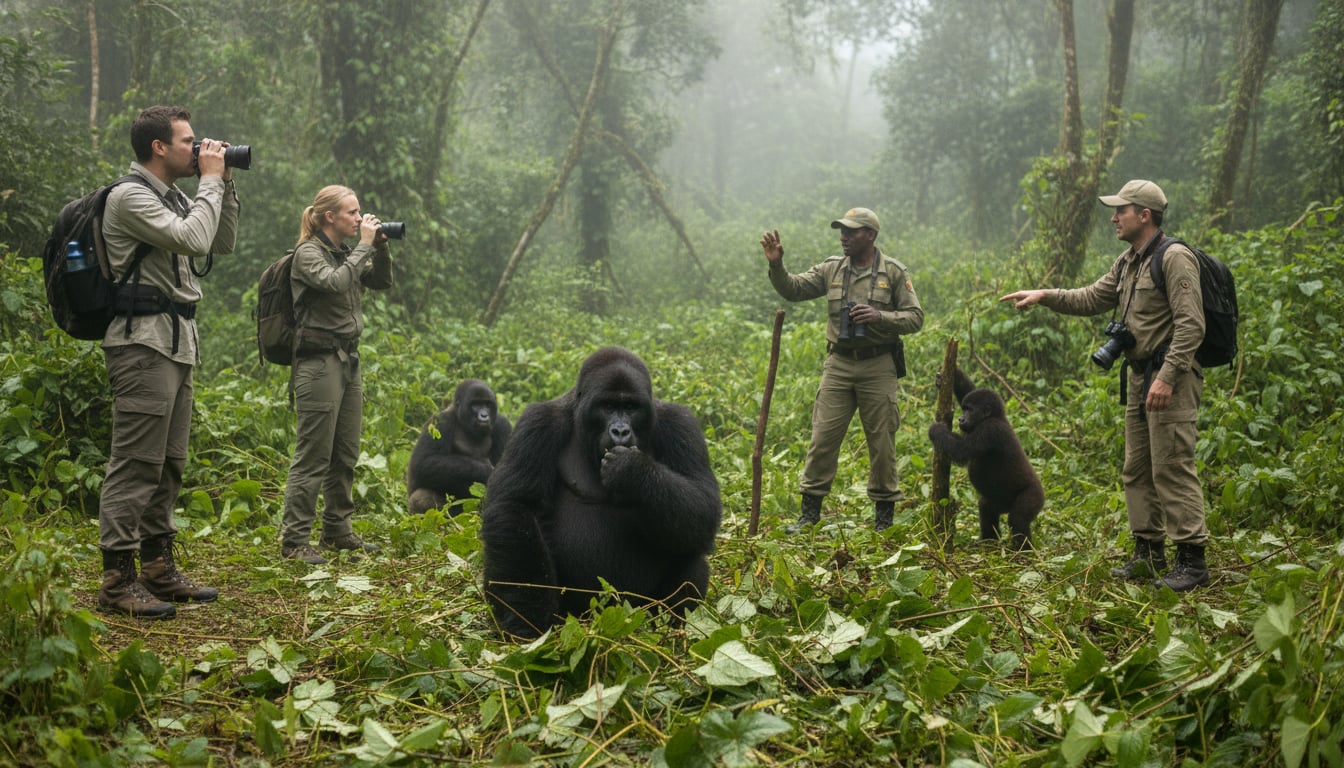
    • Gaiters (knee-high preferred). Not cosmetic. In wet months, gaiters keep mud and water out of your boots and your trouser bottoms dry. More on when to add these in the seasonal section below.

    • Hat and sunscreen. Some trail sections break out of the canopy.

    Quick-dry, synthetic fabrics are the right call throughout. Heavy cotton jeans hold water, chafe, and take forever to dry. Leave them at the lodge.

    Comparison: Essential Gear vs. Optional Extras

    Item

    Necessity

    Why You Need It

    Hiking Boots

    Non-Negotiable

    Prevents ankle rolls on 45° muddy slopes.

    Gardening Gloves

    Critical

    Protection against “Mountain Devil” stinging nettles.

    Rain Jacket

    Critical

    Rainforest weather changes in under 10 minutes.

    Gaiters

    Recommended

    Keeps mud and “bites” out of your boots.

    Walking Stick

    Optional

    Usually provided for free at the trailhead.

    Porter Services

    Highly Recommended

    Supports local economy and eases the hike.

    The daypack

    A 15 to 25 liter waterproof daypack is plenty. This is what goes in it on trek morning (and nothing more).

    Day-of checklist: what goes in your small pack

    Keep this tight. Aim for under 3 kilograms total to reduce fatigue on steep ground. Porters are available on-site (paid locally, in cash), and practitioners on Reddit report that they’re worth it not just for carrying weight but for physically stabilizing you on slippery slopes.

    Here’s the complete day-of gorilla trekking checklist:

    • 2 liters of water (bottle or hydration bladder)

    • Packed lunch and snacks (you’ll eat these away from the gorillas, never near them)

    • Rain jacket (if not already wearing it)

    • Packable warm layer (fleece or light insulating jacket)

    • Gloves

    • Gaiters (wet season especially)

    • Camera or phone with flash disabled, plus spare batteries in a dry sack

    • Two masks (one to wear, one spare)

    • Hand sanitizer

    • Small tissue pack

    • Personal medications, blister care kit, and electrolyte packets

    • Reusable dry bags or stuff sacks (not plastic shopping bags)

    • Passport or ID copy and gorilla permit (your operator typically carries the originals, but bring a copy)

    • Small bills in local currency for tipping guides, trackers, and porters

    That’s the full gorilla trekking daypack list. If an item isn’t on this list, it probably belongs at the lodge.

    Park rules that change what you pack

    Several official regulations directly affect your packing list for gorilla trekking. These aren’t suggestions.

    Distance and group size

    Uganda’s current conservation tariff (2024 to 2026) specifies that trekkers must maintain a minimum distance of 10 meters (about 33 feet) from gorillas. A maximum of eight visitors are allowed with a gorilla family at one time. Rwanda enforces a similar separation; you’ll receive a detailed briefing at park headquarters before setting out.

    Packing implication: you don’t need enormous telephoto lenses. Gorillas are close. In fact, trekkers on Reddit note that gorillas sometimes wander closer than the 10-meter rule. When that happens, you hold still. Rangers manage the spacing.

    No flash photography

    This is explicitly banned by the Uganda Wildlife Authority and enforced in Rwanda. Turn off your flash before you leave the trailhead. Check your phone settings too, because many phones have auto-flash enabled by default.
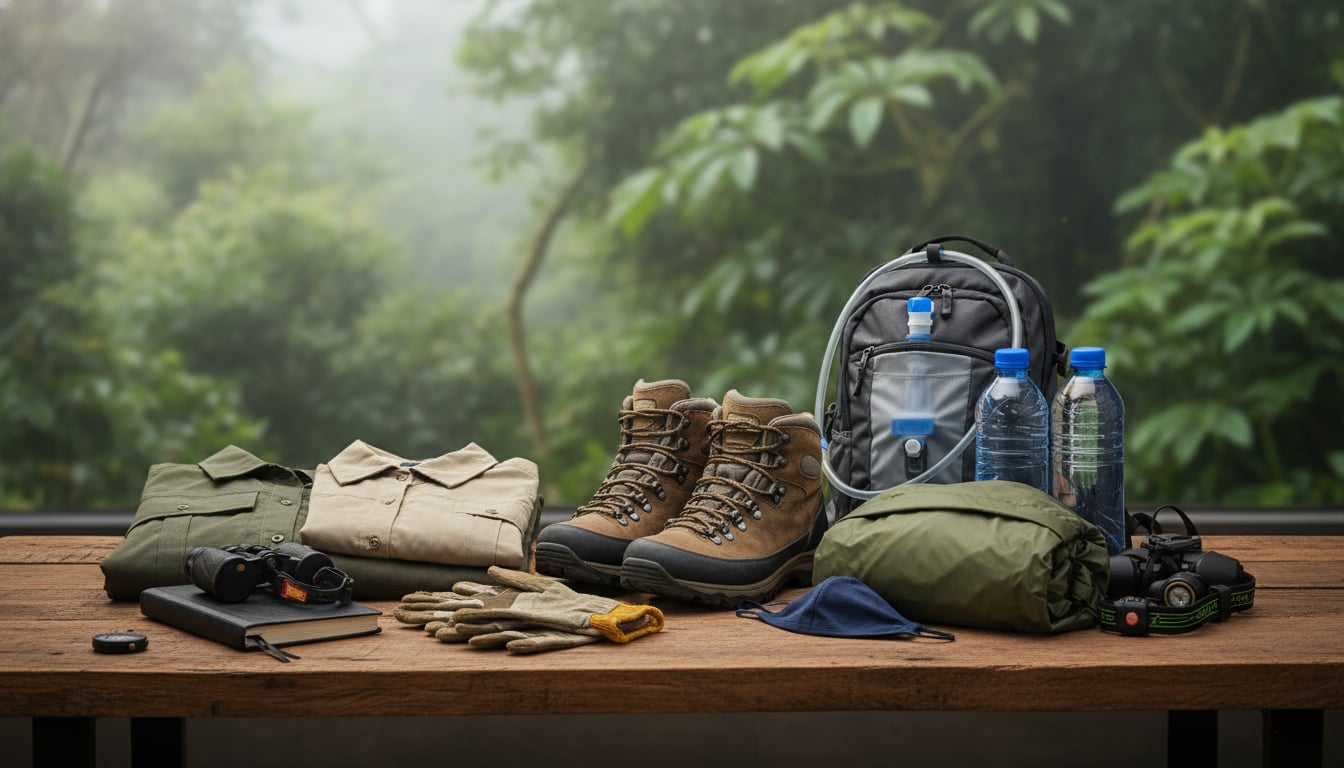
    Masks

    Trekkers are commonly required to wear face masks during the one-hour viewing period near the gorillas. Mountain gorillas are susceptible to human respiratory diseases, and masks reduce transmission risk. Follow your ranger’s current instructions. Pack at least two masks in case one gets wet or muddy on the hike in.

    No eating or drinking near gorillas

    You will stop for lunch and snacks away from the gorilla family. Eating and drinking are not permitted during the viewing hour. Pack food that’s easy to eat quickly during rest stops on the trail.

    Rwanda’s plastic bag ban

    This one catches travelers off guard. Rwanda enforces a nationwide ban on plastic shopping bags, and they will be confiscated at the airport on arrival. Do not pack plastic grocery bags, ziplock-style shopping bags, or single-use plastic wrapping. Use reusable dry bags, stuff sacks, or cloth bags instead. This is not a park rule. It’s a national law.

    Drones

    Drones require formal permits and are generally not allowed in national parks without prior authorization from the relevant civil aviation and park authorities. Assume the answer is “no” unless you have written clearance.

    For a deeper look at Rwanda-specific preparation beyond packing, including permits and logistics, see our guide to preparing for Rwanda gorilla trekking.

    Dry vs. wet season tweaks

    Gorilla Trekking Packing List 2026: Exactly What to Pack

    The core gorilla trekking packing list stays the same year-round. What changes is how much rain protection you layer on top.

    Dry season (June to September, December to February)

    These months see less rainfall in both Uganda and Rwanda, though “dry” in a montane rainforest still means occasional showers. Pack your rain jacket (always), but you can leave rain pants behind. Standard hiking socks and gaiters are usually sufficient. Sun protection becomes more important on exposed sections.

    Wet season (March to May, October to November)

    Trails get significantly muddier and more slippery. Add these to your pack:

    • Rain pants (lightweight, packable)

    • Taller gaiters (knee-high, not ankle)

    • Extra pair of socks (you will get wet)

    • Pack liner or extra dry bags for electronics and documents

    • More blister care supplies (wet feet blister faster)

    The upside of wet season trekking? Forests are lush and photogenic, and there are fewer trekkers on the trails.

    For timing guidance specific to Uganda, our article on the best time for gorilla trekking in Uganda covers seasonal patterns and wildlife activity in detail. If you’re weighing broader timing across the region, the guide to choosing the best time for your African safari puts it in a multi-country context.

    What not to bring (or what to handle carefully)

    A good gorilla trek packing list is as much about what you leave out as what you include.

    • Plastic shopping bags. Rwanda will confiscate them. Pack reusable alternatives.

    • Flash-enabled cameras without a flash-off check. Disable it before you enter the forest.

    • Drones. Not without formal written permits.

    • Bright white clothing or animal prints. They stand out in the forest and can agitate wildlife.

    • Camouflage. Restricted or frowned upon for civilians in several East African countries.

    • Heavy jeans or pure cotton layers. They absorb water, dry slowly, and chafe.

    • Perfume or strong-scented products. Unnecessary in the forest and potentially disruptive.

    • Excessive camera gear. One body and one versatile zoom lens is enough. The gorillas are close, the light is low, and you’re hand-holding while standing on uneven ground. Heavy tripods are impractical.

    Trekker-proven tips: nettles, ants, porters, and lodge loaners

    The best additions to any gorilla trekking packing list come from people who’ve actually done it.

    Nettles and thorny vines are not exaggerated. Practitioners on Reddit consistently report that gloves saved their hands and thick pants made a real difference. The stinging nettles in Bwindi are genuinely painful, and you will brush against them when the trail narrows.

    Tuck pants into socks. This is the standard advice for safari ants, and trekkers confirm it works. The ants are small, fast, and bite. Long socks tucked over trouser cuffs create a barrier.

    Hire a porter. Porters are available at the trailhead, paid in cash on-site. They carry your daypack, but more importantly, they stabilize you on slippery slopes by holding your arm or pushing from behind on steep sections. Hiring a porter also directly supports the local community. Rates are determined locally.

    Ask about lodge gear before you pack extras. Some lodges and operators loan gaiters, rain jackets, or walking sticks. Don’t count on this, but ask your operator or lodge in advance so you aren’t packing duplicates.

    Walking sticks are available at park headquarters. Both Bwindi and Volcanoes NP provide wooden walking sticks at the starting point. Unless you have a strong preference for your own collapsible trekking poles, you don’t need to pack them. The wooden sticks are sturdy and well-suited to the terrain.

    For a comprehensive look at the Bwindi trekking experience, including trail conditions and what to expect on the ground, check out our Bwindi gorilla trekking guide.

    Photo kit that works in the rainforest (and respects the rules)

    Photography on a gorilla trek is thrilling and challenging. The forest canopy blocks most light, the air is humid, and you cannot use flash. Plan accordingly.

    Gear recommendations:

    • One camera body with a fast lens (wide aperture, f/2.8 or wider) or a versatile zoom in the 24 to 200mm range

    • High-ISO capability is more important than reach. You’ll shoot at ISO 3200 or higher in many situations.

    • Spare batteries in a waterproof dry sack (cold and humidity drain batteries faster)

    • A rain sleeve or plastic cover for the camera body

    • Lens cloth (humidity fogs glass constantly)

    What to skip: Flash (banned), tripods (impractical on uneven, cramped ground), and heavy second bodies. You have one hour with the gorillas. Simplicity wins.

    Disable flash on your phone before the trek starts. Many smartphones have auto-flash modes that will fire in low light unless manually turned off.

    Plan the permits and the rest of your trip

    Packing is the last step. Before you get there, you need permits, logistics, and dates sorted.

    Gorilla permits require advance booking, and coordinating them with flights, accommodations, and any safari or beach extensions adds complexity. If you’re considering Uganda, our breakdown of Uganda gorilla trekking costs and permits covers what to expect and how to budget.

    Duma Explorer handles gorilla permits and all in-country logistics across both Uganda and Rwanda as part of custom, multi-country trip design. That means permit acquisition, ground transport, lodge bookings, and connections to Tanzania safaris or Zanzibar beach time can all sit under one plan. For travelers building a larger East Africa itinerary that combines gorillas with wildlife safaris or Indian Ocean coastline, the complete safari planning guide is a good starting point.

    If you want to combine multiple experiences into one East Africa trip, gorilla trekking pairs naturally with a Serengeti safari and a few days on Zanzibar’s beaches. One operator managing the whole thing removes the friction of coordinating across borders.

    Frequently asked questions

    What should I wear for gorilla trekking?

    Long-sleeve shirt, long quick-dry pants, waterproof hiking boots with ankle support, tall socks (tucked over pants), a rain jacket, gardening gloves, and a hat. Stick to neutral, earthy colors. Avoid camouflage, bright whites, and heavy cotton.

    Do I need gaiters for gorilla trekking?

    Gaiters are strongly recommended during wet months (March to May, October to November) when trails are muddiest. During dry season they’re still useful but less critical. Knee-high gaiters work best because they protect both boots and lower legs from mud and water.

    Are trekking poles necessary for gorilla trekking?

    No. Both Bwindi and Volcanoes National Park provide sturdy wooden walking sticks at the trailhead. If you prefer your own collapsible poles, bring them, but they aren’t required.

    Why do I need gloves for gorilla trekking?

    Stinging nettles grow along the trails in both Uganda and Rwanda. You’ll grab branches and vegetation to steady yourself on steep, slippery slopes. Simple gardening gloves prevent painful stings and scratches. Experienced trekkers on Reddit call them one of the most underrated items on the packing list.

    Can I use flash photography during gorilla trekking?

    No. Flash photography is explicitly banned by the Uganda Wildlife Authority and prohibited in Rwanda. Disable flash on both your camera and phone before the trek starts.

    Can I bring plastic bags to Rwanda for gorilla trekking?

    No. Rwanda enforces a nationwide ban on plastic shopping bags. Bags can be confiscated at the airport. Use reusable dry bags, stuff sacks, or cloth bags for organizing gear in your daypack.

    How much water should I carry on a gorilla trek?

    Plan for approximately two liters. Treks last anywhere from two to eight hours depending on where the gorilla family is that day, and the hiking is strenuous at altitude. A hydration bladder with a drinking tube is convenient because you won’t need to stop and dig through your pack.

    Do I need to wear a mask near the gorillas?

    Trekkers are commonly required to wear a face mask during the one-hour viewing period. Mountain gorillas are vulnerable to human respiratory infections, and masks help reduce that risk. Pack at least two in case one gets damaged or wet on the approach hike. Always follow your ranger’s current guidance on the day.

    Can I wear leggings for gorilla trekking?

    While comfortable, thin fashion leggings are not recommended. Thick, “brush-resistant” trekking leggings are okay, but hiking trousers offer better protection against thorns and stinging nettles. Always ensure they can be tucked into your socks.