Blog

  • Maasai Mara Safari Guide 2026: Costs, Best Time & Tips

    Maasai Mara Safari Guide 2026: Costs, Best Time & Tips

    Planning a trip to Kenya’s legendary plains is one of the most exciting travel experiences you can have. A Maasai Mara safari is more than just a vacation, it’s a journey into the heart of the wild, a place where nature’s greatest dramas unfold daily. From the earth shaking thunder of the Great Wildebeest Migration to the silent, golden gaze of a lion, the Mara delivers moments that stay with you forever.

    But where do you even begin? This comprehensive guide breaks down everything you need to know for your Maasai Mara safari, from costs and logistics to the best time to visit and what to pack. Let’s get you ready for the adventure of a lifetime.

    Quick Trip Planner: Maasai Mara Safari 2026

    • Average Cost: $350–$1,200+ per person, per day (includes park fees, lodging, and game drives).

    • Best Time to Visit: July to October for the Great Migration and dry weather; January to February for calving season.

    • Recommended Duration: 3 to 5 days to see the Big Five and the Mara River crossings.

    • Park Entry Fees (2026): $100 (Low Season) or $200 (High Season) for non-resident adults.

    • Top Wildlife: The Big Five (Lion, Leopard, Elephant, Buffalo, Rhino) plus the Great Wildebeest Migration.

    What to Expect on Your Maasai Mara Safari

    The core of any Maasai Mara safari is immersing yourself in the wilderness and witnessing animals in their natural habitat. In the Mara, this experience is second to none.

    Unbeatable Game Viewing

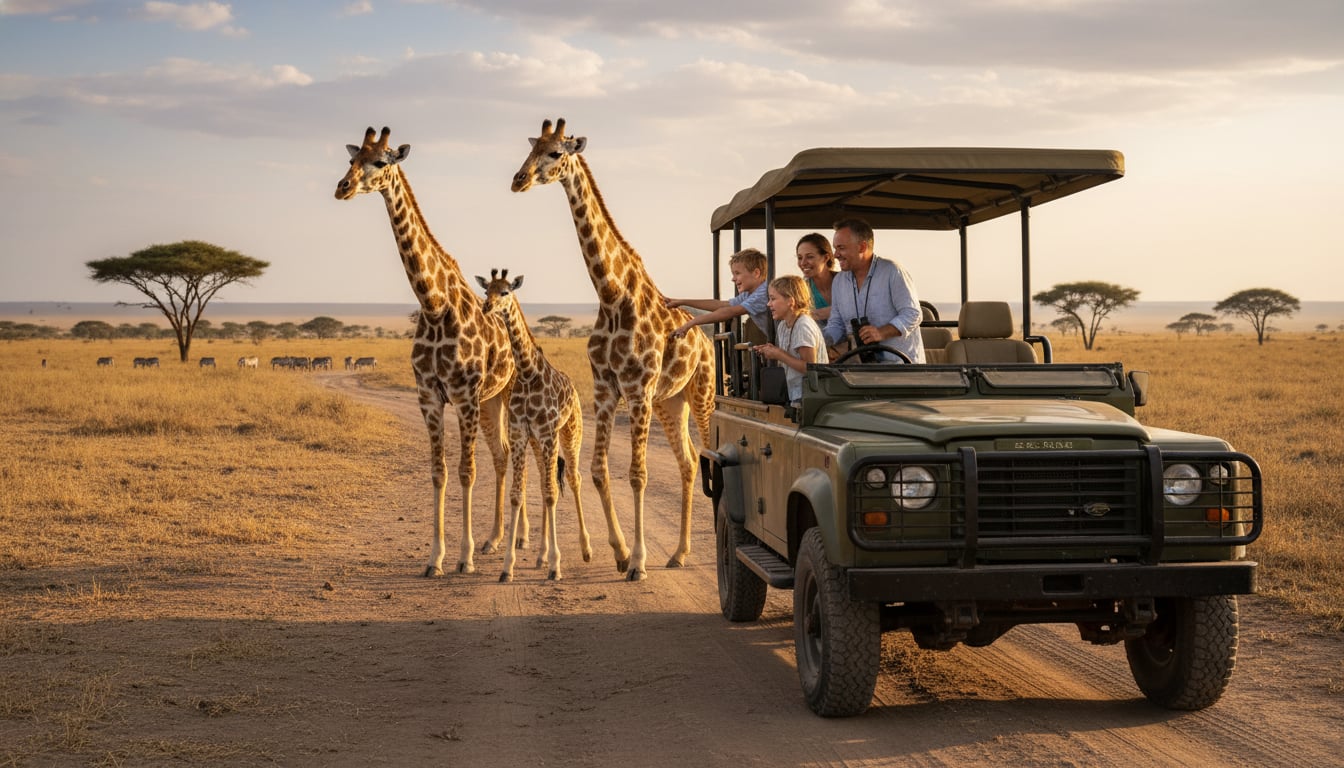
    Game viewing is the main event, the reason you travel thousands of miles. It means heading out in a 4×4 vehicle with an expert guide to find and observe wildlife. The Maasai Mara is exceptional because of its sheer density of animals. It’s home to all of Africa’s “Big Five” which are the lion, leopard, elephant, buffalo, and rhino. Beyond that, you’ll find abundant cheetahs, hyenas, giraffes, hippos, and countless species of antelope.

    A remarkable fact is that while the Mara ecosystem covers only 0.1% of the continent’s land surface, it supports an estimated 40% of Africa’s large mammal species. Game drives typically happen in the early morning and late afternoon when animals are most active.

    World Famous Big Cat Sightings

    If you dream of seeing big cats, you’ve chosen the right place. The Maasai Mara is one of the best locations in the world for spotting lions, leopards, and cheetahs. The open grasslands are perfect hunting grounds for cheetahs, and the reserve is home to a massive lion population of about 480 lions (over one year old) in 2023 across the Maasai Mara National Reserve and surrounding conservancies. This means you have an excellent chance of seeing prides with cubs, lions on a hunt, or a solitary leopard resting in a sausage tree. The area’s fame was cemented by the popular BBC documentary Big Cat Diary, which was filmed right here.

    The Great Wildebeest Migration

    Maasai Mara Safari Guide 2026: Costs, Best Time & Tips

    This is nature’s most spectacular show. The Great Wildebeest Migration (https://www.dumaexplorer.com/blog/the-great-migration-in-east-africa) is the year round movement of over 1.5 million wildebeest, zebra, and gazelles across the Serengeti Mara ecosystem. The herds typically arrive in the Maasai Mara around July and stay until October, drawn by fresh grazing. The most dramatic part of this journey is the Mara River crossing, where massive herds brave crocodile infested waters. Witnessing this raw, chaotic event has earned the migration its title as one of the Seven Natural Wonders of Africa.

    A Paradise for Birding

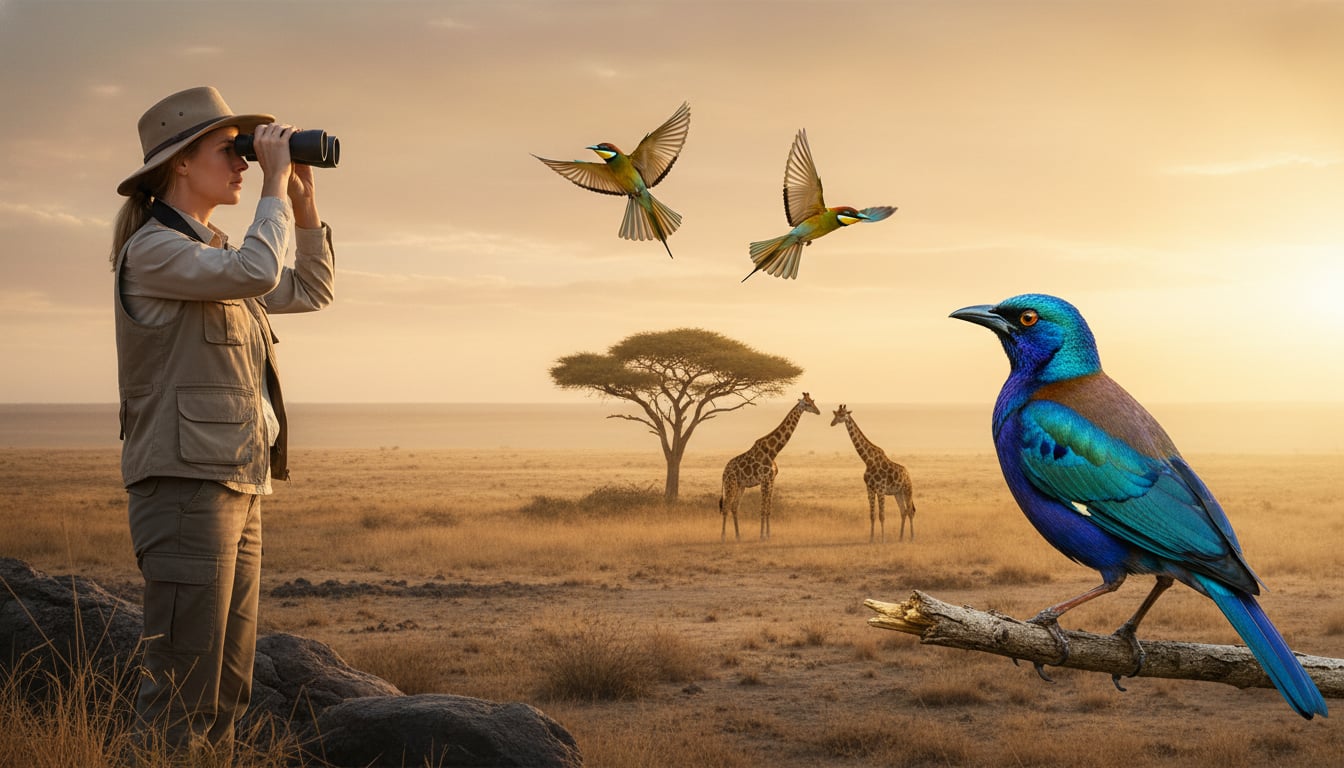
    While mammals often steal the show, the Maasai Mara is a world class destination for birding, with over 500 recorded bird species. The area is recognized as an Important Bird Area and is home to 53 birds of prey. Keep an eye out for the striking lilac breasted roller (Kenya’s national bird), the massive ground hornbill, and the secretary bird as it stalks through the grass. Birdwatching is fantastic all year, but it peaks during the rainy season (November to April) when migratory birds from Europe and Asia arrive.

    Planning Your Perfect Maasai Mara Safari

    With the incredible sights in mind, let’s dive into the practical details of planning your trip.

    The Best Time to Visit

    While the Maasai Mara is a fantastic year round destination, the best time to visit depends on what you want to see. For a broader East Africa timing overview, see our guide to choosing the best time for an African safari (https://www.dumaexplorer.com/blog/how-to-choose-the-best-time-for-your-african-safari-adventure).

    The peak season is from July to October. This is the dry season, when vegetation is thin, making animals easier to spot. More importantly, this is when the Great Migration is typically in the Mara, offering the chance to see river crossings. Naturally, this is also the busiest and most expensive time.

    The rainy seasons (March to May for the long rains and October to December for the short rains) bring lush, green landscapes and fewer tourists. These months are perfect for birding and for seeing newborn animals. Many lodges also offer lower rates during this period. For a great balance of good weather, active wildlife, and fewer crowds, consider the shoulder months like June or September.

    Month by Month Guide to the Mara

    • January & February: A lovely, dry period with green scenery from the recent short rains. Wildlife is abundant, and you’ll see many young animals.

    • March, April & May: This is the long rainy season, with April being the wettest month. The landscape is a stunning emerald green, though some roads can be muddy and some camps may close. It’s the quietest time, with the lowest prices.

    • June: The rains subside, and the safari season begins to pick up. The landscape is still green, and the first migratory herds may begin to arrive.

    • July & August: Peak season. The Great Migration floods the plains, and river crossings are a common sight. Weather is dry and pleasant. Book everything far in advance, as this is the busiest time of year.

    • September & October: The migration is still in full swing, but crowds (especially in September) can be slightly smaller than in August. By late October, the herds start moving south again.

    • November & December: The short rains arrive, turning the landscape green again. This is a beautiful time for photography, with dramatic skies and excellent birding. The Christmas and New Year period sees another spike in visitors.

    How Many Days Should You Spend in the Mara?

    To truly appreciate the magic of the Mara, you need to give it time. The absolute minimum recommended stay is 3–4 days. This gives you one full day for game drives, plus arrival and departure day activities.

    However, the ideal length for a fulfilling Maasai Mara safari is 3 or 4 nights. This allows you to explore different regions of the vast reserve, increases your chances of seeing the Big Five and witnessing special events like a hunt, and gives you time for other activities like a village visit or a hot air balloon ride without feeling rushed. A knowledgeable operator like Duma Explorer can help you build an itinerary that perfectly balances your time across different parks and activities, or even combine multiple experiences in one East Africa trip (https://www.dumaexplorer.com/blog/how-to-fit-multiple-experiences-into-one-east-africa-trip).

    Getting to the Maasai Mara

    Located about 224 kilometers southwest of Nairobi, there are two main ways to reach the reserve.

    • By Air: The quickest and most comfortable option is a 45 to 60 minute flight on a small bush plane from Nairobi’s Wilson Airport. This saves you a long day on the road and offers stunning aerial views of the Great Rift Valley.

    • By Road: The drive from Nairobi takes about 5 to 6 hours. While the final stretch can be bumpy, it’s an adventure in itself, taking you through Kenyan towns and landscapes. This is generally the more budget friendly option, especially for groups.

    Your Safari Packing List

    Packing light and smart is key. Small bush planes have strict luggage limits (usually 15kg in soft bags), and layering is essential for the Mara’s climate.

    • Clothing: Neutral, earthy tones (khaki, green, brown) are best. Avoid bright colors, as well as dark blue or black, which can attract tsetse flies. For outfit inspiration and practical advice, see our quick tips for ladies heading on a safari adventure (https://www.dumaexplorer.com/blog/dress-the-part-quick-tips-for-ladies-heading-on-a-safari-adventure).

    • Footwear: Comfortable closed toe shoes like hiking boots or sturdy trainers are perfect.

    • Sun & Insect Protection: A wide brimmed hat, sunglasses, high SPF sunscreen, and a good insect repellent are non negotiable.

    • Gear: Binoculars are a must have for enhancing wildlife viewing. A camera with a good zoom lens, extra batteries, and memory cards will ensure you capture the memories. A headlamp or small flashlight is very useful around camp at night.

    Understanding the Cost of a Maasai Mara Safari

    A safari is a significant investment, so it’s important to understand where your money goes. Costs can vary dramatically based on your travel style, from budget camping to ultra luxury lodges.

    Safari Tier

    Daily Cost (USD)

    What’s Included?

    Budget

    $250 – $400

    Shared transport, public campsites/budget tents, buffet meals.

    Mid-Range

    $450 – $850

    Private 4×4 Jeep, boutique tented camps, mid-tier lodges.

    Luxury

    $1,000 – $2,500+

    Fly-in transfers, ultra-luxury lodges, private chefs, laundry.

    The Total Maasai Mara Safari Cost

    Safari prices are typically quoted per person, per day and bundle accommodation, meals, park fees, and guided game drives. For a line-by-line example of how safari budgets break down, see our Tanzania safari cost guide (https://www.dumaexplorer.com/blog/tanzania-safari-cost).

    Accommodation Cost

    Your choice of lodging is the biggest factor in your overall budget, typically accounting for 40% to 70% of the total cost. Options range from USD 40 per person, per night to luxury tented camps that can exceed $500 per person, especially during peak season. Mid range lodges and camps offer a great balance of comfort and value.

    Park Entrance Fee

    A significant and mandatory cost is the park entrance fee, which directly funds conservation and community projects. For non resident adults, the fee is $100 per day during the low season (Jan 1 to June 30) and $200 per day during the high season (July 1 to Dec 31). These fees are crucial for protecting the ecosystem, funding anti poaching patrols, and supporting the local Maasai communities.

    Vehicle Entrance Fee

    In addition to personal entry fees, a daily fee is charged for each vehicle. A standard safari 4×4 Land Cruiser costs about 1,500 Kenyan Shillings (around $12) per day. This cost is almost always included in your safari package and handled by your tour operator.

    Transport Cost to the Maasai Mara

    Getting there is part of the budget. A round trip flight from Nairobi to the Mara can cost between $300 and $450 per person. If you travel by road with a private vehicle and guide, the transport cost is bundled into the daily rate of your safari package.

    Safari Guide and Activity Costs

    Your guide is arguably the most critical element of your safari. Their expertise is built into your package price, but it’s customary to tip for excellent service (a common guideline is $10 to $15 per guest, per day for your guide).

    While standard game drives are included, some activities cost extra.

    A reputable operator will provide a clear quote that details all inclusions and potential extra costs, so there are no surprises. This is where the personalized planning of a company like Duma Explorer becomes invaluable, ensuring your budget and expectations are perfectly aligned.

    Elevating Your Safari Experience

    Beyond the classic game drive, the Mara offers unique activities that can make your trip even more memorable.

    Maasai Mara Safari Guide 2026: Costs, Best Time & Tips

    Staying in a Private Conservancy

    The lands bordering the main Maasai Mara National Reserve are made up of private and community owned conservancies. Staying at a camp here offers a more exclusive experience with far fewer vehicles. Conservancies also permit activities not allowed in the main reserve, such as guided bush walks, off road driving, and thrilling night game drives. Here’s what a walking safari looks like in Ndutu (https://www.dumaexplorer.com/blog/walking-safari-in-ndutu).

    Floating in a Hot Air Balloon

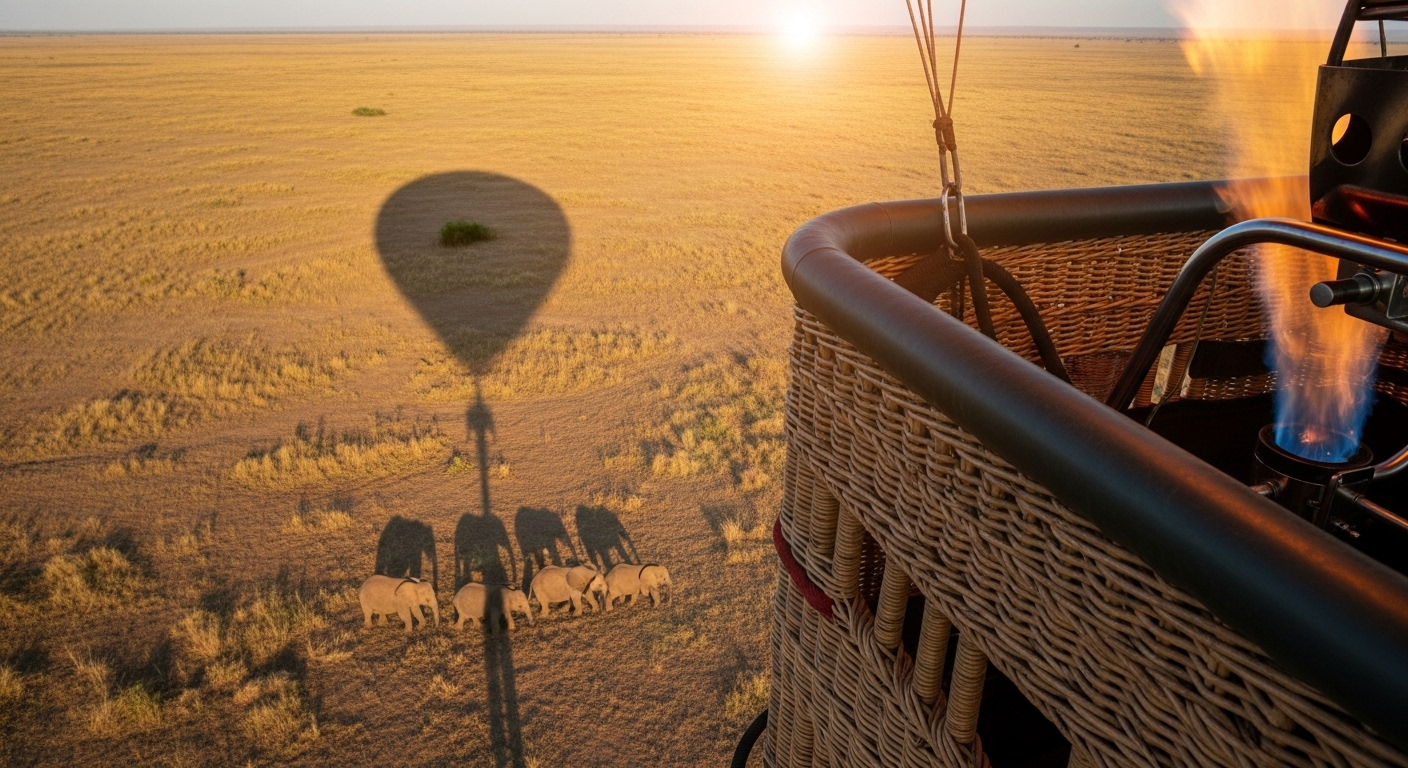
    For a truly magical view of the Mara, nothing beats a hot air balloon safari at dawn. If you’re also considering a Serengeti leg, see our guide to top Serengeti safari tours (https://www.dumaexplorer.com/blog/top-serengeti-safari-tours-your-ultimate-guide-to-an-unforgettable-adventure). You’ll float silently over the plains as the sun rises, watching herds of elephants or wildebeest below. The one hour flight is followed by a celebratory champagne breakfast served right in the bush, a classic safari tradition.

    A Visit to a Maasai Village

    A Maasai cultural visit offers a fascinating glimpse into the lives of the region’s semi nomadic people. You can visit a traditional village (known as a manyatta), learn about their customs, see how they build their homes, and watch the famous Adumu jumping dance. It’s an enriching experience that provides direct financial support to the local community.

    Your Maasai Mara Safari Awaits

    A Maasai Mara safari is an investment in memories that will last a lifetime. With its breathtaking landscapes and unparalleled wildlife density, it delivers on its promise of adventure at every turn. By understanding the seasons, costs, and unique experiences available, you can craft the perfect trip.

    Ready to start planning your own unforgettable adventure? The experts at Duma Explorer specialize in creating custom East African safaris and can help you navigate all the details. If trekking to see mountain gorillas is on your list, start with our Rwanda gorilla trekking preparation guide (https://www.dumaexplorer.com/blog/how-to-prepare-for-an-unforgettable-rwanda-gorilla-trekking-adventure).

    Frequently Asked Questions

    1. How much does a 3 day Maasai Mara safari cost?
    A 3 day safari can range from around $300 per person for a very basic group camping tour to $1,200 to $1,500 per person for a 3-day mid-range Masai Mara safari, and $2,000 or more for a luxury fly in safari.

    2. Can I see the Big Five in the Maasai Mara?
    Yes, the Maasai Mara is home to all five members of the Big Five: lions, leopards, elephants, buffalo, and rhinos. While rhinos are critically endangered and can be elusive, sightings of the other four are very common.

    3. Is a Maasai Mara safari worth it?
    Absolutely. The Maasai Mara offers one of the highest concentrations of wildlife in the world, stunning scenery, and the chance to witness the Great Migration. It consistently ranks as one of the planet’s top safari destinations for good reason.

    4. What is the cheapest month to visit the Maasai Mara?
    The cheapest months are typically April and May, during the peak of the long rainy season. Many camps offer significant discounts, but you should be prepared for wet weather conditions.

    5. How many days are ideal for a first time safari?
    For a first time visit to the Maasai Mara, 3 or 4 nights is ideal. This provides enough time to explore the vast reserve, have numerous game drives, and increase your chances of seeing a wide variety of wildlife without feeling rushed.

    6. Do I need a private guide for my safari?
    While not strictly necessary, having a private vehicle and guide greatly enhances the experience. It offers complete flexibility over your daily schedule, allowing you to stay longer at sightings that interest you and move at your own pace. A great guide is key to a successful safari.

    7. Is it better to stay inside the reserve or in a private conservancy?
    Both have advantages. Staying inside the reserve puts you in the heart of the action, especially for the Great Migration river crossings. Staying in a private conservancy offers a more exclusive, uncrowded experience with additional activities like night drives and walking safaris. Many travelers find a combination of both offers the perfect balance.

    8. What currency should I bring for tips and souvenirs?
    While US Dollars are widely accepted for larger payments and tips for guides, it’s helpful to have some Kenyan Shillings (KES) for smaller purchases at local markets or for tipping staff in smaller amounts.

  • Gorilla Trekking Uganda: Costs, Permits & Tips (2026)

    Gorilla Trekking Uganda: Costs, Permits & Tips (2026)

    Thinking about an adventure that’s truly once in a lifetime? Imagine hiking through a misty, ancient rainforest to spend an hour with a family of mountain gorillas. That’s the magic of gorilla trekking Uganda, a profound wildlife encounter that stays with you forever. Uganda is home to roughly half of the world’s remaining mountain gorillas, making it one of the absolute best places on Earth for this experience.

    This guide covers everything you need to know, from the best time to visit and what it costs, to what to pack for your journey. For broader trip design across East Africa, see our Complete Safari Planning Guide. Let’s get you ready for an unforgettable trek.

    Quick Summary: Gorilla Trekking Uganda at a Glance

    • Permit Cost: $800 USD (Foreign Non-Residents)

    • Best Time to Visit: June–September and December–February (Dry seasons)

    • Difficulty: Moderate to Strenuous (2–6 hour hikes)

    • Chances of Seeing Gorillas: Over 99%

    • Minimum Age: 15 years old

    • What’s Included: Park entry, ranger guides, and 1 hour with the gorillas.

    What is Gorilla Trekking and Where Does It Happen?

    So, what exactly is gorilla trekking Uganda? It’s a guided hike through lush tropical forests to find and observe endangered mountain gorillas in their natural habitat. This incredible activity is only possible in three countries, and Uganda is a prime destination alongside Rwanda and the Democratic Republic of Congo.

    The Best Parks for Gorilla Trekking Uganda

    Gorilla Trekking Uganda: Costs, Permits & Tips (2026)

    In Uganda, you have two amazing locations to choose from for your gorilla trek:

    • Bwindi Impenetrable National Park: This is the star of the show. A UNESCO World Heritage Site, Bwindi is a dense, misty, and absolutely stunning ancient rainforest. It’s home to an estimated 459 gorillas and has over 20 habituated gorilla families available for trekking. Because of its size, Bwindi is divided into four main sectors (Buhoma, Ruhija, Rushaga, and Nkuringo). Your permit will be for a specific sector, so it’s important to book accommodation nearby.

    • Mgahinga Gorilla National Park: Part of the larger Virunga Massif which straddles the borders of Uganda, Rwanda, and DRC, Mgahinga offers a different landscape. Here, you’ll trek on the slopes of dormant volcanoes, often through beautiful bamboo forests. The park is home to one habituated gorilla family, the Nyakagezi group. Mgahinga is also famous for its golden monkeys, offering a fantastic two for one wildlife experience.

    The Gorilla Encounter Itself

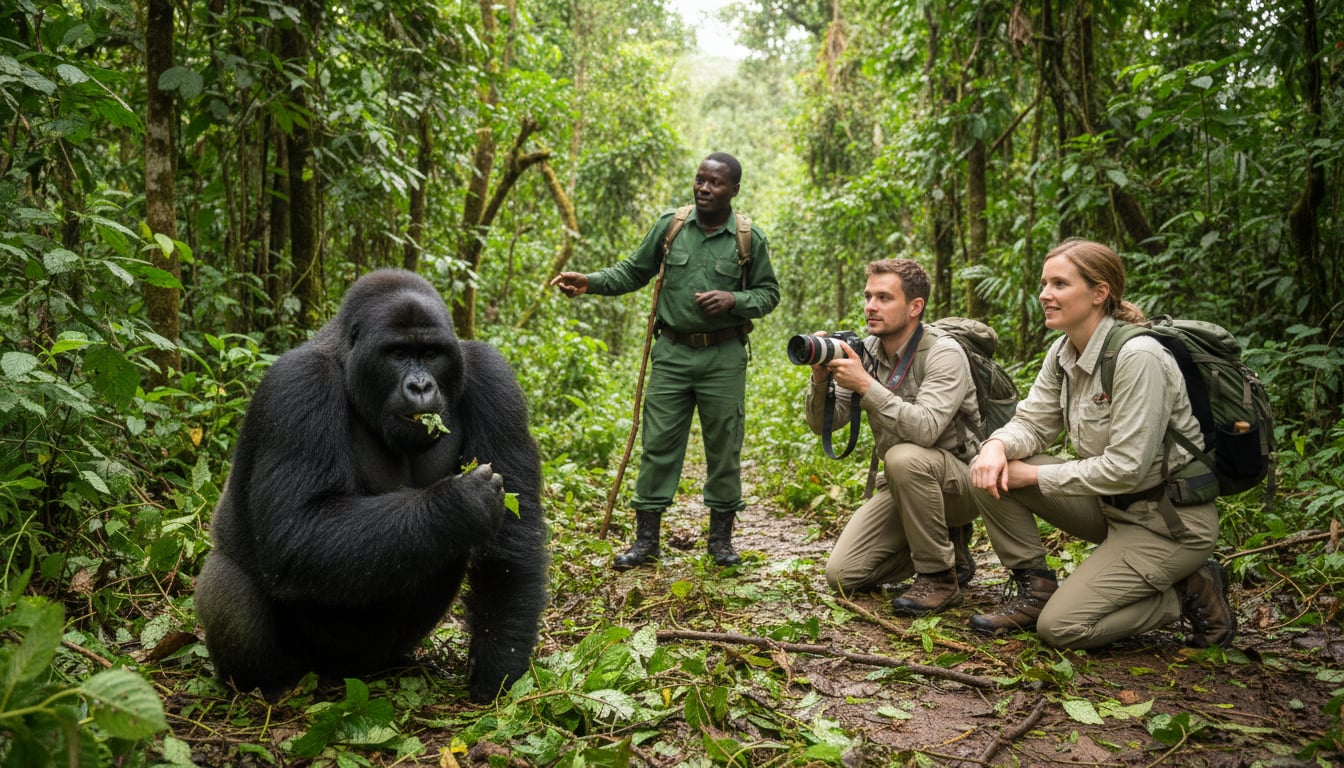
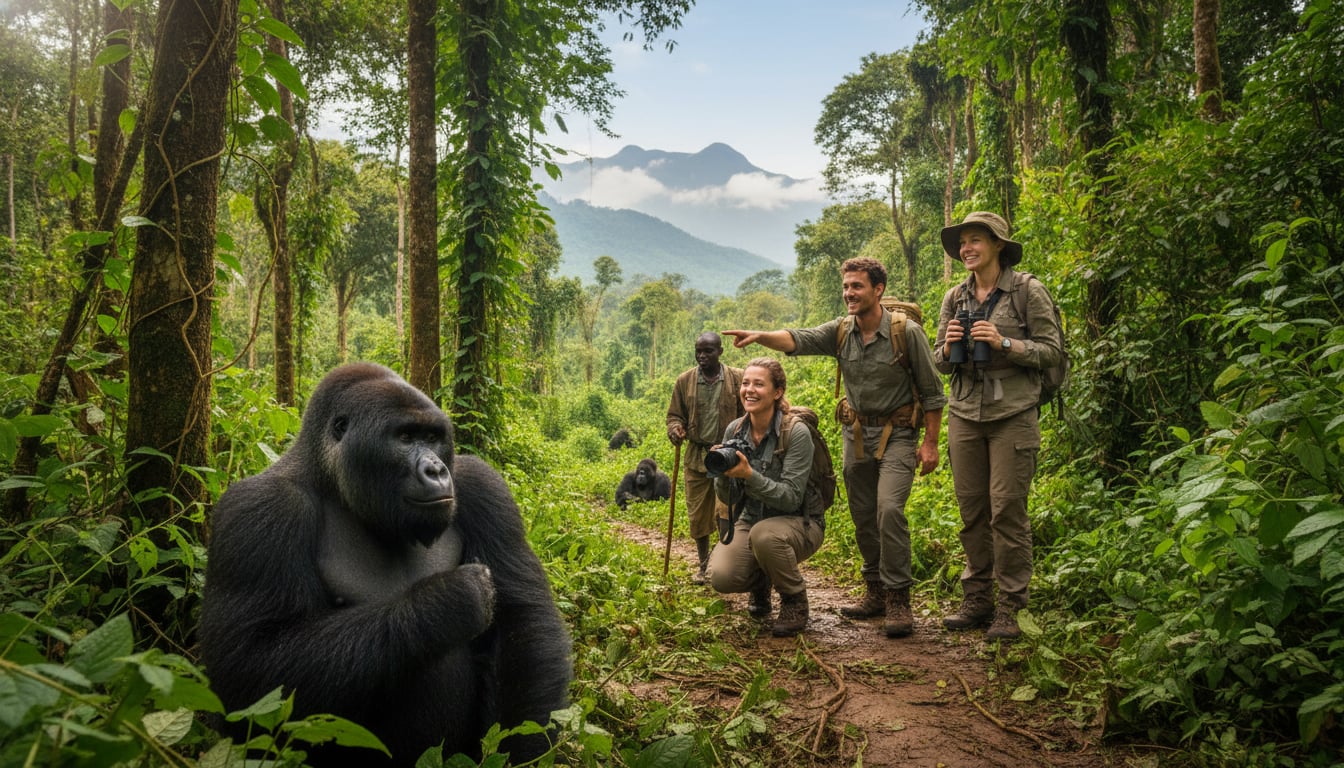
    Your trekking day starts early with a briefing from park rangers. You’ll be placed in a small group of no more than eight people and led by experienced guides and trackers deep into the forest. The hike can take anywhere from an hour to several hours, depending on where the gorilla family is that day.

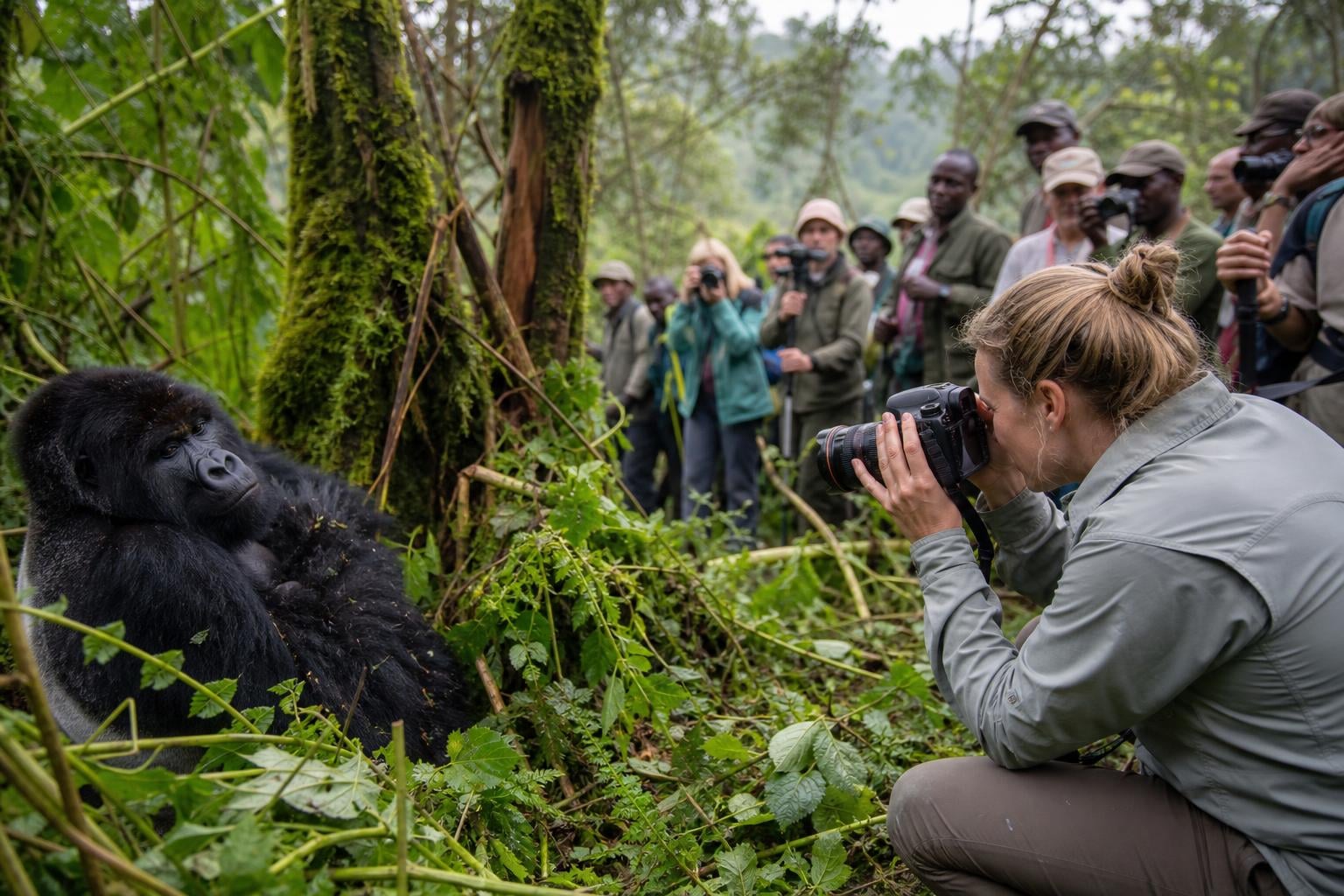
    Once you find them, you get to spend one precious hour observing the family. Watching a massive silverback stand guard while juveniles play and mothers tend to their infants is a humbling and deeply moving experience. This one hour rule is strictly enforced to minimize disturbance to these gentle giants.

    Planning Your Trip: When to Go and Who to Book With

    Timing and choosing the right operator are two of the most critical parts of planning your gorilla trekking Uganda adventure.

    Best Time to Go Gorilla Trekking

    While you can go gorilla trekking year round (rangers lead treks 365 days a year), the experience is generally more comfortable during Uganda’s two dry seasons:

    • June to September

    • December to February

    During these months, there’s less rainfall, which means the forest trails are less muddy and slippery. You can expect more sunshine and clearer skies, making the hike more pleasant. The wettest months are typically April and May. However, trekking in the wet season is still very possible, and you might encounter fewer other tourists. Just be prepared for a more challenging and muddy hike. If you’re pairing your trek with a classic safari elsewhere in East Africa, here’s how to choose the best time for your African safari.

    Finding the Best Gorilla Tour Company

    Since getting permits and organizing logistics can be complex, most visitors book their trip through a tour operator. A top tier company will handle everything seamlessly, from securing your permits to arranging transport and accommodation.

    Look for a company that is licensed, has years of experience, and boasts excellent reviews. For example, a trusted outfitter like Duma Explorer has over 15 years of experience in East Africa and more than 600 five star reviews. They specialize in creating custom safari packages that include gorilla trekking, ensuring you have expert local guides and a perfectly planned itinerary. A good operator makes the process stress free, so all you have to do is show up and enjoy the adventure.

    Understanding the Costs of Gorilla Trekking

    A gorilla safari is a significant investment, but it’s one that directly supports vital conservation efforts. Let’s break down the costs.

    Your Gorilla Permit

    The single biggest cost is the gorilla permit. As of 2024, a permit for gorilla trekking Uganda costs $800 USD per person. This fee might seem steep, but it funds park management, ranger salaries, and conservation projects that have helped the mountain gorilla population grow from the brink of extinction to over 1,000 individuals. Importantly, 20% of all park fees go directly to local communities, funding schools and health clinics.

    Calculating Your Total Safari Cost

    Beyond the permit, your total gorilla safari cost will depend on a few factors:

    • Transportation: Getting to Bwindi or Mgahinga involves either a long drive (9 to 10 hours from Entebbe) or a short domestic flight. A private 4×4 vehicle with a driver is a common and comfortable option.

    • Accommodation: Lodges range from budget friendly community guesthouses to mid range camps and ultra luxury lodges. Prices can vary from under $100 to over $1,000 per person per night.

    • Duration: A typical trip is at least three days (two nights), but many people combine gorilla trekking Uganda with other activities, creating a longer 7 to 10 day safari; for ideas, see these 7-10 day Tanzania safari itineraries.

    A basic three day budget gorilla tour might cost around $1,500 per person, while a mid range trip could be closer to $2,000 to $2,500. A luxury fly in safari can easily exceed $4,000 per person. If you’re adding Tanzania, here’s a detailed Tanzania safari cost guide to help you budget the rest of your trip.

    The Gorilla Habituation Experience: An Alternative to Standard Trekking

    If one hour isn’t enough, Uganda offers a unique Gorilla Habituation Experience in the Rushaga sector of Bwindi.

    • Cost: $1,500 USD per person.

    • Duration: 4 hours with the gorillas (instead of the standard 1 hour).

    • The Experience: You join researchers and trackers as they habituate a wild family to human presence. It is a deeper, more educational encounter perfect for serious photographers.

    Uganda vs. Rwanda for Gorilla Trekking

    Many travelers wonder whether to choose Uganda or Rwanda. Both offer incredible experiences, but there are key differences.

    • Cost: This is the biggest differentiator. Uganda’s permit is $800, while Rwanda’s is $1,500. This makes Uganda the more budget friendly option by a significant margin. Accommodation and general tour costs also tend to be lower in Uganda.

    • Accessibility: Rwanda’s Volcanoes National Park is just a 2.5 hour drive from Kigali’s international airport, making it very convenient for short trips. Uganda’s parks are more remote, requiring a long drive or a domestic flight.

    • The Trek: The terrain in Bwindi is dense, rugged jungle, which some people feel is a more “authentic” and challenging adventure. The terrain in Rwanda involves hiking on volcano slopes, which can have more open bamboo forests.

    • Overall Vibe: Uganda offers a wider range of activities and is often seen as providing better overall value, allowing you to combine your trek with classic savannah safaris (like timing the Great Migration). Rwanda has positioned itself as a more exclusive, high end luxury destination.

    Ultimately, Uganda often feels more like a classic African adventure, while Rwanda provides a more polished and streamlined experience. If you’re looking for value and a diverse safari, gorilla trekking Uganda is an excellent choice. Leaning toward Rwanda? Here’s how to prepare for an unforgettable Rwanda gorilla trekking adventure.

    Bwindi vs. Mgahinga: Which Park Should You Choose?

    Feature

    Bwindi Impenetrable Forest

    Mgahinga Gorilla National Park

    Gorilla Population

    ~459 (Approx. half of world total)

    One habituated family (Nyakagezi)

    Terrain

    Dense, rugged ancient rainforest

    Open bamboo forests & volcanic slopes

    Best For

    Multiple sector options & availability

    Shorter hikes & Golden Monkey combos

    Vibe

    Jungle adventure

    Scenic volcanic views

    Preparing for Your Trek: What to Pack and Expect

    Being well prepared will make your gorilla trek much more enjoyable. The hike can be challenging, so knowing what to wear and what to expect is key.

    How Difficult is Gorilla Trekking?

    Gorilla Trekking Uganda: Costs, Permits & Tips (2026)

    The difficulty level varies from moderate to strenuous. You’ll be hiking on steep, uneven, and often muddy terrain with no set trails. Treks can last anywhere from two to eight hours round trip. You don’t need to be an elite athlete, but a good level of fitness is required. The key is to go at your own pace. And remember, hiring a porter for about $20 is highly recommended. They not only carry your bag but also provide a helping hand on difficult sections, all while supporting the local economy.

    What to Wear for Gorilla Trekking

    Dressing in layers is the best strategy. Here’s what your outfit should include:

    • Long sleeved shirt and long trousers: To protect your skin from scratches, stinging nettles, and insects. Choose neutral colors like green, brown, or khaki.

    • Sturdy hiking boots: Waterproof boots with good ankle support are essential for the muddy and uneven trails.

    • Waterproof rain jacket: Rain can fall at any time in the rainforest, even in the dry season.

    • Gardening gloves: These are surprisingly useful for gripping muddy branches and protecting your hands from thorns.

    • Gaiters: These wrap around your lower legs to keep mud, water, and insects out of your boots.

    Your Gorilla Trekking Packing List

    In your daypack, you should carry:

    • At least 1 to 2 liters of water

    • High energy snacks

    • Insect repellent

    • Sunscreen and a hat

    • Your camera (with flash disabled) and extra batteries

    • A face mask (often required to protect the gorillas from human illness)

    • A small amount of cash for tips

    Accommodation and Travel Style

    Where you stay and how you travel will shape your overall experience.

    Accommodation for Gorilla Trekking Uganda

    You’ll find a wide range of lodging options near the gorilla parks, catering to every budget.

    • Budget: Community run rest camps and basic guesthouses offer a simple but authentic experience, often for under $100 per night.

    • Mid Range: Comfortable lodges and tented camps provide more amenities like private bathrooms and good restaurants, typically costing $150 to $400 per person.

    • Luxury: High end lodges offer premium service, gourmet food, and stunning views, with prices often starting at $500 and going well above $1,000 per person per night.

    The Best Way to Travel

    The most convenient and reliable way to organize a gorilla trekking Uganda trip is with an experienced tour operator. They handle the complex logistics of permits, transport, and accommodation, leaving you free to enjoy the journey. You can choose a private tour for maximum flexibility or join a small group tour to share costs.

    Combining your gorilla trek with other East African highlights is a popular option. Many travelers create a multi country itinerary that includes a classic safari in Tanzania’s Serengeti or Kenya’s Maasai Mara. An operator with expertise across the region, like Duma Explorer, can seamlessly arrange these incredible combination trips for you.

    Frequently Asked Questions About Gorilla Trekking Uganda

    1. How much does a gorilla permit cost in Uganda?
    As of 2024, a gorilla permit in Uganda costs $800 USD per person for foreign non residents. This permit allows you a one hour visit with a habituated gorilla family.

    2. How long and difficult is the hike?
    The trek to find the gorillas can take anywhere from one to four hours each way, and sometimes longer. The terrain is steep and often muddy, so the difficulty ranges from moderate to strenuous. A reasonable level of fitness is recommended.

    3. Is gorilla trekking in Uganda safe?
    Yes, it is very safe. You are always accompanied by trained and armed park rangers who are experts in the forest and animal behavior. The gorillas themselves are habituated to human presence and are very peaceful unless threatened.

    4. What are my chances of seeing gorillas?
    Your chances of seeing gorillas are extremely high, over 99%. Trackers go out ahead of your group each morning to locate the gorilla families, so your guide knows roughly where to lead you.

    5. Can I trek if I am not very fit?
    Yes. While the trek is challenging, people of varying fitness levels complete it successfully. You can request an easier trek at the park headquarters, and hiring a porter to carry your bag and offer a helping hand makes a huge difference.

    6. How close do you get to the gorillas?
    Park rules require you to maintain a distance of about 7 to 10 meters (23 to 32 feet) from the gorillas. This is to protect them from human diseases and to avoid disturbing their natural behavior.

    7. Why is gorilla trekking so expensive?
    The high cost is primarily a conservation tool. The revenue from permits funds the protection of the gorillas and their habitat, supports anti poaching patrols, and provides economic benefits to local communities, giving them a direct incentive to protect the wildlife.

    Ready to embark on this incredible adventure? A journey to see the mountain gorillas is more than just a trip; it’s an opportunity to connect with nature in its purest form. If you’re feeling inspired, reach out to the experts at Duma Explorer to start planning your custom gorilla trekking Uganda safari today.

  • How to Fit Multiple Experiences Into One East Africa Trip

    How to Fit Multiple Experiences Into One East Africa Trip

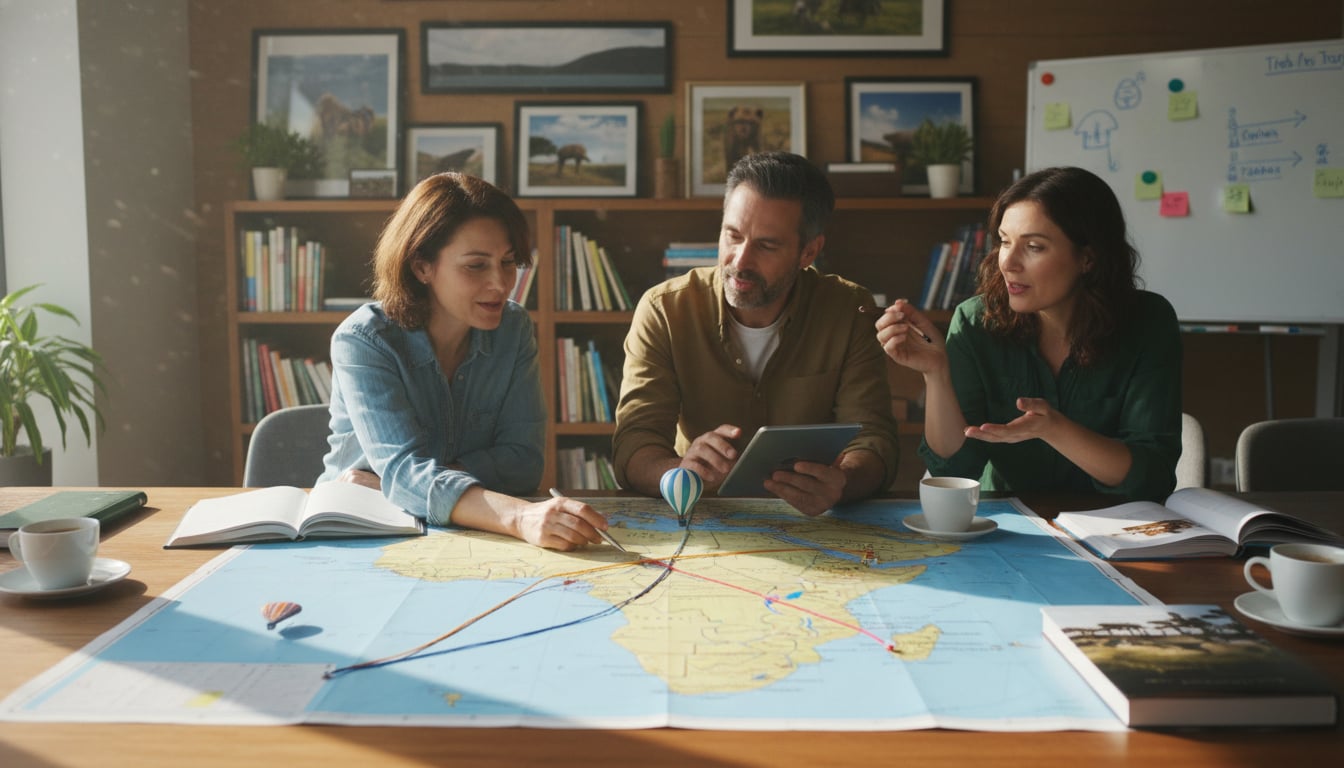
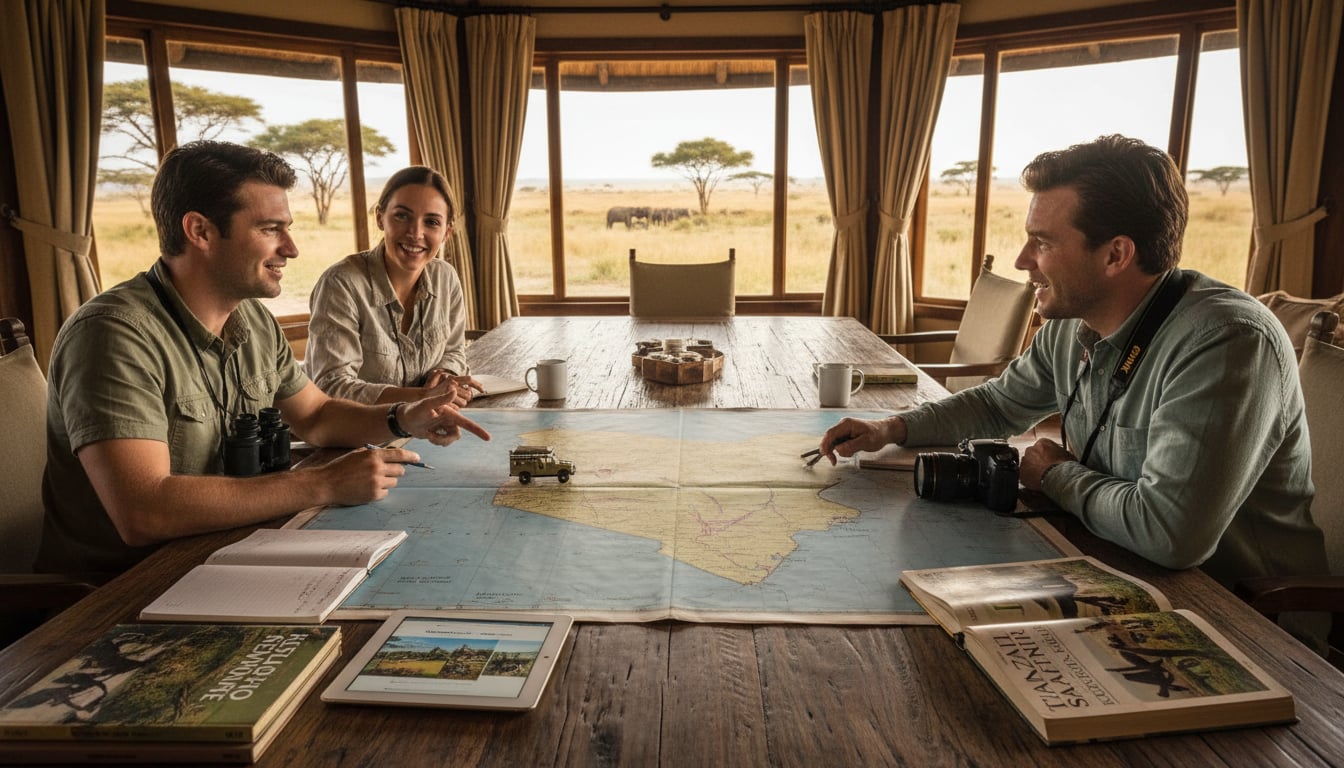
    East Africa isn’t just a destination; it’s a world of adventure packed into one magnificent region. From the thundering herds of the Serengeti to the misty jungles home to mountain gorillas, the sheer diversity can feel overwhelming. You might be wondering how to fit multiple experiences into one East Africa trip without it feeling rushed or disjointed. The great news is, with smart planning, you can absolutely create a seamless journey that combines epic wildlife, breathtaking landscapes, and rich cultural encounters.

    This guide is your blueprint. We’ll walk through every step, from defining your dream trip to navigating the on the ground logistics, showing you exactly how to craft an unforgettable, multi faceted adventure.

    East Africa Highlights: Regional Comparison at a Glance

    Experience

    Best Country

    Ideal Duration

    Top High-Value Add-on

    The Big Five & Migration

    Tanzania / Kenya

    7–10 Days

    Hot Air Balloon Safari

    Gorilla & Chimp Trekking

    Uganda / Rwanda

    3–5 Days

    Batwa Cultural Trail

    Adventure & Trekking

    Tanzania (Kili)

    6–8 Days

    Coffee Farm Tour

    Beach & Relaxation

    Zanzibar (Tanzania)

    4–5 Days

    Stone Town Spice Tour

    Primate & Savannah Mix

    Uganda

    10–12 Days

    Murchison Falls Boat Trip

    Start with Your Vision: Defining Your Perfect Trip

    Before you look at maps or book a single lodge, the most important step is to look inward. A successful trip is one that aligns with your personal travel dreams.

    1. Travel Goal Setting: What’s Your “Why”?

    What is the one thing you absolutely must do or see? Is it witnessing the Great Migration? Coming face to face with a silverback gorilla? Summiting Kilimanjaro? A 2024 survey ranked going on an African safari as the #8 most desired travel experience worldwide, so you’re in good company. By defining your primary goals, you create a “why” for your trip. This purpose will guide every other decision, ensuring the final itinerary is a true reflection of what you want, whether it’s a luxurious honeymoon or a family bonding adventure.

    2. Top Multi-Country Combinations for 2026

    The “Grand Migration” Circuit (Kenya & Tanzania)

    Best for: First-timers and Big Cat enthusiasts.

    • The Flow: Start in Nairobi (Maasai Mara) and cross into the Serengeti (Tanzania).

    • Logistics Tip: Use the Isebania border for a land crossing, or fly from Wilson Airport (Nairobi) directly to Serengeti airstrips.

    The “Primate & Plains” Explorer (Uganda & Kenya/Tanzania)

    How to Fit Multiple Experiences Into One East Africa Trip

    Best for: Bucket-list seekers.

    • The Flow: Fly into Entebbe for Bwindi Gorilla trekking, then take a regional flight to the Maasai Mara.

    • Logistics Tip: Leverage the East African Tourist Visa ($100) which covers Kenya, Uganda, and Rwanda on a single entry.

    3. Destination Selection: Pinpointing Your Must See Spots

    Once you’ve chosen your countries, it’s time to zoom in on specific parks and reserves. Tanzania alone boasts 23 national parks. Will you focus on the Serengeti, home to the planet’s largest migratory herds? Or perhaps Kenya’s Maasai Mara, legendary for its big cat sightings and dramatic river crossings? Maybe you’ll add Uganda’s lush forests for gorilla trekking or Zanzibar for a dose of history and beach relaxation. Choosing your destinations is about matching locations to your goals and ensuring each stop adds a new, exciting layer to your journey.

    The Nuts and Bolts of Itinerary Planning

    With your core destinations in mind, the next challenge is connecting the dots in a way that makes sense. This is where a little logistical magic turns a list of places into a flowing adventure.

    1. Route Planning and Sequencing: Connecting the Dots

    A well planned route is efficient and logical, minimizing backtracking and long, tedious travel days. Instead of zig zagging, your safari should flow from one park to the next. For example, a classic northern Tanzania circuit starts in Arusha, moves through Tarangire, then loops through the Serengeti and Ngorongoro Crater. Planning a multi country safari is exponentially more complex, as you have to align border crossings, visa rules, and flight schedules. The goal is to maximize your time enjoying the wildlife, not sitting in a vehicle or airport.

    2. Seasonal and Migration Timing: Being in the Right Place at the Right Time

    When you travel is just as important as where. East Africa has distinct dry and wet seasons that dramatically impact wildlife viewing. For a month-by-month breakdown, see our guide to choosing the best time for your African safari adventure. The dry season (June to October) is peak safari time, with animals gathering at water sources. However, the green season (April to May and November) offers lush landscapes, newborn animals, and fewer crowds.

    The Great Migration is the ultimate timing challenge. This year round cycle sees over 1.5 million wildebeest moving through the Serengeti and Maasai Mara. To see the dramatic Mara River crossings, you’ll want to be there between July and September. For the calving season, when 500,000 babies are born, you’ll need to be in the southern Serengeti from January to March.

    3. Time Allocation per Stop: How Long Should You Stay?

    One of the biggest mistakes first time visitors make is trying to see too much too quickly. A whirlwind tour of one night stops leads to a lot of travel and not enough time for wildlife. Experts recommend a minimum of two to three nights in major parks like the Serengeti or Maasai Mara. This gives you multiple game drives and a better chance to witness unique animal behaviors. Remember, the average safari is about 5 to 7 days, so focusing on two or three parks deeply is often more rewarding than skimming the surface of five.

    4. Flight and Ground Transport Optimization: Getting Around Smartly

    East Africa is vast, and getting around requires a smart mix of driving and flying. Driving in a 4×4 Land Cruiser is perfect for game drives and seeing the countryside between nearby parks. But for long distances, like from the Serengeti to Zanzibar, a short bush flight can save you an entire day of travel. These small planes have strict luggage limits, typically 15 kg per person in soft sided bags, but they are a game changer for anyone wondering how to fit multiple experiences into one East Africa trip without spending all their time in transit. A hybrid approach, driving scenic circuits and flying over long stretches, is often the best strategy.

    Curating Your Adventures: From Safaris to Summits

    Now for the fun part: deciding what you’ll actually do. East Africa offers an incredible menu of activities beyond the traditional game drive.

    1. Safari Experience Choice: Beyond the Game Drive

    Think beyond the 4×4. You can float over the Serengeti plains in a hot air balloon at sunrise (an unforgettable experience for about $599 per person), get up close with nature on a guided walking safari, or glide past hippos on a boat safari in Nyerere National Park. Keep in mind that activities like night drives and off roading are often restricted in national parks but may be allowed in private conservancies. Mixing these experiences adds different perspectives to your adventure.

    2. Primate Trekking Integration: Meeting the Great Apes

    For many, seeing mountain gorillas or chimpanzees in the wild is a profound, life changing experience. This usually means adding Uganda or Rwanda to your itinerary. Gorilla trekking was ranked the #11 top bucket list experience for 2024, and for good reason. The logistics require careful planning, as you must secure a permit for a specific date, often months in advance. The trek can be strenuous, but the reward of spending an hour just feet away from a gorilla family is indescribable.

    3. Beach Extension Planning: The Classic “Bush and Beach” Combo

    How to Fit Multiple Experiences Into One East Africa Trip

    After dusty trails and early morning game drives, there’s nothing better than unwinding on a tropical beach. The “bush and beach” combo is a classic for a reason, and Zanzibar is the most popular choice. Interest in safari and beach holidays has grown by about 20% recently, as travelers seek both adventure and relaxation. A quick flight can take you from the heart of the Serengeti to the white sands of Zanzibar, allowing you to seamlessly transition from khaki shorts to flip flops.

    4. Cultural Immersion Planning: Connecting with People

    East Africa’s incredible wildlife exists alongside vibrant human cultures—especially Tanzania’s cultural heritage. Incorporating authentic cultural visits, like spending time with a Maasai community in Kenya or learning ancient survival skills from the Hadzabe people in Tanzania, adds a powerful human dimension to your trip. When done respectfully and in partnership with the community, these interactions often become the most cherished memories of a safari.

    5. Adventure Activity Add On: For the Thrill Seekers

    If you want to add a physical challenge to your trip, East Africa delivers. The ultimate adventure add on is climbing Mount Kilimanjaro, Africa’s highest peak. It was even voted the #4 dream travel experience in the world. A Kili trek takes about a week and requires good fitness, but no technical skill. Other options include trekking Mount Kenya, white water rafting on the Nile in Uganda, or scuba diving off the coast. An adventure activity is a great way to add another layer of accomplishment to your journey.

    Mastering the Practical Details

    Great trips are built on solid logistics. Getting these details right ensures your journey is smooth, safe, and stress free.

    1. Visa and Border Crossing Planning: Your Paperwork Checklist

    Navigating entry requirements is crucial for a multi country trip. While the East African Tourist Visa simplifies travel between Kenya, Uganda, and Rwanda, you’ll still need a separate visa for Tanzania. Always check the latest rules for your nationality well in advance. And if you’re crossing land borders, be prepared with all your documents, including proof of Yellow Fever vaccination, which is often required when traveling between neighboring countries.

    2. Permit Booking Strategy: Securing Your Spot

    For certain high demand activities, permits are non negotiable. Gorilla trekking permits in Uganda ($700) and Rwanda ($1500) are extremely limited and can sell out a year in advance. Your strategy should be to lock in your permit date first, then build the rest of your itinerary around it. A good local operator will handle this for you, but early planning is key.

    3. Accommodation Strategy: Where You’ll Rest Your Head

    Your accommodation is more than just a place to sleep; it’s part of the experience. From luxury lodges with plunge pools to intimate tented camps where you can hear lions roaring at night, the options are vast. A good strategy involves mixing accommodation styles for variety and choosing locations that fit your itinerary. The best camps are often small and book up early, so deciding on your lodging well in advance is a critical part of planning how to fit multiple experiences into one East Africa trip.

    4. Health and Vaccination Preparation: Staying Safe and Healthy

    Consult a travel doctor 4 to 8 weeks before your trip. You’ll likely need vaccinations like Yellow Fever and Typhoid, as well as anti malarial medication. Pack a personal first aid kit, insect repellent, and high SPF sunscreen. Most importantly, secure comprehensive travel insurance that includes medical evacuation, giving you peace of mind while you’re out in the bush.

    5. Packing Essentials: What to Bring

    Pack light and smart. Choose lightweight, layered clothing in neutral colors. A warm fleece for chilly mornings, a wide brimmed hat, and sturdy walking shoes are must haves. Binoculars are essential for wildlife viewing, one pair per person is ideal. And remember to pack everything in a soft sided duffel bag, especially if you’re taking any internal bush flights.

    6. Flexibility and Buffer Day Planning: The Secret to a Stress Free Trip

    Travel in Africa can be unpredictable. Flights can be delayed, roads can be rough, and wildlife doesn’t operate on a schedule. Building a buffer day or two into your itinerary provides a safety net for unexpected changes and allows for spontaneous opportunities. It transforms a rigid schedule into a relaxed adventure, giving you the freedom to linger an extra hour with a leopard in a tree without feeling rushed.

    Bringing It All Together: From Plan to Reality

    With all the pieces in place, it’s time to weave them into a journey that tells a story. This is where the magic happens.

    1. The Cohesive Trip Narrative: Telling a Great Story

    The best trips have a natural flow, like a story with a beginning, middle, and end. Your itinerary should build purposefully, with each stop complementing the last. You might start with the raw wilderness of a remote park, build to the spectacle of the Great Migration, and end with quiet reflection on a tranquil beach. This narrative arc makes the journey feel cohesive and emotionally satisfying.

    2. Local Operator Selection: Why On the Ground Expertise Matters

    Planning a complex, multi country trip is a huge undertaking. Partnering with a reputable local tour operator can be the single best decision you make. A company based in East Africa, like the Tanzania specialists at Duma Explorer, has the on the ground knowledge to handle complex logistics, secure permits, and troubleshoot any issues that arise. They live and breathe this region, and their expertise is invaluable in crafting a seamless and authentic experience.

    3. Popular Itinerary Idea: The Kenya-Tanzania Migration Circuit

    This is the ultimate safari for wildlife lovers, following the Great Migration through the vast, unfenced ecosystem of the Serengeti and Maasai Mara. You’ll witness different stages of the epic journey, from the dramatic river crossings to the massive herds grazing on the endless plains.

    4. Popular Itinerary Idea: The Uganda-Rwanda Primate Trail

    This itinerary focuses on intimate encounters with our closest relatives. It combines gorilla trekking in the misty mountains of Uganda and Rwanda with chimpanzee tracking in lush forests. It’s a journey that’s more about hiking and deep connection than a traditional vehicle based safari.

    5. Popular Itinerary Idea: The Kenya-Tanzania-Zanzibar “Bush and Beach”

    This classic trip offers the best of both worlds. You’ll spend a week or more on thrilling game drives across Kenya and Tanzania’s iconic parks before flying to the spice island of Zanzibar to relax on pristine beaches. It’s the perfect blend of adventure and rejuvenation, which makes it a popular solution for how to fit multiple experiences into one East Africa trip. If you’re looking for a personalized journey, Duma Explorer crafts incredible custom bush and beach itineraries that can even include more off the beaten path coastal spots.

    6. Popular Itinerary Idea: The Uganda-Kenya-Tanzania Grand Circuit

    For those with more time and a desire to see it all, this grand tour is the answer. It combines the primate trekking of Uganda, the classic savannah safaris of Kenya, and the iconic landscapes of Tanzania (including the Serengeti and Ngorongoro Crater) into one epic, three week (or longer) adventure. This is the ultimate deep dive into what makes East Africa so spectacular.

    Planning Your Logistics: Bush-to-Bush Connections

    Navigating East Africa requires choosing between the “Scenic Route” (Driving) and “Efficiency” (Flying).

    Travel Time Comparison

    Route

    By Road (Approx.)

    By Flight (Approx.)

    Best For

    Nairobi to Maasai Mara

    5–6 Hours

    45 Minutes

    Budget (Road) / Comfort (Flight)

    Arusha to Serengeti

    7–8 Hours

    50 Minutes

    Scenery (Road) / Time-saving (Flight)

    Entebbe to Bwindi

    9–10 Hours

    1 Hour 15 Mins

    Local Culture (Road) / Luxury (Flight)

    Frequently Asked Questions About Planning an East Africa Trip

    1. How long do I need to fit multiple experiences into one East Africa trip?

    For a multi country trip that doesn’t feel rushed, plan for at least 12 to 14 days. If you want to include a major add on like a Kilimanjaro climb or explore three countries, 3 weeks is more realistic.

    2. Is it safe to travel between multiple East African countries?

    Yes, it is generally very safe, especially when traveling with a reputable tour operator who handles all the logistics. Major tourist routes and border crossings are well established.

    3. What is the best way to handle money and payments across different countries?

    While US Dollars are widely accepted for tourist activities, it’s wise to have some local currency (Kenyan Shillings, Tanzanian Shillings, Ugandan Shillings) for small purchases. Credit cards are accepted at major hotels and lodges, but carry cash for smaller camps and markets. For a deeper breakdown, see our guide on how much money you should bring on a safari.

    4. Can I really see both gorillas and the Great Migration in one trip?

    Absolutely! This is a popular combination. A common itinerary involves flying between Uganda (for gorillas) and Tanzania or Kenya (for the migration). It requires careful planning around flight schedules but is an incredible way to see the best of East Africa’s wildlife.

    5. How far in advance should I book a multi country safari?

    For the best choice of accommodations and to secure necessary permits (especially for gorillas), you should plan to book 9 to 12 months in advance, particularly if you are traveling during the peak season (June to October).

    Putting together the perfect journey is the first step in an adventure of a lifetime. By thoughtfully considering your goals and working through the logistics, you can successfully figure out how to fit multiple experiences into one East Africa trip and create memories that will last forever.

    (Ready to turn your dream trip into a reality? The local experts at Duma Explorer specialize in creating custom, private safaris across Tanzania and greater East Africa. Reach out to start designing your perfect adventure today!)

  • Explore Uganda 2026: 8 Best Safaris & Gorilla Treks

    Explore Uganda 2026: 8 Best Safaris & Gorilla Treks

    Winston Churchill famously called it “The Pearl of Africa”, and for good reason. To explore Uganda is to discover a country of staggering diversity, from the misty mountains home to the magnificent mountain gorilla to the sun-drenched savannas teeming with tree climbing lions. It’s a land where the East African savanna meets the West African jungle, creating a unique tapestry of landscapes, wildlife, and cultures.

    Unlike any other destination, a journey here offers profound wildlife encounters, thrilling adventures on the Nile River, and interactions with some of the continent’s most welcoming people. Exploring Uganda offers a glimpse into the wild heart of Africa.

    Quick Guide: Best Safaris & Gorilla Treks in Uganda 2026
    To experience the best of Uganda, most travelers opt for a 7 to 10-day circuit combining Bwindi Impenetrable Forest (Gorillas), Kibale National Park (Chimpanzees), and Queen Elizabeth National Park (Savannah wildlife).

    • Best Time to Visit: June–September and December–February (Dry seasons).

    • Average Cost: $350–$1,200+ per day depending on luxury level.

    • Must-Have Permit: Gorilla trekking permits ($800) should be booked 6–12 months in advance.

    Explore Uganda: Top 8 Must-See Destinations

    To truly appreciate the diverse beauty of the Pearl of Africa, one must look at the specific travel styles that bring its landscapes and wildlife to life. These eight selected experiences represent the highest standard of Ugandan tourism, blending iconic primate encounters with specialized itineraries tailored for every type of explorer. From luxury cross-border safaris to focused birding expeditions, this list serves as a comprehensive guide to the most impactful ways to discover the country’s natural wonders.

    Uganda Safari Comparison at a Glance

    Safari Type

    Best For

    Typical Duration

    Difficulty

    Classic Private Tour

    First-timers / All-rounders

    10–14 Days

    Moderate

    Chimp & Gorilla Combo

    Primate Enthusiasts

    7–10 Days

    Strenuous

    Uganda & Rwanda

    Luxury & Convenience

    2–5 Days

    Varies

    Small Group Tour

    Solo Travelers & Budget

    8–14 Days

    Moderate

    Birding Expedition

    Specialists / Photographers

    10–19 Days

    Easy/Moderate

    1. Classic Uganda Private Tour

    Explore Uganda 2026: 8 Best Safaris & Gorilla Treks

    A tailor-made circuit that stitches together Uganda’s marquee moments: thundering Murchison Falls, chimp encounters in Kibale, big-game drives in Queen Elizabeth (with a detour to Ishasha’s tree-climbing lions), and that life-list gorilla trek in Bwindi, before easing out in Jinja where the Nile begins. Private guiding keeps the days smooth, the sequencing clever, and the surprises joyful.

    • Where: East Africa, Uganda, Murchison Falls

    • Duration: 10 to 14 total days

    • Budget: $600 to $1,200 pp/day OR $800 permit

    • Basis: per person sharing; permits

    • Why you’ll love it:

      • Seamless, door-to-door flow that skips backtracking and maximizes time on the ground.

      • Handpicked lodges near trailheads mean gentler start times on trek days.

      • Your guide calibrates each day: wildlife tempo, photography windows, and cultural stops.

    • Logistics essentials:

      • Gorilla and chimp permits are limited; secure 6 to 12 months ahead for peak seasons.

      • Mix drives with optional bush flights (e.g., to Kihihi/Kisoro) to shorten long hauls; soft bags and ~15 kg limits typically apply.

      • Private 4×4 with fridge/inverter keeps you comfortable on longer transfer days.

    • Pro tip: If time allows, add a second gorilla day. Each family’s dynamics are different, and the second encounter feels entirely new.

    2. Safari, Chimp and Gorilla Trekking in Uganda

    Explore Uganda 2026: 8 Best Safaris & Gorilla Treks

    If you want the heart of Uganda in one arc, this is the sweet spot: classic savannah game viewing, an intimate chimp trek in Kibale’s emerald corridors, and the crescendo: an hour with a gorilla family in Bwindi. It’s a compact, high-reward journey with just the right amount of everything.

    • Where: Southwest, Uganda, Bwindi, Kibale

    • Duration: 7 to 10 days trip

    • Budget: $350 to $600 pp/day OR $800 permit

    • Basis: pp/day; excluding ground transport

    • Why you’ll love it:

      • Three distinct biomes in a week: savannah, gallery forest, and montane rainforest.

      • A classic boat cruise on the Kazinga Channel pairs brilliantly with golden-hour game drives.

    • Logistics essentials:

      • Permit lead times of 3 to 12 months are wise; trek difficulty ranges from moderate to strenuous depending on family location.

      • Consider a one-way flight to Kihihi/Kisoro to trim road time; the return can be a scenic overland.

      • Trek morning call-times are early; pack gaiters, gloves, and a light rain shell year-round.

    • Pro tip: Book two gorilla treks on consecutive days for varied behavior, better photo chances, and a more relaxed pace.

    3. Meet the Gorillas of Uganda and Rwanda

    This focused quest compares two iconic gateways to the same profound moment. Rwanda’s Volcanoes NP puts you closer to Kigali with polished logistics, while Uganda’s Bwindi offers rugged, soul-stirring terrain and typically more accessible permit pricing. Either way, it’s a pilgrimage you’ll never forget.

    • Where: East Africa, Uganda, Bwindi

    • Duration: 2 to 5 trek days

    • Budget: $800 to $1,500 pp/day or $1,500 permit

    • Basis: Permit only; excludes transport

    • Why you’ll love it:

      • An hour with a habituated family: chest beats, gentle foraging, and silverback gravitas.

      • Choose your style: Rwanda’s quick access and luxe polish, or Uganda’s dramatic rainforest amphitheater.

    • Logistics essentials:

      • Age minimum is typically 15; permits are date-specific and limited, so book well ahead.

      • Cross-border combos are common: Kigali to Bwindi via Cyanika/Katuna, or stay entirely within one country for simplicity.

      • Altitude and slopes vary by sector; fitness and porters make a big difference in comfort.

    • Pro tip: Ask to target sectors that match your preferred trek length and terrain. Shorter hikes are possible but never guaranteed.

    4. Luxury Safari in Kenya & Gorilla Encounters in Bwindi

    Start on Kenya’s great plains with big cats, golden light, and balloon mornings, then pivot to Bwindi’s mist for the most intimate primate encounter on Earth. One cohesive plan, two countries, and a rhythm that crescendos from classic safari to gorilla magic.

    • Where: East Africa, Kenya, Bwindi

    • Duration: 10 to 14 days total

    • Budget: $1,850 to $2,500 pp/day OR $800 permit

    • Basis: pp sharing; bush flights

    • Why you’ll love it:

      • The best of both: Mara drama up close, followed by Bwindi’s hushed rainforest.

      • Top-tier camps and lodges near airstrips and trailheads keep transitions silky.

    • Logistics essentials:

      • Connect via Nairobi and Entebbe or Kigali; allow buffers around trek days to absorb flight delays.

      • Soft-bag limits (~15 kg) apply on many bush flights; plan camera gear accordingly.

      • Consider the East Africa Tourist Visa (Kenya/Uganda/Rwanda) to simplify multi-country entries.

    • Pro tip: Avoid scheduling your first gorilla trek the morning after a long travel day. Arrive early, rest well, and savor it.

    5. Highlights of Uganda

    A concentrated taste of Uganda’s headliners for travelers short on time, with gorilla trekking as the anchor experience. It’s a snapshot now, with room to return and stretch into chimps, Murchison’s Nile, and the crater lakes when the calendar is kinder.

    • Where: Southwestern, Uganda, Bwindi Impenetrable Forest

    • Duration: 2 to 3 days minimum

    • Budget: $800 to $1,500 per gorilla trekking permit

    • Basis: Permit only; excludes transport

    • Why you’ll love it:

      • A fast-track to the country’s signature encounter: gorilla trekking in Bwindi’s tangled green.

      • Add a crater-lake walk or community visit if time allows for color between trek days.

    • Logistics essentials:

      • For very short stays, many travelers route via Kigali to cut drive times to Bwindi.

      • Sector and lodge pairing matters; staying near your assigned trailhead saves hours pre-trek.

      • Peak-season permits and top lodges can book out many months ahead.

    • Pro tip: If you only have two nights, prioritize a lodge nearest your permitted sector to keep your trek morning stress-free.

    6. Luxury Gorilla Trekking in Bwindi

    When you want the gorilla moment wrapped in comfort, this is it: private vehicles, refined cuisine, massages for post-trek legs, and a fireside drink as the forest hums. The adventure stays wild; your basecamp is anything but.

    • Where: Southwestern, Uganda, Bwindi Park

    • Duration: 3 to 4 days

    • Budget: $900 to $1,300 pp/day OR $800 permit

    • Basis: Per person; excludes permits

    • Why you’ll love it:

      • Premier lodges steps from trailheads cut predawn transfers and maximize rest.

      • Option to add a second trek, private porter team, or a community visit for depth.

    • Logistics essentials:

      • Fly Entebbe to Kihihi/Kisoro to shorten road time; soft-bag limits (~15 kg) common.

      • Early starts, variable slopes, and altitude. Bring gaiters, gloves, and a breathable shell.

      • Peak dates (June to September, December to February) require 6 to 12 months’ lead time for permits and suites.

    • Pro tip: Book a recovery massage for the afternoon after your first trek. Your calves will thank you before day two.

    7. Best of Uganda Small Group Tour

    Prefer fixed dates and a ready-made crew? This shared adventure rolls Uganda’s essentials into a sociable format, keeping costs friendlier while still delivering the marquee moments, with gorillas included.

    • Where: East Africa, Uganda, Bwindi

    • Duration: 8 to 14 total days

    • Budget: $275 to $800 per day

    • Basis: pp/day; includes gorilla permits

    • Why you’ll love it:

      • Shared vehicles and set departures mean simpler budgeting without losing the highlights.

      • Built-in camaraderie; many friendships begin on the trail to a silverback.

    • Logistics essentials:

      • Fixed routes and dates reduce flexibility; sector choices and lodge swaps are limited.

      • Single supplements may apply; packing space and seat rotation are typically standardized.

      • Ask early about optional add-ons (extra gorilla permit, birding walks) if you want more depth.

    • Pro tip: If you’re a photographer, request front-row vehicle seating on key game-drive days well in advance.

    8. Birding Tour Through Uganda

    Uganda is where bucket-list birding collides with big landscapes: shoebills stalking in papyrus, Albertine Rift endemics glowing in misty forest, and riverine flyways pulsing at dusk. It’s a feast for life-listers and lens lovers alike.

    • Where: Entebbe, Uganda, Mabamba Swamp

    • Duration: 10 to 19 days

    • Budget: $500 to $560 per person per day

    • Basis: Sharing; excluding primate permits

    • Why you’ll love it:

      • Shoebill by canoe at Mabamba, forest specials in Kibale and Budongo, and savannah/wetland diversity in Murchison and Queen Elizabeth.

      • Bwindi adds Albertine endemics: think Rwenzori turaco, barbet, and greenbul choruses.

    • Logistics essentials:

      • Expect early starts, local site guides, and occasional muddy trails. Bring rubber boots for swamps and a lightweight rain layer.

      • Peak migrant action runs from October to April; year-round residents are excellent, with drier months easing access.

      • A scoped guide and patient cadence matter more than rushing site-to-site.

    • Pro tip: Budget a full morning at Mabamba. Tides, wind, and luck all play a role in shoebill sightings.

    Plan Your Trip: Tailor-Made Itineraries and Travel Styles

    Planning a trip to explore Uganda can feel complex, from securing highly sought after gorilla permits to coordinating logistics between remote national parks. This is where the expertise of a seasoned operator makes all the difference. At Duma Explorer, we specialize in creating custom, private journeys that match your unique interests and pace. See our complete safari planning guide.

    Whether you are dreaming of a family safari, a romantic honeymoon, or a multi-generational adventure, we handle every detail. Our deep knowledge, cultivated over years of operating in East Africa, ensures a seamless experience. We navigate the complexities of:

    • Gorilla and Chimpanzee Permits: Securing these permits requires advance planning and local knowledge. We manage the entire process for you.

    • Multi-Country Logistics: Want to combine your Uganda gorilla trek with a Great Migration safari in Tanzania or a Kilimanjaro climb? Our team designs fluid itineraries that connect the best of East Africa.

    • Accommodation Selection: From classic safari lodges overlooking the savanna to intimate forest camps near the primates, we help you choose the right properties for your style and budget.

    Our owner led trip design means you get a highly personalized itinerary crafted with care. Let us help you plan the perfect way to explore Uganda and beyond.

    Conclusion: Your Next Steps to Explore Uganda

    Uganda offers an adventure that is as profound as it is thrilling. From the life changing experience of meeting a mountain gorilla family in the wild to witnessing the immense power of Murchison Falls, the country leaves an indelible mark on every visitor. It’s a destination that rewards the curious traveler with unparalleled biodiversity and authentic cultural encounters. If you are ready to explore Uganda, you are ready for an unforgettable journey. Thinking about combining Uganda with other East African highlights? See how to fit multiple experiences into one East Africa trip.

    Ready to start planning your adventure? Visit Duma Explorer to begin designing your custom trip to the Pearl of Africa.

    Essential 2026 Planning Checklist

    Before booking your Uganda safari, ensure you have addressed these critical logistics:

    • The East Africa Tourist Visa: If combining Uganda with Kenya or Rwanda, this $100 visa saves time and money.

    • Yellow Fever Vaccination: A physical certificate is mandatory for entry into Uganda.

    • Currency: While lodges are priced in USD, carry small denominations of Uganda Shillings (UGX) for local tipping and markets.

    • Packing for the Bwindi Rainforest: Standard safari gear isn’t enough; you need gardening gloves (for stinging nettles) and waterproof hiking boots.

    FAQ

    What is the best time of year to explore Uganda?

    The best times to explore Uganda are during its two dry seasons: from December to February and from June to September. These periods offer ideal conditions for gorilla trekking and wildlife viewing on the savannas. For broader regional planning, here’s how to choose the best time for your African safari.

    Is it safe to travel and explore Uganda?

    Yes, Uganda is generally considered a safe country for tourists. Major national parks and tourist areas are well protected. As with any international travel, it is wise to take standard precautions, and booking with a reputable operator like Duma Explorer ensures you have on the ground support and vetted, experienced guides.

    How difficult is it to get a gorilla trekking permit?

    Gorilla trekking permits are in high demand and limited in number to protect the animals. It is highly recommended to book them at least six months to a year in advance. An experienced tour operator can handle the entire booking process for you, which is the most reliable way to secure them for your desired dates.

    Can I combine a trip to explore Uganda with a safari in Tanzania?

    Absolutely. Combining a Uganda gorilla trek with a classic Serengeti safari tour in Tanzania or a climb up Mount Kilimanjaro is a popular and fantastic multi-country itinerary. Duma Explorer specializes in creating these seamless, multi-experience trips across East Africa.

    What is the primary airport for a trip to explore Uganda?

    Most international travelers fly into Entebbe International Airport (EBB), located near the capital city of Kampala. From there, your journey to national parks and lodges will typically continue via smaller domestic flights or private vehicle transfers.

  • Bird Watching Tanzania: 2026 Guide to Best Parks & Seasons

    Bird Watching Tanzania: 2026 Guide to Best Parks & Seasons

    Tanzania might be famous for the Great Migration and the Big Five, but for those who look up, a completely different world awaits. With an astonishing list of over 1,100 bird species, Tanzania is a global hotspot for bird watching Tanzania. This represents roughly 10 percent of the entire world’s bird population, all found within one incredible country. The secret to this diversity lies in its mosaic of habitats, from misty mountain forests and vast savannas to flamingo filled alkaline lakes and coastal mangrove swamps.

    At a Glance: Bird Watching in Tanzania 2026

    • Total Species: 1,160+ (including 33+ endemics).

    • Best Time to Visit: November to April (Wet Season) for migratory birds and breeding plumage.

    • Top 3 Hotspots: Serengeti (Raptors), Lake Manyara (Flamingos), and Tarangire (Endemics).

    • Must-See Endemics: Ashy Starling, Yellow-collared Lovebird, and Fischer’s Lovebird.

    • Key Gear: 8×42 or 10×42 binoculars, East Africa field guide, and neutral-colored clothing.

    Whether you’re a seasoned birder with a long life list or a safari enthusiast who wants to identify the colorful birds around your lodge, this guide is for you. A journey focused on bird watching Tanzania reveals a side of the wilderness many visitors miss, full of vibrant plumage, unique calls, and fascinating behaviors.

    What Exactly is a Bird Watching Tanzania Safari?

    A bird watching Tanzania safari is a wildlife tour that prioritizes spotting and identifying the country’s incredible avian life. Instead of rushing from one lion sighting to the next, the pace is slower and more deliberate. The focus shifts from the Big Five to the small, winged wonders flitting through the acacia trees or the majestic raptors soaring high above.

    These trips are typically led by specialist guides with a deep knowledge of bird calls, nesting sites, and seasonal movements. They can identify a tiny warbler by its song or spot a well camouflaged owl from a distance. An expert guide might point out a flock of Fischer’s lovebirds, a species largely found only in Tanzania, or a rare Shoebill stork stalking its prey in a remote swamp. It’s an immersive experience that opens your eyes to the sheer diversity of the ecosystem.

    • Avian Diversity: Tanzania is home to 1,160 bird species. This includes more than 800 resident species and nearly 200 regular migrants that visit from Europe and Asia.

    • Specialized Guides: A successful trip often depends on your guide. Companies like Duma Explorer invest in advanced field training, equipping their guides to find everything from camouflaged nightjars to distant eagles.

    • Habitat Variety: A good itinerary covers multiple habitats. You could spend a morning scanning alkaline lakes for flamingos, a midday in a forest looking for turacos, and an evening searching for owls on the savanna.

    The Best Time for Bird Watching Tanzania

    While birding in Tanzania is a fantastic year-round activity, the absolute best time for bird watching Tanzania is during the wet season, from November to April. For broader trip planning, see our guide to the best time to visit Tanzania. During these months, the resident bird populations are joined by hundreds of thousands of migratory shorebirds from northern Europe to escape the northern winter.

    The rains also trigger a boom in insect life, providing abundant food. This is the main breeding season for many local birds, meaning you’ll see them in their brightest, most stunning breeding plumage and witness fascinating courtship displays. Weavers build their intricate nests, and widowbirds perform their dramatic bouncing dances.

    That said, the dry season (June to October) has its perks. The vegetation is thinner and wildlife (including birds) concentrates around remaining water sources, making spotting easier. It’s a great time for observing raptors in clear skies and large flocks of waterbirds in shrinking wetlands.

    Northern Circuit Hotspots for Bird Watching Tanzania

    Tanzania’s famous Northern Circuit is not just for big game, it’s a premier destination for bird enthusiasts.

    Arusha National Park

    Bird Watching Tanzania: 2026 Guide to Best Parks & Seasons


    Often called a “birder’s paradise in miniature”, Arusha National Park packs incredible diversity into a small area. With over 450 species recorded, its varied habitats include montane rainforests, alkaline lakes, and open grasslands, making it an ideal location for bird watching Tanzania.

    • Momella Lakes: These shallow alkaline lakes attract thousands of Lesser Flamingos, painting the shoreline pink. They are also a magnet for pelicans, grebes, and a host of migratory waders.

    • Montane Forests: The slopes of Mount Meru are home to spectacular forest birds like the Hartlaub’s Turaco, Bar tailed Trogon, and the Silvery cheeked Hornbill.

    Tarangire National Park

    With a bird list exceeding 500 species, Tarangire is a true birding haven. Its landscape of baobab trees, acacia woodlands, and seasonal swamps provides a rich environment for a huge variety of birds, and it’s a key destination for any bird watching Tanzania tour.

    • Tanzanian Endemics: Tarangire is one of the best places to see species endemic to northern Tanzania, including the Ashy Starling, Rufous tailed Weaver, and the delightful Yellow collared Lovebird.

    • Birds of Prey: The park is fantastic for raptors. Bateleur eagles are a common sight, and you can also find Martial Eagles, Brown Snake Eagles, and even Verreaux’s Eagle Owls.

    • Wetland Birds: The Silale Swamp becomes a birding hotspot in the wet season, teeming with storks, herons, egrets, and pelicans.

    Lake Manyara National Park

    Famous for its tree climbing lions, Lake Manyara is equally spectacular for its birdlife. This compact park has recorded over 400 bird species, and it’s possible to see over 100 in a single day. The park’s main feature is the shallow alkaline lake that gives it its name.

    The number one spectacle is the vast flock of Lesser Flamingos that can turn the lake’s edge into a sea of pink. Beyond the flamingos, the park’s groundwater forests, acacia woodlands, and lakeshore are home to pelicans, storks, hornbills, and a number of northern Tanzania’s endemic species like the Rufous tailed weaver and Ashy starling.

    Ngorongoro Conservation Area

    The Ngorongoro Conservation Area offers a unique birding experience across its highlands and the famous Crater floor. The area boasts a list of 500 species of birds.

    • The Crater Floor: Here you can find massive Ostriches, the world’s heaviest flying bird the Kori Bustard, and elegant Grey Crowned Cranes. The central Lake Magadi is often home to thousands of flamingos and other waterbirds.

    • Highland Forests: The forests on the crater rim are home to highland specialists like the Eastern Double collared Sunbird and the Tacazze Sunbird.

    • Endemics and Specials: The Ngorongoro highlands are one of the few places to witness the breeding display of the Jackson’s Widowbird. The Grey breasted Spurfowl, a near endemic, is also found here.

    Serengeti National Park

    Bird Watching Tanzania: 2026 Guide to Best Parks & Seasons


    The legendary plains of the Serengeti are not just for the Great Migration. This vast ecosystem supports over 500 bird species, offering some of the most scenic bird watching Tanzania. If you’re planning time here, explore our Serengeti safari tours for route ideas and timing.

    • Savanna Giants: The open plains are perfect for spotting large ground birds like the Ostrich, Kori Bustard, and the fascinating Secretarybird, which hunts snakes on foot.

    • Serengeti Specials: The park is the best place to find species largely confined to this ecosystem, including the Fischer’s Lovebird, Grey crested Helmetshrike, and the Rufous tailed Weaver.

    • Raptor Heaven: With over 50 species of birds of prey, the Serengeti is a raptor enthusiast’s dream. Six species of vultures play a critical role in the ecosystem, and eagles like the Martial and Bateleur are common.

    Tanzania Birding Parks Comparison

    National Park

    Recorded Species

    Key Highlight

    Best For

    Tarangire

    550+

    Yellow-collared Lovebird

    Endemics & Baobab Raptors

    Serengeti

    500+

    Kori Bustard, Secretarybird

    Savanna Giants & Vultures

    Lake Manyara

    400+

    Lesser Flamingo

    Waterbirds & Ground-water Forest

    Arusha

    400+

    Hartlaub’s Turaco

    Montane Species & Trogons

    Ruaha

    570+

    Ruaha Red-billed Hornbill

    Miombo & Southern Species

    Birding in Tanzania’s Great Rift Valley Lakes

    The Great Rift Valley created a series of dramatic lakes, many of which are crucial habitats for birds.

    Lake Natron: The Flamingo Nursery

    While many lakes have flamingos, Lake Natron is special. This hyper saline lake is the only regular breeding ground for East Africa’s 2.5 million Lesser Flamingos. Over 75% of the world’s population of this species is hatched here, making it a globally Important Bird Area of critical significance. The caustic environment protects their nests from predators. A visit here offers a stark, beautiful landscape and one of the most important avian spectacles on the planet.

    Expert Tip for 2026: If visiting Lake Natron, aim for the months of September to November. This is the peak of the Lesser Flamingo breeding season, where the flats are most active with nesting activity.

    Lake Victoria and Rubondo Island National Park

    Birding on Rubondo Island offers a completely different experience. This forested island in Lake Victoria, Africa’s largest lake, is a sanctuary for both aquatic and forest birds. With over 300 species recorded, it’s a tranquil and unique destination.

    The island boasts one of the highest densities of African Fish Eagles, and their calls provide a constant soundtrack to your visit. The forests are home to African Grey Parrots and spectacular species like the Piping Hornbill and Ross’s Turaco. Exploring by boat allows for quiet approaches to waterbird colonies and papyrus swamps where you might spot the rare Papyrus Gonolek.

    Exploring Tanzania’s Unique Habitats

    Beyond the classic safari circuits lie specialized ecosystems that are a must visit for serious birders.

    Mount Kilimanjaro: Birding on Africa’s Rooftop

    Climbing Africa’s highest peak offers more than just a trekking challenge; it’s a journey through distinct ecological zones, each with its own birdlife. If you’re considering a trek, review our overview of Mount Kilimanjaro climbing routes to choose an approach that pairs well with birding. The richest diversity is found in the montane forests on the lower slopes (1,800 to 3,000 meters). Here you can find the beautiful Hartlaub’s Turaco, the rare Abbott’s Starling, and numerous colorful sunbirds. As you ascend, the species change. Look for the Scarlet tufted Malachite Sunbird in the heathlands and even the mighty Lammergeier (Bearded Vulture) soaring near the highest camps.

    The Usambara Mountains: A Realm of Endemics

    The Usambara Mountains are part of the ancient Eastern Arc range, a place often called the “Galápagos of Africa” for its incredible number of endemic species. For birders, this is a treasure chest. The mountains are home to strictly endemic bird species, including the Usambara Eagle Owl, Usambara Weaver, and Usambara Akalat. Birding here involves walking through misty, primordial cloud forests, listening for unique calls in the dense foliage.

    Ruaha National Park: Where East Meets South

    As Tanzania’s largest national park, Ruaha is a wild and remote destination with a staggering bird list of over 570 species. Its location at the crossroads of eastern and southern African ecosystems results in an unparalleled mix of birds. Ruaha is the only place on earth to find the Ruaha Red billed Hornbill, a recently recognized endemic species. The park is also a stronghold for raptors and is known for its miombo woodland specialists.

    The Rufiji Delta: Coastal and Wetland Wonders

    The Rufiji Delta is the largest mangrove estuary in East Africa, a sprawling network of channels, mudflats, and mangrove forests on the Indian Ocean coast. This rich wetland is a haven for waterbirds and an essential stopover for migratory shorebirds arriving from Eurasia. Exploring by boat, you can find flocks of herons, egrets, storks, kingfishers, and perhaps even the rare Mangrove Kingfisher or Crab Plover.

    Understanding Tanzania’s Avian Treasures

    For those who want to dive deeper, understanding the lists and designations behind the birds can enhance the experience of bird watching Tanzania.

    Tanzania’s Bird Checklist

    Tanzania’s official bird checklist contains 1,148 known species. This dynamic list is the foundational tool for any birder in the country. It documents every species ever recorded, noting their status as residents, migrants, or rare vagrants. The checklist includes around 200 regular migratory species and highlights those of conservation concern.

    Tanzania’s Endemic Bird Species

    Tanzania is home to 33 endemic bird species, birds found here and nowhere else on Earth. These are the crown jewels for many visiting birders. They range from the recently discovered Udzungwa Forest Partridge in the southern mountains to the Pemba Green Pigeon on Pemba Island and the Yellow collared Lovebird of the northern savannas. Seeing one of these unique species is a special part of any Tanzania birding trip.

    What is an Important Bird Area (IBA) in Tanzania?

    An Important Bird Area, or IBA, is a site recognized as being globally significant for bird conservation. Tanzania has 80 Important Bird & Biodiversity Areas (IBAs), covering more than 168,000 square kilometers. These include famous national parks like the Serengeti, critical breeding sites like Lake Natron, and the endemic rich Eastern Arc Mountains. Visiting an IBA means you are in one of the most vital places for birds in the country.

    Connecting with the Birding Community

    The hub for birding and conservation in the country is Nature Tanzania, the official partner of BirdLife International. They are involved in critical conservation work, monitoring IBAs, and coordinating citizen science projects like the Tanzania Bird Atlas and the annual African Waterfowl Census. For visiting birders, connecting with local guides and lodges that support these efforts is a great way to contribute to the conservation of Tanzania’s magnificent birdlife. Learn how we support initiatives like Friends of Serengeti.

    Birding Safari Gear Checklist for 2026

    To ensure the best viewing experience, include these essentials in your duffel:

    • Optics: 8×42 binoculars are the industry standard for light intake and stability.

    • Photography: A lens with at least 400mm focal length for clear shots of distant raptors.

    • Clothing: Breathable, neutral tones (khaki, olive, tan). Avoid dark blue and black, as they attract tsetse flies.

    • Apps: Download the eBird or Birds of East Africa app for digital logging.

    • Protection: High-SPF sunscreen and DEET-based insect repellent (Picaridin is a great alternative).

    A safari focused on bird watching Tanzania is a journey of discovery. It’s about the thrill of the chase, the reward of patience, and the simple joy of watching a Lilac breasted Roller flash its rainbow colors against a blue sky. Ready to find your wings? Let Duma Explorer help you plan a birding adventure tailored to your wish list. Start with our complete safari planning guide.


    Frequently Asked Questions About Bird Watching Tanzania

    How many bird species are in Tanzania?

    Tanzania has one of Africa’s most impressive bird lists, with 1,148 known species recorded within its borders. This incredible diversity is due to its wide range of habitats.

    What is the best month for bird watching in Tanzania?

    The period from November to April is generally considered the best time. This is when resident birds are in their breeding plumage and are joined by a huge number of migratory species from the northern hemisphere, maximizing species diversity.

    Can I see endemic birds on a standard safari?

    Yes, absolutely. The popular Northern Circuit parks like Tarangire, Lake Manyara, and the Serengeti are home to several Tanzanian endemics and near endemics, including the Yellow collared Lovebird, Ashy Starling, and Rufous tailed Weaver, which are often easily seen.

    Do I need a special guide for bird watching Tanzania?

    While any good safari guide will know the common birds, a dedicated bird watching Tanzania trip is vastly improved by a specialist bird guide. Their expert knowledge of calls, behaviors, and specific locations for rare species can transform your experience. Operators like Duma Explorer can provide guides with this specialized training.

    What equipment should I bring for birding in Tanzania?

    The most essential items are a good pair of binoculars and a field guide for East African birds. A camera with a telephoto lens is great for photography, and a small notebook is useful for keeping a list of your sightings.

    Is Tanzania good for beginner bird watchers?

    Tanzania is a fantastic destination for birders of all levels. Beginners will be amazed by the abundance and visibility of large, colorful birds like hornbills, rollers, and cranes. The sheer number of species and the availability of expert guides make it a great place to learn and quickly expand your life list.

  • Tanzania Family Safaris 2026: Best Parks, Lodges & Tips

    Tanzania Family Safaris 2026: Best Parks, Lodges & Tips

    Dreaming of watching your kids’ faces light up as a giraffe strolls past your safari vehicle? Or hearing them gasp with delight at the sight of a lion cub tumbling in the grass? A trip to Tanzania is more than a vacation; it’s a collection of life changing moments and shared adventures. Planning Tanzania family safaris can feel like a huge undertaking, but it doesn’t have to be.

    Tanzania Family Safari: 2026 Quick Summary

    • Best Age for Kids: 8+ years (for patience on game drives), though 5+ is doable with private vehicles.

    • Top National Parks: Serengeti (Migration), Ngorongoro Crater (Big Five), and Tarangire (Elephants).

    • Recommended Duration: 7 to 10 days for a balanced “Bush and Beach” experience.

    • Estimated Cost: $3,500 – $6,500 per person (mid-range to luxury).

    • Health Note: Malaria prophylaxis is essential; consult a travel clinic 4–6 weeks before departure.

    This guide breaks down everything you need to know, from choosing the right parks and lodges to packing the essentials. We’ll help you craft an incredible journey that’s thrilling for the kids and relaxing for you.

    Planning Your Ultimate Tanzania Family Safari

    So, what goes into planning a family safari in Tanzania? It’s all about designing a kid friendly adventure that balances incredible wildlife viewing with the comfort and safety your family needs. This means choosing the right national parks, finding accommodations that welcome children, and arranging logistics like a private vehicle and a friendly, knowledgeable guide.

    A well planned safari includes shorter game drives or breaks during the middle of the day so little ones don’t get worn out. It also involves taking health precautions and picking the right season for your visit. Working with a specialized operator like Duma Explorer makes the process simple. Their experts, led by an American planner who lived in Tanzania for 15 years, help families create custom trips from the ground up. Every family journey is private and tailor made, ensuring the schedule is flexible and activities are perfectly matched to your children’s ages and interests.

    Best Time for a Tanzania Family Safari: 2026 Weather & Wildlife Guide

    Generally, the best time for Tanzania family safaris is during the dry season (June to October). During these months, the weather is pleasant, and animals are easier to spot because they gather around rivers and waterholes. This period also lines up perfectly with school summer holidays.

    The long rainy season, from March to May, is usually the least favorable time for families, as heavy rains can make roads muddy and some lodges may close. For the perfect balance of great weather and amazing wildlife viewing, June through August is an ideal window.

    Choosing Your Itinerary: 4 to 12 Days of Adventure

    Tanzania family safari itineraries can be tailored to fit your schedule, from short and sweet adventures to longer, more immersive explorations.

    Most family itineraries are private, giving you the ultimate flexibility. Instead of long drives, you can even take short bush flights to maximize your time enjoying the wilderness. About 1 hour 50 minutes can take your family from the Serengeti straight to Zanzibar, making the transition from safari to sand seamless.

    Northern vs. Southern Tanzania: Which is Right for Your Family?

    Tanzania’s two main safari circuits, the North and the South, offer distinctly different experiences.

    The Northern Circuit

    The North is home to the icons: the Serengeti, Ngorongoro Crater, Tarangire, and Lake Manyara.

    • Wildlife: This is where you’ll find the Great Migration and the highest concentration of animals, making it easy to spot the Big Five.

    • Atmosphere: It’s the more popular circuit, so you can expect to see more tourists and vehicles, especially during peak season.

    • Logistics: Parks are relatively close together, and you typically drive between them, which can be an adventure in itself.

    The Northern Circuit is often recommended for families with younger children due to its accessibility and abundance of family friendly accommodations.

    The Southern Circuit

    The South includes more remote and wild reserves like Nyerere National Park and Ruaha National Park.

    • Wildlife: The wildlife is just as rich, but the experience is different. The southern parks offer unique activities like boat safaris on the Rufiji River and walking safaris (for older kids).

    • Atmosphere: These parks are far more secluded, giving you a sense of having the African wilderness all to yourselves. The vibe is often described as a more authentic, old school safari.

    • Logistics: The southern parks are vast and spread out, so you typically fly between them in small bush planes, which is a thrilling experience for kids.

    The Southern Circuit is a fantastic choice for families with older children or teens who are looking for a more adventurous, off the beaten path safari.

    Feature

    Northern Circuit (Serengeti/Ngorongoro)

    Southern Circuit (Nyerere/Ruaha)

    Best For

    First-timers & families with young children

    Adventurous families & teens

    Wildlife Density

    Extremely High (Easy sightings)

    High (Requires more tracking)

    Crowd Levels

    High / Popular

    Low / Remote

    Travel Method

    Mostly 4×4 Driving

    Primarily Bush Planes

    Unique Activity

    Hot Air Ballooning

    Boat Safaris & Walking Safaris

    Arusha: Your Family’s Safari Basecamp

    Most Tanzania family safaris in the north begin in Arusha. Known as the “safari capital” of Tanzania, this vibrant city is nestled at the foot of Mount Meru. Most international flights land at Kilimanjaro International Airport (JRO), about an hour’s drive from Arusha.

    Spending a night here before your safari begins is a great way to recover from jet lag and prepare for the adventure ahead. The city has plenty of family friendly lodges, restaurants, and shops. You can visit the Cultural Heritage Center to see local art or stop by a local market. Its convenient location makes it the perfect starting and ending point for exploring all the major northern parks.

    Kid Friendly Lodges and Camps in Northern Tanzania

    Northern Tanzania offers a fantastic range of accommodations that cater specifically to families. These lodges and camps provide comfort, safety, and fun activities to keep everyone happy.

    Look for places with family suites, swimming pools, and kid friendly menus. The Four Seasons Safari Lodge Serengeti, for example, has a kids’ program and an incredible infinity pool that overlooks a watering hole frequented by elephants. Children can safely watch wildlife from the pool deck, an effortless and exciting experience. Similarly, the Ngorongoro Serena Safari Lodge is perched on the crater rim, making it ideal for families who prefer shorter game drives.

    Staff at these lodges are often wonderful with children, teaching them Swahili words or sharing stories about local traditions. From large, resort style lodges to intimate tented camps, you can find the perfect fit for your family’s style.

    Lake Manyara National Park: A Gentle Introduction for Kids

    Lake Manyara National Park is a perfect first stop on a family safari. Its compact size means you can see a lot in a short amount of time, which is ideal for kids with shorter attention spans. The park is famous for its tree climbing lions and massive baboon troops that entertain visitors with their playful antics.

    The diverse landscape includes lush forests and an alkaline lake that often shimmers with thousands of pink flamingos. more than 350 species of birds identified, making it a colorful and lively introduction to Tanzania’s wildlife.

    Ngorongoro Crater: A Wildlife Wonderland for Kids

    Tanzania Family Safaris 2026: Best Parks, Lodges & Tips


    Often called the “Eighth Wonder of the World,” the Ngorongoro Crater is a must see. This massive volcanic caldera is a natural enclosure for an incredible density of wildlife. Around 25,000 large animals, including lions, elephants, buffalo, and the endangered black rhino, live on the crater floor.

    The sheer concentration of animals means you can see an amazing amount in just a half day tour, offering maximum reward in minimal time. It’s one of the best places in Africa to see the Big Five in a single day. For kids, descending into this real life animal kingdom is an experience they will never forget.

    The Serengeti: Family Camps and the Great Migration

    The Serengeti’s vast, endless plains are the stuff of safari dreams. This iconic park is home to the Great Migration, where 1.5 million wildebeest and 200,000 zebras journey across the ecosystem.

    • River Crossings (June and July): Witness the dramatic spectacle of herds crossing the crocodile infested Mara River in the north.

    • Calving Season (January and February): See thousands of newborn animals in the southern Serengeti, a time of incredible cuteness and high predator action.

    Staying in a family friendly tented camp offers an immersive experience. You can fall asleep to the sounds of the bush while being perfectly safe and comfortable. Many camps, like the mobile camps Duma Explorer often uses, move with the migration, ensuring you’re always in the heart of the action. For ideas on camp styles and routes, explore our top Serengeti safari tours.

    Kid Friendly Lodges and Camps in Southern Tanzania

    The lodges and camps in Southern Tanzania offer a more intimate and wild safari experience. Because these parks see fewer visitors, the atmosphere is personal and flexible. Many camps are unfenced, allowing you to feel truly connected to nature, with experienced guides and guards ensuring your family’s safety.

    You can often get more for your money in the south, with many lodges offering family villas or private plunge pools. Camps like Roho ya Selous in Nyerere National Park have pools and can arrange special activities for kids, like supervised fishing or baking with the chef. The focus is on a relaxed, personalized adventure that older kids and teens especially will love.

    Nyerere National Park: Family Fun on the River

    Nyerere National Park, formerly part of the Selous Game Reserve, is a vast wilderness that offers unique adventures. The park is home to a massive population of elephants, lions, giraffes, and one of Africa’s largest populations of the endangered African wild dog.

    The signature activity here is a boat safari on the Rufiji River. Kids love cruising along the water, spotting pods of hippos and enormous crocodiles basking on the riverbanks. It’s a refreshing change of pace from game drives and provides a completely different perspective on the wildlife.

    Ruaha National Park: A Wild Safari for Families

    For a truly off the beaten path adventure, head to Ruaha National Park. This rugged and remote park is known for its huge elephant herds and massive lion prides, sometimes with more than 15 members. The landscape is dotted with ancient baobab trees, creating a stunning backdrop for your safari.

    Ruaha is one of the few parks where you can go on night drives, offering a chance to see nocturnal animals like porcupines, bushbabies, and leopards on the hunt. With so few visitors, a safari here feels like a private expedition into one of Africa’s last great wildernesses.

    What to Expect on a Tanzania Family Safari

    A typical day on Tanzania family safaris starts early to catch the animals when they are most active. After a morning game drive, you’ll usually return to your lodge for lunch and some downtime, which is perfect for a nap or a swim. In the late afternoon, you’ll head out again for another game drive until sunset.

    Wildlife encounters are frequent and often up close. You can expect surprisingly comfortable accommodations, with clean rooms, proper beds, and often en suite bathrooms. Lodges are great at catering to kids, offering simple meals and a welcoming atmosphere. It’s an active vacation, but with the right planning, it’s an exhilarating and bonding experience for the whole family.

    Your Private Guide and Flexible Schedule: The Key to a Happy Family Safari

    One of the biggest advantages of Tanzania family safaris is the option for a private guide and vehicle. This gives you complete control over your schedule. If the kids are fascinated by a family of elephants, you can stay and watch for as long as you want. If they need a break, you can head back to the lodge.

    A private guide is dedicated to your family’s interests. They are fantastic at engaging children, answering their endless questions, and sharing fascinating facts about the wildlife. This personalized approach turns a great trip into an unforgettable one. At Duma Explorer, every family trip is private by default, ensuring your adventure moves at your family’s pace.

    Safari Safety with Children: Age Limits and Precautions

    Safety is the top priority on Tanzania family safaris. Tanzania’s parks are wild, but with a few sensible precautions, they are very safe for children.

    Choosing an operator with a strong safety record provides extra peace of mind. Duma Explorer’s guides, for instance, have advanced first aid certifications, adding another layer of security for your family.

    Packing and Practical Tips for Your Family Safari

    Packing smart will make your safari much more comfortable. Here are a few essentials:

    • Clothing: Pack lightweight, neutral colored clothing (khaki, olive, tan) that can be layered. Avoid dark blue and black, as they can attract tsetse flies. A warm fleece is essential for chilly mornings.

    • Sun Protection: The sun is strong, so bring high SPF sunscreen, wide brimmed hats, and sunglasses for everyone.

    • Insect Repellent: A good quality insect repellent is a must have for evenings.

    • Binoculars: Bring an extra pair for the kids so they can get a closer look at the wildlife.

    • Entertainment: A few travel games, books, or a tablet can be helpful during travel time or downtime at the lodge.

    • Luggage: Use soft duffel bags instead of hard suitcases, as they are much easier to fit into safari vehicles and small planes.

    2026 Safari Essentials: What to Pack for Kids

    To keep the “are we there yet?” at bay, include these specific items in your duffel bag:

    • Junior Binoculars: Avoid sharing; give each child their own 8×21 compact set.

    • Animal Checklists: A printed “Wildlife Bingo” card keeps kids engaged during long drives.

    • Digital Cameras: An old smartphone or a rugged waterproof camera allows them to document their own “National Geographic” moments.

    • Power Banks: Essential for keeping tablets charged during the flight from Serengeti to Zanzibar.

    • Sustainable Water Bottles: Most 2026 lodges are plastic-free; bring insulated bottles to keep water cool.

    Cultural Visits: Meeting the Maasai and Hadzabe

    Adding a cultural visit to your itinerary provides a wonderful learning experience for children and a chance to learn more about Tanzania’s cultural heritage.

    The Maasai

    The Maasai are a semi nomadic people known for their vibrant red robes and jumping dance. A visit to a Maasai boma (village) offers a glimpse into their traditional way of life. Kids can see how their huts are built, learn about their cattle herding culture, and even try jumping with the warriors. It’s an interactive and eye opening experience.

    The Hadzabe

    For a truly unique encounter, you can visit the Hadzabe (or Hadza) people near Lake Eyasi. They are one of the last hunter gatherer tribes in Africa, with a population of only about 1,300 people. You can join the men on an early morning hunt and see how they use handmade bows and poison tipped arrows. Hearing their unique click language is an unforgettable experience.

    Exploring Mto wa Mbu Village with the Family

    Mto wa Mbu is a bustling village near Lake Manyara and a cultural melting pot, with 120 different tribes living together. A guided tour, often done on a bicycle, is a fun way to see everyday life in Tanzania. You can visit banana plantations, see how local artists create their work, and enjoy a delicious home cooked meal with a local family. It’s a fantastic way to connect with the local community and add another dimension to your family’s safari adventure.

    The Perfect Finale: A Zanzibar Beach Add On

    Tanzania Family Safaris 2026: Best Parks, Lodges & Tips


    After the adventure of a safari, there’s no better way to unwind than with a Zanzibar beach add on. A short flight takes you to this tropical paradise, with its white sand beaches and turquoise waters.

    Families can relax at one of the best Zanzibar beach resorts, go snorkeling in the coral reefs, or explore the historic alleys of Stone Town. A visit to a spice farm is a highlight for many kids, where they can see, smell, and taste spices like vanilla and cinnamon straight from the source. If you plan time in town, here are the best things to do in Stone Town. Spending three to five days here is the perfect end to your Tanzania family safaris, combining the best of bush and beach.

    Are you ready to create lifelong memories with your family? Contact Duma Explorer to start planning your dream Tanzania family safari today.

    Understanding Costs: Tanzania Family Safari Budget

    Planning a 2026 trip requires accounting for fluctuating park fees and regional flight costs. On average, expect the following daily rates:

    • Mid-Range: $450 – $600 per person/day (Comfortable lodges, private vehicle).

    • Luxury: $850 – $1,500+ per person/day (All-inclusive high-end camps, internal flights).

    • Children’s Discounts: Most lodges offer 50% off for children under 12 sharing a room with adults.

    Frequently Asked Questions About Tanzania Family Safaris

    What is the best age for kids to go on a Tanzania family safari?

    While safaris can be adapted for all ages, children aged about 8 and above tend to get the most out of the experience. They are old enough to appreciate the wildlife, handle the travel days, and participate in most activities. However, with a private and flexible itinerary, a safari can be wonderful even for younger children.

    Is Tanzania safe for families?

    Yes, Tanzania is a safe and welcoming destination for families. By choosing a reputable safari operator, staying at secure lodges, and following your guide’s safety instructions, you can enjoy a worry free adventure. It’s also important to consult a doctor for recommended vaccinations and malaria prevention.

    How much does a Tanzania family safari cost?

    The cost can vary widely depending on the length of your trip, the level of accommodation, and the season you travel. A midrange, 7 day private family safari could start from around $3,000 to $5,000 per person. This typically includes accommodations, meals, a private 4×4 vehicle with a guide, and park fees. For a deeper breakdown, see our Tanzania safari cost guide.

    What animals will we see on a family safari?

    You have an excellent chance of seeing a huge variety of animals. The Northern Circuit is famous for the Big Five (lion, leopard, elephant, buffalo, and rhino). You will also likely see giraffes, zebras, wildebeest, hippos, hyenas, cheetahs, and countless species of birds and monkeys.

    Can lodges cater to children with picky eating habits?

    Absolutely. Most safari lodges and camps are very accommodating to families and can prepare simple, kid friendly meals like pasta, chicken, or fries upon request. It’s always a good idea to communicate any dietary needs or preferences with your safari planner in advance.

    What happens if there’s a medical issue on safari?

    Reputable safari operators are well prepared for emergencies. Guides are trained in first aid, and vehicles are equipped with first aid kits and communication systems. For serious issues, medical evacuation services like the Flying Doctors are available to transport patients to well equipped hospitals in cities like Arusha or Nairobi.

    Can we combine a safari with a beach holiday?

    Yes, and it’s highly recommended! A “safari and sand” combination is a classic for a reason. After the early mornings and dusty roads of a safari, relaxing on the beautiful beaches of Zanzibar is the perfect way to end your family vacation. The logistics are easy, with short flights connecting the safari circuits to the island.

    Why should we choose a private safari for our family?

    A private safari offers unmatched flexibility, which is key when traveling with children. You set the pace, decide how long you want to spend at each sighting, and can return to the lodge whenever you need to. A private guide can focus entirely on your family’s interests, making the experience much more personal and engaging for everyone. For an adventure as special as this, a private tour is the best way to experience Tanzania family safaris.

  • Stone Town Zanzibar: Best Things to Do & Guide 2026

    Stone Town Zanzibar: Best Things to Do & Guide 2026

    Welcome to Stone Town Zanzibar, the historic heart of Zanzibar City and a place where time seems to slow down. A UNESCO World Heritage site, this ancient port city is a captivating labyrinth of narrow alleys, bustling bazaars, and grand Arab houses with spectacular carved wooden doors. Its rich history is a tapestry woven from a thousand years of cultural fusion, blending African, Arab, Persian, Indian, and European influences into a unique Swahili civilization.

    Once a flourishing hub for the spice and slave trades, Stone Town today is a living museum. As you wander its streets, you’ll feel the echoes of its past, from the call to prayer drifting from minarets to the scent of cloves and cardamom hanging in the air. This guide will walk you through everything you need to know to make your visit to Stone Town Zanzibar an unforgettable adventure.

    Category

    Fast Facts for 2026

    Vibe

    Historic, labyrinthine, aromatic, soulful

    Must-Try Food

    Zanzibar Pizza & Sugarcane Juice (Forodhani Gardens)

    Top Landmark

    The Old Fort (Ngome Kongwe)

    Modesty Level

    High (Shoulders and knees covered)

    Connectivity

    5G available in main squares; e-SIMs recommended

    Best Transport

    Walking (No cars allowed in the core)

    Planning Your Trip: What to Know Before You Go

    A little preparation goes a long way in making your visit smooth and enjoyable. Here are the essentials for planning your trip to Stone Town Zanzibar.

    Essential Travel Tips

    • Cultural Respect: Zanzibar’s population is over 99% Muslim. To show respect for local customs, it’s best to dress modestly when walking around town. Covering your shoulders and knees is a simple and appreciated gesture.

    • Currency: The local currency is the Tanzanian Shilling (TZS), but US dollars are widely accepted in hotels and for tours. It’s wise to carry some smaller USD bills (printed after 2006) for convenience. ATMs are available and dispense shillings.

    • Plastic Bag Ban: Remember that Tanzania implemented a strict ban on single use plastic bags in 2019. Do not bring any plastic carrier bags in your luggage, as they can be confiscated at the airport.

    • Visas: Most visitors will need a visa for Tanzania. You can get one on arrival or apply online in advance.

    • Digital Connectivity & Payments 2026: While cash (TZS) is king in the markets, most cafes and boutique hotels now accept contactless mobile payments and major credit cards. For data, skip the physical SIM card queues at the airport; e-SIMs (like Airalo or Holafly) now offer reliable 4G/5G coverage throughout Stone Town.

    When to Visit

    The best time to visit is during the two dry seasons, from June to October and again from January to February. During these months, you can expect sunny days and comfortable temperatures perfect for exploring. The main rainy season runs from March to May, with April being the wettest month. While you can find great deals on accommodation during this low season, some tours and hotels may close, and the narrow alleys can become temporarily flooded.

    Accommodation in Stone Town

    Stone Town offers a fantastic range of places to stay, from charming guesthouses tucked away in historic buildings to luxurious boutique hotels with rooftop pools and ocean views. Many accommodations are restored merchant houses or former palaces, allowing you to sleep surrounded by history. Staying within the old town itself gives you the best access to all the main sights, which are easily reachable on foot.

    For a completely seamless trip, consider letting an expert handle the details. Duma Explorer can craft a custom itinerary that perfectly blends your time in historic Stone Town with a relaxing beach escape or an exhilarating mainland safari. For ideas, see how to fit multiple experiences into one East Africa trip.

    Should You Stay in Stone Town or the Beach?

    Most travelers find that 2 nights in Stone Town followed by 4–5 nights at a beach resort (like Nungwi or Paje) is the perfect balance.

    • Choose Stone Town for: Culture, history, food tours, and architecture.

    • Choose the North/East Coast for: Diving, white sand, and “toes-in-the-sand” relaxation.

    Exploring the Heart of Stone Town on Foot

    The best way to experience Stone Town is to get lost in it. The entire historic area covers just about one square kilometer, making it perfect for exploration on foot. Cars can’t navigate the cramped lanes, so put on some comfortable shoes and prepare to wander.

    The Magic of an Alleyway Exploration

    Stone Town Zanzibar: Best Things to Do & Guide 2026

    Getting lost in the labyrinth of Stone Town’s alleys is part of the fun. As you meander through the twisting corridors, you’ll discover hidden courtyards, kids playing soccer, and locals chatting on baraza benches (stone benches built into the sides of houses). Every turn reveals a new sensory experience, from the aroma of freshly baked bread to the vibrant colors of a souvenir shop. Don’t worry about losing your way; you’ll eventually emerge onto a main road or the beautiful seafront.

    A guided walking tour of Stone Town can elevate this experience. A local guide brings the city to life, sharing stories of sultans, explorers, and merchants while pointing out architectural details you might otherwise miss. They can lead you to major landmarks and hidden gems, providing historical context that turns a simple walk into a fascinating journey through time.

    The Iconic Zanzibari Doors

    As you explore, you’ll quickly notice one of Stone Town’s most famous features: its magnificent carved doors. With over 560 historic doors, these are more than just entrances; they are symbols of wealth, status, and cultural identity. You can spot two main styles.

    • Arab Style Doors: These are typically rectangular and feature intricate geometric patterns or verses from the Quran.

    • Indian Style Doors: These often have a rounded top and are adorned with large brass studs, a design originally meant to deter war elephants in India but adopted in Zanzibar as a beautiful status symbol.

    Jaws Corner and a Taste of Local Life

    For an authentic slice of daily life, find your way to Jaws Corner. This unassuming street corner is an open air coffee spot where local men gather every day to sip strong, black coffee, play board games, and discuss the day’s news. It’s a social institution and a wonderful place to pause, people watch, and soak up the genuine community spirit of Stone Town Zanzibar.

    Souvenir and Curio Shops

    The alleys of Stone Town are lined with treasures. The souvenir and curio shops are perfect for finding unique mementos of your trip. Art lovers should also visit Forster Gallery in Stone Town to explore standout contemporary East African works. You can find everything from fragrant spice packages and colorful kanga fabrics to Tinga Tinga paintings and handcrafted jewelry. Bargaining is part of the culture, so feel free to negotiate politely. Buying from these small shops is a great way to support local artisans and take a piece of Zanzibar home with you.

    The Perfect 2-Day Stone Town Itinerary

    • Day 1: The Deep Dive

      • Morning: Guided walking tour (start at 8:30 AM to beat the heat).

      • Afternoon: Visit the Slave Market Memorial and lunch at Lukmaan Restaurant.

      • Evening: Sunset at Africa House Hotel followed by Forodhani Night Market.

    • Day 2: Islands & Spices

      • Morning: Boat trip to Prison Island to see the Giant Tortoises.

      • Afternoon: Spice Farm tour (located just outside town).

      • Evening: Traditional Taarab music performance at the DCMA.

    Iconic Landmarks and Rich History

    Stone Town is packed with historical sites that tell the story of its complex and often turbulent past. Each building has a story, and visiting them offers a deeper understanding of the island’s heritage.

    The House of Wonders (Beit al Ajaib)

    The grandest and most famous landmark on the seafront is the House of Wonders. Built in 1883, it earned its name by being the first building in Zanzibar to have electricity and an elevator. Sadly, a large part of the structure collapsed in 2020 during renovations. While you can’t go inside, you can still admire its imposing facade and learn about the ongoing efforts to restore this magnificent palace.

    The Palace Museum (Sultan’s Palace)

    Next to the House of Wonders stands the Palace Museum. This was once the residence of the Sultan and his family. Today, it offers a glimpse into the opulent royal life of the 19th century. You can wander through rooms filled with original furniture, personal belongings of the royal family, and exhibits on Zanzibar’s history, including the fascinating story of Princess Salme, a Sultan’s daughter who eloped to Europe.

    The Old Fort (Ngome Kongwe)

    The oldest building in Stone Town Zanzibar is the Old Fort. Constructed around 1700 by Omani Arabs to defend against the Portuguese, its massive stone walls have served as a garrison, a prison, and even a railway depot. Today, the fort is a cultural hub, housing an open air amphitheater, art galleries, and craft shops. It’s free to enter and offers great views from its ramparts.

    Old Slave Market and Christ Church Cathedral

    A visit to the site of the former Slave Market is a sobering but essential experience. This was the last legally operating slave market in East Africa, finally closed in 1873. The Anglican Christ Church Cathedral was built directly on the site as a symbol of hope and freedom. Its altar poignantly stands on the exact spot of the market’s main whipping post. You can tour the cathedral and descend into the cramped, dark chambers where enslaved people were held. The powerful memorial sculpture outside serves as a moving tribute to the victims of this dark chapter in history.

    Other Historical Gems

    • The Old Dispensary: This stunningly ornate building on the waterfront is one of Stone Town’s most beautiful. Built in the late 19th century by a wealthy Indian merchant, its intricately carved balconies and stained glass windows are a photographer’s dream.

    • Hamamni Persian Baths: Commissioned by a Sultan in the 1880s, these were the first public baths in Zanzibar. Though no longer in use, you can take a tour to see the complex system of hot and cold rooms and learn about the social life that once centered here.

    • St. Joseph’s Cathedral: Built by French missionaries in the late 1890s, this Roman Catholic cathedral is easily recognizable by its twin spires. Its presence highlights the diverse religious history of the island.

    • Freddie Mercury House and Museum: The legendary Queen frontman was born in Zanzibar as Farrokh Bulsara. The house where he spent his early years is now a small museum dedicated to his life and is a popular pilgrimage site for fans.

    Unforgettable Experiences in and Around Stone Town

    Beyond the historical sites, Stone Town offers a wealth of activities that connect you with its vibrant culture and stunning natural surroundings.

    Forodhani Gardens Night Market

    Stone Town Zanzibar: Best Things to Do & Guide 2026

    As the sun sets, Forodhani Gardens on the seafront transforms into a bustling open air food market. This is the best place to sample Zanzibari street food. Vendors fire up their grills, serving fresh seafood skewers, samosas, and the famous Zanzibar “pizza” (a savory filled crepe). Don’t leave without trying a glass of freshly pressed sugarcane juice with ginger and lime.

    Watch the Sunset on the Seafront

    The daily sunset is a spectacle in itself. Join locals and travelers along the waterfront to watch the sun dip below the horizon. The sky explodes in color, silhouetting the dhows sailing in the harbor. It’s a perfect, peaceful end to a day of exploration. For an even better view, consider a rooftop restaurant. Perched atop historic buildings, these spots offer panoramic vistas, delicious food, and a magical atmosphere, especially after dark.

    Sunset Dhow Cruise

    For a truly iconic Zanzibar experience, take a sunset dhow cruise. Sailing on a traditional wooden boat as the sky turns orange and pink is incredibly romantic and relaxing. Many cruises include snacks and drinks, and some even have live Taarab musicians on board, creating an unforgettable evening on the water.

    Prison Island (Changuu) Day Trip

    A short boat ride from Stone Town takes you to Prison Island. Despite its name, the island was never used as a long term prison but rather as a quarantine station. Today, its main attraction is a sanctuary for Aldabra giant tortoises. Some of these gentle giants are over 150 years old. You can feed them, learn about their history, and then enjoy a swim or snorkel in the clear turquoise waters.

    Immerse Yourself in Local Culture

    • Swahili Cooking Lesson: Dive into the flavors of the Spice Island with a hands on cooking class. You’ll often start with a trip to the bustling Darajani Market to buy fresh ingredients before learning to prepare classic Swahili dishes like spiced pilau rice or coconut fish curry.

    • Mrembo Spa: Indulge in a traditional spa treatment using local spices and natural ingredients. A spice scrub with cloves, cinnamon, and sandalwood will leave you feeling refreshed and smelling divine, connecting you directly to the island’s aromatic heritage.

    The Rhythm of Stone Town: Music, Festivals, and Nightlife

    The cultural pulse of Stone Town Zanzibar is strong, with music and celebrations playing a central role in island life.

    Taarab Music and the Dhow Countries Music Academy

    The soulful sound of Zanzibar is Taarab music, a beautiful blend of Swahili poetry with Arab, Indian, and African musical traditions. To dive deeper into the islands’ sounds and influences, read about music in Tanzania, the Kiswahili soundtrack to your safari. To hear it live, visit the Dhow Countries Music Academy (DCMA). This music school is dedicated to preserving and promoting the region’s musical heritage and often hosts free concerts and jam sessions.

    Festivals in Stone Town

    If your trip aligns, you’re in for a treat. Stone Town hosts two major international festivals:

    • Sauti za Busara: Held every February, this pan African music festival brings musicians and fans from across the continent to the Old Fort for several nights of incredible live performances. Get a feel for what to expect at Sauti za Busara.

    • Zanzibar International Film Festival (ZIFF): Usually held in July, ZIFF is one of East Africa’s largest cultural events, showcasing films from around the world in venues across the city.

    Stone Town Nightlife

    Nightlife in Stone Town is more relaxed than rowdy. Evenings are about enjoying a good meal at a rooftop restaurant, sipping a cocktail at a hotel bar with an ocean view, or listening to live Taarab music. While there are a few bars that stay open later, the general vibe is laid back and social, perfectly suited to the island’s character.

    Ready to explore the magic of Stone Town Zanzibar? Whether you’re planning a standalone cultural getaway or looking to add an island escape to a thrilling Tanzanian safari, this enchanting city awaits, and you can start with these 7 to 10 day Tanzania safari itineraries. Let Duma Explorer help you design the perfect journey to the heart of the Swahili Coast.

    Traveling Responsibly in Stone Town

    • Photography: Always ask “Hujambo” (Hello) and request permission before taking photos of locals, especially elders.

    • Water: To reduce plastic waste, use the filtered water stations now available in many boutique hotels rather than buying single-use bottles.

    • Support Local: Buy souvenirs from the Hurumzi Street artisans rather than mass-produced items in the main tourist stalls.

    Frequently Asked Questions About Stone Town Zanzibar

    How many days do I need in Stone Town Zanzibar?
    Two to three full days is ideal. This gives you enough time for a walking tour, visiting the major historical sites, enjoying a sunset cruise, and exploring the markets without feeling rushed.

    Is Stone Town Zanzibar safe for tourists?
    Yes, Stone Town is generally very safe for tourists. As with any city, it’s wise to be aware of your surroundings, especially at night. Stick to well lit areas after dark and keep your valuables secure in crowded places like the market.

    What is the best time of year to visit Stone Town Zanzibar?
    The best times to visit are during the dry seasons from June to October and January to February. The weather is sunny and pleasant, perfect for walking and outdoor activities.

    What should I wear when exploring Stone Town?
    Lightweight, breathable clothing is best for the tropical climate. Out of respect for the local Muslim culture, it is recommended to dress modestly by covering your shoulders and knees when walking through the town.

    Can I use US dollars in Stone Town?
    Yes, US dollars are widely accepted at most hotels, restaurants, and tour companies. However, it’s a good idea to have some Tanzanian Shillings for smaller purchases at local shops and markets.

    Is it easy to get lost in Stone Town Zanzibar?
    Yes, and that’s part of the adventure! The maze of alleys can be confusing, but the area is small, so you can’t get lost for long. Sooner or later, you will find your way back to a familiar landmark or the seafront.

  • Tanzania Safari Cost 2026: Prices, Fees & Budget Tips

    Tanzania Safari Cost 2026: Prices, Fees & Budget Tips

    Planning the trip of a lifetime to Tanzania is incredibly exciting, but it also brings up one big question: what is the actual Tanzania safari cost? The price can swing from a few thousand dollars to tens of thousands depending on your travel style, comfort level, and the experiences you prioritize.

    This guide breaks down every element that contributes to your final Tanzania safari cost. It covers the difference between budget, mid range, and luxury trips, fixed costs like park fees, and how choices like group size and travel season can make a huge impact. It also addresses topics that come up constantly in planning forums: ultra luxury pricing, the real cost difference between private and shared safaris, inside park versus outside park accommodation trade offs, and what to budget for international flights before you even land in Tanzania.

    Looking for a personalized quote? Get a custom safari itinerary tailored to your budget and interests.

    How Much Does a Tanzania Safari Cost? An Overview

    A safari package typically bundles all major on the ground expenses into one price. This includes accommodation, all meals, park entry fees, a private 4×4 vehicle with a pop up roof, and the expertise of a professional driver guide.

    To give you a starting point, here are the general daily price ranges per person:

    • Budget Safaris: Approximately $250 per person, per day.
    • Mid Range Safaris: Around $375 to $450 per person, per day.
    • Luxury Safaris: Starting from $600 and climbing to $1,500 or more per person, per day.
    • Ultra Luxury Safaris: $2,000 to $3,500+ per person, per day at the highest tier properties.

    Using these numbers, a one week (7 day) safari could range from about $1,750 for a basic camping trip to over $4,200 for a comfortable lodge experience. The overall Tanzania safari cost is higher than in some other African destinations, largely due to its world famous parks and the conservation fees that protect them. More on how Tanzania stacks up against other countries later in this guide.

    Tanzania Safari Daily Cost Comparison (2026 Estimates)

    Safari Tier Daily Cost (Per Person) Accommodation Type Best For
    Budget $200 to $400 Public Campsites / Basic Tents Solo travelers and Backpackers
    Mid Range $450 to $800 Comfort Tented Camps / Lodges Couples and Families (Best Value)
    Luxury $850 to $1,500+ 5 Star Lodges / Fly in Camps Honeymoons and Special Occasions
    Ultra Luxury $2,000 to $3,500+ Exclusive Use Villas / Helicopter Access Privacy seekers and Ultra High Net Worth travelers

    Breaking Down Your Safari: Budget, Mid Range, Luxury, and Ultra Luxury

    Your choice of travel style is the single biggest factor determining your final Tanzania safari cost. Here is what you can expect from each tier.

    The Budget Safari Experience

    A budget safari is for the adventurous traveler who prioritizes the wildlife experience over creature comforts. These trips keep costs low by using simple accommodations, like public campsites where you sleep in tents, or basic lodges outside the parks.

    Expect a budget group camping safari to start at around $250 per person per day. This price typically includes park fees, a shared 4×4 vehicle, a guide, camping equipment, and meals often cooked by a dedicated safari chef. It is a rustic and authentic way to experience the bush. Practitioners on Reddit frequently note that budget safaris still deliver incredible wildlife sightings since you are in the same parks as luxury guests, just with simpler accommodations at the end of the day. For a full breakdown of what budget options look like, check the budget safari cost guide.

    The Mid Range Safari: Comfort and Value

    The mid range safari is the most popular option for travelers in Tanzania, striking a balance between comfort and cost. This is the sweet spot for great value.

    Mid range safaris usually cost between $375 and $450 per person per day. For this price, you get a significant upgrade in lodging. Think charming tented camps with real beds and private ensuite bathrooms, or comfortable lodges with great amenities. Your safari vehicle is often private for your group, and the itinerary can be customized to your interests. For a real world example, a 5 day private safari can start from around $2,000 per person.

    Mid range safari accommodation

    The Luxury Safari: Premium Comfort

    A luxury safari is an all inclusive, top tier journey where every detail is taken care of. These trips feature exclusive five star lodges in prime locations, gourmet dining, and highly personalized service.

    The price for a luxury safari averages $600 per person per day but can easily exceed $1,000 per person per day at the most exclusive properties. At this level, you might enjoy fly in safaris with bush plane flights between parks, private sundowners overlooking the savanna, and expert guides who offer deep insights into the ecosystem. For travelers seeking unparalleled privacy and service, the luxury Tanzania safari guide covers the best lodges and what to expect at each price point.

    The Ultra Luxury Safari: What $2,000+ Per Day Actually Gets You

    There is a tier above standard luxury that many cost guides skip entirely. Ultra luxury safaris occupy a niche where the daily per person cost runs $2,000 to $3,500 or more, and the experience is fundamentally different from even a $1,000 per night lodge stay.

    At this level, you are looking at properties like Singita’s Serengeti concessions, One Nature Nyaruswiga, or andBeyond’s exclusive use offerings. What distinguishes ultra luxury from regular luxury is not just nicer sheets or better wine lists. The differences are structural:

    • Private conservancy access. Many ultra luxury camps sit on private concessions where only their guests are allowed, meaning you can do off road driving, night drives, and walking safaris that are prohibited in national parks. The result is wildlife encounters with zero other vehicles present.
    • Exclusive use pricing. Some properties offer entire camp buyouts where your family or group has the lodge, all guides, vehicles, and staff entirely to themselves. These buyouts can run $8,000 to $15,000 per night for the whole property.
    • Helicopter transfers. Instead of a 45 minute bush plane flight or a full day drive, some ultra luxury itineraries use helicopter transfers between parks, adding $1,500 to $3,000 per hop but cutting transit time dramatically.
    • Specialist guides. At properties like Singita, guides hold advanced FGASA qualifications and often have 15+ years of field experience. The quality of interpretation, from tracking predators on foot to explaining complex ecological relationships, is noticeably higher than at most mid range lodges.

    Practitioners on travel forums describe the ultra luxury tier as “a completely different product” from standard luxury. One traveler on a YouTube safari vlog noted that their three night stay at a Singita property cost more than their entire two week trip to Southeast Asia, but called it “the most memorable travel experience of my life.” The per person daily rate included all drinks, laundry, private vehicle, guide, and all park fees.

    Who books ultra luxury? Primarily honeymooners with significant budgets, anniversary travelers, and high net worth families who value privacy above all else. If this tier interests you, the romantic safari lodges guide covers several of these properties in detail.

    Worth noting: ultra luxury pricing is seasonal too. Some Singita and andBeyond properties charge 40% to 60% more during peak migration months (July through September) compared to their green season rates.

    Inside Park vs. Outside Park Accommodation: The Price Difference

    One of the most overlooked cost decisions in safari planning is whether to stay inside or outside the national parks. The price gap is substantial, and understanding it can save hundreds of dollars or, alternatively, unlock a much better wildlife experience.

    Why Inside Park Lodges Cost More

    Lodges and tented camps located within national park boundaries charge a premium for two reasons. First, the nightly concession fee (roughly $47 to $71 per person depending on the park) gets passed directly to guests. Second, the simple advantage of location commands higher rates. A lodge inside the Serengeti means you are already in the park at dawn, when animal activity peaks. There is no driving 30 to 60 minutes through a gate while paying for fuel and burning daylight.

    At the mid range level, staying inside the Serengeti typically adds $80 to $150 per person per night compared to lodges just outside the park boundary. At the luxury tier, the gap can be $200 to $400+ per night. According to TANAPA’s published fee schedules, concession fees alone account for a meaningful chunk of this difference, but the rest is the market premium operators charge for prime positioning near wildlife corridors.

    When Outside Park Stays Make Sense

    For budget and lower mid range travelers, staying in lodges or camps in gateway towns (like Karatu for the Ngorongoro area or Arusha for day trips to nearby parks) makes solid financial sense. You sacrifice some convenience, but the wildlife in the parks does not change based on where you sleep.

    Practitioners on Reddit frequently point out that outside park lodges often have better Wi-Fi, more spacious grounds, and swimming pools, amenities that rarely exist inside the parks. For families with kids who need downtime between game drives, this trade off works well. The family safari lodges guide covers several outside park properties that cater specifically to families.

    Quick Comparison

    Factor Inside Park Outside Park
    Nightly cost (mid range) $250 to $500 pp $120 to $300 pp
    Concession fee included Yes ($47 to $71 pp/night) No
    Morning drive start time Immediate (already inside) 30 to 90 min drive to gate
    Atmosphere Deep bush, minimal lights Town or rural setting
    Best for Photographers, short trips Budget travelers, families

    The calculus changes with trip length. On a 3 day safari where every hour counts, staying inside the park is almost always worth the premium. On a 7 to 10 day trip, mixing a few nights inside with a few outside can save $300 to $600 per person without meaningfully reducing wildlife viewing time.

    Crater Rim vs. Karatu: The Ngorongoro Lodging Decision

    The Ngorongoro Crater is on nearly every Northern Circuit itinerary, and the lodging choice here creates one of the sharpest cost splits in all of Tanzania safari planning.

    Crater Rim Lodges

    Lodges perched on the rim of Ngorongoro Crater offer staggering views and immediate access to the crater floor. Properties like Ngorongoro Serena Lodge, the Crater Lodge (andBeyond), and the newer Lemala Ngorongoro sit right on the edge, often with rooms looking directly down into the caldera.

    The cost reflects the location. Crater rim lodges typically run $300 to $600 per person per night at the mid range to luxury level, with ultra luxury options exceeding $1,000. On top of that, the Ngorongoro Conservation Area charges its own entry fees and the $295 vehicle descent fee for the crater floor drive. For more on what the crater day actually involves, see the Ngorongoro Crater planning guide.

    Karatu: The Budget Smart Alternative

    Karatu is a small town about 20 to 30 minutes from the Ngorongoro gate. It has a growing cluster of lodges and boutique hotels that range from $80 to $200 per person per night, roughly half the cost of crater rim properties.

    The trade off is clear. Staying in Karatu means an earlier morning departure (typically leaving by 6:00 AM to reach the crater floor by 7:00 to 7:30 AM) and missing the experience of watching sunset from the rim. But the game drive itself, which is the main event, is identical. You descend into the same crater, see the same resident lions and black rhinos, and spend the same 5 to 6 hours on the floor.

    Several travelers on safari planning forums have noted that Karatu lodges often have better food and more character than the larger, somewhat institutional crater rim lodges. One poster on Reddit called their Karatu farm stay “the best meal of the entire trip” and said the 25 minute morning drive was a non issue.

    For couples on a honeymoon itinerary, the crater rim is hard to beat for sheer romance. For families or budget conscious travelers, Karatu delivers almost the same experience at a significantly lower price.

    Serengeti Camping Fees: What the Park Actually Charges

    The Serengeti is the most visited park in Tanzania, and its camping fees are a specific line item that deserves attention because they are often buried inside package quotes without explanation.

    Public Campsite Fees

    TANAPA operates several public (also called “ordinary”) campsites throughout the Serengeti. These are basic sites with pit latrines, no running water, and minimal facilities. The fee is $35.40 per adult per night and $11.80 per child (ages 5 to 15) as of 2026, VAT inclusive. These fees are separate from the park entry fee of $82.60 per adult per 24 hour period.

    So the total per night cost for one adult camping in the Serengeti breaks down as:

    • Park entry fee: $82.60
    • Public campsite fee: $35.40
    • Total government fees alone: $118.00 per adult per night

    That is before any food, vehicle, guide, or equipment costs. This is why even “budget” Serengeti safaris cannot go much below $200 per person per day, as the government fees consume more than half of that amount.

    Special Campsites

    Special (also called “private”) campsites in the Serengeti cost $59 per adult per night. These sites are reserved for one group at a time, offering far more privacy and a better bush atmosphere. Operators running mid range camping safaris almost always use special campsites because the experience is dramatically better for only $24 more per person per night.

    How This Affects Your Quote

    When comparing operator quotes, check whether they specify public or special campsites. A quote using public campsites should be cheaper, but the on the ground experience is noticeably rougher. Shared pit latrines at Seronera public campsite during peak season, with 20+ tents crammed together, is a frequently cited complaint on travel forums.

    Private vs. Shared Safari: The Real Cost Difference

    The question of private versus shared (group) safaris comes up in almost every safari planning thread online, and for good reason. It is one of the biggest cost variables after accommodation tier.

    What a Private Safari Costs

    A private safari means your own dedicated vehicle, your own guide, and an itinerary built around your preferences. You decide when to leave in the morning, how long to stay at a sighting, and when to head back to camp.

    The premium for going private is significant. A private safari for two people typically costs 20% to 40% more per person than joining a shared departure with the same operator, same lodges, and same parks. The reason is straightforward: the fixed costs of the vehicle ($150 to $300 per day including fuel) and the guide ($80 to $150 per day including salary, meals, and per diems) are split between fewer people.

    Here is how it plays out in practice:

    Group Size Estimated Vehicle + Guide Cost Per Day Per Person Share
    2 travelers (private) $350 $175
    4 travelers (private) $350 $87.50
    6 travelers (shared group) $350 $58.33

    For a couple on a 7 day private safari, that vehicle and guide premium alone adds roughly $800 per person compared to a six person group departure. Add in the fact that some lodges offer lower rates for group bookings, and the gap can widen further.

    What a Shared Safari Costs

    Shared safaris, sometimes called group or join in departures, pair you with other travelers (usually 4 to 6 people total) in one vehicle with a set itinerary and fixed departure dates. The per person cost drops because everyone shares the vehicle, guide, and sometimes accommodation costs.

    Budget and mid range shared safaris typically run $200 to $350 per person per day, compared to $300 to $500+ for an equivalent private trip at the same tier. The trade off is flexibility. You cannot change the route, and if someone in the group wants to spend 45 minutes watching a sleeping lion, everyone watches the sleeping lion.

    Travelers on Reddit regularly debate this trade off. The consensus among experienced safari goers is that for first time visitors doing a standard Northern Circuit itinerary, a shared safari delivers 90% of the same wildlife experience at a meaningfully lower price. Where private safaris become worth the premium is for photographers who need positioning flexibility, families with young children, and anyone visiting during peak season when crowded sightings make vehicle positioning critical.

    The Solo Traveler Problem

    Solo travelers face the steepest pricing challenge. Most operators charge a single supplement of $50 to $150 per night for solo occupancy at lodges, and you bear the full vehicle and guide cost alone on a private trip. The most cost effective option for solo travelers is joining a scheduled group departure. Some operators also match solo travelers with other singles to split costs.

    How to Compare Quotes and Validate Your Safari Price

    Getting multiple quotes is standard advice, but knowing how to read them is just as important. Not all quotes are structured the same way, and two prices that look similar can represent very different experiences.

    What a Good Quote Should Include

    A transparent safari quote should clearly list every major cost component:

    • Accommodation (with specific lodge or camp names, not just “lodge in Serengeti”)
    • Park entry fees (per person, per day)
    • Concession fees (if staying inside parks)
    • Vehicle and guide costs
    • All meals
    • Internal transfers (airport pickups, drives between parks)
    • Any internal flights

    If a quote simply says “7 day safari, $3,500 per person, all inclusive,” without specifying lodge names or what “all inclusive” covers, that is a red flag. Practitioners on Reddit consistently warn against operators who are vague about accommodations, because a quote that seems cheap may be using the lowest tier lodges or public campsites while a slightly higher quote books special campsites or better lodges.

    The Apples to Apples Test

    When comparing two or more quotes, line them up against these variables:

    • Same parks and same number of nights in each park. A quote with 3 nights in the Serengeti will always cost more than one with 2 nights, even if the daily rate looks lower.
    • Same accommodation names. “Mid range lodge in Ngorongoro area” could mean a $150 per night Karatu guesthouse or a $400 per night crater rim property. Ask for specific names.
    • Private vs. shared vehicle. Some operators default to shared vehicles without making it explicit.
    • What is excluded. The cheapest quote often excludes items like the Ngorongoro crater descent fee ($295), balloon safaris, or drinks. These add up fast.

    A useful approach: ask each operator to break the quote into a simple table showing the cost per night for accommodation, daily park fees, vehicle and guide costs, and any extras. Most reputable operators will do this willingly. Avoiding common booking mistakes starts with understanding exactly what you are paying for.

    Price Ranges That Should Raise Questions

    If a 7 day Northern Circuit safari (Tarangire, Serengeti, Ngorongoro) is quoted below $1,500 per person, something is being cut. Government park fees alone for that itinerary run approximately $500 to $600 per person. Add vehicle, fuel, guide, camping fees, and food, and the math simply does not work below a certain floor without serious compromises in safety, vehicle condition, or guide quality.

    On the other end, if a mid range safari is quoted above $800 per person per day with standard tented camps, that is worth questioning too. The operator may be applying excessive markups. Getting three quotes from different operators and comparing line by line is the most reliable way to spot outliers.

    International Flight Costs: The Expense Before the Safari Begins

    Most Tanzania safari cost breakdowns focus exclusively on what happens after you land. But the international flight is often the single largest line item in the total trip budget, and it varies wildly depending on where you are flying from.

    What to Expect by Region

    Tanzania has two main international airports: Kilimanjaro International Airport (JRO) near Arusha, which is the gateway to Northern Circuit safaris, and Julius Nyerere International Airport (DAR) in Dar es Salaam, which serves the Southern Circuit and Zanzibar connections.

    Origin Typical Round Trip Economy Typical Round Trip Business
    Eastern United States $800 to $1,400 $3,500 to $7,000
    Western United States $1,000 to $1,600 $4,000 to $8,000
    United Kingdom / Europe $500 to $900 $2,500 to $5,000
    India / Middle East $400 to $800 $1,500 to $3,500
    Australia $1,200 to $2,000 $5,000 to $9,000

    These ranges reflect 2025 and 2026 booking data from Google Flights and Skyscanner. Prices fluctuate substantially based on booking lead time, season, and routing.

    How to Find the Best Fares

    A few patterns consistently hold true for flights to Tanzania:

    Book 3 to 6 months ahead for economy. The sweet spot for East Africa economy tickets from North America is roughly 90 to 150 days before departure. Booking less than 30 days out typically adds 30% to 50% to the fare.

    Consider connecting hubs. Direct flights to Kilimanjaro are limited. Most travelers connect through Doha (Qatar Airways), Istanbul (Turkish Airlines), Amsterdam (KLM), or Addis Ababa (Ethiopian Airlines). Ethiopian Airlines consistently offers some of the lowest fares from the US, though with longer layover times. Turkish Airlines tends to offer the best balance of price and comfort for economy travelers, with Istanbul connections that keep total travel time under 20 hours from the East Coast.

    Watch for fuel surcharge differences. Business class fares to East Africa vary enormously between airlines. Qatar Airways business class from the US often runs $5,000 to $7,000 round trip, while Ethiopian Airlines business class on the same route can be $3,000 to $4,000. The product is different, but for travelers who just want a lie flat seat to arrive rested, the savings are meaningful.

    Fly into JRO, not DAR, for Northern Circuit safaris. Flying into Dar es Salaam and then connecting to Arusha adds a domestic flight ($100 to $200) plus a wasted half day. Unless you are starting in the Southern Circuit or heading directly to Zanzibar, Kilimanjaro airport is the better choice.

    How Flights Change the Total Trip Cost Picture

    Consider two travelers booking a 7 day mid range safari at $3,000 per person for the ground package. If they fly economy from New York for $1,100 each, the total per person cost becomes $4,100. If they fly business class at $5,500 each, the total jumps to $8,500. The flight alone more than doubled the ground cost.

    This is why many experienced travelers recommend allocating flight savings toward a better safari tier rather than upgrading the seat. A $400 savings on flights can fund an extra night in the Serengeti or a hot air balloon ride. That said, arriving well rested after a 16+ hour journey has real value, especially if the safari starts the next morning.

    Key Factors That Influence Your Tanzania Safari Cost

    Beyond your choice of safari tier, several other variables can raise or lower your final price. Understanding these is key to planning a trip that fits your budget.

    • Seasonality: Traveling during peak season (the dry months of June to October) is most expensive. Significant discounts, sometimes 30% or more, are available during low season (April, May, and November). For help choosing the right window, read the guide to the best time for safari.
    • Trip Duration: The longer you stay, the higher the total cost. Each day adds more accommodation, food, and park fee expenses.
    • Accommodation Style: A night in a public campsite might cost $30, while a night in a luxury lodge can run over $1,500.
    • Transportation: Driving between parks is the most common and cost effective method. Flying between remote parks on small planes is faster but adds hundreds of dollars per flight.
    • Group Size: The more people sharing the fixed costs of a vehicle and guide, the lower the price per person. A private safari for two will cost more per person than a trip for a family of five.
    • Optional Activities: Standard game drives are included, but extras like a hot air balloon ride over the Serengeti or a guided walking safari will add to your budget.
    Safari cost factors

    A Closer Look at Core Safari Expenses

    Here are the specific line items that make up your Tanzania safari cost.

    Accommodation Costs

    Lodging is often the biggest piece of the safari price puzzle. Your nightly rate can range from $30 to $50 for a basic campsite all the way up to $800 to $1,500 per person for a high end luxury lodge (and well above $2,000 for ultra luxury properties). If you stay at a lodge or camp located inside a national park, you will also pay a nightly concession fee of around $60 to $70, which goes directly to the park authorities for conservation.

    Fixed 2026 Government Park Fees (VAT Inclusive)

    These fees are mandatory and usually included in your tour operator’s quote. Fees are often higher in Peak Season (July through September).

    Park / Area Adult Fee (16+) Child Fee (5 to 15) Notable Extra Fees
    Serengeti NP $82.60 $23.60 $70.80 Nightly Concession Fee
    Ngorongoro Crater $70.80 $23.60 $295.00 Vehicle Descent Fee
    Tarangire / Manyara $53.10 $17.70 $47.20 Nightly Concession Fee
    Nyerere (Selous) $59.00 $35.40 Lower crowds, higher flight costs

    For the most popular parks like the Serengeti and Ngorongoro Conservation Area, the entry fee is approximately $70 to $83 per adult for every 24 hour period. These fees are the same year round and are included in your package price by your tour operator. For a park by park breakdown, see Tanzania safari parks and circuits.

    Transportation Costs: Getting Around the Parks

    Your safari 4×4 vehicle, fuel, and driver guide are all bundled into your package. A road safari, where you drive between all the parks in the Northern Circuit, is the most economical approach.

    A fly in safari, more common for the remote Southern Circuit, saves time but adds considerable expense. A single internal flight can cost $200 to $400 per person, and you may need several to complete your itinerary.

    How Group Size Impacts Your Per Person Cost

    A standard safari vehicle typically seats up to six guests. Because the costs of the vehicle and guide are fixed, sharing them among six people is far cheaper per person than if only two people are covering the cost.

    If you are traveling solo or as a couple, you can often reduce costs by joining a small group departure. Families can also use the family safari guide for tips on planning multi generational trips and smart ways to save.

    Dining Costs on Safari

    Nearly all safari packages are full board, meaning breakfast, lunch, and dinner are included. While on safari, you will not need to budget for meals, as there are rarely restaurants available in the bush anyway.

    Water, tea, and coffee are usually included, but clarify if soft drinks and alcoholic beverages are covered. If not, plan to pay for those extras at your lodge or camp.

    Itinerary Choices and Their Impact on Cost

    Where you go and what you do will also shape your budget.

    Northern vs. Southern Circuit: Which Costs More?

    Tanzania’s famous Northern Circuit (Serengeti, Ngorongoro, Tarangire) is visited by about 90% of all safari travelers. The Southern Circuit (Ruaha, Nyerere) is more remote and wild.

    While the park fees in the south can be slightly lower, the overall cost of a Southern Circuit safari is often higher. You typically need to fly between the parks, which adds significant transportation costs. The Northern Circuit, which can be done entirely by road, generally offers better value, especially for first time visitors. A 7 day Northern Circuit safari might cost between $2,000 and $3,500, while a similar trip to the south could be $2,500 to $4,000.

    Adding Optional Activities: Walking Safaris and More

    While daily game drives are the heart of a safari, you can enhance your trip with special excursions. These are almost always an additional cost.

    • Hot Air Balloon Safari: A breathtaking flight over the Serengeti at dawn costs around $599 per person.
    • Night Game Drive: A guided drive after dark to spot nocturnal animals can cost between $50 and $200.
    • Ngorongoro Crater Descent: To drive down onto the crater floor, there is a special vehicle fee of $295 per vehicle. This is usually included in itineraries featuring the crater, but it is a key reason why that day is more expensive.
    • Walking Safari: A guided walk through the bush with an armed ranger costs between $30 and $100 per person depending on the location and duration. Walking safaris are available in areas like the Ngorongoro Conservation Area, Ndutu, and certain game reserves in the Southern Circuit. They are not permitted in most national parks for safety reasons.

    What Does a Walking Safari Actually Cost?

    Walking safaris deserve special attention because they are one of the most memorable add ons you can book, yet many travelers overlook them or assume they are prohibitively expensive. They are not. A typical 2 to 3 hour guided bush walk runs $30 to $80 per person in most areas. Longer, full day walking safaris or multi day walking expeditions (available in Ruaha and parts of the Selous ecosystem) can run $150 to $300 per person per day, usually inclusive of a professional walking guide and an armed ranger.

    Practitioners on travel forums note that walking safaris completely change how you perceive the bush. One traveler on Reddit described their walk through Ndutu as “the single most intense hour of the entire trip,” explaining that being on foot among zebra and wildebeest, with a Maasai guide reading tracks, felt far more immersive than any vehicle based game drive. The cost is modest compared to a balloon flight, yet many repeat safari goers rate it as an equal or better experience.

    The Cost of Cultural Tours

    Visiting a local community, such as a Maasai village, is a wonderful way to enrich your trip. These cultural tours are optional add ons and typically cost between $50 and $200 per person, depending on the length and depth of the experience. The fee usually supports the community directly and provides a guided, authentic interaction.

    How Tanzania Safari Costs Compare to Other African Countries

    One question that comes up constantly on planning forums: is Tanzania more expensive than Kenya, Botswana, or South Africa? The short answer is that Tanzania sits in the middle to upper range of African safari pricing, and there are clear reasons why.

    Tanzania vs. Kenya

    Kenya and Tanzania share borders, the Great Migration, and similar wildlife. But Tanzania is generally 15% to 30% more expensive for comparable safari tiers. The biggest reason is park fees. Tanzania’s TANAPA fees are among the highest in East Africa, with the Serengeti charging $82.60 per adult per day compared to roughly $80 for Kenya’s Maasai Mara (which is technically a national reserve, not a national park, so the fee structure is different). Where the cost gap widens is in the Ngorongoro Conservation Area’s $295 vehicle descent fee, which has no equivalent on the Kenyan side.

    Accommodation pricing is broadly similar at the mid range level, but Kenya offers more budget options near Nairobi based parks like Amboseli that Tanzania cannot match. That said, many travelers and operators argue that Tanzania’s parks feel less crowded and offer more diverse ecosystems.

    Tanzania vs. Botswana

    Botswana is significantly more expensive than Tanzania at every tier. A mid range Botswana safari typically starts around $600 to $800 per person per day, compared to Tanzania’s $375 to $450. Botswana’s government intentionally pursues a “high value, low volume” tourism model, with park fees, concession costs, and accommodation premiums all reflecting that philosophy. According to SafariBookings’ country comparison data, Botswana consistently ranks as the most expensive mainstream safari destination in Africa.

    Tanzania offers far more flexibility across budget tiers. If you want a camping safari for $250 a day, that option exists in Tanzania. In Botswana, it barely does.

    Tanzania vs. South Africa

    South Africa is the most affordable major safari destination, with Kruger National Park offering self drive options that can bring daily costs below $100 per person. Even guided safaris in private reserves bordering Kruger start around $300 to $500 per person per day, which is comparable to Tanzania’s mid range but with shorter driving distances from Johannesburg.

    The trade off is scale and exclusivity. Tanzania’s parks are vastly larger (the Serengeti alone is roughly the size of Northern Ireland), and the Great Migration has no equivalent anywhere else. South Africa offers excellent Big Five viewing at a lower cost, but the “wild Africa” atmosphere that draws people to Tanzania is harder to replicate in a country with paved highways running past game reserves.

    Quick Cost Comparison Table

    Country Budget (Per Person/Day) Mid Range (Per Person/Day) Luxury (Per Person/Day) Key Cost Driver
    Tanzania $200 to $400 $450 to $800 $850 to $1,500+ High park fees, concession fees
    Kenya $150 to $350 $400 to $700 $800 to $1,500+ Slightly lower park fees
    Botswana $350 to $500 $600 to $1,000 $1,200 to $2,500+ High value, low volume policy
    South Africa $80 to $250 $300 to $600 $700 to $1,500+ Self drive options lower floor
    Uganda $150 to $300 $350 to $600 $600 to $1,200+ Gorilla permits ($800) are the wild card

    One thing to note about Uganda: the daily safari costs are lower than Tanzania’s, but if gorilla trekking is on the agenda, a single permit costs $800 in Uganda and $1,500 in Rwanda. That one line item can outweigh multiple days of park fee savings. The gorilla trek cost guide breaks down what those permits include and how to budget for them.

    Why Tanzania Commands Higher Prices

    Tanzania’s pricing reflects a few realities that other countries do not share:

    1. Conservation funding model. Tanzania uses park fees as a primary funding mechanism for TANAPA (Tanzania National Parks Authority). The fees directly support anti poaching patrols, road maintenance, and ranger salaries across a system of 22 national parks.
    2. The Great Migration. No other country can offer the full calving to river crossing cycle of the wildebeest migration. This gives Tanzania a pricing advantage that operators and lodges capitalize on, especially during peak migration months.
    3. Limited budget infrastructure. Unlike South Africa or Kenya, Tanzania has fewer paved roads between parks and limited public transportation options, making independent travel difficult and operator led safaris the norm.

    The higher cost does come with genuine returns. Several travelers on YouTube safari vlogs have commented that after visiting both Kenya and Tanzania, they found Tanzania’s parks less crowded and the wildlife encounters more intimate, particularly in Tarangire and the southern Serengeti.

    Putting It All Together: Sample Cost Calculations

    A 7 Day Luxury Safari for Two People

    Here is how costs add up for a hypothetical luxury trip:

    • Accommodation: 7 nights at $500 per person, per night = $3,500 per person
    • Park Fees: 7 days at an average of $80 per day = $560 per person
    • Private Vehicle and Guide: 7 days at $250 per day, split by two = $875 per person
    • Optional Balloon Safari: $599 per person
    • One Internal Flight: $250 per person
    • International Flights (Economy from US): $1,100 per person

    Total Estimated Cost: $6,884 per person, excluding visas, travel insurance, and tips. Notice how adding the international flight pushes the total nearly $1,100 higher than ground only estimates. This is why it is important to budget for the full trip, not just the safari package.

    A 7 Day Budget Camping Safari for Two People

    • Shared Group Safari Package (all inclusive): $250 per day x 7 = $1,750 per person
    • International Flights (Economy from Europe): $700 per person
    • Visa: $50 per person
    • Tips and Spending Cash: $250 per person

    Total Estimated Cost: $2,750 per person. A Tanzania safari does not have to cost $5,000+. With the right choices, a week in the Serengeti and Ngorongoro is achievable for under $3,000 including flights from Europe.

    Tipping Guidelines and Extra Costs

    While your package is “all inclusive,” budget for these standard 2026 industry rates:

    • Safari Guide: $20 to $30 per vehicle, per day (shared by the group).
    • Camp/Lodge Staff: $10 to $15 per guest, per day (usually via a communal tip box).
    • Tanzania Visa: $100 for US Citizens; $50 for most other nationalities. Details in the Tanzania visa guide.
    • Serengeti Balloon Safari: $595 to $650 per person.
    • Maasai Village Visit: $30 to $50 per person.
    • Travel Insurance: $75 to $200 per person depending on coverage level and trip length. The safari travel insurance guide covers what policies should include.

    Practical Money Matters for Your Trip

    One final piece of the puzzle is managing your money on the ground.

    How Much Cash Should You Bring on Safari?

    While your main safari costs are prepaid, you will need cash for a few key things. Park gates do not accept cash, but it is essential for tipping, buying souvenirs, and paying for your visa on arrival.

    • Visa on Arrival: U.S. citizens must pay $100 in USD cash. Most other nationalities pay $50.
    • Tipping: It is customary to tip your guide (around $10 to $20 per person, per day) and lodge staff. Tips are almost always given in cash.
    • Souvenirs: Local markets and village craft stalls operate on a cash basis.

    A good guideline is to bring $200 to $300 in cash per person for a week long trip. It is best to have a mix of U.S. dollars (newer bills) and some local Tanzanian Shillings, which you can get from an ATM in Arusha before your safari begins.

    Frequently Asked Questions About Tanzania Safari Costs

    What is a realistic Tanzania safari cost for a week?

    A realistic Tanzania safari cost for a 7 day trip can range from $1,750 for a basic camping safari to $3,500 for a comfortable mid range lodge safari, and $6,000 or more for a luxury experience. The mid range option is the most popular for its excellent balance of comfort and value.

    What is the cheapest month for a Tanzania safari?

    The cheapest months are typically during the long rainy season in April and May. Many lodges offer significant discounts during this time, but be prepared for potential disruptions due to weather. The shoulder seasons (like November and early December) can also offer better pricing than the peak dry season.

    Are there hidden costs on a Tanzania safari?

    With a reputable tour operator, there should be no hidden costs. Your safari quote should clearly state what is included and excluded. Exclusions typically consist of international flights, visa fees, travel insurance, tips, alcoholic beverages, and personal items. Comparing quotes line by line (see the quote comparison section above) is the best way to avoid surprises.

    How much should I budget for tips on a safari?

    A common guideline is to budget $10 to $20 per person, per day for your main safari guide. For lodge and camp staff, you can either tip individuals or leave an amount in a general staff tip box, often around $5 to $10 per person, per day.

    Is Tanzania more expensive than Kenya for a safari?

    Yes, Tanzania is generally 15% to 30% more expensive than Kenya for a comparable safari experience. Higher park fees, the Ngorongoro vehicle descent fee, and fewer ultra budget accommodation options inside parks all contribute. However, Tanzania’s parks are larger, often less crowded, and home to the full Great Migration cycle, which many travelers consider worth the premium.

    How much does a walking safari cost in Tanzania?

    A walking safari in Tanzania typically costs $30 to $100 per person for a 2 to 3 hour guided bush walk. Multi day walking expeditions in the Southern Circuit can run $150 to $300 per person per day. Walking safaris are available in select areas like the Ngorongoro Conservation Area and Ndutu, but not in most national parks.

    Is a private safari worth the extra cost?

    For first time visitors on a standard Northern Circuit route, a shared group safari delivers nearly identical wildlife sightings at 20% to 40% less cost per person. Private safaris become worth the premium for photographers, families with small children, and anyone who values complete control over the daily schedule.

    How much should I budget for flights to Tanzania?

    Round trip economy flights to Tanzania typically cost $800 to $1,600 from the United States, $500 to $900 from Europe, and $1,200 to $2,000 from Australia. Booking 3 to 6 months ahead and comparing airlines like Ethiopian, Turkish, and Qatar Airways usually yields the best fares.

    Should I stay inside or outside the park to save money?

    Staying outside the park saves $80 to $200+ per person per night at the mid range level, mainly due to avoiding concession fees and paying lower accommodation rates. The trade off is longer morning drives to reach the park gates. For short trips (3 to 4 days), staying inside is usually worth the premium. For longer trips, mixing inside and outside nights is a common cost saving strategy.

    How much are Serengeti camping fees?

    Public campsite fees in the Serengeti are $35.40 per adult per night, while special (private) campsites cost $59 per adult per night. These are on top of the $82.60 daily park entry fee, bringing total government fees alone to $118 to $142 per adult per night before any operator costs.


    Ready to start planning? The key is to work with an expert who can tailor an itinerary to your specific budget and interests. Explore Tanzania safari options and let a specialist design the perfect trip for you.

  • Kenya Safari vs Tanzania 2026: Which Is Best for You?

    Kenya Safari vs Tanzania 2026: Which Is Best for You?

    Deciding between a Kenya safari vs Tanzania for your dream African adventure is one of the toughest, yet most exciting, choices a traveler can make. Both East African neighbors offer breathtaking landscapes, incredible wildlife, and the theater of the Great Migration. They are, without a doubt, two of the world’s premier safari destinations.

    But while they share a border and an ecosystem, they offer distinctly different experiences. Kenya is the historic home of safari, known for its accessibility and concentrated wildlife. Tanzania is a land of epic scale, boasting vast, untamed wilderness and staggering numbers of animals. So, which one is right for you?

    Generally, Kenya provides more accessible and budget friendly safaris, making it ideal for shorter trips or first time visitors. Tanzania offers larger wilderness areas, a more exclusive feel, and the highest concentration of wildlife in Africa. This guide breaks down the Kenya safari vs Tanzania decision across every angle that matters, from costs and wildlife to photography, food, cultural encounters, primate experiences, and much more.

    Planning your trip already? Explore custom safari itineraries to see what a tailored East Africa experience looks like.

    Kenya vs Tanzania Safari: The 2026 Verdict

    The main difference between a Kenya and Tanzania safari is scale versus accessibility. Kenya is generally more budget friendly and better for short trips (4 to 6 days) due to higher wildlife density and superior flight connectivity via Nairobi. Tanzania offers a more exclusive, vast wilderness experience across larger parks like the Serengeti, making it ideal for longer expeditions (7 to 10+ days) and those seeking the Ngorongoro Crater. For 2026, Kenya’s entry fees average $100 to $200 per day, while Tanzania ranges from $110 to $160 plus vehicle fees.

    The Quick Verdict: Kenya Safari vs Tanzania

    If you’re short on time, here’s the quick take. Both Kenya and Tanzania are phenomenal choices. Kenya often provides more accessible and budget friendly safaris, making it ideal for shorter trips or first time visitors. Tanzania offers larger wilderness areas, a more exclusive feel, and the highest concentration of wildlife in Africa. Both host the Big Five and the Great Migration, so you’re guaranteed a world class experience either way.

    Kenya vs Tanzania at a Glance

    Feature Kenya Tanzania
    Overall Vibe Vibrant, accessible, social Vast, wild, exclusive
    Wildlife High density in compact parks Unmatched numbers, huge herds
    Big Five Reliability Excellent, especially rhino Excellent, especially lion and elephant
    Predator Density Among the highest in Africa (Mara) High across broader territory
    Great Migration July to October (river crossings) All other months (calving season)
    Cost More affordable, great for budgets Higher end, more exclusive
    Crowds Can be busy in popular parks Fewer tourists, more solitude
    Drive Times Short (2 to 5 hours between parks) Long (5 to 10 hours without flights)
    Cultural Encounters Maasai, Samburu communities Maasai, Hadzabe, Datoga communities
    Primate Experience Colobus monkeys, baboons Wild chimpanzees (Mahale, Gombe)
    Logistics Easier, shorter travel times Longer distances, requires more planning
    Accommodation Wide range at every price point Tends toward exclusive luxury camps
    Walking Safaris Available in private conservancies Offered in more parks, including Serengeti
    Hot Air Balloons Maasai Mara flights available Serengeti flights, larger launch area
    Best For First timers, shorter trips, budgets Photographers, repeat visitors, adventurers

    2026 Entry Requirements and Logistics Comparison

    Navigating East African borders has changed with new digital systems. Here is what you need to know for 2026 planning:

    Feature Kenya (2026) Tanzania (2026)
    Entry Document Electronic Travel Authorization (eTA) e Visa or Visa on Arrival
    Visa/Processing Fee ~$33 USD ~$50 USD ($100 for US Citizens)
    Main Arrival Hub Nairobi (NBO) Kilimanjaro (JRO) or Dar es Salaam (DAR)
    Best Transport Shared 4×4 or Domestic Flights Private 4×4 or Bush Planes
    Sustainability Strict Single use Plastic Ban Focus on Low Impact/High Value

    For a detailed breakdown of Tanzania visa requirements, including processing times and application tips, there’s a dedicated guide worth reading before you book flights.

    An Overview of Kenya as a Safari Destination
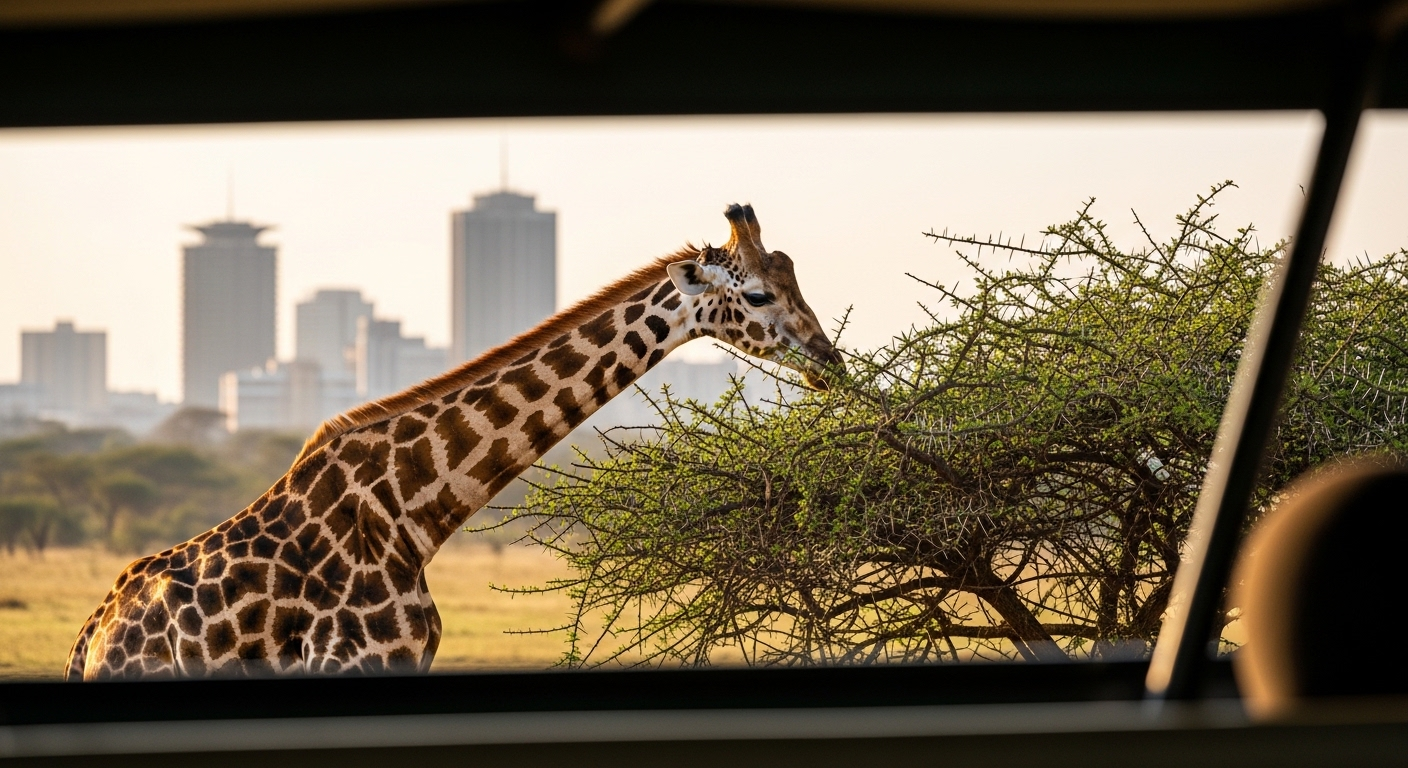
    Kenya safari overview

    Kenya is often called the birthplace of the safari, and for good reason. The word safari itself is Swahili for “journey.” Its capital, Nairobi, is a major international air hub, making it incredibly easy to get to. You can land at Jomo Kenyatta International Airport (NBO) and, within hours, be on a game drive in Nairobi National Park with giraffes and rhinos roaming against a city skyline backdrop.

    Kenya’s main draw is the legendary Maasai Mara National Reserve. Though relatively small at 1,510 square kilometers, it packs in an astonishing density of wildlife. It forms the northern part of the vast Serengeti Mara ecosystem and is world renowned for its large populations of lions, leopards, and cheetahs.

    Beyond the Mara, Kenya offers a stunning variety of landscapes. You can see massive elephant herds with the snow capped peak of Mount Kilimanjaro as a backdrop in Amboseli National Park. You can explore the semi arid landscapes of Samburu, home to the “Samburu Special Five,” a collection of unique animals like the Grevy’s zebra and the long necked gerenuk. The Great Rift Valley offers flamingo filled lakes like Nakuru, which is also a key sanctuary for rhinos. For a closer look at what makes the Mara so special, the Maasai Mara safari guide covers timing, costs, and what to expect on the ground.

    With a well developed tourism infrastructure, Kenya offers a wide range of lodges and camps for every budget. Its compact size and good network of domestic flights make it easy to combine different parks in a shorter amount of time, delivering maximum wildlife sightings with minimal travel.

    An Overview of Tanzania as a Safari Destination

    Tanzania is a land of superlatives. It’s a much larger country than Kenya and has dedicated an incredible 38% of its land to conservation, the highest of any African nation. This commitment has resulted in some of the largest and wildest parks on the continent, teeming with an estimated 4 million wild animals.

    The crown jewel of Tanzania is the Serengeti National Park. At nearly 15,000 square kilometers, it is roughly ten times the size of the Maasai Mara, and its name rightfully means “endless plains.” The Serengeti hosts the Great Migration for 10 months of the year, including the spectacular calving season. For everything you need to plan a Serengeti trip, the Serengeti safari guide is a good starting point.

    Tanzania is also home to several other iconic natural wonders. The most famous is the Ngorongoro Crater, a massive volcanic caldera that is a self contained ecosystem for some 25,000 large animals, including the rare black rhino. It is also where you will find Africa’s highest peak, Mount Kilimanjaro. For those seeking a truly off the beaten path experience, Tanzania’s southern and western parks, like the vast Nyerere National Park (formerly Selous) and the remote Katavi, offer raw wilderness with very few visitors. And uniquely, Tanzania is one of the few places in the world where you can track wild chimpanzees in the forests of Mahale Mountains National Park.

    Safaris in Tanzania often feel more like expeditions. The distances are greater, requiring more driving or internal flights, but the reward is a profound sense of solitude and immersion in a truly immense wilderness.

    The Pros and Cons: A Head to Head Comparison

    Every destination has its strengths and weaknesses. Here’s a look at the advantages and potential drawbacks when considering a Kenya safari vs Tanzania.

    Why Choose a Kenya Safari? (Pros)

    • Accessibility: With more direct international flights into Nairobi and shorter drives to major parks, Kenya is simply easier and quicker to get to and around.
    • Affordability: Generally, safaris in Kenya are more budget friendly. There are more options for group tours, which helps keep costs down, and a wider range of accommodation at different price points.
    • High Wildlife Density: Parks like the Maasai Mara and Amboseli are packed with animals, meaning you can often see a huge amount of wildlife in a short period. Fantastic if you have limited time.
    • Diverse Activities: Kenya’s private conservancies, which border the main parks, offer activities not allowed in the national reserves, such as night game drives, guided bush walks, and off road driving for more intimate encounters.

    What are the Drawbacks of a Kenya Safari? (Cons)

    • Crowds: The flip side of accessibility is that popular parks, especially the Maasai Mara during the migration, can get crowded with safari vehicles.
    • Smaller Parks: While the wildlife is dense, the parks are smaller than in Tanzania. You may not get the same feeling of endless, untouched wilderness.
    • Shorter Migration Window: Kenya hosts the Great Migration for a shorter period, primarily from July to October. The rest of the year, the massive herds are in Tanzania.

    Why Choose a Tanzania Safari? (Pros)

    • Epic Scale and Solitude: Tanzania’s national parks are enormous, giving you a true sense of vast, untamed Africa. This size also means fewer tourists and a more exclusive, intimate experience with nature.
    • Unmatched Wildlife Numbers: With the largest population of mammals in Africa, the sheer volume of wildlife in Tanzania is mind boggling.
    • Iconic Landmarks: Tanzania is home to world famous sites you can’t see anywhere else, including the Ngorongoro Crater, Mount Kilimanjaro, and Olduvai Gorge.
    • Year Round Migration: Tanzania hosts the Great Migration for the majority of its cycle, including the incredible calving season from January to March, an event unique to the southern Serengeti.

    What are the Drawbacks of a Tanzania Safari? (Cons)

    • Higher Cost: Safaris in Tanzania are typically more expensive due to higher park fees, the need for domestic flights to cover large distances, and a focus on a “high value, low volume” tourism model.
    • Longer Travel Times: The country’s vast size means more time spent traveling between parks, whether by bumpy roads or on internal flights.
    • More Complex Logistics: Getting to Tanzania often requires connecting flights, and planning a multi park itinerary can be more logistically demanding.

    Digging into the Details: Key Safari Differences

    Let’s go deeper into some of the most important factors that distinguish a Kenya safari vs Tanzania.

    Big Five Sighting Reliability

    This is the question nearly every first time safari goer asks: “Will I actually see the Big Five?” The answer in both countries is almost certainly yes, but the reliability varies by species and location.

    Kenya is the stronger choice if seeing all five (lion, leopard, elephant, buffalo, rhino) in a single trip is a top priority. The Maasai Mara delivers reliable lion, leopard, elephant, and buffalo sightings on virtually any multi day visit. Where Kenya really pulls ahead is rhino. Thanks to dedicated sanctuaries like Ol Pejeta Conservancy (the largest black rhino sanctuary in East Africa) and Lake Nakuru National Park, seeing both black and white rhinos is far more predictable than in Tanzania. Practitioners on Reddit report that Ol Pejeta alone can offer near guaranteed rhino sightings within a half day game drive, making it a common add on for travelers who want to check off all five.

    Tanzania matches or exceeds Kenya for four of the Big Five. The Serengeti has enormous lion populations (an estimated 3,000+), leopards are common along the Seronera River, and elephant and buffalo are everywhere during the dry season. Rhino is the weak link. The Ngorongoro Crater offers the best rhino viewing in Tanzania, but sightings are at a distance (the crater floor is 260 square kilometers and the rhino population is small). Serengeti rhino sightings happen but are uncommon and unpredictable. The Ngorongoro Crater planning guide covers what to expect on the crater floor, including realistic rhino odds.

    The bottom line: for all five species in a single trip, Kenya edges ahead because of rhino reliability. For the other four, Tanzania’s numbers are hard to beat.

    Predator Density Comparison

    For many travelers, predators are the main event. Lions stalking prey, cheetahs sprinting across open plains, leopards draped over acacia branches. Both countries are world class predator destinations, but the experience differs.

    Kenya’s Maasai Mara has one of the highest predator densities of any ecosystem on Earth. The reserve and its surrounding conservancies support roughly 850 to 900 lions according to recent census data from the Mara Predator Conservation Programme. Cheetah density in the Mara is also among the best anywhere, with open grasslands giving these cats the space they need to hunt. Leopards are reliably spotted along the Talek and Mara rivers. The compact size of the Mara means that predator sightings are frequent and often multiple species are seen in a single morning drive. Guides in the Mara know individual lions and leopards by name, which makes locating them faster.

    Tanzania’s Serengeti has a larger total predator population spread across a much bigger area. The Serengeti ecosystem supports an estimated 3,000 lions, making it one of the largest lion populations in Africa. The central Serengeti around Seronera is famous for leopard sightings, and the southern plains during calving season (January to March) attract extraordinary predator action as cheetahs, lions, and hyenas feast on vulnerable newborn wildebeest. However, because the park is so vast, predator sighting density per game drive is lower than in the Mara. You might drive longer between encounters, but when you find them, you’re often completely alone.

    One detail that frequently surfaces in safari forums: the Mara gives you volume of predator sightings per day, while the Serengeti gives you quality of sighting (fewer vehicles, better solitude). Photographers who have worked in both often say they’d pick the Mara for reliable big cat portfolio building and the Serengeti for unique, uncrowded moments.

    Primate Experience: Kenya vs Tanzania

    If primates are a priority, Tanzania wins this category decisively.

    Tanzania is one of only a handful of countries where you can track wild chimpanzees. Mahale Mountains National Park, on the shores of Lake Tanganyika, is home to roughly 800 chimpanzees, with a habituated group that researchers have followed since the 1960s. Trekking through Mahale’s forests to sit with chimps as they groom, play, and forage is an experience on par with gorilla trekking. Gombe Stream National Park, made famous by Jane Goodall’s pioneering research, offers a more intimate setting with a smaller habituated community. Both parks are remote (fly in access only), which keeps visitor numbers very low.

    Beyond chimpanzees, Tanzania’s forests shelter black and white colobus monkeys, red colobus monkeys (including the rare Zanzibar red colobus, endemic to Unguja Island), blue monkeys, and vervet monkeys. The Jozani Forest in Zanzibar is the easiest place to see the Zanzibar red colobus, a species found nowhere else on Earth.

    Kenya offers primate encounters on a smaller scale. Black and white colobus monkeys are common in highland forests, and olive baboons are a fixture in most parks. The Kakamega Forest in western Kenya is a fragment of ancient rainforest that supports De Brazza’s monkeys and blue monkeys. But Kenya has no wild great ape populations and nothing comparable to Tanzania’s chimpanzee trekking.

    For travelers who want to combine a safari with great ape encounters, Tanzania’s chimps can be paired with a Serengeti itinerary, or with gorilla trekking in Uganda or Rwanda as part of a broader East Africa trip.

    Drive Time Between Parks

    This is the practical detail that shapes your daily experience more than almost anything else. Long transfers eat into game viewing time and can be exhausting, especially for families or older travelers.

    Kenya’s northern circuit is compact. The Maasai Mara is roughly 5 to 6 hours by road from Nairobi, or 45 minutes by bush plane. Amboseli is about 4 hours south of Nairobi. Lake Nakuru sits only 2 to 3 hours northwest of Nairobi. A common Kenya itinerary (Nairobi to Amboseli to Nakuru to Mara) involves manageable 3 to 5 hour drives between parks, and every leg passes through different scenery. Samburu is further north (about 5 to 6 hours from Nairobi), but even that is doable in a day with stops.

    Tanzania’s distances are a different story. Arusha to the Serengeti is 8 to 10 hours by road, much of it on unpaved surfaces. Arusha to Ngorongoro is about 3 to 4 hours, so many itineraries use Ngorongoro as a stepping stone to the Serengeti. The drive from Ngorongoro to the central Serengeti takes another 4 to 5 hours. Tarangire is the closest major park to Arusha at roughly 2 hours. Tanzania’s southern circuit parks (Nyerere, Ruaha) are essentially fly in only from the northern circuit, requiring internal flights that add both cost and travel time.

    Practitioners on Reddit consistently flag Tanzania’s drive times as the biggest surprise of their trip. Several note that a seven day Tanzania safari can lose two full days to road transfers unless internal flights are factored into the budget. For families with young children, Kenya’s shorter drives are a meaningful advantage. The family safari itinerary guide addresses how to pace a Tanzania trip so that long drives don’t overwhelm the experience.

    Cultural Experiences: Maasai, Samburu, Hadzabe, and Datoga

    Safari isn’t only about animals. Meeting the communities who have lived alongside wildlife for centuries adds a dimension that game drives alone can’t provide. Both countries offer cultural encounters, but the depth and variety differ.

    Kenya is synonymous with the Maasai, and cultural visits to Maasai villages are woven into many Mara itineraries. These typically involve a welcome dance, a tour of the boma (homestead), and explanations of Maasai customs, from cattle herding to bead work to the role of warriors (morans). In the conservancies, the connection runs deeper because the land itself is leased from Maasai landowners, and conservancy fees fund schools, clinics, and water projects. Northern Kenya introduces the Samburu people, closely related to the Maasai but with distinct traditions, dress, and social structures. Samburu cultural visits tend to feel less commercial and more community oriented, partly because fewer tourists pass through. The cultural safaris guide covers how to approach these visits respectfully.

    Tanzania offers the Maasai experience too (the Ngorongoro Conservation Area is one of the few places where Maasai still live alongside wildlife inside a protected area), but it goes further with two encounters you cannot get in Kenya. The Hadzabe (or Hadza) are one of the last true hunter gatherer communities in Africa, numbering roughly 1,000 to 1,300 people living around Lake Eyasi. Visiting the Hadzabe at dawn to join a hunting foray with bows and arrows, and then watching them make fire and prepare food, is a profoundly humbling experience that connects you to a way of life tens of thousands of years old. The Datoga people, blacksmiths and pastoralists who also live near Lake Eyasi, offer a contrasting visit focused on metalwork and bead craft.

    One important note: the ethics of cultural tourism matter. The best operators work directly with community leaders, ensure payments go to the community rather than intermediaries, and frame the visit as a genuine exchange rather than a performance. Practitioners on YouTube walkthroughs of Lake Eyasi visits emphasize choosing guides who have long standing relationships with specific Hadzabe clans, as this produces a more authentic and mutually respectful experience.

    For travelers who want cultural depth as a central part of their trip rather than an add on, Tanzania’s combination of Maasai, Hadzabe, and Datoga encounters is unmatched in East Africa.

    Cost Comparison: What’s the Price Difference?

    When it comes to the cost of a Kenya safari vs Tanzania, Kenya is generally the more affordable option. For a full breakdown of safari costs in Tanzania, including park fees and vehicle charges, there’s a detailed guide that walks through every line item. Several factors drive the difference:

    • Park Fees: While Kenya increased its park fees in 2024, they often remain slightly lower than Tanzania’s. Tanzania’s fees for premier parks like the Serengeti and the additional fees for the Ngorongoro Crater can add up significantly.
    • Transportation: In Kenya, you can create a fantastic itinerary primarily by driving, which saves on the cost of internal flights. In Tanzania, the vast distances often make flying between parks a necessity, adding a considerable expense to your budget.
    • Tour Styles: Kenya has a well established market for shared group safaris, allowing solo travelers and couples to join others to split the cost of a vehicle and guide. Safaris in Tanzania are predominantly private, which offers great flexibility but comes at a higher per person cost.

    For budget and mid range travelers, your money will likely go further in Kenya. At the luxury level, the costs become more comparable, as both countries offer world class high end lodges and experiences.

    Which Country is More Budget Friendly?

    Kenya remains the leader for mid range and budget travelers. While Tanzania’s park fees can appear lower on paper, the mandatory vehicle fees (especially the $295+ crater descent fee) and the need for internal flights to cover the vast Serengeti usually make a Tanzania safari 15% to 30% more expensive than a similar itinerary in Kenya.

    Practitioners on Reddit report that budget differences become especially noticeable on trips under seven days. One traveler noted that a five day Mara focused Kenya safari cost roughly half of what a comparable Serengeti and Ngorongoro itinerary ran in Tanzania, largely because of internal flights and higher concession fees on the Tanzanian side.

    Accommodation and Lodge Comparison

    Where you sleep shapes the safari experience almost as much as the wildlife. The two countries take noticeably different approaches.

    Kenya has the widest spread of accommodation options in East Africa. In and around the Maasai Mara, you’ll find everything from budget tented camps at $80 per night to ultra luxury properties like Angama Mara or &Beyond Bateleur Camp that charge $1,500+ per person per night. The private conservancies bordering the Mara (Olare Motorogi, Naboisho, Mara North) tend to cap vehicle numbers and offer exclusive traverse rights, which means a mid range conservancy camp can feel more secluded than a top dollar lodge inside the reserve itself. Self catering bandas are available in some national parks too, making Kenya workable for true shoestring travelers.

    Tanzania skews higher end. The Serengeti’s most popular camps, like &Beyond’s mobile tented camps or Singita’s properties, are positioned as luxury or ultra luxury. Budget options exist, particularly around Karatu (the gateway town to Ngorongoro) and in the form of public campsites inside national parks, but there are fewer of them compared to Kenya. Tanzania’s southern circuit parks (Nyerere, Ruaha) are almost exclusively served by fly in luxury lodges, which is part of what keeps those areas so uncrowded. For travelers who want a curated lodge experience, the romantic safari lodges guide covers some of Tanzania’s most celebrated properties.

    The bottom line: Kenya gives you more choice at every price tier. Tanzania delivers a more consistently polished, exclusive product, but you’ll pay for it.

    Private Conservancy vs National Park

    This is a distinction that matters more than most first time safari goers realize, and it plays out differently in each country.

    Kenya’s private conservancies are the secret weapon of a Mara safari. These community owned areas border the national reserve and operate under agreements that limit the number of vehicles and beds. The result is genuinely uncrowded game viewing, plus activities that are banned inside the national reserve: night drives, off road driving to approach animals more closely, and guided walking safaris. Conservancy fees (typically $80 to $120 per person per night) go directly to Maasai landowners, creating a conservation model that ties wildlife survival to community income. Travelers on safari forums consistently name conservancies like Naboisho and Olare Motorogi as the highlights of their Kenya trips, specifically because of the lack of vehicle congestion around big cat sightings.

    Tanzania’s national parks are government managed and follow stricter rules. Off road driving is prohibited in most parks, night drives are not available in the Serengeti or Ngorongoro, and walking is only permitted in designated areas with an armed ranger. However, Tanzania compensates with sheer scale. The Serengeti’s 15,000 square kilometers means that even during peak season, it’s possible to drive for an hour without seeing another vehicle if you’re in the right sector. Some concession areas within Tanzanian parks (like the Grumeti and Ikorongo reserves in the western Serengeti) function similarly to Kenya’s conservancies, offering exclusive access and flexible driving, but at a significantly higher price point.

    The practical takeaway: if you want flexible, intimate game viewing without paying ultra luxury rates, Kenya’s conservancy model is hard to beat. If you want wilderness scale and don’t mind stricter vehicle rules, Tanzania’s national parks deliver.

    Photographic Safari Comparison

    For wildlife photographers, the Kenya safari vs Tanzania question often comes down to light, subject access, and vehicle positioning.

    Kenya is widely regarded as the easier country for photography. The Maasai Mara’s relatively flat terrain and open grasslands mean excellent sight lines and clean backgrounds. Big cats are habituated to vehicles and often hunt in full view. Crucially, the private conservancies allow off road driving, so your guide can position the vehicle for better angles and avoid shooting through grass. Practitioners on photography forums frequently praise the Mara’s consistent golden hour light from June through October.

    Tanzania rewards patient photographers with more dramatic compositions. The Serengeti’s kopjes (rocky outcrops) create striking foreground elements, and the calving season in the Ndutu area offers once in a lifetime frames of newborn wildebeest with predators circling nearby. The Ngorongoro Crater’s sunken geography produces moody, atmospheric light that can be spectacular for landscape oriented wildlife shots. The downside: Tanzania’s on road rules in national parks limit positioning options, and longer grass in some areas can obstruct low angle shots.

    For dedicated photography trips, many professionals recommend bringing a 100 to 400mm zoom as the primary lens, with a wider option for landscapes and crater rim shots. The safari photography tips guide covers gear recommendations and camera settings for East African light conditions.

    Hot Air Balloon Safaris

    A sunrise balloon flight over the savannah is one of Africa’s bucket list experiences, and both countries offer it.

    In Kenya, balloon safaris launch from the Maasai Mara and typically cost $450 to $500 per person. Flights last about an hour and drift over the Mara’s plains, with champagne breakfast on landing. During migration season (July to October), you may float directly above massive herds. Bookings fill fast in peak months.

    In Tanzania, Serengeti balloon safaris are the main draw, with prices ranging from $500 to $600 per person. The Serengeti’s vast open plains provide a wider field of view and, arguably, a more dramatic sense of scale from the basket. Multiple launch sites across the park mean you can time your flight to wherever the migration herds are concentrated. Balloon flights also operate over Tarangire during the dry season. One traveler shared in a YouTube walkthrough that the Serengeti balloon experience felt “like being suspended over the opening credits of a nature documentary” because of the uninterrupted horizon in every direction.

    Both options include a bush breakfast after landing. Book at least a few weeks in advance, as balloon flights have limited capacity and sell out during peak season.

    Birdwatching: Kenya vs Tanzania

    East Africa is one of the world’s great birding regions, and both countries deliver outstanding variety.

    Kenya has recorded over 1,100 bird species. Lake Nakuru and Lake Naivasha in the Rift Valley are legendary birding spots, with flamingos, African fish eagles, and a dense concentration of waterbirds. The Arabuko Sokoke Forest on the coast shelters rare species like Clarke’s weaver and the Sokoke scops owl. Kenya’s advantage for birders is accessibility: multiple habitats packed into a compact area, so you can cover forests, lakes, savannahs, and coastal zones in a single trip.

    Tanzania boasts over 1,100 species as well, with some counts pushing past 1,150 depending on the source. The Serengeti and Ngorongoro are excellent for raptors and open grassland species (secretary birds, kori bustards, lilac breasted rollers). But the real birding treasures are in Tanzania’s lesser visited areas. The Usambara Mountains harbor several endemic species, and the miombo woodlands of Ruaha attract specialists. Lake Manyara is famous for tree climbing lions, but birders know it for massive flocks of flamingos and over 400 recorded species in a small area. The birdwatching Tanzania guide breaks down the best parks and seasons for serious birders.

    For migratory species from the northern hemisphere, November to April is the prime window in both countries. Year round residents are best seen during the dry months when vegetation is thinner and birds are more visible.

    Walking Safaris

    Getting out of the vehicle and walking through the bush with an armed ranger and a qualified guide is a fundamentally different way to experience Africa. It slows everything down, heightens your senses, and reveals the smaller details (tracks, dung beetles, medicinal plants) that you’d miss from a Land Cruiser.

    Kenya offers walking safaris primarily through its private conservancies around the Maasai Mara, Laikipia Plateau, and Samburu. These walks are often short (one to three hours) and focused on tracking or interpreting the bush rather than covering long distances. Some conservancies offer multi day walking safaris with mobile camps, which is an increasingly popular format for repeat visitors who’ve already done the classic vehicle based game drives.

    Tanzania has expanded its walking safari offerings in recent years. The Serengeti now permits guided walks in certain areas, and parks like Arusha National Park, Ngorongoro Conservation Area (on the crater rim and highlands), and Nyerere National Park have longer walking options. The southern circuit parks are especially strong for walking, with multi day fly camping trips through Ruaha and Nyerere that put you deep into wilderness areas that vehicles don’t reach.

    Both countries require that walking safaris be led by certified, armed guides. The experience is less about ticking off Big Five sightings and more about understanding the ecosystem at eye level.

    Fly In Safari Logistics

    Bush planes are a practical necessity in Tanzania and a luxury upgrade in Kenya. Understanding the logistics helps set expectations.

    In Tanzania, fly in safaris are the standard for anyone visiting the Serengeti and wanting to avoid the 8 to 10 hour drive from Arusha. Regional airlines like Coastal Aviation and Auric Air operate small Cessna Caravan aircraft that land on unpaved airstrips inside the parks. Flights from Arusha to the Serengeti run about $250 to $400 each way per person. Baggage is limited to 15 kg in a soft sided bag, which catches first time travelers off guard. Practitioners on Reddit consistently flag the luggage restriction as the most important logistical detail to plan for. The flight itself, swooping low over the Great Rift Valley and the Ngorongoro highlands, is genuinely spectacular.

    In Kenya, domestic flights connect Nairobi’s Wilson Airport to the Mara in about 45 minutes, with several daily departures. Prices run $150 to $300 each way. Flying is convenient but less essential than in Tanzania, since the Mara is reachable by road in about five hours from Nairobi. For northern Kenya destinations like Samburu and Laikipia, flying saves substantial time and is worth the cost.

    In both countries, flight schedules can shift due to weather, and weight limits are strict. Pack light, use soft bags, and leave hard shell suitcases at your Nairobi or Arusha hotel.

    Hiking and Trekking

    Both countries offer remarkable hiking opportunities beyond the safari vehicle, but Tanzania holds the trump card.

    Tanzania is home to Mount Kilimanjaro, Africa’s highest peak at 5,895 meters. Climbing Kilimanjaro is a standalone adventure that many travelers combine with a safari, creating a two week trip that covers both. The mountain offers multiple routes ranging from five to nine days, each with different scenery and difficulty levels. The Lemosho and Northern Circuit routes are widely considered the best for acclimatization and success rates. Beyond Kilimanjaro, Tanzania offers the Crater Highlands trek (walking between Maasai villages across the Great Rift escarpment), Mount Meru (a challenging 4,566 meter peak near Arusha), and hikes through the Usambara and Udzungwa Mountains.

    Kenya has Mount Kenya (5,199 meters), Africa’s second highest peak, which offers technical climbing routes as well as trekking routes accessible to fit hikers. The Chogoria route is considered one of the most scenic mountain treks in East Africa. The Loita Hills and Matthews Range in northern Kenya provide walking safari and trekking combinations, though these are less well known.

    For travelers who want to pair a summit attempt with safari game drives, the Tanzania combination is the classic choice. A typical structure is five to eight days on Kilimanjaro followed by four to six days on safari.

    Honeymoon Suitability

    East Africa is a top honeymoon destination, and the Kenya safari vs Tanzania question takes on a different character when romance is the priority.

    Tanzania is the stronger pick for most honeymooners. The combination of a Serengeti safari, a night or two at a crater rim lodge overlooking the Ngorongoro, and a beach finale on Zanzibar creates one of the world’s great honeymoon itineraries. Tanzania’s emphasis on private safaris means couples aren’t sharing vehicles with strangers, and the luxury lodge scene (think private plunge pools, candlelit bush dinners, star beds on elevated platforms) caters directly to the honeymoon market. The Tanzania vs Kenya honeymoon comparison breaks this down in more detail.

    Kenya works beautifully for honeymooners who want variety in a shorter timeframe. A Mara conservancy stay followed by a few days on the coast at Diani Beach or Lamu offers a compact, romantic itinerary that can be done in seven to eight days. Kenya’s private conservancies are particularly well suited for couples because of the low vehicle density, intimate camp sizes, and options like private sundowner setups overlooking the plains.

    LGBTQ Traveler Considerations

    This is a topic that deserves honest treatment. Both Kenya and Tanzania have laws on the books that criminalize same sex relationships. In practice, the safari tourism industry in both countries is welcoming and professional, and LGBTQ travelers visit regularly without incident. Guides, lodge staff, and tour operators are focused on providing a great experience regardless of who you are.

    That said, public displays of affection between same sex couples are not advisable in either country, particularly in towns and cities. Within the context of a safari lodge or camp, staff are discreet and accommodating. When booking, working with an operator who understands these nuances and can recommend the right properties makes a real difference. Travelers on forums who identify as LGBTQ consistently advise choosing private safaris over group tours, selecting established lodges with international management, and being thoughtful about displays of affection in public settings outside the parks.

    Food and Cuisine on Safari

    Safari food has come a long way from the tin can stereotypes. Both countries now serve genuinely excellent meals, though the style differs.

    Kenya’s culinary scene benefits from Nairobi’s cosmopolitan dining culture. Many safari lodges employ chefs trained in the city, and menus often reflect international influences alongside Kenyan staples. Expect dishes featuring nyama choma (grilled meat), ugali (maize porridge), sukuma wiki (collard greens), and fresh Indian Ocean seafood at coastal lodges. The Mara’s luxury camps regularly serve multi course dinners with wine pairings. Nairobi itself is a food city worth exploring for a night before or after safari.

    Tanzania’s lodge cuisine tends toward a simpler but deeply flavorful approach, drawing on Swahili, Indian, and Arabic influences that define the country’s coastal cooking traditions. Pilau rice, coconut based curries, chapati, and freshly grilled fish are common. At higher end lodges, the food is outstanding. Zanzibar in particular is a food destination in its own right, with its spice farms, night market in Stone Town, and seafood that rivals anywhere in the Indian Ocean.

    Both countries cater well to dietary restrictions. Vegetarian, vegan, gluten free, and halal options are standard at mid range and luxury lodges. Communicate your needs in advance, and kitchens will accommodate.

    The Great Migration: 2026 Peak Dates

    • Kenya (July to October): Best for the dramatic Mara River crossings.
    • Tanzania (December to March): Best for the calving season in the Southern Serengeti.
    • Tanzania (May to July): Best for the migration movement through the Western Corridor.

    Wildlife Comparison: Who Has More Animals?

    This is a heavyweight title fight, and both contenders are champions. Tanzania wins on sheer numbers, with an estimated 4 million wild animals. The scale of its wildlife populations, from the two million strong Great Migration to its massive elephant herds in Tarangire, is unparalleled.

    However, Kenya excels in wildlife density. In the Maasai Mara, it’s not uncommon to see multiple lion prides, cheetahs, and hyena clans in a single day. For certain species, Kenya has a clear advantage. It is the best place to see rhinos, thanks to successful conservation in sanctuaries like Ol Pejeta and Lake Nakuru National Park. Northern Kenya is also the only place to find the unique “Samburu Special Five.”

    Tanzania has its own unique wildlife draws, most notably the ability to track wild chimpanzees in Mahale Mountains and Gombe Stream national parks. Ultimately, you will see a spectacular amount of wildlife in either country. Tanzania offers scale and volume, while Kenya offers incredible density and easy viewing.

    The Great Migration: A Month by Month Timeline

    The Great Migration is a continuous, year long circular journey. The best place to see it depends entirely on the time of year.

    • January to March (Tanzania): The herds are in the southern Serengeti, especially the Ndutu area, for the calving season. This is a phenomenal time for predator action as hundreds of thousands of wildebeest are born.
    • April to June (Tanzania): The herds begin their long trek north and west through the Serengeti’s Western Corridor, facing their first major obstacle at the Grumeti River.
    • July to October (Kenya and Tanzania): This is the most famous phase. The herds arrive in the northern Serengeti and cross the treacherous, crocodile infested Mara River into Kenya’s Maasai Mara. This is peak season for dramatic river crossings.
    • November to December (Tanzania): Following the short rains, the herds leave the Mara and head back south through the Serengeti to return to the nutrient rich plains of the south, completing the cycle.

    Park Size and Scenery: Vast Wilderness vs Compact Variety

    The difference in scale is one of the most significant factors in the Kenya safari vs Tanzania debate. Tanzania’s parks are vast. The Serengeti alone is ten times the size of the Maasai Mara. This creates an incredible sense of endless wilderness, where you can drive for hours surrounded by nothing but nature.

    Kenya’s parks are more compact, which has its own advantages. You can easily visit several parks with distinctly different landscapes in a single trip. In one week, you could experience the golden savannah of the Mara, the wetlands of Amboseli, and the flamingo covered shores of Lake Nakuru. This variety in a small area is one of Kenya’s greatest strengths.

    Safari Style and Crowd Levels: Private Expeditions vs Social Adventures

    Your experience on the ground can also differ. Tanzania favors private, customized safaris. You’ll likely have your own vehicle and guide, giving you complete flexibility. This, combined with the larger parks, leads to a more exclusive and secluded feel with fewer crowds. For a deeper comparison of private vs group options, the private vs group safari guide covers cost differences and trade offs.

    Kenya offers a wider range of safari styles, including many scheduled group departures. This can be a fun, social way to see the country and is more accessible for solo travelers or those on a budget. However, the popularity of parks like the Maasai Mara means you should expect to share major sightings with other vehicles, especially in peak season.

    Logistics and Accessibility: Getting There and Getting Around

    When it comes to ease of travel, Kenya has the edge. Nairobi’s Jomo Kenyatta International Airport (NBO) is a major international hub with direct flights from many cities in Europe, the Middle East, and the US. Tanzania’s main safari airport, Kilimanjaro International (JRO), has fewer direct long haul flights, often requiring a connection.

    Once you’re there, Kenya’s smaller size and more developed road network make getting between parks quicker and easier. A safari in Tanzania often involves longer drives on rougher roads or more expensive internal flights to cover the vast distances.

    Planning Your Trip: Timing and Itineraries

    So, you’ve weighed the pros and cons. Now let’s talk about turning your dream into a plan.

    The Best Time to Visit for a Kenya or Tanzania Safari

    The best time to visit either country is generally during the long dry season from June to October. During these months, the weather is pleasant, and wildlife is easier to spot as animals gather around rivers and waterholes. This period also coincides with the dramatic Mara River crossings of the Great Migration.

    However, the “green season” also has its charms. January to March is a fantastic time for Tanzania, as it’s the calving season in the Serengeti. For birdwatchers, the months of November to April are ideal, as migratory birds from the northern hemisphere are present. The only time to generally avoid is during the heavy rains of April and May, when some lodges may close and roads can become impassable.

    Ngorongoro Crater: A Tanzanian Must See

    No discussion of Tanzania is complete without highlighting the Ngorongoro Crater. This UNESCO World Heritage site is the world’s largest intact and unfilled volcanic caldera. Descending 600 meters to the crater floor is like entering a lost world. The 260 square kilometer floor is home to around 25,000 large animals, including a dense population of lions, elephants, buffalo, and one of the best chances in East Africa to see the critically endangered black rhino.

    Beach Extensions: Combining Safari with Sun and Sand
    Beach extension safari

    Both Kenya and Tanzania boast beautiful coastlines on the Indian Ocean, making a “bush and beach” holiday easy to arrange.

    After a dusty safari, you can fly to Kenya’s coast to relax on the white sands of Diani Beach or explore the historic Swahili culture of Lamu Island. In Tanzania, a short flight can take you to the legendary “Spice Island” of Zanzibar, with its historic Stone Town, vibrant reefs, and idyllic beaches. While Zanzibar is part of Tanzania, it is easily accessible from Kenya as well, with regular flights from Nairobi. The choice often comes down to personal preference, as both offer a perfect tropical escape.

    The Best of Both Worlds: A Combined Kenya and Tanzania Itinerary

    Still can’t decide? The great news is you don’t have to. A combined Kenya and Tanzania safari itinerary offers the ultimate East African experience. You can follow the Great Migration from the Serengeti to the Mara, see the unique species of northern Kenya, and descend into the Ngorongoro Crater all in one trip.

    While this requires a bit more time (ideally 10 days or more) and careful planning, it is entirely possible. Transfers between the two countries can be done by road via border crossings like Isebania (connecting the Mara and Serengeti) or Namanga, or by a series of short flights. Working with an experienced operator who specializes in cross border logistics is key. A company like Duma Explorer, which has deep expertise in both countries, can create a seamless itinerary that handles all the transfers, visa guidance, and vehicle changes for you.

    How to Choose: Which Safari is Right for You?

    The decision of a Kenya safari vs Tanzania comes down to your personal travel style, priorities, and budget. Ask yourself these questions:

    • What is my budget? If you are on a tighter budget, Kenya offers more affordable options.
    • How much time do I have? For trips under a week, Kenya’s compact parks allow you to see more with less travel time.
    • What time of year can I travel? Your dates may decide for you. If you can only travel in February, Tanzania’s calving season is the star attraction. If you’re traveling in September, the Mara river crossings in Kenya are unmissable.
    • Do I mind crowds? If you value solitude and an exclusive feel, Tanzania’s vast wilderness is likely your best bet.
    • What is my must see wildlife? If rhinos are at the top of your list, head to Kenya. If you dream of tracking chimpanzees, it has to be Tanzania.
    • Am I a photographer? If maximum creative control over vehicle positioning matters, Kenya’s conservancies win. If epic scale and dramatic compositions matter more, Tanzania has the edge.
    • Is this a honeymoon? Tanzania’s Serengeti to Zanzibar combination is one of the world’s great honeymoon itineraries. Kenya’s conservancies offer a more intimate, compact romantic option.
    • Do I want cultural encounters? If meeting the Hadzabe or Datoga is important, Tanzania is the only option. Both countries offer Maasai visits.

    Ultimately, there is no wrong answer. Both countries deliver life changing experiences. For many travelers, the best solution is to let an expert help guide the decision.

    Ready to start planning? Get a personalized recommendation from the travel experts at Duma Explorer.

    Frequently Asked Questions about Kenya Safari vs Tanzania

    1. Which is better for a first time safari, Kenya or Tanzania?
    Kenya is often recommended for first timers due to its easier logistics, lower costs, and high wildlife density in accessible parks like the Maasai Mara. However, Tanzania’s northern circuit is also fantastic for a first safari, offering iconic sights like the Serengeti and Ngorongoro Crater.

    2. Is Kenya or Tanzania safer for tourists?
    Both countries are considered safe for safari tourism, with dedicated tourism police and safety protocols in parks and lodges. While Tanzania currently has a slightly higher overall safety rating for travelers, millions of tourists visit Kenya safely every year by taking standard precautions.

    3. Can I see the Big Five in both Kenya and Tanzania?
    Yes, both countries are home to the Big Five (lion, leopard, elephant, buffalo, and rhino). Sightings are common in the major parks of both nations. Your chances of seeing a rhino are significantly higher in Kenya’s dedicated sanctuaries.

    4. What is the main difference in the Great Migration between Kenya and Tanzania?
    The main difference is timing and events. Tanzania hosts the migration for about 9 months, including the calving season (January to March). Kenya hosts the herds for about 3 to 4 months (July to October), which is the best time to see the dramatic river crossings over the Mara River.

    5. Is the scenery better in Kenya or Tanzania?
    This is subjective. Tanzania is known for its vast, epic landscapes like the endless plains of the Serengeti and the stunning Ngorongoro Crater. Kenya offers a more compressed variety of scenery, from the classic savannah of the Mara to the dramatic views of Mount Kilimanjaro from Amboseli and the flamingo filled Rift Valley lakes.

    6. Do I need different visas for Kenya and Tanzania?
    Yes, if you are visiting both countries, you will need separate entry documents for each. Both can typically be obtained online in advance or upon arrival for many nationalities.

    7. Which country is better for a family safari?
    Both are excellent for families. Kenya might have a slight edge due to shorter travel times between parks, which can be easier on younger children. It also has a wide range of family friendly lodges. However, many operators specialize in crafting custom family safaris in Tanzania that are paced appropriately for all ages.

    8. Can I self drive a safari in Kenya or Tanzania?
    While technically possible, it is not recommended for first time visitors. Roads can be challenging, navigating parks requires expertise, and the experience is greatly enhanced by the knowledge of a local professional guide who knows the animal behaviors and best viewing spots.

    9. Are hot air balloon safaris available in both countries?
    Yes. Balloon flights operate over the Maasai Mara in Kenya and the Serengeti in Tanzania. Both cost roughly $450 to $600 per person, include a bush breakfast, and should be booked well in advance during peak season.

    10. Can I do a walking safari in Kenya or Tanzania?
    Yes. Kenya offers walks primarily in private conservancies, while Tanzania permits guided walks in several national parks and conservation areas. Both require armed ranger accompaniment and certified guides.

    11. Which country has better predator sightings?
    Kenya’s Maasai Mara has higher predator density per square kilometer, making sightings more frequent per game drive. Tanzania’s Serengeti has larger total predator populations and offers more solitary, uncrowded encounters. Both are world class for big cat viewing.

    12. Can I see chimpanzees on safari?
    Only in Tanzania. Mahale Mountains and Gombe Stream national parks offer guided chimpanzee trekking with habituated groups. Kenya has no wild great ape populations.

    No matter which destination you choose for your East African adventure, you are in for the trip of a lifetime. Both Kenya and Tanzania offer a magic that will stay with you long after you return home. If you’re ready to start planning, explore custom safari itineraries with Duma Explorer to see what’s possible.
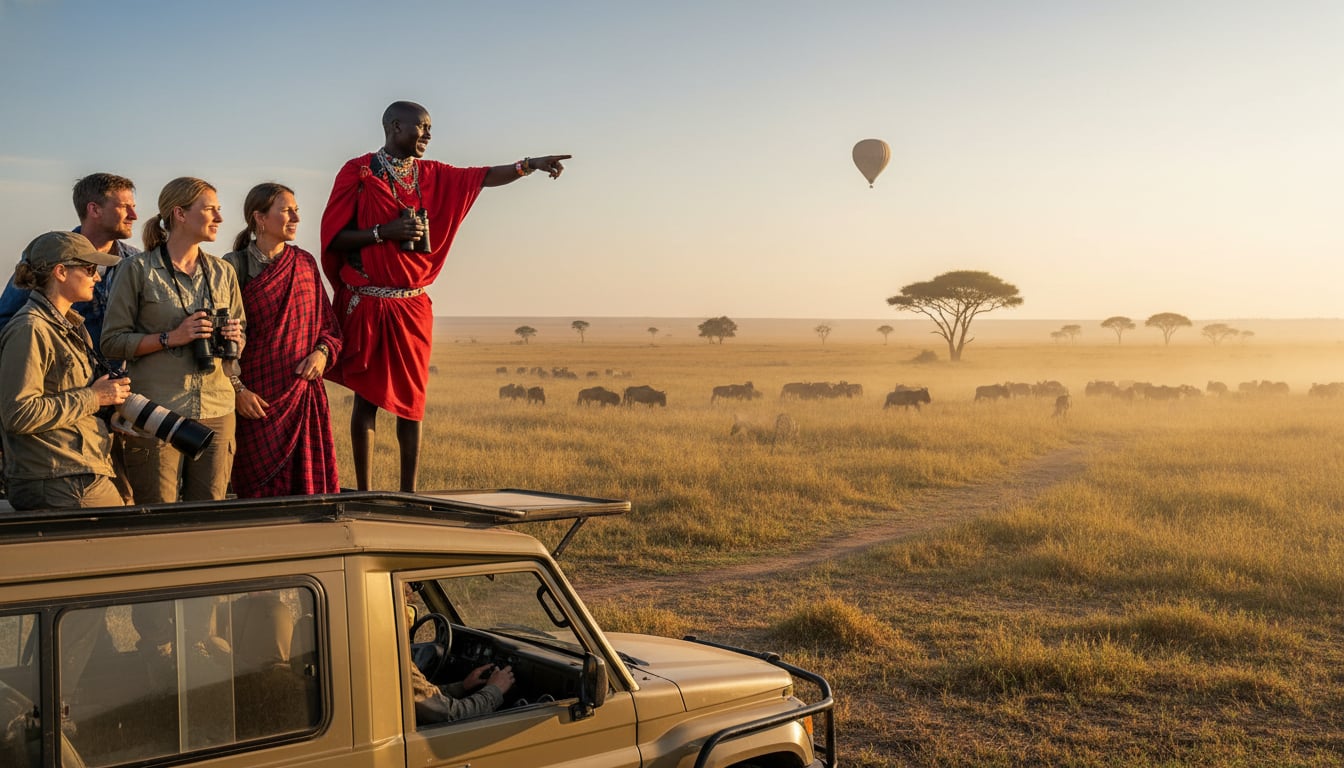
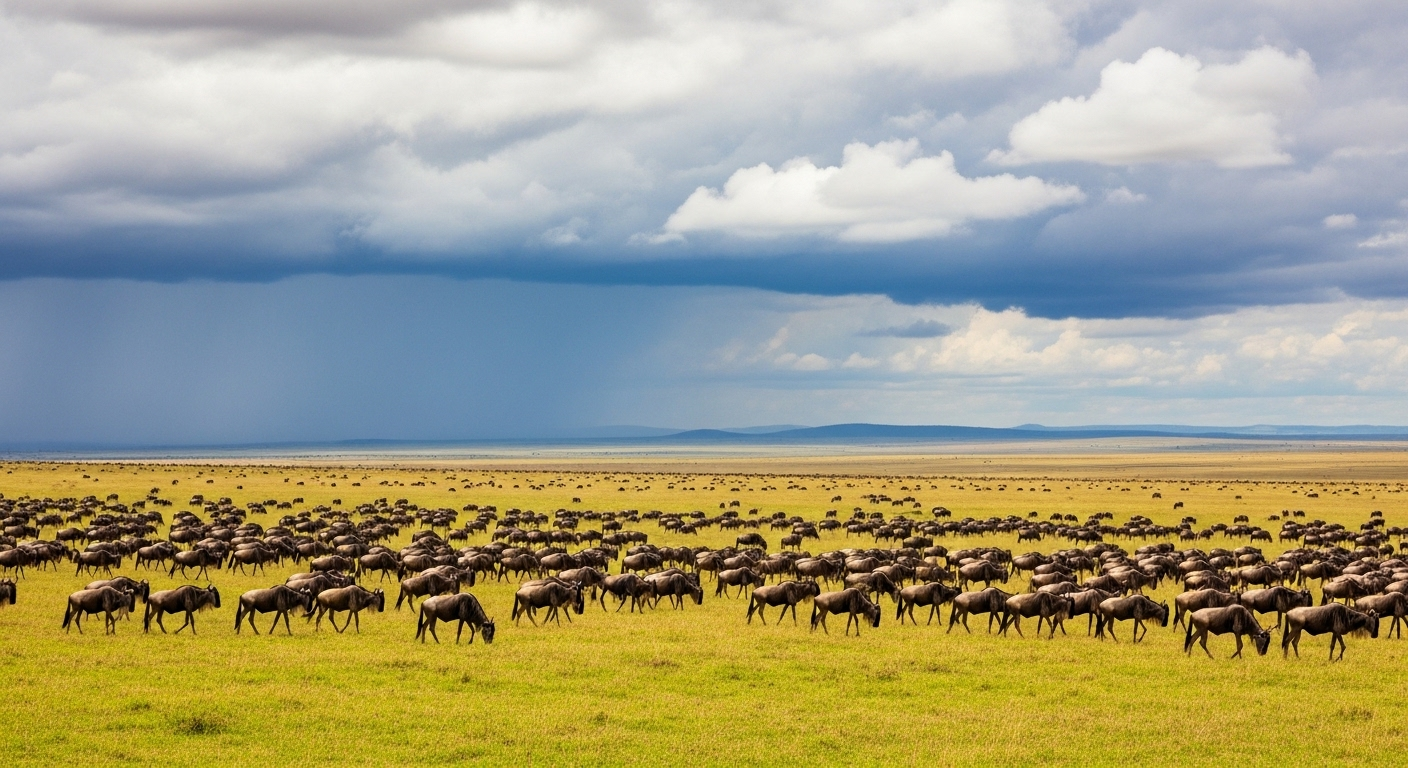
  • Gorilla Trekking Cost Uganda 2026: Permits & Budget

    Gorilla Trekking Cost Uganda 2026: Permits & Budget

    SEO Title: Uganda Gorilla Trekking Cost: Permit & Trip Budget
    Meta Description: See Uganda gorilla trekking permit prices, low-season rates, what the permit includes, hidden costs, and how to budget a real trip.
    Recommended URL: /blog/gorilla-trek-cost-uganda-rwanda-permits-prices

    At a Glance

    A standard Uganda gorilla trekking permit costs US$800 for foreign non-residents, or US$600 during low-season months (April, May, November). The permit covers your ranger guide, park entrance, and community development contribution, but not transport, lodging, meals, tips, or flights. A complete 3-day gorilla trekking trip in Uganda typically runs US$1,450 to US$2,500+ per person depending on routing, accommodation level, and whether you fly in or drive.


    Gorilla trekking in Uganda costs US$800 per person for a standard foreign non-resident permit under UWA’s current conservation tariff. In the low-season months of April, May, and November, UWA drops that to US$600. But the permit is only one line item. A complete Uganda gorilla trekking trip also requires transport to Bwindi Impenetrable National Park or Mgahinga Gorilla National Park, at least two nights of accommodation, meals, porter and tip money, visas, insurance, and sometimes domestic flights. Budget 3-day gorilla safaris generally start around US$1,450 to US$1,700 per person according to SafariBookings marketplace data, while private, mid-range, or fly-in itineraries cost considerably more. The most useful way to compare quotes is to separate the fixed permit fee from the variable costs: how you get there, where you sleep, and how much travel time you are willing to trade for money.

    Cost Item Amount Notes
    Standard gorilla permit (foreign non-resident) US$800 Bwindi or Mgahinga
    Low-season gorilla permit (foreign non-resident) US$600 April, May, November; cannot be rescheduled
    Foreign resident permit US$700 / US$500 low season Residency proof required
    Rest of Africa permit US$500 UWA standard category
    East African Community citizen permit UGX 300,000 UWA standard category
    Gorilla habituation permit (foreign non-resident) US$1,500 Rises to US$1,800 from January 1, 2027
    Budget 3-day gorilla safari ~US$1,450–US$1,700 pp Market planning range
    Rwanda standard gorilla permit US$1,500 For comparison

    What Does Gorilla Trekking Actually Cost in Uganda?

    The gorilla trekking cost in Uganda starts with the permit, which is set by the Uganda Wildlife Authority and applies equally to Bwindi and Mgahinga. Most international travelers fall into the foreign non-resident category at US$800. Foreign residents pay US$700, Rest of Africa visitors pay US$500, and East African Community citizens pay UGX 300,000.

    Each permit is per person, per trek. If you want to trek twice on consecutive days, you need two permits.

    UWA’s February 2026 tariff update introduced discounted low-season permits: US$600 for foreign non-residents and US$500 for foreign residents during April, May, and November. That same update confirms the standard gorilla tracking permit stays at US$800 for foreign non-residents through at least 2027. The gorilla habituation experience (a longer, more immersive visit with a partially habituated group in Bwindi) currently costs US$1,500 and rises to US$1,800 for foreign non-residents from January 1, 2027.

    The permit is not the trip. It is one fixed cost inside a variable total that changes depending on how many days you spend, how you travel, and where you sleep.

    Explore Uganda gorilla safari trips and pricing

    Key Cost Terms Every Traveler Should Know

    Understanding the terminology behind Uganda gorilla trekking cost saves confusion when comparing quotes. These are the terms that matter most.

    Gorilla permit: Official UWA authorization to track one habituated gorilla group on a specific date and entry point. Limited to eight visitors per group per day, with one hour of viewing time.

    Foreign non-resident (FNR): The permit category most U.S., U.K., European, and other international travelers use. Standard rate: US$800.

    Low-season permit: The discounted April, May, and November permit at US$600 for foreign non-residents. UWA states these permits cannot be rescheduled, so the lower price comes with less flexibility.

    Gorilla habituation experience: A limited Bwindi-only experience where visitors accompany researchers and habituators working with a gorilla group still becoming accustomed to human presence. It costs more and allows more time than standard tracking.

    Trekking sector: The designated entry point for your trek. In Bwindi, the sectors are Buhoma, Ruhija, Nkuringo, and Rushaga. In Mgahinga, it is Ntebeko/Muhavura for the Nyakagezi group. Your gorilla family is allocated on the day of trekking, but the sector is confirmed at booking. This matters because the wrong lodge-sector combination creates long, costly transfers.

    Porter: A local hire who carries your daypack and assists on steep or muddy terrain. Practitioners on Reddit report porters costing about US$20 for the day and being well worth the cost, both for physical support and because it puts money directly into the local community.

    Fly-in gorilla safari: A time-saving option using scheduled or chartered flights from Entebbe to Kisoro or Kihihi airstrips. UWA notes these flights take about 1 hour 10 minutes, compared to 8 to 10 hours of driving.

    Permit processing fee: A non-UWA charge that some operators or lodges add for handling your permit booking. One traveler on Reddit mentioned a lodge quoting US$30 per person for processing. Always ask whether this is included in your quote.

    What the Uganda Gorilla Permit Includes

    According to UWA’s tariff documentation, the gorilla permit includes three things:

    • Ranger guide fee
    • Park entrance fee for the day
    • Community development contribution

    That is it. The permit does not cover accommodation, transport to the park, meals, porter services, tips, domestic flights, visa fees, travel insurance, operator planning fees, or any additional safari activities. When a tour operator says “gorilla trekking for US$800,” they mean the permit alone. When they say “3-day gorilla safari for US$1,700,” they should be including the permit plus transport, accommodation, and meals, but confirm exactly what is bundled.

    Travelers preparing for the physical demands of the trek should also review health and fitness requirements before booking.

    What a Complete Uganda Gorilla Trekking Trip Costs

    The total cost of gorilla trekking in Uganda follows a simple framework:

    Fixed cost: The UWA permit. Same price regardless of which operator you use.

    Variable costs: Everything else, which is where quotes diverge.

    Trip Style Planning Range What Drives the Price
    Permit only (FNR, standard) US$800 Fixed by UWA
    Permit only (FNR, low season) US$600 April, May, November
    Budget 3-day gorilla safari ~US$1,450–US$1,700 pp Basic accommodation, road transport
    Private mid-range 3-day trip ~US$1,800–US$2,500+ pp Better lodge, private vehicle
    Fly-in or premium short trip ~US$3,000+ pp Domestic flights, premium lodge
    Longer Uganda primate/safari trip Highly variable Adding Kibale chimps, Queen Elizabeth, or Murchison
    Multi-country East Africa itinerary Custom quote needed Uganda/Rwanda gorillas plus Tanzania, Kenya, or Zanzibar

    These are market planning ranges, not Duma Explorer prices. A 2025 Reddit trip report estimated roughly US$6,500 total for two travelers doing a Uganda road trip that included US$800 gorilla permits, hotels, food, a private vehicle with driver (about US$1,400 for six days), and tips. The same traveler noted that an air-conditioned vehicle would have cost more, and that domestic flights to Bwindi run roughly US$500 per person.

    The biggest swing factor is transport. A road-based trip from Entebbe to Bwindi saves on flights but costs time. A fly-in trip saves a full day each way but adds hundreds of dollars per person. For travelers considering different vehicle options, the type of 4×4 and whether it is shared or private also shifts the total.

    Hidden Costs That Catch Travelers Off Guard

    The permit price is public knowledge. The costs that surprise people are the ones below it.

    Sector-Lodge Mismatch

    Your gorilla permit is tied to a specific sector. If your lodge is in a different sector, you face long predawn transfers on rough roads. A Reddit trip report emphasized staying in the same sector as your permit for smoother logistics. Before booking a lodge, confirm your permit sector. A cheaper lodge in the wrong sector can become expensive once you factor in extra transfers and exhaustion.

    For a breakdown of each Bwindi sector, see this Bwindi sectors planning guide.

    Porter Fees and Tips

    Porters are optional but strongly recommended. One Reddit traveler described them being offered before the trek at US$20 for the day, noting the porters had walked hours for the chance to be hired. Budget US$20 per person for a porter, plus a separate tip. Tipping your ranger guide is also expected, though amounts vary. Carry small bills in US dollars.

    Transport Costs

    UWA’s Bwindi access information details long road approaches and recommends 4WD vehicles for several routes. Driving from Kampala or Entebbe takes most of a day. Road-based transport for a multi-day western Uganda trip can run US$1,400 or more for a vehicle and driver, based on traveler reports.

    Processing Fees

    Some operators or lodges charge a handling fee for securing your permit. This might be US$30 per person or folded into the package price. Ask specifically whether it is included.

    Gear

    Hiking boots, rain gear, and gardening-style gloves are important for muddy Bwindi trails. Some lodges provide gaiters and walking sticks, though one Reddit traveler said the fit was not great compared to personal gear. Check what to bring in this gorilla trekking packing list.

    Compare gorilla trekking lodges in Uganda and Rwanda

    Low-Season Permit Savings: Worth It or Not?

    UWA’s low-season gorilla permit saves US$200 per foreign non-resident (US$600 vs US$800). For two travelers, that is US$400 less on permits alone. The low-season months are April, May, and November.

    The tradeoff is real. UWA states that low-season permits cannot be rescheduled. If you fall ill or a flight delay pushes your trek date, the permit is gone. The trails are also muddier and the rain more likely, which can make trekking harder and photographs darker.

    Low season is a smart choice for flexible, fit travelers who accept the conditions and have enough buffer in their itinerary. It is a poor choice for travelers with rigid travel dates, limited mobility, special-occasion pressure, or complex multi-country flights. If your onward connection to Tanzania or Zanzibar cannot shift by a day, the savings are not worth the risk.

    Bwindi vs Mgahinga: Same Permit, Different Planning

    The UWA gorilla permit costs the same for both parks. The experience and logistics differ.

    Bwindi Impenetrable National Park covers 321 square kilometers with approximately 459 mountain gorillas across multiple habituated groups. It has four trekking sectors, dozens of lodge options, and the feel of a dense, sometimes muddy rainforest expedition.

    Mgahinga Gorilla National Park is Uganda’s smallest national park at 33.7 square kilometers, sitting in the Virunga Conservation Area. It has one habituated transboundary gorilla group, meaning only eight permits daily. A Reddit traveler who trekked both Rushaga (Bwindi) and Mgahinga said Mgahinga felt closer to the Rwanda Volcanoes experience because of the shared volcanic ecosystem and clearer sight lines.

    Factor Bwindi Mgahinga
    Permit cost US$800 FNR US$800 FNR
    Habituated groups Multiple One
    Daily permit supply Higher Eight maximum
    Trek terrain Dense rainforest Volcanic, more open
    Best for Travelers wanting sector choice and lodge variety Travelers wanting a volcanic setting or pairing with golden monkey tracking

    Mgahinga can be excellent, but its limited permit supply means it books up faster and offers less flexibility. Bwindi is the default for most travelers because there are more permits available and more sector/lodge combinations to choose from.

    Uganda vs Rwanda Gorilla Trekking Cost

    This is the comparison most travelers are really making when they search for gorilla trekking cost in Uganda.

    Uganda’s standard foreign non-resident permit is US$800. Rwanda’s standard gorilla permit has been US$1,500 since 2017. That is a US$700 difference per person on the permit alone.

    But the permit difference does not tell the whole story.

    Factor Uganda Rwanda
    Standard FNR permit US$800 US$1,500
    Low-season FNR permit US$600 (April, May, Nov) Varies; verify current offers
    Transport from capital Long drive or domestic flight from Entebbe 2 to 3 hour drive from Kigali
    Trekking parks Bwindi, Mgahinga Volcanoes National Park
    Best for wider safari Adding chimps, Queen Elizabeth, or Murchison Short standalone extension
    Terrain Dense rainforest (Bwindi) or volcanic (Mgahinga) Bamboo and volcanic

    Reddit travelers consistently summarize the tradeoff this way: Uganda is cheaper and more varied, Rwanda is easier and more polished logistically. One commenter noted that Rwanda works better for first-time Africa travelers because Volcanoes National Park is close to Kigali with good roads, while Uganda offers better value for travelers adding chimp trekking, wildlife safaris, and more time in the bush.

    Uganda is usually the better financial value. Rwanda is usually the better time-efficiency play. The right answer depends on how many days you have, what else you want to see, and how important the permit savings are relative to your transport and lodging budget.

    Travelers combining gorilla trekking with Tanzania, Kilimanjaro, or Zanzibar should compare Uganda and Rwanda routing side by side. The better option is often the one that protects your time, not simply the lower permit price. Duma Explorer coordinates multi-country East Africa itineraries that link gorilla trekking with safaris and beach extensions in a single trip.

    How to Book Safely and Avoid Overpaying

    UWA’s official purchase advisory is clear: foreign non-resident gorilla and chimpanzee tracking permits are sold exclusively through tour operators licensed by the Uganda Tourism Board. You cannot walk up to the park and buy one. UWA also states that payments at park level are not allowed and that travelers should avoid paying individual mobile numbers or unauthorized people claiming to represent UWA.

    Before paying, confirm you will receive a UWA proforma invoice. This is your documentation that the permit was properly booked.

    Here is a checklist for comparing quotes:

    • Is the gorilla permit included in the quoted price?
    • Which permit category is booked (FNR, FR, ROA, EAC)?
    • Is it a standard-season or low-season permit?
    • Which park and sector is confirmed?
    • Is the accommodation in or near the assigned sector?
    • Are operator processing fees included or extra?
    • Are porter fees and tips included or paid locally?
    • Is the vehicle private or shared?
    • Are domestic flights included if applicable?
    • What happens if illness prevents trekking?
    • Is the operator licensed by the Uganda Tourism Board?

    UWA’s 2026 tariff update also suspended the seven-day reservation window, meaning operators can now only secure permits with full payment at booking. This makes early planning more important than it used to be.

    Is Uganda Gorilla Trekking Worth the Cost?

    For travelers who value rare wildlife, physical adventure, and conservation, gorilla trekking in Uganda is worth every dollar. The global mountain gorilla population stands at roughly 1,063 individuals (459 in the Bwindi-Sarambwe ecosystem, 604 in the Virunga Massif). That population growth is funded in part by the permit revenue you pay.

    The “US$800 for one hour” framing comes up constantly. Experienced travelers push back hard on it. In a Reddit thread asking whether Uganda gorilla trekking was worth roughly US$900, multiple commenters argued that the per-hour calculation is misleading. The experience includes the full trekking day, the forest environment, the anticipation, the conservation context, and the rarity of seeing mountain gorillas in the wild. One commenter put it simply: do not look at it as a per-hour cost, because the whole experience lasts far longer than the viewing window.

    That said, gorilla trekking is not for everyone. If you dislike hiking, mud, early mornings, or group activities, the high permit price may feel like poor value. The maximum group size is eight visitors, viewing is limited to one hour at a minimum distance of 10 meters, flash photography is not allowed, and the minimum trekking age is 15. These are conservation guardrails, not luxury amenities.

    For a deeper look at the value question, read this analysis of whether gorilla trekking is worth it.

    When to Book Your Uganda Gorilla Permit

    Permits are limited to eight visitors per habituated gorilla group per day. Popular months (June through September, December through February) sell out well in advance. With UWA’s suspension of the seven-day reservation window, permits now require full payment at booking rather than a loose hold.

    Book at least three to six months ahead for peak-season dates. Low-season permits in April, May, and November are easier to secure but still limited, especially for Mgahinga’s single habituated group.

    If gorilla trekking is the anchor of your trip, confirm the permit before finalizing flights, lodges, or onward connections. Everything else should be built around the confirmed trek date and sector.

    Duma Explorer designs custom and small-group East Africa travel that includes Uganda and Rwanda gorilla trekking, coordinated with Tanzania safaris, Kilimanjaro climbs, Kenya extensions, and Zanzibar. The biggest value in complex trips is not finding the cheapest permit. It is building the route so you do not lose days to bad connections.

    Plan your gorilla trekking itinerary

    Frequently Asked Questions

    How much is a Uganda gorilla permit in 2026?

    A standard Uganda gorilla trekking permit is US$800 for foreign non-residents, US$700 for foreign residents, US$500 for Rest of Africa visitors, and UGX 300,000 for East African Community citizens, according to UWA’s current conservation tariff.

    Is there a cheaper low-season gorilla permit?

    Yes. UWA offers discounted low-season permits in April, May, and November at US$600 for foreign non-residents and US$500 for foreign residents. These permits cannot be rescheduled if your plans change.

    What does the Uganda gorilla permit include?

    UWA states the permit includes the ranger guide fee, park entrance fee for the day, and a community development contribution. It does not include accommodation, transport, porter fees, tips, domestic flights, visas, or travel insurance.

    Is Uganda gorilla trekking cheaper than Rwanda?

    Yes, on the permit. Uganda’s foreign non-resident permit is US$800 versus Rwanda’s US$1,500. Total trip cost depends on transport routing, lodge level, and whether you are combining gorilla trekking with other destinations.

    Can I book a Uganda gorilla permit directly from UWA?

    Foreign non-residents cannot. UWA says foreign non-resident gorilla permits are sold exclusively through tour operators licensed by the Uganda Tourism Board. Foreign residents and East African Community citizens may purchase permits directly from UWA for themselves and qualifying family members.

    How many people can visit a gorilla group?

    UWA limits each gorilla group to a maximum of eight visitors per day. Viewing time is one hour per group. This restriction is a core conservation measure that also explains the permit’s high price and limited availability.

    Which is cheaper, Bwindi or Mgahinga?

    The UWA gorilla permit price is identical for both parks. Total trip cost differs based on lodge options, transport routing, and permit availability. Mgahinga has only one habituated group and eight daily permits, making it harder to secure but offering a distinct volcanic trekking experience.