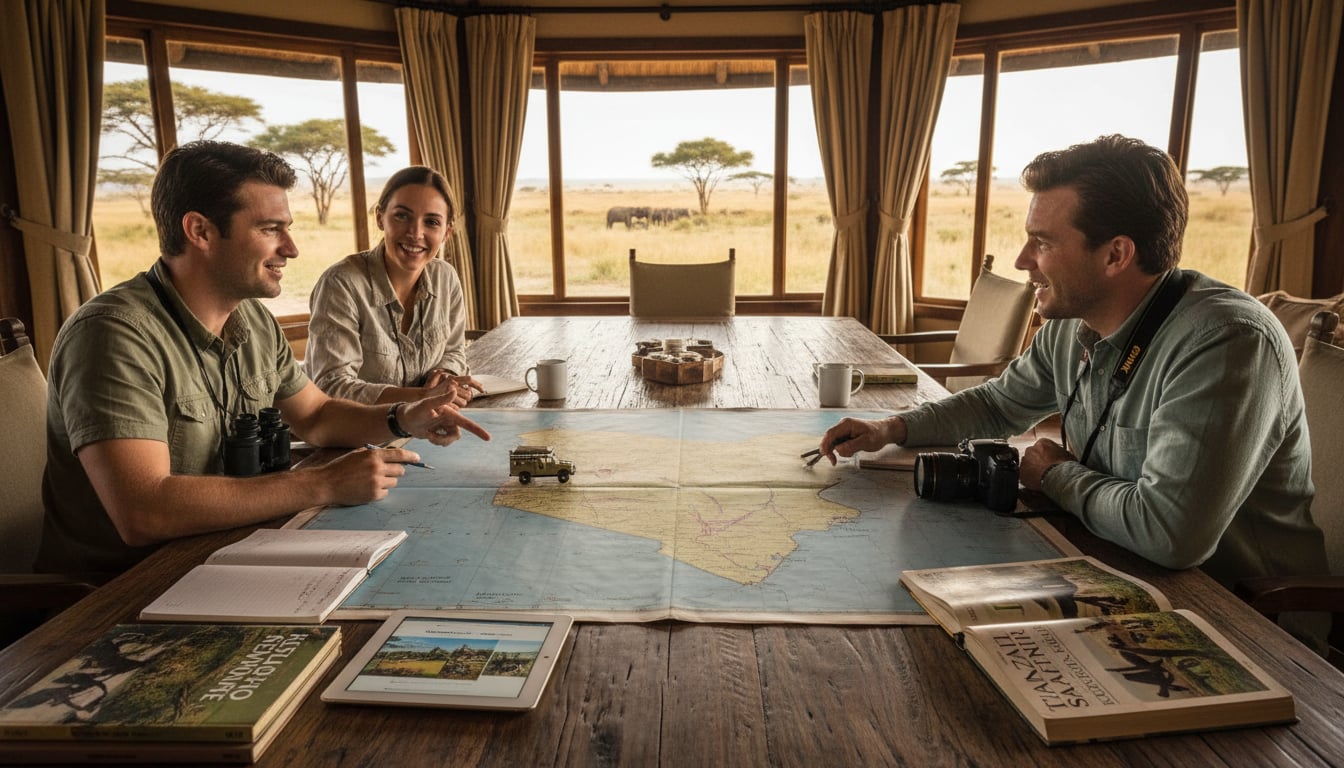
Deciding between a Kenya safari vs Tanzania for your dream African adventure is one of the toughest, yet most exciting, choices a traveler can make. Both East African neighbors offer breathtaking landscapes, incredible wildlife, and the theater of the Great Migration. They are, without a doubt, two of the world’s premier safari destinations.
But while they share a border and an ecosystem, they offer distinctly different experiences. Kenya is the historic home of safari, known for its accessibility and concentrated wildlife. Tanzania is a land of epic scale, boasting vast, untamed wilderness and staggering numbers of animals. So, which one is right for you?
Generally, Kenya provides more accessible and budget friendly safaris, making it ideal for shorter trips or first time visitors. Tanzania offers larger wilderness areas, a more exclusive feel, and the highest concentration of wildlife in Africa. This guide breaks down the Kenya safari vs Tanzania decision across every angle that matters, from costs and wildlife to photography, food, cultural encounters, primate experiences, and much more.
Planning your trip already? Explore custom safari itineraries to see what a tailored East Africa experience looks like.
Kenya vs Tanzania Safari: The 2026 Verdict
The main difference between a Kenya and Tanzania safari is scale versus accessibility. Kenya is generally more budget friendly and better for short trips (4 to 6 days) due to higher wildlife density and superior flight connectivity via Nairobi. Tanzania offers a more exclusive, vast wilderness experience across larger parks like the Serengeti, making it ideal for longer expeditions (7 to 10+ days) and those seeking the Ngorongoro Crater. For 2026, Kenya’s entry fees average $100 to $200 per day, while Tanzania ranges from $110 to $160 plus vehicle fees.
The Quick Verdict: Kenya Safari vs Tanzania
If you’re short on time, here’s the quick take. Both Kenya and Tanzania are phenomenal choices. Kenya often provides more accessible and budget friendly safaris, making it ideal for shorter trips or first time visitors. Tanzania offers larger wilderness areas, a more exclusive feel, and the highest concentration of wildlife in Africa. Both host the Big Five and the Great Migration, so you’re guaranteed a world class experience either way.
Kenya vs Tanzania at a Glance
| Feature | Kenya | Tanzania |
|---|---|---|
| Overall Vibe | Vibrant, accessible, social | Vast, wild, exclusive |
| Wildlife | High density in compact parks | Unmatched numbers, huge herds |
| Big Five Reliability | Excellent, especially rhino | Excellent, especially lion and elephant |
| Predator Density | Among the highest in Africa (Mara) | High across broader territory |
| Great Migration | July to October (river crossings) | All other months (calving season) |
| Cost | More affordable, great for budgets | Higher end, more exclusive |
| Crowds | Can be busy in popular parks | Fewer tourists, more solitude |
| Drive Times | Short (2 to 5 hours between parks) | Long (5 to 10 hours without flights) |
| Cultural Encounters | Maasai, Samburu communities | Maasai, Hadzabe, Datoga communities |
| Primate Experience | Colobus monkeys, baboons | Wild chimpanzees (Mahale, Gombe) |
| Logistics | Easier, shorter travel times | Longer distances, requires more planning |
| Accommodation | Wide range at every price point | Tends toward exclusive luxury camps |
| Walking Safaris | Available in private conservancies | Offered in more parks, including Serengeti |
| Hot Air Balloons | Maasai Mara flights available | Serengeti flights, larger launch area |
| Best For | First timers, shorter trips, budgets | Photographers, repeat visitors, adventurers |
2026 Entry Requirements and Logistics Comparison
Navigating East African borders has changed with new digital systems. Here is what you need to know for 2026 planning:
| Feature | Kenya (2026) | Tanzania (2026) |
|---|---|---|
| Entry Document | Electronic Travel Authorization (eTA) | e Visa or Visa on Arrival |
| Visa/Processing Fee | ~$33 USD | ~$50 USD ($100 for US Citizens) |
| Main Arrival Hub | Nairobi (NBO) | Kilimanjaro (JRO) or Dar es Salaam (DAR) |
| Best Transport | Shared 4×4 or Domestic Flights | Private 4×4 or Bush Planes |
| Sustainability | Strict Single use Plastic Ban | Focus on Low Impact/High Value |
For a detailed breakdown of Tanzania visa requirements, including processing times and application tips, there’s a dedicated guide worth reading before you book flights.
An Overview of Kenya as a Safari Destination
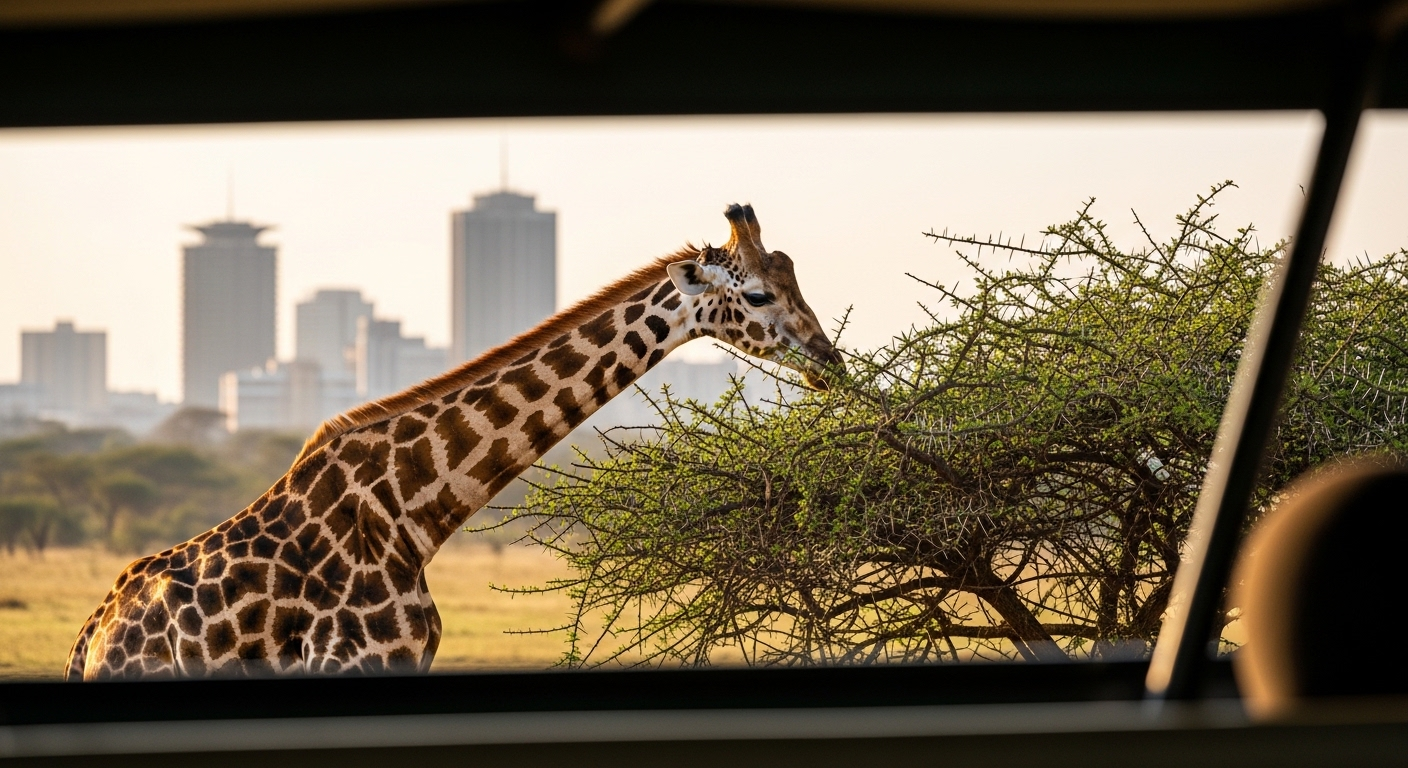
Kenya is often called the birthplace of the safari, and for good reason. The word safari itself is Swahili for “journey.” Its capital, Nairobi, is a major international air hub, making it incredibly easy to get to. You can land at Jomo Kenyatta International Airport (NBO) and, within hours, be on a game drive in Nairobi National Park with giraffes and rhinos roaming against a city skyline backdrop.
Kenya’s main draw is the legendary Maasai Mara National Reserve. Though relatively small at 1,510 square kilometers, it packs in an astonishing density of wildlife. It forms the northern part of the vast Serengeti Mara ecosystem and is world renowned for its large populations of lions, leopards, and cheetahs.
Beyond the Mara, Kenya offers a stunning variety of landscapes. You can see massive elephant herds with the snow capped peak of Mount Kilimanjaro as a backdrop in Amboseli National Park. You can explore the semi arid landscapes of Samburu, home to the “Samburu Special Five,” a collection of unique animals like the Grevy’s zebra and the long necked gerenuk. The Great Rift Valley offers flamingo filled lakes like Nakuru, which is also a key sanctuary for rhinos. For a closer look at what makes the Mara so special, the Maasai Mara safari guide covers timing, costs, and what to expect on the ground.
With a well developed tourism infrastructure, Kenya offers a wide range of lodges and camps for every budget. Its compact size and good network of domestic flights make it easy to combine different parks in a shorter amount of time, delivering maximum wildlife sightings with minimal travel.
An Overview of Tanzania as a Safari Destination
Tanzania is a land of superlatives. It’s a much larger country than Kenya and has dedicated an incredible 38% of its land to conservation, the highest of any African nation. This commitment has resulted in some of the largest and wildest parks on the continent, teeming with an estimated 4 million wild animals.
The crown jewel of Tanzania is the Serengeti National Park. At nearly 15,000 square kilometers, it is roughly ten times the size of the Maasai Mara, and its name rightfully means “endless plains.” The Serengeti hosts the Great Migration for 10 months of the year, including the spectacular calving season. For everything you need to plan a Serengeti trip, the Serengeti safari guide is a good starting point.
Tanzania is also home to several other iconic natural wonders. The most famous is the Ngorongoro Crater, a massive volcanic caldera that is a self contained ecosystem for some 25,000 large animals, including the rare black rhino. It is also where you will find Africa’s highest peak, Mount Kilimanjaro. For those seeking a truly off the beaten path experience, Tanzania’s southern and western parks, like the vast Nyerere National Park (formerly Selous) and the remote Katavi, offer raw wilderness with very few visitors. And uniquely, Tanzania is one of the few places in the world where you can track wild chimpanzees in the forests of Mahale Mountains National Park.
Safaris in Tanzania often feel more like expeditions. The distances are greater, requiring more driving or internal flights, but the reward is a profound sense of solitude and immersion in a truly immense wilderness.
The Pros and Cons: A Head to Head Comparison
Every destination has its strengths and weaknesses. Here’s a look at the advantages and potential drawbacks when considering a Kenya safari vs Tanzania.
Why Choose a Kenya Safari? (Pros)
- Accessibility: With more direct international flights into Nairobi and shorter drives to major parks, Kenya is simply easier and quicker to get to and around.
- Affordability: Generally, safaris in Kenya are more budget friendly. There are more options for group tours, which helps keep costs down, and a wider range of accommodation at different price points.
- High Wildlife Density: Parks like the Maasai Mara and Amboseli are packed with animals, meaning you can often see a huge amount of wildlife in a short period. Fantastic if you have limited time.
- Diverse Activities: Kenya’s private conservancies, which border the main parks, offer activities not allowed in the national reserves, such as night game drives, guided bush walks, and off road driving for more intimate encounters.
What are the Drawbacks of a Kenya Safari? (Cons)
- Crowds: The flip side of accessibility is that popular parks, especially the Maasai Mara during the migration, can get crowded with safari vehicles.
- Smaller Parks: While the wildlife is dense, the parks are smaller than in Tanzania. You may not get the same feeling of endless, untouched wilderness.
- Shorter Migration Window: Kenya hosts the Great Migration for a shorter period, primarily from July to October. The rest of the year, the massive herds are in Tanzania.
Why Choose a Tanzania Safari? (Pros)
- Epic Scale and Solitude: Tanzania’s national parks are enormous, giving you a true sense of vast, untamed Africa. This size also means fewer tourists and a more exclusive, intimate experience with nature.
- Unmatched Wildlife Numbers: With the largest population of mammals in Africa, the sheer volume of wildlife in Tanzania is mind boggling.
- Iconic Landmarks: Tanzania is home to world famous sites you can’t see anywhere else, including the Ngorongoro Crater, Mount Kilimanjaro, and Olduvai Gorge.
- Year Round Migration: Tanzania hosts the Great Migration for the majority of its cycle, including the incredible calving season from January to March, an event unique to the southern Serengeti.
What are the Drawbacks of a Tanzania Safari? (Cons)
- Higher Cost: Safaris in Tanzania are typically more expensive due to higher park fees, the need for domestic flights to cover large distances, and a focus on a “high value, low volume” tourism model.
- Longer Travel Times: The country’s vast size means more time spent traveling between parks, whether by bumpy roads or on internal flights.
- More Complex Logistics: Getting to Tanzania often requires connecting flights, and planning a multi park itinerary can be more logistically demanding.
Digging into the Details: Key Safari Differences
Let’s go deeper into some of the most important factors that distinguish a Kenya safari vs Tanzania.
Big Five Sighting Reliability
This is the question nearly every first time safari goer asks: “Will I actually see the Big Five?” The answer in both countries is almost certainly yes, but the reliability varies by species and location.
Kenya is the stronger choice if seeing all five (lion, leopard, elephant, buffalo, rhino) in a single trip is a top priority. The Maasai Mara delivers reliable lion, leopard, elephant, and buffalo sightings on virtually any multi day visit. Where Kenya really pulls ahead is rhino. Thanks to dedicated sanctuaries like Ol Pejeta Conservancy (the largest black rhino sanctuary in East Africa) and Lake Nakuru National Park, seeing both black and white rhinos is far more predictable than in Tanzania. Practitioners on Reddit report that Ol Pejeta alone can offer near guaranteed rhino sightings within a half day game drive, making it a common add on for travelers who want to check off all five.
Tanzania matches or exceeds Kenya for four of the Big Five. The Serengeti has enormous lion populations (an estimated 3,000+), leopards are common along the Seronera River, and elephant and buffalo are everywhere during the dry season. Rhino is the weak link. The Ngorongoro Crater offers the best rhino viewing in Tanzania, but sightings are at a distance (the crater floor is 260 square kilometers and the rhino population is small). Serengeti rhino sightings happen but are uncommon and unpredictable. The Ngorongoro Crater planning guide covers what to expect on the crater floor, including realistic rhino odds.
The bottom line: for all five species in a single trip, Kenya edges ahead because of rhino reliability. For the other four, Tanzania’s numbers are hard to beat.
Predator Density Comparison
For many travelers, predators are the main event. Lions stalking prey, cheetahs sprinting across open plains, leopards draped over acacia branches. Both countries are world class predator destinations, but the experience differs.
Kenya’s Maasai Mara has one of the highest predator densities of any ecosystem on Earth. The reserve and its surrounding conservancies support roughly 850 to 900 lions according to recent census data from the Mara Predator Conservation Programme. Cheetah density in the Mara is also among the best anywhere, with open grasslands giving these cats the space they need to hunt. Leopards are reliably spotted along the Talek and Mara rivers. The compact size of the Mara means that predator sightings are frequent and often multiple species are seen in a single morning drive. Guides in the Mara know individual lions and leopards by name, which makes locating them faster.
Tanzania’s Serengeti has a larger total predator population spread across a much bigger area. The Serengeti ecosystem supports an estimated 3,000 lions, making it one of the largest lion populations in Africa. The central Serengeti around Seronera is famous for leopard sightings, and the southern plains during calving season (January to March) attract extraordinary predator action as cheetahs, lions, and hyenas feast on vulnerable newborn wildebeest. However, because the park is so vast, predator sighting density per game drive is lower than in the Mara. You might drive longer between encounters, but when you find them, you’re often completely alone.
One detail that frequently surfaces in safari forums: the Mara gives you volume of predator sightings per day, while the Serengeti gives you quality of sighting (fewer vehicles, better solitude). Photographers who have worked in both often say they’d pick the Mara for reliable big cat portfolio building and the Serengeti for unique, uncrowded moments.
Primate Experience: Kenya vs Tanzania
If primates are a priority, Tanzania wins this category decisively.
Tanzania is one of only a handful of countries where you can track wild chimpanzees. Mahale Mountains National Park, on the shores of Lake Tanganyika, is home to roughly 800 chimpanzees, with a habituated group that researchers have followed since the 1960s. Trekking through Mahale’s forests to sit with chimps as they groom, play, and forage is an experience on par with gorilla trekking. Gombe Stream National Park, made famous by Jane Goodall’s pioneering research, offers a more intimate setting with a smaller habituated community. Both parks are remote (fly in access only), which keeps visitor numbers very low.
Beyond chimpanzees, Tanzania’s forests shelter black and white colobus monkeys, red colobus monkeys (including the rare Zanzibar red colobus, endemic to Unguja Island), blue monkeys, and vervet monkeys. The Jozani Forest in Zanzibar is the easiest place to see the Zanzibar red colobus, a species found nowhere else on Earth.
Kenya offers primate encounters on a smaller scale. Black and white colobus monkeys are common in highland forests, and olive baboons are a fixture in most parks. The Kakamega Forest in western Kenya is a fragment of ancient rainforest that supports De Brazza’s monkeys and blue monkeys. But Kenya has no wild great ape populations and nothing comparable to Tanzania’s chimpanzee trekking.
For travelers who want to combine a safari with great ape encounters, Tanzania’s chimps can be paired with a Serengeti itinerary, or with gorilla trekking in Uganda or Rwanda as part of a broader East Africa trip.
Drive Time Between Parks
This is the practical detail that shapes your daily experience more than almost anything else. Long transfers eat into game viewing time and can be exhausting, especially for families or older travelers.
Kenya’s northern circuit is compact. The Maasai Mara is roughly 5 to 6 hours by road from Nairobi, or 45 minutes by bush plane. Amboseli is about 4 hours south of Nairobi. Lake Nakuru sits only 2 to 3 hours northwest of Nairobi. A common Kenya itinerary (Nairobi to Amboseli to Nakuru to Mara) involves manageable 3 to 5 hour drives between parks, and every leg passes through different scenery. Samburu is further north (about 5 to 6 hours from Nairobi), but even that is doable in a day with stops.
Tanzania’s distances are a different story. Arusha to the Serengeti is 8 to 10 hours by road, much of it on unpaved surfaces. Arusha to Ngorongoro is about 3 to 4 hours, so many itineraries use Ngorongoro as a stepping stone to the Serengeti. The drive from Ngorongoro to the central Serengeti takes another 4 to 5 hours. Tarangire is the closest major park to Arusha at roughly 2 hours. Tanzania’s southern circuit parks (Nyerere, Ruaha) are essentially fly in only from the northern circuit, requiring internal flights that add both cost and travel time.
Practitioners on Reddit consistently flag Tanzania’s drive times as the biggest surprise of their trip. Several note that a seven day Tanzania safari can lose two full days to road transfers unless internal flights are factored into the budget. For families with young children, Kenya’s shorter drives are a meaningful advantage. The family safari itinerary guide addresses how to pace a Tanzania trip so that long drives don’t overwhelm the experience.
Cultural Experiences: Maasai, Samburu, Hadzabe, and Datoga
Safari isn’t only about animals. Meeting the communities who have lived alongside wildlife for centuries adds a dimension that game drives alone can’t provide. Both countries offer cultural encounters, but the depth and variety differ.
Kenya is synonymous with the Maasai, and cultural visits to Maasai villages are woven into many Mara itineraries. These typically involve a welcome dance, a tour of the boma (homestead), and explanations of Maasai customs, from cattle herding to bead work to the role of warriors (morans). In the conservancies, the connection runs deeper because the land itself is leased from Maasai landowners, and conservancy fees fund schools, clinics, and water projects. Northern Kenya introduces the Samburu people, closely related to the Maasai but with distinct traditions, dress, and social structures. Samburu cultural visits tend to feel less commercial and more community oriented, partly because fewer tourists pass through. The cultural safaris guide covers how to approach these visits respectfully.
Tanzania offers the Maasai experience too (the Ngorongoro Conservation Area is one of the few places where Maasai still live alongside wildlife inside a protected area), but it goes further with two encounters you cannot get in Kenya. The Hadzabe (or Hadza) are one of the last true hunter gatherer communities in Africa, numbering roughly 1,000 to 1,300 people living around Lake Eyasi. Visiting the Hadzabe at dawn to join a hunting foray with bows and arrows, and then watching them make fire and prepare food, is a profoundly humbling experience that connects you to a way of life tens of thousands of years old. The Datoga people, blacksmiths and pastoralists who also live near Lake Eyasi, offer a contrasting visit focused on metalwork and bead craft.
One important note: the ethics of cultural tourism matter. The best operators work directly with community leaders, ensure payments go to the community rather than intermediaries, and frame the visit as a genuine exchange rather than a performance. Practitioners on YouTube walkthroughs of Lake Eyasi visits emphasize choosing guides who have long standing relationships with specific Hadzabe clans, as this produces a more authentic and mutually respectful experience.
For travelers who want cultural depth as a central part of their trip rather than an add on, Tanzania’s combination of Maasai, Hadzabe, and Datoga encounters is unmatched in East Africa.
Cost Comparison: What’s the Price Difference?
When it comes to the cost of a Kenya safari vs Tanzania, Kenya is generally the more affordable option. For a full breakdown of safari costs in Tanzania, including park fees and vehicle charges, there’s a detailed guide that walks through every line item. Several factors drive the difference:
- Park Fees: While Kenya increased its park fees in 2024, they often remain slightly lower than Tanzania’s. Tanzania’s fees for premier parks like the Serengeti and the additional fees for the Ngorongoro Crater can add up significantly.
- Transportation: In Kenya, you can create a fantastic itinerary primarily by driving, which saves on the cost of internal flights. In Tanzania, the vast distances often make flying between parks a necessity, adding a considerable expense to your budget.
- Tour Styles: Kenya has a well established market for shared group safaris, allowing solo travelers and couples to join others to split the cost of a vehicle and guide. Safaris in Tanzania are predominantly private, which offers great flexibility but comes at a higher per person cost.
For budget and mid range travelers, your money will likely go further in Kenya. At the luxury level, the costs become more comparable, as both countries offer world class high end lodges and experiences.
Which Country is More Budget Friendly?
Kenya remains the leader for mid range and budget travelers. While Tanzania’s park fees can appear lower on paper, the mandatory vehicle fees (especially the $295+ crater descent fee) and the need for internal flights to cover the vast Serengeti usually make a Tanzania safari 15% to 30% more expensive than a similar itinerary in Kenya.
Practitioners on Reddit report that budget differences become especially noticeable on trips under seven days. One traveler noted that a five day Mara focused Kenya safari cost roughly half of what a comparable Serengeti and Ngorongoro itinerary ran in Tanzania, largely because of internal flights and higher concession fees on the Tanzanian side.
Accommodation and Lodge Comparison
Where you sleep shapes the safari experience almost as much as the wildlife. The two countries take noticeably different approaches.
Kenya has the widest spread of accommodation options in East Africa. In and around the Maasai Mara, you’ll find everything from budget tented camps at $80 per night to ultra luxury properties like Angama Mara or &Beyond Bateleur Camp that charge $1,500+ per person per night. The private conservancies bordering the Mara (Olare Motorogi, Naboisho, Mara North) tend to cap vehicle numbers and offer exclusive traverse rights, which means a mid range conservancy camp can feel more secluded than a top dollar lodge inside the reserve itself. Self catering bandas are available in some national parks too, making Kenya workable for true shoestring travelers.
Tanzania skews higher end. The Serengeti’s most popular camps, like &Beyond’s mobile tented camps or Singita’s properties, are positioned as luxury or ultra luxury. Budget options exist, particularly around Karatu (the gateway town to Ngorongoro) and in the form of public campsites inside national parks, but there are fewer of them compared to Kenya. Tanzania’s southern circuit parks (Nyerere, Ruaha) are almost exclusively served by fly in luxury lodges, which is part of what keeps those areas so uncrowded. For travelers who want a curated lodge experience, the romantic safari lodges guide covers some of Tanzania’s most celebrated properties.
The bottom line: Kenya gives you more choice at every price tier. Tanzania delivers a more consistently polished, exclusive product, but you’ll pay for it.
Private Conservancy vs National Park
This is a distinction that matters more than most first time safari goers realize, and it plays out differently in each country.
Kenya’s private conservancies are the secret weapon of a Mara safari. These community owned areas border the national reserve and operate under agreements that limit the number of vehicles and beds. The result is genuinely uncrowded game viewing, plus activities that are banned inside the national reserve: night drives, off road driving to approach animals more closely, and guided walking safaris. Conservancy fees (typically $80 to $120 per person per night) go directly to Maasai landowners, creating a conservation model that ties wildlife survival to community income. Travelers on safari forums consistently name conservancies like Naboisho and Olare Motorogi as the highlights of their Kenya trips, specifically because of the lack of vehicle congestion around big cat sightings.
Tanzania’s national parks are government managed and follow stricter rules. Off road driving is prohibited in most parks, night drives are not available in the Serengeti or Ngorongoro, and walking is only permitted in designated areas with an armed ranger. However, Tanzania compensates with sheer scale. The Serengeti’s 15,000 square kilometers means that even during peak season, it’s possible to drive for an hour without seeing another vehicle if you’re in the right sector. Some concession areas within Tanzanian parks (like the Grumeti and Ikorongo reserves in the western Serengeti) function similarly to Kenya’s conservancies, offering exclusive access and flexible driving, but at a significantly higher price point.
The practical takeaway: if you want flexible, intimate game viewing without paying ultra luxury rates, Kenya’s conservancy model is hard to beat. If you want wilderness scale and don’t mind stricter vehicle rules, Tanzania’s national parks deliver.
Photographic Safari Comparison
For wildlife photographers, the Kenya safari vs Tanzania question often comes down to light, subject access, and vehicle positioning.
Kenya is widely regarded as the easier country for photography. The Maasai Mara’s relatively flat terrain and open grasslands mean excellent sight lines and clean backgrounds. Big cats are habituated to vehicles and often hunt in full view. Crucially, the private conservancies allow off road driving, so your guide can position the vehicle for better angles and avoid shooting through grass. Practitioners on photography forums frequently praise the Mara’s consistent golden hour light from June through October.
Tanzania rewards patient photographers with more dramatic compositions. The Serengeti’s kopjes (rocky outcrops) create striking foreground elements, and the calving season in the Ndutu area offers once in a lifetime frames of newborn wildebeest with predators circling nearby. The Ngorongoro Crater’s sunken geography produces moody, atmospheric light that can be spectacular for landscape oriented wildlife shots. The downside: Tanzania’s on road rules in national parks limit positioning options, and longer grass in some areas can obstruct low angle shots.
For dedicated photography trips, many professionals recommend bringing a 100 to 400mm zoom as the primary lens, with a wider option for landscapes and crater rim shots. The safari photography tips guide covers gear recommendations and camera settings for East African light conditions.
Hot Air Balloon Safaris
A sunrise balloon flight over the savannah is one of Africa’s bucket list experiences, and both countries offer it.
In Kenya, balloon safaris launch from the Maasai Mara and typically cost $450 to $500 per person. Flights last about an hour and drift over the Mara’s plains, with champagne breakfast on landing. During migration season (July to October), you may float directly above massive herds. Bookings fill fast in peak months.
In Tanzania, Serengeti balloon safaris are the main draw, with prices ranging from $500 to $600 per person. The Serengeti’s vast open plains provide a wider field of view and, arguably, a more dramatic sense of scale from the basket. Multiple launch sites across the park mean you can time your flight to wherever the migration herds are concentrated. Balloon flights also operate over Tarangire during the dry season. One traveler shared in a YouTube walkthrough that the Serengeti balloon experience felt “like being suspended over the opening credits of a nature documentary” because of the uninterrupted horizon in every direction.
Both options include a bush breakfast after landing. Book at least a few weeks in advance, as balloon flights have limited capacity and sell out during peak season.
Birdwatching: Kenya vs Tanzania
East Africa is one of the world’s great birding regions, and both countries deliver outstanding variety.
Kenya has recorded over 1,100 bird species. Lake Nakuru and Lake Naivasha in the Rift Valley are legendary birding spots, with flamingos, African fish eagles, and a dense concentration of waterbirds. The Arabuko Sokoke Forest on the coast shelters rare species like Clarke’s weaver and the Sokoke scops owl. Kenya’s advantage for birders is accessibility: multiple habitats packed into a compact area, so you can cover forests, lakes, savannahs, and coastal zones in a single trip.
Tanzania boasts over 1,100 species as well, with some counts pushing past 1,150 depending on the source. The Serengeti and Ngorongoro are excellent for raptors and open grassland species (secretary birds, kori bustards, lilac breasted rollers). But the real birding treasures are in Tanzania’s lesser visited areas. The Usambara Mountains harbor several endemic species, and the miombo woodlands of Ruaha attract specialists. Lake Manyara is famous for tree climbing lions, but birders know it for massive flocks of flamingos and over 400 recorded species in a small area. The birdwatching Tanzania guide breaks down the best parks and seasons for serious birders.
For migratory species from the northern hemisphere, November to April is the prime window in both countries. Year round residents are best seen during the dry months when vegetation is thinner and birds are more visible.
Walking Safaris
Getting out of the vehicle and walking through the bush with an armed ranger and a qualified guide is a fundamentally different way to experience Africa. It slows everything down, heightens your senses, and reveals the smaller details (tracks, dung beetles, medicinal plants) that you’d miss from a Land Cruiser.
Kenya offers walking safaris primarily through its private conservancies around the Maasai Mara, Laikipia Plateau, and Samburu. These walks are often short (one to three hours) and focused on tracking or interpreting the bush rather than covering long distances. Some conservancies offer multi day walking safaris with mobile camps, which is an increasingly popular format for repeat visitors who’ve already done the classic vehicle based game drives.
Tanzania has expanded its walking safari offerings in recent years. The Serengeti now permits guided walks in certain areas, and parks like Arusha National Park, Ngorongoro Conservation Area (on the crater rim and highlands), and Nyerere National Park have longer walking options. The southern circuit parks are especially strong for walking, with multi day fly camping trips through Ruaha and Nyerere that put you deep into wilderness areas that vehicles don’t reach.
Both countries require that walking safaris be led by certified, armed guides. The experience is less about ticking off Big Five sightings and more about understanding the ecosystem at eye level.
Fly In Safari Logistics
Bush planes are a practical necessity in Tanzania and a luxury upgrade in Kenya. Understanding the logistics helps set expectations.
In Tanzania, fly in safaris are the standard for anyone visiting the Serengeti and wanting to avoid the 8 to 10 hour drive from Arusha. Regional airlines like Coastal Aviation and Auric Air operate small Cessna Caravan aircraft that land on unpaved airstrips inside the parks. Flights from Arusha to the Serengeti run about $250 to $400 each way per person. Baggage is limited to 15 kg in a soft sided bag, which catches first time travelers off guard. Practitioners on Reddit consistently flag the luggage restriction as the most important logistical detail to plan for. The flight itself, swooping low over the Great Rift Valley and the Ngorongoro highlands, is genuinely spectacular.
In Kenya, domestic flights connect Nairobi’s Wilson Airport to the Mara in about 45 minutes, with several daily departures. Prices run $150 to $300 each way. Flying is convenient but less essential than in Tanzania, since the Mara is reachable by road in about five hours from Nairobi. For northern Kenya destinations like Samburu and Laikipia, flying saves substantial time and is worth the cost.
In both countries, flight schedules can shift due to weather, and weight limits are strict. Pack light, use soft bags, and leave hard shell suitcases at your Nairobi or Arusha hotel.
Hiking and Trekking
Both countries offer remarkable hiking opportunities beyond the safari vehicle, but Tanzania holds the trump card.
Tanzania is home to Mount Kilimanjaro, Africa’s highest peak at 5,895 meters. Climbing Kilimanjaro is a standalone adventure that many travelers combine with a safari, creating a two week trip that covers both. The mountain offers multiple routes ranging from five to nine days, each with different scenery and difficulty levels. The Lemosho and Northern Circuit routes are widely considered the best for acclimatization and success rates. Beyond Kilimanjaro, Tanzania offers the Crater Highlands trek (walking between Maasai villages across the Great Rift escarpment), Mount Meru (a challenging 4,566 meter peak near Arusha), and hikes through the Usambara and Udzungwa Mountains.
Kenya has Mount Kenya (5,199 meters), Africa’s second highest peak, which offers technical climbing routes as well as trekking routes accessible to fit hikers. The Chogoria route is considered one of the most scenic mountain treks in East Africa. The Loita Hills and Matthews Range in northern Kenya provide walking safari and trekking combinations, though these are less well known.
For travelers who want to pair a summit attempt with safari game drives, the Tanzania combination is the classic choice. A typical structure is five to eight days on Kilimanjaro followed by four to six days on safari.
Honeymoon Suitability
East Africa is a top honeymoon destination, and the Kenya safari vs Tanzania question takes on a different character when romance is the priority.
Tanzania is the stronger pick for most honeymooners. The combination of a Serengeti safari, a night or two at a crater rim lodge overlooking the Ngorongoro, and a beach finale on Zanzibar creates one of the world’s great honeymoon itineraries. Tanzania’s emphasis on private safaris means couples aren’t sharing vehicles with strangers, and the luxury lodge scene (think private plunge pools, candlelit bush dinners, star beds on elevated platforms) caters directly to the honeymoon market. The Tanzania vs Kenya honeymoon comparison breaks this down in more detail.
Kenya works beautifully for honeymooners who want variety in a shorter timeframe. A Mara conservancy stay followed by a few days on the coast at Diani Beach or Lamu offers a compact, romantic itinerary that can be done in seven to eight days. Kenya’s private conservancies are particularly well suited for couples because of the low vehicle density, intimate camp sizes, and options like private sundowner setups overlooking the plains.
LGBTQ Traveler Considerations
This is a topic that deserves honest treatment. Both Kenya and Tanzania have laws on the books that criminalize same sex relationships. In practice, the safari tourism industry in both countries is welcoming and professional, and LGBTQ travelers visit regularly without incident. Guides, lodge staff, and tour operators are focused on providing a great experience regardless of who you are.
That said, public displays of affection between same sex couples are not advisable in either country, particularly in towns and cities. Within the context of a safari lodge or camp, staff are discreet and accommodating. When booking, working with an operator who understands these nuances and can recommend the right properties makes a real difference. Travelers on forums who identify as LGBTQ consistently advise choosing private safaris over group tours, selecting established lodges with international management, and being thoughtful about displays of affection in public settings outside the parks.
Food and Cuisine on Safari
Safari food has come a long way from the tin can stereotypes. Both countries now serve genuinely excellent meals, though the style differs.
Kenya’s culinary scene benefits from Nairobi’s cosmopolitan dining culture. Many safari lodges employ chefs trained in the city, and menus often reflect international influences alongside Kenyan staples. Expect dishes featuring nyama choma (grilled meat), ugali (maize porridge), sukuma wiki (collard greens), and fresh Indian Ocean seafood at coastal lodges. The Mara’s luxury camps regularly serve multi course dinners with wine pairings. Nairobi itself is a food city worth exploring for a night before or after safari.
Tanzania’s lodge cuisine tends toward a simpler but deeply flavorful approach, drawing on Swahili, Indian, and Arabic influences that define the country’s coastal cooking traditions. Pilau rice, coconut based curries, chapati, and freshly grilled fish are common. At higher end lodges, the food is outstanding. Zanzibar in particular is a food destination in its own right, with its spice farms, night market in Stone Town, and seafood that rivals anywhere in the Indian Ocean.
Both countries cater well to dietary restrictions. Vegetarian, vegan, gluten free, and halal options are standard at mid range and luxury lodges. Communicate your needs in advance, and kitchens will accommodate.
The Great Migration: 2026 Peak Dates
- Kenya (July to October): Best for the dramatic Mara River crossings.
- Tanzania (December to March): Best for the calving season in the Southern Serengeti.
- Tanzania (May to July): Best for the migration movement through the Western Corridor.
Wildlife Comparison: Who Has More Animals?
This is a heavyweight title fight, and both contenders are champions. Tanzania wins on sheer numbers, with an estimated 4 million wild animals. The scale of its wildlife populations, from the two million strong Great Migration to its massive elephant herds in Tarangire, is unparalleled.
However, Kenya excels in wildlife density. In the Maasai Mara, it’s not uncommon to see multiple lion prides, cheetahs, and hyena clans in a single day. For certain species, Kenya has a clear advantage. It is the best place to see rhinos, thanks to successful conservation in sanctuaries like Ol Pejeta and Lake Nakuru National Park. Northern Kenya is also the only place to find the unique “Samburu Special Five.”
Tanzania has its own unique wildlife draws, most notably the ability to track wild chimpanzees in Mahale Mountains and Gombe Stream national parks. Ultimately, you will see a spectacular amount of wildlife in either country. Tanzania offers scale and volume, while Kenya offers incredible density and easy viewing.
The Great Migration: A Month by Month Timeline
The Great Migration is a continuous, year long circular journey. The best place to see it depends entirely on the time of year.
- January to March (Tanzania): The herds are in the southern Serengeti, especially the Ndutu area, for the calving season. This is a phenomenal time for predator action as hundreds of thousands of wildebeest are born.
- April to June (Tanzania): The herds begin their long trek north and west through the Serengeti’s Western Corridor, facing their first major obstacle at the Grumeti River.
- July to October (Kenya and Tanzania): This is the most famous phase. The herds arrive in the northern Serengeti and cross the treacherous, crocodile infested Mara River into Kenya’s Maasai Mara. This is peak season for dramatic river crossings.
- November to December (Tanzania): Following the short rains, the herds leave the Mara and head back south through the Serengeti to return to the nutrient rich plains of the south, completing the cycle.
Park Size and Scenery: Vast Wilderness vs Compact Variety
The difference in scale is one of the most significant factors in the Kenya safari vs Tanzania debate. Tanzania’s parks are vast. The Serengeti alone is ten times the size of the Maasai Mara. This creates an incredible sense of endless wilderness, where you can drive for hours surrounded by nothing but nature.
Kenya’s parks are more compact, which has its own advantages. You can easily visit several parks with distinctly different landscapes in a single trip. In one week, you could experience the golden savannah of the Mara, the wetlands of Amboseli, and the flamingo covered shores of Lake Nakuru. This variety in a small area is one of Kenya’s greatest strengths.
Safari Style and Crowd Levels: Private Expeditions vs Social Adventures
Your experience on the ground can also differ. Tanzania favors private, customized safaris. You’ll likely have your own vehicle and guide, giving you complete flexibility. This, combined with the larger parks, leads to a more exclusive and secluded feel with fewer crowds. For a deeper comparison of private vs group options, the private vs group safari guide covers cost differences and trade offs.
Kenya offers a wider range of safari styles, including many scheduled group departures. This can be a fun, social way to see the country and is more accessible for solo travelers or those on a budget. However, the popularity of parks like the Maasai Mara means you should expect to share major sightings with other vehicles, especially in peak season.
Logistics and Accessibility: Getting There and Getting Around
When it comes to ease of travel, Kenya has the edge. Nairobi’s Jomo Kenyatta International Airport (NBO) is a major international hub with direct flights from many cities in Europe, the Middle East, and the US. Tanzania’s main safari airport, Kilimanjaro International (JRO), has fewer direct long haul flights, often requiring a connection.
Once you’re there, Kenya’s smaller size and more developed road network make getting between parks quicker and easier. A safari in Tanzania often involves longer drives on rougher roads or more expensive internal flights to cover the vast distances.
Planning Your Trip: Timing and Itineraries
So, you’ve weighed the pros and cons. Now let’s talk about turning your dream into a plan.
The Best Time to Visit for a Kenya or Tanzania Safari
The best time to visit either country is generally during the long dry season from June to October. During these months, the weather is pleasant, and wildlife is easier to spot as animals gather around rivers and waterholes. This period also coincides with the dramatic Mara River crossings of the Great Migration.
However, the “green season” also has its charms. January to March is a fantastic time for Tanzania, as it’s the calving season in the Serengeti. For birdwatchers, the months of November to April are ideal, as migratory birds from the northern hemisphere are present. The only time to generally avoid is during the heavy rains of April and May, when some lodges may close and roads can become impassable.
Ngorongoro Crater: A Tanzanian Must See
No discussion of Tanzania is complete without highlighting the Ngorongoro Crater. This UNESCO World Heritage site is the world’s largest intact and unfilled volcanic caldera. Descending 600 meters to the crater floor is like entering a lost world. The 260 square kilometer floor is home to around 25,000 large animals, including a dense population of lions, elephants, buffalo, and one of the best chances in East Africa to see the critically endangered black rhino.
Beach Extensions: Combining Safari with Sun and Sand
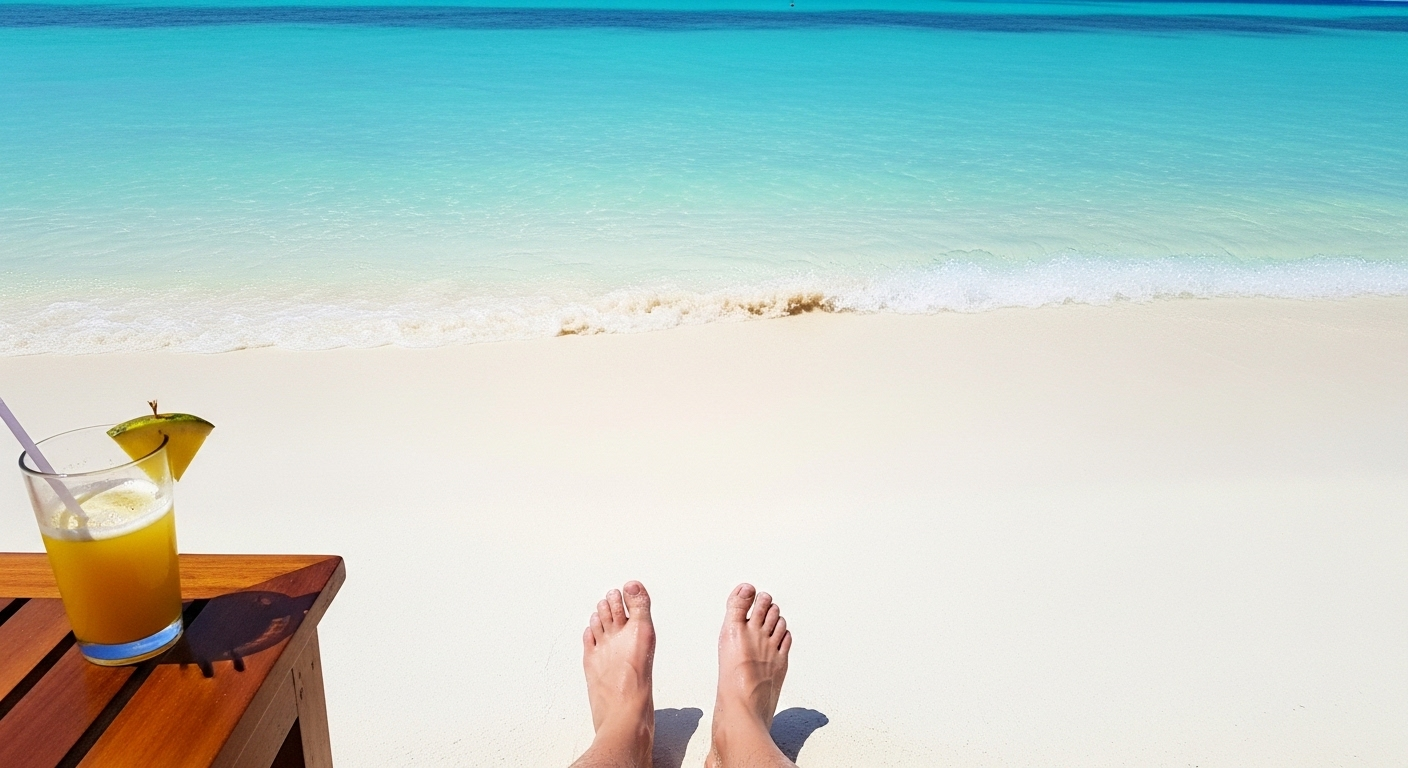
Both Kenya and Tanzania boast beautiful coastlines on the Indian Ocean, making a “bush and beach” holiday easy to arrange.
After a dusty safari, you can fly to Kenya’s coast to relax on the white sands of Diani Beach or explore the historic Swahili culture of Lamu Island. In Tanzania, a short flight can take you to the legendary “Spice Island” of Zanzibar, with its historic Stone Town, vibrant reefs, and idyllic beaches. While Zanzibar is part of Tanzania, it is easily accessible from Kenya as well, with regular flights from Nairobi. The choice often comes down to personal preference, as both offer a perfect tropical escape.
The Best of Both Worlds: A Combined Kenya and Tanzania Itinerary
Still can’t decide? The great news is you don’t have to. A combined Kenya and Tanzania safari itinerary offers the ultimate East African experience. You can follow the Great Migration from the Serengeti to the Mara, see the unique species of northern Kenya, and descend into the Ngorongoro Crater all in one trip.
While this requires a bit more time (ideally 10 days or more) and careful planning, it is entirely possible. Transfers between the two countries can be done by road via border crossings like Isebania (connecting the Mara and Serengeti) or Namanga, or by a series of short flights. Working with an experienced operator who specializes in cross border logistics is key. A company like Duma Explorer, which has deep expertise in both countries, can create a seamless itinerary that handles all the transfers, visa guidance, and vehicle changes for you.
How to Choose: Which Safari is Right for You?
The decision of a Kenya safari vs Tanzania comes down to your personal travel style, priorities, and budget. Ask yourself these questions:
- What is my budget? If you are on a tighter budget, Kenya offers more affordable options.
- How much time do I have? For trips under a week, Kenya’s compact parks allow you to see more with less travel time.
- What time of year can I travel? Your dates may decide for you. If you can only travel in February, Tanzania’s calving season is the star attraction. If you’re traveling in September, the Mara river crossings in Kenya are unmissable.
- Do I mind crowds? If you value solitude and an exclusive feel, Tanzania’s vast wilderness is likely your best bet.
- What is my must see wildlife? If rhinos are at the top of your list, head to Kenya. If you dream of tracking chimpanzees, it has to be Tanzania.
- Am I a photographer? If maximum creative control over vehicle positioning matters, Kenya’s conservancies win. If epic scale and dramatic compositions matter more, Tanzania has the edge.
- Is this a honeymoon? Tanzania’s Serengeti to Zanzibar combination is one of the world’s great honeymoon itineraries. Kenya’s conservancies offer a more intimate, compact romantic option.
- Do I want cultural encounters? If meeting the Hadzabe or Datoga is important, Tanzania is the only option. Both countries offer Maasai visits.
Ultimately, there is no wrong answer. Both countries deliver life changing experiences. For many travelers, the best solution is to let an expert help guide the decision.
Ready to start planning? Get a personalized recommendation from the travel experts at Duma Explorer.
Frequently Asked Questions about Kenya Safari vs Tanzania
1. Which is better for a first time safari, Kenya or Tanzania?
Kenya is often recommended for first timers due to its easier logistics, lower costs, and high wildlife density in accessible parks like the Maasai Mara. However, Tanzania’s northern circuit is also fantastic for a first safari, offering iconic sights like the Serengeti and Ngorongoro Crater.
2. Is Kenya or Tanzania safer for tourists?
Both countries are considered safe for safari tourism, with dedicated tourism police and safety protocols in parks and lodges. While Tanzania currently has a slightly higher overall safety rating for travelers, millions of tourists visit Kenya safely every year by taking standard precautions.
3. Can I see the Big Five in both Kenya and Tanzania?
Yes, both countries are home to the Big Five (lion, leopard, elephant, buffalo, and rhino). Sightings are common in the major parks of both nations. Your chances of seeing a rhino are significantly higher in Kenya’s dedicated sanctuaries.
4. What is the main difference in the Great Migration between Kenya and Tanzania?
The main difference is timing and events. Tanzania hosts the migration for about 9 months, including the calving season (January to March). Kenya hosts the herds for about 3 to 4 months (July to October), which is the best time to see the dramatic river crossings over the Mara River.
5. Is the scenery better in Kenya or Tanzania?
This is subjective. Tanzania is known for its vast, epic landscapes like the endless plains of the Serengeti and the stunning Ngorongoro Crater. Kenya offers a more compressed variety of scenery, from the classic savannah of the Mara to the dramatic views of Mount Kilimanjaro from Amboseli and the flamingo filled Rift Valley lakes.
6. Do I need different visas for Kenya and Tanzania?
Yes, if you are visiting both countries, you will need separate entry documents for each. Both can typically be obtained online in advance or upon arrival for many nationalities.
7. Which country is better for a family safari?
Both are excellent for families. Kenya might have a slight edge due to shorter travel times between parks, which can be easier on younger children. It also has a wide range of family friendly lodges. However, many operators specialize in crafting custom family safaris in Tanzania that are paced appropriately for all ages.
8. Can I self drive a safari in Kenya or Tanzania?
While technically possible, it is not recommended for first time visitors. Roads can be challenging, navigating parks requires expertise, and the experience is greatly enhanced by the knowledge of a local professional guide who knows the animal behaviors and best viewing spots.
9. Are hot air balloon safaris available in both countries?
Yes. Balloon flights operate over the Maasai Mara in Kenya and the Serengeti in Tanzania. Both cost roughly $450 to $600 per person, include a bush breakfast, and should be booked well in advance during peak season.
10. Can I do a walking safari in Kenya or Tanzania?
Yes. Kenya offers walks primarily in private conservancies, while Tanzania permits guided walks in several national parks and conservation areas. Both require armed ranger accompaniment and certified guides.
11. Which country has better predator sightings?
Kenya’s Maasai Mara has higher predator density per square kilometer, making sightings more frequent per game drive. Tanzania’s Serengeti has larger total predator populations and offers more solitary, uncrowded encounters. Both are world class for big cat viewing.
12. Can I see chimpanzees on safari?
Only in Tanzania. Mahale Mountains and Gombe Stream national parks offer guided chimpanzee trekking with habituated groups. Kenya has no wild great ape populations.
No matter which destination you choose for your East African adventure, you are in for the trip of a lifetime. Both Kenya and Tanzania offer a magic that will stay with you long after you return home. If you’re ready to start planning, explore custom safari itineraries with Duma Explorer to see what’s possible.
Leave a Reply