TLDR
Kenya is one of the world’s great safari destinations, but the planning vocabulary can be confusing. This glossary helps you explore Kenya with confidence by explaining the terms you will encounter while comparing itineraries and quotes, from “conservancy” to “park fees” to “fly in safari.” It also covers day by day itinerary structures, month by month travel timing, the Nairobi to Maasai Mara route question, self drive options, family safari logistics, wildlife photography priorities, cultural experiences, conservation tourism, Samburu’s unique wildlife, Laikipia conservancies, practical details like currency and power plugs, the Kenya to Tanzania border crossing, packing essentials, and mistakes that cost first timers money and time. Understanding these words and concepts turns vague excitement into clear booking decisions. Use this guide alongside any Kenya itinerary to decode what operators actually mean and ask the right questions before committing money.
2026 Kenya Safari Planning: Key Takeaways
Daily Entry Fees: Non resident adults pay $100 (Low Season: Jan to June) or $200 (Peak Season: July to Dec) for the Maasai Mara. KWS managed parks (Amboseli, Nakuru) range from $50 to $90.
Entry Logistics: All international travelers must apply for a Kenya eTA via the official portal at least 72 hours before departure.
Maasai Mara tickets are valid for 12 hours (6 AM to 6 PM) for guests staying outside the reserve, meaning a morning game drive on departure day requires a new ticket.
Best Time to Visit: Peak migration activity occurs from July to September, but the “Green Season” (April to May) offers the best value with 50% lower park fees.
Nairobi to Mara: The distance is roughly 260 km by road (5 to 6 hours in good conditions), but a bush flight takes about 45 minutes and saves a full game drive day.
What Does “Explore Kenya” Actually Mean?
When travelers talk about exploring Kenya, they usually mean a safari first trip anchored by the Maasai Mara, Amboseli, or both, then expanded with Rift Valley lakes, Nairobi, Mount Kenya, or the Indian Ocean coast. But Kenya is broader than safari. The country offers alpine trekking, Swahili Coast culture, freshwater lake adventures, community conservation projects, and logical connections to Tanzania, Uganda, Rwanda, and Zanzibar.
Holiday and leisure travel accounted for 44.2% of all international arrivals to Kenya in 2024, the largest single category. That same year, Kenya recorded roughly 2.4 million international visitors, a 15% increase from the year before, with the United States as the top source market contributing 306,501 arrivals. Demand is strong and growing. The question is not whether to explore Kenya but how to plan it well.
Planning gets easier once the vocabulary makes sense. This glossary covers the safari terms, destination names, cost structures, entry requirements, seasonal concepts, and common mistakes you will need to understand before booking. For travelers weighing Kenya against its neighbor, the Kenya vs Tanzania comparison is a useful companion read.
Considering a custom East Africa itinerary? Duma Explorer designs multi country trip combinations across Tanzania, Kenya, Uganda, and Rwanda with in house operations on the ground.
Explore Kenya at a Glance
Capital: Nairobi
Signature safari areas: Maasai Mara, Amboseli, Samburu, Tsavo East and West, Lake Nakuru, Ol Pejeta, Laikipia Plateau, Nairobi National Park
Adventure areas: Mount Kenya (Africa’s second highest peak at 5,199 m, a UNESCO World Heritage Site), Hell’s Gate, Lake Naivasha source
Beach and coast: Diani, Mombasa, Watamu, Lamu
Entry requirement: Electronic Travel Authorization (eTA) required before arrival unless exempt source
Health: Consult a travel clinic before departure. Malaria precautions are recommended for most safari areas below 2,500 m source
Best classic safari windows: Late June through September and December through February, with important caveats depending on region and wildlife goals
Climate pattern: December through March is fairly dry, late March through May is the main rainy season, and June through August sees little precipitation source
Currency: The Kenyan shilling (KES). Most safari lodges, park gates, and urban hotels accept major credit cards. ATMs are widely available in Nairobi, Mombasa, and larger towns but nonexistent in remote safari areas. Carry some US dollars in small denominations for tips and small purchases. Notes printed before 2006 are sometimes rejected.
Power: Kenya uses the British style Type G three pin plug (230V, 50Hz). Most safari camps provide charging stations, but availability can be limited to certain hours when generators run. A universal travel adapter and a power bank are both essential.
How to Use This Kenya Travel Glossary
Whether you plan to explore Kenya on a budget road safari, a self drive adventure, or a luxury fly in itinerary, use this glossary in three ways: to decode safari quotes, to compare destinations, and to ask better questions before booking.
When you receive a quote from any operator, check whether these items are explicitly addressed:
- Are park fees and conservancy fees included at the correct seasonal rate?
- Is the vehicle private or shared?
- Is the safari by road, air, or both?
- How many nights are actually spent in wildlife areas versus in transit?
- Which fees reflect high season versus low season rates?
- Does the route avoid unnecessary backtracking?
- Is the trip designed around migration probability or just generic dates?
Every glossary entry below includes a plain definition, an explanation of why it matters, and a planning tip. For a broader look at avoiding costly booking errors, the guide on safari booking mistakes covers the most common ones across East Africa.
Essential Kenya Safari Terms
Big Five
What it means: Lion, leopard, elephant, rhino, and buffalo.
Why it matters: Many first time travelers build their expectations around seeing all five, but a good safari should also value cheetahs, giraffes, wild dogs, birds, landscapes, and animal behavior. Do not choose a safari only by Big Five marketing claims. Choose by habitat diversity, guide quality, and time in the field.
Game Drive
What it means: A guided wildlife viewing drive, usually in early morning and late afternoon.
Why it matters: This is the core safari activity. Morning and late afternoon drives consistently outperform midday drives because wildlife is more active in cooler hours.
Private Vehicle
What it means: A safari vehicle reserved for your party alone.
Why it matters: Gives control over pace, photography stops, bathroom breaks, and wildlife priorities. Practitioners on Reddit report that private vehicles are most worth it when you have specific goals that might not match other guests, such as spending extra time with leopards instead of stopping at every lion sighting source.
For a deeper breakdown of the private vs shared question, including cost implications, see the private vs group safari guide.
Shared Vehicle
What it means: A safari vehicle shared with other lodge or camp guests.
Why it matters: Can reduce cost, but flexibility depends on the camp and the group dynamic. One common misconception is that shared drives are always limited to two hours. Reddit users pushed back on this, noting that some camps run longer morning and evening drives. Quality varies by lodge source.
4×4 Safari Vehicle
What it means: A four wheel drive vehicle, often a Land Cruiser type with a pop up roof for game viewing.
Why it matters: Road and track conditions in Kenya parks can be rough, muddy, or slow. A traveler who visited Amboseli and Maasai Mara warned on Reddit that minivans were getting stuck in mud and recommended confirming a 4×4 jeep rather than assuming “safari vehicle” means four wheel drive source.
Planning tip: Ask what vehicle type is guaranteed, not just whether transport is included. For a full breakdown of vehicle types across East Africa, the safari vehicles glossary covers everything from pop up roof configurations to seating arrangements.
Tented Camp
What it means: Safari accommodation using canvas style tents, often with real beds and en suite bathrooms.
Why it matters: “Tented” does not mean basic. Many tented camps in Kenya are luxury properties with hot showers, flush toilets, and dining under the stars. The spectrum ranges from simple camping to permanent luxury tented lodges that rival high end hotels.
Mobile Camp
What it means: A camp that moves seasonally or is set up temporarily to follow wildlife patterns.
Why it matters: Mobile camps can put you closer to migration routes or remote areas that permanent lodges cannot reach.
Fly in Safari
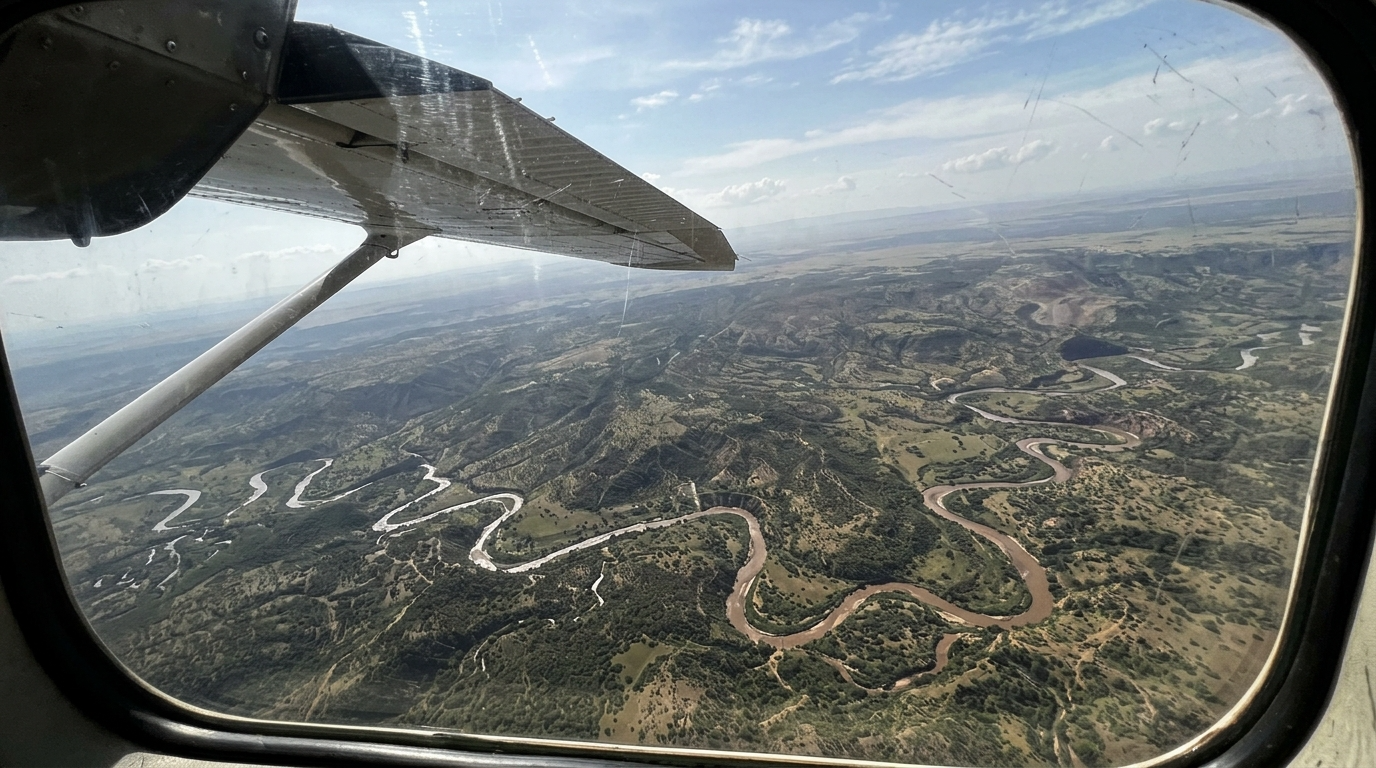
What it means: A safari using small aircraft or scheduled bush flights between parks and camps.
Why it matters: This is not just a luxury indulgence. It saves road transfer time and can make a short trip feel dramatically richer. Forum users on Tripadvisor discussing Mara to Amboseli routing warned that road transfers can take around 9 hours source. Flying one leg can buy back a full game drive day.
Planning tip: For short trips, flying may be a value decision, not a luxury decision.
Road Safari
What it means: A safari where most transfers between parks happen by vehicle rather than aircraft.
Why it matters: It can be economical and scenic, but Kenya distances are real. A Reddit traveler who did a compact 7 day Kenya trip warned that much of the trip was transit and long days in the vehicle source. A route that looks efficient on a map can feel exhausting on the ground.
Self Drive Safari in Kenya
What it means: Renting a vehicle (usually a 4×4) and navigating Kenya’s parks and reserves independently, without a driver guide.
Why it matters: Self drive safaris are legal in most KWS managed national parks. They appeal to travelers who want independence, route flexibility, and the satisfaction of finding wildlife on their own. Practitioners on Reddit who have done self drive trips in Kenya report that the experience is rewarding but comes with real trade offs. Navigation in parks like Tsavo or Amboseli is manageable because tracks are relatively well marked. The Mara reserve, however, has a complex track network where getting disoriented is easy, especially during rain.
The biggest challenges are mechanical. Rental 4x4s in Kenya vary widely in condition. One forum contributor described a self drive trip to the Mara where a rental Land Cruiser had a flat in the reserve with no spare, leaving them stranded until another vehicle passed. Others noted that fuel stations are scarce on the Narok to Mara road.
Who should consider it: Experienced Africa travelers who have done at least one guided safari and understand animal behavior, park rules, and vehicle recovery basics. First timers or anyone on a short trip will get far more value from a knowledgeable local guide who knows exactly where the wildlife is.
Who should skip it: Families with young children, first time safari visitors, anyone visiting during the wet season (April to May), and photographers who want a guide to position the vehicle optimally.
Planning tip: If self drive appeals to you, consider a hybrid approach: self drive through easier parks like Naivasha or Hell’s Gate, then use a guided vehicle for the Mara or Amboseli where a good guide’s knowledge of animal movements transforms the experience.
Sundowner
What it means: A sunset drink or stop in the bush, usually after an afternoon game drive.
Why it matters: It is a classic safari ritual and a highlight for honeymooners or anyone wanting a quiet moment in the landscape. Most commonly offered in conservancies or private camps. For couples planning around this kind of experience, the romantic destinations in Kenya guide covers the best options.
Booking a Local Tour Operator in Kenya
One of the most consequential decisions when planning a Kenya safari is whether to book through a local East Africa based operator, an international travel agent, or a global online platform. Each has trade offs.
Local operators typically own or manage their own vehicles, employ their own guides, and have direct relationships with camps and lodges. This means faster problem solving on the ground. When a road washes out or a camp has a booking conflict, a local operator can reroute in real time rather than making calls across time zones.
Pricing transparency is the main concern travelers raise about booking locally. Practitioners on Reddit frequently recommend getting quotes from multiple operators and comparing inclusions line by line. The cheapest quote is rarely the best value. What matters is whether park fees, conservancy fees, vehicle type, guide quality, and internal transfers are all clearly spelled out.
Red flags when vetting a local operator:
- No verifiable reviews on independent platforms (Tripadvisor, SafariBookings, Google)
- Vague answers about vehicle type, guide qualifications, or fee inclusions
- Requests for full payment upfront with no cancellation terms
- No physical office or local registration
Green flags:
- Direct communication with someone who knows the camps, routes, and seasonal wildlife patterns
- Clear breakdown of what is and is not included
- Willingness to customize rather than pushing a fixed package
- Verifiable certifications or partnerships (such as KATO membership for Kenya operators, or sustainability certifications)
An operator with ground operations in the region can also coordinate cross border logistics if the itinerary extends into Tanzania for the Serengeti or into Uganda for gorilla trekking. That coordination matters because border crossings, domestic flights, and park permits in multiple countries create complexity that a purely remote booking agent cannot manage as effectively.
Safari Quote Decoder
When comparing Kenya safari quotes, watch for these terms:
“Park fees included” means entry and conservation fees are covered, but ask which parks and for how many days.
“Private 4×4” means your party has its own vehicle, but confirm this is guaranteed for all game drives, not just transfers.
“Shared game drives” means you share the vehicle with other guests. Ask what typical drive lengths are.
“Full board” means meals are included, but drinks, laundry, and tips may not be.
“Conservancy fee” is a separate charge for private or community conservation areas. Ask whether it is included in the quoted price.
Nairobi to Maasai Mara: Distance, Route, and the Road vs Air Decision
This is one of the most searched questions for anyone planning to explore Kenya, and the answer shapes the entire trip.
The Distance
Nairobi to the Maasai Mara is roughly 260 km by the most direct road route. That sounds manageable until you account for road conditions. The first half (Nairobi to Narok) is paved and takes about 2.5 to 3 hours. The second half (Narok to the Mara gates) is mostly unpaved, rutted, and slow, especially during or after rain. Total driving time is typically 5 to 6 hours in good conditions, but it can stretch to 7 or 8 hours in the wet season.
The Route Options by Road
There are two main road routes:
- Via Narok (southern route): The most common. Nairobi to Narok on the B3 highway, then south on unpaved roads to the Mara. This is what most operators use.
- Via Mai Mahiu and the escarpment: Slightly different in the first section but converges on the same unpaved stretch. Some operators prefer it for scenic Rift Valley views during the descent.
Both routes end on rough roads. Practitioners on Reddit consistently warn that the final 2 to 3 hours can be jarring, and that minivans struggle in mud while 4×4 Land Cruisers handle it far better.
By Air to the Maasai Mara
Bush flights from Nairobi’s Wilson Airport to Mara airstrips take roughly 45 minutes. Multiple carriers run scheduled flights daily, and charter options exist for flexible timing.
The cost premium is real (expect $200 to $400 per person one way on scheduled flights), but the time savings are dramatic. A road transfer eats most of a day. A morning flight gets you on a game drive by lunchtime.
When Road Makes Sense vs When Flying Wins
| Factor | Road Transfer | Bush Flight |
|---|---|---|
| Time | 5 to 8 hours | 45 minutes |
| Cost per person | Lower (fuel, driver) | $200 to $400+ one way |
| Scenic value | Rift Valley views, rural Kenya | Aerial views of the Mara |
| Comfort | Rough final stretch | Smooth but small aircraft |
| Best for | Longer trips, budget priority | Short trips (under 8 days), families with kids |
| Game drive impact | Lose morning or afternoon drive | Arrive ready for afternoon drive |
The bottom line: On a trip of 10+ days, the road transfer is fine and adds character. On a trip of 7 days or fewer, flying at least one direction often pays for itself in wildlife time.
Kenya Parks, Reserves, and Conservancies
The single most important distinction for Kenya safari planning is understanding the difference between national parks, national reserves, and private conservancies. It affects crowding, permitted activities, fees, wildlife density, and whether you are optimizing for migration drama or a more private experience.
National Park
What it means: A protected area managed by a government wildlife authority, in Kenya’s case the Kenya Wildlife Service (KWS).
Kenya examples: Nairobi National Park, Amboseli, Tsavo East, Tsavo West, Lake Nakuru, Mount Kenya.
Why it matters: National parks have formal entry fees, regulations, and gate hours. The KWS 2025 fee schedule shows non resident adult rates of USD 90 for Amboseli and Lake Nakuru, USD 80 for Nairobi National Park and Tsavo East/West, USD 70 for Mount Kenya, and USD 50 for parks like Hell’s Gate and Mount Longonot.
National Reserve
What it means: A protected area often managed at the county level rather than by KWS.
Kenya example: Maasai Mara National Reserve is managed by Narok County structures. Its fee schedule is separate from KWS. Narok County’s approved Finance Act lists non resident adult fees at USD 200 during high season (July through December) and USD 100 during low season (January through June) source. Verify live fees close to booking because implementation can change.
For a deeper look at Mara planning, costs, and timing, see the Maasai Mara safari guide.
Private Conservancy
What it means: A conservation area created through private or community land agreements, usually with controlled access and lodge partnerships.
Why it matters: Conservancies can offer fewer vehicles, night drives, guided bush walks, and off road driving that national reserves may not permit. The Maasai Mara Wildlife Conservancies Association frames its mission around conserving the Greater Mara ecosystem through community protected areas that support biodiversity, Maasai prosperity, and tourism.
A conservancy is not automatically better or worse than the reserve. It is a different safari style. A LuxurySafari Reddit thread showed real confusion about whether migration herds reach private conservancies. Several experienced travelers agreed that conservancies can have resident wildebeest and zebra and excellent guiding, but the biggest migration concentrations are time and location dependent source.
Planning tip: For the Mara, a strong itinerary may use a conservancy stay for lower crowding and day trips into the reserve for classic migration sightings.
Park Fees and Conservation Fees
What it means: Mandatory fees paid to enter parks, reserves, sanctuaries, or conservation areas.
Why it matters: These are not operator markups. They are required conservation access charges that can meaningfully affect quote comparisons. A traveler comparing two Kenya safari quotes may think one operator is overcharging, but the difference may simply come from whether the quote includes current non resident park fees.
When comparing quotes, ask: Are park fees included? Are conservancy fees included? Are fees based on 12 hour or 24 hour validity? Are peak season rates reflected?
Non Resident
What it means: Kenya’s fee regulations define “non resident” as a national of any country other than an East African citizen or African citizen source.
Why it matters: Most U.S., Canadian, European, Australian, and Asian travelers pay non resident rates. Understanding this classification helps when reading fee tables or comparing quotes that use different terminology.
Table: 2026 Kenya Park Fee Structure (Non Resident Adult)
| Destination | Low Season (Jan to June) | Peak Season (July to Dec) | Management |
|---|---|---|---|
| Maasai Mara National Reserve | $100 | $200 | Narok County |
| Amboseli National Park | $90 | $90 | KWS |
| Lake Nakuru National Park | $90 | $90 | KWS |
| Nairobi National Park | $80 | $80 | KWS |
| Tsavo East / West | $80 | $80 | KWS |
| Samburu National Reserve | $70 | $70 | County Government |
| Hell’s Gate / Mt. Longonot | $50 | $50 | KWS |
Month by Month Kenya Travel Guide
Understanding seasonal patterns is essential for anyone planning to explore Kenya on safari. Travelers should stop asking “What is the best month for Kenya?” and start asking “What wildlife behavior am I optimizing for, and what trade offs am I willing to make on cost and weather?”
January to February
Weather: Warm and mostly dry across safari areas. Wildlife: Good general game viewing as animals concentrate near water. Newborn wildebeest calves in the southern Serengeti (Tanzania side, not Kenya). Crowds: Moderate. Park fees: Low season rates in the Mara ($100). Best for: First time visitors wanting good weather without peak season prices or crowds.
March
Weather: Transition month, rain starts building late in the month. Wildlife: Still decent viewing early in March, tapering as rains arrive. Crowds: Low. Value: Some of the best lodge rates of the year. Best for: Budget conscious travelers comfortable with weather variability.
April to May
Weather: Long rains. Expect afternoon downpours, muddy roads, and lush green landscapes. Wildlife: Harder to spot in thick vegetation, but resident game is still present. Birding is excellent. Crowds: Very low. Park fees: Low season. Best for: Photographers who want green landscapes and dramatic skies, serious birders, and travelers who prioritize solitude over guaranteed dry conditions. A travel professional writing on LinkedIn described strong Mara wildlife sightings in April with few vehicles and limited rain.
June
Weather: Rains taper off. Temperatures cool. Wildlife: Improving visibility as vegetation dries. Early migration herds may begin appearing in the southern Mara by late June in some years. Crowds: Building. Best for: Travelers who want to catch the start of the migration window without full peak pricing.
July to September
Weather: Dry, cool, and ideal for game viewing. Wildlife: Peak migration period in the Mara. River crossings possible (but never guaranteed). Big cat activity high. Crowds: Peak. Expect more vehicles at popular sightings. Park fees: High season ($200 for the Mara). Best for: Migration focused safaris. Book well in advance because popular camps sell out 6 to 12 months ahead.
October
Weather: Short rains may begin. Still generally good. Wildlife: Migration herds often still present in the Mara or beginning to move south. Crowds: Easing from peak. Best for: Travelers who want migration odds with slightly fewer vehicles.
November
Weather: Short rains. Greener landscapes return. Wildlife: Herds moving south toward Tanzania. Resident game still strong. Crowds: Lower. Park fees: Still high season through December. Best for: Shoulder season value with decent wildlife.
December
Weather: Short rains ending, warming up. Wildlife: Good general viewing. Amboseli is particularly strong in December. Crowds: Rising around the holidays. Best for: Holiday travelers and families. Book early for Christmas and New Year availability.
For a broader East Africa seasonal perspective, the best time to visit East Africa guide covers timing across Kenya, Tanzania, Uganda, and Rwanda.
Wildlife and Season Terms
Great Migration
What it means: A year round circular movement of wildebeest, zebra, and gazelles across the Serengeti Mara ecosystem, driven by rainfall, fresh grass, and water availability, not fixed calendar dates source.
Why it matters: The migration is often oversold as a predictable event. It is not. The Mara is the northern dry season refuge and seasonal climax of the broader migration, but the ecosystem spans both Kenya and Tanzania. A successful migration safari depends on time on the ground, guide quality, camp location, and flexibility.
For a month by month breakdown of migration patterns across both countries, read the wildebeest migration timing guide.
Migration Claims vs. Reality
Here is what travelers commonly hear and what is actually closer to the truth:
“Go in August for the crossing.” August can be good, but crossings depend on rain, grass, herd movement, and patience.
“The migration is in Kenya.” The migration is a cross border Serengeti Mara ecosystem movement. The Mara is the northern seasonal phase.
“A crossing is guaranteed.” No ethical operator should guarantee a river crossing. It is a window of probability.
“More nights means luxury padding.” More nights increases odds because wildlife behavior is unpredictable.
“The Mara is always best.” The Mara is compact and productive. The Serengeti is larger and can feel less crowded outside crossing bottleneck periods. A Reddit discussion around Great Migration planning highlighted this trade off: the Mara produces fast sightings in a compact area, but it can be crowded in peak migration season, while the Serengeti offers more room to spread out source.
River Crossing
What it means: A dramatic moment when herds cross rivers such as the Mara River during migration.
Why it matters: This is what many travelers picture when they imagine a migration safari. Crossings are real and powerful, but they are unpredictable and can involve long waits at the river with no guarantees.
Calving Season
What it means: The period when many wildebeest calves are born, mainly in the southern Serengeti and Ndutu ecosystem in Tanzania. The Mara migration guide places calving in January through March on the southern Serengeti short grass plains source.
Why it matters: Calving is a Tanzania centered experience rather than a Kenya one. Travelers drawn to newborn wildlife and predator action during calving should consider a Tanzania safari itinerary for that portion of the migration cycle.
Dry Season
What it means: Lower rainfall periods when wildlife viewing can be easier because animals gather near water and vegetation is thinner.
Kenya timing: December through March is fairly dry, and June through August has little precipitation. These overlap with peak safari windows.
Green Season
What it means: Rainier, lusher periods with fewer crowds, potentially lower prices, and strong birding or photography conditions.
Why it matters: Green season is not bad season. It is a trade off: fewer vehicles and beautiful landscapes versus more weather variability and less predictable migration positioning.
Shoulder Season
What it means: The transition period between peak and low seasons.
Why it matters: Can offer better value and fewer vehicles while still delivering good wildlife viewing. Worth considering for experienced travelers or those flexible on exact dates.
Maasai Mara Birding
The Mara ecosystem is not just about big cats and migration herds. It supports over 450 bird species, making it one of Africa’s richest birding destinations. The open grasslands produce raptors (martial eagles, bateleurs, secretary birds), while the Mara River corridor supports kingfishers, herons, and African fish eagles. Acacia woodlands hold barbets, sunbirds, and weavers.
Best birding months: November through April, when Palearctic migrants arrive and resident species are in breeding plumage. This overlaps with the green season, meaning lower costs and fewer vehicles.
Planning tip: Birding does not require a separate trip. A good guide can integrate birding into standard game drives. But if birding is a primary goal, communicate that when booking. It changes how the guide uses time in the field.
Wildlife Photography Safari in Kenya
Kenya is one of Africa’s top wildlife photography destinations, and the Mara in particular produces images that define the genre. But a photography focused safari is not the same as a general game drive safari. The differences are in vehicle positioning, time allocation, guide communication, and gear preparation.
What Makes a Photography Safari Different
On a standard game drive, the guide moves between sightings to maximize the variety of species seen. On a photography safari, the priority shifts. You might spend 90 minutes with a single cheetah family waiting for a hunt sequence, or return to the same leopard tree three mornings in a row for better light. That requires a guide who understands photography and a private vehicle so the schedule is entirely yours.
Practitioners on Reddit who have done photography focused trips in the Mara repeatedly emphasize one point: communicate your goals before booking. If the operator does not ask about your photography priorities, lens focal lengths, or preferred subjects, they are not designing a photography safari. They are selling a standard safari with a different label.
Gear Essentials for Kenya
A 200 to 600mm zoom covers most wildlife scenarios in the Mara’s open grassland. Wide angle lenses (16 to 35mm) matter for landscape context shots and camp interiors. A bean bag or window mount is far more practical than a tripod on a moving vehicle.
Dust is the constant enemy. Bring lens cleaning kits and a rain cover that doubles as dust protection. Several experienced wildlife photographers on YouTube walkthroughs recommend packing ziplock bags for lens changes in dusty conditions.
For a complete breakdown of camera equipment and settings, the safari photography gear guide covers everything from sensor cleaning to recommended focal lengths.
Best Parks for Photography in Kenya
- Maasai Mara: Big cat density, open sightlines, migration drama. The flat grasslands produce clean backgrounds.
- Amboseli: Elephants against the Kilimanjaro backdrop. Morning light with a clear mountain is one of Africa’s most iconic compositions.
- Samburu: Unique species (Grevy’s zebra, reticulated giraffe, gerenuk) against semi arid red soil. Different palette from the green Mara.
- Lake Nakuru: Flamingos, rhinos, and reflective water for creative compositions.
Photography and Green Season
April to May is underrated for photography. The green landscapes create richer backgrounds, dramatic cloud formations produce better skies, and fewer vehicles mean cleaner sightlines without other tourist vehicles in the frame. The trade off is occasional rain and thicker vegetation that can obscure subjects.
Samburu National Reserve and the Samburu Special Five
Samburu is one of Kenya’s most distinctive safari destinations, and it deserves its own explanation because it offers a fundamentally different experience from the Mara or Amboseli.
What Makes Samburu Different
Located in northern Kenya along the Ewaso Ng’iro River, Samburu National Reserve sits in semi arid country characterized by red soil, rocky outcrops, doum palms, and scrubby acacia. The landscape looks nothing like the Mara’s rolling grasslands. It feels wilder, drier, and less visited. Game drives here produce a visual palette that is entirely its own: ochre earth, pale sky, dramatic riverine gallery forest.
The reserve is managed by Samburu County (not KWS), similar to how the Mara is managed by Narok County. Entry fees for non residents are approximately $70 per person per day, though travelers should verify current rates with their operator.
The Samburu Special Five
Samburu is famous for five species found here that are rare or absent on Kenya’s southern safari circuits:
- Grevy’s zebra: Larger than the common plains zebra with narrow, closely spaced stripes. Classified as endangered by the IUCN, with a wild population estimated at fewer than 3,000 individuals. Samburu is one of the best places in the world to see them.
- Reticulated giraffe: Distinguished by sharp, clearly defined reddish brown patches separated by bright white lines. Dramatically different from the Masai giraffe common in the Mara.
- Gerenuk: A long necked antelope that feeds standing on its hind legs, earning the nickname “giraffe gazelle.” Unmistakable and a favorite for photographers.
- Somali ostrich: Also called the blue necked ostrich, with blue grey (rather than pink) skin on the neck and legs.
- Beisa oryx: A large antelope with striking facial markings and long, straight horns. Adapted to arid conditions.
Seeing all five in a single game drive is entirely possible with a good guide. These species are the primary reason experienced travelers add Samburu to a Kenya itinerary rather than spending all their time in the Mara.
Who Should Visit Samburu
Return visitors to Kenya who have already done the Mara and Amboseli. Photographers looking for unique subjects and uncrowded sightlines. Travelers building a 10+ day itinerary who want habitat diversity. Anyone interested in northern Kenya culture, as the Samburu people (closely related to the Maasai) have a distinct pastoral tradition and striking visual identity.
Practical Logistics
Samburu is about 325 km north of Nairobi (roughly 5 to 6 hours by road through Nanyuki or Isiolo). Scheduled bush flights operate from Wilson Airport to Samburu airstrips, cutting travel to about an hour. Combining Samburu with the Mara by road involves significant backtracking through Nairobi, so flying at least one leg is strongly recommended for itineraries that include both.
Laikipia Conservancy
What Laikipia Means for Kenya Safari Planning
Laikipia is not a single park or reserve. It is a high plateau region in central Kenya, northwest of Mount Kenya, that contains a patchwork of private ranches, community conservancies, and wildlife sanctuaries. Together, these properties form one of Kenya’s most important wildlife areas outside the traditional national park system.
What makes Laikipia significant is scale and results. The Laikipia plateau supports the country’s second largest elephant population and holds some of Kenya’s most important rhino populations, including Ol Pejeta Conservancy, which protects both black and white rhinos and is home to the last two northern white rhinos on earth.
How Laikipia Differs from the Mara
The differences matter for trip design:
- Exclusivity: Most Laikipia properties are small, privately managed, and limit guest numbers. Vehicle congestion is essentially nonexistent.
- Activities: Night drives, horseback safaris, camel treks, guided bush walks, and community visits are standard offerings. Many of these are restricted or unavailable in national parks and reserves.
- Landscape: Rolling highland terrain with views toward Mount Kenya. More varied topography than the Mara’s open grassland.
- Wildlife focus: Exceptional for elephants, rhinos, wild dogs, and predators. Not a migration destination.
Key Laikipia Properties
Ol Pejeta Conservancy is the most accessible and well known. It sits on the equator near Nanyuki, about 3.5 hours from Nairobi by road, and offers both budget and mid range accommodation options alongside its conservation programs. Visitors can see rhinos under armed guard protection, visit the chimpanzee sanctuary (the only one in Kenya), and learn about anti poaching operations firsthand.
Other notable Laikipia properties include Lewa Wildlife Conservancy (a UNESCO World Heritage Site as part of the Mount Kenya extension), Solio Ranch (famous for rhino density), and Borana Conservancy.
Who Should Consider Laikipia
Travelers who want a quieter, more intimate alternative to the Mara. Conservation minded visitors who want to see anti poaching and community programs in action. Horseback riders and active travelers. Families, because many Laikipia properties welcome children of all ages and offer tailored programs. Anyone building a longer Kenya itinerary who wants to pair the Mara’s migration drama with something completely different in tone.
Planning tip: Laikipia combines naturally with Samburu (a short drive or flight north) or with a Mount Kenya trek. The routing works well as a northern Kenya loop before flying south to the Mara.
Conservation Safari: What It Means and Why It Matters
A “conservation safari” is a term used with increasing frequency, and it deserves a clear definition because it can mean very different things depending on who uses it.
Definition
At its most meaningful, a conservation safari is a trip deliberately structured so that visitor fees, accommodation revenue, and activities directly support wildlife protection and community livelihoods. At its least meaningful, it is a marketing label slapped on a standard safari to appeal to environmentally conscious travelers.
How to Tell the Difference
The distinction lies in where the money goes and what the traveler actually does. A genuine conservation safari might include:
- Staying in a community conservancy where bed night fees fund anti poaching patrols and community infrastructure
- Visiting a rhino sanctuary like Ol Pejeta Conservancy, which uses tourism revenue to protect critically endangered black and white rhinos
- Participating in wildlife monitoring activities, such as recording animal sightings for research databases
- Walking with community rangers who explain land use agreements and human wildlife conflict challenges
A superficial “conservation safari” simply donates a small percentage to a foundation and adds a paragraph about sustainability to its brochure.
Kenya’s Conservation Model
Kenya’s conservancy system is genuinely significant. The Mara conservancies operate on a model where landowners (often Maasai pastoralists) lease their land for wildlife use and receive monthly payments funded by tourism. This creates a direct economic incentive for communities to protect wildlife rather than convert land to agriculture or livestock.
The model is not perfect. Payment disputes, governance issues, and overgrazing in non conservancy buffer zones remain challenges. But it is one of the most developed community conservation frameworks in Africa, and staying in a conservancy is a concrete way to support it. The Laikipia model adds a different dimension, with private ranches and community groups collaborating on wildlife corridors that connect fragmented habitats.
Planning Tip
If conservation matters to you, ask your operator specific questions: What percentage of my fee goes to community or conservation programs? Who manages the conservancy? What conservation outcomes has this property contributed to? Genuine operations welcome these questions.
Cultural and Wildlife Experience in Kenya
Kenya safari itineraries that include cultural components produce a fundamentally different trip than wildlife only routes. Understanding what “cultural experience” means in the Kenya context helps set realistic expectations.
Maasai Community Visits
The most common cultural activity paired with a Mara safari is a Maasai village visit. These range from brief, staged performances at commercial villages near reserve gates to longer, more reciprocal visits in conservancy communities where the interaction is part of the conservation land use agreement.
The quality gap between these two types is enormous. In the better versions, travelers walk with Maasai community members, learn about traditional pastoralism, discuss the realities of coexistence with lions and elephants, and visit community funded schools or clinics. In the worse versions, it is a 30 minute photo opportunity that feels transactional.
How to get the better version: Stay in a conservancy that has a community tourism component. Ask your operator whether the cultural visit is part of the conservancy’s community program or an independent roadside attraction. The answer tells you a lot.
For travelers interested in understanding the depth and ethics of cultural tourism more broadly, the cultural safaris glossary covers principles that apply across East Africa.
Swahili Coast Culture
Kenya’s coast offers a completely different cultural dimension. Lamu’s Old Town is a UNESCO World Heritage Site with centuries of Swahili, Arab, Persian, Indian, and European influence visible in its architecture, cuisine, and daily life. Mombasa’s Old Town, Fort Jesus, and coastal Swahili communities provide cultural depth that balances the interior safari experience.
Nairobi Cultural Stops
Nairobi itself is often treated as a transit point, but it has genuine cultural value. The National Museum, Karen Blixen Museum, and Kazuri Beads factory (a women’s cooperative) offer meaningful half day activities. The Sheldrick Wildlife Trust’s elephant orphan visit is conservation oriented but also touches on Kenya’s relationship with its wildlife.
Combining Culture and Wildlife
The best approach is integration rather than separation. A conservancy stay that includes guided walks with Maasai community members, followed by a game drive, creates a richer understanding of why conservation works (or struggles) than a purely wildlife focused schedule. Similarly, ending a safari with two days in Lamu or on the Swahili Coast provides cultural decompression that pure beach resorts cannot match.
Key Places to Know When You Explore Kenya
Classic Safari Destinations
Maasai Mara / Masai Mara. Kenya’s most famous safari reserve and the northern part of the Serengeti Mara ecosystem. Best known for big cat density and the migration’s Mara phase. The spelling variation exists because “Maasai” is more culturally accurate while “Masai Mara” remains common in search and marketing.
Mara Triangle. The western section of the Maasai Mara ecosystem, often discussed for migration access and lower crowding relative to some main reserve areas.
Amboseli. A southern Kenya park renowned for elephants and views toward Mount Kilimanjaro. Often paired with the Mara for a classic first Kenya safari. An experienced itinerary writer recommends early and late game drives in Amboseli to catch elephant movement to and from the swamps.
Lake Nakuru. A Rift Valley lake national park known for rhinos, birdlife, and its practical role breaking the long drive between the Mara and Amboseli.
Samburu. A northern Kenya safari area known for drier landscapes and the Samburu Special Five species not typically found on southern circuits. Good for return visitors or those wanting Kenya beyond the Mara.
Tsavo East and Tsavo West. Two large national parks between the Nairobi/Amboseli area and the coast. Useful for bush and beach routing toward Mombasa or Diani.
Nairobi National Park. Located about 10 km from Nairobi’s central business district, covering roughly 117 square kilometers. KWS describes it as a successful rhino sanctuary. Useful for arrival day or layover safari experiences.
Northern Kenya and Laikipia
Laikipia Plateau. A highland region northwest of Mount Kenya containing private ranches, community conservancies, and wildlife sanctuaries. Important for rhino conservation, wild dog populations, and activities (horseback safaris, bush walks, night drives) not available in national parks. See the full Laikipia section above for details.
Ol Pejeta Conservancy. The most visited property on the Laikipia Plateau, home to the last two northern white rhinos, a chimpanzee sanctuary, and strong populations of black rhinos, lions, and elephants. About 3.5 hours from Nairobi by road or reachable by bush flight to Nanyuki.
Great Lakes and Western Kenya
What “Great Lakes safari” means: The African Great Lakes region includes Lake Victoria (the world’s second largest freshwater lake by surface area), Lake Turkana, and Kenya’s share of the broader Rift Valley lake system. A Great Lakes safari is not a standard product in most operator catalogs, but it refers to itineraries that incorporate lake ecosystems, fishing communities, and waterbird concentrations.
Lake Victoria. Kenya’s western border touches Africa’s largest lake. Kisumu is the main gateway city. The lake supports a massive fishing industry and extraordinary birdlife, but it is not a traditional safari area. Its value is cultural and ecological rather than Big Five focused. Travelers who make the effort will find Ruma National Park nearby, one of the few places in Kenya to see the endangered roan antelope.
Lake Baringo and Lake Bogoria. These Rift Valley lakes north of Nakuru are increasingly popular with birders and travelers seeking quieter alternatives to the main safari circuit. Bogoria is known for geothermal hot springs and flamingo concentrations. Baringo supports hippos, crocodiles, and over 470 recorded bird species.
Who should consider a Great Lakes extension: Birders, repeat Kenya visitors, travelers interested in rural communities and fisheries, and anyone building a longer (12+ day) Kenya itinerary who wants something beyond the standard park rotation.
Active and Adventure Destinations
Mount Kenya. Africa’s second highest peak at 5,199 m and a UNESCO World Heritage Site, described as an ancient extinct volcano with glacier clad summits and forested middle slopes source. Adds trekking and alpine scenery to a Kenya trip.
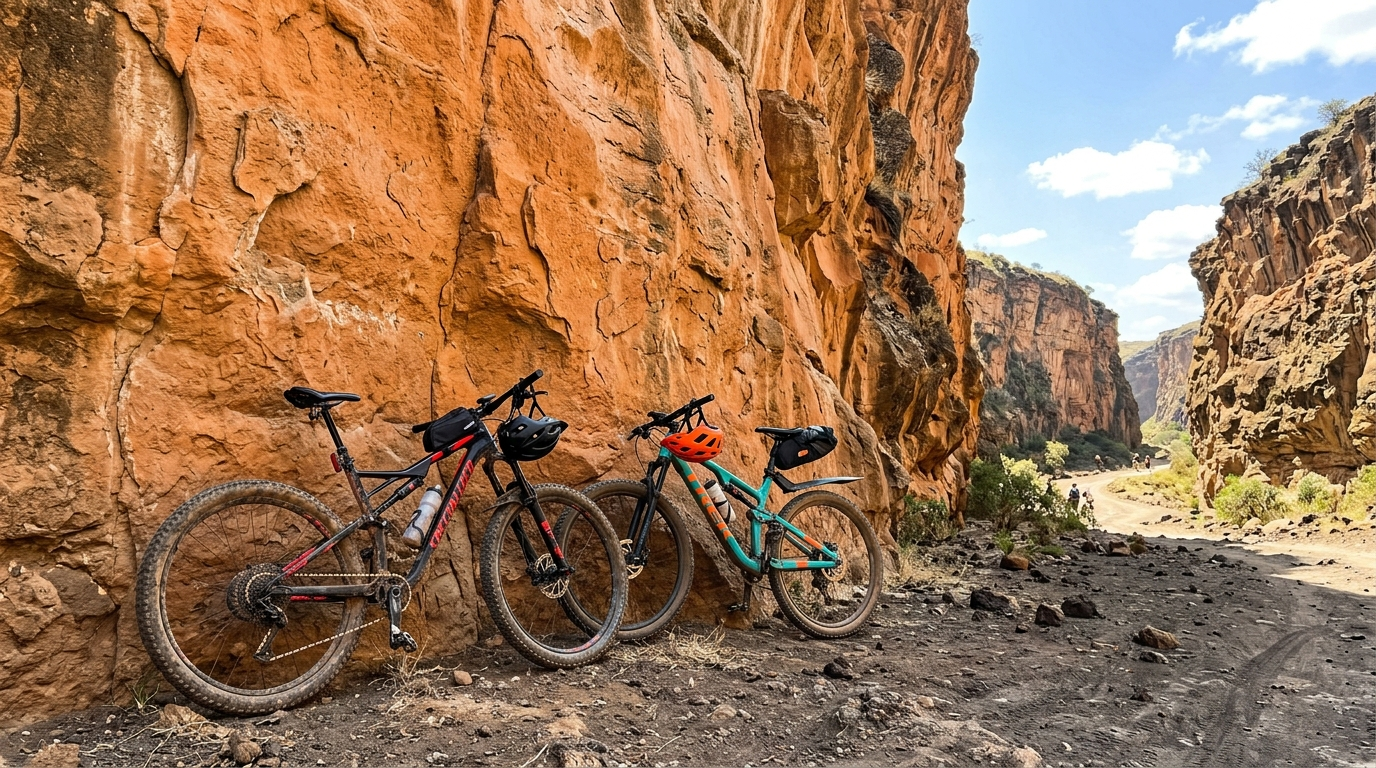
Hell’s Gate. A Rift Valley national park where cycling and walking are part of the appeal. Adds active adventure to a safari heavy itinerary.
Lake Naivasha. A freshwater Rift Valley lake used for boat trips, hippo viewing, Crescent Island walks, and route breaks. Helps reduce road fatigue in itineraries that would otherwise involve very long drives.
Coast and Culture
Diani Beach. A south coast beach destination often paired with safari. Popular for a safari and beach finish, particularly for honeymooners and families.
Lamu. A historic Swahili Coast destination known for culture, architecture, and island atmosphere. More cultural and atmospheric than a simple beach resort add on. Check safety advisories because coastal region advice can vary by area source.
Remote and Repeat Traveler Destinations
Lake Turkana. A remote northern Kenya destination and UNESCO World Heritage landscape, described as East Africa’s most saline large lake and the world’s largest desert lake source. Better for adventurous repeat travelers than first time safari itineraries.
Family Safari in Kenya
Kenya is one of the most practical family safari destinations in East Africa, and several factors make it particularly well suited for children.
Why Kenya Works for Families
The Mara’s open grasslands produce fast, visible sightings. Kids do not need patience for dense bush tracking because lions, elephants, and giraffes are often in plain view within minutes. Amboseli’s flat terrain and reliable elephant herds create another easy win for younger travelers. The coast (Diani or Watamu) provides a beach decompression phase that makes a 10 day family trip far more sustainable than wall to wall safari.
Age Considerations
Most Kenya national parks and reserves have no minimum age for entry, but individual lodges and camps set their own policies. Some luxury tented camps require children to be 8 or older. Others welcome toddlers but charge extra for a dedicated vehicle. Ask your operator for age specific options at every property on the itinerary.
Conservancies tend to be more flexible on family activities. Bush walks (usually age 12+), junior ranger programs, and Maasai cultural visits give older children active experiences beyond sitting in a vehicle. Laikipia properties in particular tend to welcome families with children of all ages and offer horseback, nature walks, and conservation education programs.
Practical Family Tips
- Private vehicles are essential for families. Shared game drives with other guests and young children who need bathroom stops or get restless are a recipe for tension on both sides.
- Fly at least one direction. A 6 hour rough road transfer is tolerable for adults but miserable for children under 10. The 45 minute bush flight to the Mara is a game changer for families.
- Build in rest time. Do not schedule back to back full day game drives for kids. A morning drive, a pool or camp break, and a short afternoon drive works better than an ambitious all day push.
- Pack snacks and entertainment. Camps provide meals, but vehicle time between sightings can feel long for kids. Binoculars sized for children, wildlife checklists, and a sketchpad go a long way.
For a comprehensive look at family logistics across East Africa, including Tanzania and Zanzibar options, the family safari planning guide covers age policies, camp choices, and itinerary structures in detail.
Day by Day Kenya Safari Itineraries
These sample routes show how the glossary terms translate into actual trip structures and how to explore Kenya efficiently across different trip lengths. Each day note explains what happens and why.
Route 1: Classic First Kenya Safari (7 to 8 Days)
Day 1: Arrive Nairobi. Airport transfer, overnight near the airport or in the city. If arriving early enough, optional visit to the Giraffe Centre or Nairobi National Park for a half day game drive.
Day 2: Drive Nairobi to Amboseli (4 to 5 hours). Afternoon game drive with Kilimanjaro views if skies are clear. Overnight Amboseli.
Day 3: Full day Amboseli. Morning and late afternoon game drives targeting elephant herds near the swamps. Midday rest at camp. Overnight Amboseli.
Day 4: Morning game drive in Amboseli. Drive to Lake Naivasha or Lake Nakuru (5 to 6 hours). This transit day prevents an exhausting single day drive between Amboseli and the Mara. Optional boat ride at Naivasha or afternoon game drive at Nakuru. Overnight Rift Valley.
Day 5: Morning activity at Nakuru or Naivasha (rhinos, flamingos, hippos). Drive to Maasai Mara (4 to 5 hours from Nakuru, longer from Naivasha depending on route). Afternoon game drive in the Mara. Overnight Mara.
Day 6: Full day Maasai Mara. Morning and afternoon game drives. Option for a bush walk if staying in a conservancy. Overnight Mara.
Day 7: Full day Maasai Mara. Another full day in the field increases chances of witnessing big cat hunts, migration activity (seasonal), and quieter sightings away from the main circuits. Optional balloon safari at dawn (separate fee). Overnight Mara.
Day 8: Early morning game drive. Transfer to Mara airstrip for bush flight to Nairobi, or begin road transfer. Depart Nairobi.
Why this works: Covers elephants and Kilimanjaro views, a Rift Valley break, and Mara big cat density. Tripadvisor forum users discussing this routing warned that Mara to Amboseli can be around 9 hours by road, so breaking the journey is important.
Route 2: Migration Focused Kenya (6 to 7 Days)
Day 1: Arrive Nairobi. Overnight.
Day 2: Fly or drive to Maasai Mara. Afternoon game drive in a conservancy. Overnight conservancy.
Day 3: Full day in the conservancy with bush walk, off road driving, and game drives. Overnight conservancy.
Day 4: Transfer into the Maasai Mara reserve. Full day game drive targeting migration herds and river crossing points. Overnight reserve.
Day 5: Full day in the reserve. Guide positions near active crossing points based on morning intelligence from other guides. Overnight reserve.
Day 6: Morning game drive. Afternoon transfer or flight to Nairobi. Overnight Nairobi or connect to international departure.
Day 7 (if available): Extra morning in the reserve or add a Nairobi National Park half day before evening flight.
Why this works: More nights in one ecosystem increases chances of meaningful migration sightings. Splitting time between a conservancy (quieter, more activities) and the reserve (closer to classic migration action) gives the best balance.
Route 3: Kenya Plus Tanzania Migration Ecosystem (10 to 14 Days)
Maasai Mara or Nairobi, Northern Serengeti or Central Serengeti depending on season, Ngorongoro or Tarangire, optional Zanzibar or Swahili Coast.
Why this works: Treats the migration as one ecosystem across two countries rather than forcing it into one national itinerary. This is where an experienced East Africa trip designer adds the most value. The Kenya to Tanzania border crossing at Isibania (or Namanga for southern routing) is the key logistical decision, covered in the border crossing section below.
If a multi country combination like this appeals, the guide to fitting multiple experiences into one East Africa trip covers the logistics of combining safari, gorilla trekking, and beach in one journey.
Route 4: Safari Plus Beach (10 to 12 Days)
Nairobi, Mara and/or Amboseli, Tsavo or flight connection, Diani Beach or Zanzibar depending on routing.
Why this works: Good for honeymooners and families who want decompression after early safari mornings. The coast provides a completely different rhythm.
Route 5: Family Kenya Safari (9 to 10 Days)
Day 1: Arrive Nairobi. Giraffe Centre and Sheldrick Trust elephant orphan visit (both are short, visual, and perfect for kids). Overnight Nairobi.
Day 2: Fly to the Mara (avoid the long road transfer with children). Afternoon game drive in a conservancy. Overnight conservancy.
Day 3: Morning game drive. Afternoon at camp (pool, junior ranger activity, Maasai village visit). Overnight conservancy.
Day 4: Full day in the Maasai Mara reserve. Pack lunch and stay out for big cat sightings. Overnight Mara.
Day 5: Morning drive. Fly back to Nairobi. Drive to Amboseli (or fly if budget allows). Afternoon game drive. Overnight Amboseli.
Day 6: Full day Amboseli. Elephant herds, Kilimanjaro views. Overnight Amboseli.
Day 7: Morning drive. Transfer to the coast (fly Amboseli to Diani, or drive through Tsavo with a game drive stop). Overnight Diani.
Day 8 to 9: Beach days. Snorkeling, tide pool exploring, dhow sailing. Decompression for the whole family.
Day 10: Transfer to Mombasa airport or fly to Nairobi for departure.
Why this works: Flying eliminates the roughest road transfers. The Mara and Amboseli are the two most reliably productive parks for visible wildlife. The beach finish prevents safari fatigue in younger travelers.
Route 6: Northern Kenya Circuit with Samburu and Laikipia (10 to 12 Days)
Day 1: Arrive Nairobi. Overnight.
Day 2: Drive or fly to Laikipia (Ol Pejeta or Lewa). Afternoon game drive or rhino tracking. Overnight Laikipia.
Day 3: Full day in Laikipia. Bush walk, horseback safari, or conservation activity. Overnight Laikipia.
Day 4: Transfer to Samburu (3 to 4 hours by road, or a short bush flight). Afternoon game drive along the Ewaso Ng’iro River targeting the Samburu Special Five. Overnight Samburu.
Day 5: Full day Samburu. Morning and afternoon drives. Overnight Samburu.
Day 6: Morning drive in Samburu. Fly to the Mara (via Nairobi connection or direct charter). Afternoon game drive in a Mara conservancy. Overnight Mara.
Day 7 to 8: Full days in the Maasai Mara. Migration focus if July through October, general big cat viewing otherwise.
Day 9: Fly or drive to Nairobi. Overnight.
Day 10 to 12 (optional): Add Amboseli, the coast, or depart.
Why this works: Covers two completely different Kenya ecosystems (semi arid Samburu and the Mara grasslands) plus conservation focused Laikipia. The habitat diversity produces a wider species list and more varied photography than a Mara only trip. Flying between regions prevents backtracking fatigue.
Kenya to Tanzania Border Crossing at Isibania
Travelers building a Kenya plus Tanzania itinerary need to understand the border crossing logistics, because a poorly planned border day can waste hours and cause unnecessary stress.
Why Isibania Matters
The Isibania border crossing (also written as Isebania) sits on the western Kenya to Tanzania border, roughly 2 to 3 hours south of the Maasai Mara. It is the most logical overland crossing point for travelers going from the Mara to the Serengeti or Lake Victoria region of Tanzania. The alternative, Namanga, is the busier crossing between Nairobi and Arusha, used primarily for itineraries heading to the northern Tanzania safari circuit (Serengeti via Arusha, Ngorongoro, Tarangire).
Crossing Practicalities at Isibania
- Documentation: You will need a valid passport with at least six months validity and blank pages. Kenya eTA and Tanzania eVisa should both be arranged before arrival. Attempting to sort visa paperwork at the border adds delay.
- Process: You clear Kenya immigration (exit stamp), walk or drive a short distance, then clear Tanzania immigration (entry stamp). Vehicle paperwork (if crossing with a safari vehicle) requires additional customs processing. The whole process can take 30 minutes on a quiet day or 2+ hours during busy periods.
- Currency exchange: Have some Tanzanian shillings ready for immediate expenses on the Tanzania side, or withdraw from ATMs in the nearest Tanzanian town (Tarime or Musoma). Kenyan shillings are not widely accepted in Tanzania.
- Health certificates: If your itinerary involves yellow fever risk countries, have your vaccination certificate accessible. Border officials on both sides may ask for it.
Who Uses Isibania vs Namanga
Isibania is best for: Mara to Serengeti overland connections, especially during migration season when herds are moving between the two ecosystems. Also useful for travelers heading to Musoma, Lake Victoria’s southern shore, or the western Serengeti corridor.
Namanga is best for: Nairobi to Arusha transfers, travelers heading to Ngorongoro or Tarangire, and anyone whose itinerary is anchored in northern Tanzania’s standard safari circuit.
The Operator Advantage
This is a strong argument for booking through an operator with ground operations in both countries. Cross border vehicle logistics, guide handoffs, permit coordination, and immigration paperwork all become the operator’s problem rather than yours. Practitioners on safari forums consistently report that DIY border crossings are manageable but stressful, while guided crossings with a local operator are smooth because the drivers know the process and the officials.
Planning a trip that spans both countries? Duma Explorer coordinates custom East Africa itineraries across Kenya and Tanzania with local teams handling the border logistics.
Kenya Safari Packing List
Packing for Kenya is not complicated, but a few wrong choices can make game drives uncomfortable and a few right ones can dramatically improve the experience.
Clothing
- Neutral colored layers: Khaki, olive, tan, brown. Avoid white (gets dirty instantly on dusty roads), black (attracts tsetse flies in some areas), and bright blue or red (can disturb wildlife and is culturally sensitive in some Maasai areas).
- Light fleece or soft shell jacket: Early morning game drives in the Mara (elevation around 1,500 m) can be surprisingly cold, especially June through August. Wind chill on an open vehicle compounds this.
- Long sleeves and long trousers: Protection against sun, insects, and thorny vegetation on bush walks.
- Wide brimmed hat and sunglasses: Essential for open vehicle game drives.
- Closed toe walking shoes: For bush walks, camp paths at night, and any trekking. Sandals are fine around camp during the day.
- A warm layer for evenings: Temperatures drop noticeably after sunset at altitude.
Gear
- Binoculars: The single most impactful gear upgrade for any safari. Even a modest pair transforms distant sightings into close encounters.
- Camera with zoom lens: A 200mm is the minimum for useful wildlife shots. 100 to 400mm or 200 to 600mm zoom covers most situations.
- Universal travel adapter: Kenya uses Type G plugs (the British three pin style). Most safari camps have limited or scheduled electricity, so charge devices whenever outlets are available.
- Power bank and charging cables: Essential given limited camp electricity.
- Headlamp or small torch: Camp paths are dark at night. Essential, not optional.
- Daypack: For carrying layers, water, camera, and binoculars on game drives.
Health and Documents
- Prescription medications including malaria prophylaxis, packed in carry on luggage.
- Insect repellent with DEET or picaridin.
- Sunscreen (SPF 50+). Equatorial sun is intense even on overcast days.
- Printed and digital copies of eTA confirmation, travel insurance, passport, and vaccination certificates.
- Reusable water bottle. Most camps provide filtered water for refills.
- Small US dollar bills for tips and minor purchases. ATMs are unavailable in remote safari areas.
What Not to Pack
- Hard sided luggage (bush flights have strict weight limits and require soft bags)
- Camouflage clothing (restricted or illegal to wear in some East African countries)
- Excessive electronics (dust, vibration, and heat are hard on gear)
- Drone (prohibited in all Kenyan national parks and reserves)
Common Kenya Safari Mistakes
1. Trying to See Too Many Parks in Too Few Days
The most common mistake. A 7 day itinerary with four parks means most of the trip is spent in a vehicle on rough roads rather than watching wildlife. Two or three well chosen destinations with adequate time in each will always beat a checklist sprint.
2. Not Confirming the Vehicle Type
Assuming “safari vehicle” means a 4×4 Land Cruiser. In budget and mid range options, it might be a minivan with a pop up roof. Minivans can get stuck in mud, offer less elevation for photography, and feel cramped over long drives. Ask explicitly.
3. Booking Based on Price Alone Without Checking What is Included
A cheaper quote that excludes park fees, conservancy fees, and internal flights can end up costing more than a higher quote that includes everything. Compare like for like.
4. Underestimating the Nairobi to Mara Drive
The 260 km distance looks short on a map. The reality of unpaved roads, dust, and potential rain delays means 5 to 8 hours of driving. Many travelers wish they had flown at least one direction.
5. Arriving on Migration Day One and Expecting a River Crossing
River crossings are unpredictable events within a broader seasonal window. Travelers who allocate only 2 nights in the Mara during July or August and expect to witness a crossing are setting themselves up for disappointment. More nights means more chances.
6. Ignoring the Mara Ticket Validity Rules
Mara entry tickets for guests staying outside the reserve are valid for 12 hours (6 AM to 6 PM). If you do a morning game drive on your departure day, that requires a new ticket. This catches people off guard because it can add $100 to $200 per person unexpectedly.
7. Skipping Travel Insurance
Medical facilities are limited outside Nairobi and Mombasa. A medical evacuation from a remote safari camp can cost tens of thousands of dollars. The safari travel insurance guide explains what coverage matters and what most policies miss.
8. Packing a Hard Suitcase
Bush flights on small aircraft enforce strict luggage weight limits (typically 15 kg per person including carry on) and require soft sided bags. Hard suitcases will be rejected at the airstrip.
9. Treating the Cultural Component as Optional
Skipping cultural activities to squeeze in one more game drive is a false economy. A well structured Maasai community visit or Swahili Coast cultural stop adds dimension to the trip that another hour watching wildebeest cannot replicate. The travelers who report the richest Kenya experiences almost always mention a cultural moment alongside their wildlife highlights.
10. Not Carrying the Right Currency or Adapter
Arriving with only large denomination US bills or no Kenyan shillings creates friction at every turn. Similarly, packing the wrong power adapter (Kenya uses the British Type G three pin plug, not the European two pin or American flat blade) means dead camera batteries on the first morning game drive.
Kenya Itinerary Terms
Bush Flight
A small plane flight connecting safari airstrips. Saves time and can make a short itinerary far more comfortable.
Internal Transfer
The movement between airport, city hotel, camp, park, and beach. In Kenya, transfers can determine whether a trip feels smooth or exhausting.
Route reality check: If your itinerary has only one night in a park after a long transfer, you may be buying logistics more than safari.
Nairobi Overnight
A night in Nairobi before or after safari. Often needed for international flight schedules, jet lag recovery, or onward domestic and bush flight connections.
Open Jaw Itinerary
Flying into one city and out of another (for example, arriving in Nairobi and departing from Mombasa or Zanzibar). Can reduce backtracking and save a full day.
Cross Border Safari
A safari that combines Kenya with Tanzania, Uganda, or Rwanda. The Serengeti Mara ecosystem naturally spans two countries, and the best migration itinerary may follow the herds rather than stop at a border. The Isibania and Namanga border crossings are the main overland connection points between Kenya and Tanzania.
Cost Terms That Affect Kenya Safari Quotes
Kenya is no longer automatically a budget safari destination. Park fees have increased materially, and one experienced travel writer benchmarks private Kenya safaris from roughly $300 per person per day including hotels, park fees, meals, transfers, and activities. Understanding the cost vocabulary helps you compare quotes fairly.
Per Person Sharing
The standard pricing unit for safari quotes. It assumes two people sharing a room. Solo travelers pay more because of the single supplement.
Single Supplement
An additional fee for solo travelers occupying a room alone. Can add 30% to 60% to the per person cost depending on the property.
Park Fees
Mandatory conservation access fees. KWS 2025 non resident adult rates range from USD 50 for scenic parks to USD 90 for premium parks like Amboseli, while Mara reserve fees are governed separately by Narok County and can reach USD 200 per person per day in high season.
Conservancy Fees
Separate fees charged for access to private or community conservancy land. These may or may not be included in your lodge rate. Always ask.
Internal Flights
Bush flights between parks. These add direct cost but can save full days of road travel. On a short trip, the math often favors flying.
High Season and Low Season Rates
Accommodation and park fee prices that change by season. The Mara’s high season fee is double its low season rate. Lodges and camps follow similar patterns.
Kenyan Shilling (KES)
Kenya’s official currency. As of early 2026, the exchange rate hovers around 128 to 132 KES per US dollar, though this fluctuates. Safari lodges, park gates, and urban businesses generally quote in US dollars for non resident transactions. Credit cards are accepted at most lodges and larger hotels, but cash (US dollars in small, clean, post 2006 bills) is needed for tips, market purchases, and small town stops. ATMs in Nairobi and Mombasa dispense Kenyan shillings. There are no ATMs in or near the Maasai Mara, Samburu, or most remote safari areas.
Tips
Gratuities for guides, camp staff, and sometimes drivers. Rarely included in quoted prices. Ask your operator for tipping guidance specific to your itinerary. For general benchmarks, the safari tipping guide covers standard amounts across East Africa.
Balloon Safari
A hot air balloon flight over the savannah, typically offered in the Maasai Mara and the Serengeti. It is a separate activity with its own fee, usually several hundred dollars per person. Worth it for many travelers, but not included in standard safari quotes.
Medical Evacuation Insurance
Insurance covering emergency transport to better medical care. The U.S. State Department recommends this for Kenya because medical facilities can be limited outside major cities source.
Entry, Health, and Safety Terms
A good planning glossary should reduce risk. This section does not replace personalized medical or legal advice, but it defines the terms and points to official sources.
eTA (Electronic Travel Authorization)
Kenya requires an electronic travel authorization before entry for most visitors. The official eTA portal is where travelers apply online. The U.S. State Department adds that visitors need a passport with at least two blank pages and six months’ validity source.
Planning tip: “Visa free” does not mean “no paperwork.” Apply for the eTA well before your departure date.
Navigating the 2026 Kenya eTA
As of 2026, Kenya has fully transitioned from traditional visas to the Electronic Travel Authorization (eTA).
- Application Window: Apply between 3 months and 3 days before travel.
- Requirements: You will need a digital passport photo, flight itinerary, and proof of accommodation booking.
- Fees: The eTA carries a standard processing fee (approximately $30 to $35).
- Yellow Fever: While not required for direct arrivals from Europe/USA, a certificate is mandatory if arriving from a country with risk of transmission (e.g., Ethiopia or Uganda).
Yellow Fever Certificate
Proof of yellow fever vaccination. The CDC says it is not required for direct travel from the United States to Kenya but is required for travelers arriving from countries with yellow fever transmission risk source. If your itinerary routes through a yellow fever country (common with East Africa multi country trips), you will need the certificate.
Malaria Prophylaxis
Prescription medication taken to prevent malaria. The CDC says malaria transmission occurs in all areas of Kenya including game parks below 2,500 m / 8,200 ft, with rare cases in highly urbanized central Nairobi. Recommended chemoprophylaxis options include atovaquone proguanil, doxycycline, mefloquine, or tafenoquine. Consult a travel clinic or healthcare provider before your trip.
Travel Advisory
Government guidance on safety and security risks. The U.S. State Department currently classifies Kenya as Level 2: Exercise Increased Caution due to crime, terrorism, civil unrest, kidnapping, and health, with some specific areas at higher risk levels. The UK FCDO advises against all travel to specific parts of Kenya, particularly areas near the Kenya Somalia border.
Standard safari circuits (Mara, Amboseli, Nakuru, Tsavo, Diani) do not overlap with the highest risk zones, but checking current advisories before finalizing an itinerary is essential.
Kenya vs Tanzania: Terms That Help You Choose
Kenya and Tanzania are not rivals. They are adjacent planning tools. The Great Migration does not belong to either country. It spans both.
Serengeti Mara Ecosystem
The full migration circuit crosses from the Serengeti in Tanzania to the Masai Mara in Kenya and back. The Mara is the northern dry season phase, while the Serengeti covers the broader annual cycle including calving, the western corridor, and the southern plains.
Northern Serengeti
The Tanzanian section closest to the Mara River crossings. For travelers who want river crossing drama but prefer Tanzania’s larger ecosystem and potentially lower vehicle density, the northern Serengeti is the alternative to a Mara based migration safari.
Ngorongoro Crater
A massive volcanic caldera in Tanzania’s northern circuit. Often combined with the Serengeti for travelers doing a broader East Africa trip. The Ngorongoro Crater planning guide covers logistics and timing.
Zanzibar and the Swahili Coast
Beach and culture add ons that work after both Kenya and Tanzania safaris. Zanzibar connects easily from Dar es Salaam or Arusha. Diani Beach connects from Nairobi or Mombasa. The choice depends on your routing.
Kenya is excellent for compact Mara focused safaris and classic first timer routes. Tanzania is powerful for the broader Serengeti migration cycle, Ngorongoro, Tarangire, and Zanzibar combinations. Many experienced travelers combine both. The overland connection between them (via Isibania or Namanga) is straightforward with the right planning.
Questions to Ask Before Booking
Before booking a Mara safari:
- Are we staying in the reserve, a conservancy, or both?
- Are Mara fees included at current seasonal rates?
- How many full days are in the Mara versus in transit?
- Is the vehicle private or shared?
- Can we do full day game drives?
- What happens if the herds are not near camp?
Before booking a Kenya road safari:
- What are the longest drive days?
- Are roads paved, rough, or seasonal?
- Can we fly one leg to save time?
- Are we using a 4×4 or a minivan?
- Are we losing prime game drive hours to transfers?
Before booking a family safari:
- What is the minimum age policy at each camp or lodge?
- Is a private vehicle included for all game drives?
- Are there junior ranger programs or age appropriate activities?
- Is flying between parks included to reduce road time for children?
Before booking a photography focused safari:
- Does the guide have experience working with photographers?
- Is the vehicle set up for photography (bean bag mounts, open sides, enough space)?
- Can we spend extended time at single sightings rather than moving on quickly?
- Is the itinerary designed around light conditions and seasonal subjects?
Before booking a cross border Kenya to Tanzania trip:
- Which border crossing will be used (Isibania, Namanga, or a different point)?
- Is visa paperwork for both countries handled in advance?
- Will the same vehicle and guide cross the border, or is there a handoff?
- Are park fees for both countries included in the total quote?
Ready to start planning? Duma Explorer designs custom East Africa itineraries across Kenya, Tanzania, Uganda, and Rwanda with local operations and experienced guides on the ground.
Frequently Asked Questions
What does “explore Kenya” mean for travelers?
For most international visitors, to explore Kenya means planning a safari centered trip built around the Maasai Mara and Amboseli, often extended with Rift Valley lakes, Nairobi city experiences, Mount Kenya, or a beach finish on the Indian Ocean coast. Kenya also connects naturally to Tanzania, Uganda, and Rwanda for broader East Africa itineraries.
How many days do you need to explore Kenya?
A focused first Kenya safari works well in 7 to 8 days covering Amboseli, a Rift Valley stop, and the Maasai Mara. Migration focused trips benefit from 6 to 7 days concentrated in the Mara. Adding beach, Mount Kenya, Samburu, Laikipia, or a cross border extension to Tanzania pushes the trip to 10 to 14 days. Travelers who want to explore Kenya beyond the classic safari circuit, including northern regions like Samburu or Lake Turkana, should plan for at least 12 days.
Can I do a self drive safari in Kenya?
Yes, self drive is legal in most KWS managed national parks. It works best for experienced Africa travelers in parks with well marked tracks like Amboseli or Tsavo. The Mara’s complex track network, variable road conditions, and remote location make it a poor choice for a first self drive. Most travelers get significantly more wildlife value from a knowledgeable local guide.
What is the difference between the Maasai Mara reserve and a Mara conservancy?
The reserve is the core public wildlife area managed by Narok County, with potentially more vehicles and stricter activity rules. Conservancies are adjacent community or private lands with controlled access, fewer vehicles, and often additional activities like night drives and bush walks. Wildlife moves freely between them, but the biggest migration herds tend to concentrate in the reserve during peak season.
When is the Great Migration in Kenya?
The migration’s Mara phase typically runs from roughly July through October, but crossings and herd positioning depend on rainfall and grazing conditions, not fixed dates. The broader migration is a year round circular movement across the Serengeti Mara ecosystem. For a complete timing guide, the Great Migration safari guide covers month by month patterns across both countries.
Is Kenya good for a family safari?
Kenya is one of the best family safari destinations in Africa. The Mara’s open grasslands produce fast, visible wildlife sightings that keep children engaged. Amboseli’s elephants and Kilimanjaro views are universally appealing. Adding a beach finish at Diani or Watamu prevents safari fatigue. Private vehicles and bush flights are highly recommended for families to maximize comfort and minimize road time.
What is the Samburu Special Five?
The Samburu Special Five are wildlife species found in northern Kenya that are rare or absent on the southern safari circuits: Grevy’s zebra, reticulated giraffe, gerenuk, Somali ostrich, and Beisa oryx. Samburu National Reserve is the best place to see all five on a single game drive.
What is Laikipia and should I visit?
Laikipia is a highland plateau in central Kenya containing private ranches and community conservancies. It is exceptional for rhino conservation (including Ol Pejeta, home to the last northern white rhinos), horseback safaris, and intimate bush experiences with very few other vehicles. It suits return visitors, conservation minded travelers, and families looking for an alternative to the busier Mara.
Are Kenya park fees included in safari quotes?
Not always. Some operators include all park and conservancy fees, while others list them separately. Ask explicitly whether the quote includes current season fees for every park on the itinerary. This is one of the biggest sources of quote variation.
Do I need a visa or eTA for Kenya?
Most visitors need an electronic travel authorization (eTA) before arrival. Apply through Kenya’s official eTA portal before departure. You will also need a passport with at least two blank pages and six months’ validity.
What currency does Kenya use, and what plug type do I need?
Kenya uses the Kenyan shilling (KES), though most safari businesses quote in US dollars for non residents. Bring small denomination US bills (post 2006 printing) for tips. The country uses British style Type G three pin plugs at 230V, so pack a universal adapter.
How do I cross from Kenya to Tanzania overland?
The two main border crossings are Isibania (best for Mara to Serengeti routing) and Namanga (best for Nairobi to Arusha). Both require valid passports, pre arranged eTA/eVisa for each country, and potentially a yellow fever certificate. Using an operator with ground teams in both countries simplifies the process significantly.
How far is Nairobi from the Maasai Mara?
Roughly 260 km by road. Driving takes 5 to 8 hours depending on conditions. A bush flight from Wilson Airport takes about 45 minutes. On trips shorter than 8 days, flying at least one direction is worth serious consideration.
Is Kenya safe for tourists?
The U.S. State Department rates Kenya as Level 2 (Exercise Increased Caution). Standard safari circuits like the Mara, Amboseli, Nakuru, and Diani do not overlap with the highest risk zones. Check current advisories and avoid areas specifically flagged by your government’s travel guidance.
What should I pack for a Kenya safari?
Neutral colored layers, a warm fleece for early morning drives, binoculars, sunscreen, insect repellent, a Type G power adapter, and a soft sided bag if taking bush flights. Avoid hard suitcases, bright colors, and camouflage patterns.
Should I choose Kenya or Tanzania for safari?
They serve different strengths and combine well. Kenya excels at compact Mara focused safaris and classic first timer routes. Tanzania offers the broader Serengeti migration cycle, Ngorongoro Crater, and Zanzibar. The detailed Kenya vs Tanzania comparison walks through the trade offs by wildlife, cost, crowding, and itinerary style.
What is a conservation safari?
A conservation safari is a trip structured so that visitor fees and accommodation revenue directly support wildlife protection and community livelihoods. In Kenya, staying in a Mara conservancy or a Laikipia property like Ol Pejeta is one of the most concrete ways to participate because bed night fees fund anti poaching patrols and community payments to landowners.
What are the most common Kenya safari mistakes?
Trying to visit too many parks in too few days, not confirming the vehicle type, booking on price alone without checking inclusions, underestimating the Nairobi to Mara drive, forgetting the right currency and power adapter, and skipping travel insurance. Each of these is avoidable with the right questions before booking.
Leave a Reply